
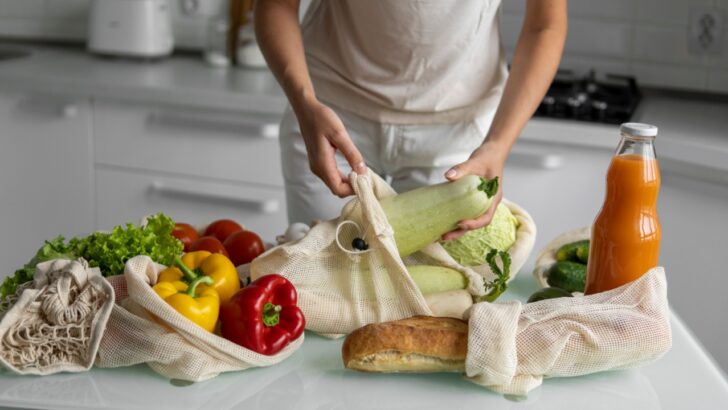
April 2026 brought some tough news for grocery shoppers across the U.S. The monthly grocery price surge was the largest we’ve seen in almost four years, leaving many households feeling the pinch. But what’s behind this sudden price spike? It’s not just inflation at play; there’s a much bigger factor stirring the pot.
In short, the ongoing Iran conflict has put a strain on global energy markets, directly affecting fuel costs and, in turn, our grocery bills. As gasoline prices soared, so did food prices, especially fresh vegetables. If you thought the last time you checked the price of tomatoes was a shocker, wait until you hear how much more you might pay this month.
What’s Really Driving These Price Hikes?
Food prices have jumped 0.7% from March to April 2026, with a 2.9% annual increase. But when we break it down, the most noticeable hikes come from fresh vegetables, which surged 44% in just the past three months. Tomatoes, lettuce, and other fresh produce have felt the heat of rising costs more than any other grocery category.
And it’s not just the usual suspects like labor shortages or transport issues. It’s the energy shock from the ongoing conflict between the U.S., Israel, and Iran. The situation has led to gas prices climbing past $4.50 a gallon, driving up the cost of transporting everything from farm produce to your favorite carton of milk.
The War’s Effect on Your Grocery Cart
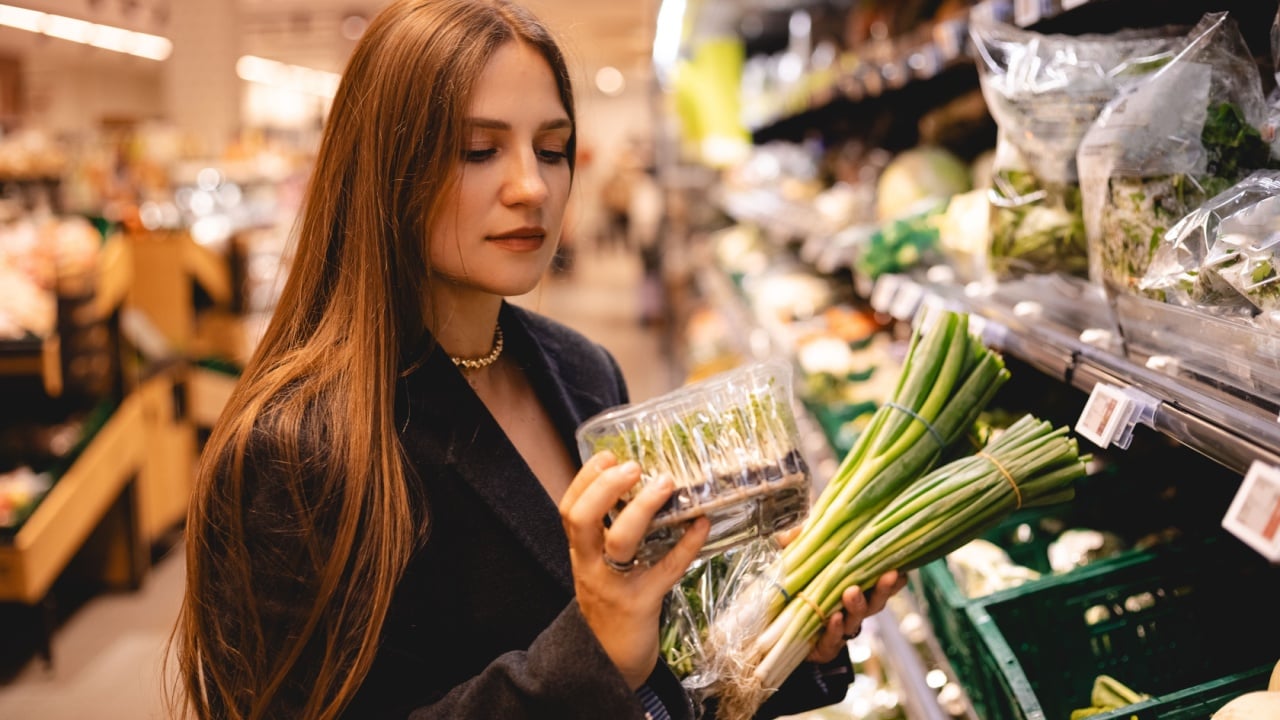
The war in the Middle East has had ripple effects on nearly every aspect of life, fueling higher gasoline costs, which, as expected, has spilled over into everything that requires transportation. While you may have noticed a slight dip in food prices last month, the rise in April came with a vengeance, especially when it comes to vegetables.
Fresh vegetables jumped a staggering 11.5% annually, making it one of the biggest contributors to the increase in your grocery bill. This is due, in part, to the rising cost of diesel, which impacts both the delivery of produce and the fuel needed to operate farms and greenhouses. As a result, fresh vegetables are being hit hardest by this supply chain disruption.
What This Means for Your Grocery Bill
Now, let’s break down how these price hikes affect specific grocery categories. Fresh vegetables have seen the sharpest price increases, with a 3.1% rise just from March to April 2026. The annual increase is even more staggering at 11.5%. Tomatoes, lettuce, and other fresh vegetables are particularly hard-hit, with tomatoes alone soaring 39.7% year-over-year. Lettuce followed closely behind with a 7.9% increase.
On the other hand, some categories have experienced milder hikes. For example, meats, poultry, fish, and eggs have increased by 1.3%, while nonalcoholic beverages have increased by 1.1%. Dairy prices also ticked up by 0.8%. Despite the smaller jumps in these categories, the overall cost of groceries is rising fast, and consumers are feeling the strain.
The Big Picture: Fuel Costs and Supply Chain Woes

What’s driving this sharp rise? Gasoline prices have surged by 5.4% from March to April, impacting everything from food transport to production. With fuel costs at the heart of the issue, it’s no surprise that grocery prices are being pushed higher, especially for items that require long-distance shipping, like fresh produce.
It’s also important to consider that some key factors predate the Iran war. Labor shortages, weather-related issues, and high energy costs have all combined to amplify the effects of the ongoing conflict. With diesel and fertilizer prices climbing, fresh produce was the first to feel the brunt of these escalating costs.
How to Offset Rising Prices: Grow Your Own
Now, here’s the good news: you don’t have to sit idly by and watch your grocery bill grow. You can take control by starting your own home garden. Growing your own food not only gives you a sense of satisfaction but also helps you save money, especially on those pricey vegetables.
For example, a cherry tomato plant costs around $6 for materials but yields about 15 pounds of tomatoes over a season. When you compare that to the retail cost of tomatoes (about $1.50 per pound), you’re looking at $16.50 in savings just from one plant.
Other high-yield crops like lettuce, herbs, and green beans can also save you money. Plus, they’re easy to grow and can thrive in small spaces, making them perfect for anyone, from apartment dwellers to backyard gardeners.
Gardening for Savings: How to Start
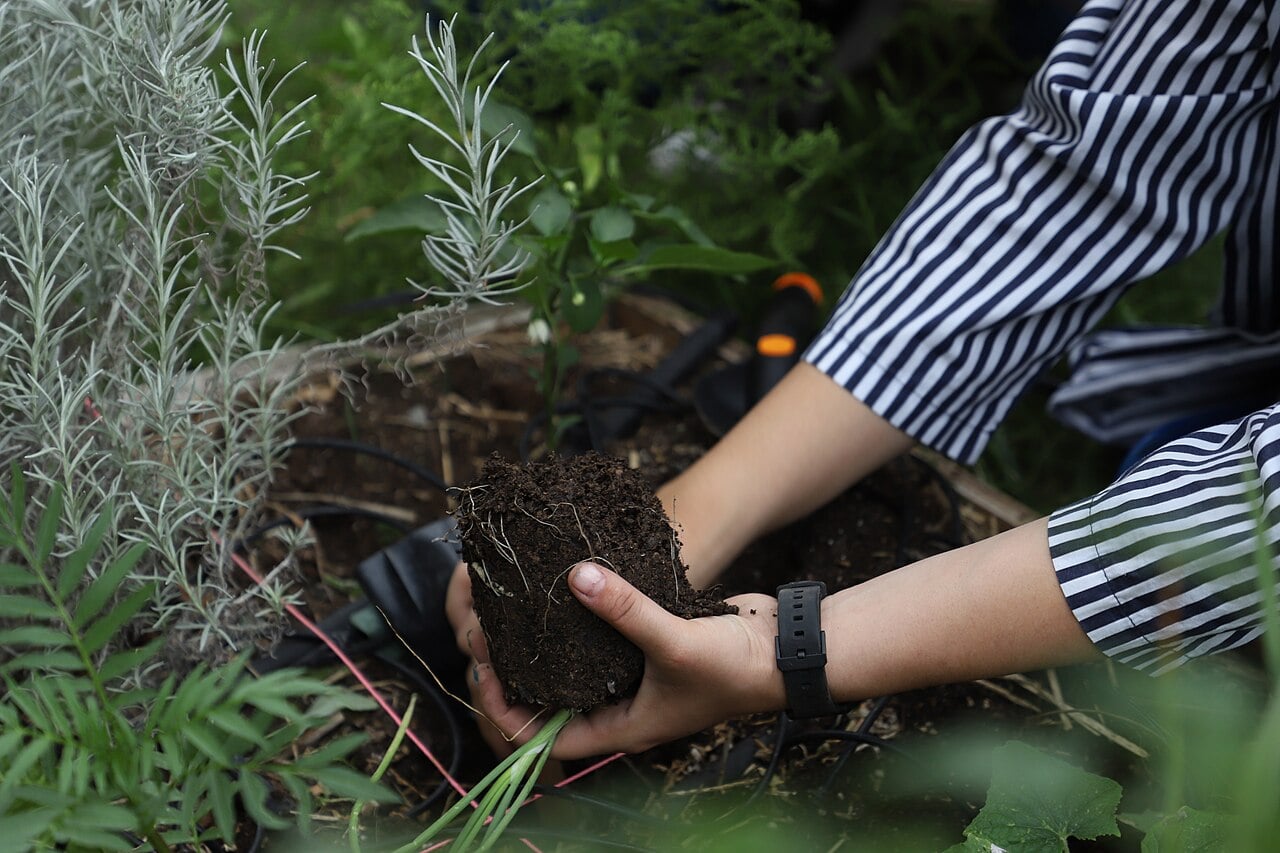
Home gardening doesn’t require a massive backyard. Whether you’re working with a balcony or a small garden plot, container gardening, raised beds, or square-foot gardening can help you maximize space. Start with crops like tomatoes, lettuce, and herbs; all of which are easy to grow and will provide plenty of food for your family.
A little investment in seeds, usually costing between $2 to $4 per packet, can go a long way. You can even start your plants indoors before the last frost, and use rain barrels or compost to save on water and fertilizer.
The Bottom Line: Every Little Bit Helps
While grocery prices continue to climb, small changes like growing your own food can make a huge difference in your budget. Not only will you save money, but you’ll also enjoy the peace of mind that comes with knowing exactly where your food is coming from. Plus, gardening can be incredibly rewarding and help reconnect you with the seasons in a way that simply shopping at the store never can.
So, while the war may be driving up the costs at the grocery store, you can take matters into your own hands—literally. Whether you have a sprawling backyard or just a few windowsills, now is the time to start planting and saving for the future.
After all, in times like these, a little green thumb might just be your best defense against rising costs.