
Here’s How Often You Should Be Washing Each Kitchen Surface
Many kitchen surfaces appear clean at a glance, but a closer look often reveals grease, crumbs, and dust. Even if you can’t see them, bacteria thrive on the spots you touch most. This is why cleaning on a proper schedule is more effective than a quick, occasional wipe-down.
Some surfaces need attention every day, while others do fine with a weekly or monthly wash. The best routine depends on how often a surface gets splashed, touched, or exposed to food.
A missed wipe on the counter may invite germs from raw produce, meat juices, or sticky spills. A neglected fridge shelf or dishwasher filter can lead to odors that linger far longer than the mess that caused them.
Here is how often you should be washing each kitchen surface and what to do to keep each one in good shape.
1. Tackle Countertops Every Day

Kitchen counters should be wiped after meal prep and again at the end of the day. They collect crumbs, spills, raw food residue, and germs from grocery bags, phones, and hands.
Daily washing helps cut the risk of cross-contamination, which matters most if you prep meat, eggs, or unwashed produce on these surfaces.
Use warm water, dish soap, and a soft cloth for daily cleaning, then follow with a cleaner made for your counter material if needed.
Stone surfaces like granite or marble need gentler products than laminate or sealed butcher block, so harsh sprays can harm them. Once a week, give counters a deep clean by moving small appliances and wiping the easy-to-miss spots.
2. Clean the Stovetop After Each Use
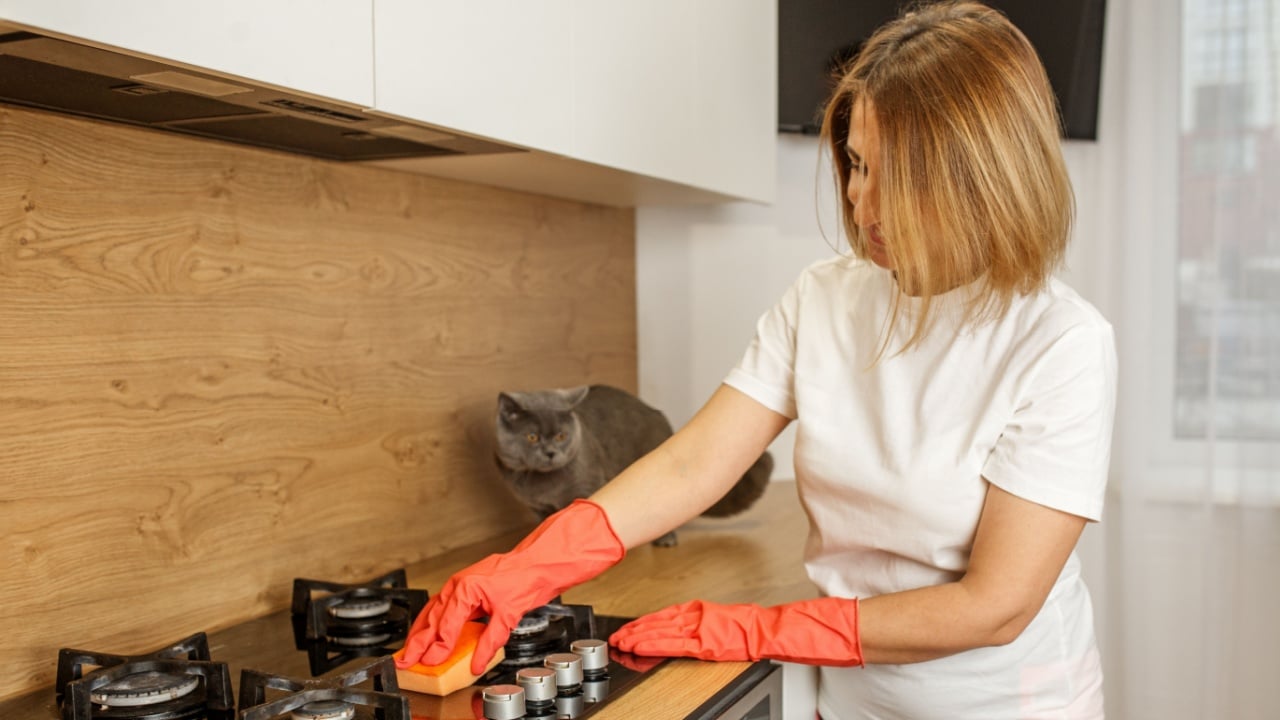
Your stovetop should be cleaned after cooking, especially if oil spatters, sauces bubble over, or food drops near the burners. Heat can bake spills onto the surface fast, which makes later cleaning much harder.
Grease buildup also affects air quality in the kitchen and can turn into a sticky film on nearby walls and cabinets.
Wait until the surface is cool, then wipe it with a damp cloth and a little dish soap or a cooktop-safe cleaner. If food is stuck on, lay a warm, damp cloth over the mess for a few minutes to loosen it before scrubbing.
Once a week, remove grates or burner covers if your stove allows it and wash them well so hidden grease does not pile up.
3. Scrub the Sink Every Week
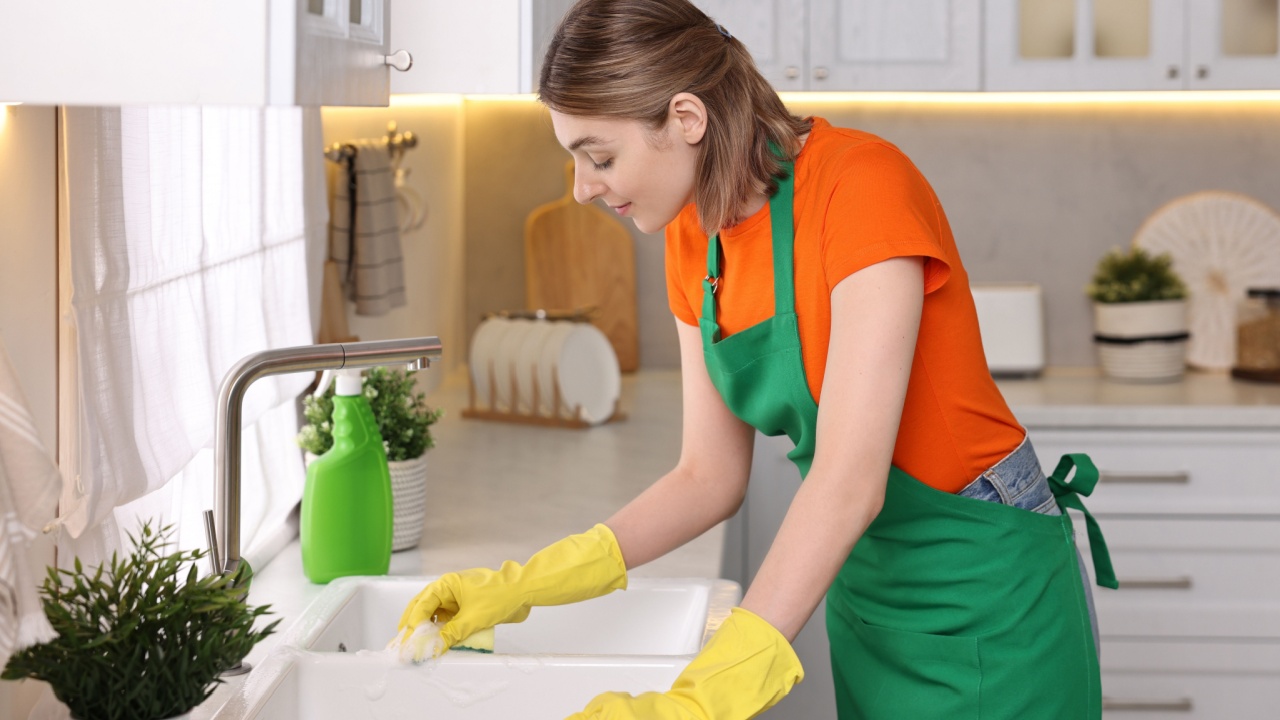
Your kitchen sink should be scrubbed at least once a week, even if you rinse it every day. Sinks handle food scraps, dirty dishes, grease, and moisture all in one place, which gives bacteria plenty to feed on.
Studies have often found that the kitchen sink can carry 100 times more germs than bathroom sinks.
Wash the basin with hot, soapy water, then scrub the drain area and rinse well. If you have a stainless steel sink, dry it after cleaning to help prevent water spots, and use baking soda for gentle scrubbing if stains stick around.
It also helps to sanitize the faucet handle and nearby counter edge, since those high-touch spots are often dirtier than the bowl itself.
4. Wipe the Microwave Every Week
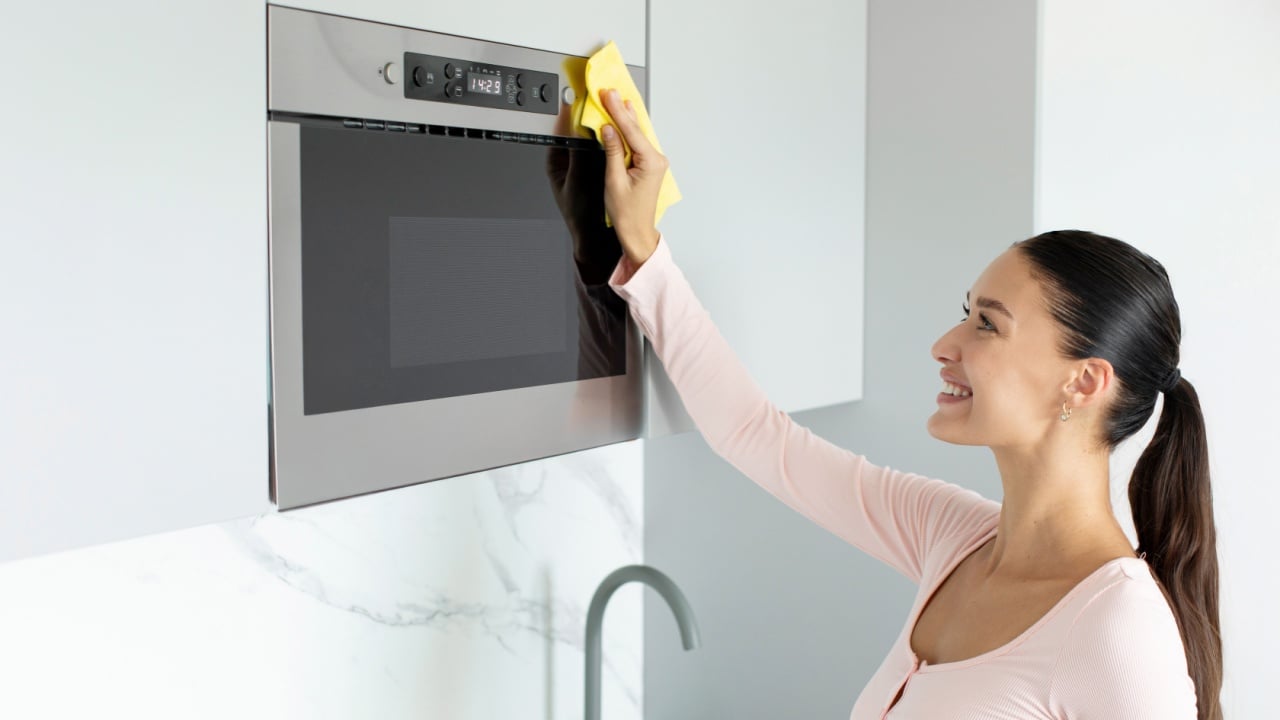
A microwave should be wiped out once a week, or sooner if food splatters during reheating. Steam and food droplets cling to the inside walls and ceiling, then harden into stubborn spots that trap odors.
If left too long, those splatters can even affect how fresh your food smells the next time you heat it.
To clean it, heat a microwave-safe bowl with water and a little vinegar or lemon for a few minutes until the inside gets steamy. Let it sit briefly, then wipe down the walls, turntable, and door with a soft cloth.
Wash the turntable in warm, soapy water and pay close attention to the handle and control pad, since your hands touch those areas daily.
5. Clean the Refrigerator Shelves and Drawers Every Month
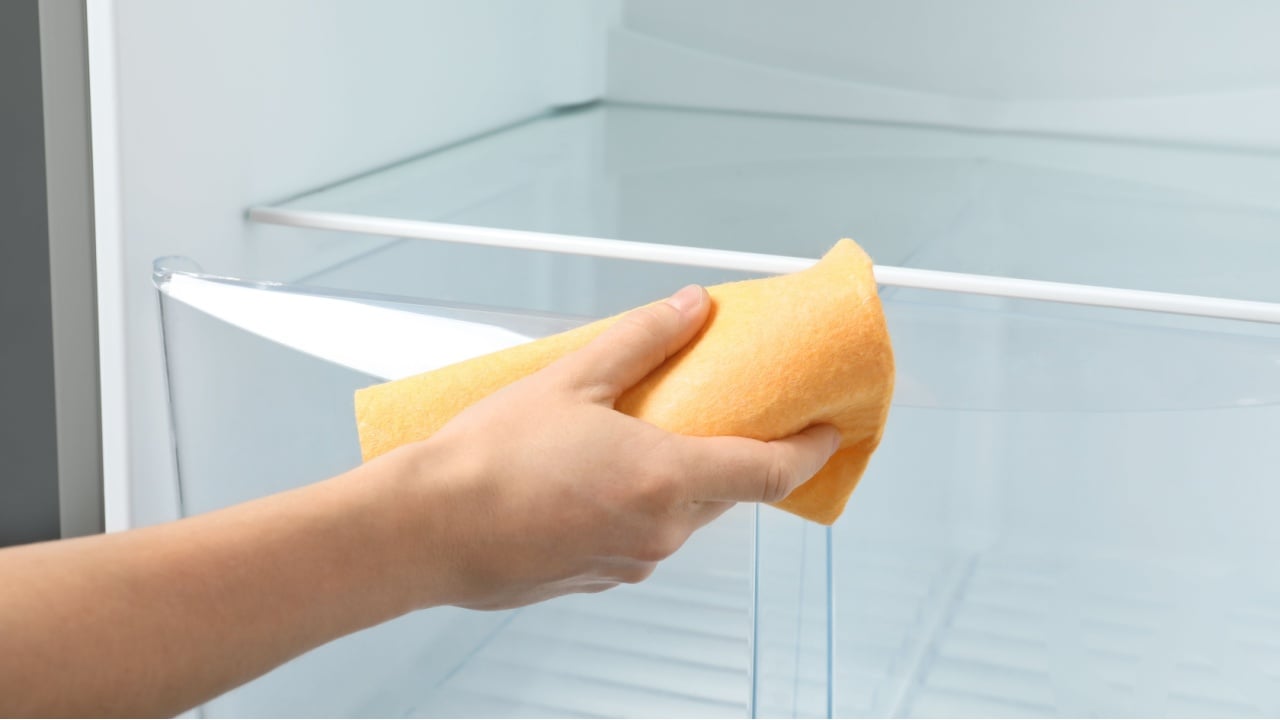
The fridge shelves and drawers should be washed once a month, even if you clean up spills when they happen. Small leaks from milk, meat packages, sauces, and produce drawers can sit unnoticed and become a source of odor or bacterial growth.
A monthly wash keeps food storage safer and helps you spot expired items before they spread smells or mold.
Take out shelves and drawers if your model allows it, then wash them in warm, soapy water and dry them well before putting them back.
Wipe door bins, handles, and the rubber seal too, since sticky residue often builds up there. Twice a year, do a deeper fridge clean and include the freezer so ice crystals, crumbs, and forgotten food do not pile up.
6. Clean the Dishwasher Filter Weekly and the Interior Monthly
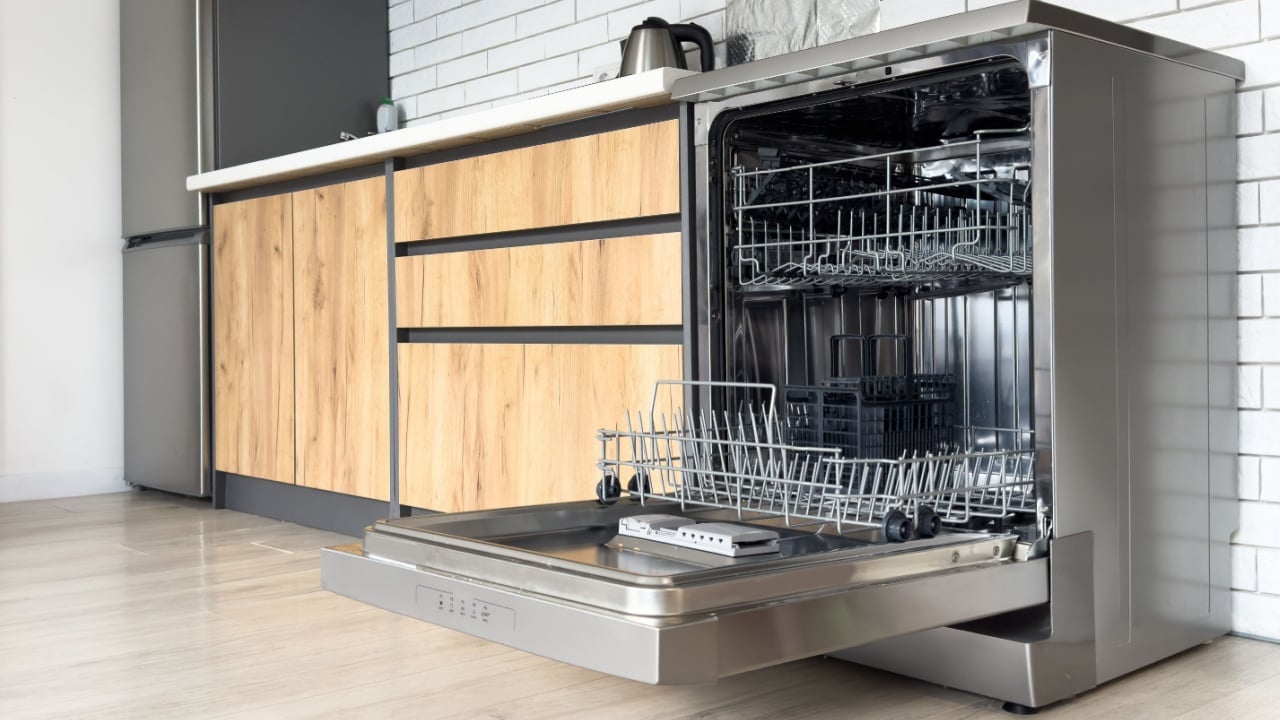
Many people assume the dishwasher cleans itself, though that is rarely true. The filter traps food bits, grease, and debris, and if it stays clogged, dishes may come out cloudy or smell bad.
Cleaning the filter once a week is a smart habit in busy kitchens, especially if you skip pre-rinsing.
The interior should get a more thorough wash once a month. Wipe the door edges and gasket, then run an empty hot cycle with a dishwasher cleaner or a cup of white vinegar placed on the top rack if your manufacturer allows it.
Check the spray arms too, since tiny food particles can block the holes and reduce cleaning power.
7. Tackle the Floors and Trash Areas Every Week
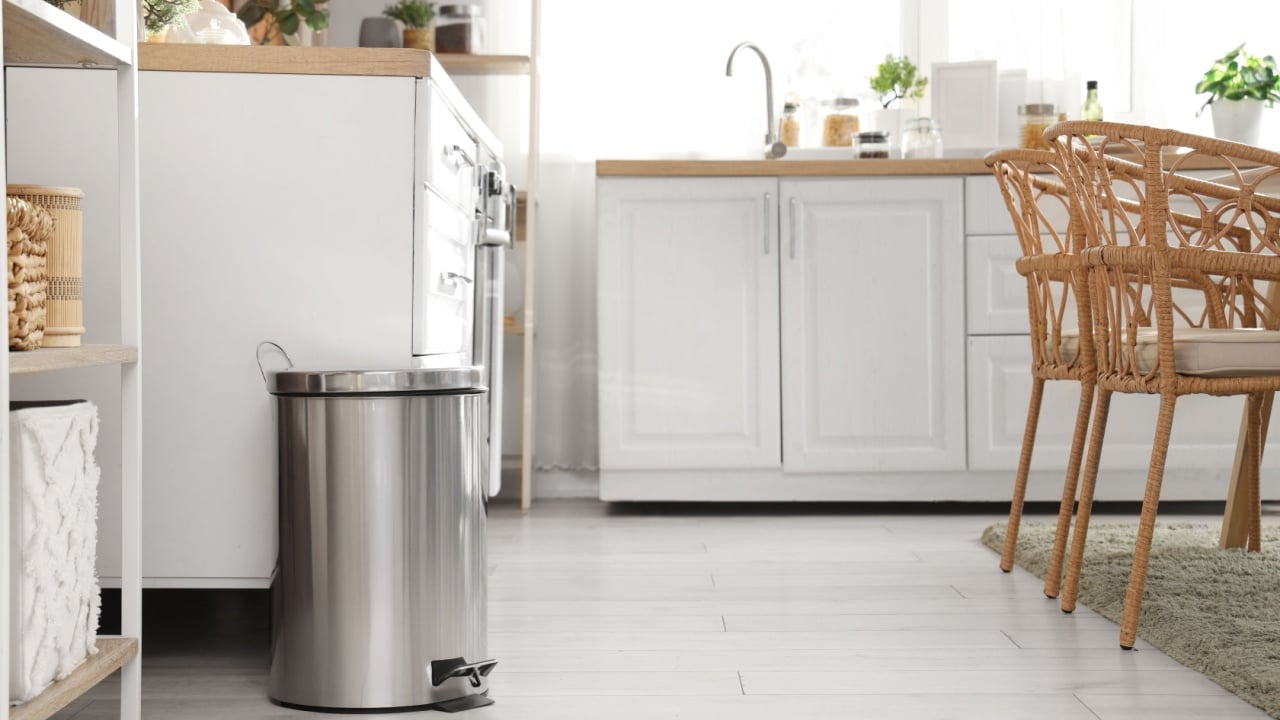
Kitchen floors need spot cleaning daily if food drops, grease splashes, or pet traffic leave a mess behind. In most homes, sweeping or vacuuming at least once a week helps remove crumbs that attract insects and get ground into the floor.
Mopping every week or two is a good rhythm for many kitchens, though homes with kids, pets, or heavy cooking may need it more often.
Trash cans and the floor around them should be washed once a week as well. Drips from bags, food scraps, and sticky lids can create strong odors fast, even if you take the trash out often.
Use hot, soapy water or a disinfecting cleaner on the inside and outside of the bin, and do not forget the handle and lid where hands land most.
A Cleaner Routine That’s Manageable

A good kitchen cleaning routine does not need to be complicated. It just needs to match how each surface is used and how quickly mess and germs build up there.
Daily wipes for busy spots and weekly or monthly washes for the rest can keep your kitchen cleaner, fresher, and easier to manage. When each surface gets attention on time, cleanup takes less effort, and the whole room feels better to use.