Stop Skipping These 8 Garden Chores in May, They’re the Ones That Actually Pay Off All Summer
Most home gardeners are spending enormous energy on visible, urgent-feeling tasks while the highest-payoff work gets pushed to ‘later.’ Deadheading, staking, mulching, and a few other quiet chores require one afternoon in May and deliver benefits for the next 16 weeks straight. Skip them, and you’re in for a summer of reactive catch-up that costs three times the time and twice the money.
What makes this moment so critical is that the window is genuinely closing. Once summer heat settles in and soil temperatures climb, the compounding advantage of preventive garden work disappears. Every week you wait to mulch, your soil loses moisture faster, your weeds set more seed, and your plants quietly get stressed before they show a single visible symptom. The difference between a garden that thrives from June through September and one that limps along is almost always a few hours spent now, in May, before it matters.
These are not the chores on every basic garden checklist. These are the ones that gardeners with genuinely beautiful summer yards do quietly on a Saturday morning while everyone else is watering by hand at dusk and wondering why they can never get ahead.
Set aside one weekend, tackle these eight tasks, and spend the rest of the summer actually enjoying the results.
1. Lay Down Mulch Before the Heat Hits
If there is one task on this list that functions as a force multiplier for everything else, it’s mulching.
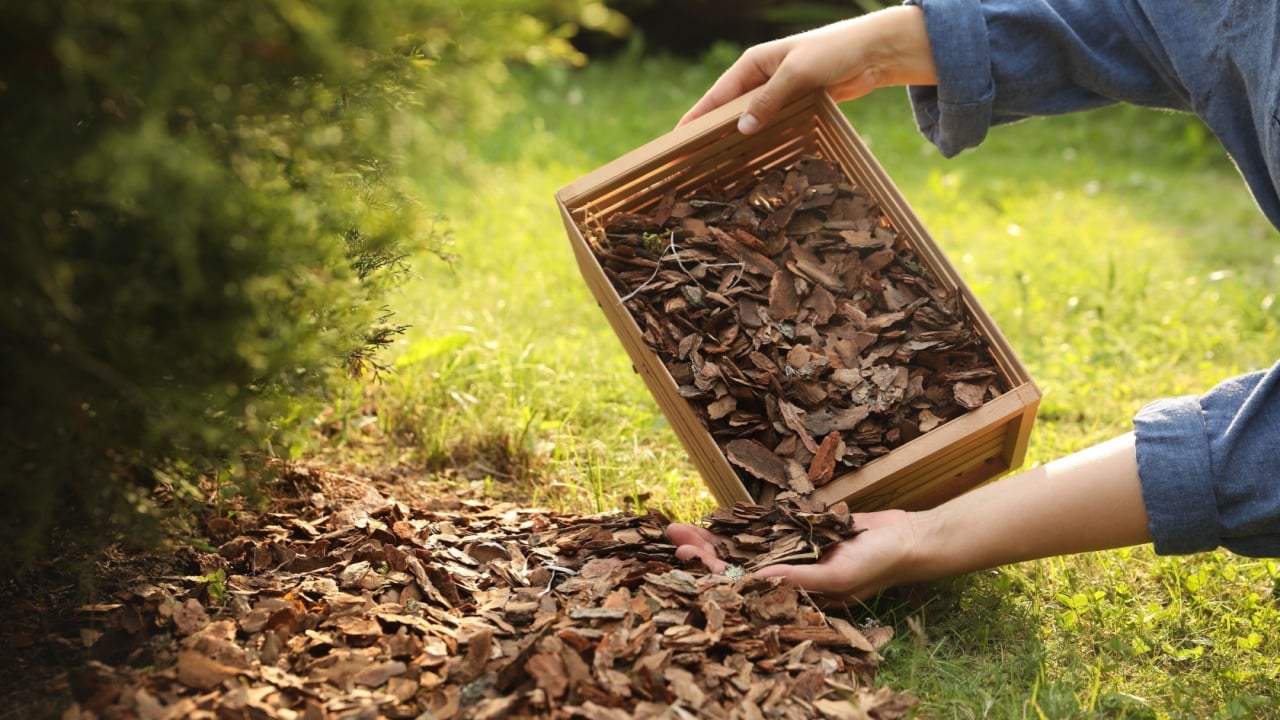
A 2–4 inch layer of organic mulch applied now, before summer heat sets in, can cut your watering frequency by up to two-thirds, according to GrowVeg. The University of Nebraska Extension reports that mulched soil runs 8 to 13 degrees Fahrenheit cooler than bare soil in summer, protecting the fine root hairs that absorb water and nutrients. That temperature difference alone can be the reason a plant thrives versus quietly struggles all season.
Bare soil is both a moisture thief and a weed invitation, and most gardeners dramatically underestimate how quickly mulch breaks down. Apply it once in May and check it again in July; if it’s thinned below two inches, weed pressure will spike immediately.
Mulch does not have to cost anything. Dried grass clippings are a highly effective option (applied in a thin 1–2-inch layer so they don’t mat), and shredded leaves from last fall, stored in a bin, work beautifully around vegetables and perennials. For a more finished look in decorative beds, a $25–$35 bag of shredded bark or wood chips covers roughly 20 square feet at the right depth.
Don’t forget to mulch your garden paths too, not just the beds. Path weeding is one of the most time-consuming hidden chores in summer, and it’s almost entirely preventable.
2. Set Up a Soaker Hose and Timer, and Never Hand-Water Again
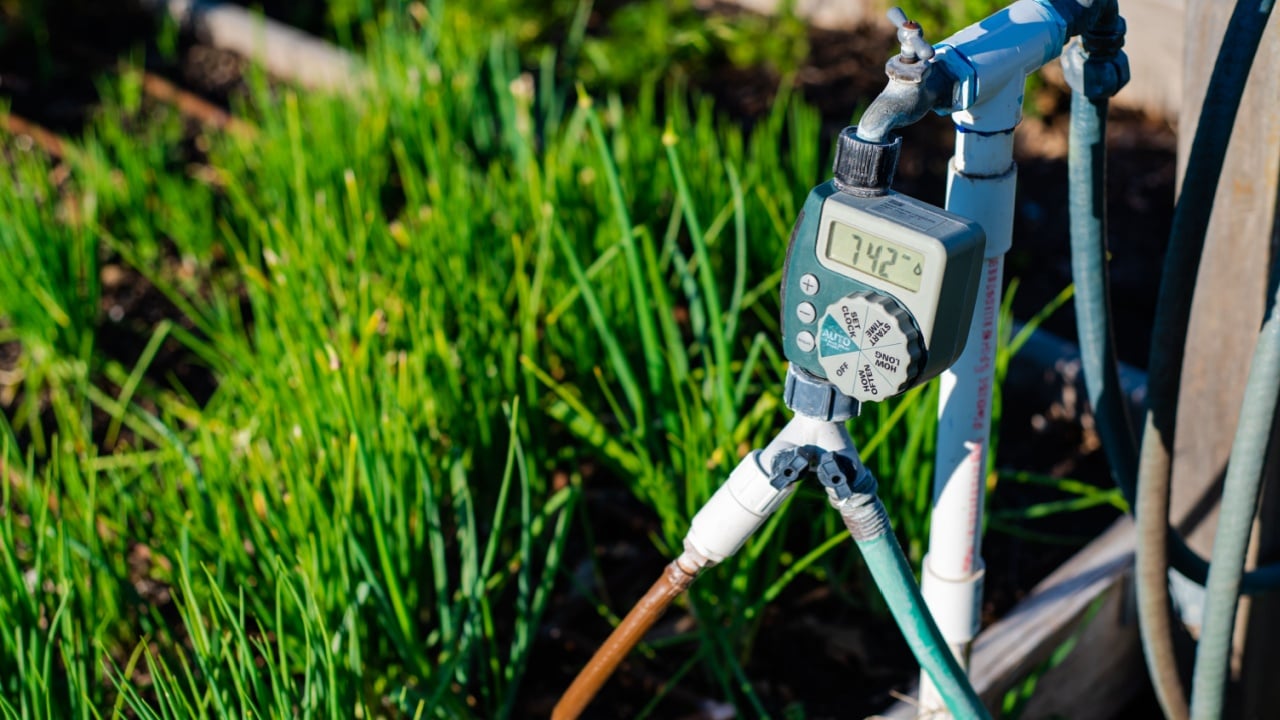
Experienced gardeners consistently report that setting up a drip or soaker hose system with an inexpensive watering timer is the single change that made summer gardening feel sustainable rather than exhausting. Audrey’s Little Farm, which coaches home vegetable gardeners through seasonal workflows, puts it plainly: you can automate irrigation once and free up hours every week for the rest of the growing season.
A soaker hose and timer, set up in a single Saturday morning, can save 30 to 45 minutes of manual watering every single day. Over a 16-week summer, that’s more than 75 hours of your time returned. The setup itself costs between $30 and $80 and takes about an hour. This is not a complicated irrigation overhaul: a simple soaker hose threaded through a vegetable bed or perennial border connected to a basic dial timer at the spigot is all it takes. Water goes directly to the root zone, not the leaves, which also means fewer fungal problems and less evaporation than overhead sprinklers.
If you are gardening with raised beds or containers, this priority is even higher. As Illinois Extension notes, raised beds and containers dry out dramatically faster than in-ground plantings and may need daily attention during hot stretches. A timer removes the anxiety entirely.
3. Deadhead Now and Your Garden Blooms Until Frost
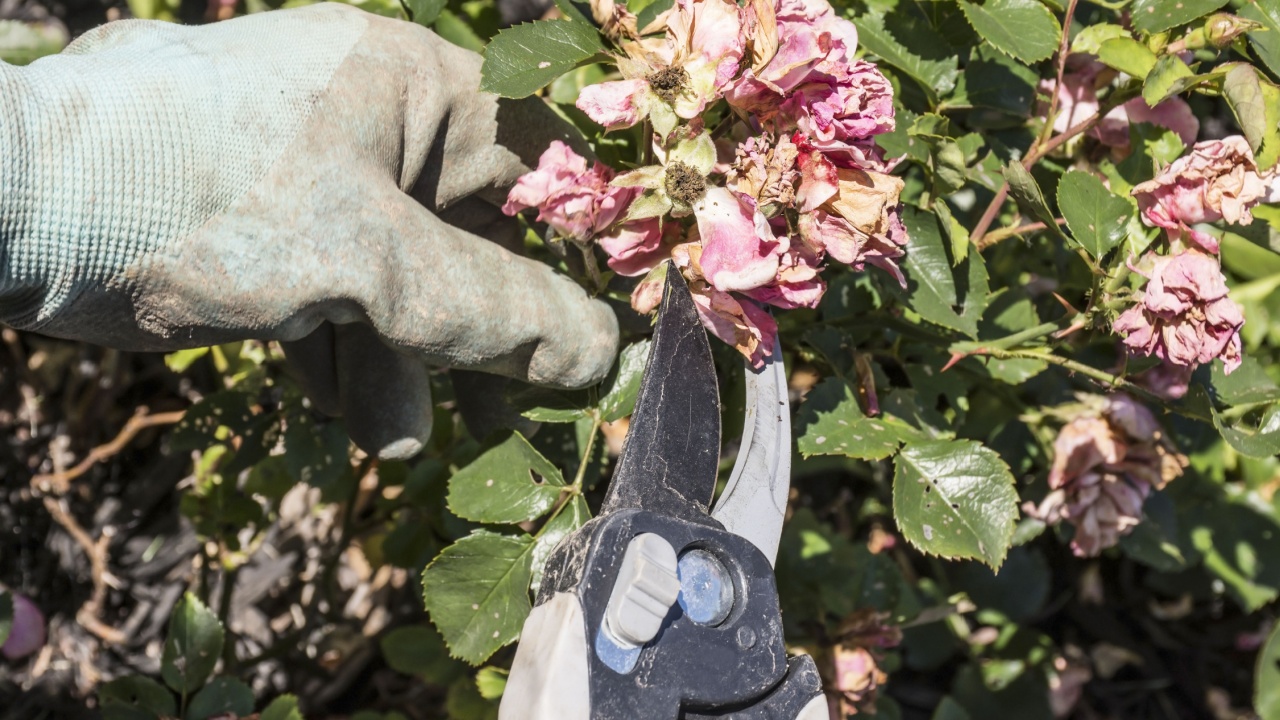
Most gardeners know they’re supposed to deadhead their flowers.
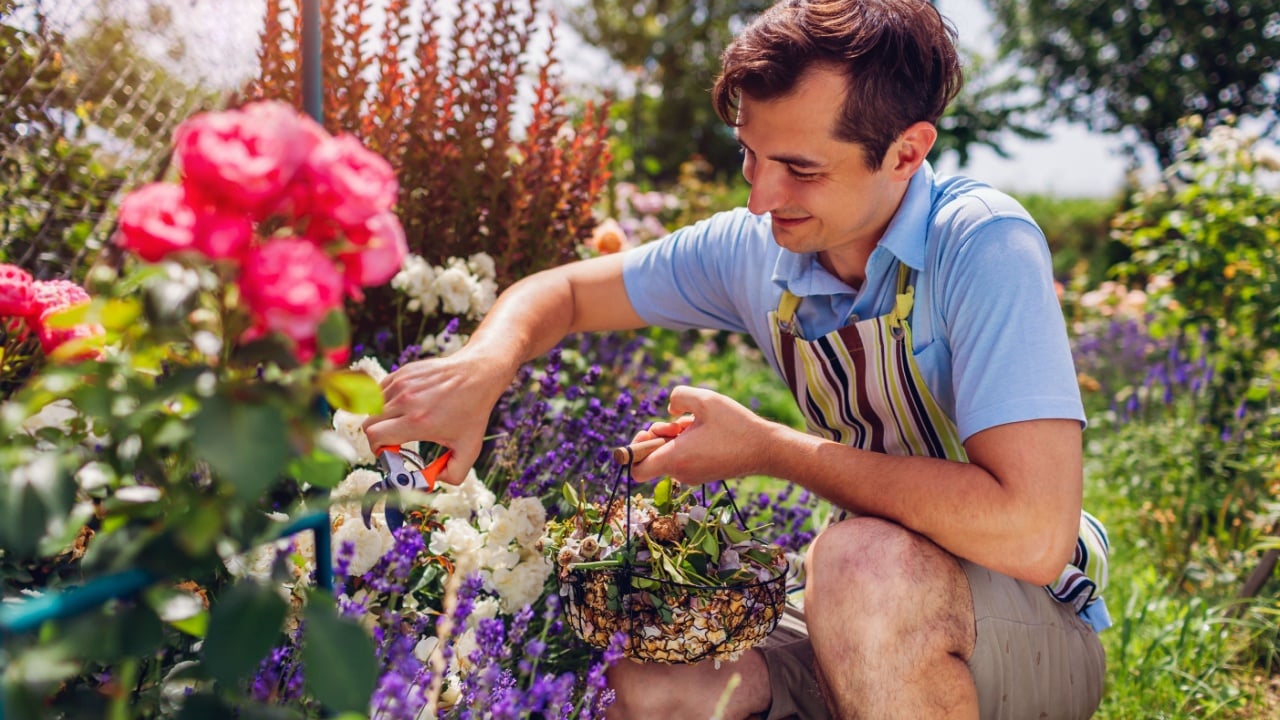
According to Blooming Expert, regular deadheading can extend the flowering season of dahlias, roses, cosmos, and sweet peas by four to eight weeks compared to plants left to set seed naturally. That’s the difference between a garden that fizzles out in July and one that’s still going strong in September.
The biology is simple. Once a flowering plant produces a seed, its biological mission is complete, and it stops prioritizing blooms. Remove the spent flower before the seed forms, and the plant keeps trying, producing another flower, and then another. Annuals like marigolds, zinnias, and petunias need deadheading every two to three days during peak season; roses should be cut back to the first outward-facing bud or leaf with five leaflets; cosmos and sweet peas respond to near-daily harvesting or snipping. The Royal Horticultural Society recommends removing blooms as soon as they begin to look scruffy, rather than waiting until they’re visibly brown and spent.
A few plants should not be deadheaded. Hydrangeas, plants you want to self-seed for next year, like foxglove and columbine, and species valued for their autumn seed heads, like Echinacea, Rudbeckia, and ornamental grasses, should be left alone. For everything else, ten minutes of deadheading every few days is worth more than almost any other time you spend in the garden.
4. Pull Weeds Before They Go to Seed
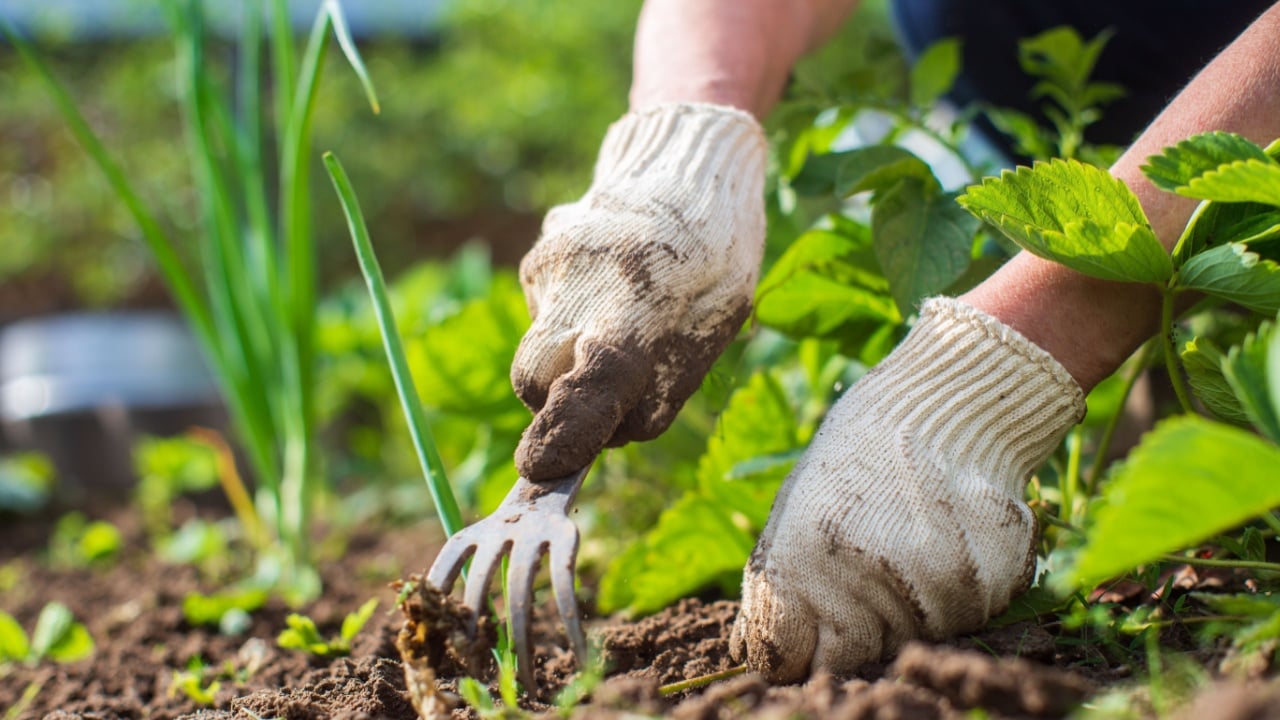
The math on weeds is brutal, and most gardeners have never done it. A single dandelion produces up to 15,000 seeds. A single purslane plant can produce over 240,000. When a weed goes to seed in your garden, the problem multiplies in a way that makes this weekend’s weeding feel worthless by August. The time to pull weeds is right now, before any of them reach the seed stage, and the Old Farmer’s Almanac is emphatic about this: catch them before they seed, and you will have dramatically less work for the rest of the season.
The technique matters as much as the timing. Pull the full root, not just the top; dandelions, bindweed, and thistle all regrow aggressively from root fragments left in the soil. A hand fork or hori-hori knife is the difference between actually removing a weed and simply pruning it.
Do not put weed seed heads into your compost bin. As Homes and Gardens warns, weed seeds survive composting and spread throughout your garden when you mulch in the fall. Seed heads go in the trash or dry on a hard surface in full sun until completely dead.
After weeding, immediately lay mulch over the bare soil. The soil disturbance from weeding will germinate a fresh flush of weed seeds within days if left exposed. Cover it the same afternoon.
5. Stake and Support Plants Before They Fall
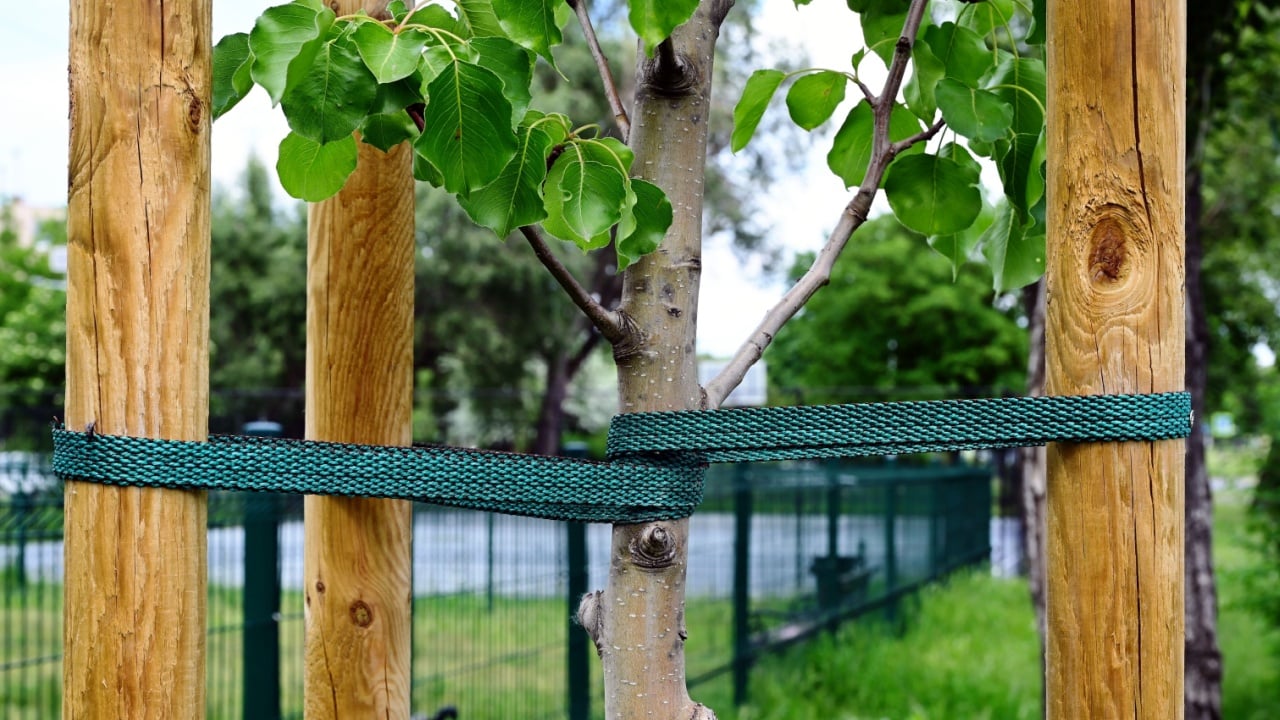
Every gardener learns this lesson the hard way at least once. A flopped dahlia, a toppled tomato, or a clematis that’s pulled itself off the trellis: these are not recoverable situations. Broken or deeply kinked stems rarely bounce back, and in the case of indeterminate tomatoes, a plant that falls over and damages its main leader can cost you weeks of production right when the harvest was about to begin.
The window to stake plants is when they’re still upright and growing toward the support, not after they’ve crashed sideways into their neighbors. Tomatoes should be tied to their stakes or tucked into their cages now. Tall dahlias need stakes placed before the tubers are even 12 inches out of the ground. Peonies, delphiniums, and tall salvias benefit from hoop supports placed early in the season so the plant grows into and through the support naturally, making it invisible by bloom time. As Proven Winners points out, climbing vines that have already reached the top of their trellis need additional support strings or twine before summer winds arrive.
A bamboo stake and a loop of garden twine cost about $1. The plant you’re protecting may have cost $15 to $45. The math is not complicated.
6. Stop Fertilizing Your Perennials After Early July
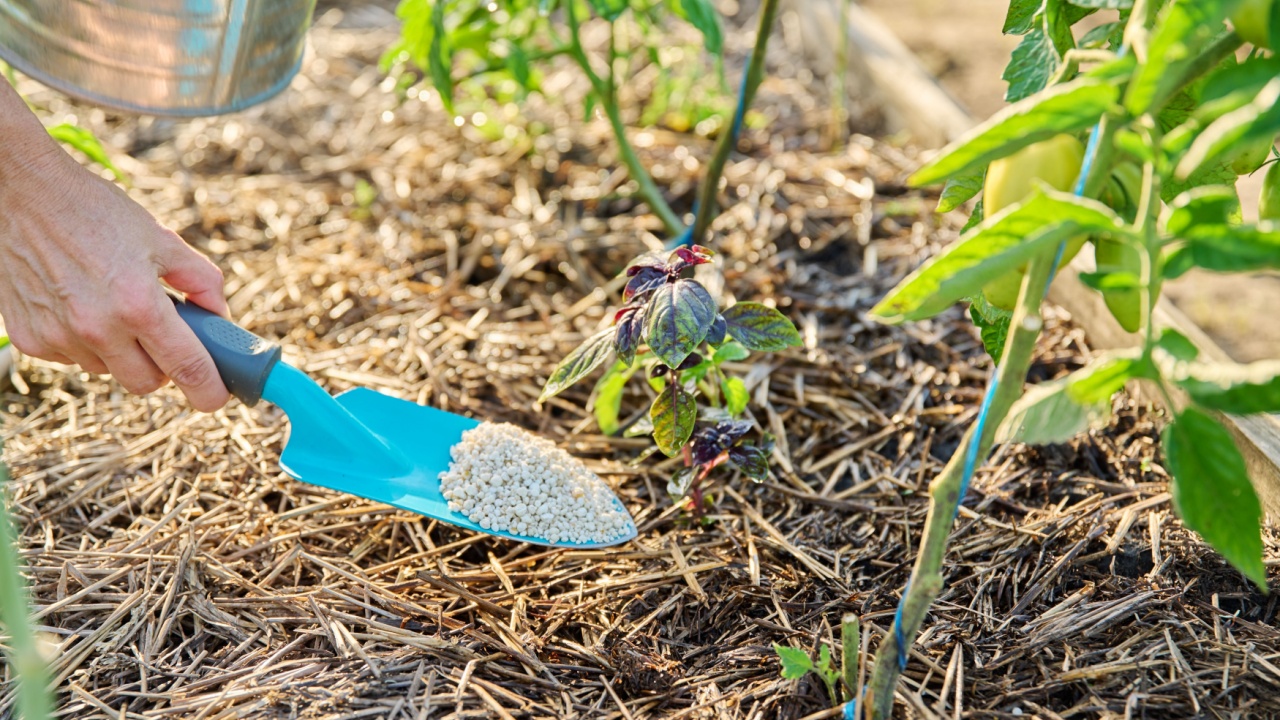
Proven Winners, one of the most widely trusted plant resources in North America, recommends stopping fertilizer applications on perennials and shrubs by early July at the latest. The reason is that any new leafy growth pushed by a late fertilizer application won’t have time to harden and toughen its cell walls before the first frost arrives. Soft, immature growth is killed by frost far more easily than hardened growth, and the damage looks exactly like cold injury even when fertilizer timing was the cause.
Feed your annuals consistently throughout the season: Proven Winners recommends every third watering with a water-soluble fertilizer, since nutrients in annual containers flush out with every rain.
Feed your perennials and shrubs just twice: once in spring and once in early midsummer, using a slow-release formula. Then stop. Your plants will finish the season strong, harden properly for fall, and return more vigorously next spring than plants that were pushed with late-season fertilizer.
7. Take Cuttings Now for $50 to $200 Worth of Free Plants

Your grandmother’s garden was always so full of plants because she knew this: you don’t buy new plants every year when you can simply propagate the ones you already have. Softwood cuttings taken right now, in May and early June, root faster than at any other time of year because the stems are actively growing, hormones are flowing, and warm temperatures speed up root development.
The candidates for easy summer cuttings include lavender, rosemary, geraniums (Pelargonium), hydrangeas, salvias, basil before it bolts, and many tender perennials like fuchsia and coleus. A single lavender plant can yield 6 to 10 cuttings that, rooted over summer and overwintered on a bright windowsill, will produce mature-sized plants ready for the garden next spring. Lavender transplants at a nursery typically run $10 to $18 each. Six free plants represent $60 to $108 in savings from a single 20-minute session. As Homes and Gardens recommends, keep cuttings in a cool, bright spot indoors, and they’ll be ready to move out after the last frost next spring.
The technique is simple: take 3–4 inch stems just below a leaf node, remove the lower leaves, dip in rooting hormone if you have it (not required but helpful), and push into a pot of moist potting mix. Cover loosely with a plastic bag to retain humidity and check for roots in 3–4 weeks.
8. Photograph Everything

This is the most underrated item on this list, and the most universally skipped.
Dan Allen, Master Gardener and founder of Farmscape, the largest urban farming company in California, recommends in Sunset Magazine logging summer garden observations while they’re fresh: which plants struggled in your specific microclimate, where pests emerged first, which areas got too much or too little sun. By March, most gardeners have forgotten all of it and repeat the same mistakes, spending money on the same varieties that underperformed and placing new plants in the same spots that proved problematic.
Walk your garden right now or this weekend, and take photos. Photograph what’s thriving and where. Photograph what’s struggling. Photograph bare patches and overgrown corners. Note which varieties are producing and which are not. Take a photo of every plant tag you still have so you remember exactly what you planted. This five-minute task, done today and repeated at the end of summer, will save you a meaningful amount of money next spring, whether that’s $30 in plants you won’t buy again or $200 in design decisions you won’t repeat.
Start With Two Tasks This Weekend
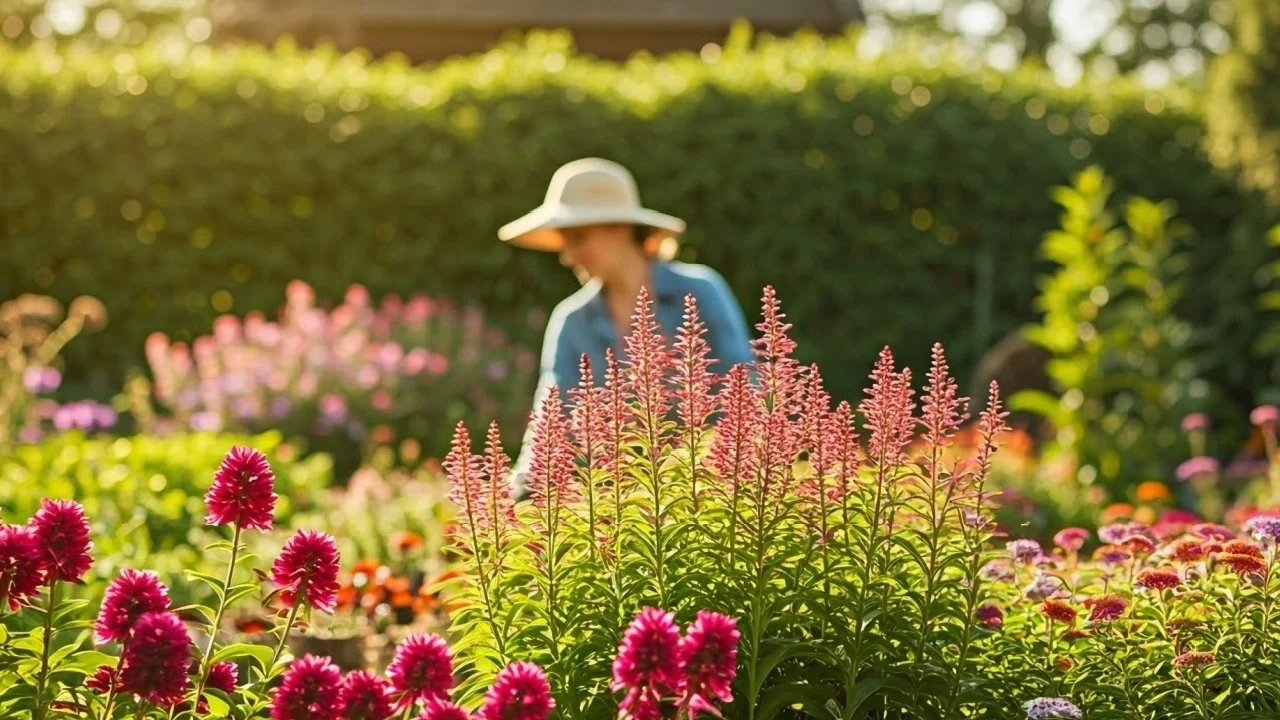
If your schedule is tight, start here: mulch the beds and set up the soaker timer. Those two tasks alone will reduce your maintenance load for the entire summer and prevent the most common mid-season garden emergencies. Add deadheading and weeding whenever you have an extra 20 minutes, and the rest of the list will follow naturally.
Summer gardening should feel like pleasure, not emergency management. The gardeners who seem to spend effortless hours in their yards while yours feels like constant catch-up aren’t working harder. They spent one good weekend in May setting the right systems in place, and then they got to enjoy the season they actually planned for.
Read more:
Why wildlife experts are telling people to take down their bird feeders
Plant these 10 companion plants with your tomatoes — and stop planting these 4