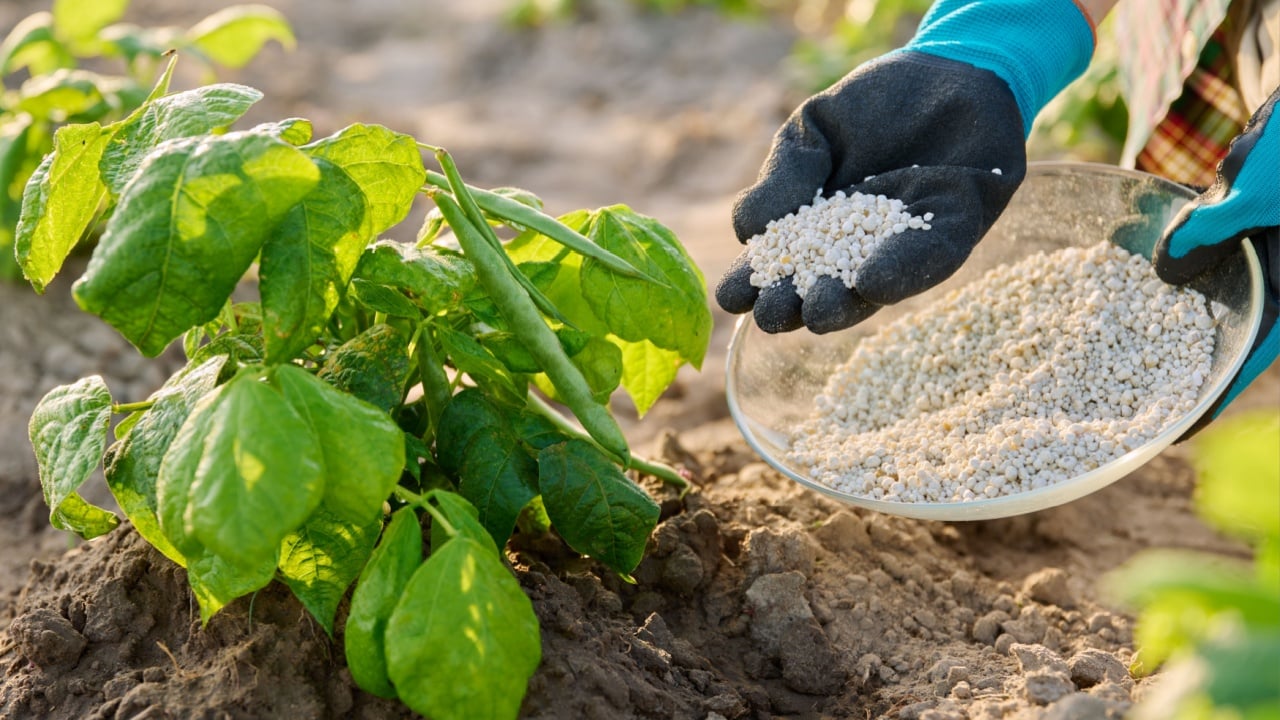
7 Ways Your Fertilizer Is Secretly Destroying Your Soil (And What to Do Instead)
The fertilizer you’ve been reaching for every spring may be slowly suffocating the very ground it’s supposed to help. Not dramatically and not all at once, but steadily, season after season, in ways that don’t show up until the damage is done.
Synthetic fertilizers are remarkably good at one thing: making plants grow fast right now. What they’re less good at is what happens underneath the surface while that growth is happening. The salts accumulate, the microbial life gets crowded out, and the soil structure starts to compact. And before long, your garden can’t thrive without a regular chemical fix; not because the plants need it, but because the soil has forgotten how to feed them on its own.
This matters especially in June, when home gardeners are reaching for the fertilizer bag at the highest rate of the season. What seems like good spring practice can set off a cycle of soil degradation that compounds over the years. And when you factor in that a bag of synthetic fertilizer costs $30 to $80 while a compost pile costs almost nothing, the math stops making sense on every level.
The good news is that the path back to healthy, self-sustaining soil is simpler than most gardening content lets on. Here are seven specific ways your fertilizer may be working against you.
1. It’s Salting Your Soil to Death
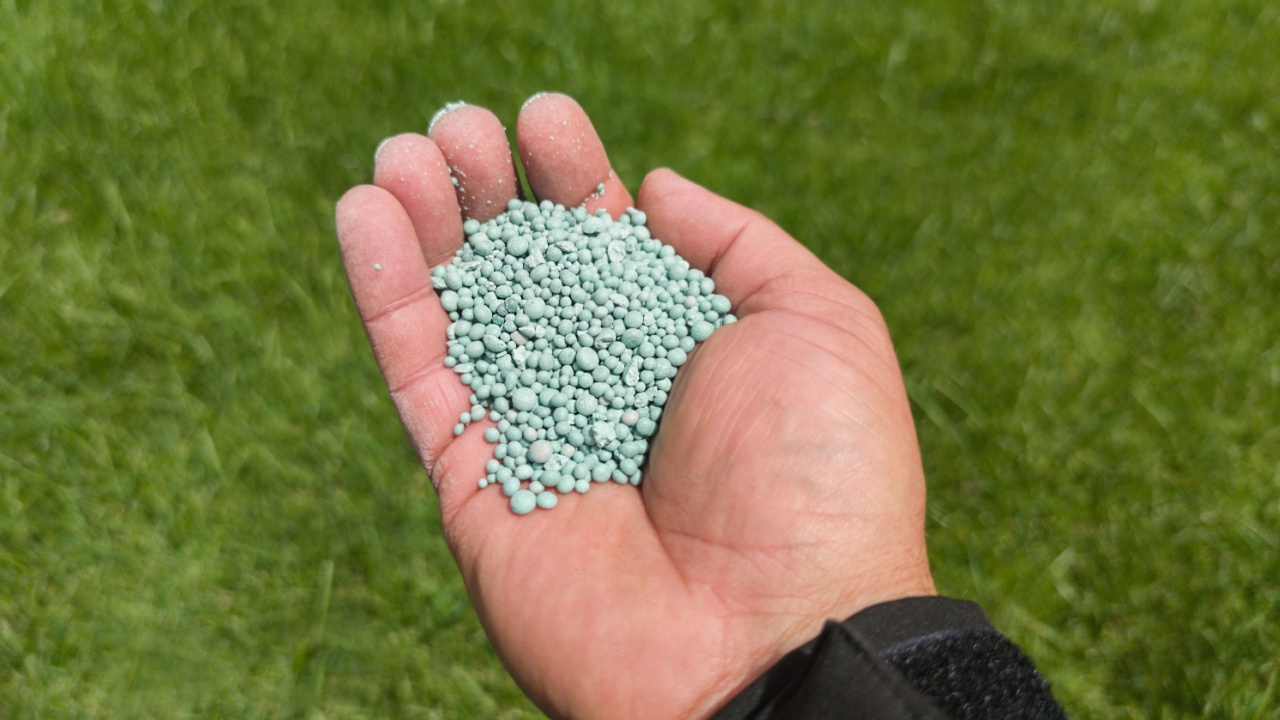
Every synthetic fertilizer is, at its core, a salt. The mineral compounds that deliver nitrogen, phosphorus, and potassium are all salt-based, and when water evaporates from the soil after an application, those salts don’t leave with it. They concentrate and accumulate. And over repeated seasons, they reach levels that actively draw moisture away from plant roots rather than delivering it.
Salt-damaged soil looks exactly like drought-stressed soil. According to Epic Gardening, constant use of synthetic fertilizers leads to a concentration of mineral salts that can harm plant roots directly, causing wilting and yellowing that looks like underwatering. So gardeners water more, which temporarily dilutes the salts, then they dry out again, and the concentration spikes again. The garden signals thirst; the real problem is chemistry.
2. It’s Shutting Down Your Underground Food Web
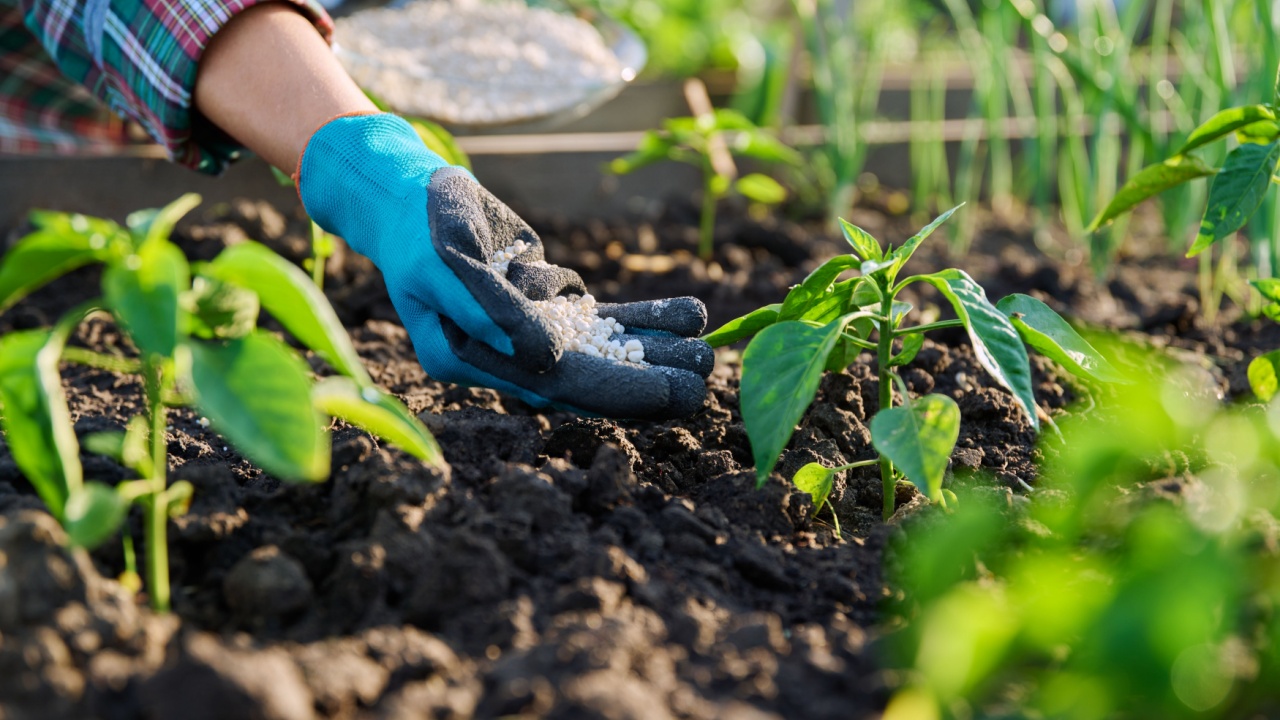
Beneath every healthy garden is a civilization. Bacteria, fungi, protozoa, nematodes, and microorganisms too small to see are constantly breaking down organic matter and delivering nutrients directly to plant roots; a process that requires no bag, no label, and no cash outlay from you. Old-growth redwood forests and wild grasslands have never been fertilized, yet they grow prolifically, sustained entirely by this underground ecosystem.
Synthetic fertilizers disrupt that system. As Epic Gardening explains, quick-release fertilizers exhaust soil microbes by flooding the root zone with ready-made nutrients, leaving the microbes without organic matter to decompose. With nothing left to do, their populations collapse. A peer-reviewed study published in Frontiers in Microbiology found that NPK fertilizer reduced bacterial richness by 14.52% and soil multifunctionality by 12.34%, making the soil’s recovery from stress significantly harder.
The gardeners with the most beautiful, productive yards often stopped reaching for the fertilizer bag years ago. They feed the soil, not the plant, and the soil does the rest.
3. The “Balanced” Formula Is Likely Poisoning Your Phosphorus Levels
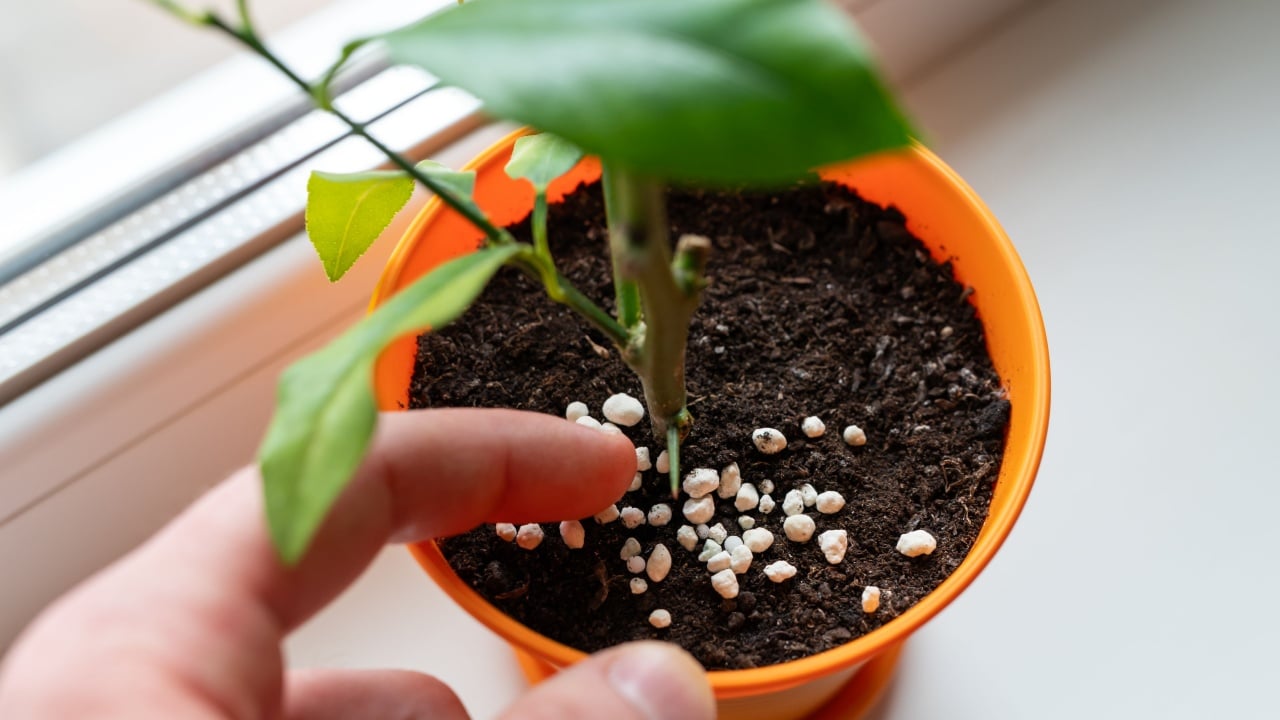
That 10-10-10 bag sitting in your shed, the one labeled “balanced”, may be the most deceptively named product in the garden center.
A balanced fertilizer delivers equal amounts of nitrogen, phosphorus, and potassium regardless of what your specific soil actually needs. And that one-size-fits-all approach creates a specific and serious problem: phosphorus overload.
Unlike nitrogen, which dissolves readily in water and washes away, phosphorus is nearly water-insoluble. It stays in the soil for years. Teri Valenzuela, content manager at Sunday (as cited by The Spruce), notes that unused phosphorus builds up over time and harms plants by reducing their ability to take up needed micronutrients like iron and zinc. Berkshire Botanical Garden educator Thomas Christopher discovered this firsthand when a soil test revealed his phosphate levels were approaching toxicity, the result of a decade of reflexive annual fertilizer applications he had assumed were harmless.
Most gardeners never test their soil. They apply the same balanced formula year after year, never knowing the phosphorus is quietly accumulating to levels that block the very nutrients their plants need to thrive.
4. It’s Training Your Garden to Become Dependent
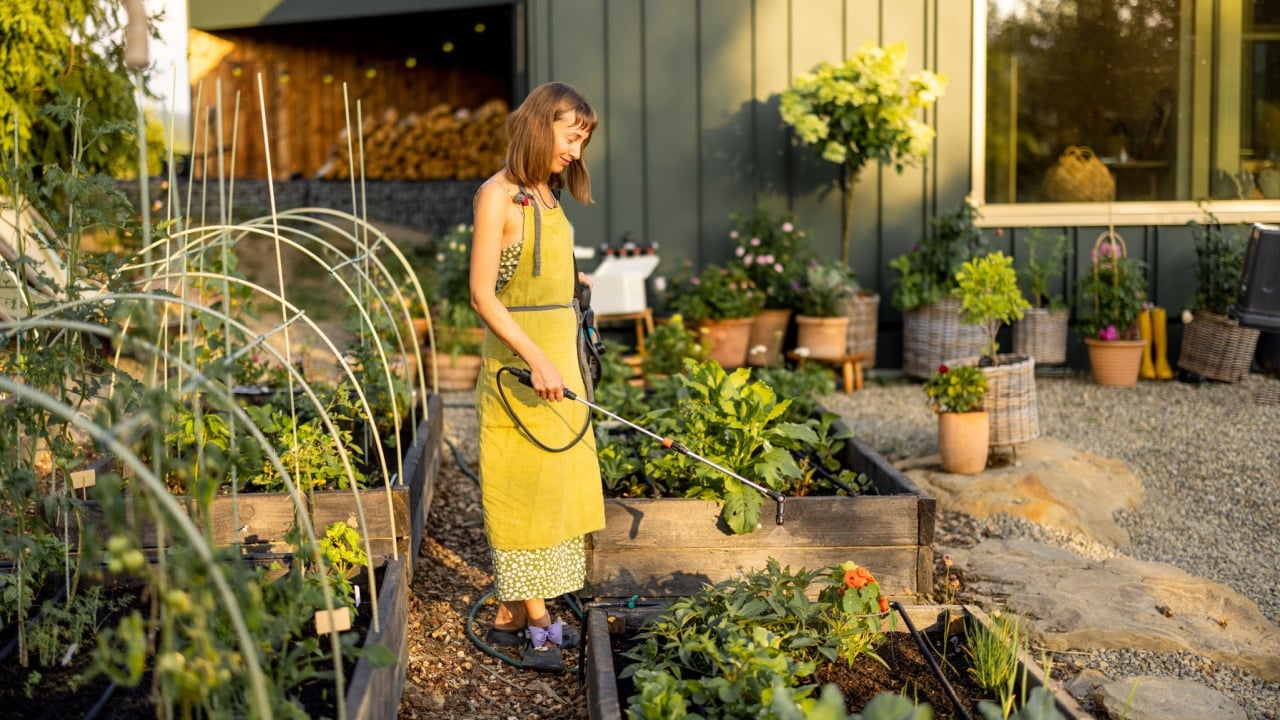
Here is something the fertilizer industry would rather you not think about too closely: a garden that is regularly fed synthetic nutrients gradually loses its ability to feed itself. The underground microbial network that naturally cycles nutrients into plant-available forms atrophies when it’s bypassed. The soil biology slows, and the natural fertility pathways close down. And eventually, your garden performs well only when you fertilize, and struggles badly when you don’t.
As John and Bob’s Soil Organic explains, the route to minimal maintenance and maximum productivity lies in the diverse collection of bacteria, fungi, protozoa, and other microscopic soil life. Chemical fertilizers supply macronutrients that plants can use, but the salt it carries actually reduces the microbial populations that sustain soil fertility long-term. For gardeners in their 50s and 60s who are looking to do less work, not more, this cycle is the opposite of what the garden should become. A self-sustaining soil ecosystem means less digging, less spending, and fewer bags to haul from the garden center every summer.
5. It May Be Contaminating Your Drinking Water
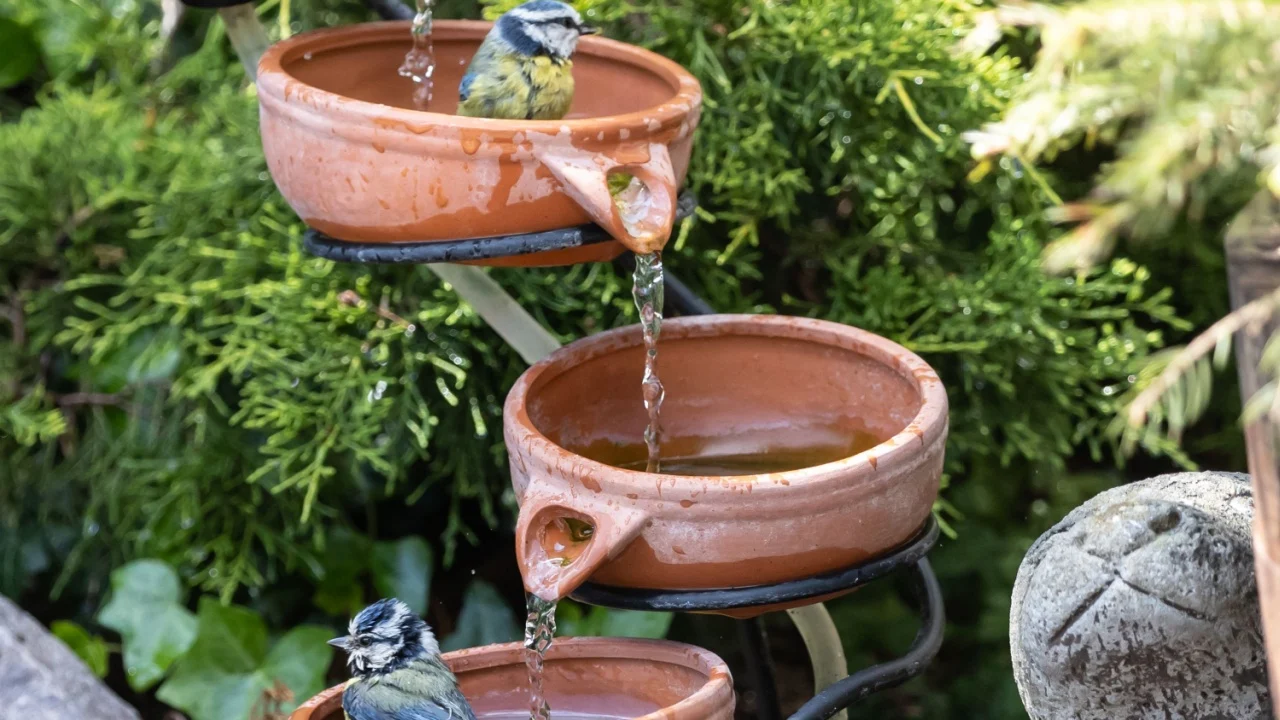
Fertilizer runoff is not exclusively a large-farm problem, and backyard gardeners are not exempt from its consequences. During every rain event this year, excess nitrogen and phosphorus wash off fertilized beds, travel through storm drains, and eventually reach local waterways. The Union of Concerned Scientists reports that the Gulf of Mexico dead zone, estimated at 4,402 square miles in 2025, roughly the size of Connecticut, is largely attributed to nitrogen fertilizer runoff carried south by the Mississippi River.
That same runoff process happens at a smaller but meaningful scale in every neighborhood. The EPA and NOAA both identify home lawn and garden fertilizer applications as contributors to harmful algal blooms that produce toxins dangerous to pets, children, and adults who come into contact with affected water. Infants are especially vulnerable to nitrate contamination in drinking water, which nitrogen converts to once it reaches groundwater.
Additionally, as the Big Blog of Gardening notes, synthetic nitrogen in soil converts to nitrous oxide (N2O), a greenhouse gas with 300 times the heat-trapping power of carbon dioxide. The bag in your shed has a climate footprint most gardeners never consider.
6. You’re Probably Burning Your Plants and Don’t Know It
Fertilizer burn doesn’t always announce itself with scorched, dramatic leaves. Often it shows up as subtle: slightly browned leaf edges, a growth stall, a plant that never quite rebounds the way you expected. The underlying cause is a concentrated nutrient dose applied at the wrong time, in the wrong conditions, and it’s one of the most common fertilizing mistakes in home gardens.
According to Tony O’Neill, gardener and author cited by Homes and Gardens, applying fertilizer to dry soil burns roots because the concentrated salts have no moisture to buffer them. Fertilizing late in the season encourages new growth that may not harden off before winter, leaving plants vulnerable to frost damage. And fertilizing in extreme heat or right before heavy rain means the nutrients either stress already-struggling plants or wash away before they can be absorbed. Stop wasting $40 to $60 per bag on fertilizer that is doing more harm than good by simply applying it at the wrong moment under the wrong conditions.
7. Slow-Release and “Organic” Labels Don’t Mean What You Think
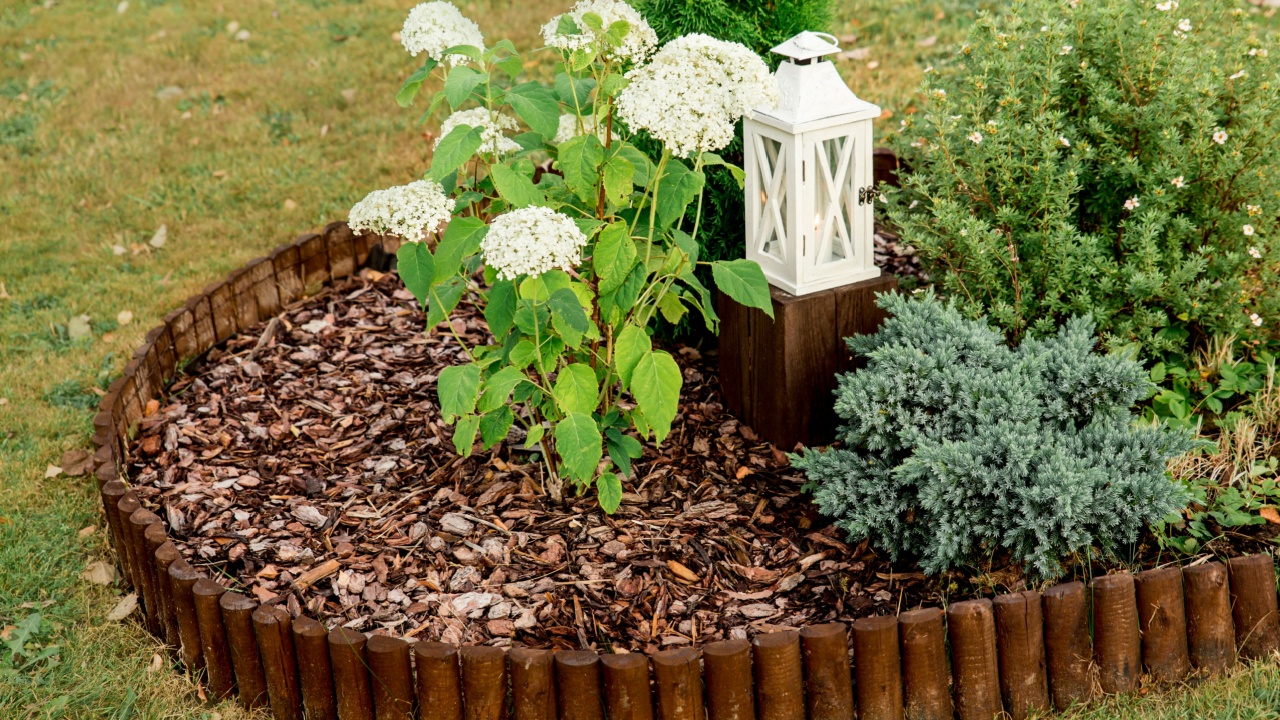
Many gardeners make the switch from conventional to “organic” or “slow-release” fertilizer, believing they’ve solved the problem. The science is more complicated than that. As Leaf + Limb explains, slow-release and organically labeled NPK fertilizers can have the same negative impact on plants and soil biology as conventional synthetic fertilizers, because the issue is the NPK chemistry itself, not just the release rate or the source designation.
An organic label on a fertilizer indicates it meets USDA certification standards, but it does not guarantee that the product will build soil health over time or avoid the salt-accumulation and microbiome disruption problems described above. True soil restoration comes from adding organic matter like compost, wood chips, leaf mulch, and grass clippings, not from a bag with a leaf logo.
What to Do Instead: Start With a Soil Test and a Compost Pile
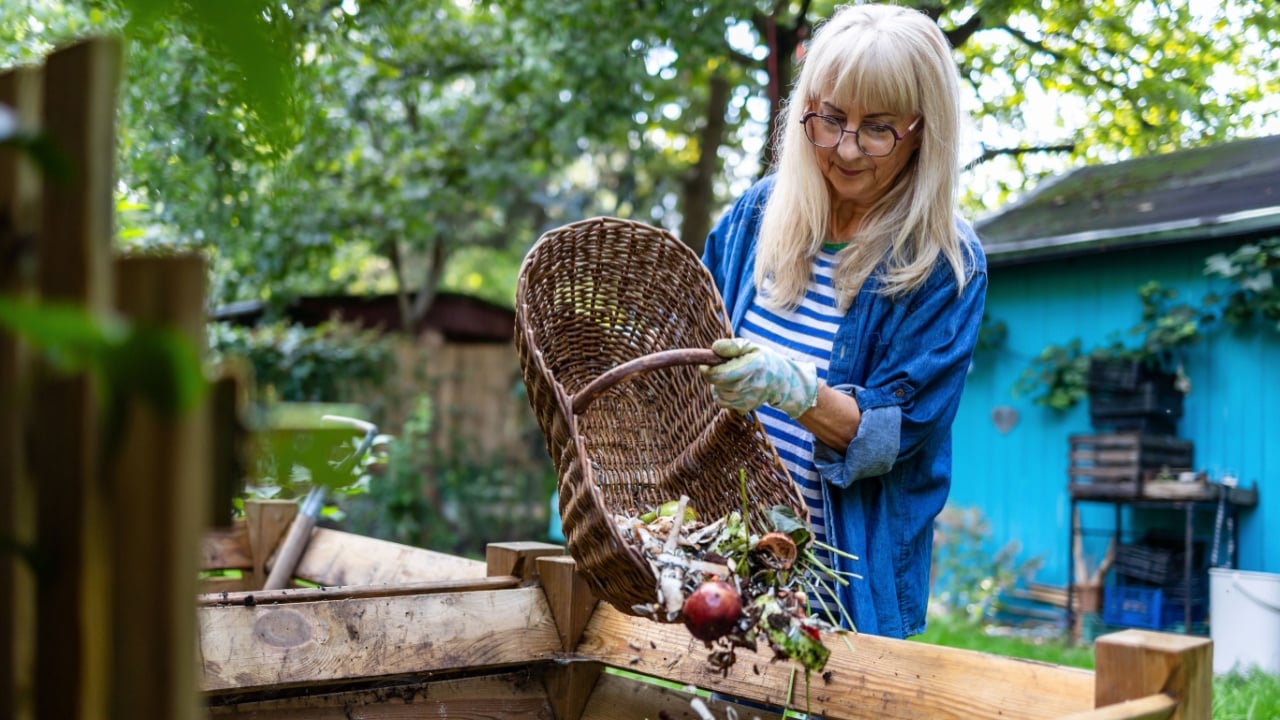
Before applying any fertilizer, synthetic or otherwise, get a soil test done.
Your county’s cooperative extension office offers this service for free or at very low cost, and the results will tell you exactly what your soil needs rather than what a fertilizer label assumes. Most gardeners who test discover that their soil needs far less than they’ve been adding, and in many cases, nothing at all.
From there, the most effective and affordable path to healthy soil is compost. A compost pile started with kitchen scraps, yard waste, and dry leaves costs nothing, produces rich amendment within a few months, and improves soil structure, water retention, and microbial diversity simultaneously. The Spruce notes plainly that compost will never harm your plants; a claim no synthetic fertilizer can make. For gardeners over 50 who are rethinking how much effort their garden demands, this shift pays dividends fast: richer soil requires less work, less watering, fewer amendments, and far fewer trips to the garden center.
Your Soil Already Knows How to Feed Your Garden
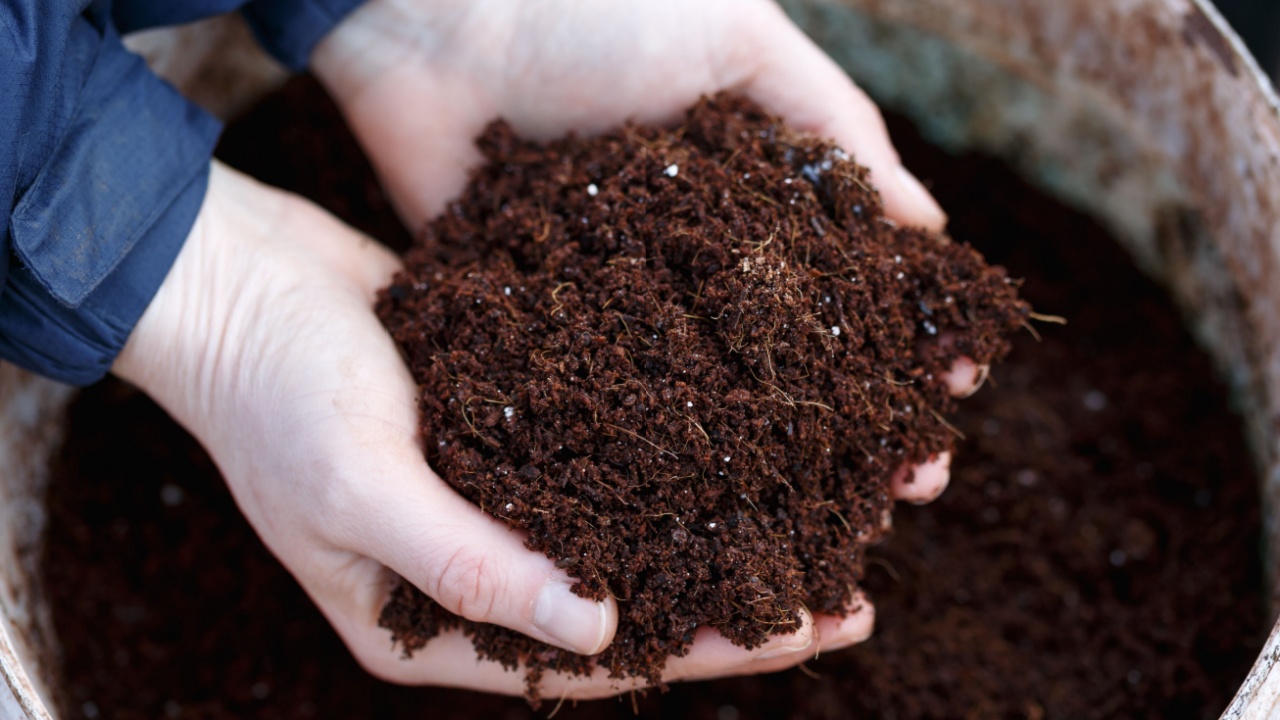
The best-kept secret among experienced gardeners is that healthy soil does not need a bag from the store. It needs organic matter, time, and the freedom to rebuild its underground ecosystem. One season of composting, one stopped habit of reaching for the synthetic bag, and the soil begins its recovery. The plants follow.
Stop spending $60 a season on a product that may be creating the very problems you’re trying to solve. Start a compost pile with what’s already in your kitchen and yard. Get a free soil test. Give the underground a chance to do its job. The Old Farmer’s Almanac has said for generations that the way to a productive garden is through living soil, and the science, finally, is confirming exactly that.
Read more:
Direct Sow These 9 Seeds in June Before the Window Closes for Good
June Is National Pollinator Month. Are You Accidentally Harming the Bees You Want to Help?