Plant These 9 Vegetables in May, and You Won’t Have to Buy Produce at the Grocery Store Until October
Every time you drop $4 on a pint of cherry tomatoes or $2.50 on a single red bell pepper, you’re paying for something you could be growing for a fraction of the price. Grocery store produce doesn’t just feel more expensive than it used to; it is. And the vegetables taking the biggest bites out of your budget are, without exception, the easiest ones to grow at home.
The numbers are hard to ignore. According to a LendingTree study cited in GV Wire, mixed greens jumped 36.5% in price from 2024 to 2025, cucumbers rose 33.6%, and cauliflower climbed 25.7%. Grocery prices have risen an average of 2.6% per year over the past two decades, and organic produce costs 52.6% more than conventional, according to a LendingTree analysis of USDA data, meaning home gardeners who grow organically are effectively eliminating a 52% tax on their produce. Meanwhile, a packet of tomato seeds costs under $3.
May is the last wide-open planting window before warm-season vegetables lose their season entirely. The crops on this list will begin feeding you in June and keep producing through your first frost in October. That’s five months of groceries you don’t have to buy. For the average family spending $50 to $75 per week on fresh produce, getting even half of that from the garden adds up to $600 or more in savings before the first frost arrives.
None of these are specialty crops or difficult varieties that require a degree in horticulture. They’re the same vegetables already sitting in your cart every week. The only difference is whether you grow them for pennies or buy them for dollars.
Cherry Tomatoes: The Highest-ROI Plant in Your Garden
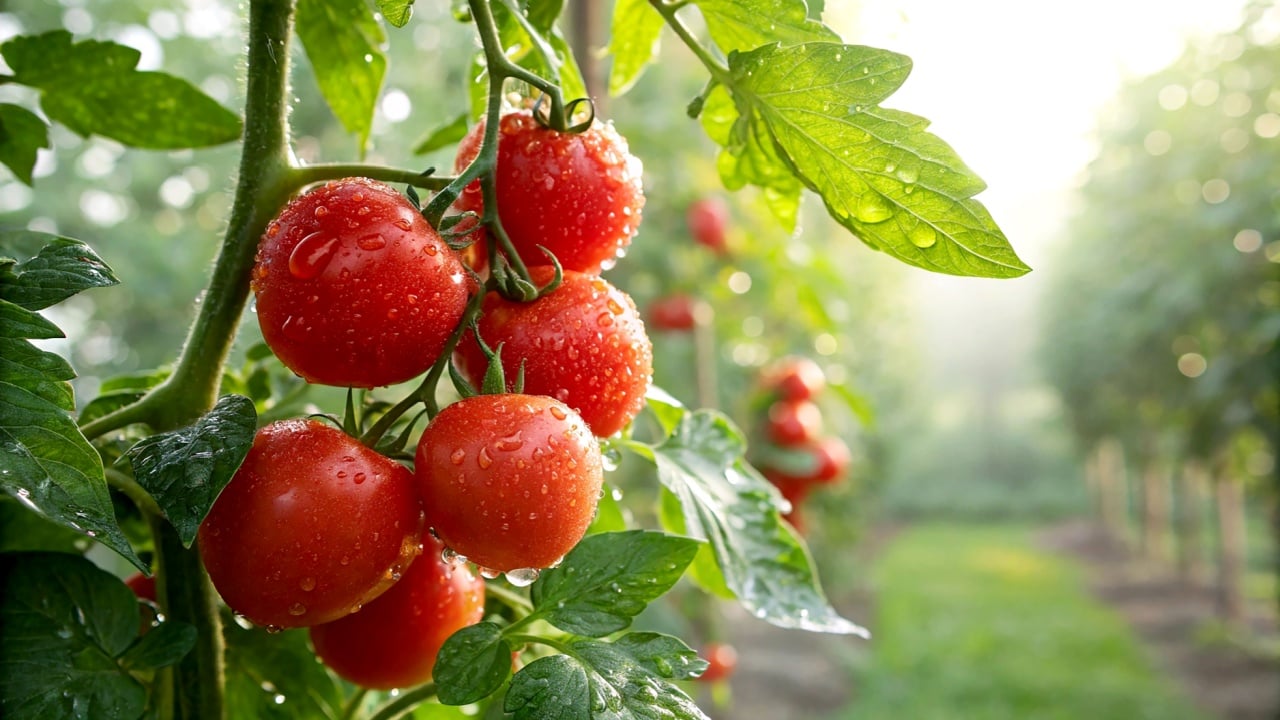
Three cherry tomato plants can yield approximately 45 pounds of fruit in a single season, worth roughly $180 at average store prices, and often more if you’ve been reaching for the premium vine-ripened or heirloom varieties.
University of Georgia horticulture specialist Robert Westerfield is direct about this in Southern Living: cherry tomato varieties are easier to grow and more prolific than large-fruiting types, and ‘one or two plants will get you through the season.’ They thrive in containers as well as garden beds, which means apartment dwellers and gardeners with small patios can get in on the same savings. Plant your cherry tomatoes now; they need warmth and won’t look back. Stake them early to prevent stem damage as they climb, and water deeply rather than frequently.
The tomato you grow at home, picked at peak ripeness, is a fundamentally different eating experience than anything shipped green and ripened in a warehouse. Once you’ve had one, you’ll understand why gardeners with the best backyards always have at least three plants going.
Bell Peppers: The Most Overpriced Vegetable in the Store
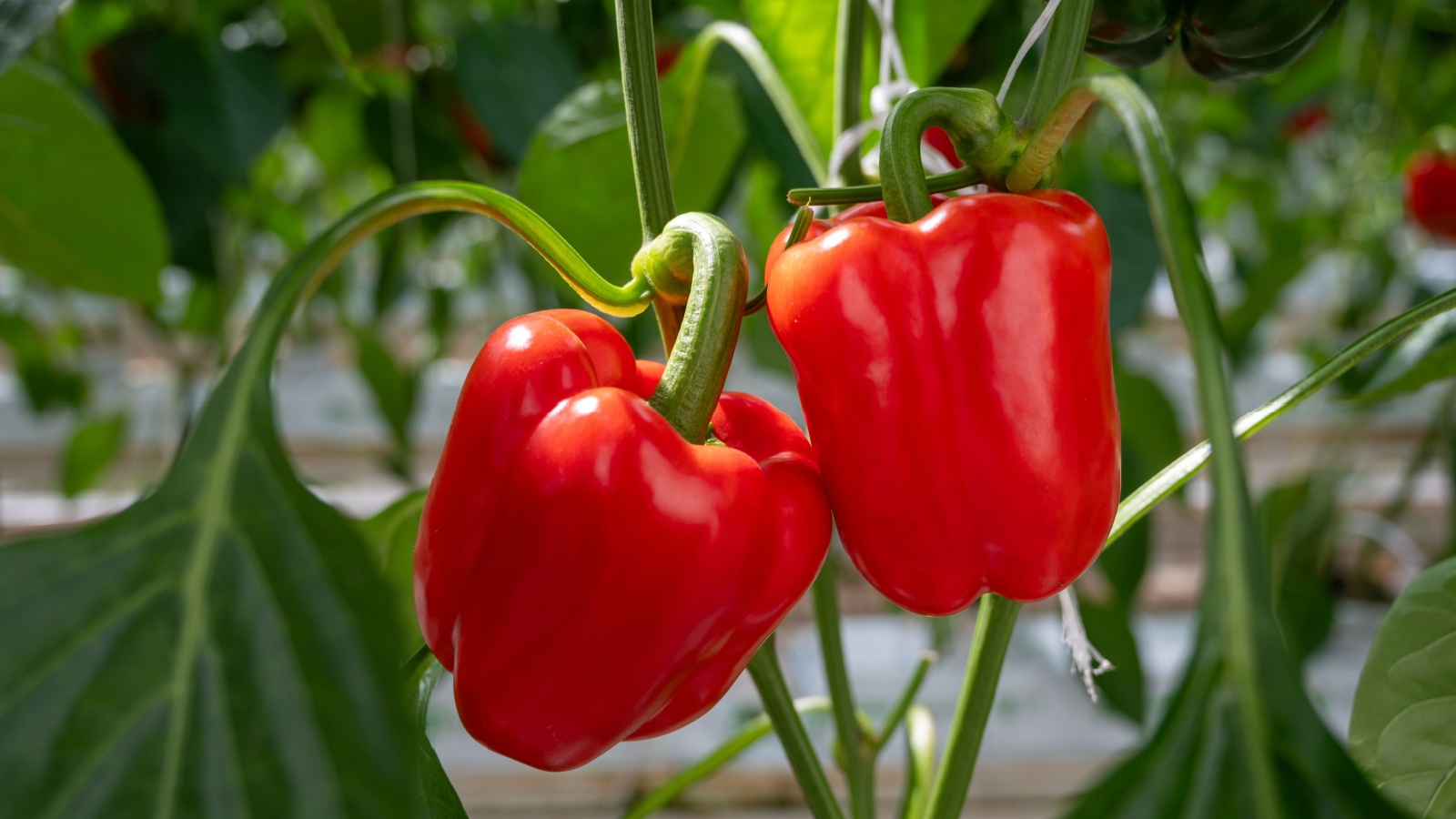
Red, orange, and yellow bell peppers have a pricing problem: they cost two to three times as much as green peppers at the store because they require more time on the vine to develop color. That extra store cost is entirely avoidable in a home garden, where you can simply wait for the color to develop.
Four to six pepper plants will keep most families in fresh peppers throughout the summer and still leave plenty to chop and freeze for year-round use. Westerfield notes that peppers handle disease and insects better than almost any other vegetable. At $2.50 to $4 per pepper for red and orange varieties at the grocery store, the savings from a four-plant pepper patch can easily reach $150 to $200 by the time October arrives.
One note for pet owners: pepper plants are not toxic to dogs or cats, but keep animals away from hot pepper varieties, which can cause digestive irritation.
Zucchini: One Plant Is Enough (And It’s Almost Free to Grow)
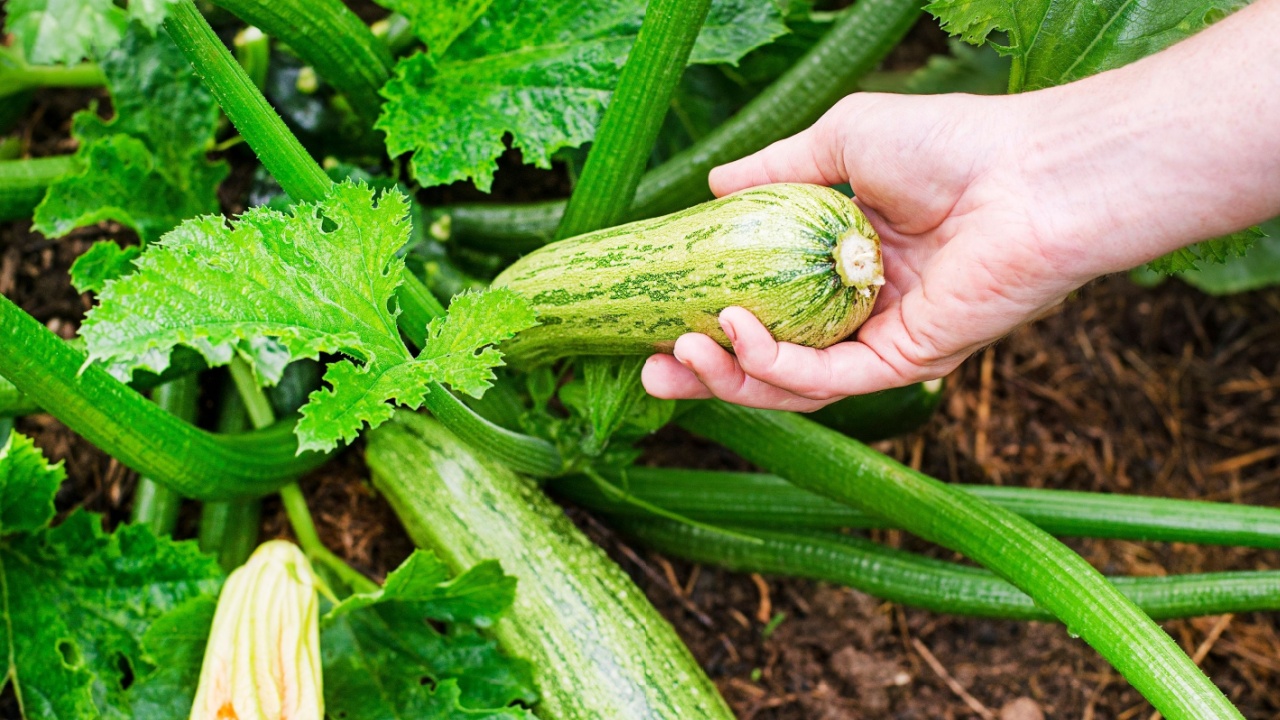
Zucchini is the most productive vegetable per dollar of seed cost in the home garden, and it is also the one most frequently overplanted. A single zucchini plant can produce between 10 and 30 pounds of food in a season, sometimes more. Two plants will have you quietly leaving bags of zucchini on neighbors’ porches by August. Direct-sow the seeds now in May, once the soil has warmed, and expect your first harvest within 50 to 60 days.
DripWorks notes that a single healthy zucchini plant is one of the best budget choices for any home gardener, specifically because of its yield-to-cost ratio. At $1.49 to $3.99 per pound at major grocery chains (and with U.S. zucchini production declining sharply in 2024–2025), growing your own this season is a genuinely smart financial move.
Zucchini also freezes beautifully: shred it for baking, or slice it into rounds for soups and stir-fries. The season ends in October; the surplus you’ve stored away in your freezer doesn’t.
Leafy Greens: The Cut-and-Come-Again Crop That Pays for Itself in Weeks

Mixed greens are up 36.5% in price year over year. Spinach, kale, and lettuce are among the most expensive items per ounce in the produce section once you account for how quickly a bag wilts in the refrigerator. Growing your own solves both problems: the cost and the waste.
Leafy greens are harvestable in as little as 30 days from seed, making them the fastest-return crop on this list. The cut-and-come-again method, or snipping outer leaves and letting the plant continue to grow, means a single planting produces multiple harvests over several weeks. Epic Gardening recommends succession planting, dropping new seeds every two weeks, to maintain a continuous supply through the season.
For gardeners rethinking their approach, leafy greens are an ideal raised-bed crop: shallow-rooted, quick-producing, and harvestable without bending to the ground. A single 4×4-foot raised bed planted now with spinach, loose-leaf lettuce, and kale will produce more salad than most families can eat for less than $5 in seeds. Plant a second round in late August, and you’ll be harvesting fresh greens well into October.
Cucumbers: Up 33% at the Store, Nearly Free at Home
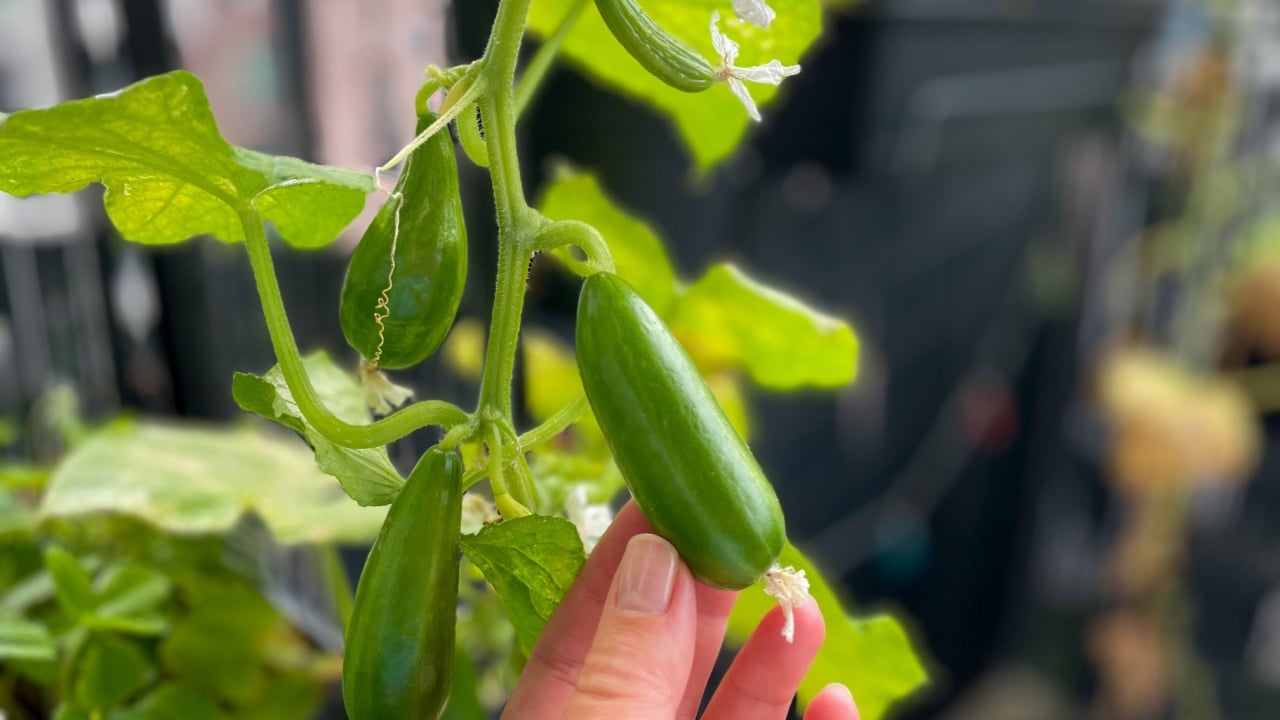
Cucumbers rose 33.6% in price between 2024 and 2025, according to LendingTree data, and they’re one of the easiest, highest-yielding vegetables you can direct-sow from seed. A single plant can produce 15 to 20 cucumbers over the course of the season; two or three plants will keep most families supplied from July through September.
Direct-sow cucumber seeds now, in a spot that gets full sun, and give them something to climb: a simple trellis, a tomato cage, or a piece of fencing. Vertical growing saves space and improves air circulation.
Oregon Cottage lists cucumbers among the top high-yield, low-cost plants specifically because the store price is high relative to how easy and inexpensive they are to produce at home.
Green Beans: The Beginner Crop That Produces All Summer
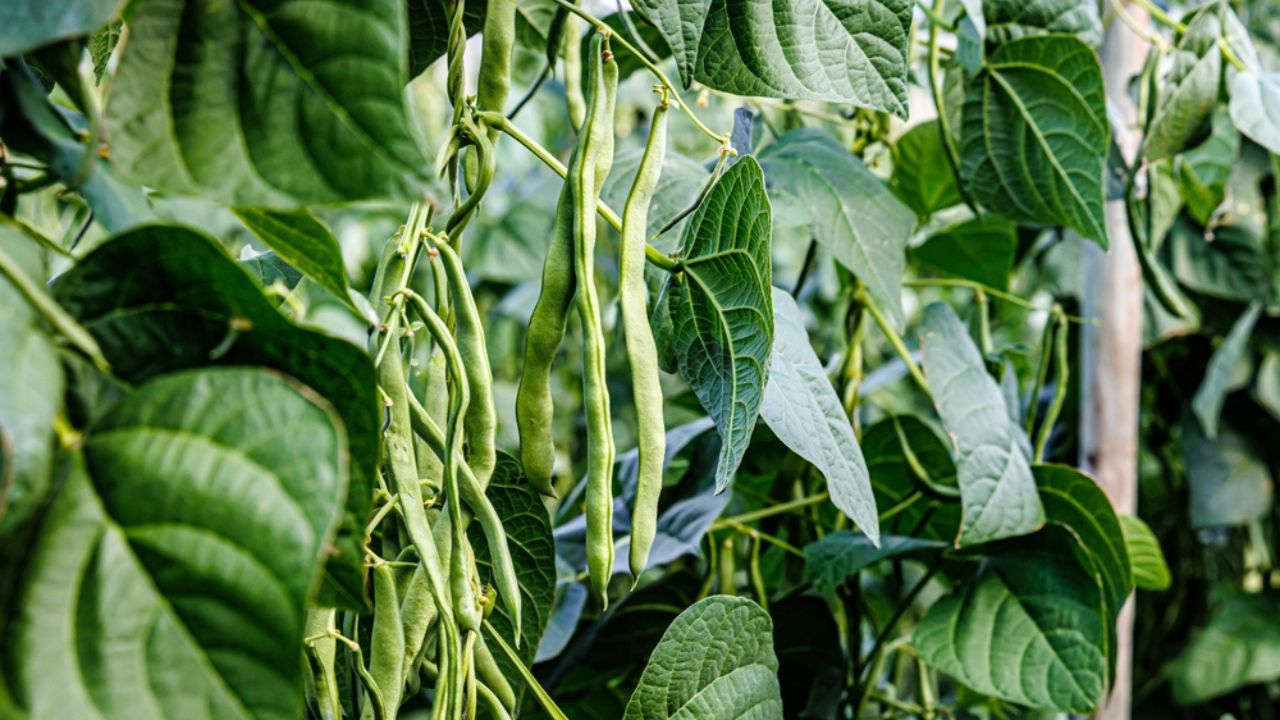
Green beans are the most forgiving crop on this list. Direct-sow them into warm soil in May, water them consistently, and step back. They ask almost nothing and give back steadily: prolific producers that can be harvested continuously through the summer when picked regularly.
A 10-foot row of green beans, planted from a $2 seed packet, can produce 8 to 10 pounds of beans over the season. Iowa State University Extension notes that green beans are one of the most accessible crops for beginner gardeners and can be direct-seeded straight into the ground without starting indoors first.
Green beans freeze with minimal effort: blanch for two minutes, cool, and bag. A summer’s worth of green beans in the freezer is $25 to $35 of produce you won’t have to buy in December.
Fresh Herbs: The Single Biggest Grocery Drain You’re Ignoring
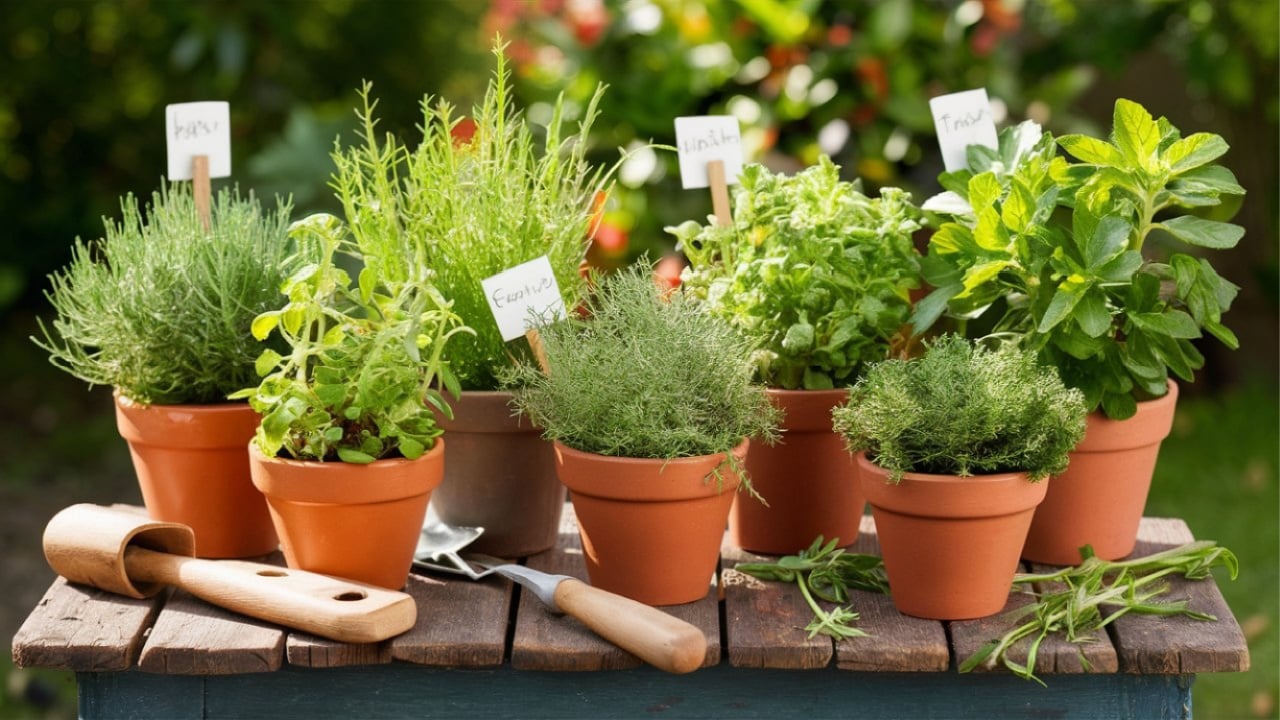
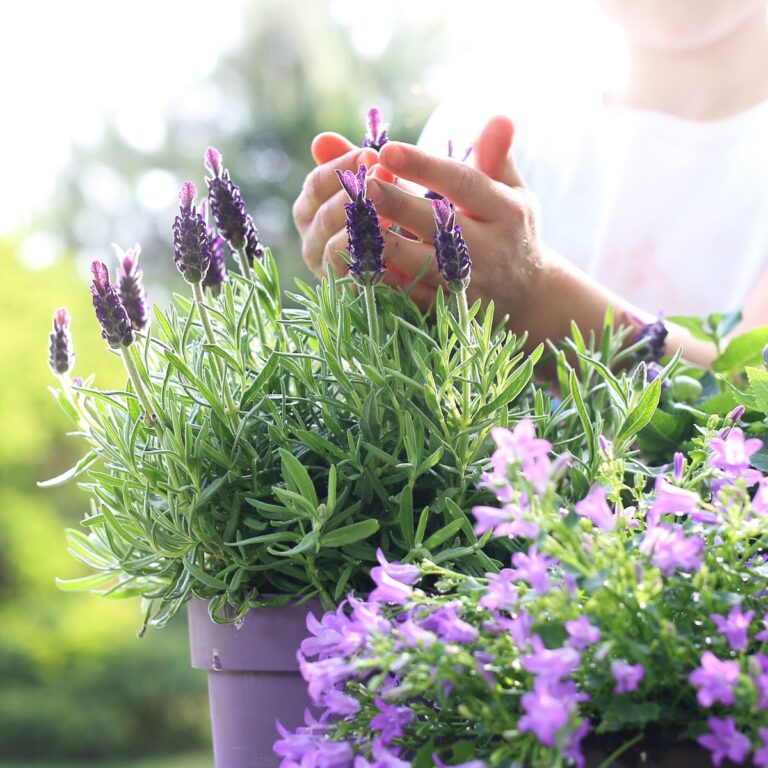
Your grandmother didn’t buy fresh herbs at the grocery store. She grew them by the back door and pinched off exactly what she needed for dinner, fresh every time. What she understood, and what the grocery industry has quietly profited from for decades, is that a $4 bundle of fresh cilantro or basil that wilts within three days represents extraordinary waste.
Most gardeners significantly underestimate how much they spend on store-bought herbs each year. When you add up weekly purchases of basil, parsley, cilantro, and thyme across an entire year, the total frequently exceeds $300 to $400. A packet of basil seeds costs under $2 and produces enough plant material to supply a full season of fresh herb, with surplus to freeze.
University of Georgia’s Westerfield calls herbs ‘so forgiving’ and notes that rosemary in particular is a ‘hardy, reliable performer’ that can be harvested on demand instead of purchased in packages that go to waste. The most important thing you will plant this May isn’t a tomato; it’s a basil plant.
How to Stretch the Harvest From May to October
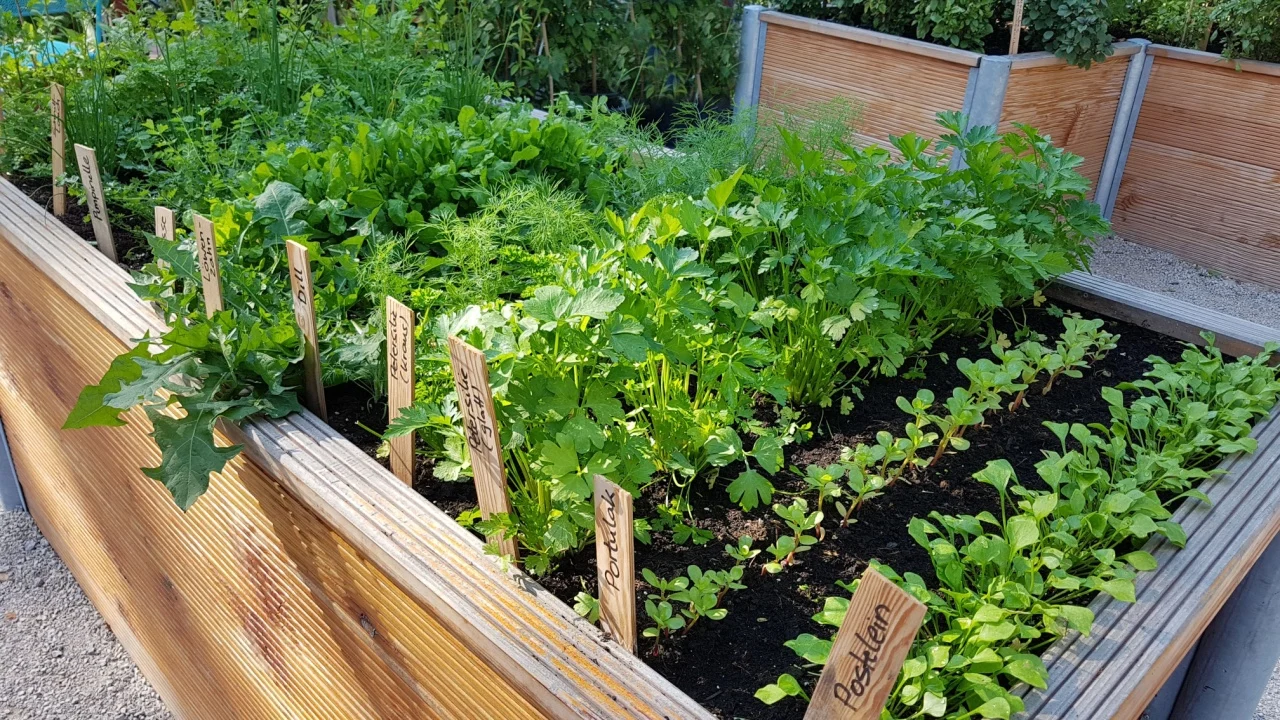
Planting once in May is a good start, but the gardeners who genuinely stop buying produce until October follow a simple three-step rhythm: plant warm-season crops now, keep harvesting and freezing throughout the summer, and sow a second round of cool-season greens in late August for fall.
That late-August succession planting of spinach and lettuce is one of the most underused strategies in the home garden. The soil is warm, days are shortening, and cool-season crops thrive in the September and October conditions that warm-season plants struggle with. A small tray of spinach seeds planted in August will produce harvestable greens by mid-September and continue through the first hard frost.
For gardeners rethinking their setup, raised beds placed at accessible heights extend the season on both ends: they warm faster in spring and hold warmth later into fall. Backyard Boss recommends this approach specifically for gardeners seeking maximum return from limited space, noting that containers and raised beds consistently outperform in-ground planting for high-value crops.
Start Small, Save Big
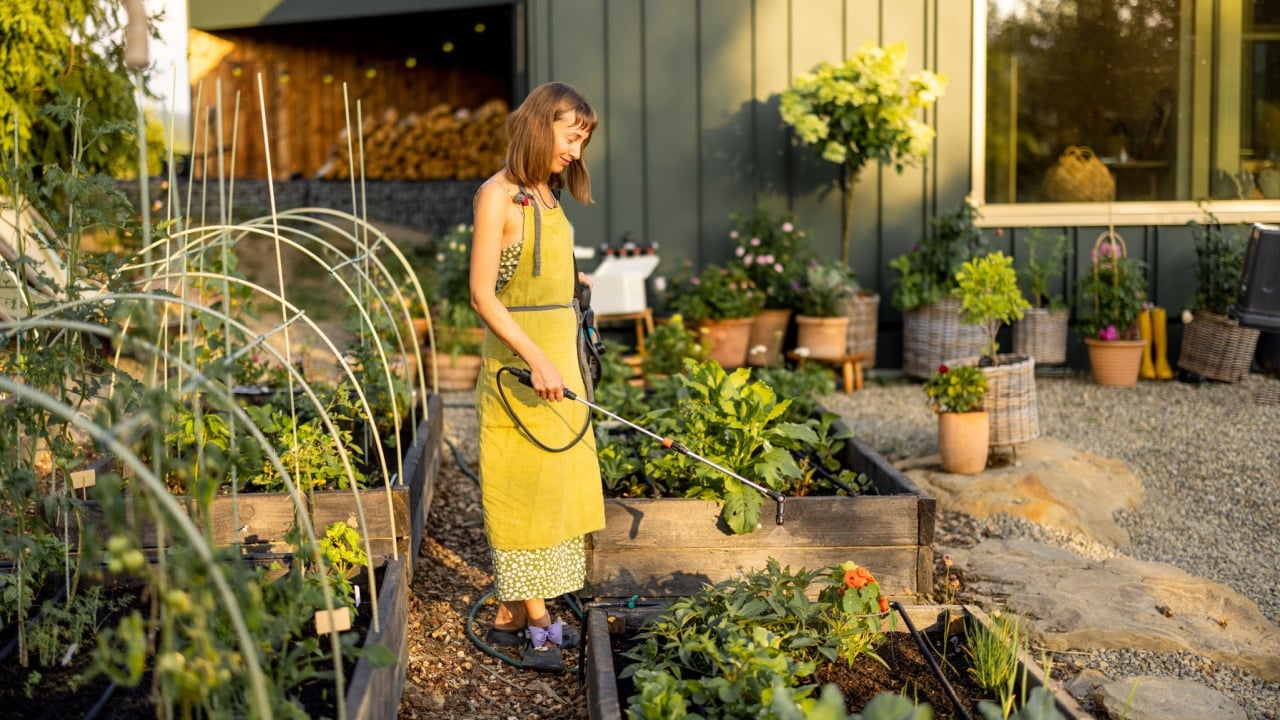
You don’t need to overhaul your entire yard. Start with four or five of the crops on this list, especially the ones your family already eats every week, and plant them this month. Seeds cost a few dollars, and containers from a garden center cost $10 to $20. The return begins arriving in June and doesn’t stop until October.
The victory gardens of the 1940s weren’t planted by expert horticulturists. They were planted by ordinary people who understood that a small patch of earth, tended with reasonable attention, could meaningfully reduce what a family had to buy at the store. That math hasn’t changed. Grocery prices have only made it more compelling. This May, plant something you’ll eat in August. Your October grocery bill will tell the story.
Read more:
Why wildlife experts are telling people to take down their bird feeders
Plant these 10 companion plants with your tomatoes — and stop planting these 4