12 Fastest Ways to Fill Gaps in the Yard This May
Spring has sprung, and it’s shining a light on those bare patches in your garden. Whether late frost got the best of your early plantings or you just have some empty spaces, you’re probably looking for a quick fix before summer hits.
Horticultural experts have a simple solution: fast-growing annuals. Sowing seeds directly into the warm spring soil can speed up germination and get rapid foliage cover. The combination of warm days and spring rain creates the perfect nursery for new seedlings.
May is the ideal time for this. The ground temperature is just right for quick root development, and the moisture levels support steady growth without the stress of mid-summer heat. Plus, sowing seeds directly into the earth means you skip the transplant shock that can happen with store-bought plants.
Ready to fill those gaps? Here are twelve fast-growing options you can plant right now. Each one is perfect for transforming empty garden spaces into a lush landscape.
1. Cosmos
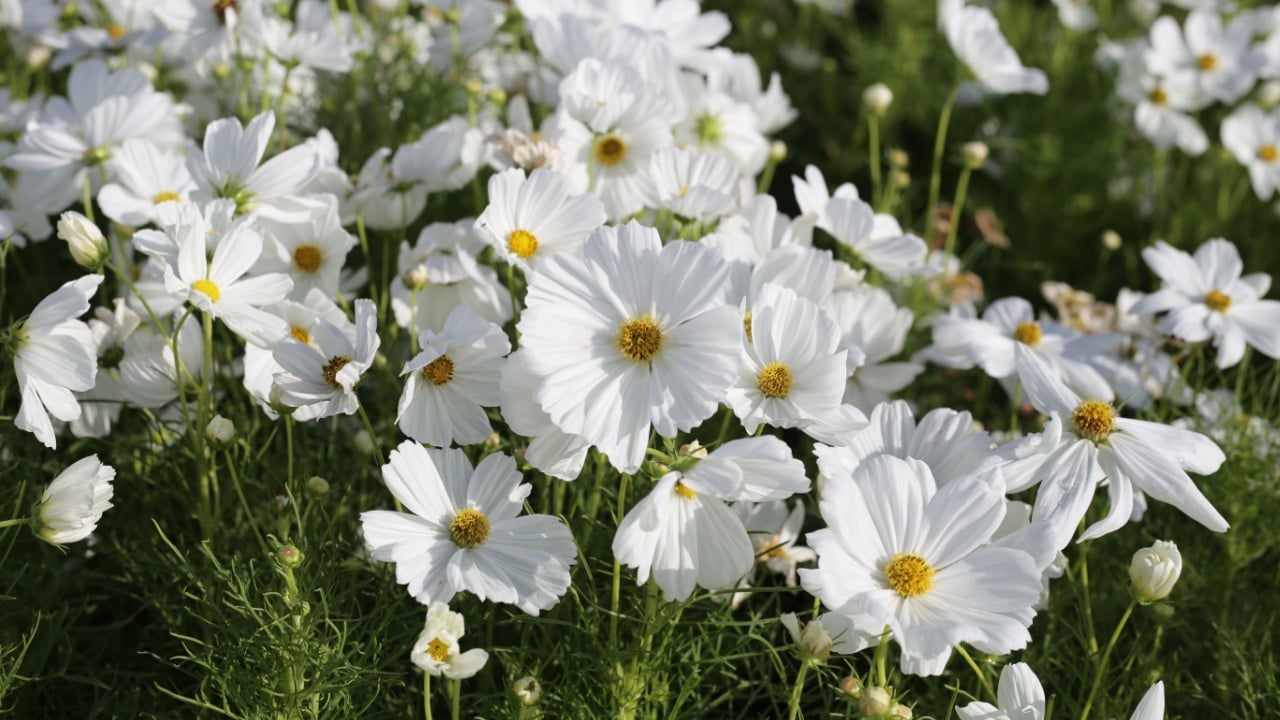
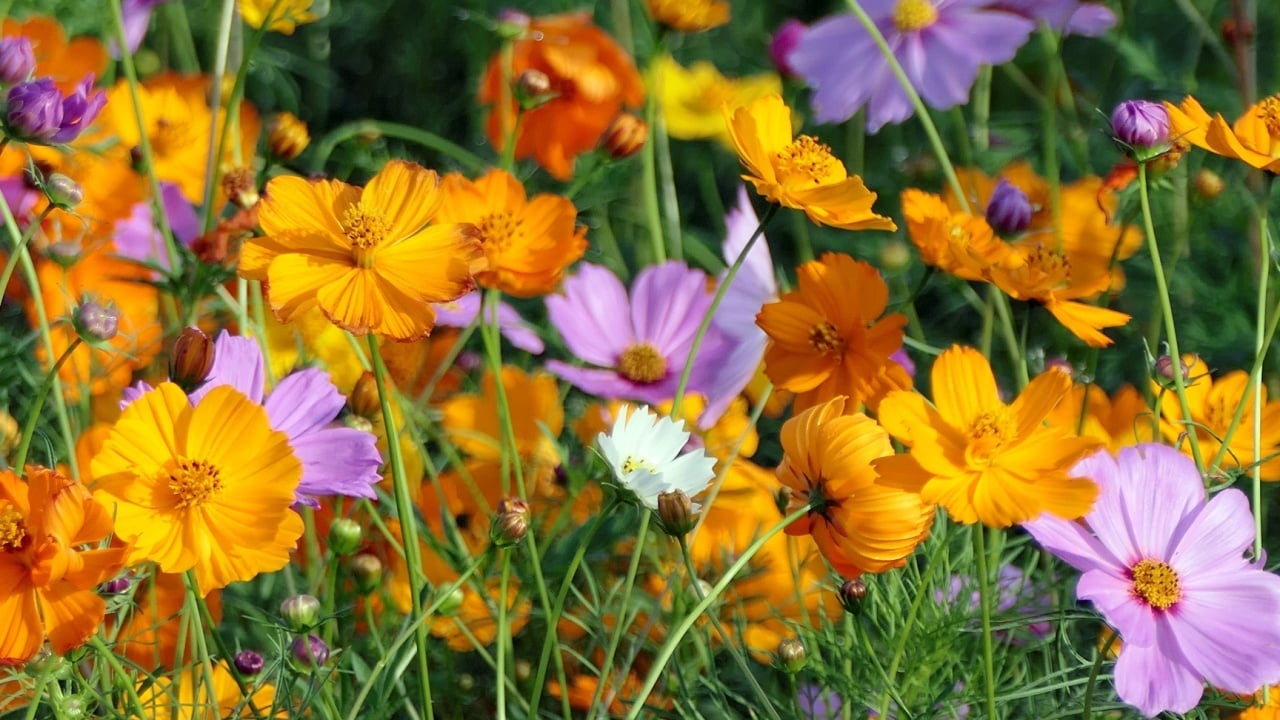
Cosmos seeds are lightning-fast, sprouting in just 7-14 days in warm spring soil. They produce feathery foliage that quickly covers bare ground, reaching impressive heights in weeks and budding early in the summer.
Planting is a breeze: just scatter the seeds on the soil, press them down, and add a thin layer of compost to keep them moist. A gentle morning watering will help the seedlings establish strong roots.
As a bonus, the beautiful blooms attract pollinators like bees and butterflies to your yard all summer. Cosmos aren’t picky and will thrive even in poor soil with minimal fuss once they’re established.
2. Zinnias
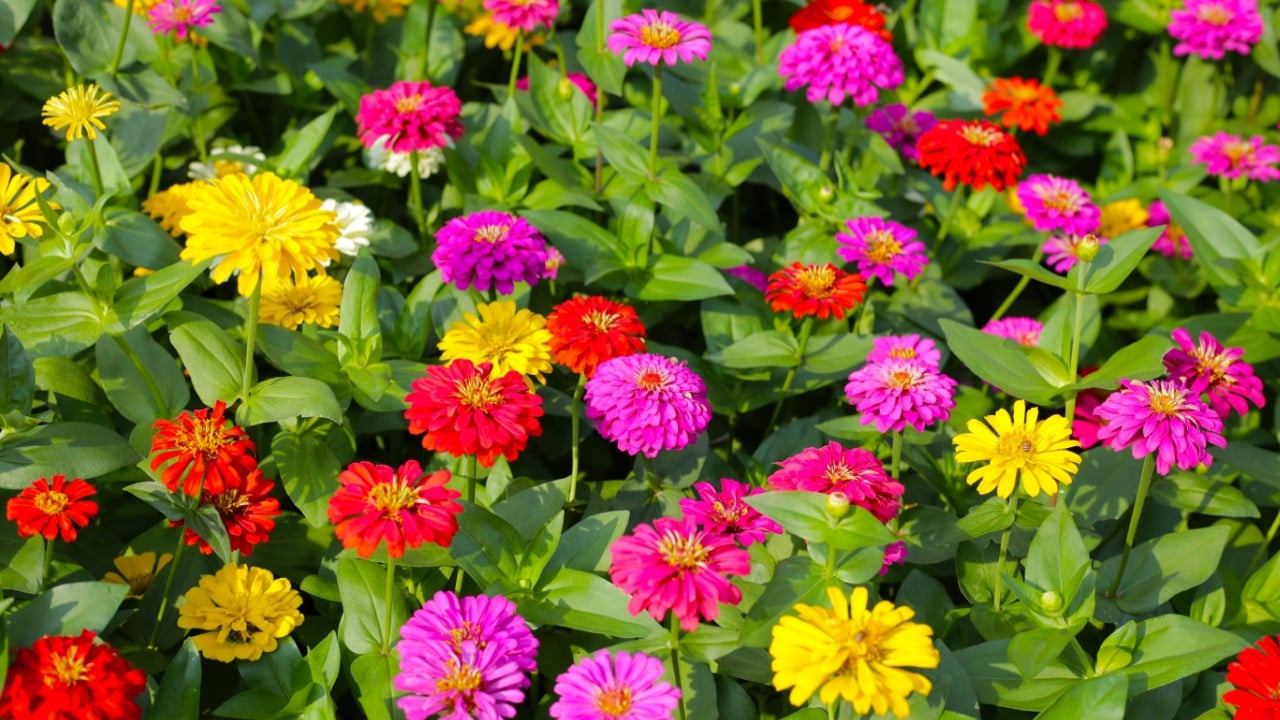
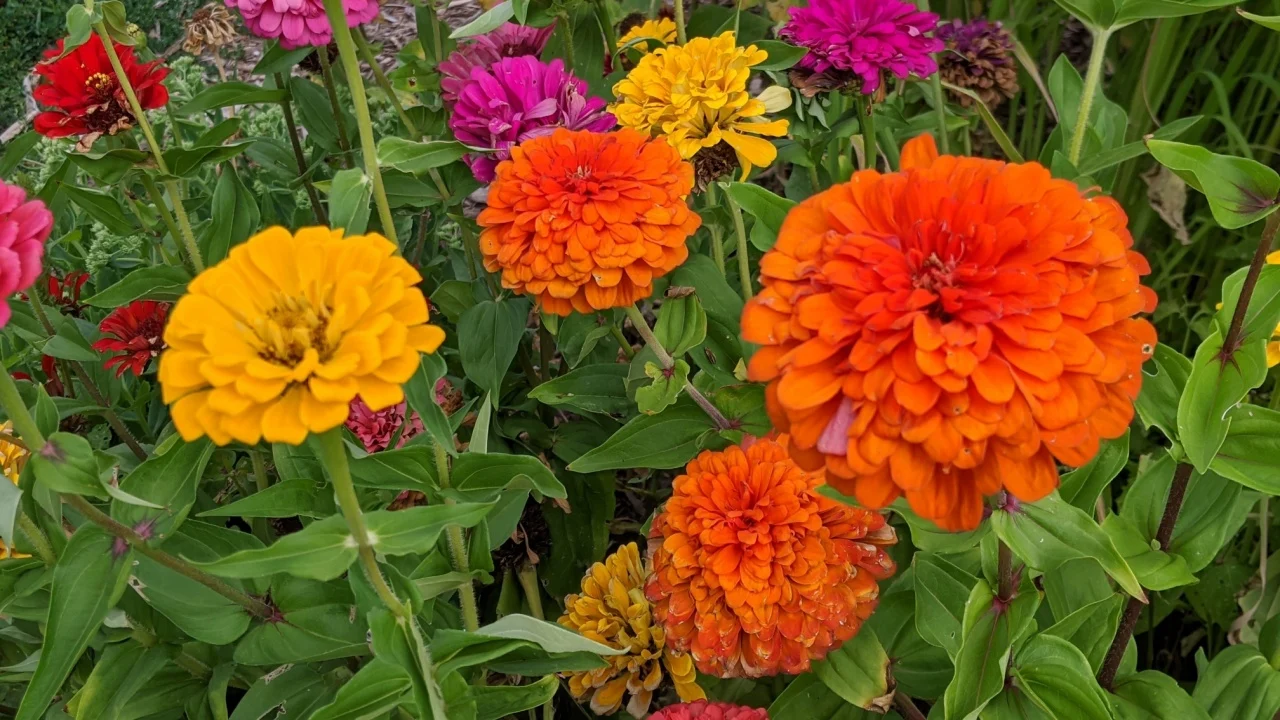
Zinnias are famous for their speedy growth and vibrant summer colors. Planting them in May gives you sturdy plants that fill empty spots and block out weeds. Their broad leaves pop up almost immediately after germination, shading the soil below.
To plant, place the seeds about a quarter-inch deep in soil that drains well, spacing them a few inches apart for good air circulation. When the plant reaches about a foot tall, pinch off the top leaves to encourage it to grow bushier.
These flowers will give you a continuous burst of color until the first frost. Zinnias are tough, standing up to summer heat and rewarding you with plenty of blossoms if you water them regularly.
3. Nasturtiums
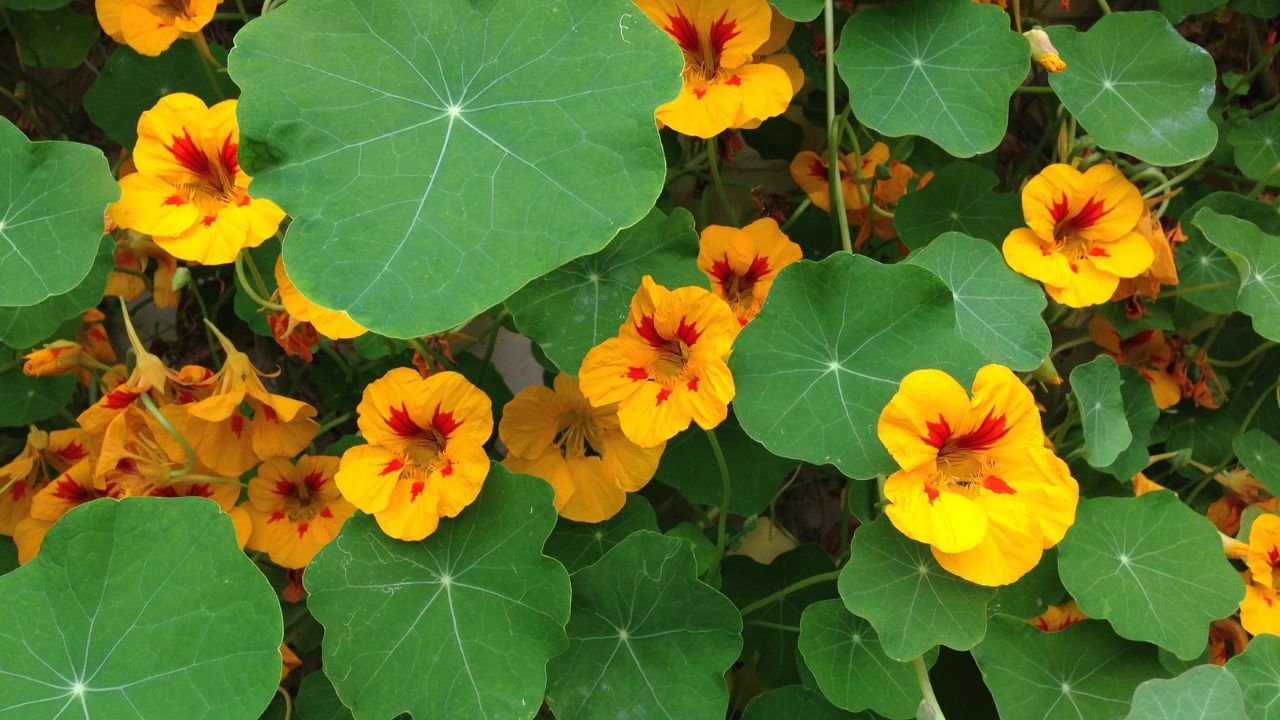
Nasturtiums are vigorous growers that spread quickly, making them perfect for covering empty patches. Their large, round leaves form a dense mat that hides the soil, and both the leaves and bright flowers are edible, adding a peppery kick to salads.
Planting couldn’t be simpler: just push the large seeds into the dirt. For even faster results, soak the seeds in water overnight before planting. They actually prefer poor soil and will produce more flowers if you skip the fertilizer.
Their sprawling habit makes them ideal for trailing over walls or filling large, bare areas. Once their main stems are developed, they need very little water to thrive.
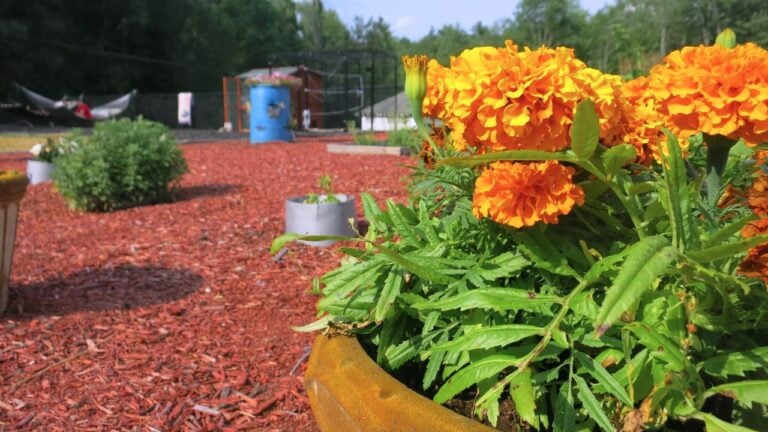
4. Marigolds
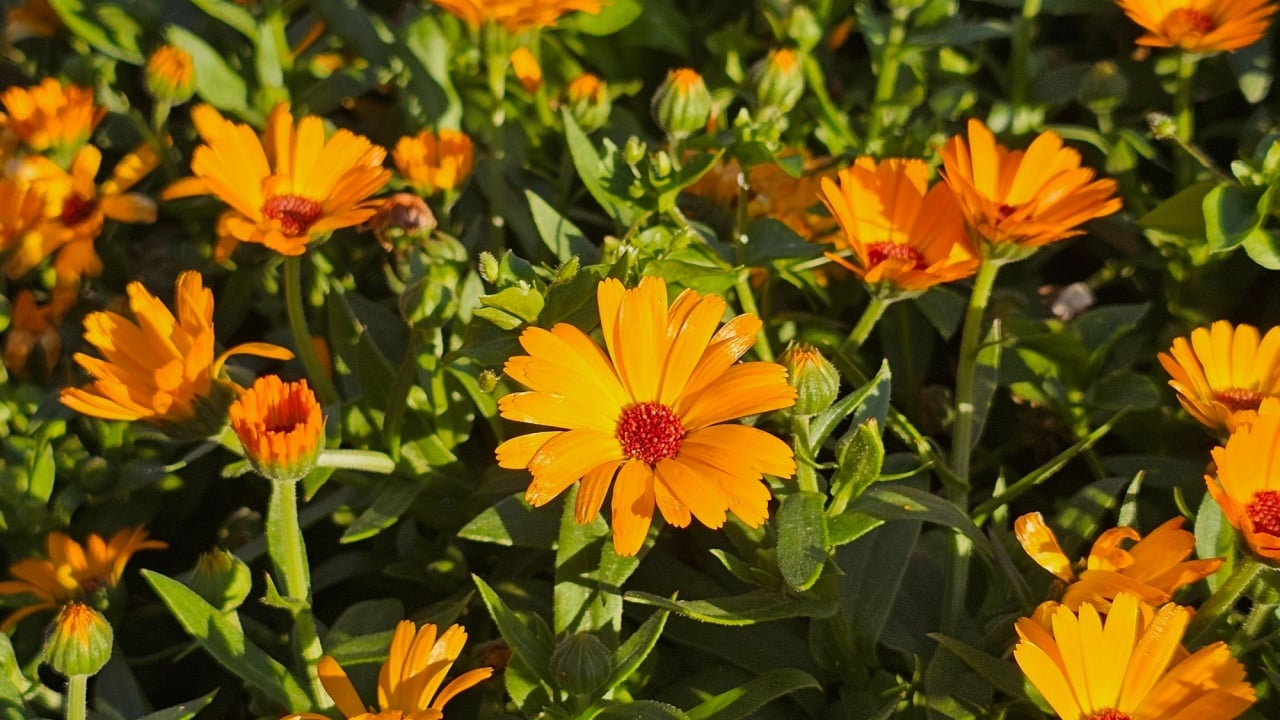
Marigolds germinate in 5-14 days and grow robustly in sunny spots. These garden classics establish strong roots within days, and their distinct scent is a natural pest deterrent for other plants in your garden.
Sowing the seeds is easy; a light dusting of soil over the top will do. Keep the ground moist until you see green shoots appear. To keep the flowers coming all season, just pinch off the spent blooms.
A border of marigolds adds a cheerful pop of orange and yellow to any landscape. They’re incredibly resilient, holding up well through both dry spells and heavy summer rain.
5. Sunflowers
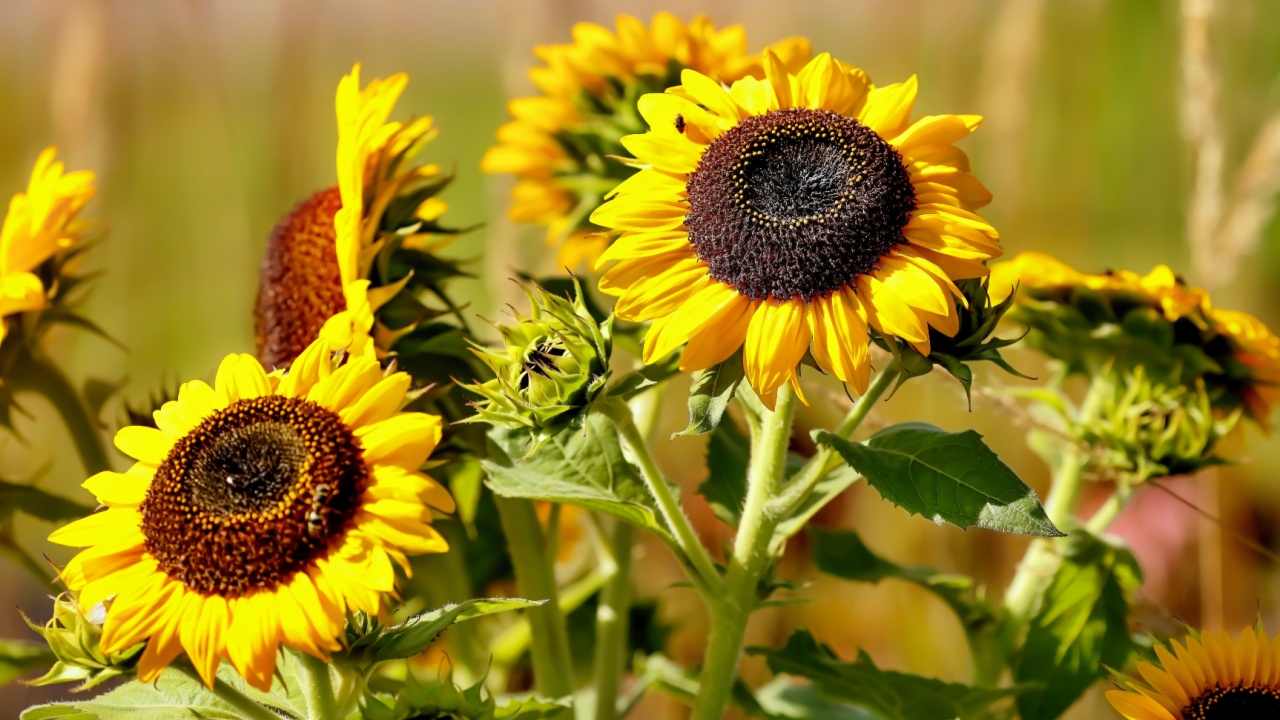
Everyone knows sunflowers for their incredible speed, shooting up towards the sun. The thick stalks can grow several feet tall in a short time, but smaller, branching varieties are perfect for filling gaps in the middle of a garden bed.
Plant sunflower seeds at least 1-1.5 inches deep to support their heavy stalks. Deep watering twice a week will encourage strong roots, and staking the taller types will protect them from summer storms.
The huge flower heads will provide seeds for birds in late summer, bringing even more life to your garden. Sunflowers bring a cheerful, sunny presence to any outdoor space you put them in.
6. Sweet Alyssum
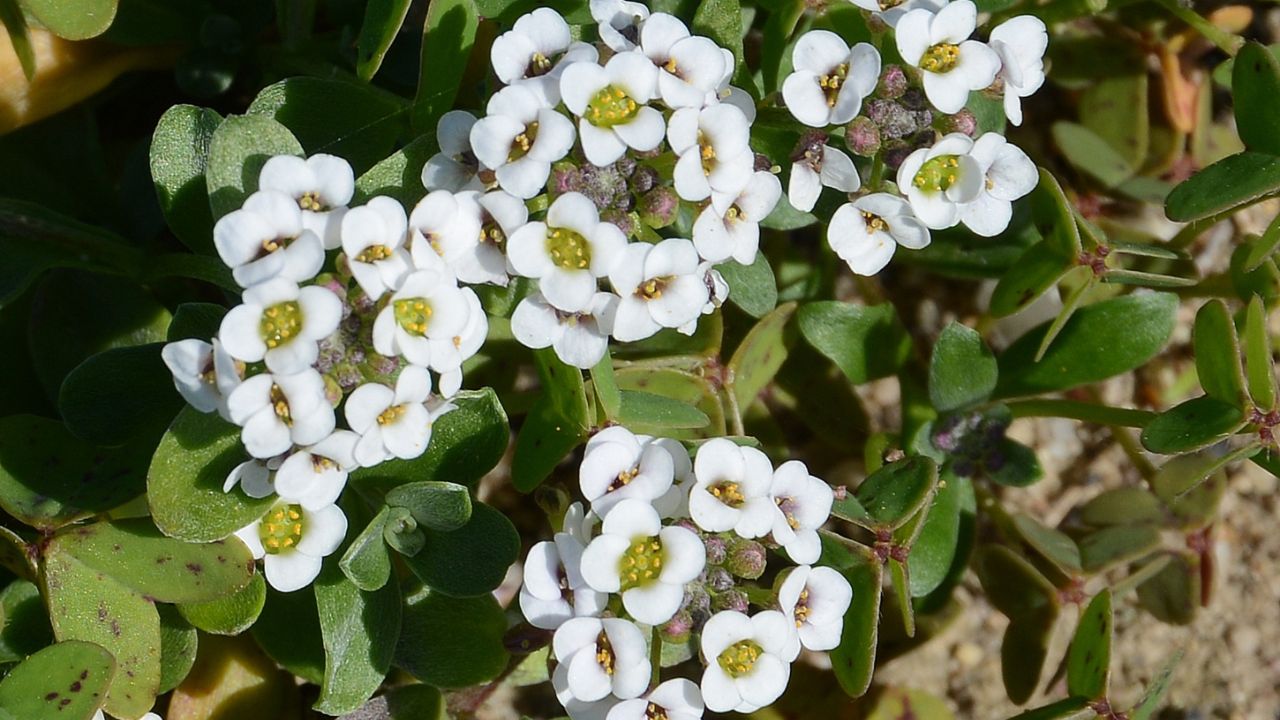
Sweet alyssum creates a low-growing carpet of tiny, fragrant flowers that spreads incredibly fast. Sowing these seeds along pathways or at the edge of raised beds will fill gaps in just a few weeks, smothering out any competing weeds.
For best results, just sprinkle the tiny seeds on the surface of the soil; they need light to germinate, so don’t cover them. Mist the area with a spray bottle to keep the seeds from washing away.
The honey-scented blooms will spill beautifully over the edges of your garden borders. Sweet alyssum is also tough, tolerating cool weather and often lasting well into the fall.
7. California Poppies
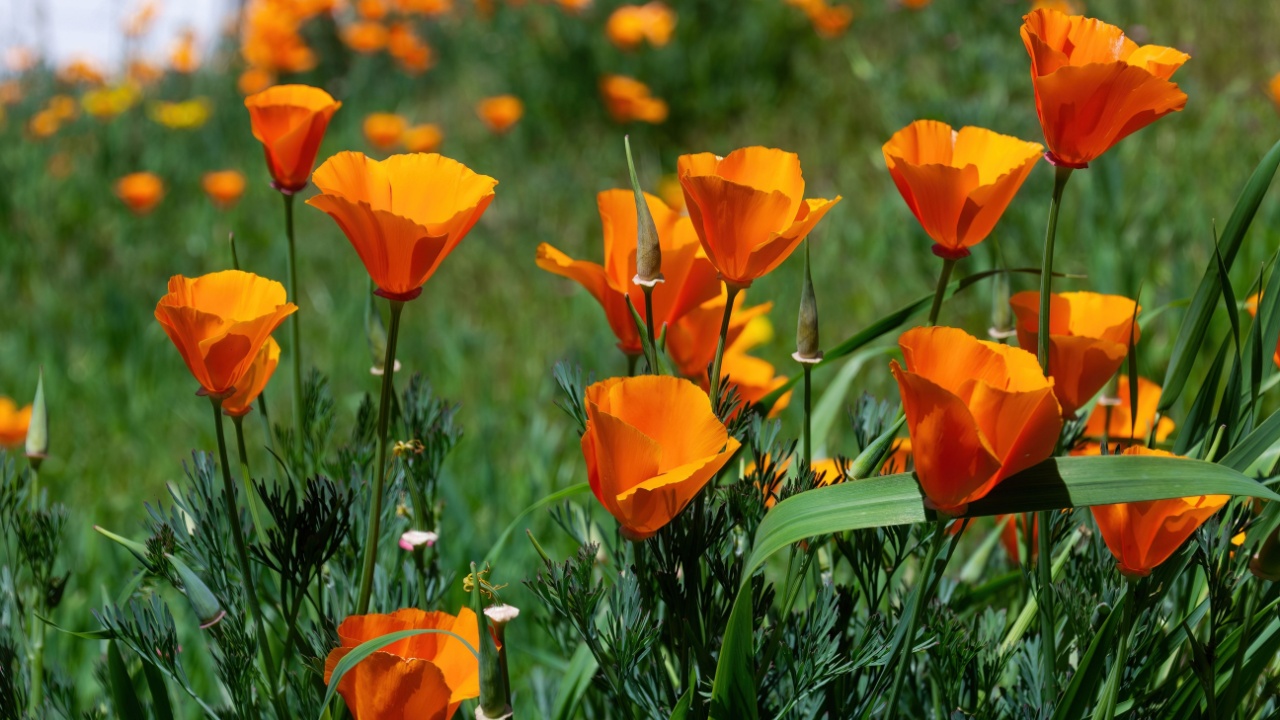
California poppies are the perfect choice for dry, sunny spots where other plants might struggle. Sowing them in May will quickly produce a flush of feathery, blue-green foliage, followed by bright orange and yellow flowers that open with the sun.
Simply broadcast the seeds over the area you want to fill and rake them in gently to ensure good soil contact. These wildflowers hate being transplanted, so it’s essential to sow them directly where you want them to grow.
California poppies bring a relaxed, natural vibe to your yard. They often self-seed, so you can look forward to seeing them return year after year.
8. Nigella
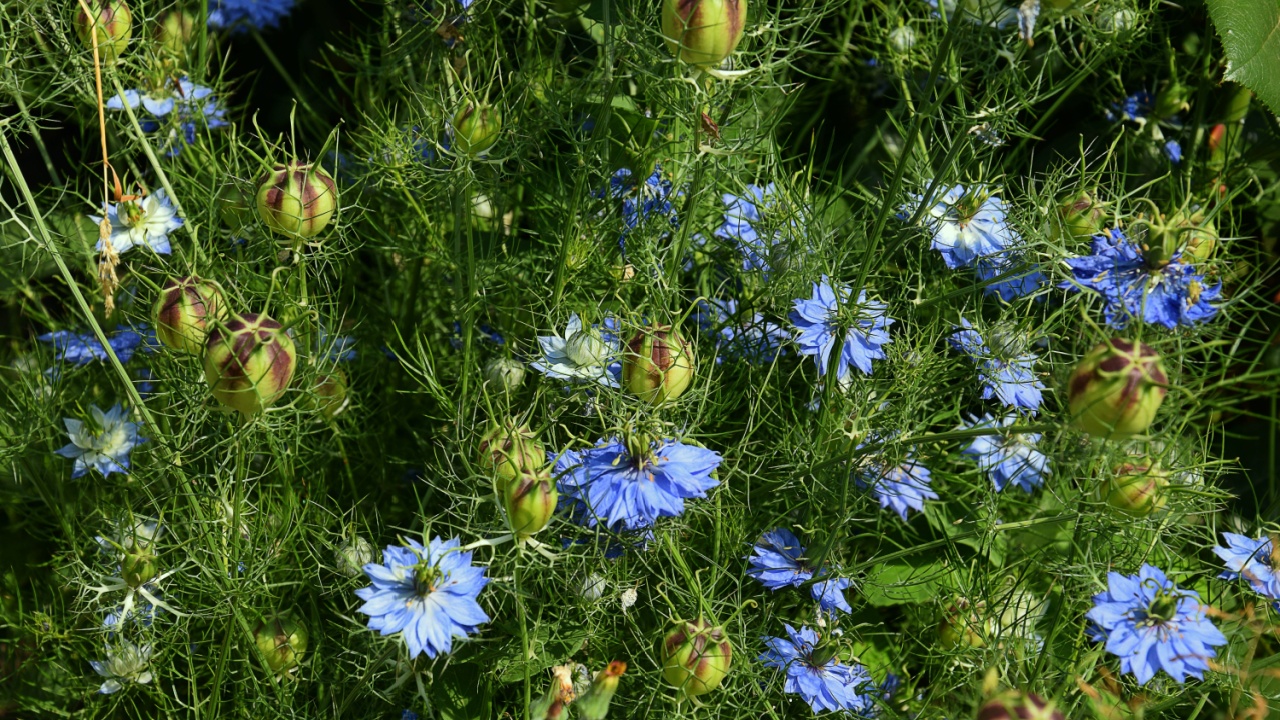
Also known as Love-in-a-Mist, Nigella grows rapidly and produces intricate, star-shaped flowers surrounded by lacy foliage. It’s a unique plant that fills garden gaps beautifully, reaching maturity in just a couple of months.
Just scatter the seeds and press them lightly into the soil. As they grow, thin the seedlings to a few inches apart to give them room to breathe. For a continuous show, plant a new batch every couple of weeks throughout the summer.
After flowering, Nigella develops attractive striped seed pods that look great in dried flower arrangements. This plant is a true low-maintenance beauty, thriving on a bit of neglect.
9. Bachelor’s Buttons
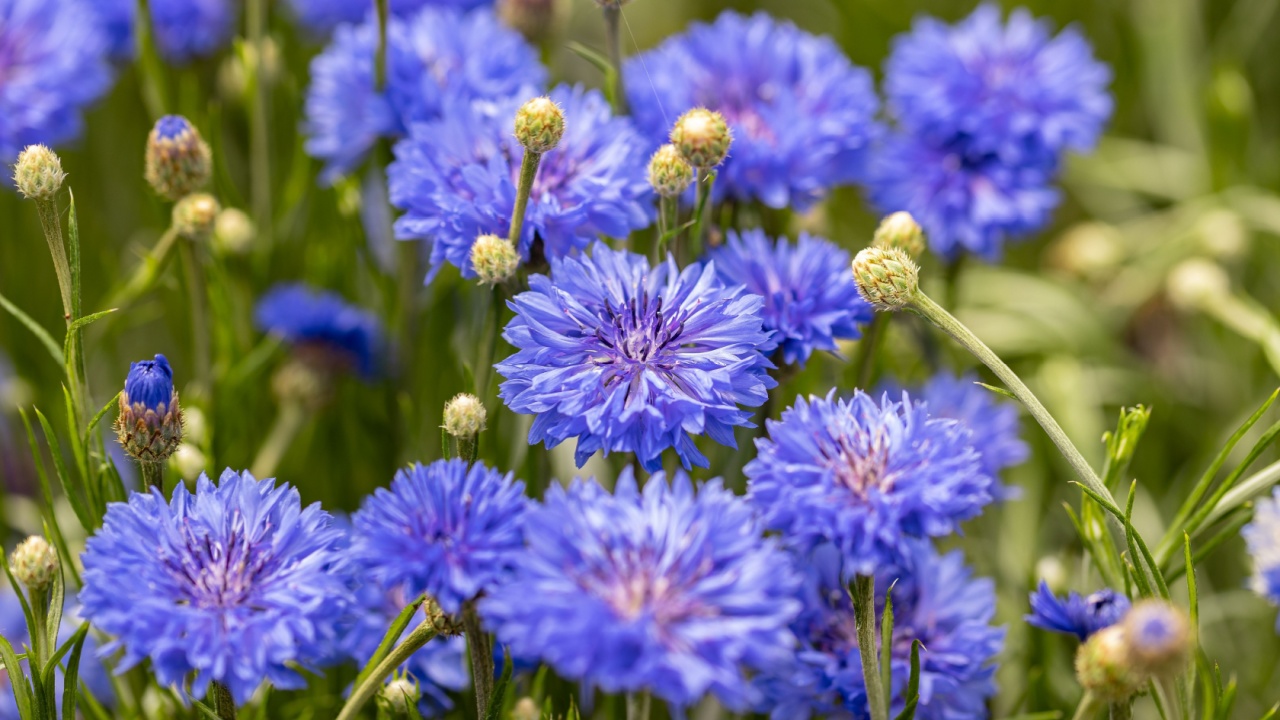
Bachelor’s Buttons are another vigorous sprouter in warm May soil. These tall, slender plants produce tons of bright blue flowers in a short time, with narrow leaves that blend well with other plants while filling empty vertical space.
Bury the seeds just under the soil surface to protect them from birds and water them regularly until they’re about six inches tall. A small support structure can help keep them from toppling over in the wind.
The vibrant blue color is a stunning contrast against the green foliage in your garden. They’re also reliable bloomers that make excellent cut flowers for summer bouquets.
10. Calendula
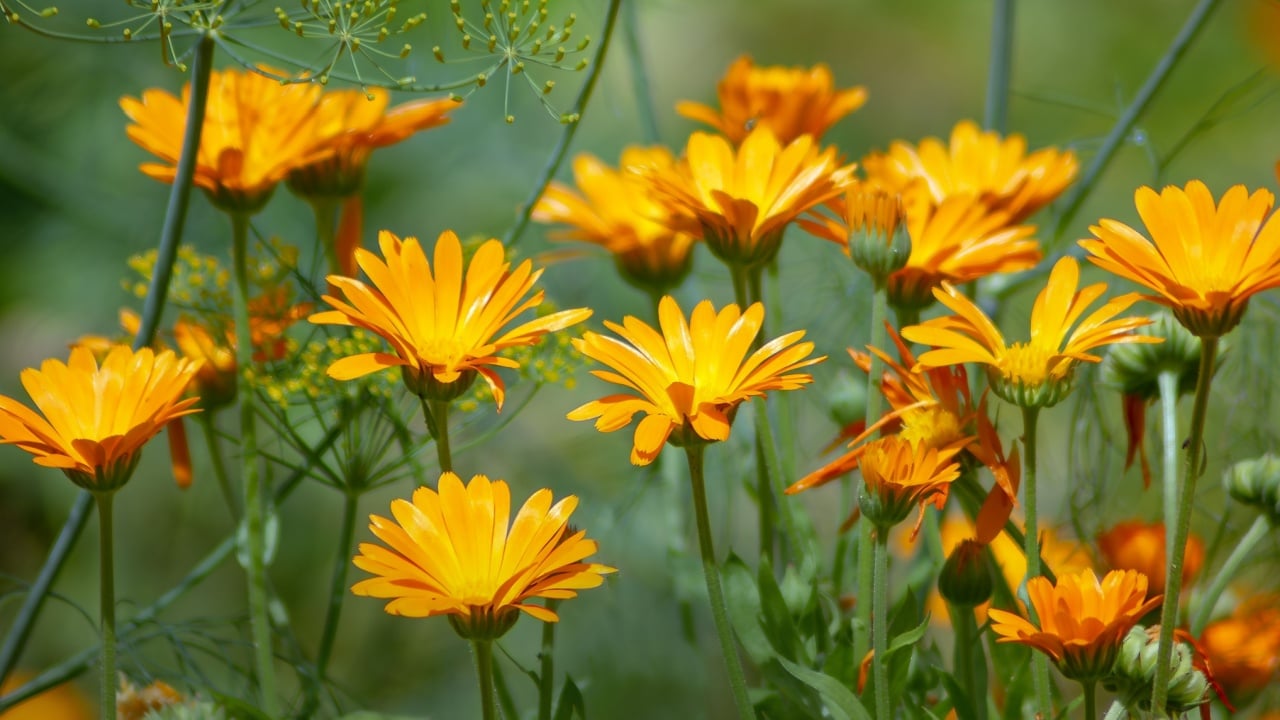
Calendula seeds sprout in just a few days (7-14 days to be precise), growing into sturdy, bushy plants with bright orange and yellow daisy-like flowers. Their sticky, aromatic leaves even help repel certain insects from your garden.
Sow the seeds about a half-inch deep and thin the plants to a foot apart to give them room to bush out. Pinching off the first few buds will encourage the plant to develop a stronger base before it starts flowering.
The flower petals are edible and add a beautiful touch to salads and other dishes. Calendula is a great choice for cooler summer climates and doesn’t mind a bit of partial shade.
11. Borage
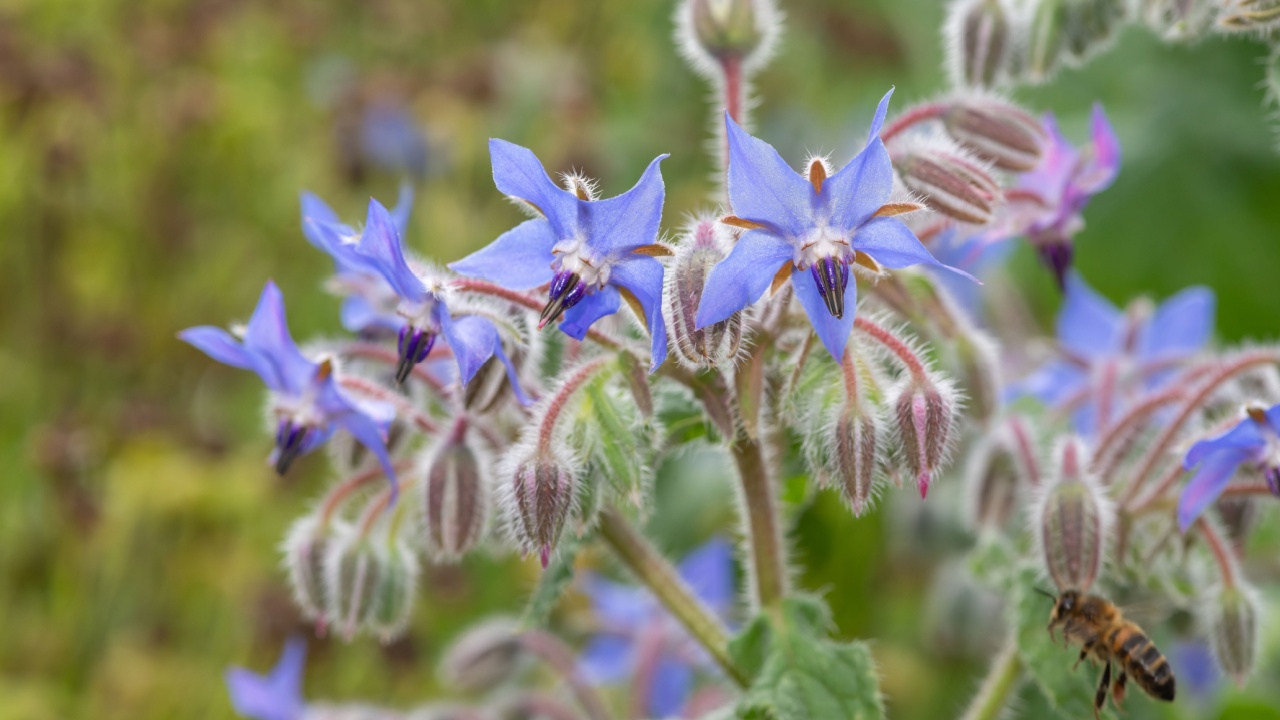
Borage is a powerhouse grower, producing large, textured leaves almost overnight. Its star-shaped blue flowers attract hundreds of honeybees, and its thick stems and wide leaves will quickly take up space in a sparse garden bed.
Press the large seeds into the earth, water them well, and watch them go. These plants get big, so give them at least a foot of space in all directions. A layer of mulch will help keep the soil moist during hot spells.
As a fun bonus, both the leaves and flowers have a mild cucumber flavor, making them a unique addition to summer drinks and salads. Borage is a vigorous plant that will definitely command attention.
12. Morning Glories

Morning glories are the perfect solution for vertical gaps in your yard. Plant these seeds near a trellis or fence, and you’ll quickly get climbing vines covered in heart-shaped leaves and beautiful trumpet-shaped flowers that open each morning.
To speed things up, nick the hard seed coat with a file before planting. Push the seeds into the dirt near a support structure and tie the first few vines to it to train the plant to climb.
The dense foliage provides excellent privacy for patios and decks. Morning glories are relentless growers that will completely cover an empty fence by mid-summer.
So, if you’re looking to upgrade your outdoor space, these plants have you covered. Grab a few seed packets this weekend, head out to the garden, and get ready to enjoy a lush, beautiful landscape in no time.
Your Lush Garden Awaits
Gardening doesn’t have to be a slow and steady race. With these fast-growing plants, you can transform your outdoor space in a single season. From vibrant blooms to lush foliage, you’re just a few weeks away from a beautiful, thriving landscape.
So, grab a few seed packets this weekend, head out to the garden, and get ready to enjoy the fruits (and flowers) of your labor in no time.
Read More:
11 Yellow Spring Flowers To Make Your Garden Pop
18 Fast-Growing Flowers to Seed Now and Get a Pop of Spring Color