

Think Twice Before Tossing These 14 Things
There’s nothing quite like the relief that comes from decluttering your home, that is, until you realize you’ve tossed something important. That sinking feeling often leads to a frantic search, followed by the frustration of having to buy the same item all over again. Getting rid of things too hastily is a classic recipe for buyer’s remorse.
According to organizing professionals, many people feel a deep sense of regret after a major home clear-out. Experts have noticed a trend where clients, in their rush to achieve a minimalist look, discard practical or sentimental items. This rush to purge often means the hidden value of everyday household objects gets completely overlooked.
When people toss spare parts or original packaging, they often end up paying extra to get those exact things back later. Holding onto certain items can save you a lot of unnecessary spending.
Here are fourteen specific household items that you should think twice about before tossing. You’ll learn the practical reasons to keep these things and get tips on how to store them without adding to the clutter.
1. Fashion Jewelry
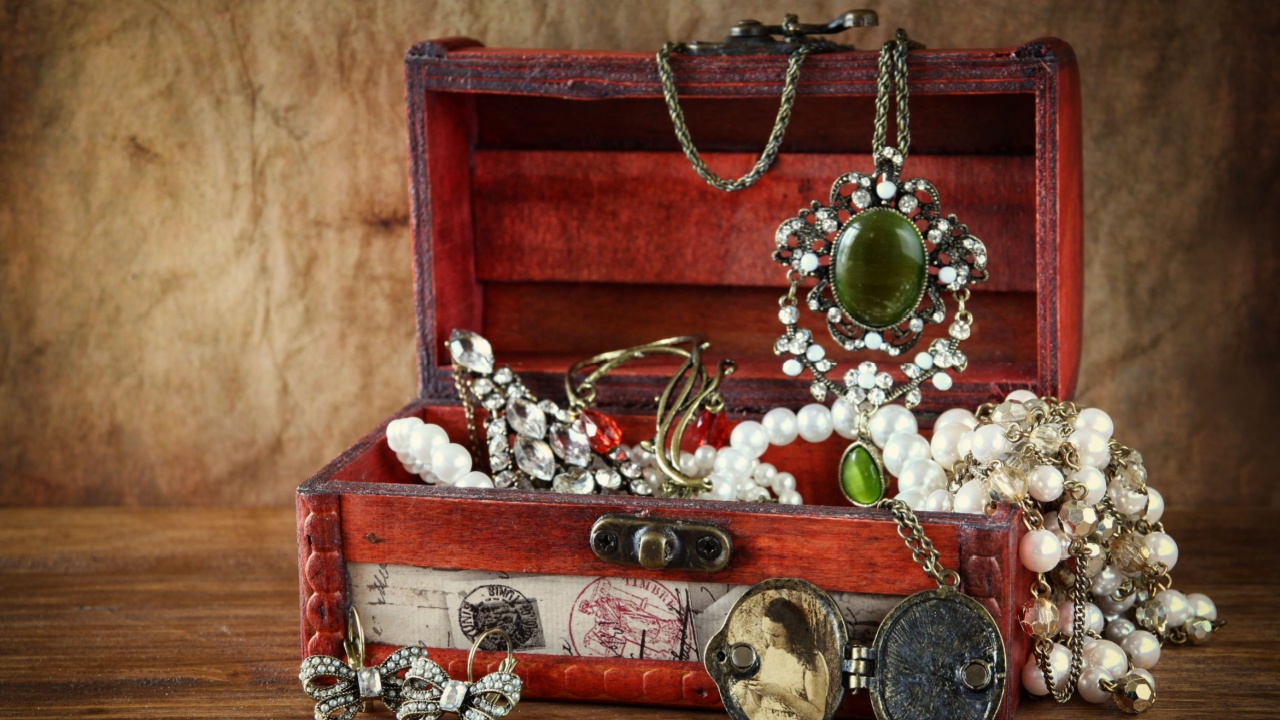
Most people are quick to toss old accessories, thinking they aren’t worth anything. But professional organizers and appraisers often find vintage gems hidden among costume jewelry. That old lapel pin you inherited could be worth thousands.
Before you decide to get rid of any unverified pieces, take them to a certified jewelry appraiser. An expert can tell you if you’re holding onto a valuable heirloom. In the meantime, keep any questionable items in a secure box until they can be properly examined.
Holding onto these items can save you from a major financial loss. Besides, old jewelry doesn’t take up much space, and keeping it gives you peace of mind.
2. Spare Keys
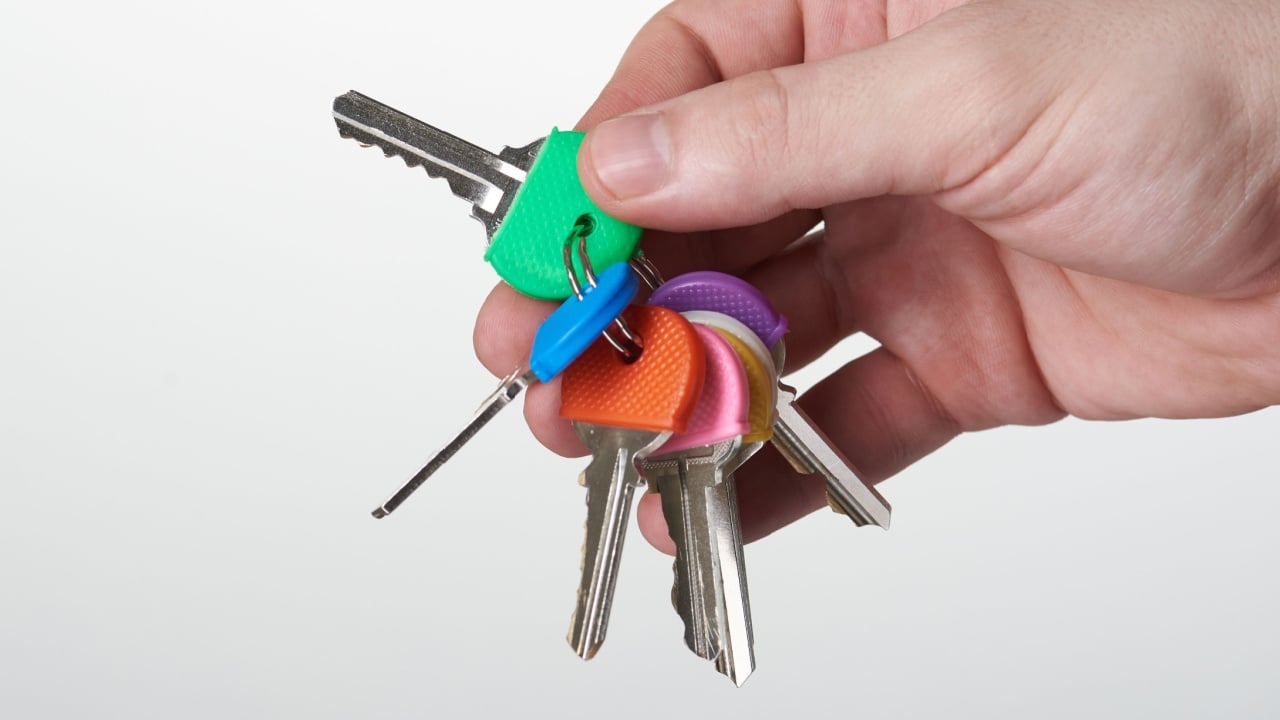
When you find a key you can’t identify, your first instinct might be to throw it in the trash. Organizers warn against this, as these mystery keys often belong to old chests, luggage, or even safety deposit boxes. Tossing them could mean losing access to family treasures or important documents forever.
Keep any mystery keys you find in a small container. It’s a good idea to label the container with the date and where you found it. Now and then, try the keys on different locks around your house; you might get lucky.
Keeping spare keys can save you the cost and hassle of hiring a locksmith. A small drawer organizer is all you need to keep them tucked away.
3. DVDs And DVD Players

With streaming services being so popular, physical media like DVDs can feel outdated. But licensing deals change all the time, and your favorite shows or movies can disappear from streaming platforms without any notice. If you only rely on digital access, you’re at risk of losing content you love.
It’s a good idea to keep physical copies of your favorite movies and a basic DVD player in your entertainment center. A simple disc binder can keep your collection organized without taking up much space. Just make sure to test the player once a year to see if it still works.
Having a physical media library means you’ll always have access to your favorite entertainment. Plus, it’s a great backup for when the internet goes out.
4. Dust Bags
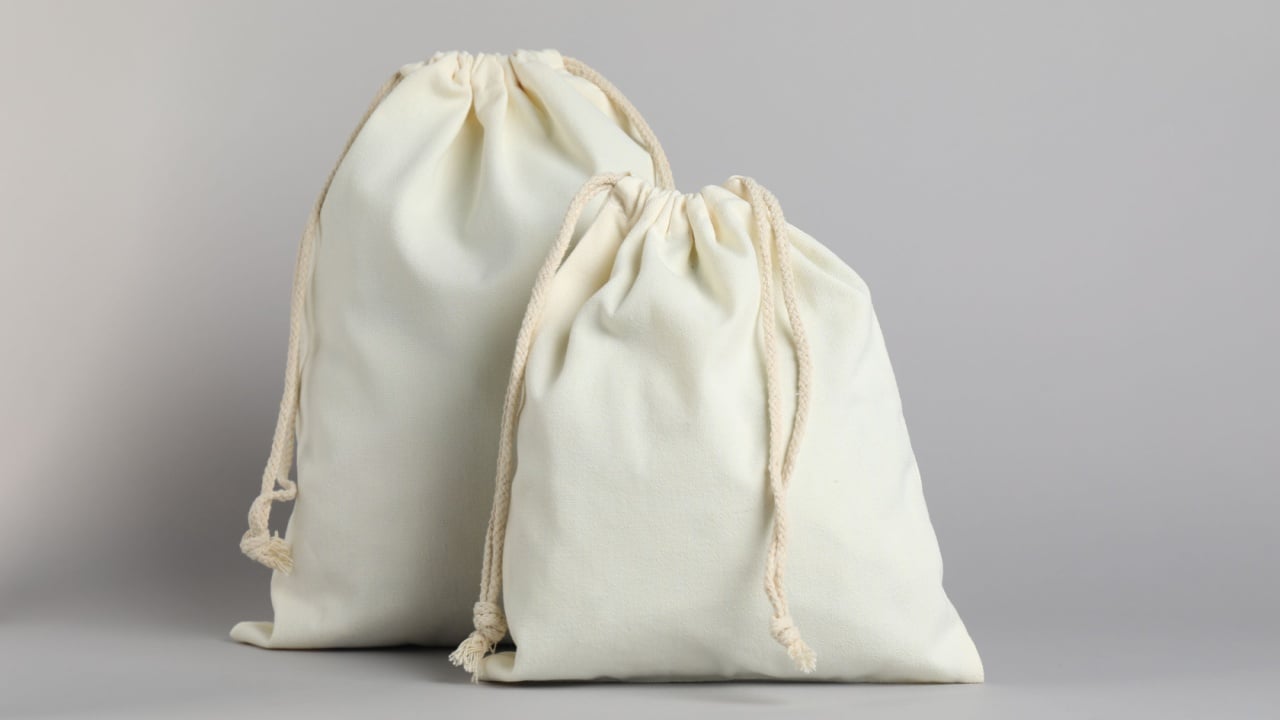
When you buy a luxury handbag or pair of shoes, they usually come in a protective cloth dust bag that many people toss. Home stylists will tell you these bags are essential for protecting your expensive items from sun damage and chemicals. Plus, having the original packaging can significantly boost the resale value of designer accessories.
Always put your shoes and bags back in their dust bags after using them. You can store empty bags flat at the bottom of a closet or inside a larger tote to save space. For quick identification, use a fabric pen to label the outside of the bag.
Properly storing your investments extends the life of your expensive wardrobe pieces. Dust bags keep high-quality accessories in perfect condition for years.
5. Gift Bags

After opening a present, most people throw the gift bag away with the wrapping paper. But organizers point out that high-quality gift bags can be used several times before they show any wear. Buying new bags for every occasion can add up and drain your party budget.
Flatten any gently used bags and store them upright in a larger, sturdy shopping bag. Sorting them by size or occasion will make future gift-wrapping sessions much more efficient. You can also keep a small folder for uncreased tissue paper.
Reusing gift bags saves money and is better for the environment. Having a collection on hand makes preparing last-minute presents a breeze.
6. Wallpaper Scraps
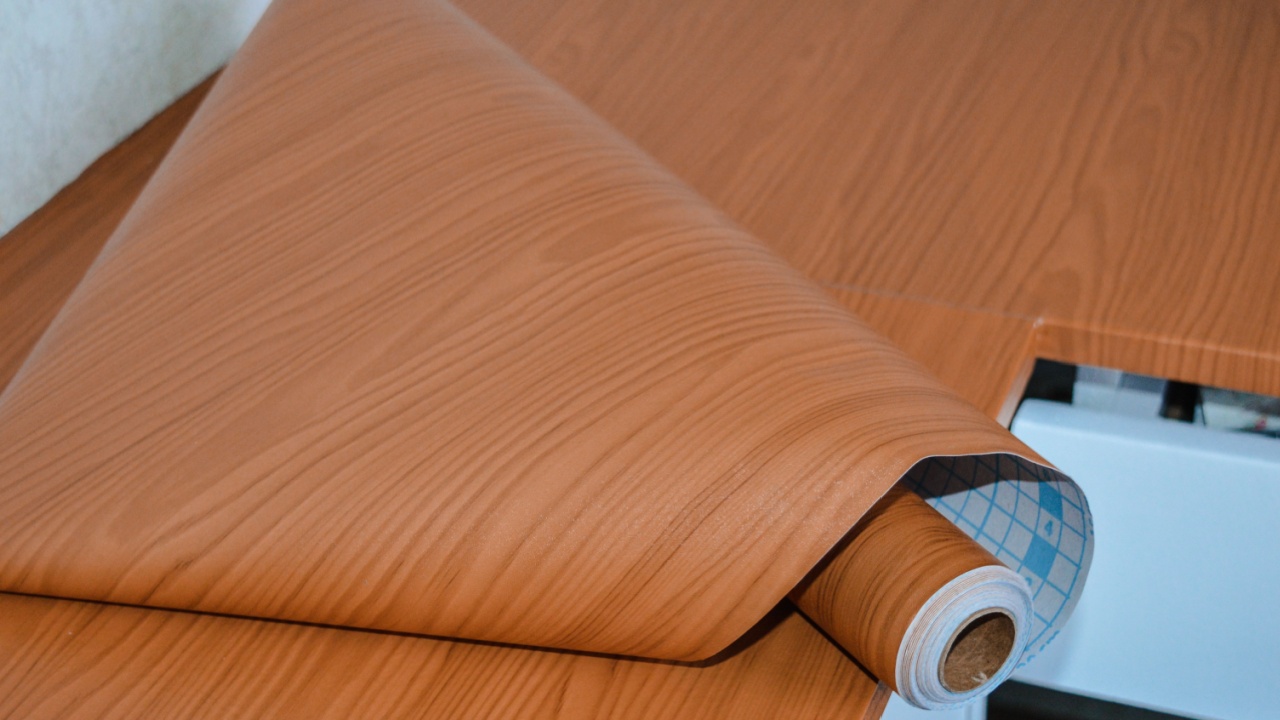
After a room makeover, leftover wallpaper rolls often end up in the recycling bin. But interior designers know that even small pieces of premium paper can be used in creative ways. Since high-end wallpaper is pricey, every square inch is valuable.
You can use leftover paper to line the bottoms of dresser drawers or serving trays. Cut small pieces to fit inside clear coasters or frame them for custom art. Store the remaining rolls tightly bound in a dry, climate-controlled closet.
Repurposing wallpaper scraps can add a personal design touch to everyday items. These small details can elevate your home’s look without you having to spend more money.
7. Extra Paint

It’s common for homeowners to get rid of half-empty paint cans to clear up space in the garage or basement. However, walls can become scuffed and scratched over time, and you’ll need to perform touch-ups. Buying a new can of paint rarely gives you a perfect match because of fading and slight differences in mixing.
Instead of keeping bulky metal cans, transfer the leftover paint into smaller, airtight glass jars. Label each jar with the room, brand, finish, and color code. Store the jars away from extreme heat or cold to keep the paint from separating.
Having the original paint on hand makes wall repairs look seamless. Storing it properly saves you the frustration of dealing with mismatched spots on your walls.
8. Appliance Manuals
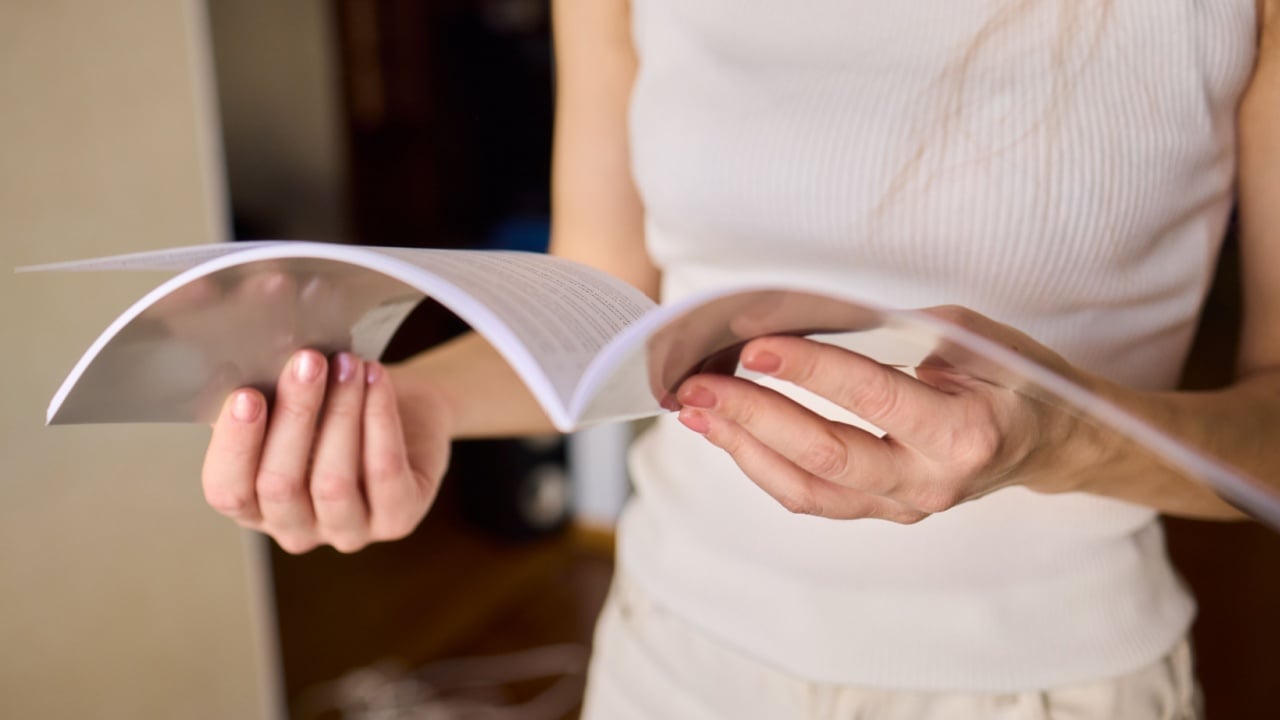
Those thick paper booklets that come with appliances can quickly clutter up your drawers. But home maintenance experts stress that these manuals contain important warranty information and model numbers. Trying to find the right manual online for older appliances can be a real pain.
Create a binder with clear plastic sleeves to hold all your important household manuals. Slip the purchase receipt in with the booklet for easy warranty claims. Keep the binder in a central spot, like your home office or utility room, so it’s always easy to find.
Having quick access to troubleshooting guides can save you money on service calls. The manuals also provide crucial information when you need to schedule a professional repair.
9. Old Memorabilia
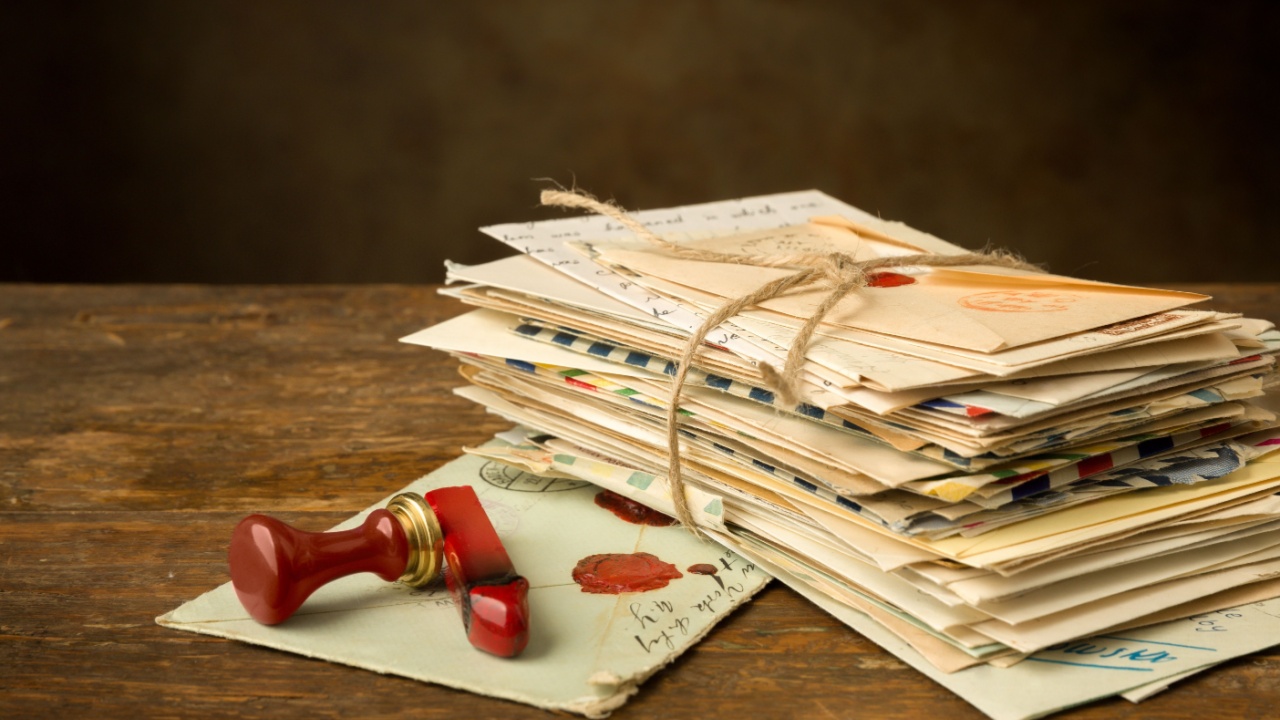
When trying to declutter, many people target boxes of old letters, postcards, and handwritten notes. But professional organizers warn that getting rid of sentimental items often leads to deep regret. Personal letters capture family history in a way that texts and emails just can’t.
Go through your paper memories slowly and choose the most meaningful pieces to keep. You can scan them to create digital backups. Store the original copies in acid-free archival boxes to protect them from deteriorating.
Preserving your family history is a way to honor your past while still keeping your home organized. Archival storage ensures that these delicate papers will be safe for future generations to enjoy.
10. Extra Buttons And Thread
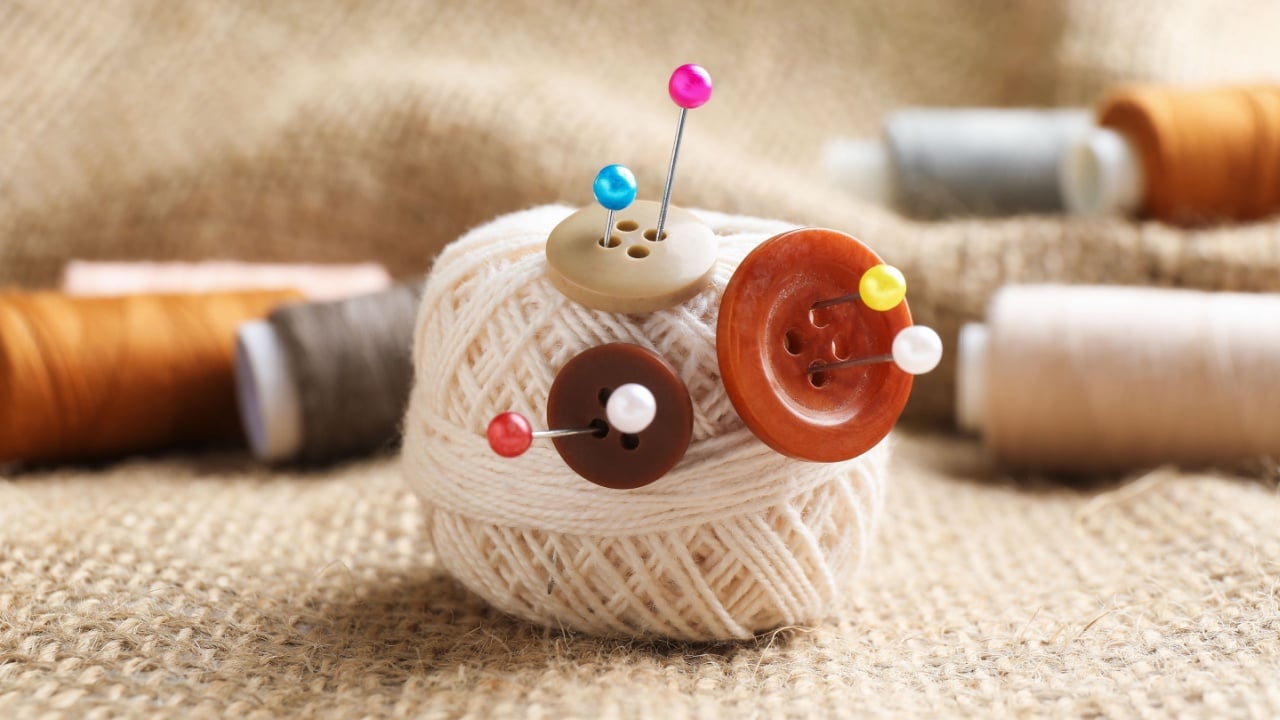
New clothes often come with a small plastic bag containing spare buttons and matching thread. People usually throw these away to keep their drawers tidy. But if you lose a specific button on a nice coat or blouse, the garment can become unwearable without that exact replacement.
Use a small glass jar or a divided craft organizer to store spare buttons. To keep sets together, pin the matching thread directly to the button. You can also write a short description of the garment on a slip of paper and store it with the pieces.
Keeping the original hardware can significantly extend the life of your wardrobe. A well-organized button collection makes fixing minor wardrobe issues quick and easy.
11. Cables And Chargers
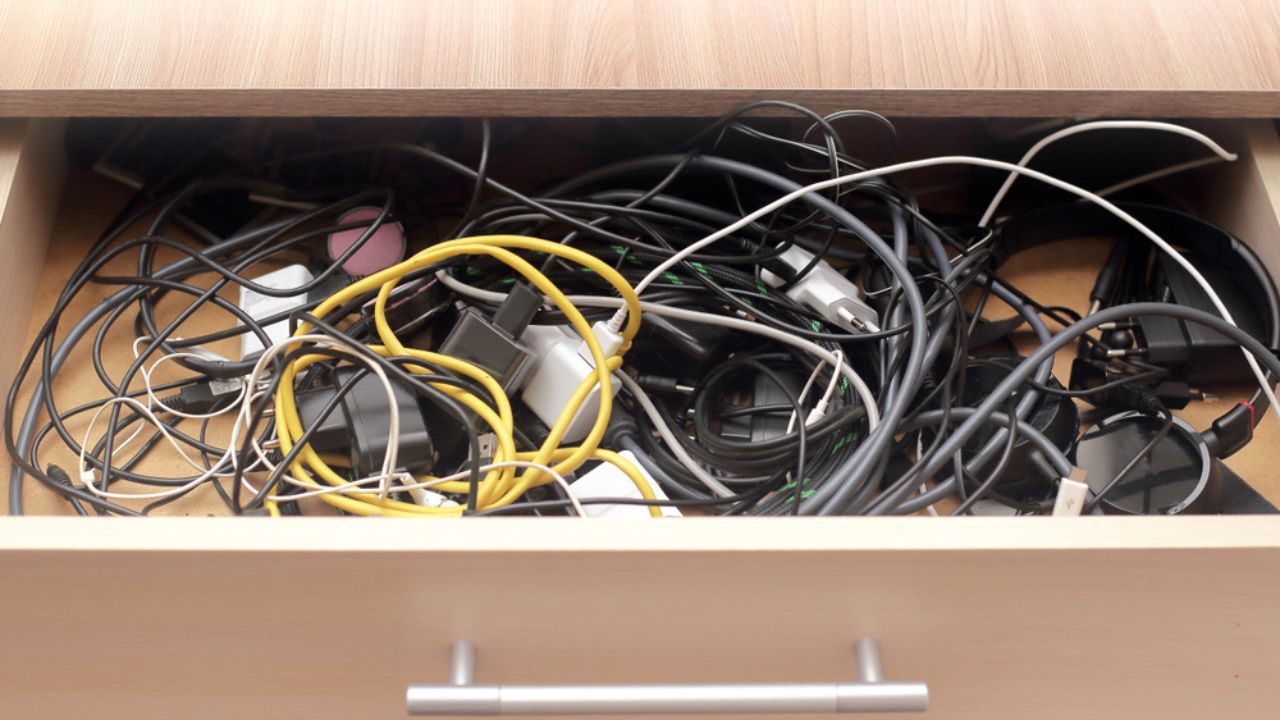
A tangle of cords can be frustrating, often leading to a purge of all unknown electronics. But proprietary cables for older digital cameras, hard drives, or gaming systems can be really hard to replace. Tossing a random cord could make an expensive piece of hardware completely useless.
Coil each cord neatly and secure it with a velcro tie. Put each one in a small, clear plastic bag and label the outside with the name of the device it belongs to. Store all the bags in a shallow plastic bin to prevent them from getting tangled.
A good cord storage system keeps your essential power supplies easy to find. Proper labeling takes the guesswork out of matching cables to your devices.
12. Reusable Glass Jars
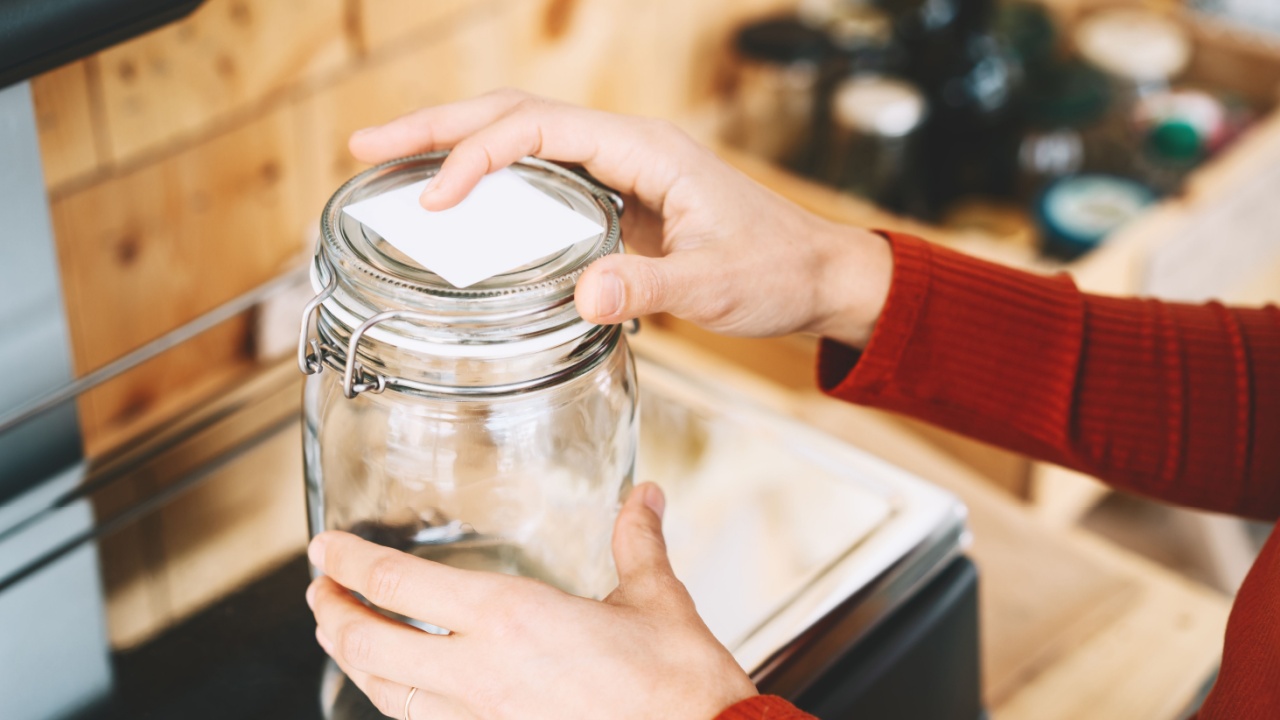
Empty pasta sauce and jam jars often end up in the recycling bin to keep kitchen cupboards clear. But sturdy glass jars are great for storage, much better than plastic. Glass doesn’t stain or absorb strong smells from spices or acidic foods.
Wash the empty jars well and remove the labels with hot water and baking soda. You can use them to store bulk pantry items, homemade salad dressings, or small craft supplies. For a more uniform look, try painting all the metal lids the same color.
Repurposing glass jars reduces your reliance on single-use plastics. A collection of matching jars can also make your pantry look great and function better.
13. Spare Tiles And Flooring

After a renovation, contractors usually leave behind a few extra tiles or floorboards. Homeowners often toss these heavy materials, thinking they’ll never need them again. But a dropped pan or a bad water leak can easily crack a tile or ruin a floorboard.
Store leftover floorboards under a bed or on a sturdy shelf in the garage. Wrap fragile tiles in bubble wrap to prevent them from chipping. It’s also a good idea to write down the grout color formula and tape it to the materials.
Having original flooring on hand makes for invisible repairs after unexpected damage. Trying to find a match for discontinued flooring years later is nearly impossible.
14. Plant Pots
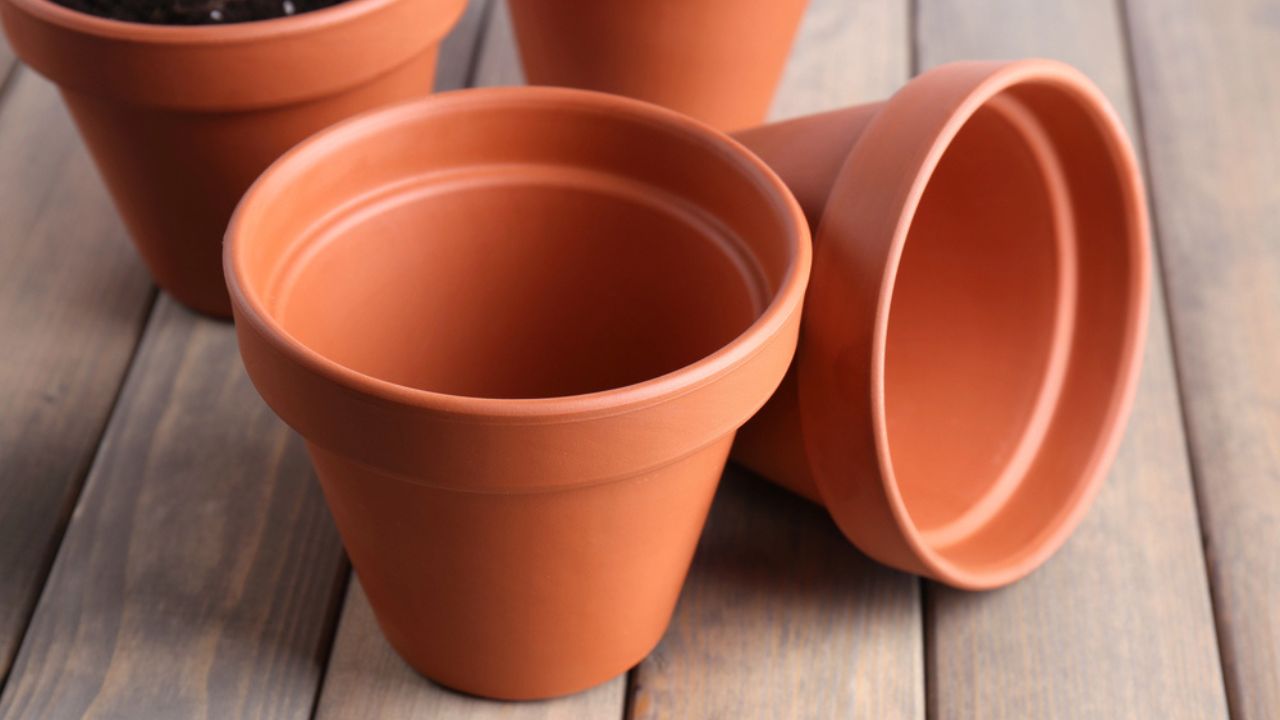
Empty nursery pots can pile up quickly on the patio or in the garden shed. Gardeners often toss these plastic containers after moving plants into more decorative pots. But as plants grow, they need to be repotted frequently, which means you’ll always need a supply of different-sized containers.
Clean out your empty pots with mild soap and water to get rid of old soil and prevent disease. Stack pots of the same size together to save space in your shed or garage. Keep the drainage saucers nested in a separate stack nearby.
Having a ready supply of nursery pots will support your plants’ health all year long. Reusing plastic containers also helps you save money on gardening and is good for the environment.
Think Before You Toss

Decluttering is about creating an organized, functional space, not just getting rid of as much as possible. As this list shows, many common household items have a second life waiting for them. From spare buttons that can save a favorite shirt to old jars that can transform your pantry, these items hold practical, financial, or sentimental value.
Before your next big clean-out, take a moment to consider the future use of each item. A clutter-free home and a well-stocked supply of useful extras can go hand in hand.
Read More:
5 Biggest Decluttering Regrets to Learn From
6 Kitchen Items You Shouldn’t Toss, Even If You Don’t Use Them Often


