
5 Biggest Decluttering Regrets to Learn From
You catch the organizing bug and suddenly decide to empty every drawer in the house. The energy feels unstoppable as bags fill up with items destined for the curb or donation center. Getting rid of excess stuff usually brings relief and a sense of accomplishment. However, speed and enthusiasm can sometimes lead to mistakes that sting later.
It is common to act on impulse during a purge, only to search frantically for that specific item weeks or months later. This article highlights five specific errors people often make when trying to tidy up their homes. Understanding these pitfalls helps you navigate the process with more confidence and less risk of remorse.
1. Discarding Financial Paperwork Too Soon

Shredding a giant stack of old bills and statements provides a unique sense of satisfaction. It creates physical space on your desk and mental space in your brain. However, getting carried away with the shredder often leads to destroying documents you might need for tax purposes or warranty claims. Many people assume everything exists digitally now, but tracking down a digital receipt from three years ago is often harder than opening a file folder.
Hold onto paperwork related to major purchases, taxes, and home improvements for at least seven years. If you must clear the physical piles, verify that you have a secure digital backup that is easy to access. Scanning these items takes time, but it protects you from the headache of needing a specific document that is currently sitting in a landfill.
2. Removing Sentimental Items in a Rush

Emotions run high when you sort through boxes of old photos, childhood toys, or family heirlooms. The desire to create a minimalist look can push you to toss items that don’t fit your current aesthetic. Regret often sets in when the cleaning frenzy fades, and you realize you gave away your grandmother’s serving dish or your old sketchbooks. Once these unique pieces leave your possession, reclaiming them is usually impossible.
Create a “maybe” box for anything that tugs at your heartstrings. Revisit this container after a few weeks when your purging adrenaline has calmed down. This cooling-off period gives you clarity on which items genuinely matter and which ones are just taking up space. You might decide to keep a small selection of memorabilia rather than the whole collection, striking a balance between memories and order.
3. Purging Seasonal or Occasional Clothing

Closet cleanouts are notorious for inducing regret. You might look at a heavy winter coat in July and decide you never wear it, only to freeze when a cold front hits in December. Similarly, getting rid of formal wear because you haven’t attended a wedding recently can backfire when an invitation arrives. Replacing high-quality garments is expensive and frustrating, especially when you owned a perfectly good version just weeks prior.
Evaluate your wardrobe based on a full year rather than your current routine. Keep staple pieces that fit well and are in good condition, even if they don’t see weekly rotation. Store off-season items in bins under the bed or on high shelves to free up daily hanger space. This approach preserves your options and your budget while keeping your main closet area functional.
4. Tossing Hobby Gear You Still Enjoy

Hobbies often go through dormant phases where life gets too busy for painting, guitar playing, or camping. Seeing dusty equipment might make you feel guilty or cluttered, prompting you to donate it all. The regret hits when your schedule clears up, and you want to resume that pastime, only to remember you gave away hundreds of dollars’ worth of gear. Re-buying supplies is a major barrier to restarting a creative or active pursuit.
Keep your hobby equipment if you still have an interest in the activity, even if you haven’t participated in months. Consolidate the supplies into a single designated container so they don’t spread across the house. If the gear stays organized and out of the way, it remains ready for you when inspiration strikes again. Honoring your interests includes respecting the tools required to pursue them.
5. Getting Rid of Expensive Spare Parts
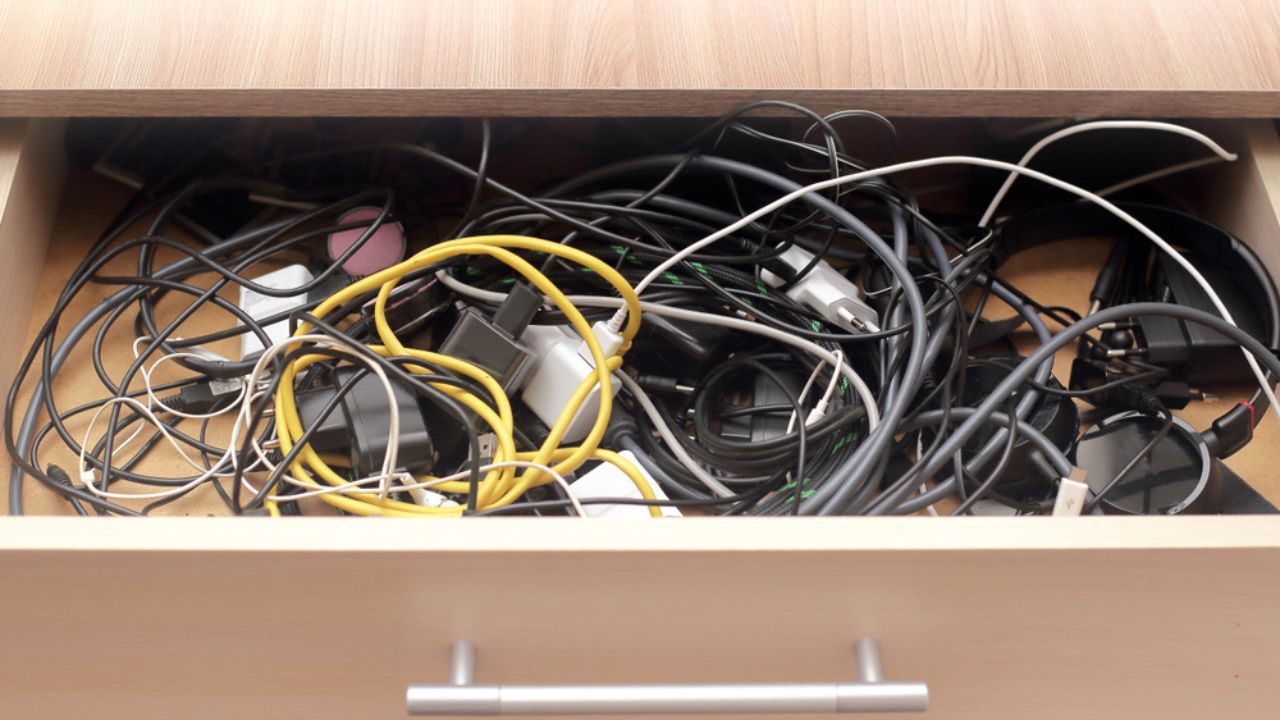
Modern homes contain endless cords, screws, and obscure plastic attachments that seem to have no purpose. It is tempting to sweep all these “mystery bits” into the trash to clear out a junk drawer. Unfortunately, these usually turn out to be the proprietary mounting bracket for a vacuum or the specific power cable for a printer. Discovering you tossed a critical component renders a functional appliance useless.
Designate a specific box or heavy-duty bag for mystery cables and parts. Label items with masking tape if you know what they belong to, or keep them until the associated appliance breaks or leaves the house. This habit saves you from the frustration of scouring the internet for a replacement part that is no longer in production. Keeping a small collection of ugly parts is better than owning a broken, expensive gadget.
Making Smarter Choices Moving Forward

Decluttering is a skill that improves with patience and practice. While the urge to empty a room completely is strong, taking a measured approach protects you from future frustration. Focus on removing genuine trash and items you truly dislike first. This method builds momentum without risking the loss of valuables or necessities.