If She Buys a Home with a Beautiful Garden, Is It Wrong to Rip It Out?
A post on Mumsnet captures a dilemma that many buyers face but rarely say out loud. She found the perfect house in the perfect location, with one catch: the garden is worthy of a National Trust property- their words, but she has absolutely no interest in maintaining it.
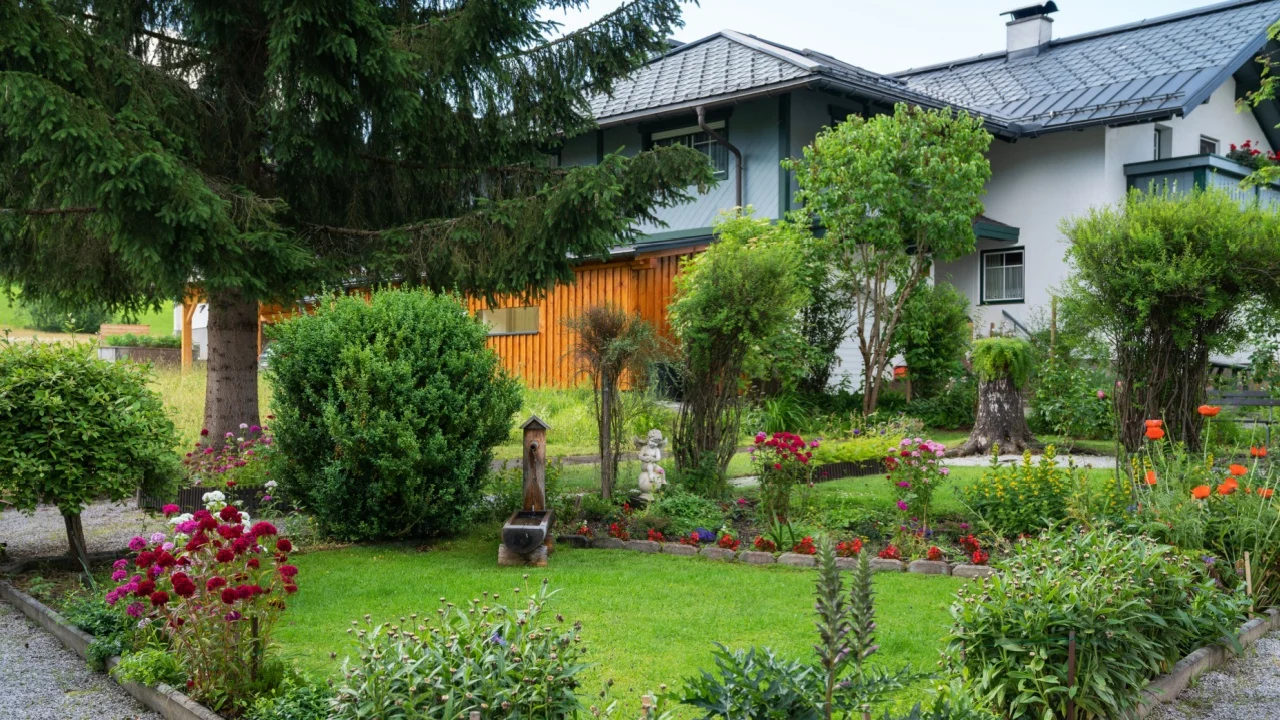
The garden in question spans 0.8 acres and was built up by an older couple over many years. The buyer wants open grass for her kids to play football and a vegetable patch in place of an established rose garden. The guilt alone is enough to make her second-guess the whole purchase.
Hundreds of Mumsnet users weighed in. Some said ripping it out would be practically criminal. Others said it was her house and her decision. A solid number landed somewhere practical in the middle, with suggestions for what to do before a single plant comes out of the ground.
Here is a proper look at what buyers in her position should actually consider, from the ethics to the practicalities.
It Is Their House to Do with as They Want
Legally speaking, once the sale goes through, the garden belongs to her. What they do with it is entirely her family’s decision, and no one can reasonably argue otherwise.
The previous owners built something beautiful, but they also knew they were selling. A home changes hands, and so does everything on the property.
That said, ripping it all out overnight is rarely the wisest move. A 0.8-acre garden took years to develop, and making rushed decisions in the first few weeks could leave them with more work than the flowers ever would have.
They could consider spending a season in the house first, see what sections they genuinely hate, and go from there.
The Guilt is Understandable, But Not Obligatory
Feeling bad is completely normal. When someone has clearly poured themselves into a space, it’s hard to walk in and dismantle it without some level of discomfort.
That feeling is a sign of empathy, not a reason to maintain a garden the family has no interest in. Keeping a high-maintenance garden they don’t want creates its own problems.
Either they’ll neglect it, and it will go to ruin anyway, or they’ll spend money on a gardener indefinitely for something that brings them nothing. Neither outcome honors the garden any more than replacing it with grass does.
They Should Not Tell the Current Owners What They Plan to Do
This is the most repeated piece of advice in the Mumsnet thread, and it holds up. If the sellers find out before the sale closes, they may withdraw from the deal entirely.
If they find out after, they’ll be upset but powerless, and the house will already belong to the new owners.
Sellers’ disclosure is necessary and required, but buyers are not obligated to tell the seller what they plan to do with a property once it changes hands.
It is genuinely kinder to spare them that information, and it is practical too. What happens to the garden after completion is simply not their concern anymore.
Let Them Take Cuttings Before Moving Day
One of the most considerate options in this situation is to offer the current owners the chance to take whatever they want before they leave. Rose cuttings, established perennials, bulbs, and any plant with sentimental value can be carefully dug up and taken to their next home.
It costs nothing and softens the situation considerably. This gives the sellers something to hold on to. They may not be able to keep the garden itself, but they can carry pieces of it forward into a new space.
Many gardeners would find real comfort in that, and it’s the kind of gesture that makes a property sale feel a little more human.
Offer What Remains to the Community
Once the sellers have taken what they want, the remaining plants don’t have to go straight to a skip. Several Mumsnet users mentioned putting plants at the end of the driveway with a free sign, and reported they were gone within hours.
Established shrubs, roses, and perennials are genuinely sought after by local gardeners. Social media makes this even easier now.
A post in a local Facebook group or a listing on a free-stuff app can help find new homes for plants quickly. It means less waste, zero cost to the buyers, and the reasonable comfort of knowing that what was built over the years has been redistributed rather than destroyed.
Check for Wildlife Before Anything Comes Out
A mature 0.8-acre garden is almost certainly home to birds, hedgehogs, insects, and more. Removing large sections of planting during nesting season can disturb habitats in ways that are not just ethically uncomfortable but, in some cases, legally protected.
The safest approach is to wait until late autumn or winter, when nesting has finished, and wildlife is far less active. A quick check with a local wildlife group can flag anything that needs particular care.
Rushing through the garden in your first spring as the new owner is the one genuinely risky move in this whole situation.
A Vegetable Garden is a Worthy Swap for Roses
Replacing a rose garden with a vegetable patch is one of the more defensible decisions in this scenario. Roses are labor-intensive and demand consistent pruning, feeding, and pest management throughout the season.
A well-planned vegetable garden is actively useful, gives children something to engage with, and can be as low-maintenance as you want it to be.
Growing your own food has practical value that ornamental flowers simply don’t offer, especially for a family with children.
Kids who help grow vegetables are far more likely to eat them, and a converted rose bed filled with tomatoes, courgettes, and beans serves a busy household in a way a rose garden never could.
Their House, Their Garden
Buying a home with a garden that a family doesn’t want to maintain is a real and valid tension. The guilt makes sense, but it shouldn’t override their right to live in a space that suits their family.
They can be thoughtful in the process, be generous to sellers where they can, and give the plants a fair chance to find new homes before anything else happens. After that, they can do what works for them.
Read More:
She Resents Her Stay-at-Home Husband and His Lack of Upkeep with Basic Household Duties
Her Well-Off Husband Asked Her Parents for Inheritance Money While They’re Alive