6 Empty Containers to Upcycle into a Bird Feeder
Want to attract birds to your yard without buying a feeder? Don’t worry, birds don’t need fancy feeders to visit you. Many of the best feeding stations begin as items you were ready to toss in the recycling bin.
A homemade feeder can save money, cut waste, and give you a better look at the birds that pass through your space each day. It can fit in a small yard, on a porch, or even on a balcony if you hang it in the right spot.
The best container feeders are easy to clean, simple to refill, and safe for birds. A good design keeps seed dry, provides birds with a place to land, and withstands wind and rain.
This list covers six empty containers you can turn into a bird feeder, with tips to help each one function well and last longer outdoors.
1. Milk Jug Bird Feeder
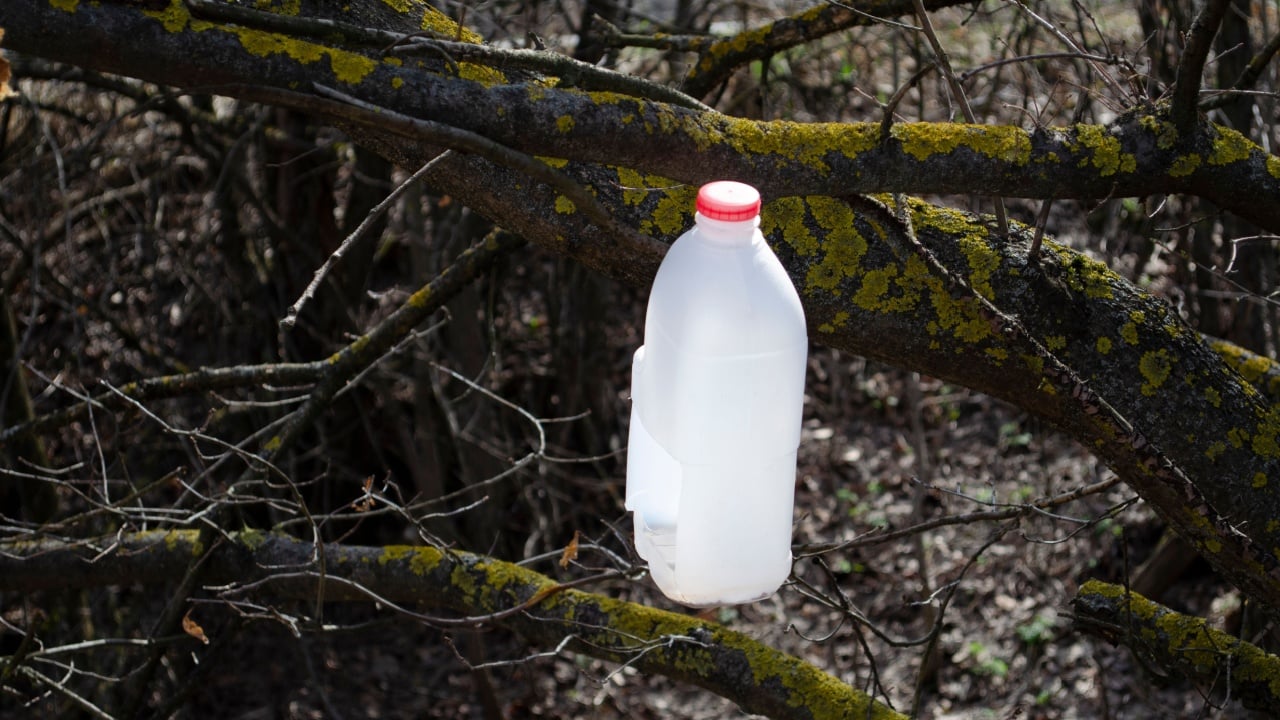
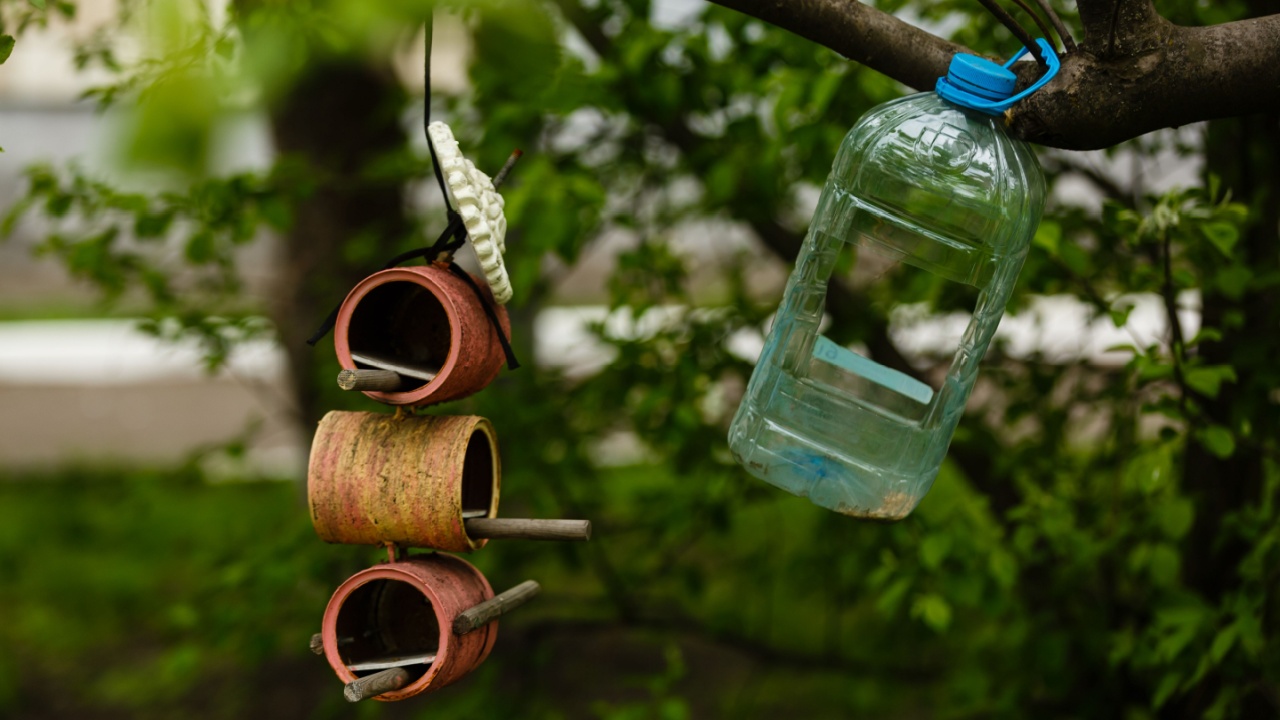
A clean plastic milk jug makes an easy bird feeder with very little work. Cut one or two feeding windows on the sides, leaving enough plastic at the bottom to hold seed without spilling.
Poke small holes under each opening for a wooden dowel or twig perch, then add two holes near the top for string or wire. Fill the jug partway with birdseed and hang it from a branch or hook where birds can easily reach it.
This option works best for small backyard birds like finches, chickadees, and sparrows. Keep the openings smooth so that sharp plastic edges do not harm feet or feathers, and place a few drainage holes in the bottom so rain can drain out.
If the jug swings too much, secure the base with a second tie to keep it steady. Wash it often, since lightweight plastic feeders can trap damp seed and old hulls.
2. Coffee Container Bird Feeder
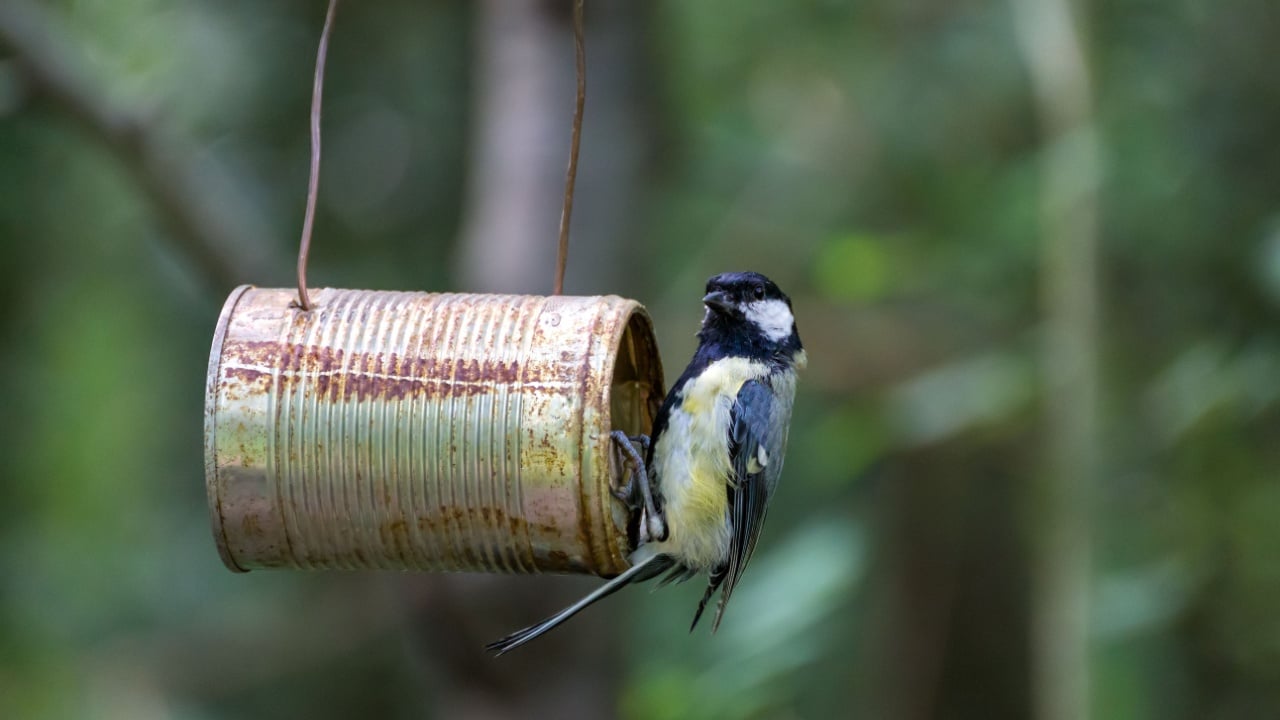
An empty coffee container, plastic or metal, can become a sturdy feeder that holds a fair amount of seed. Lay the container on its side or keep it upright, depending on its shape, then cut a wide opening that gives birds room to reach the seed.
Add a perch below the opening if needed, and use a strong cord or wire to hang it from a tree limb, shepherd’s hook, or fence bracket. If you use a metal can, check every cut edge carefully and cover rough spots before putting it outside.
Coffee containers are useful because many come with tight lids that help keep the seed dry between refills. A side-mounted version can act like a small feeding tunnel, which gives birds some cover from light rain and wind.
If the container is deep, avoid filling it to the top, since the seed at the bottom may stay damp after a storm. A few small holes in the base help with drainage and make cleaning much easier.
3. Paint Can Bird Feeder
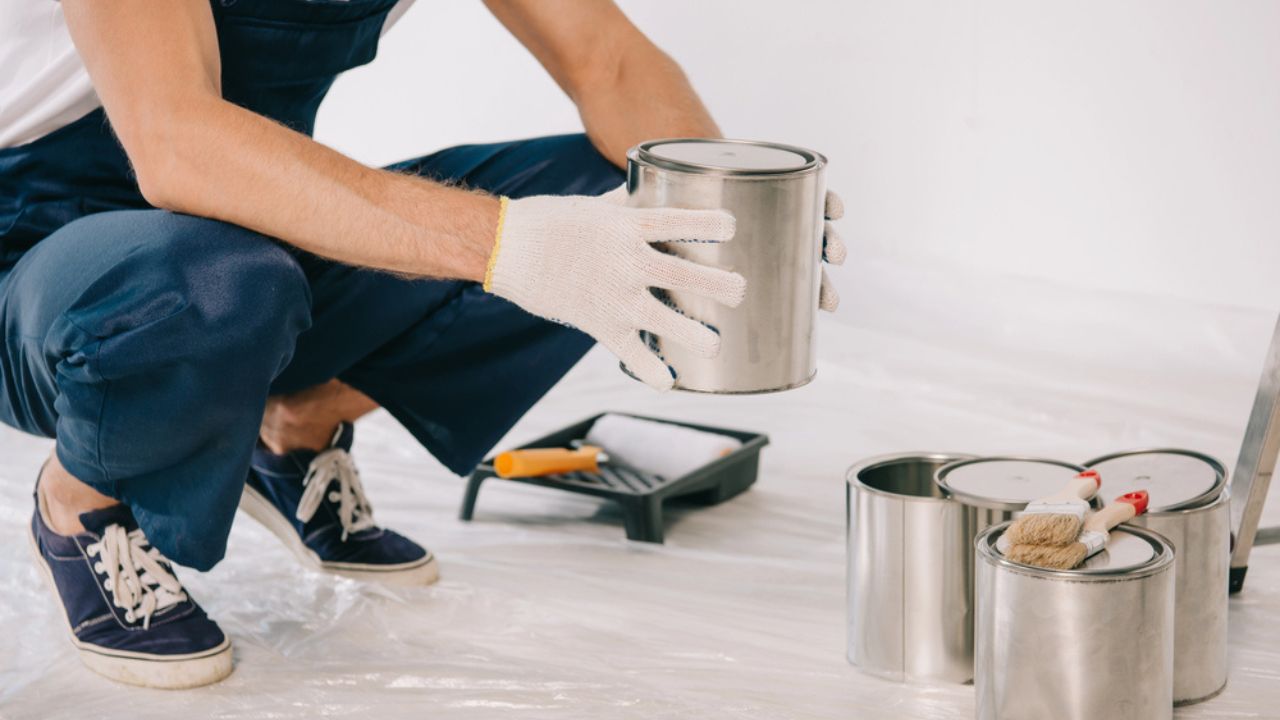
A new use for an empty paint can starts with a deep clean. The can must be fully free of paint and fumes before it goes anywhere near birds, so scrub it well and let it air out for several days.
Once it is ready, turn it on its side, thread rope or wire through the handle, and hang it so the open end faces slightly upward to hold seed. You can place a short dowel across the lower front edge to give birds a more stable perch.
This feeder has a strong shell, so it can hold up well in rough weather. It suits larger songbirds better than a thin plastic container does, especially if you use a one-gallon can.
Add drainage holes at the bottom edge and keep the can tilted enough to stop the seed from pouring out. If the metal heats up in full sun, move it to a shadier spot so the feeder stays safer and more comfortable for visiting birds.
4. Wine Bottle Bird Feeder
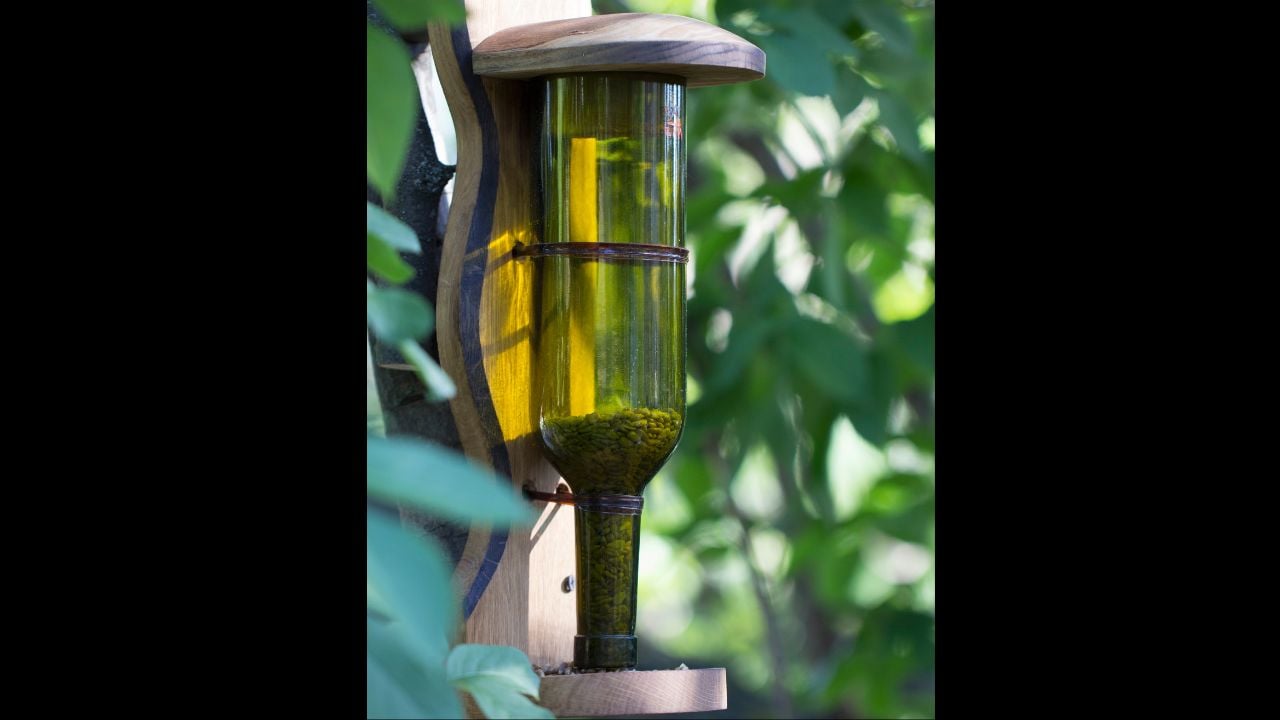
A wine bottle feeder takes a little more setup, but it creates a neat seed dispenser that looks good in the yard. Clean and dry the bottle fully, then invert it above a shallow tray or wooden base with a small gap at the mouth so the seed can flow out slowly.
The tray catches the seed, while the bottle stores extra feed and refills the tray as birds eat. You can mount the bottle to a wood frame with clamps, heavy wire, or brackets that hold it firmly in place.
This style works best when the tray has raised edges that stop the seed from blowing away. Keep the bottle stable, since glass can break if it slips or swings into a hard surface during strong winds.
It is wise to place it away from active play areas and busy walkways for that reason. If glass feels risky in your yard, you can copy the same gravity-fed design with a sturdy plastic bottle instead.
5. Plastic Food Tub Bird Feeder
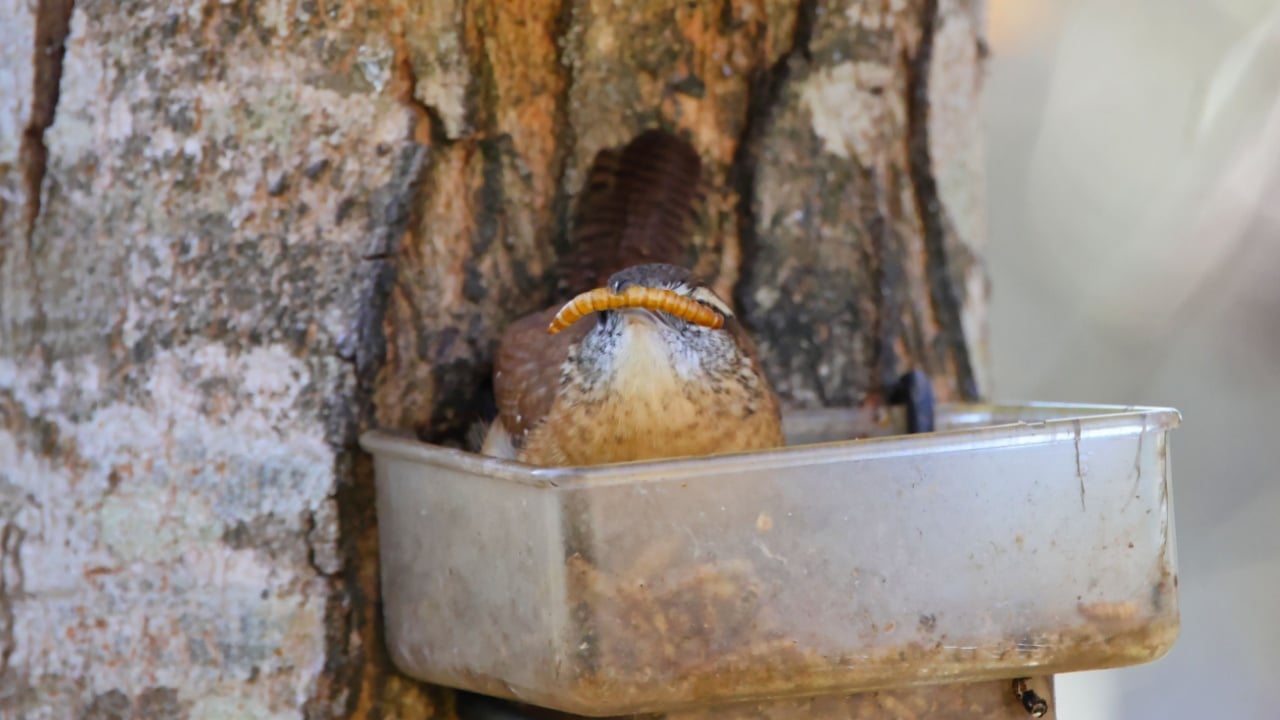
Large plastic containers from yogurt, pretzels, cheese balls, or bulk snacks can turn into simple feeders with a bit of cutting. Wash the tub well, cut a feeding opening on one or two sides, and leave enough plastic near the base to hold the seed in place.
Add holes for hanging cord at the top and poke a few drainage holes in the bottom. If the plastic is thin, reinforce the hanging holes with washers or tape so the tub does not tear outside.
These tubs are light, so they are easy to hang from many spots around the yard. Clear containers give you a quick view of seed levels, which helps you refill before birds lose interest in the site.
Choose a tub with a wide body if you want room for several birds at once, though crowding can spread germs if you do not clean it often. A weekly rinse and full dry-out keep the feeder safer and help the seed stay fresh.
6. Juice or Milk Carton Bird Feeder
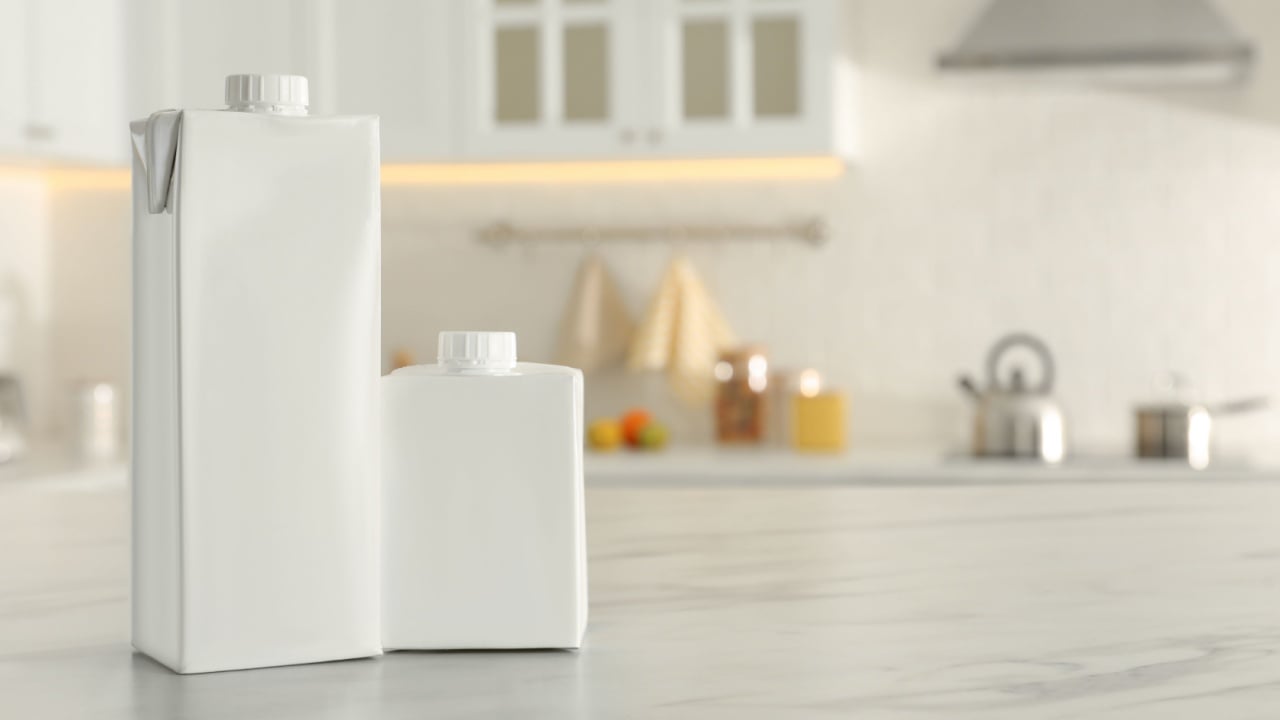
A juice or milk carton makes a good feeder for families who want a quick project with common materials. Rinse the carton well, cut large openings on the front and back, and leave a solid band at the bottom to hold the seeds.
Thread the string through the top, then slide a pencil, stick, or dowel through the lower section to make a perch. If you want a more weather-resistant finish, wrap the top with waterproof tape before hanging it outside.
The carton’s shape gives it a built-in roof, which helps shield seeds from light rain. That said, paper-based cartons break down faster than plastic or metal, so this feeder is best for short-term use or mild weather.
Place it in a spot you can check often for dampness, sagging, or mold. If birds use it often, you may need to replace it sooner than the other container options on this list.
A Better Use For The Recycling Bin
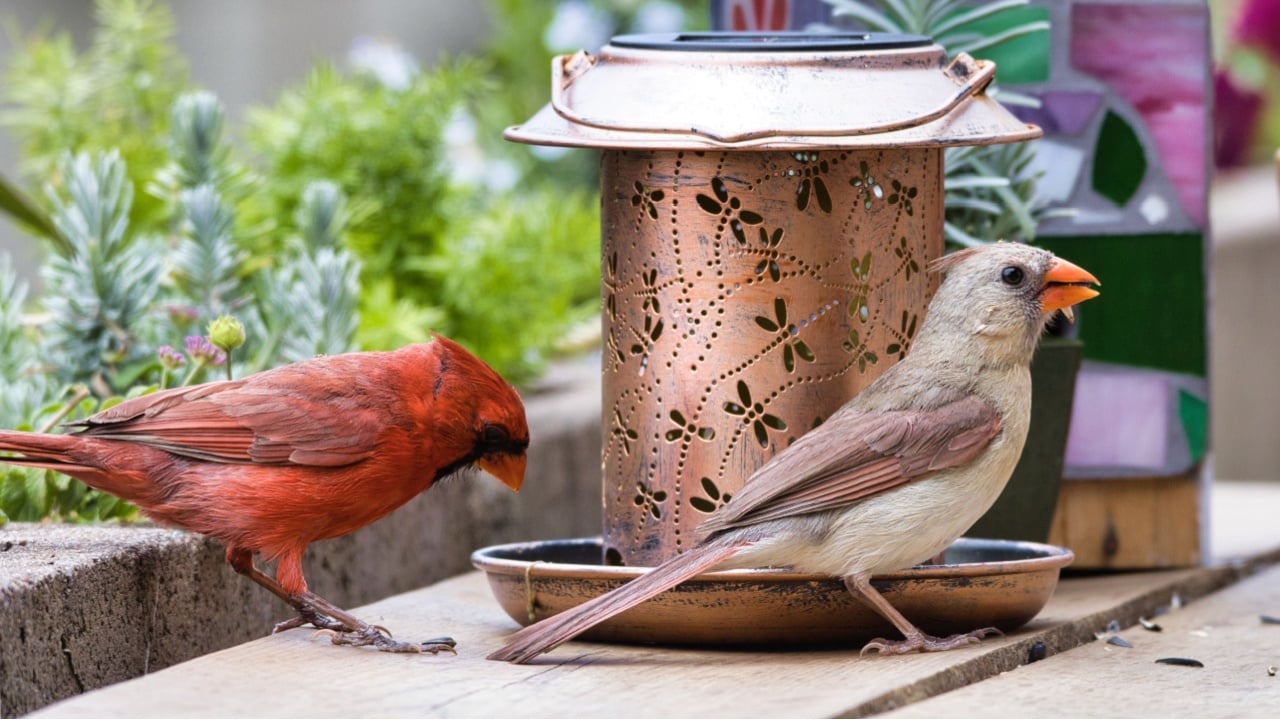
A homemade bird feeder does not need to look fancy to do its job well. If it is clean, stable, and safe for birds, an old container can become a useful feeding spot in a single afternoon.
Choose a container that fits your space, the birds in your area, and the time you want to spend on upkeep. Keep the feeder clean, place it where cats cannot reach it, and use fresh seed that matches local birds.
With a little care, those empty containers can bring far more life to your yard than they ever did in the pantry or recycle bin.
Read More:
7 Ways to Feed Birds Without Adding More Feeders to the Yard