Why You Might Want to Toss These 13 Toxic Household Staples
Your home is your sanctuary, a place where you should feel safe and relaxed. You surround yourself with modern conveniences, like non-stick pans and fresh-smelling sprays, to make daily life easier and more comfortable. However, it is worth taking a closer look at the “mountain breeze” scents or the coatings that make your kitchen tools work so well.
Many of these shortcuts introduce synthetic chemicals into your living space. While these products are built for convenience, their chemical blueprints often include substances that linger in your environment long after you finish your chores.
Recent health studies suggest that the air inside a typical living room can be more polluted than the air in a busy city center. Because modern homes are designed to be airtight and energy-efficient, invisible gases and particles often get trapped right where you eat and sleep.
This guide serves as your “cheat sheet” for creating a healthier living environment. Swapping out a few chemical-heavy products for simpler, safer alternatives ensures that your home remains the genuine haven you deserve.
1. Non-Stick Cookware
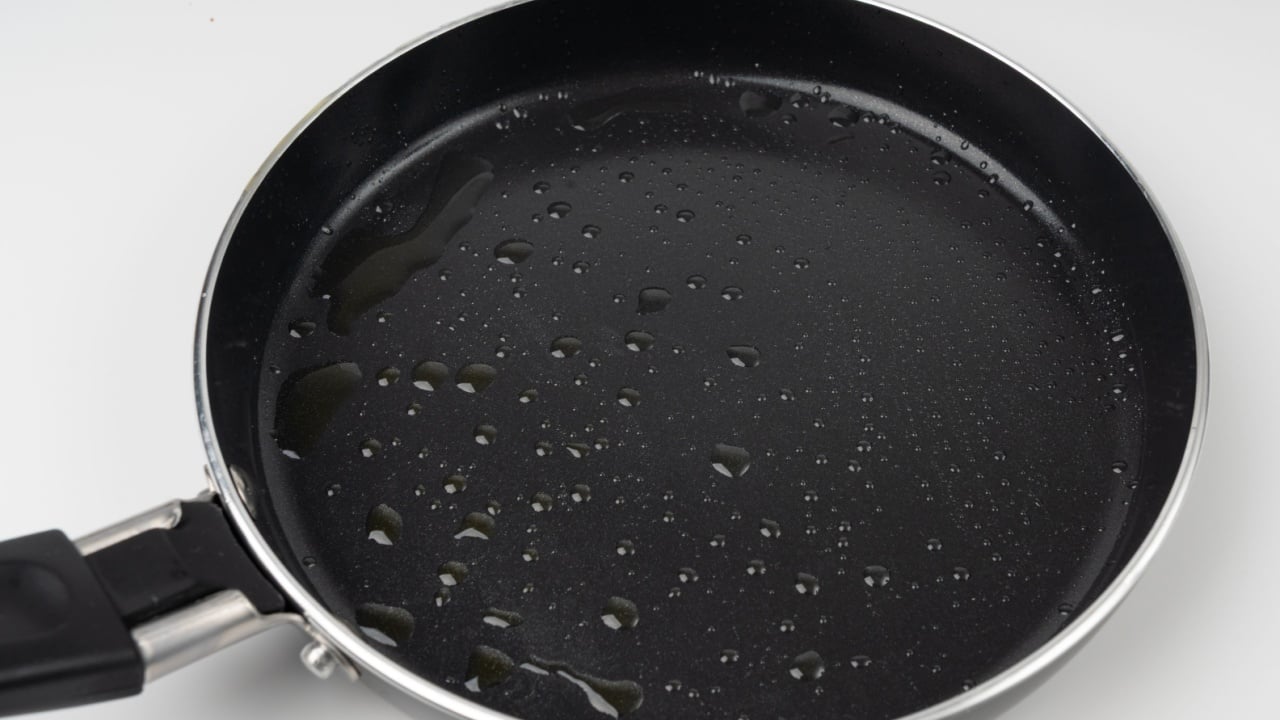
That sleek coating on your frying pan is a material called PTFE, which is a miracle for flipping pancakes. However, when these pans get too hot (When searing a steak or accidentally leaving the burner on), the coating starts to break down and release invisible fumes. For us, it might cause a headache, but for sensitive pets like birds, these fumes can actually be quite dangerous.
Beyond the air quality, there’s the issue of “forever chemicals” that can hitch a ride in your food if the pan is scratched or overheated. These compounds don’t break down easily in the environment or in your body, which isn’t ideal for your long-term health. It’s the reason many people are rediscovering the joy of heavy-duty cast iron or classic stainless steel.
If you’re not ready to toss your non-stick just yet, keep it on low-to-medium heat and stick to wooden or silicone spatulas. As soon as you see a scratch or a flake, it’s definitely time to say goodbye
2. Synthetic Air Fresheners
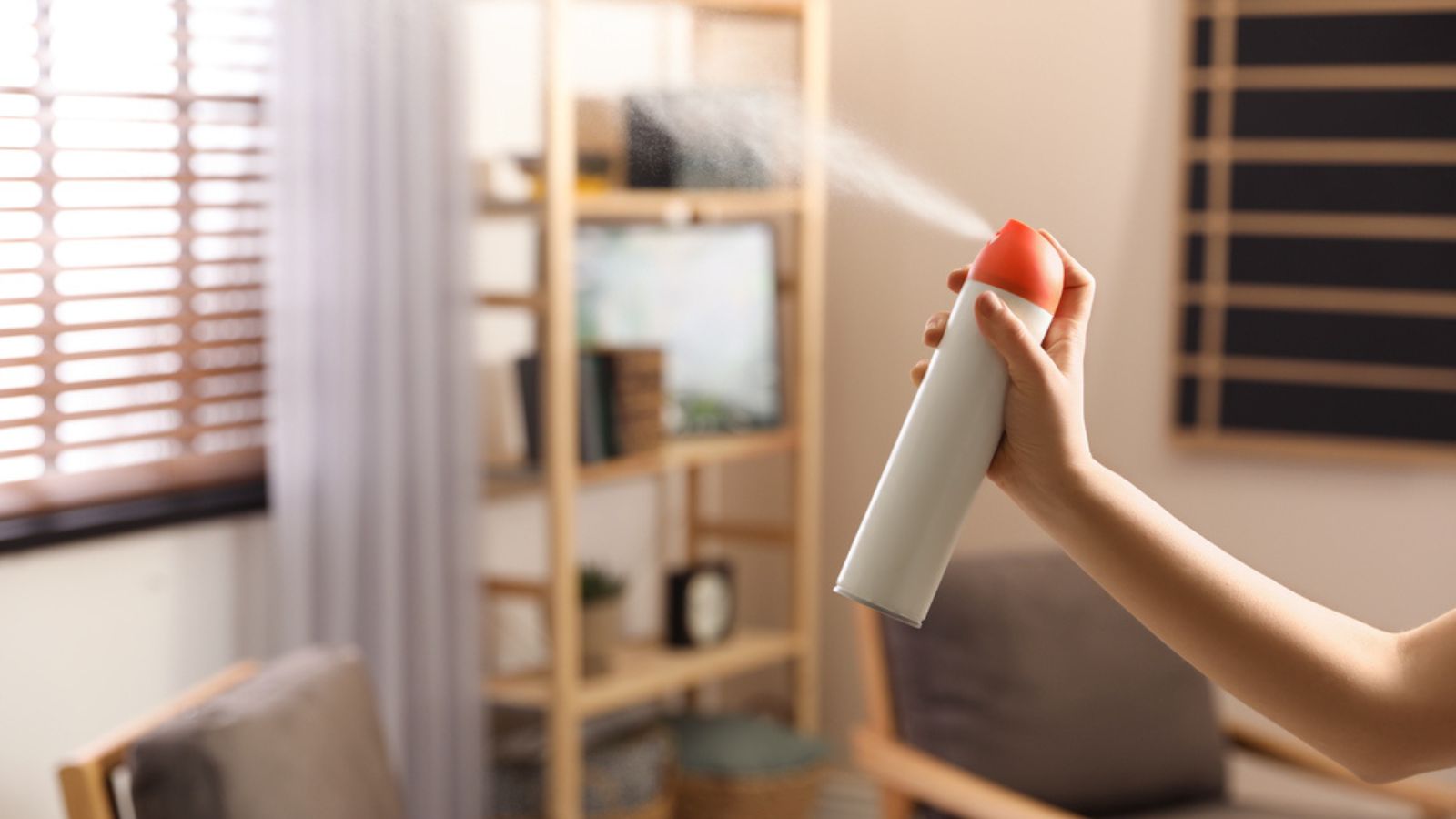
We all want our homes to smell like a spa, but those plug-ins and aerosol sprays are often just chemical masks for odors. They rely on phthalates to make the scent linger, which are known endocrine disruptors (They can mess with your body’s natural hormone signals. Since you’re breathing these in constantly, they have a direct path into your system.
On top of the hormone concerns, these products pump out volatile organic compounds (VOCs) that can turn your cozy living room into a smog zone. It’s a classic case of a product creating a problem while trying to solve a different one.
The best way to get a fresh-smelling house is actually the simplest: open a window and let the air circulate! If you want a signature scent, try a stovetop simmer with some cinnamon sticks and orange peels or use a high-quality essential oil diffuser.
3. Antibacterial Soaps
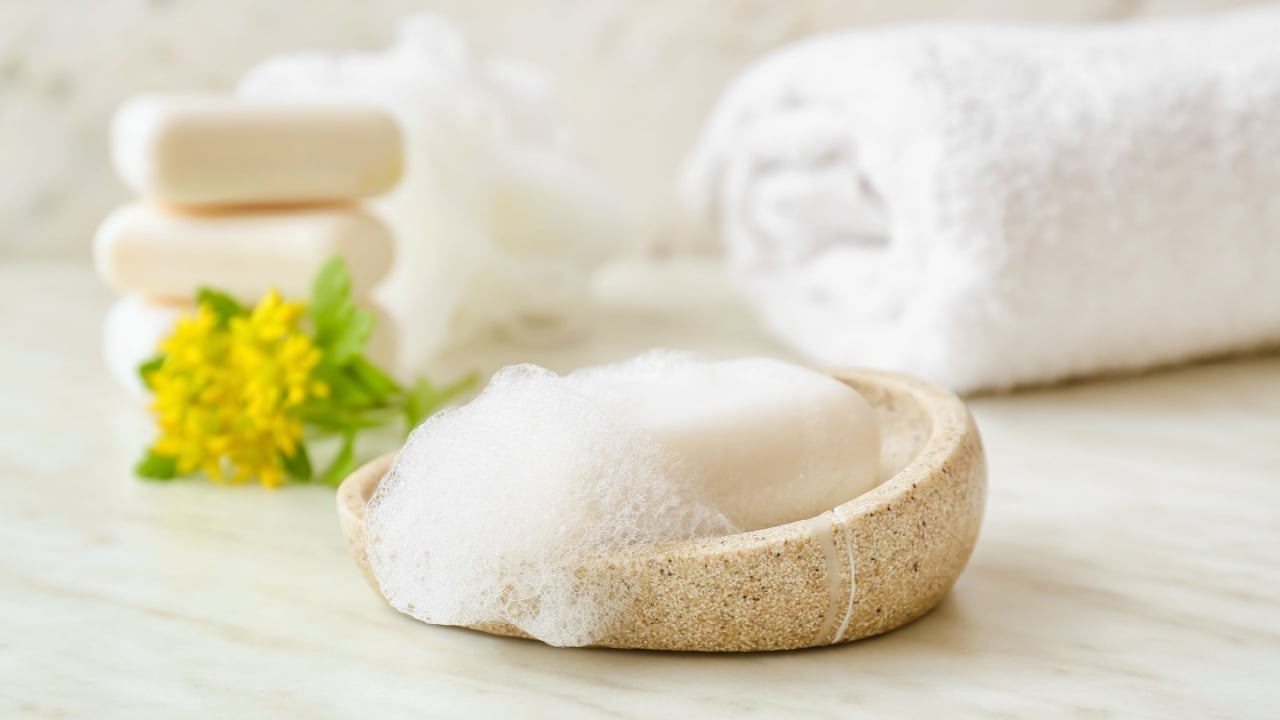
For a long time, we were told that antibacterial was always better, but it turns out that simple soap and water are still the champs. Many of these specialized soaps use chemicals like triclosan, which hasn’t been proven to keep you any healthier than regular soap. In fact, overusing these chemicals can help create antibiotic-resistant bacteria.
Using these harsh chemicals every day can also disrupt your skin’s natural microbiome. By stripping away beneficial bacteria, these soaps may leave the body more vulnerable to irritation or certain skin conditions.
Switching back to a basic, fragrance-free bar or liquid soap is much gentler on your skin and the environment. It’s one of the easiest ways to lower your daily chemical exposure without sacrificing an ounce of cleanliness.
4. Plastic Food Containers
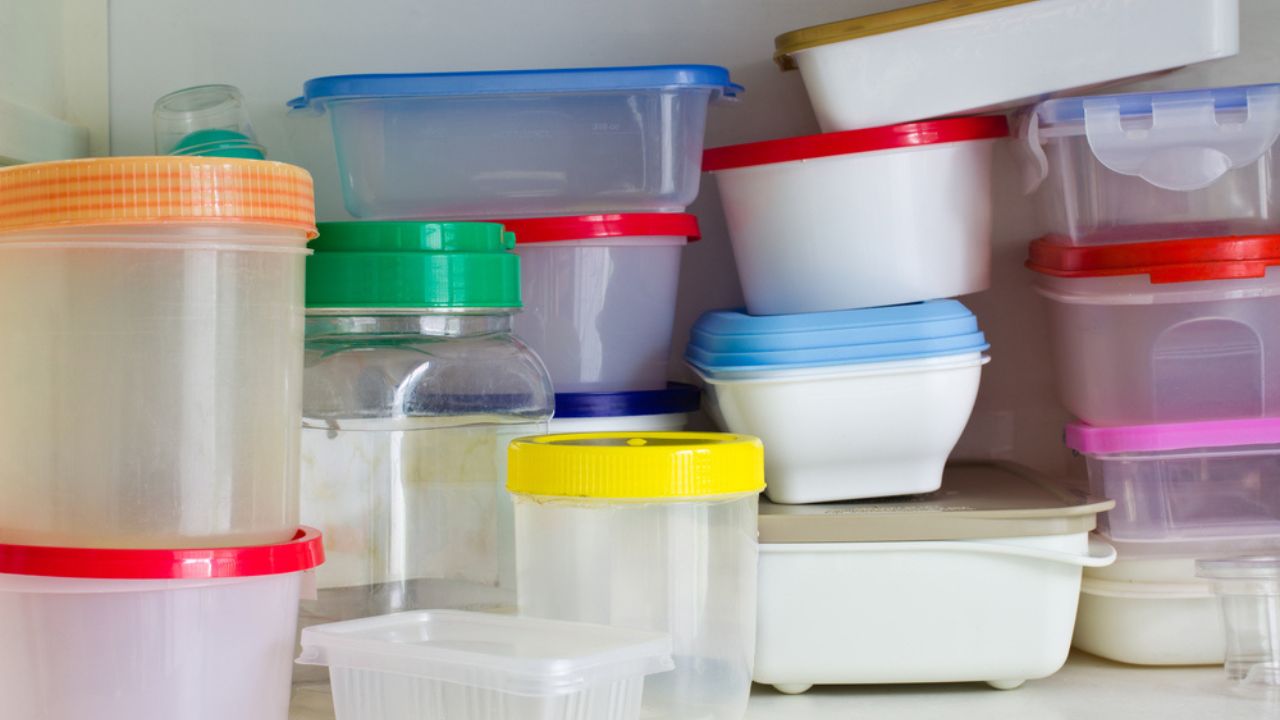
Plastic is everywhere because it’s cheap and durable, but it’s not exactly a “set it and forget it” material when it comes to food. Chemicals like BPA and various plasticizers are used to make containers flexible, but they have a habit of leaching into your leftovers. This migration of chemicals happens much faster when the plastic gets hot, like in the microwave or the dishwasher.
When plastic starts to age or get cloudy, it’s also shedding tiny microplastics into your food, even with “microwave safe” containers. Over time, these hormone-mimicking substances can accumulate in your body, which is something you want to avoid.
The move here is to start a collection of glass or stainless steel containers; they’re non-reactive, they last forever, and they don’t hold onto smells. If you still have plastic bins, try to use them only for cold storage, like holding dry snacks or craft supplies. And whatever you do, try to hand-wash your plastic to prevent it from breaking down in the high heat of the dishwasher.
5. Drain Cleaners
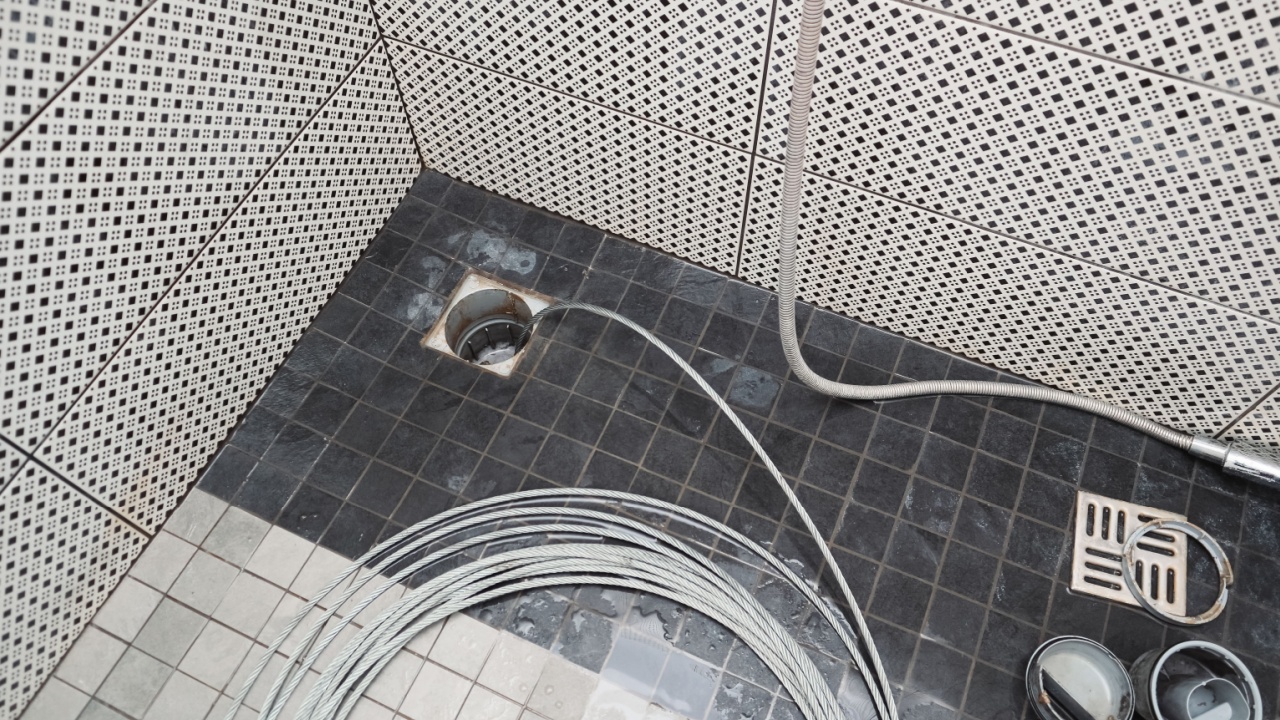
Chemical drain openers rely on extremely caustic substances like lye or sulfuric acid to dissolve clogs. These liquids eat through organic matter, which means they are equally dangerous to human tissue. Splashes can cause severe chemical burns to the skin or permanent damage to the eyes.
These chemicals also pose a risk to the plumbing system itself. The heat generated by the chemical reaction can soften plastic pipes or damage the glue in joints, leading to leaks. Frequent use can corrode older metal pipes, resulting in expensive structural repairs. Because these substances are so aggressive, they often linger in the pipes and can cause dangerous reactions if a different cleaner is used later.
Using a plunger or a drain snake can remove clogs without introducing toxins into the home or the water supply. Pouring boiling water down the drain regularly can also help prevent the buildup of grease and soap scum.
6. Mothballs
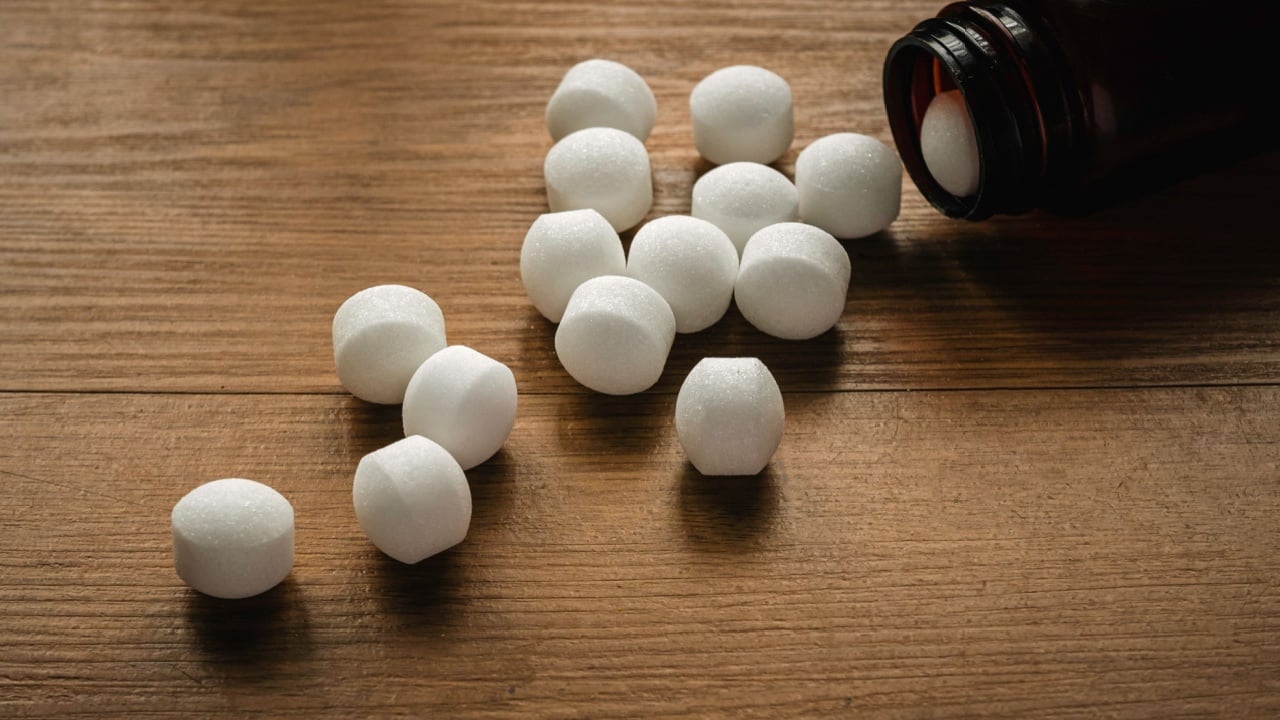
Mothballs might remind you of your grandmother’s attic, but the chemistry inside them is pretty intense. They are made of naphthalene or paradichlorobenzene. These chemicals are solid at room temperature but slowly turn into a gas to kill moth larvae. This gas is toxic to humans and pets, especially when used in enclosed spaces like closets or storage bins. Inhaling these fumes over long periods can cause liver and kidney damage.
The biggest danger is that mothballs often look like candy or little balls to curious kids and dogs, and eating even one is a major medical emergency. Even if they aren’t eaten, the gas they release gets absorbed into your sweaters and blankets. When you pull those clothes out and wear them, your skin can absorb those chemicals directly, leading to irritation or worse.
Luckily, you can keep moths away without turning your closet into a gas chamber. Cedar chips, blocks, or sachets filled with dried lavender are natural deterrents that moths absolutely hate, but humans find lovely. Just make sure to give your cedar a little sand now and then to keep the scent strong, and your clothes will stay hole-free and toxin-free.
7. Oven Cleaners
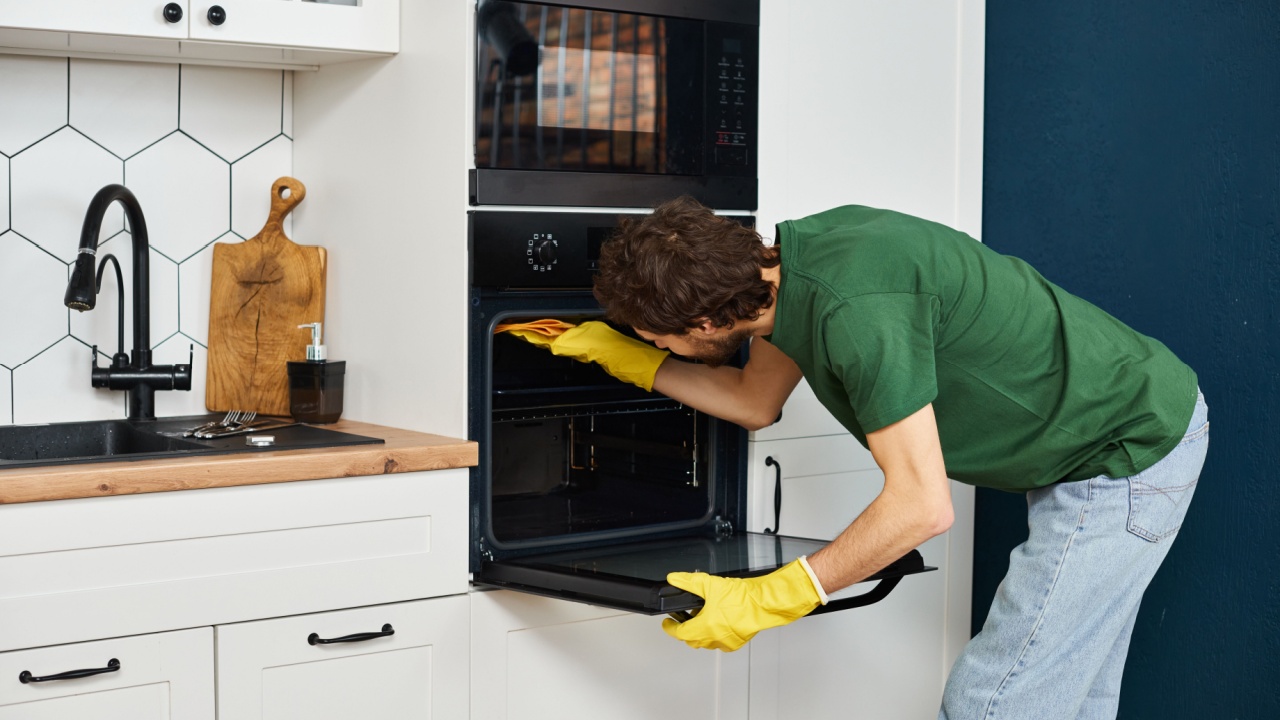
Aerosol oven cleaners are among the most toxic products found in the kitchen. They use high concentrations of sodium hydroxide to break down baked-on grease. When sprayed, the fine mist can easily be inhaled, leading to a burning sensation in the throat and lungs. These products are so potent that they require heavy-duty gloves and professional-grade ventilation during use.
The residue is another sneaky problem; if you don’t wipe every single millimeter of that cleaner out, it will vaporize the next time you preheat the oven. That means those caustic chemicals are now floating around your kitchen and potentially settling on your dinner. For anyone with asthma or sensitive lungs, these cleaners are often the biggest “chemical red flag” in the whole house.
Instead, make a thick paste of baking soda and water, coat the grime, and let it sit while you sleep. In the morning, the grease will have softened, and a quick spritz of vinegar will make it foam up and wipe away easily. It takes a little more patience, but the air in your kitchen will stay perfectly breathable.
8. Laundry Detergent Pods
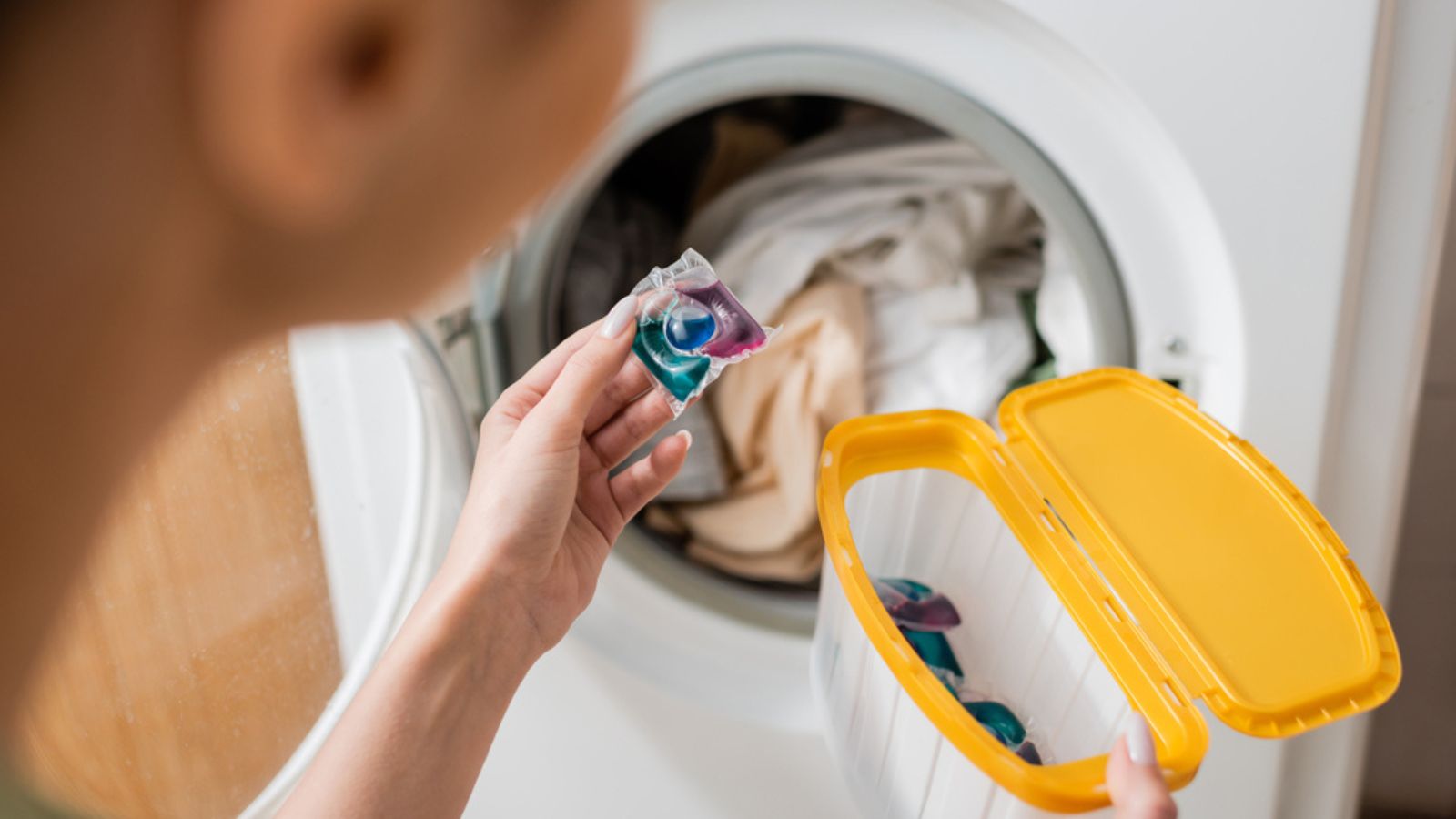
Whilde convenient, laundr pods contain concentrated surfactants and fragrances in a tiny, colorful package. Because the liquid is so concentrated, a single burst pod can cause serious skin burns or eye damage. Their candy-like appearance also makes them a huge risk for small children who might mistake them for a snack.
The plastic film around the pod is designed to dissolve, but it contributes to the growing problem of microplastics in our water systems. Additionally, many of these pods are loaded with optical brighteners (chemicals that don’t actually clean your clothes) that stick to the fabric to reflect light and make things look whiter. These residues are a common cause of itchy skin and mysterious rashes.
Going back to a high-quality liquid or powder detergent (ideally one that’s “clear and free”) is a much safer bet. You’ll find that you probably need way less detergent than the bottle suggests to get your clothes clean anyway.
9. Bleach
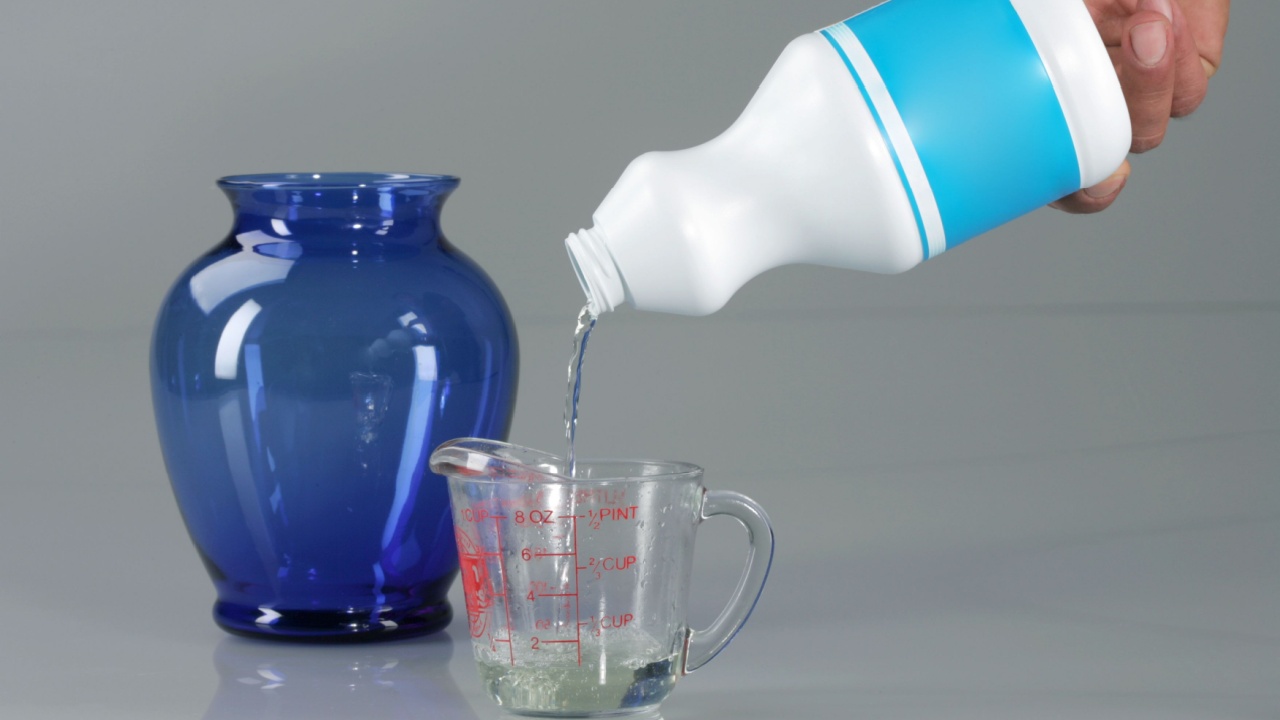
Sodium hypochlorite is a powerful disinfectant and whitening agent, but it is also a strong respiratory irritant. When used in poorly ventilated areas, the fumes can cause coughing and shortness of breath. The most danger occurs if bleach is accidentally mixed with other cleaners, such as ammonia or acidic products like vinegar. This creates toxic gases that can be fatal if inhaled.
Bleach is also highly corrosive to surfaces and can damage the finish on countertops or floors over time. It can weaken fabric fibers, leading to holes and tears in clothing and linens. While it is effective at killing germs, it is often overkill for daily household cleaning tasks. Many surfaces do not require such a harsh chemical to stay sanitary.
Hydrogen peroxide is a safer alternative for disinfecting and whitening. It breaks down into water and oxygen, leaving no toxic residue or fumes behind. For general cleaning, a simple mixture of soap and water is often sufficient to remove dirt and bacteria from most surfaces.
10. Furniture Polish

That high-gloss shine on a wooden table often comes from petroleum distillates, which are oil-based chemicals that can be flammable and smelly. These polishes don’t just sit on the wood; they release vapors into the air that can linger for hours. Also, the oily film they leave behind can act like a dust magnet, making you need to polish even more often.
If you have kids or pets, the oily residue on the furniture can easily end up on hands and then in mouths. Many of these products also use synthetic fragrances to hide the chemical smell, adding another layer of indoor pollution.
You can make a “chef-grade” furniture polish at home with just two ingredients: olive oil and a splash of lemon juice. The oil conditions the wood so it doesn’t crack, and the lemon juice acts as a natural cleaner to cut through fingerprints. Use a soft microfiber cloth to buff it in, and you’ll get a natural glow without the chemical hangover.
11. Pressed Wood Products

A lot of modern furniture is made of particleboard or MDF, which are held together by glues containing formaldehyde. This gas can leak out of the furniture for months or even years, a process called off-gassing. If you’ve ever opened a box of new furniture and smelled that sharp, “new” scent, you’re smelling those chemicals.
In a warm or humid room, the off-gassing can actually speed up, leading to watery eyes or a scratchy throat. Because our homes are so well-insulated, these gases don’t have anywhere to go and can build up to levels that aren’t great for your long-term health. It’s one of those hidden factors that people often overlook when thinking about air quality.
When you’re shopping, try to look for solid wood, metal, or glass pieces whenever possible. If you do buy pressed wood, try to let it “air out” in a garage or a well-ventilated room for a few days before bringing it into your bedroom. You can also seal any unfinished edges with a low-VOC paint or sealant to trap those gases inside the wood.
12. Carpet Cleaners
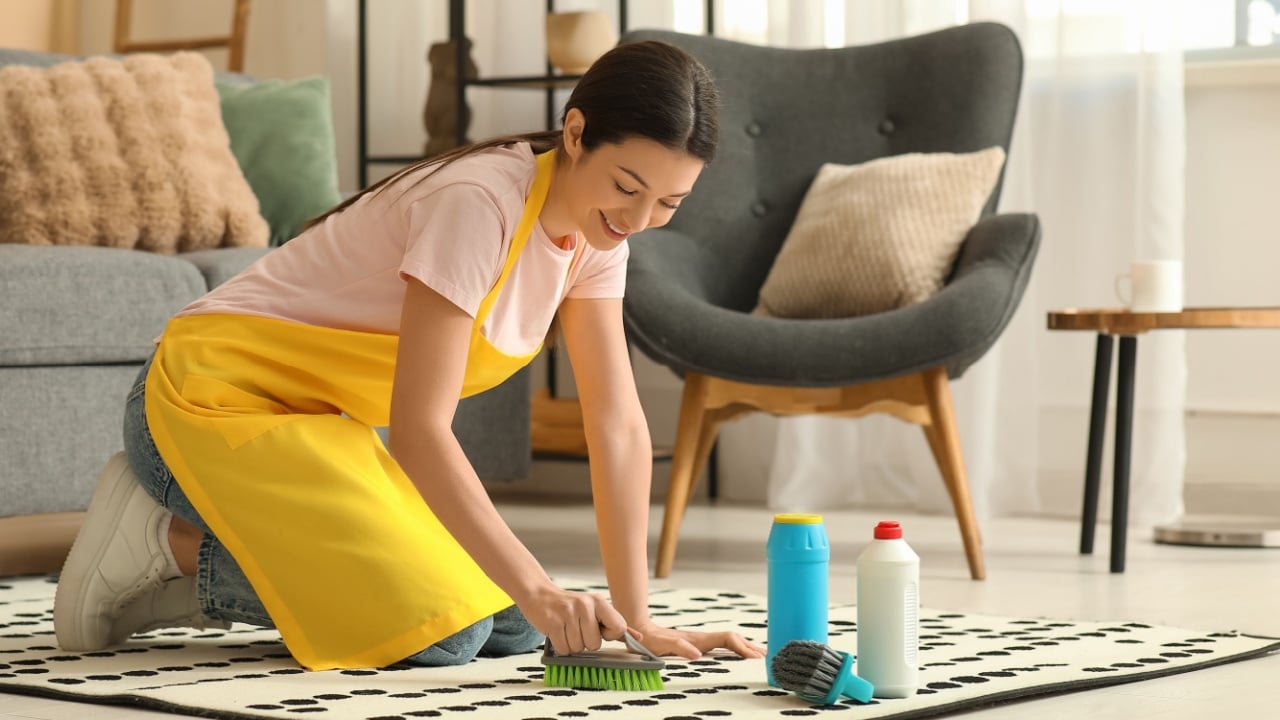
Carpets are giant filters for your home, trapping dust, hair, and whatever you track in on your shoes. When we use heavy-duty shampoos to clean them, we often introduce chemicals like “perc” (perchloroethylene), which is the same stuff used in dry cleaning. These fumes are quite strong and can cause dizziness, and because the carpet is so large, the vapors can fill the whole house.
The residue from these cleaners stays trapped deep in the fibers, right where kids crawl and pets nap. Some carpet spot treatments even contain naphthalene, the toxic stuff from mothballs, which isn’t exactly what you want your toddler playing on. Plus, the long drying time means those chemicals are evaporating into your breathing zone for a full day or more.
A simple steam cleaner that uses only hot water is often the best way to get a deep clean without the chemical side effects. If your carpet just needs a refresh, try sprinkling some baking soda, letting it sit for 20 minutes, and then vacuuming it up to neutralize odors.
13. Fertilizer and Pesticides

Garden chemicals and indoor plant fertilizers often contain nitrates and concentrated minerals that can be harmful if handled incorrectly. Once these pesticides get into your carpet or house dust, they don’t break down as fast as they would outside in the sun. This creates a “toxic trail” that can linger in your home for a surprisingly long time.
Indoor bug sprays can be even more direct, leaving a fine mist of neurotoxins on your baseboards and counters. While these are designed to scramble the nervous systems of ants and roaches, they aren’t exactly healthy for humans either.
The best defense is a good “seal”: use caulk to close up cracks where bugs get in and keep your counters crumb-free. If you do have unwanted guests, try non-toxic options like Diatomaceous Earth, which works mechanically rather than chemically. For your plants, organic compost or “worm tea” provides all the nutrients they need without the synthetic chemical risks.
Curating a Cleaner Sanctuary
Every small swap you make is a win for your home’s “ecosystem.” You don’t have to change everything overnight; just start with the products you use the most and go from there. Making your home a truly healthy space is all about being a little more curious about the labels and a little more intentional with what you bring through the front door.