
How the Exterior Color of Your Home Affects Your Power Bills
Your home’s exterior color does more than shape curb appeal. It can change how much heat your house absorbs all day, and that can show up on your power bill.
Sunlight carries energy, and your home’s outer surfaces deal with that energy first. Some colors reflect more of it, while others absorb more and hold it longer.
That heat does not stay outside forever. It can move through walls, warm indoor spaces, and make your cooling system run harder, especially during long, hot stretches.
This article breaks down how exterior color affects power use, why light and dark shades behave so differently, and what else matters before you pick paint or siding.
Why Exterior Color Affects Heat Gain
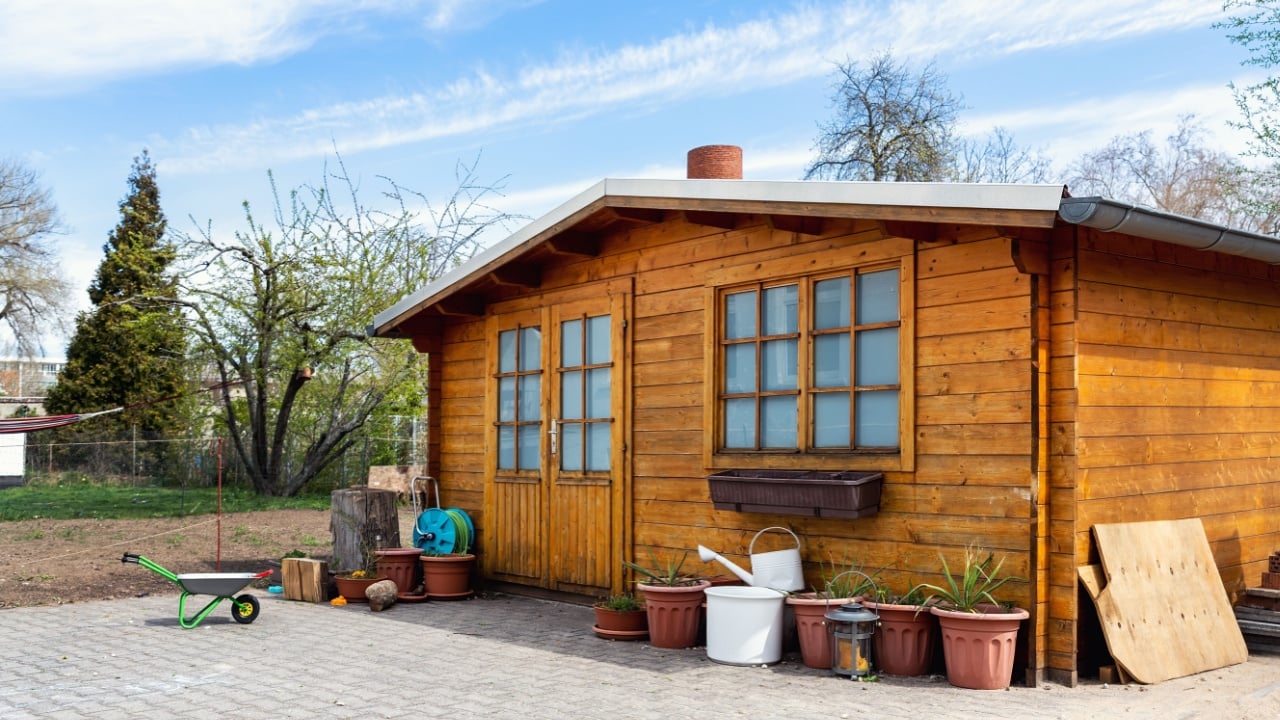
Exterior color affects two basic things. One is solar reflectance, which is how much sunlight a surface sends back instead of absorbing. The other is thermal emittance, which is how well that surface releases heat after it warms up.
A home with higher reflectance usually stays cooler on the outside, which can reduce heat moving indoors. That matters most when the sun hits walls for hours at a time.
South- and west-facing walls often take the biggest hit, so color choice can have a stronger effect there than on shaded sides of the home. If your house gets intense afternoon sun, a darker exterior can add to indoor heat load and raise cooling demand. The result may be longer air conditioner cycles and higher summer energy costs.
Light Colors Usually Lower Cooling Costs
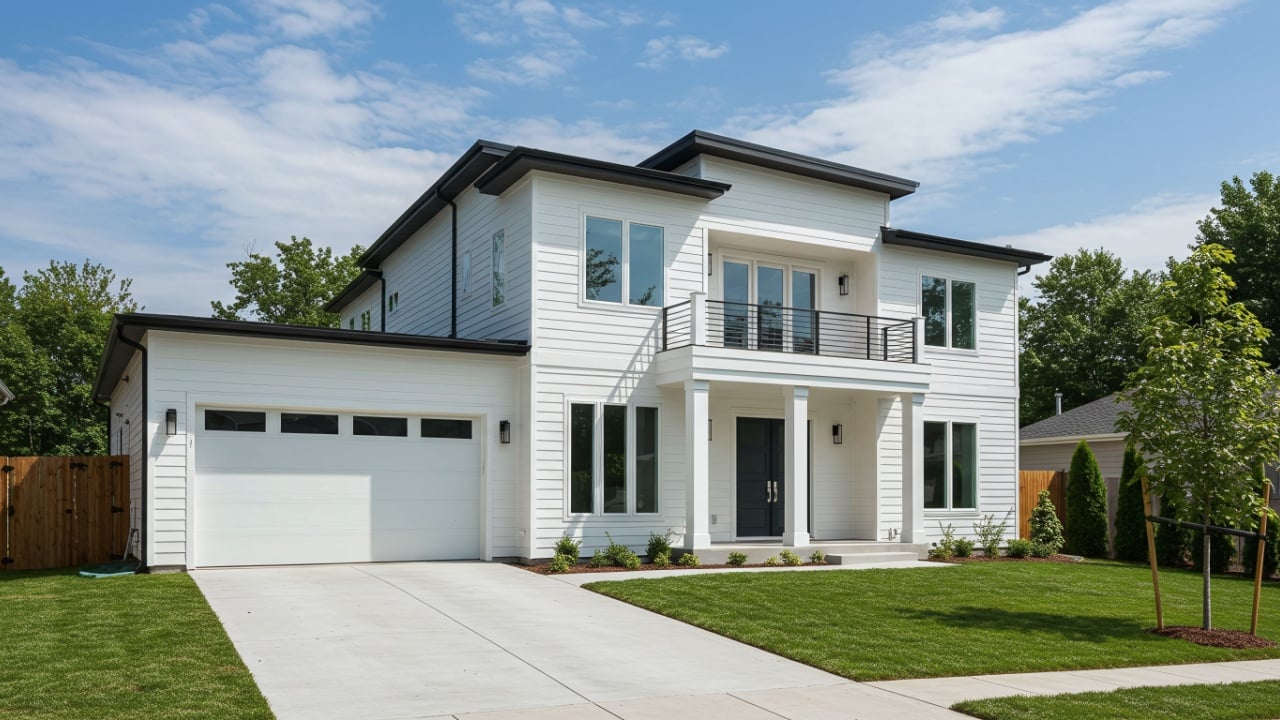
Light exterior colors such as white, cream, pale gray, and soft beige reflect more solar energy than dark shades. That means the wall surface stays cooler during the day, and less heat pushes into the home.
In warm climates, this can lead to lower indoor temperatures and less strain on the HVAC system. The effect is often strongest in older homes with weaker insulation.
For homeowners in hot regions, a lighter exterior can be a practical energy move, not just a style choice. Research on reflective building surfaces has shown measurable cooling benefits in sunny climates, and those savings can add up through long cooling seasons.
Savings vary by house, though, because shade, wall type, insulation, and roof design all change the result.
Paint Technology Can Change The Result

Color still matters, but modern coatings have changed the old light-versus-dark rule. Some exterior paints and factory-finished sidings use infrared-reflective pigments, which reflect a larger share of invisible near-infrared light.
Since a large portion of solar heat is infrared, these products can help dark colors stay cooler than standard dark paints. In simple terms, a surface can look deep and rich to your eye while reflecting more heat than expected.
That makes these products useful for homeowners who want a bold exterior without taking the full heat hit of a traditional dark finish. When you shop, look past the color chip and ask for product data on solar reflectance or “cool color” performance.
Brands do not all test or label products the same way, so it helps to compare actual performance numbers. A contractor, painter, or siding supplier may be able to show which lines are built for lower heat gain.
Climate Plays a Big Part
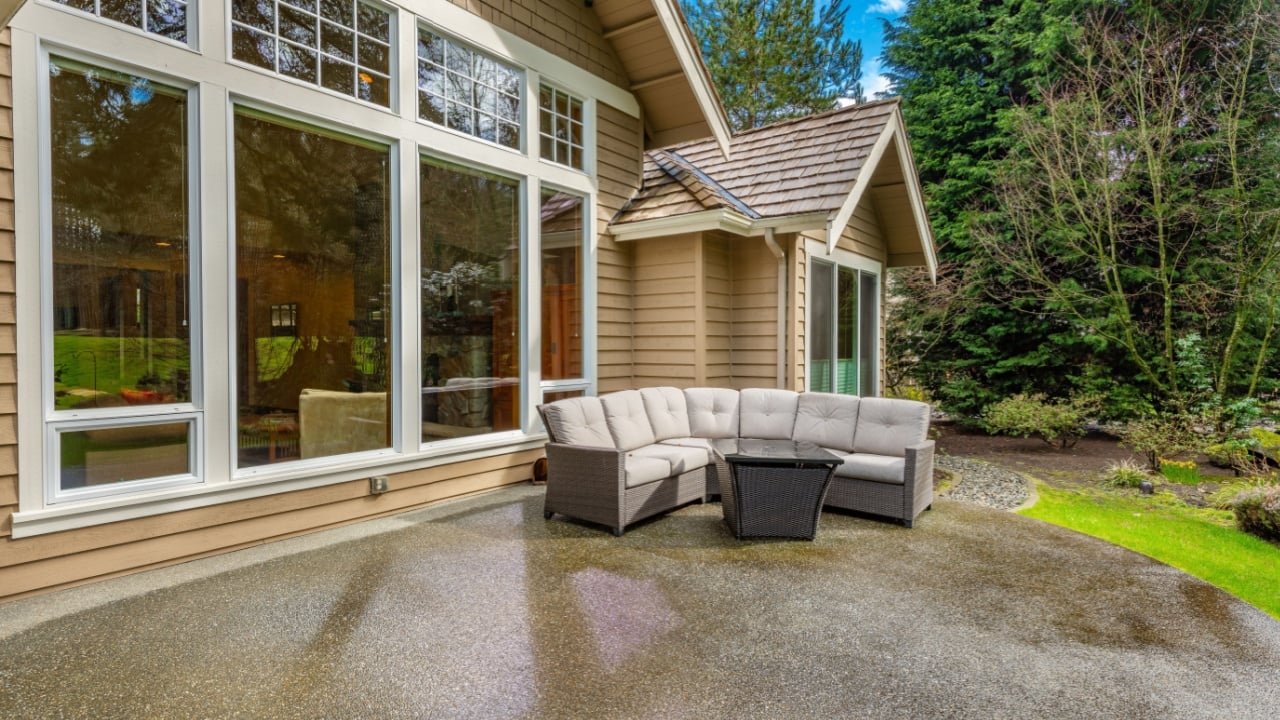
The same paint color can have very different energy effects in different places. In hot climates, reflective exterior walls often lead to net annual HVAC savings because cooling demand is much greater than any winter heating benefit from darker walls.
In cooler climates, the picture gets less clear because a darker exterior may help absorb some solar warmth during colder months. That can reduce or cancel out the summer savings from a lighter color.
This is why climate zone matters before you choose an exterior shade for energy reasons. In warm regions such as parts of Florida, Texas, Arizona, and the Deep South, lighter or heat-reflective exteriors often make more financial sense.
In northern areas with long winters, the annual impact may be small, neutral, or mixed. If you want the smartest choice, match color decisions to your local weather pattern instead of following a one-size-fits-all rule.
Material Matters as Much as Color
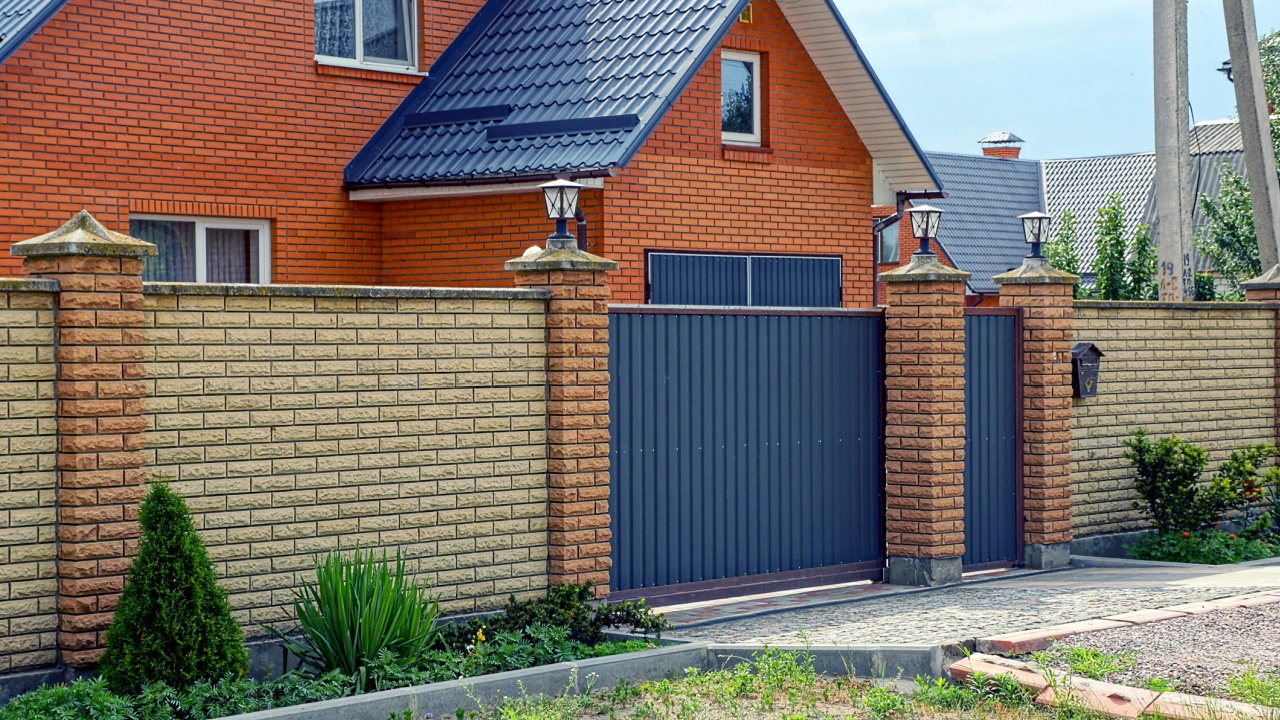
Two homes painted the same shade can perform very differently if their surface materials differ. Brick, stucco, fiber cement, vinyl, engineered wood, and metal all absorb, store, and release heat in different ways.
Some materials have more thermal mass, which means they hold heat longer after sunset. Others respond faster to the sun and cool down more quickly once shade arrives.
That is why paint color alone does not tell the whole story. A light color on a heat-holding wall can still behave differently from that same light color on a thinner, less dense material.
Factory-finished siding may include reflective technology that standard field-applied paint lacks. Before you repaint or reside, look at product specs for both color and material performance, since the pairing can shape your energy result more than either factor on its own.
A Smarter Shade Choice
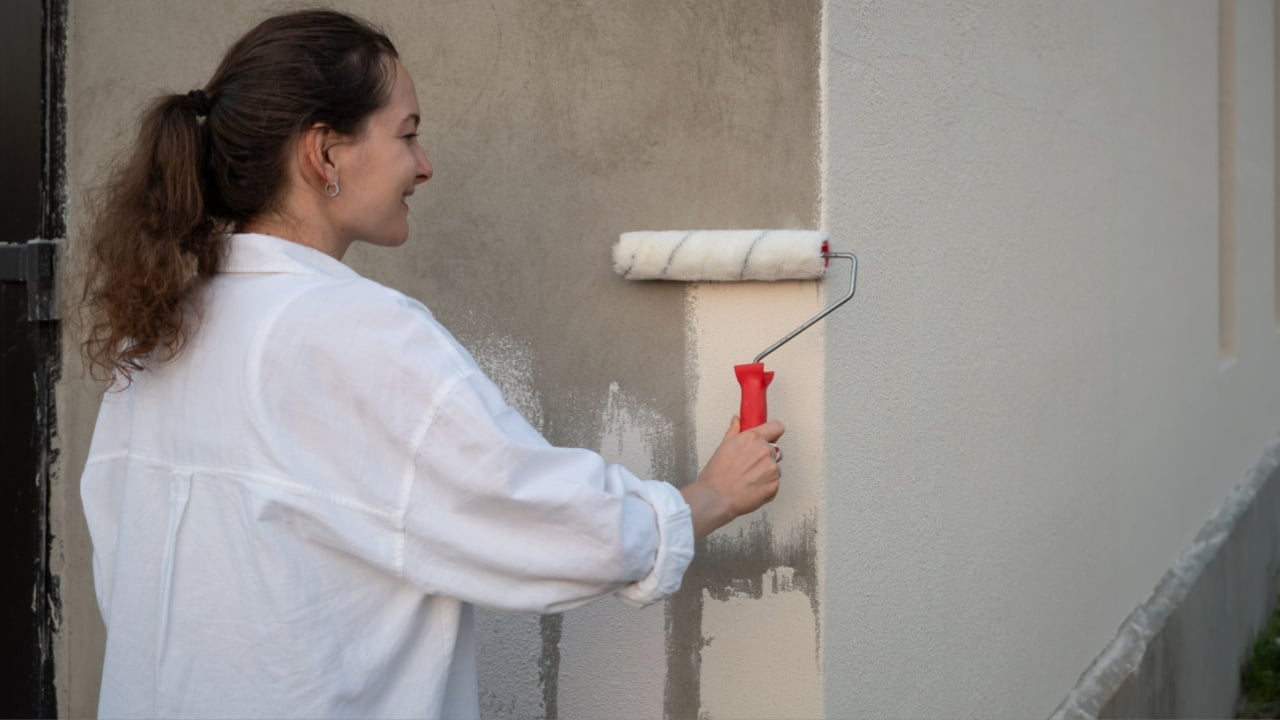
Exterior color can affect your power bills by changing how your home handles sunlight and heat. Light colors usually keep walls cooler, dark colors often absorb more heat, and newer reflective pigments can narrow that gap.
Climate, wall material, insulation, and sun exposure all shape the final result.
So if you are planning to repaint or replace siding, do not treat color as a detail that only affects looks. A well-chosen exterior shade can bith help your home look good and perform better.
Read More:
7 Retro Paint Colors Making a Comeback That We Love
15 Classic Kitchen Cabinet Colors That Don’t Go Out of Style