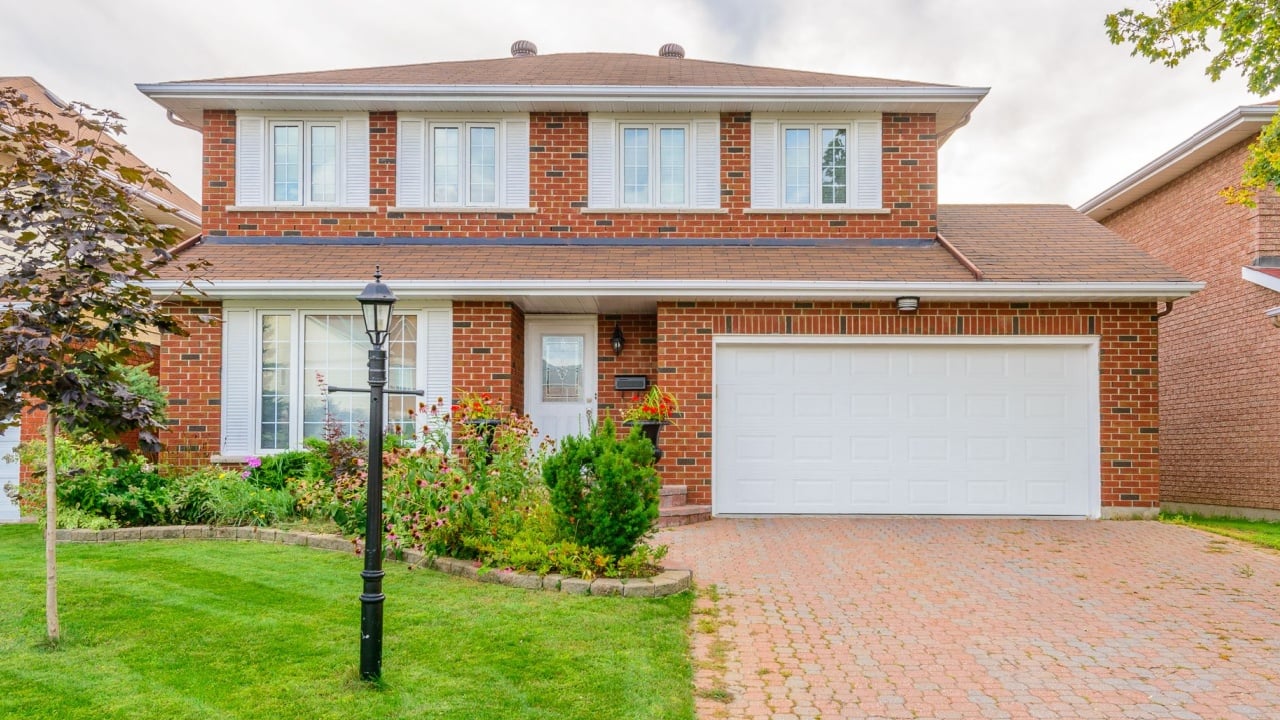
7 Reasons the Garage is the Weakest Link in Home Security
Like many people, you probably lock the front door, set the alarm, and call it a night. But what about the garage? It’s often the soft spot in home security that gets far less attention.
When it comes to home security, the garage matters more than many people realize. It holds tools, expensive bikes, yard gear, and a direct path into the house.
It often has more blind spots and fewer security upgrades than the rest of the property. That mix can make it one of the easiest places for an intruder to test.
This article breaks down seven common garage security weak points and shows what you can do to make this part of your home much harder to target.
1. Poor Lighting Around the Garage

Dark areas around a garage give intruders cover and time. If the side of your home, driveway edge, or area above the garage door stays dim at night, someone can approach without drawing much attention.
Many break-ins happen because a person can work unseen for just a few minutes. A shadowed corner near the garage makes it that much easier.
Good lighting cuts that risk in a very practical way. Motion-activated floodlights near the garage door, side entry, and driveway can expose movement right away and make a prowler feel seen.
Smart outdoor lights add another layer by letting you set schedules or control them from your phone. Aim the lights so they cover the full approach to the garage instead of lighting only the center of the driveway.
2. Old Remotes and Stolen Openers
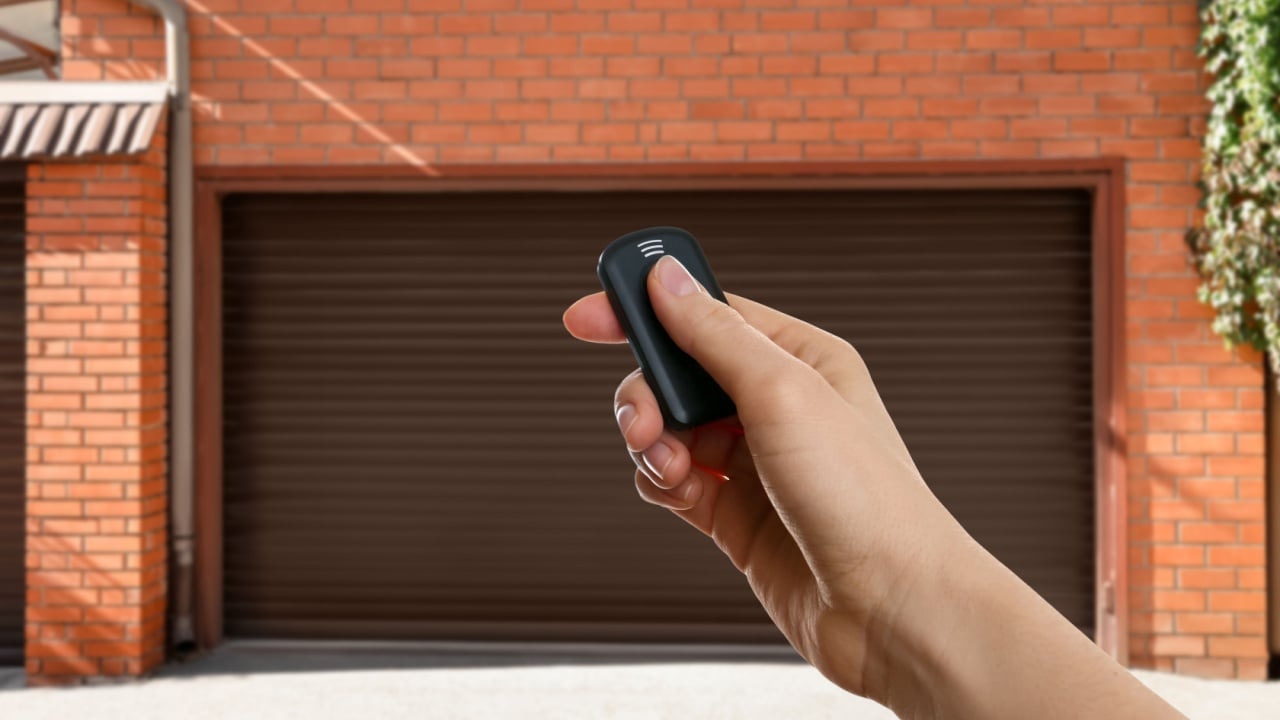
Garage door remotes are convenient, but they can create a weak point if you treat them casually. Many people leave the opener clipped to the visor in an unlocked car in the driveway or street, which gives a thief easy access to the garage if the vehicle is broken into.
Older opener systems pose another risk because some use outdated fixed codes that are easier to copy than modern rolling-code systems. A criminal does not need much time if the remote is already within reach.
A safer habit is to carry the remote with your keys or use a keypad or phone-based control instead of leaving a transmitter in the car. If your opener is more than a few years old, check the model and find out which code system it uses.
Upgrading to a rolling-code opener can sharply reduce the risk of code copying because the access code changes after each use.
3. Worn Parts and Skipped Maintenance
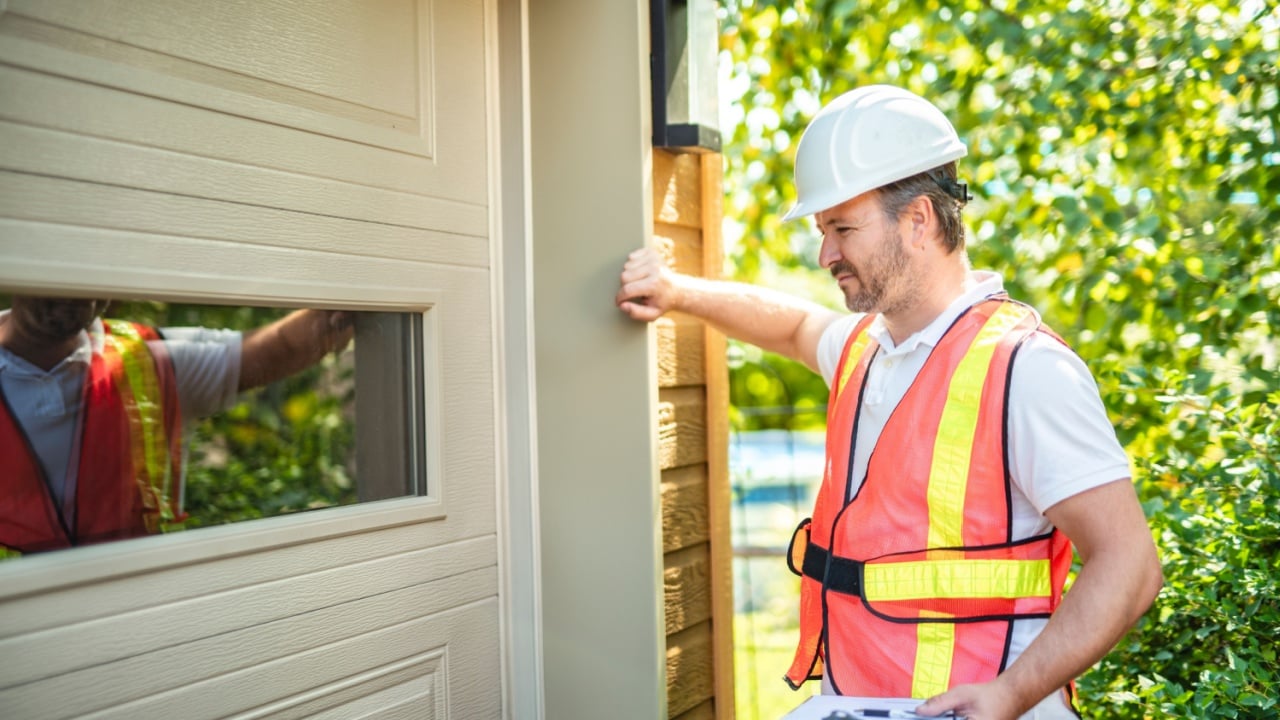
A garage door can look fine from a distance while parts of it are getting weak. Hinges loosen, tracks shift, rollers wear down, locks rust, and sensors stop working as they should.
Any of those issues can affect how well the door closes, how firmly it stays shut, or how easily it can be forced. A door that does not sit properly in its frame may offer more give than you would expect.
Routine maintenance helps you catch trouble before it turns into an easy entry point. Check the door balance, hardware, weatherstripping, and locking parts a few times a year, and pay attention to new noises or jerky movement.
If the door sticks, makes strange noises, slams, or leaves gaps, have a qualified technician inspect it.
4. Garage Windows That Give Too Much Away
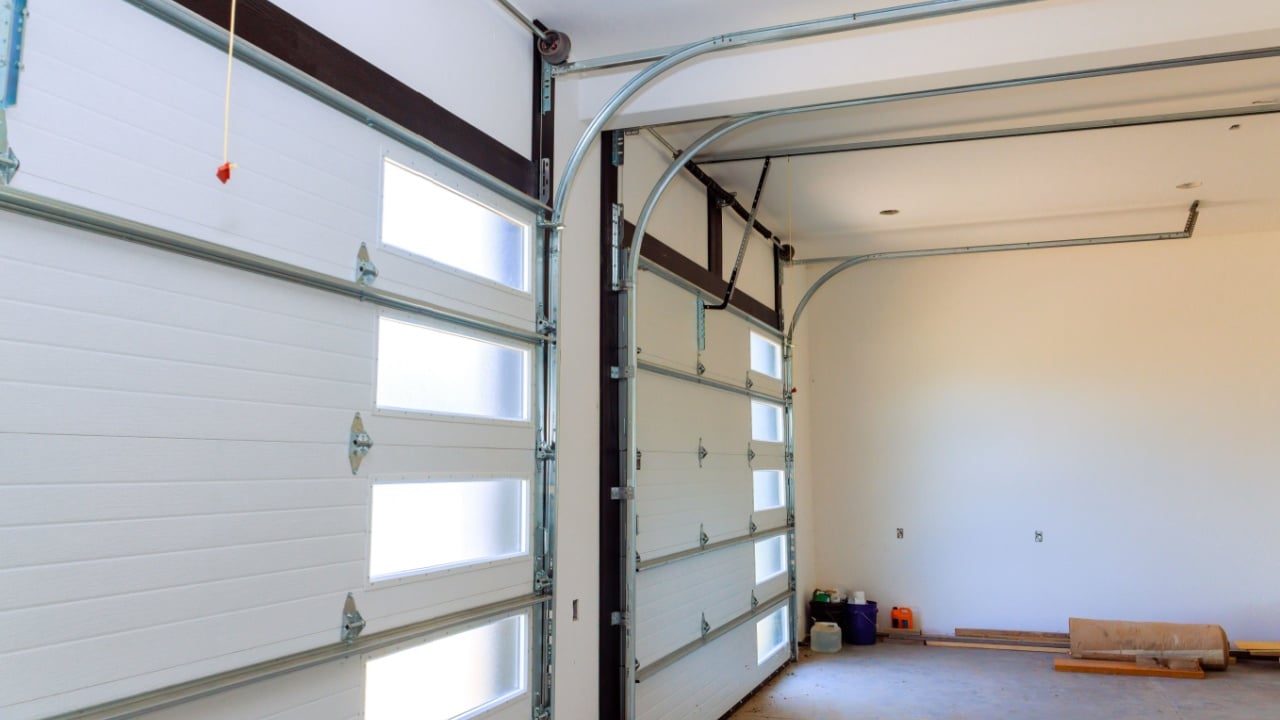
Windows on a garage can bring in daylight, but they can also turn your garage into a display case. If someone can glance inside and spot power tools, bikes, storage bins, or a door leading into the home, they get useful information without even stepping onto the property.
That quick view can tell them what is worth stealing and how your layout works. Privacy matters here more than many people expect.
You do not always need to remove the windows to fix the problem. Frosted film, tinted film, or interior coverings can block the view while still letting in light.
If you are replacing garage windows, look for stronger glass options that resist impact better than standard panes. The less a stranger can learn from outside, the less attractive your garage becomes as a target.
5. A Weak Door Between the Garage and House
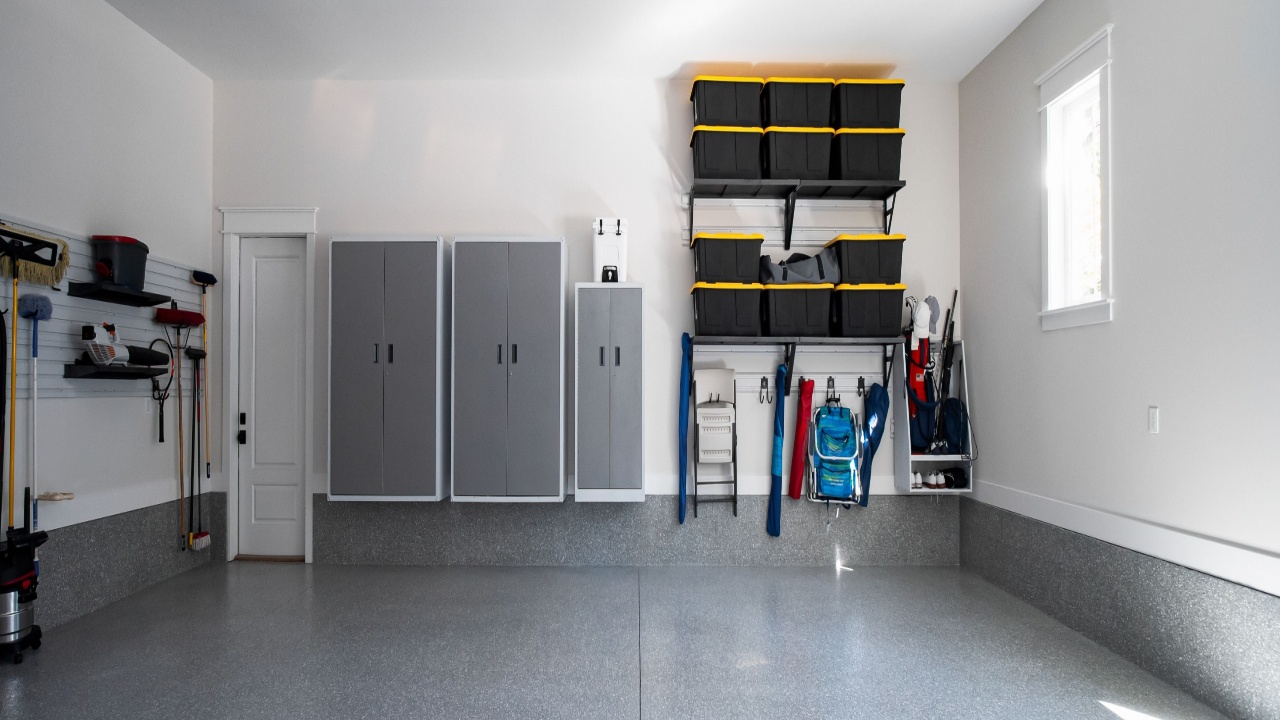
In many homes, the door from the garage into the house is treated like an interior door, even though it protects a major entry point. If someone gets into the garage, that door becomes the last barrier before they are inside your living space.
Hollow-core doors and weak frames do little to slow forced entry. A thin door with a short strike plate screw can fail faster than most people realize.
This internal garage door should be built and secured more like an exterior entry door. A solid-core or steel door with a quality deadbolt and reinforced strike plate gives far better protection.
Longer screws in the strike plate can help anchor the hardware into the wall framing, which makes the setup tougher to kick in. If your garage connects to the house, this upgrade deserves serious attention.
6. No Cameras, Sensors, or Alarm Coverage

Some homeowners protect the front porch and main doors with cameras and sensors, but leave the garage outside the system. That gap gives intruders a place to test doors, peek through windows, or linger without being recorded or reported right away.
A garage at the side or rear of the home can be especially exposed if neighbors cannot easily see it. If your security plan stops at the front entrance, you may be missing one of the most important zones.
Treat the garage as part of the full home security setup. Add a camera that covers the driveway and garage door, a contact sensor for the door itself, and motion alerts for activity nearby.
If your system supports mobile alerts, turn them on so you can respond quickly when something unusual happens. Fast notice matters because even a short delay can give a burglar enough time to get in and out.
7. The Emergency Release Cord Problem
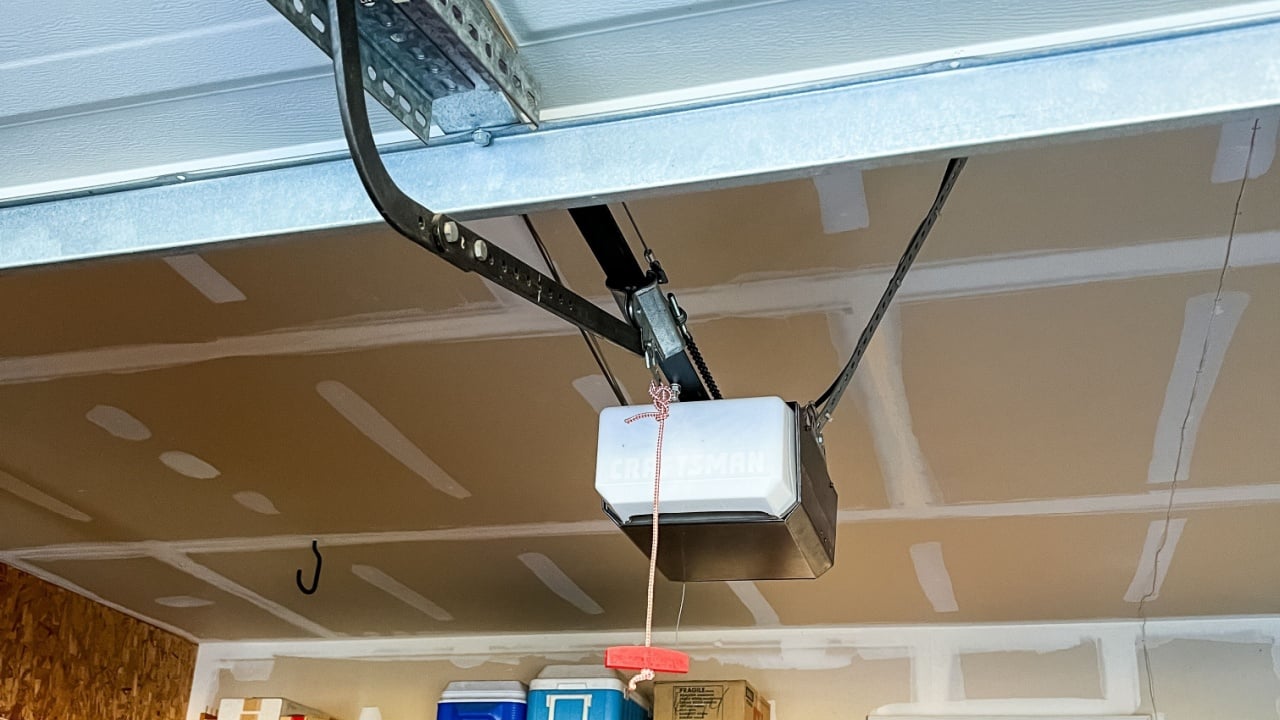
The emergency release cord is there for a good reason. It lets you disconnect the opener and lift the garage door by hand during a power outage or mechanical issue.
The problem is that intruders know how to exploit it on some doors by sliding a wire through the top gap and pulling the release from outside. Once that happens, the door can be opened manually with far less resistance.
This risk is easy to overlook because the feature is meant for safety, not security. A garage door shield or release guard can block outside access to the cord while still allowing proper use from inside the garage.
It is also worth checking for gaps at the top of the door that make this trick easier. A small adjustment or a simple protective device can close off a method many homeowners never knew existed.
Closing Garage Security Gaps
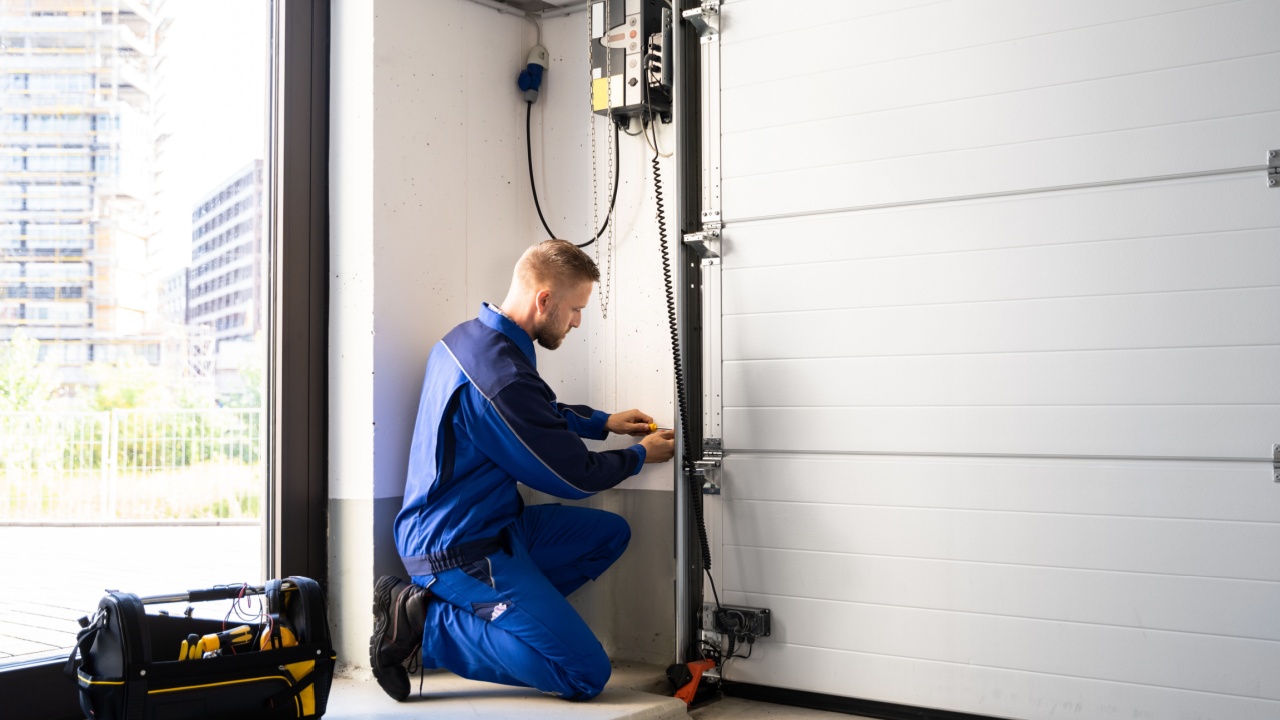
The garage tends to fall into that “I’ll deal with it later” category. A light that hasn’t worked in months, a lock that sticks, a door you assume is shut properly. None of it feels serious on its own, which is why it stays that way.
A safer garage usually comes down to fixing common weak spots. From the automatic garage door opener to the old lock on a side door, it is time to make your garage a fortress.
Read More:
Less Clutter, Better Use of Space: 17 Smart Garage Organization Tips
Time for a Garage Spring Reset— Toss Out These 16 Items Right Now