6 Alternatives to the Less Than Ideal Open Floor Plan
Open floor plans had a long run. For years, one big shared space was sold as the best way to make a home feel larger, brighter, and more social.
Now, many homeowners want a little more separation. Noise travels fast in open layouts, kitchen mess stays in full view, and it can be hard to carve out quiet space for work, rest, or family time.
Builders and designers have noticed the shift. Newer homes often keep some of the brightness people like while adding walls, doors, and in-between spaces that make daily life easier.
If you like the idea of a home that feels connected without feeling exposed, these six alternatives to the downtrending open-plan layout offer smart ways to get there.
1. Closed Kitchen With A Pass-Through Or Wide Opening
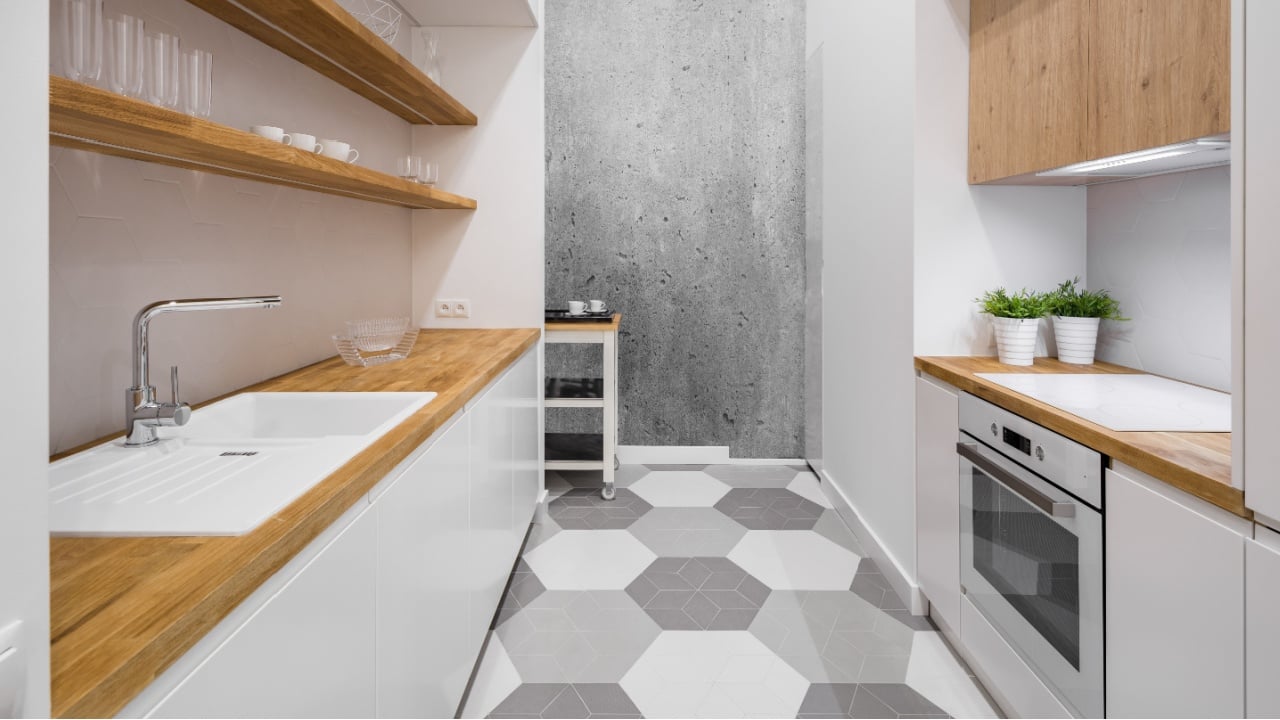
For a while, the closed kitchen was treated as old-fashioned, yet it solves several problems at once. It keeps cooking smells, appliance noise, and visual clutter more contained, which can make the rest of the home feel calmer.
A pass-through window, large interior opening, or partial wall still lets in light and conversation without putting dirty dishes on full display. Many homeowners now prefer this middle ground because it allows the kitchen to function hard without asking it to perform as part of the living room.
This option is especially helpful for families who cook often or entertain less formally. Guests can still chat with the cook, yet the main seating area stays more peaceful and polished.
This is a practical balance for anyone who likes the idea of separation without full isolation. Materials matter here, so glass, open shelving, or a broad cased opening can keep the kitchen from feeling boxed in.
2. Formal Dining Room
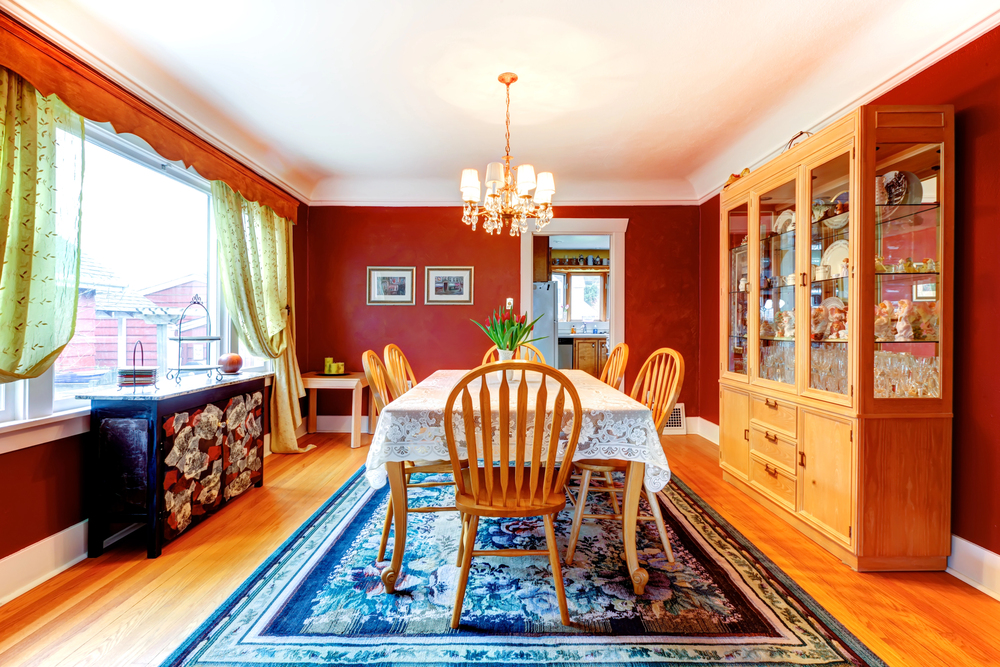
A separate dining room is making a quiet return, and for good reason. When dining has its own room, meals feel less tied to the mess and noise of the kitchen. The space can be closed off during gatherings or left untouched between uses.
French doors, pocket doors, or a wide doorway can keep the room connected to the rest of the home while still giving it a clear identity. This setup also helps with temperature control and noise reduction, which many people miss in wide-open layouts.
A formal dining room does not need to sit empty most of the year. It can double as a homework zone, library, craft room, or holiday hosting space when you are not serving dinner.
3. Second-Story Great Room
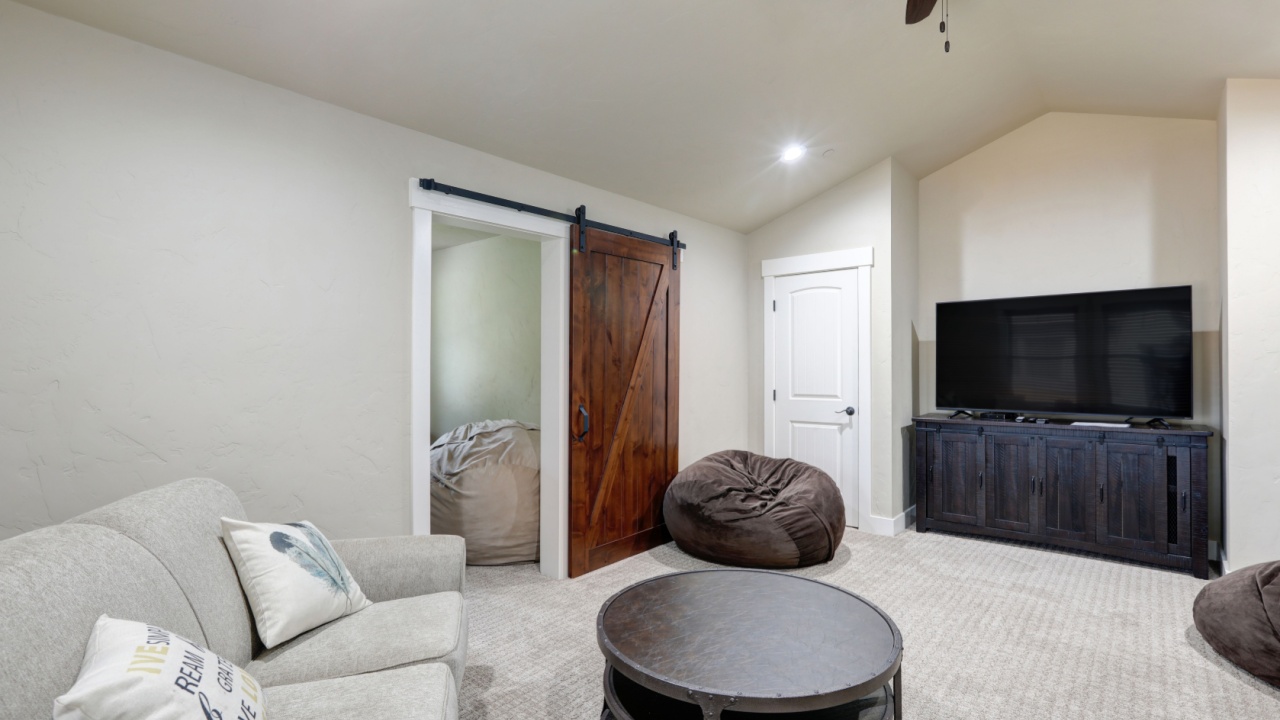
A second-story great room gives a home another place to gather without forcing every activity into the main level. It often works as an upstairs lounge, TV room, study space, or teen hangout.
This layout has become more appealing as homes serve more than one purpose each day, from remote work to schoolwork to quiet downtime. By moving some of that activity upstairs, the main floor can stay simpler and less crowded.
This type of room is useful in homes where the kitchen and family room tend to pull everyone into one spot. An upstairs shared area gives children and adults different places to relax, which can cut down on noise and conflict.
It can also help guests feel more comfortable during longer visits, since the home has multiple social zones.
4. Butler’s Pantry or Scullery
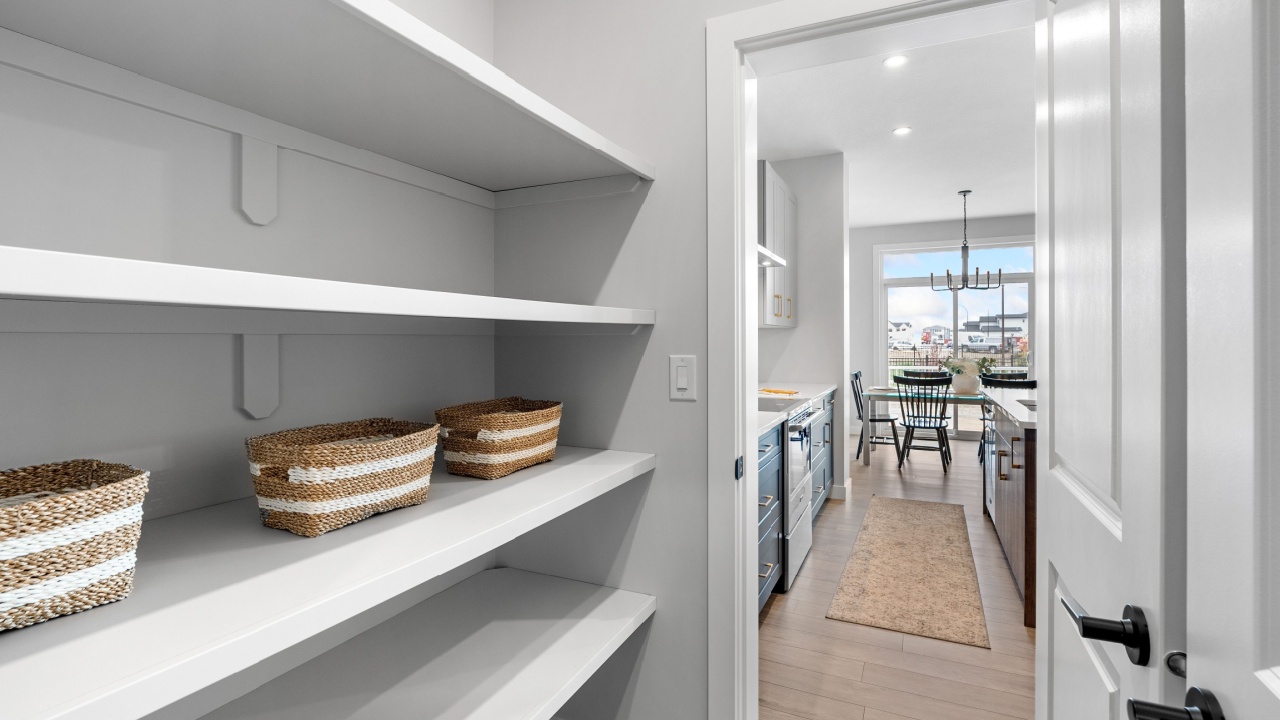
A butler’s pantry or scullery is not a full floor plan on its own, yet it changes how the main living areas function. Placed between the kitchen and dining area, or tucked just behind the kitchen, it provides a spot for food prep, storage, small appliances, and cleanup.
That means the main kitchen can stay cleaner and quieter when guests are over, or dinner runs late. In homes that still want an open feel, this kind of buffer space helps reduce some of the biggest complaints tied to open living.
Even a modest version can make a big difference in daily use. A narrow pantry with a sink, counter space, and closed storage can hide coffee makers, toasters, serving dishes, and grocery overflow.
It also keeps traffic out of the main cooking zone, which helps when more than one person is in the kitchen. For households that host often or cook from scratch, this feature can improve the whole layout without adding another full room.
5. Semi-Open Floor Plan
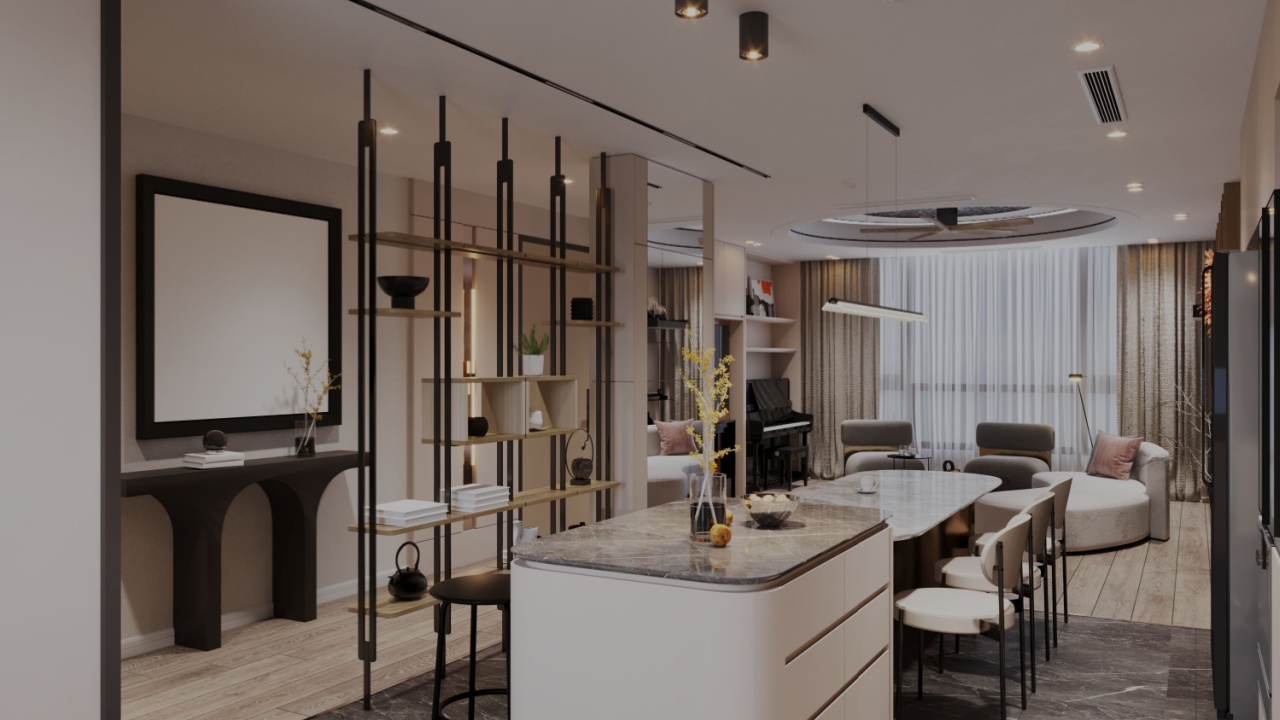
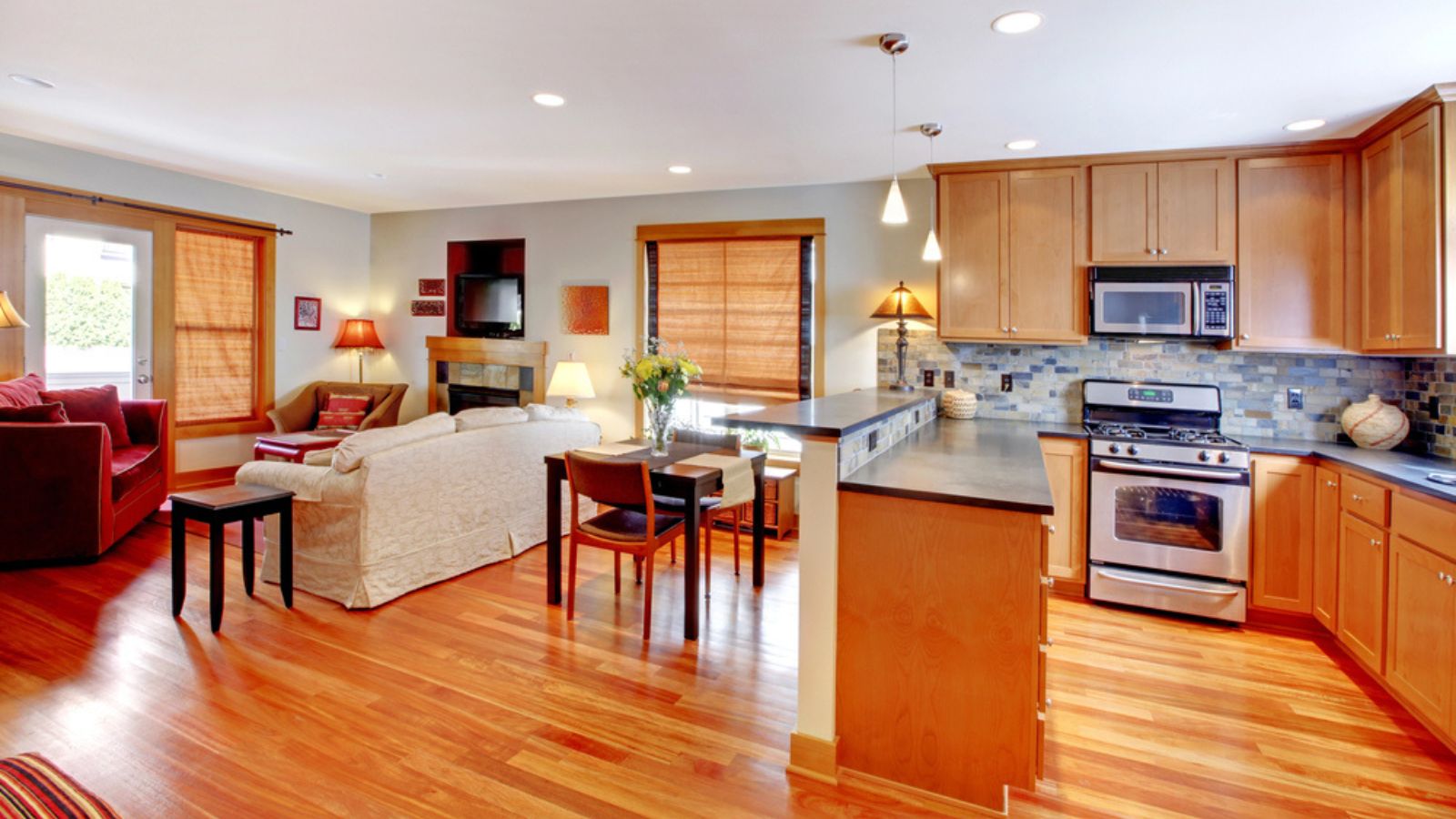
A semi-open floor plan retains the shared feel of an open layout while adding gentle breaks between spaces. Half walls, wide cased openings, built-in shelving, glass partitions, and changes in ceiling height can all create more definition without closing rooms off.
This kind of layout helps control sound and sightlines, which matters when someone is cooking, another person is on a work call, and kids are doing homework nearby.
This layout works best when the dividers serve a purpose instead of acting as random barriers. A low wall can hide kitchen clutter from the living room, and a double-sided cabinet can add storage while marking off a dining zone.
6. Closed Bonus Room
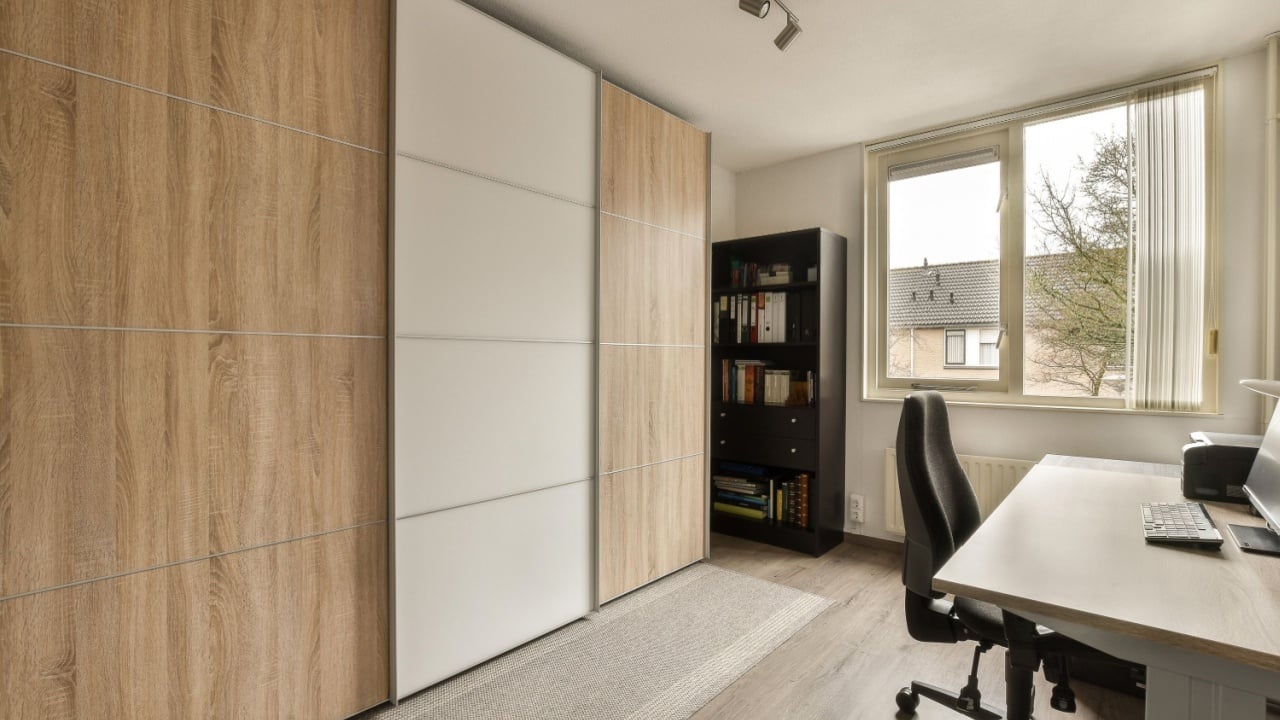
A closed bonus room is one of the most practical alternatives to the downtrending open floor plan. Unlike an open flex corner or loft, a fully enclosed room can handle loud movies, music lessons, video calls, naps, or overnight guests without spilling into the rest of the home.
Doors matter here because they give people privacy and help the room serve many uses across different stages of life. In newer homes, buyers often want spaces that can shift with changing needs, and a closed bonus room does that well.
The room becomes even more useful when it is planned with the basics in place from the start. Good sound control, enough outlets, layered lighting, and storage can turn an extra room into a media room, home office, playroom, or guest space with little effort.
A closet nearby or built-in cabinets add even more value. Instead of asking one giant room to do everything, this setup gives each activity a better home.
Finding the Right Fit for Your Home
Open floor plans are not disappearing, yet they are no longer the default answer for every home. Many people now want rooms that support privacy, quiet, and better function while still feeling bright and connected.
These alternatives to the downtrending open floor plan show that a home does not need to be wide open to feel welcoming. With the right layout, you can get shared spaces where people gather and separate spaces where life runs more smoothly.