14 Cascading Plants That Bring Cottage Charm to Window Boxes and Planters
Ready to give your home a charming cottage vibe? Hanging planters and window boxes are a perfect way to add some beautiful dimension to your home’s exterior.
When you add cascading greenery, it instantly softens the hard architectural lines of your house, creating a warm and welcoming atmosphere. The visual appeal gets a major boost when you let the foliage deliberately spill over the sides of the container. It’s that lush, overflowing look that really turns heads.
To get these gorgeous results, the horticulturists have a few tips. Your container plants will require high-quality soil and regular watering to thrive. Good drainage is also essential to prevent root rot and other diseases.
For a truly professional-looking arrangement, try combining trailing foliage with upright flowers. This creates a beautiful balance of heights and textures that will make your planters pop. Ready to get started? Here are fourteen amazing trailing plants that will easily elevate your outdoor planters with lush greenery and vibrant blossoms.
1. Calibrachoa
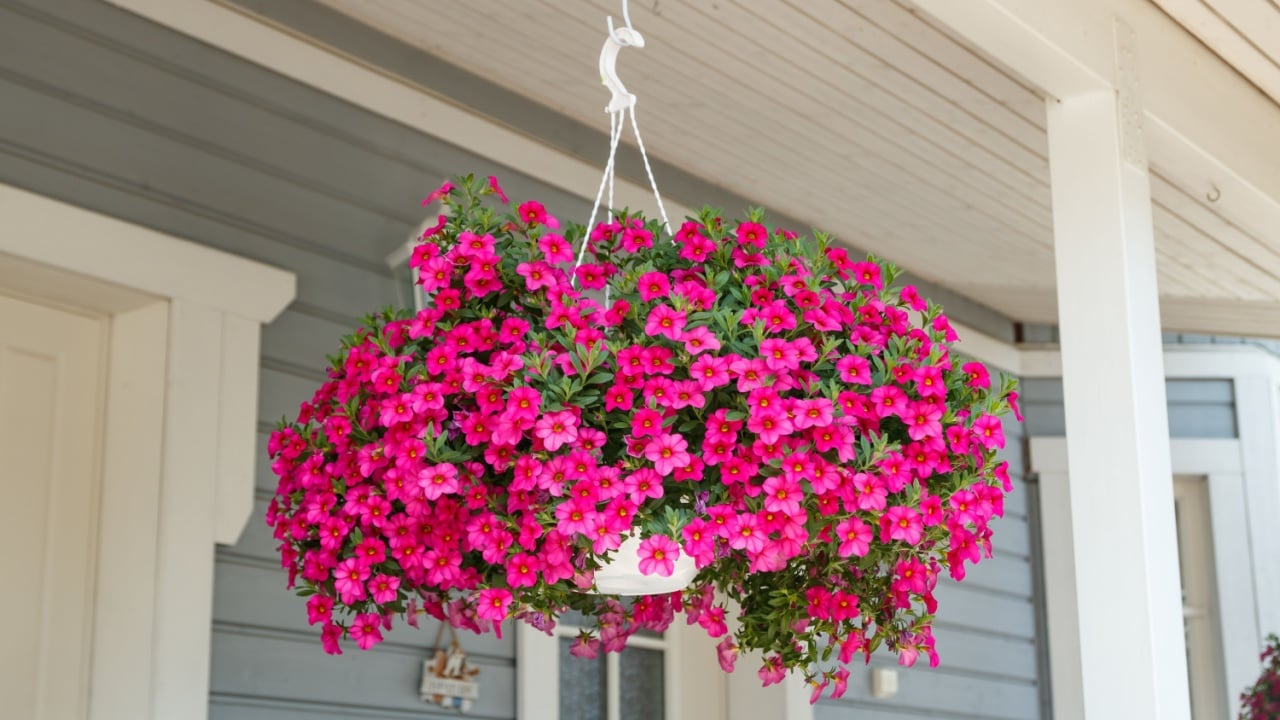
Calibrachoa, also known as Million Bells, is a powerhouse of a plant, producing hundreds of tiny, bell-shaped flowers that bloom nonstop all summer long. This fast-growing variety is pretty forgiving and can handle brief dry spells better than many other flowering plants. The trailing stems spill over planter edges gracefully, creating a stunning waterfall of bright pink, purple, and yellow blossoms.
For the best and brightest show, plant your Calibrachoa in a spot that gets full sun and use slightly acidic soil (a pH between 5.0 and 6.5 is ideal). These plants are heavy feeders, so they’ll appreciate a little boost to keep the flowers coming.
To support their continuous blooming right up until the first frost, give them a liquid fertilizer every couple of weeks. With just a little care, you’ll have a cascade of color that lasts for months.
2. Creeping Jenny

If you’re looking for a pop of vibrant color, Creeping Jenny is your plant. It features unique, round leaves in a brilliant chartreuse green that creates a stunning contrast against darker foliage. The stems grow quickly and will root wherever they touch the soil, eagerly draping down the sides of hanging baskets.
This plant can be a bit of a bully in garden beds because it grows so aggressively. That’s why keeping it contained in a planter is a great idea; you get all the beauty without the garden takeover.
Place your Creeping Jenny in full sun or partial shade to protect its bright leaves from getting scorched on hot afternoons. It likes consistently moist soil, so keep it well-watered, but avoid overwatering. If the trailing stems get too long and start touching the ground, just give them a quick trim with some sharp shears to keep things looking tidy.
3. English Ivy

For a touch of classic elegance, you can’t go wrong with English Ivy. Its iconic green leaves create a timeless look, especially when tumbling out of traditional copper or wooden planters. This vine is a vigorous grower and thrives in everything from partial to full shade, making it a low-maintenance superstar.
Because it can be invasive in gardens, growing English Ivy in containers is the perfect way to enjoy its beauty without it spreading where you don’t want it. It’s a simple solution to prevent it from overtaking your native garden spaces.
Check the soil moisture regularly, and give it a good drink of water when the top inch feels completely dry. Keep a close watch on the vines, as they can get a bit ambitious. Trim them back regularly to prevent them from attaching to the brick or wood siding of your house.
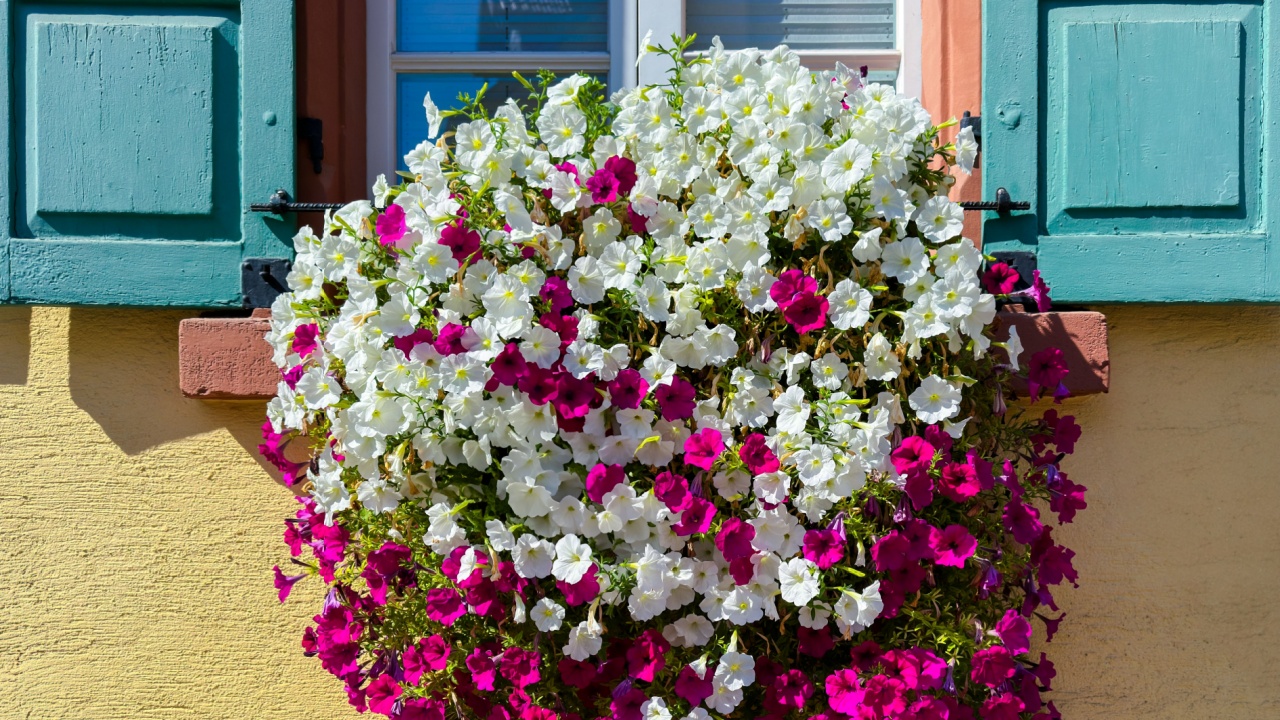
4. Petunias
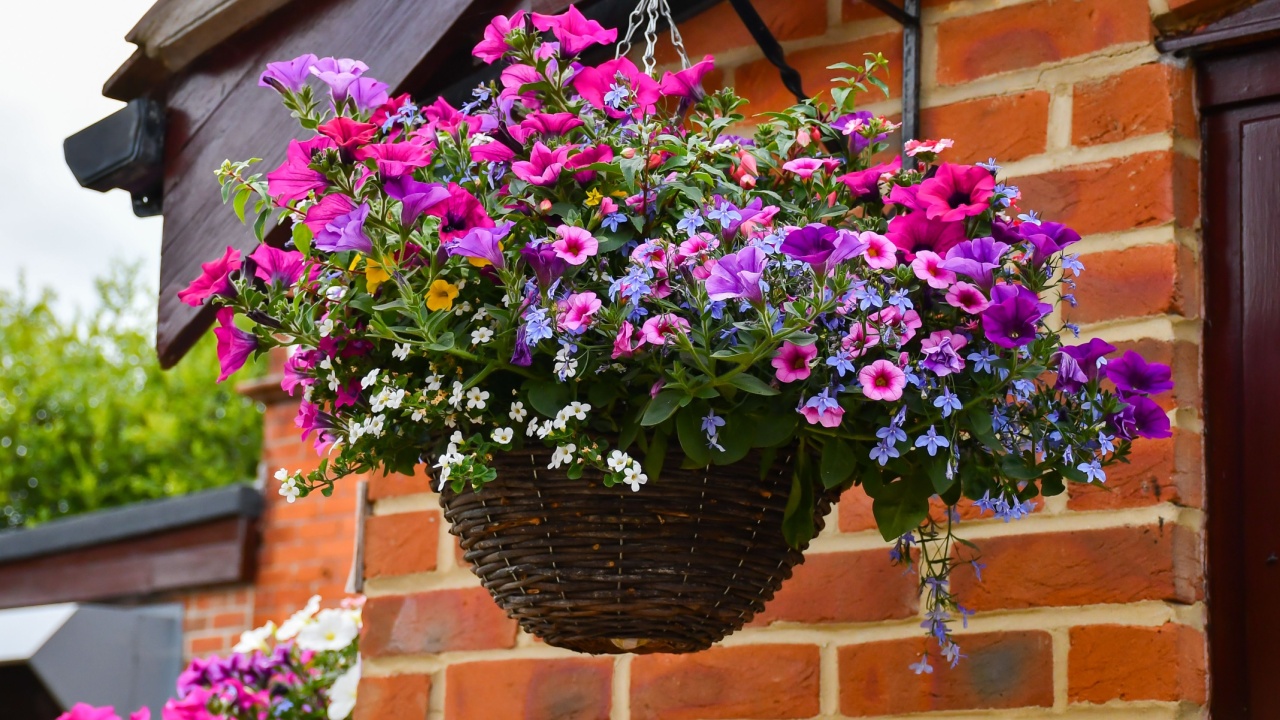
Petunias are a tried-and-true favorite for outdoor planters, and for good reason; they bloom their hearts out from spring all the way through early fall. Many of the modern cascading hybrids are even self-cleaning, meaning they drop their spent flowers on their own. This saves you from the tedious task of deadheading.
These beauties love basking in full sun and need rich, fertile soil to fuel their massive bloom production. They are the perfect choice for adding a splash of continuous color to your porch or patio.
If you notice your plants starting to look a bit long and spindly late in the summer, don’t be afraid to pinch the stems back by a few inches. This will encourage bushier growth and more flowers. Keep them well-watered and feed them monthly with a water-soluble fertilizer to keep the floral show going strong.
5. Garden Lobelia
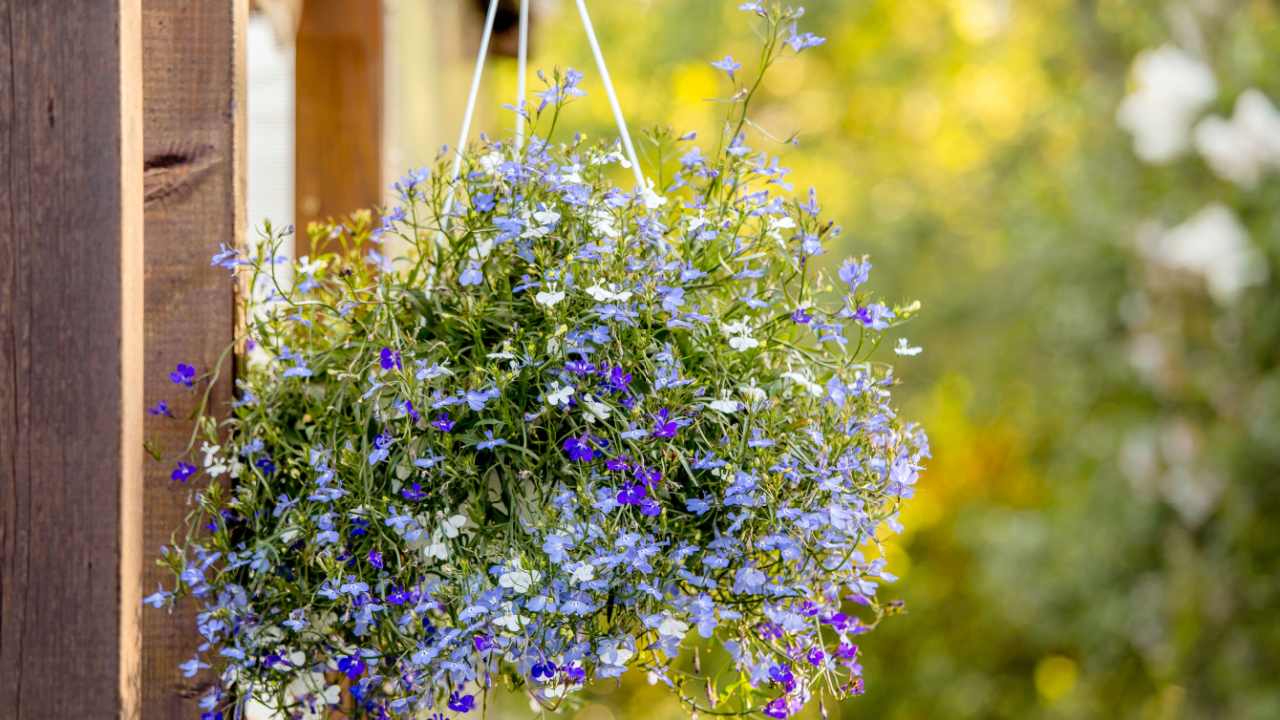
Garden Lobelia is a showstopper, boasting an intense blue color that makes a dramatic statement, especially when paired with bright white or red companion plants. The delicate flowers blanket the trailing stems, creating a cloud of color that cascades beautifully down the side of any planter.
In warmer climates, this plant shines as a spring annual before the intense summer heat sets in. It’s perfect for adding that early-season pop of brilliant blue to your container arrangements.
The key to happy Lobelia is consistently moist soil. If the soil dries out, the plant will stop blooming almost immediately, so keep it well-watered. If you live in an area where temperatures regularly climb above ninety degrees, move your planters to a spot with some afternoon shade to help them beat the heat.
6. Sweet Alyssum
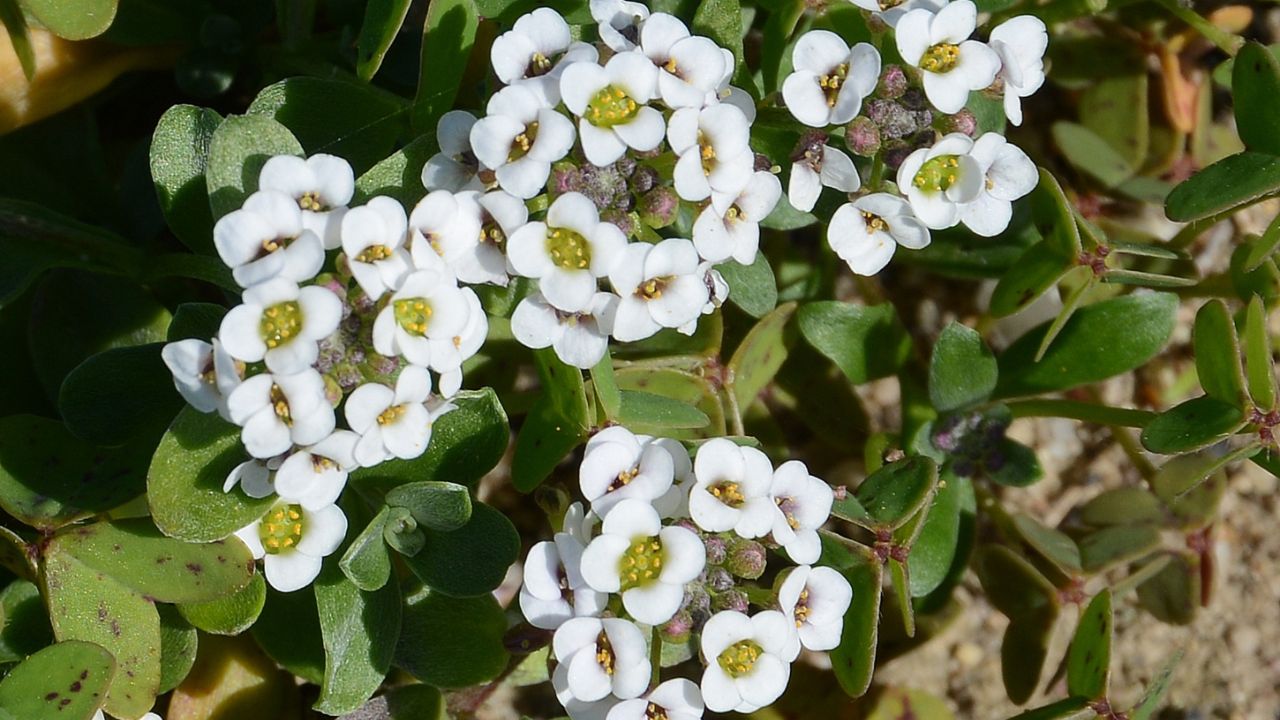
Sweet Alyssum is a treat for the senses, producing delightful clusters of tiny white or purple flowers that release a sweet fragrance reminiscent of fresh honey. Planting this variety near the edge of a container allows the delicate blooms to spill gracefully over the side, creating a soft, romantic look.
In warmer zones, this plant is a hardy perennial, which means it can survive in the same container for several years with the right care. It’s a fantastic, low-maintenance option for long-lasting beauty.
Give your Sweet Alyssum well-draining soil and a spot with partial sun to keep it healthy and blooming through the spring. If you notice the blooming slows down in midsummer, shear the entire plant back by half. This will stimulate a fresh flush of flowers to enjoy in the autumn.
7. Spotted Dead Nettle

Spotted Dead Nettle might have a strange name, but it’s a fantastic trailing plant for your shaded window boxes. It’s a tough ground cover that transitions perfectly to a container setting, offering beautiful silver and green variegated leaves that brighten up dark corners. As a bonus, small purple blooms appear during the summer.
This plant is a true champion of low-light conditions and requires very little maintenance to stay looking fresh and vibrant all season long. It’s the perfect choice for those tricky, shady spots.
Plant Spotted Dead Nettle in moist soil and check it frequently during dry spells to prevent it from wilting. You can keep its appearance tidy by trimming the trailing stems as needed. Plus, you can easily root the clippings in water to create new plants for other containers; it’s the plant that keeps on giving!
8. Dichondra
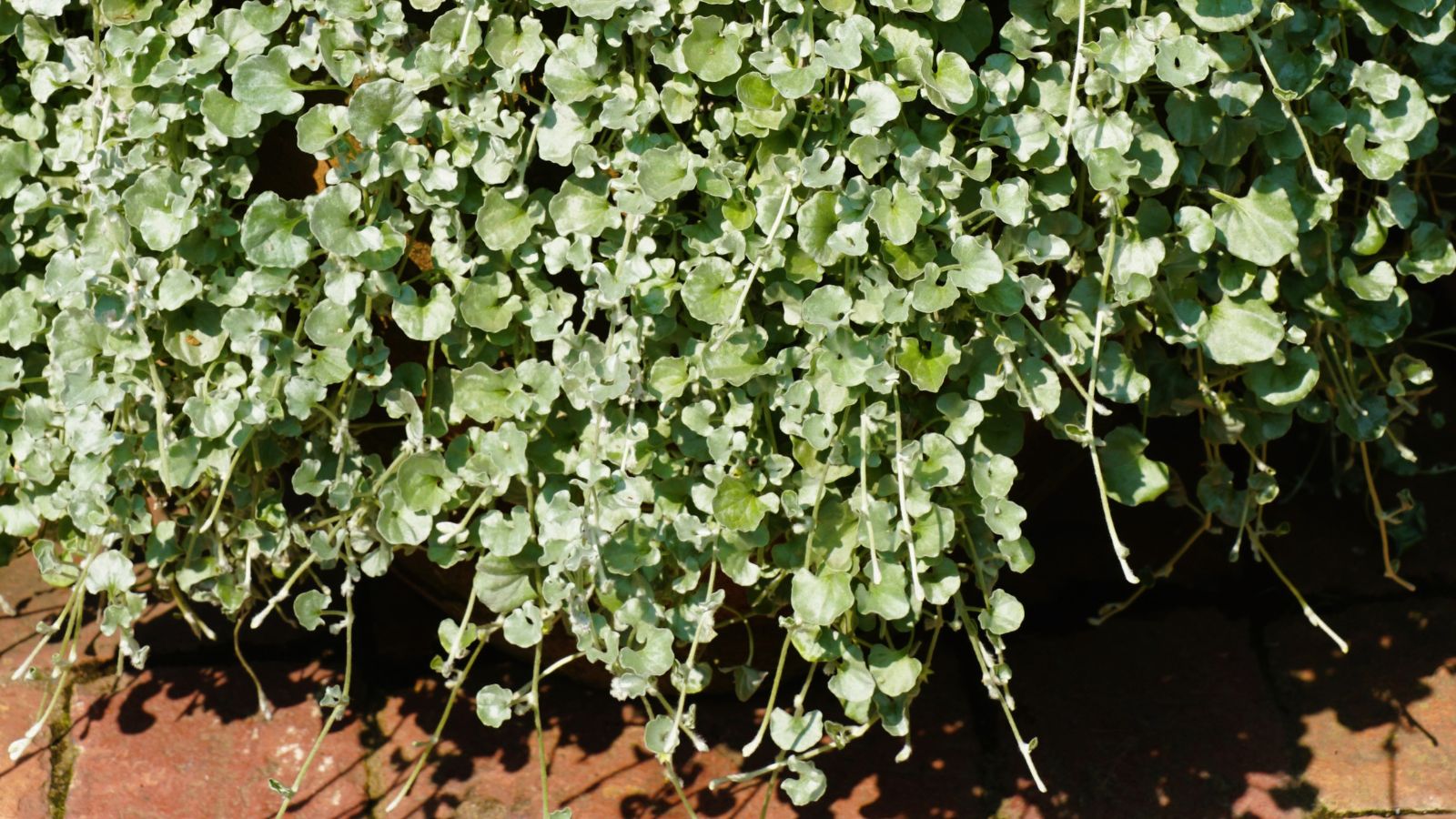
If you’re looking for drama, Dichondra delivers. This plant features tiny, rounded leaves on long, cascading stems that can easily reach six feet in length by the end of summer. The ‘Silver Falls’ variety is particularly stunning, with a silvery coloration that reflects sunlight and beautifully highlights the pink or red blooms of its neighbors.
This foliage is a sun-worshipper and handles hot weather with absolute grace, making it a reliable performer for sunny spots. It creates a breathtaking “spiller” effect in any container arrangement.
To keep your Dichondra happy, use a sandy, loamy soil that drains quickly. This will prevent its delicate roots from sitting in water. It prefers its native dry environment, so allow the soil to dry out moderately between waterings.
9. Portulaca
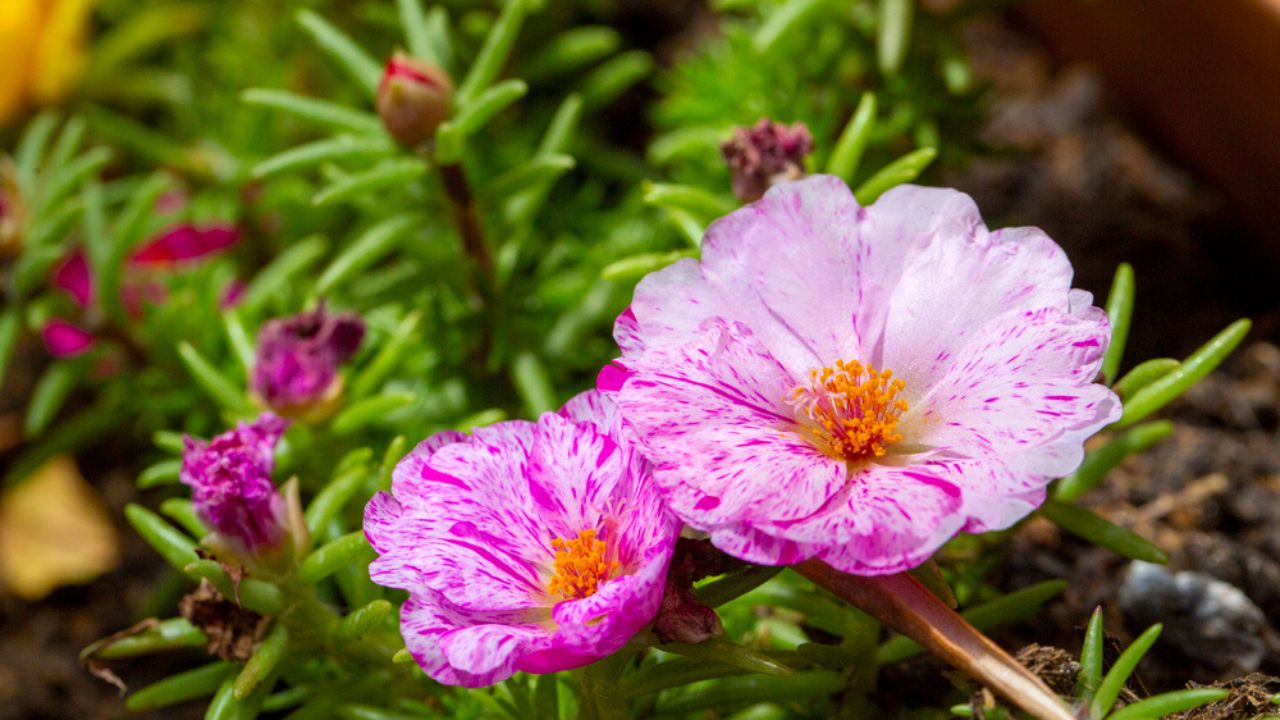
Portulaca, also known as moss rose, is the ultimate low-maintenance, heat-loving plant. It stores water in its fleshy, succulent leaves, allowing it to handle intense heat better than most other flowering container plants. The brightly colored flowers are a delight, opening wide in the sunshine and closing up at night or on cloudy days.
This plant is incredibly forgiving and is a great choice for busy gardeners or those who might occasionally forget to water. It requires very little attention to put on a spectacular show of color.
Provide your Portulaca with sandy soil that drains completely within minutes of watering. A good rule of thumb is to give it about one inch of water per week. When you water, try to avoid wetting the foliage to help prevent any fungal diseases from developing.
10. Ivy Geranium
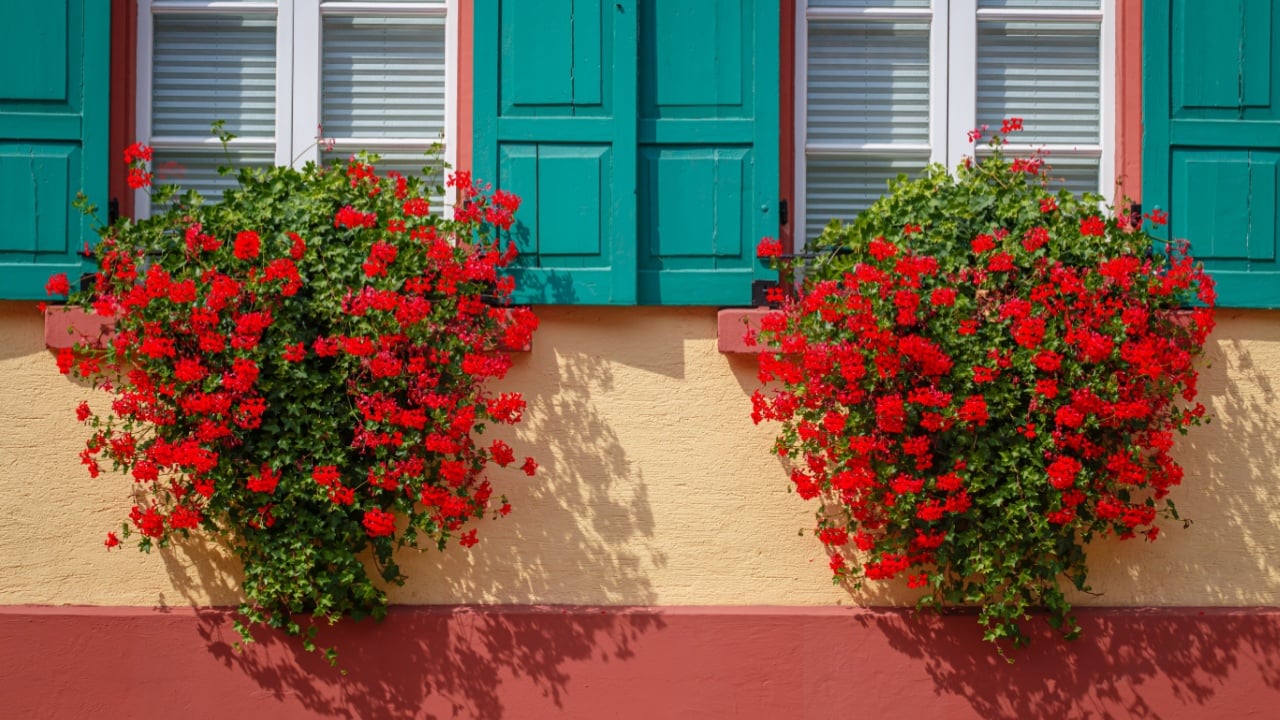
Ivy Geranium is the best of both worlds, combining the thick, ivy-like leaves with the vibrant, clustered blooms of standard geraniums. This trailing plant is a star in regions with cooler summers and looks absolutely fantastic draping down the front of a house.
Its sturdy stems are resistant to wind damage and can easily support the weight of heavy clusters of beautiful pink or red flowers. It’s a classic and reliable choice for adding elegance and color.
To get the most out of your Ivy Geranium, place your window box where it will receive gentle morning sun and light afternoon shade. Feed it with a balanced fertilizer every three weeks, and be sure to regularly remove the spent flower heads. This will encourage new buds to form and keep the plant blooming all season.
11. Fan Flower
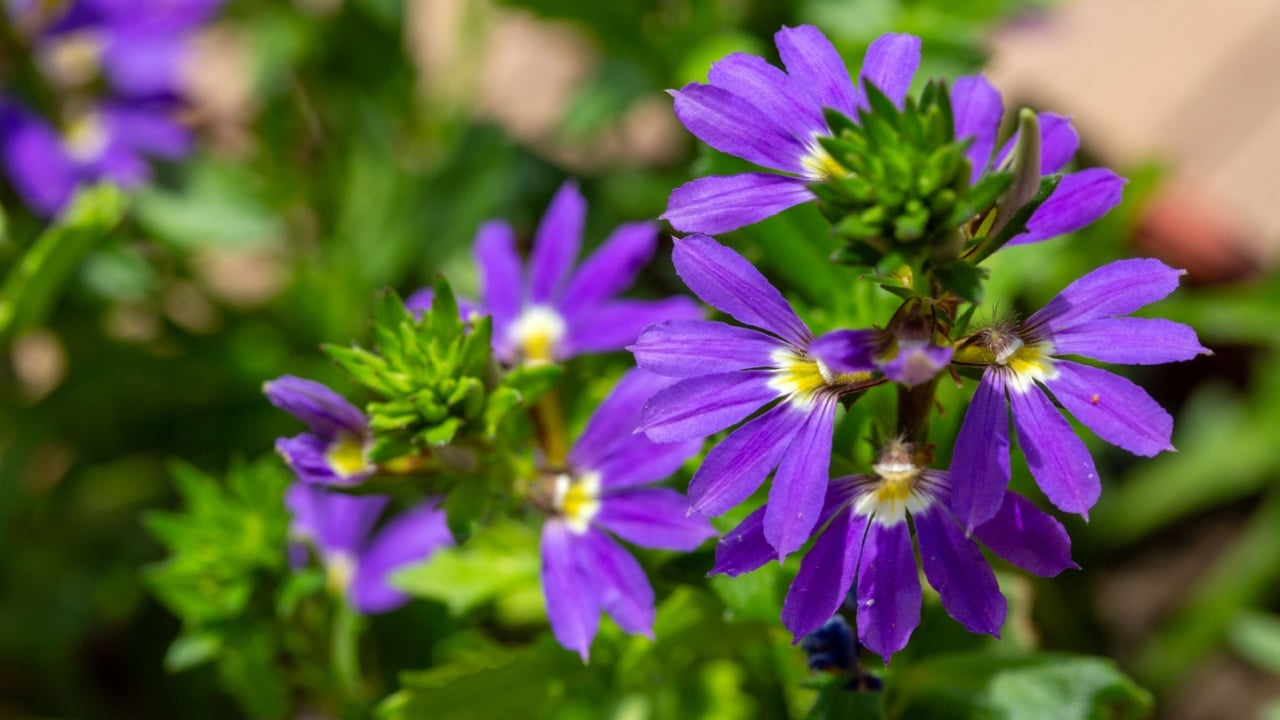
Originally from Australia, Fan Flower brings a unique touch to any planter with its fascinating purple blooms that look like a hand fan missing half its petals. The trailing stems grow thick and sturdy, cascading gently over the edge of the container for a lush, full look.
This is one tough plant. It thrives in extreme heat and can bounce back quickly from short periods of drought, making it an excellent choice for hot, sunny locations where other plants might struggle.
For a healthy and active root system, give your Fan Flower full sun exposure and well-draining soil. Water the plant deeply once a week rather than giving it light, daily waterings. This encourages the roots to grow deeper into the container, making the plant more resilient.
12. Sweet Potato Vine
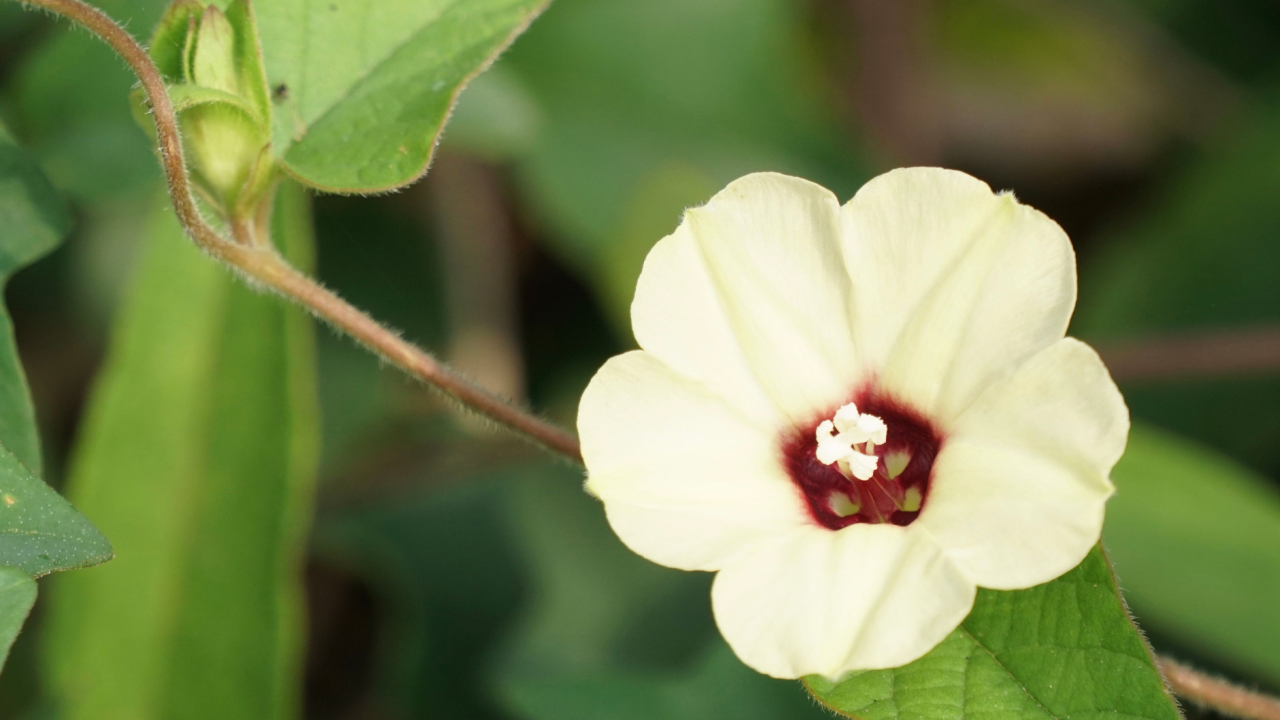
Sweet Potato Vine is all about fast growth and dramatic foliage. It produces large, heart-shaped leaves in stunning shades of bright chartreuse or deep, moody purple. The vines cascade rapidly and can easily stretch to ten feet in length under ideal summer conditions.
This foliage is a perfect partner for brightly colored flowering plants, as it fills in empty spaces in large planters quickly and provides a beautiful color contrast. It’s a go-to for creating a lush, tropical feel.
To get the most vibrant leaf coloration, plant your vines in rich soil and give them a spot in full sun. Be prepared to do some trimming! These vines are aggressive growers, so you’ll need to cut them back regularly to prevent them from overwhelming the more delicate plants sharing the container.
13. Trailing Nasturtium
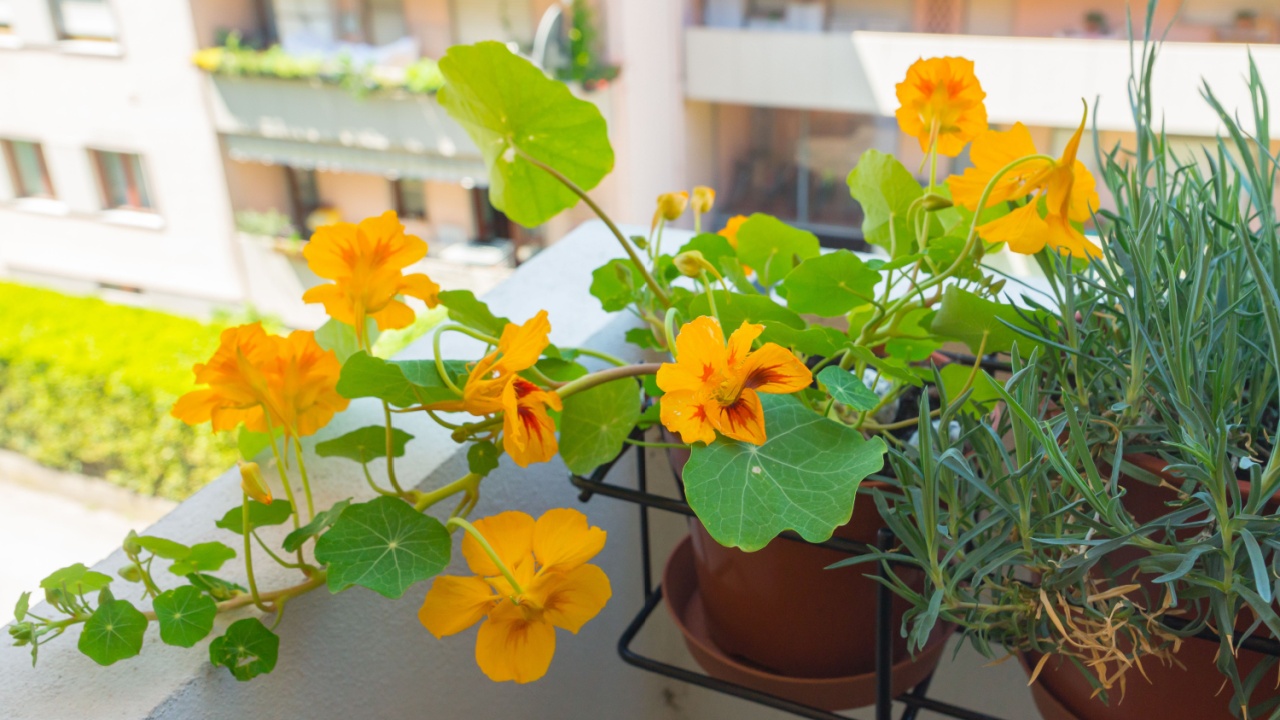
For a touch of whimsy and a bit of a wilder, more natural aesthetic, look no further than Trailing Nasturtium. This plant offers bright, circular leaves and vibrant, edible flowers in cheerful shades of orange and yellow. The long vines tumble gracefully over planter edges, adding charm to your home’s exterior.
These plants are incredibly easy to grow from seed and establish themselves in a container within just a few weeks, making them a quick and rewarding project.
Here’s a pro tip: don’t spoil your Nasturtiums with rich soil or heavy fertilizers. Too many nutrients will cause the plant to produce a lot of leaves but very few flowers. Keep the soil slightly on the dry side, and don’t forget to harvest the peppery blooms for your salads—this encourages the plant to produce even more flowers!
14. Bacopa
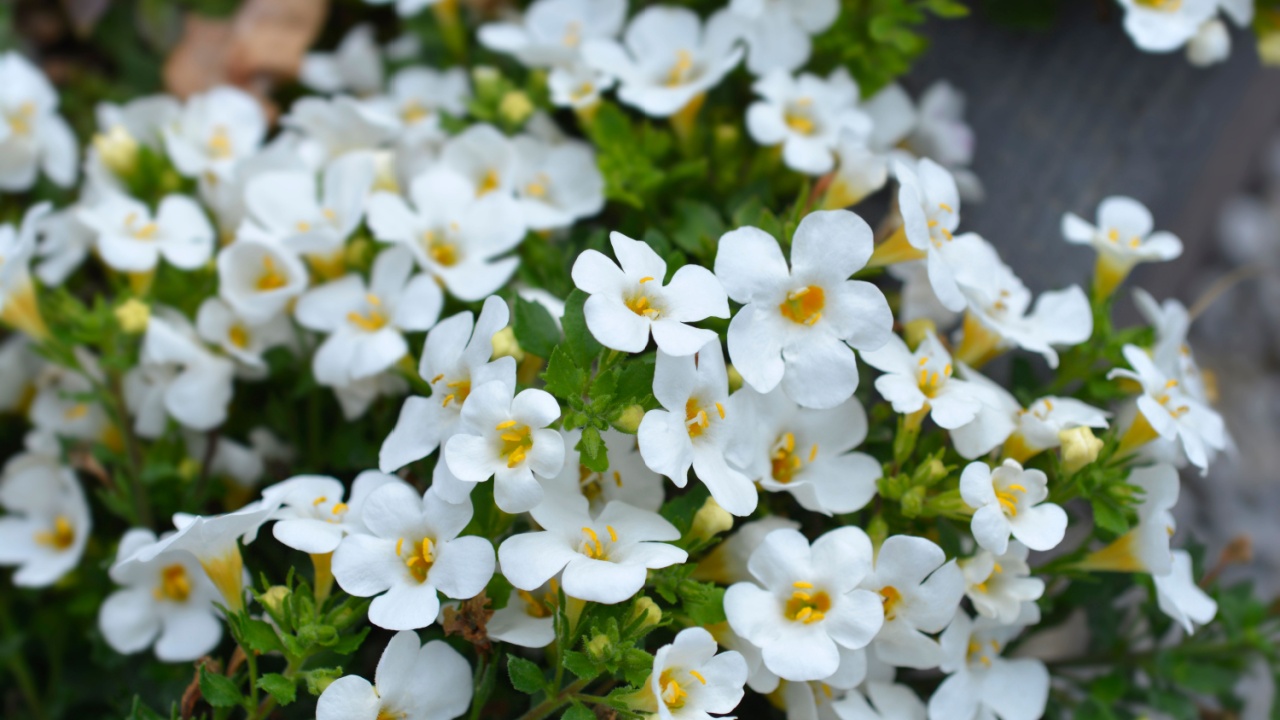
Bacopa is the picture of elegance, producing hundreds of tiny white or pale blue flowers on delicate trailing stems that drape beautifully over container edges. The dense foliage creates a lush green backdrop that makes the small, starry blooms pop.
This is a reliable and long-lasting performer, blooming consistently from early spring all the way through late autumn. It’s even tough enough to handle light frosts without dying back, extending its season of beauty.
The number one rule for Bacopa care is to never let the soil dry out completely. If it does, the plant will immediately drop all of its flowers and buds in protest. Be prepared to water your planter daily during hot weather and give the plant a slow-release fertilizer at the beginning of the growing season to keep it happy and blooming.
Green Thumbs, Happy Plants

With the right care, any plant can add beauty to your garden or home. Understanding what each plant needs, like how often to water it, the best soil, or when to feed it, is the key to keeping it healthy and vibrant.
Bacopa is a great example of a plant that’s both tough and beautiful, but it reminds us that all plants need a bit of patience and care to really shine. By paying attention to what your plants are telling you, you can create a gorgeous, colorful space and enjoy a little piece of nature.