14 Shade-Tolerating Vegetables for a Lush Edible Backyard
Traditional gardening advice usually pushes the idea that more sun always equals better results. So when people see a shady patch in their yard, they often assume it is useless. In reality, that is not always true. Some plants actually prefer a calmer, cooler spot away from harsh sunlight.
Those quieter corners, like under a tree or along a shaded wall, can be surprisingly productive. Instead of fighting the shade, it makes more sense to work with it. Many leafy greens and root vegetables grow quite well with only a few hours of light each day.
Another advantage of shade is that it slows things down in a good way. Plants are less likely to bolt, which is when they rush to seed and turn bitter. In cooler conditions, leaves stay tender, and flavors often improve.
Once you understand which crops handle low light, those empty corners start to feel like an opportunity. You can stretch your growing season and make better use of the space you already have. A garden does not need full sun everywhere to be worth the effort.
1. Arugula
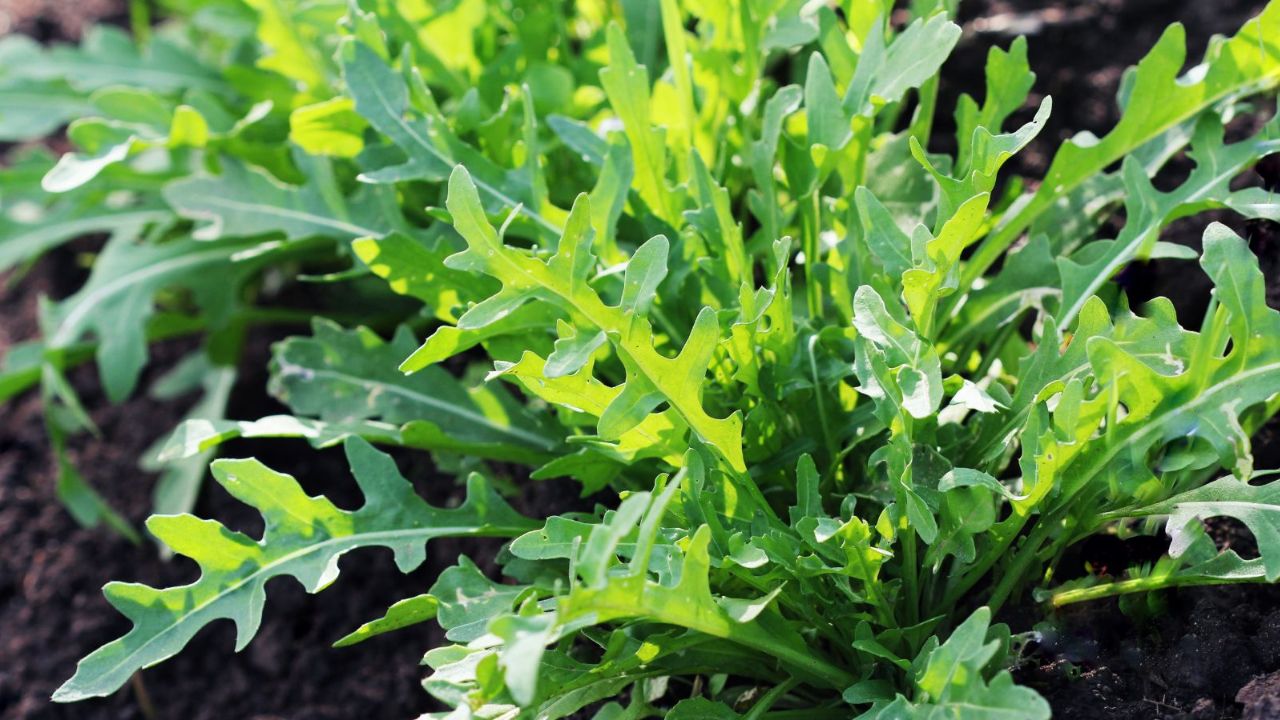
Arugula is a fast-growing, peppery green that loves the cool dampness found in shaded garden beds. Unlike many other plants, it stays tender much longer when kept out of the direct sun. In a sunny spot, heat can make the leaves get tough and overly spicy, but the shade keeps the flavor perfectly balanced.
This is a top choice for beginners with only a few hours of morning sun to work with. Because the lack of high heat prevents the plant from maturing too quickly, you can enjoy multiple harvests before the plant tries to go to seed. Planting it in small, dense patches ensures you have a steady supply for fresh salads.
To keep your arugula coming all season, try sowing new seeds every two weeks. If your garden area is particularly dark, the leaves might grow a bit smaller, but the taste will remain just as intense. Simply thin out the young seedlings to make sure there is enough air moving between the plants to keep them healthy.
2. Beets
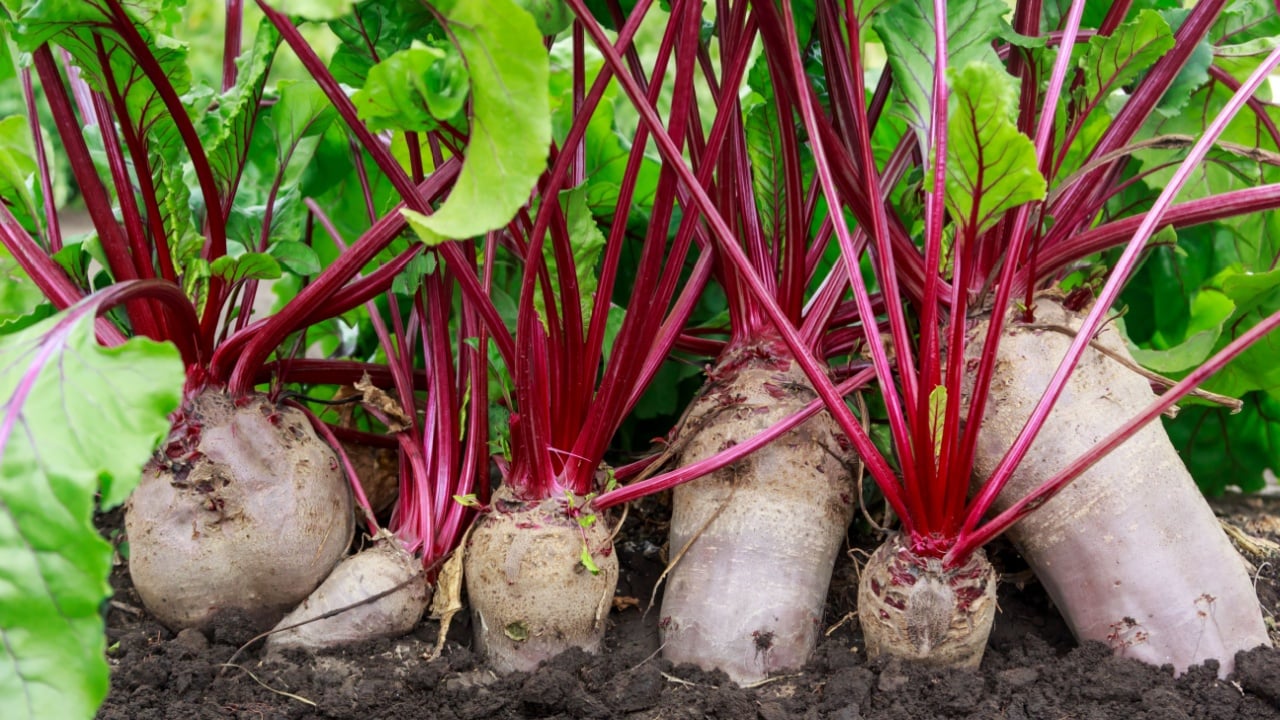
Beets are a double-win for the shade garden because both the colorful roots and the leafy green tops are edible. While the roots might take a little longer to grow in the shadows than they would in full sun, the result is often a much sweeter vegetable. The leaves stay tender and packed with vitamins when protected from the midday glare.
These hardy vegetables thrive in areas that get about four or five hours of light. They actually enjoy the cooler soil temperatures that occur in the shadows, which leads to a more concentrated, sweet flavor. It is a “slow and steady” growth process that creates a high-quality crop you can’t always get in high-heat conditions.
A helpful trick is to use a layer of mulch at the base of the plants to keep the moisture level consistent. If you are worried about a short growing season, you can harvest them as “baby beets” whenever you like. Just make sure the soil is loose and free of rocks so the roots can expand easily underground.
3. Bok Choy
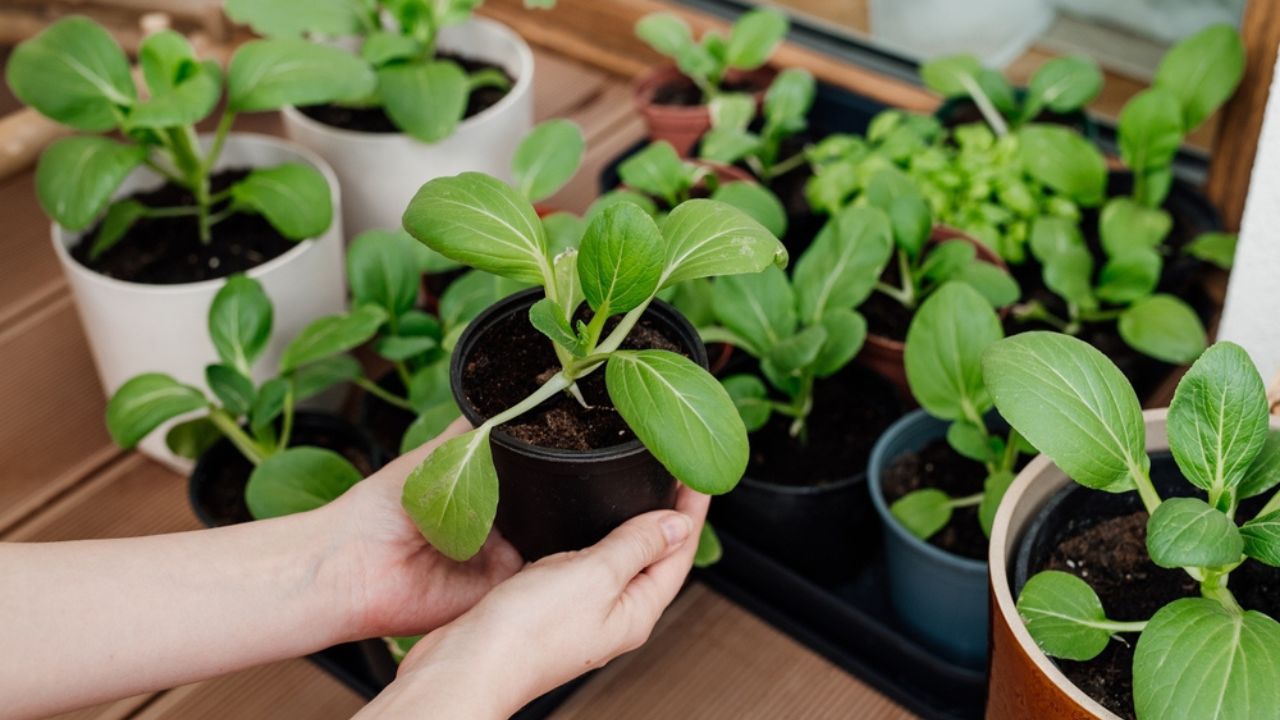
Bok choy is an Asian green that features crunchy white stalks and tender leaves that are sensitive to the sun. In the wild, these plants are adapted to temperate conditions where the sun isn’t always constant. Shaded spots provide a perfect, cool microclimate that prevents the beautiful leaves from getting scorched or burned.
This is a great option if you want a high yield in a small, dim space. It reaches maturity very quickly, which makes it reliable for both early spring and late fall planting. The extra moisture usually found in shaded soil is a bonus, as it prevents the stalks from becoming woody or stringy.
Because these dark, damp areas are also favorites for slugs and snails, you’ll need to keep a close eye on your crop. Using organic barriers or checking the plants in the evening will help keep your bok choy pristine. You can try planting different varieties to enjoy a range of sizes and textures in your cooking.
4. Broccoli

Broccoli is a large vegetable that often struggles when it gets too hot. By placing it in a partially shaded spot, the plant can focus its energy on producing the green flower head instead of just trying to survive the heat. This results in tighter, greener heads that stay fresh in the garden for a much longer time.
Broccoli thrives in the cooler air found near tall fences or under the shadow of larger plants. It needs a lot of consistent moisture, which is much easier to maintain when the sun isn’t constantly drying out the dirt. The extra time it takes to grow in the shade often makes the final vegetable more nutrient-dense.
Once you harvest the main center head, don’t pull the plant out! Smaller “side shoots” will continue to grow, providing you with mini-florets for several more weeks. Just remember to check under the large leaves every now and then to make sure no garden pests are hiding there.
5. Brussels Sprouts
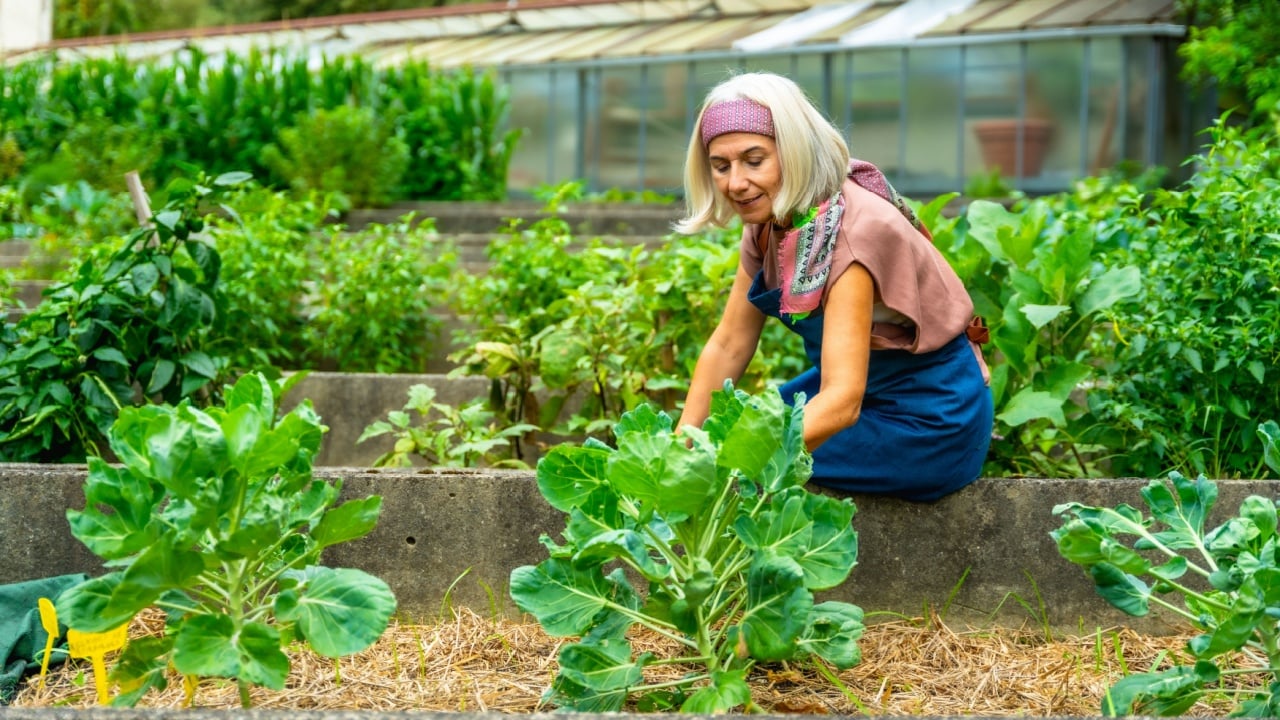
Brussels sprouts take a long time to grow, and the shade helps them survive the hottest months of the year without wilting. The small sprouts form along a tall central stalk and actually prefer conditions that mimic cool, misty coastal climates. Shaded areas give them the protection they need to stay firm and healthy.
Choosing these for a low-light area is a smart move because it saves your sunniest spots for “sun-hungry” plants like peppers or tomatoes. They are incredibly hardy and can even handle a light frost, which actually makes the sprouts taste sweeter. The shade prevents the sprouts from opening up too early, keeping them tight and crunchy.
If your garden gets a bit of wind, you may need to use a stake to keep the tall stems standing upright. Removing the lower leaves as the sprouts grow helps the plant send all its energy to the crop itself. Be patient with these—they take their time to reach full size, but the flavor is worth the wait.
6. Cabbage
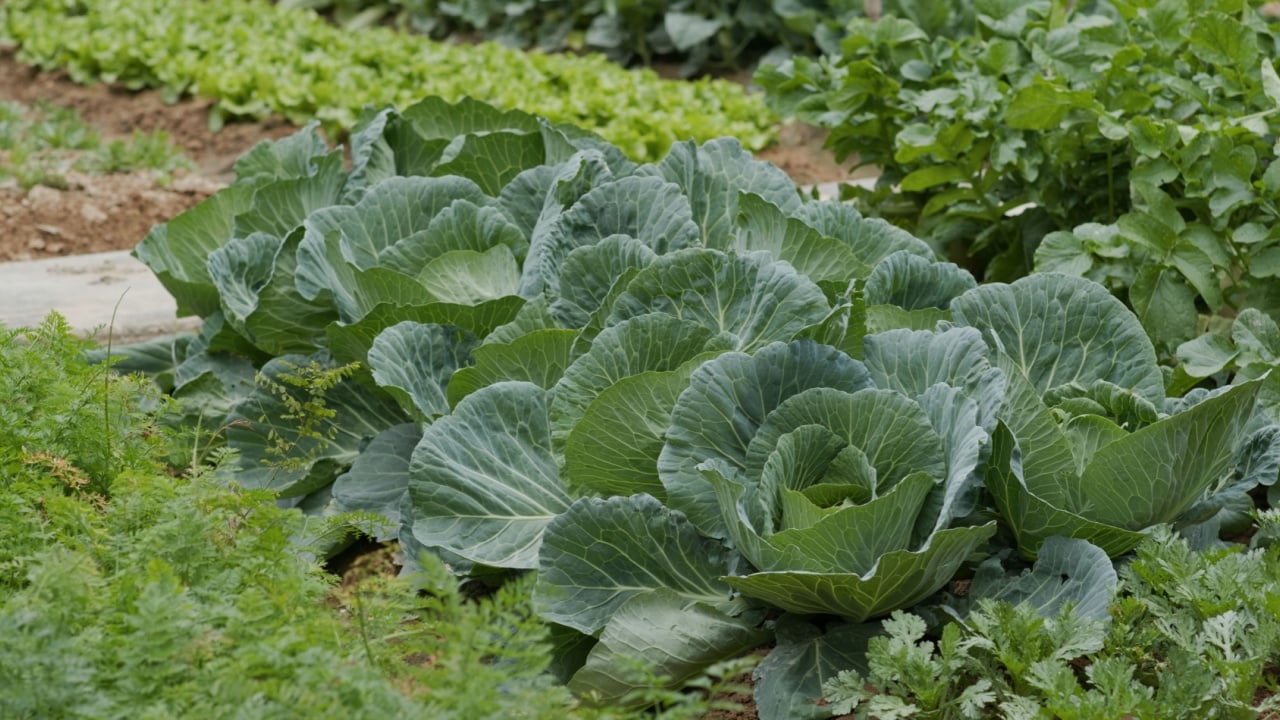
Dense heads of cabbage form most reliably when the temperature stays moderate and cool. Placing them in a spot with filtered light or afternoon shade prevents the outer leaves from drying out or turning brown. This is a very sturdy vegetable that handles the transition into the darker, cooler months of the year with total ease.
Cabbage is a great choice for difficult spots because it is very adaptable to different soil types, as long as it stays moist. It fills out beautifully even without a full day of direct sun. You can grow different colors, like deep purple or crinkly green cabbage, to add a bit of visual interest to a dark corner of your yard.
Make sure to press the soil down firmly around the base of the plant to give it a strong foundation as the head gets heavy. Using a lightweight mesh cover can help protect the young plants from hungry insects. You’ll know it’s time to harvest when the cabbage head feels solid and firm when you squeeze it.
7. Carrots
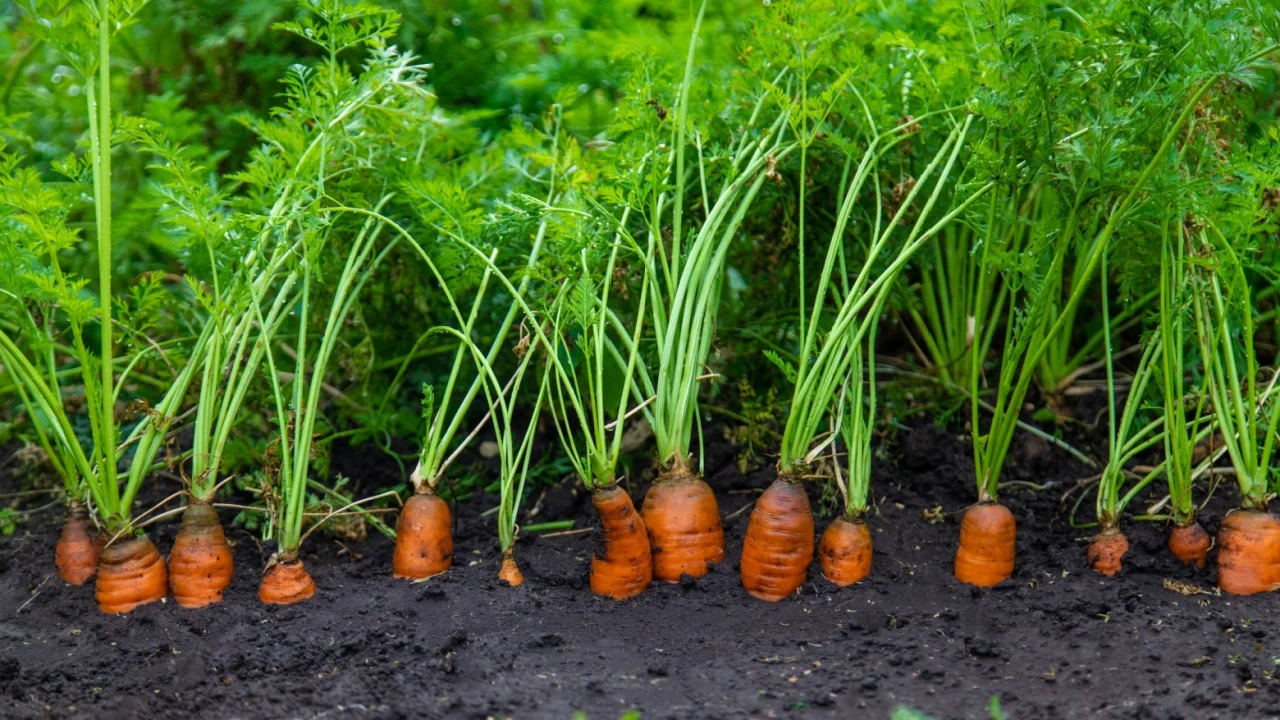
Root crops like carrots don’t need to produce flowers or fruit, so they grow perfectly well with just four hours of sun. While shade-grown carrots might have extra-large green tops, the roots underground remain sweet and crisp. The soil in shaded areas stays much cooler, which is exactly what carrot seeds need to sprout successfully.
Carrots are a very reliable choice for partial shade because they are less likely to become bitter in the cool earth. The slow and steady growth encouraged by lower light levels actually helps the carrot develop a higher natural sugar content. They are also perfect for “tucking” into small gaps between larger, permanent plants.
For the best results, make sure your soil is deeply tilled and loose so the roots can grow straight down without hitting rocks. Avoid using too much fertilizer, as this can cause the carrots to grow “hairy” roots instead of smooth ones. Water deeply but not too often to encourage the roots to reach down into the cool ground.
8. Cauliflower
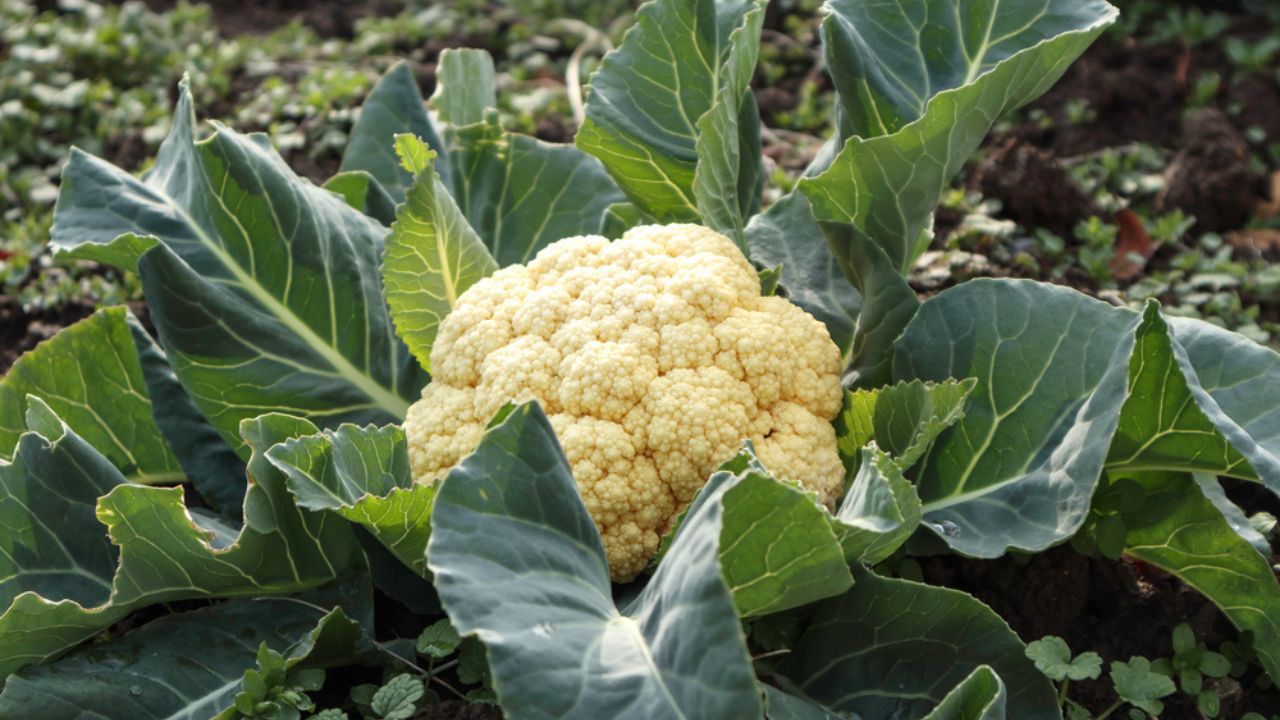
Just like its cousin broccoli, cauliflower needs a break from the sun to keep its “curd” (the head) white and tender. Too much direct light can cause the head to turn yellow or develop a grainy, unappealing texture. In this case, the shade acts as a natural tool to keep the vegetable looking and tasting its best.
This plant is a sophisticated addition to a shade garden because it rewards your patience. It maintains a mild, nutty flavor and a firm structure when it isn’t stressed out by the midday heat. It’s an excellent choice for a cool-weather planting plan in your shaded garden beds.
If you find that the sun is still hitting the plant, you can use an old trick: wrap the large outer leaves over the head and secure them with a rubber band. This keeps the center protected and pristine until it’s ready to eat. Harvest the heads while they are still tight and smooth for the best texture.
9. Kale
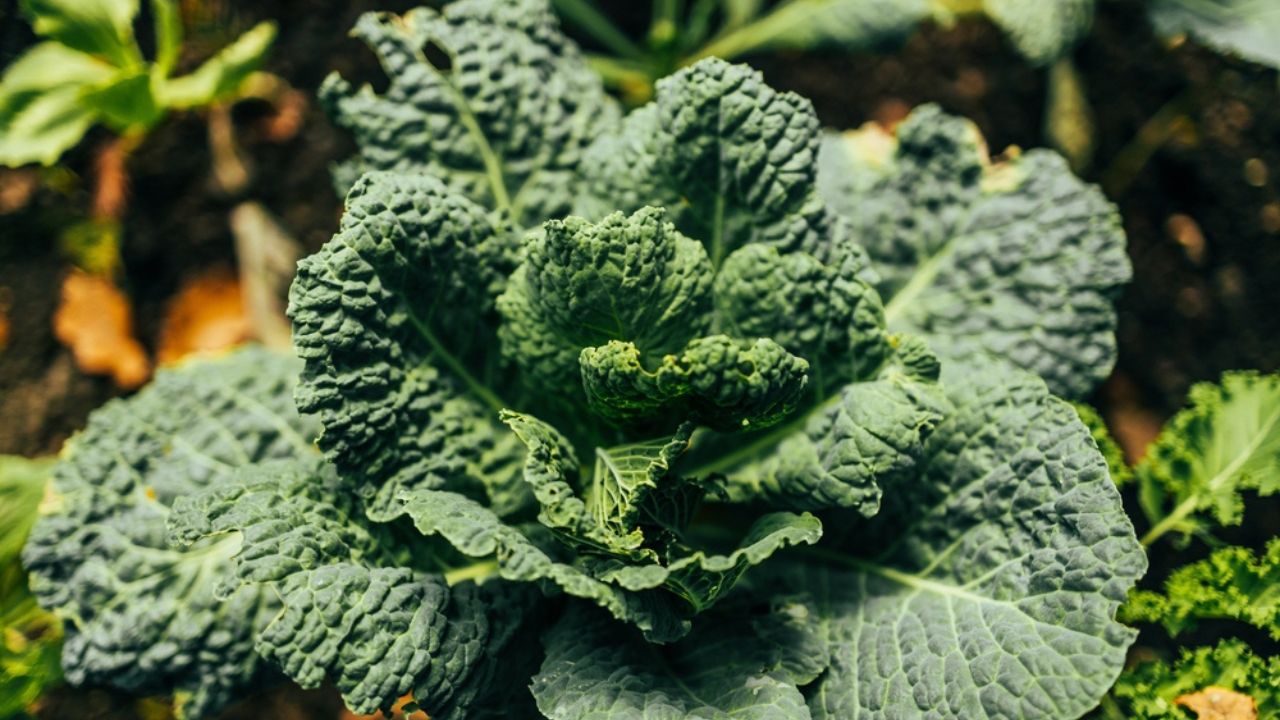
Kale is famous for being incredibly tough and is perhaps the best plant for very low-light areas. It is a “powerhouse” vegetable that continues to grow new leaves even when it doesn’t get much sun. Most people don’t realize that the flavor of kale actually gets better after a light frost, which is more likely to happen in the shade.
Kale is a staple for a reason—it provides food all year round (in warmer climates) and handles difficult conditions without any complaints. It is the perfect choice for a beginner gardener who is dealing with a yard that feels too dark for a traditional garden. Once it gets established, it is almost impossible to kill.
To get the most out of your kale, pick the outer leaves first and let the center of the plant keep growing. This “cut and come again” method gives you a constant harvest from just a few plants over many months. You can try different types, like the bumpy “Lacinato” or the classic “Curly Kale,” for different textures.
10. Lettuce

Most types of lettuce want to “bolt” (go to seed) as soon as the weather gets warm. Keeping them in a shaded area tricks the plant into staying in its leafy, edible state for a much longer time. This results in sweet, tender leaves that you can continue to harvest even when the rest of the garden is feeling the heat.
Lettuce is a high-value crop for shaded areas because it grows so much faster than other vegetables. It can be tucked into almost any dark corner, under a garden bench, or even in pots on a shaded porch. It’s the perfect way to use up garden space that would otherwise go to waste.
The most important rule for shade-grown lettuce is to keep the soil moist so the delicate leaves don’t wilt. Using a mix of different leaf shapes and colors can create a beautiful look in the darker parts of your garden. For the crispest leaves, try to harvest your lettuce early in the morning while it’s still cool.
11. Peas
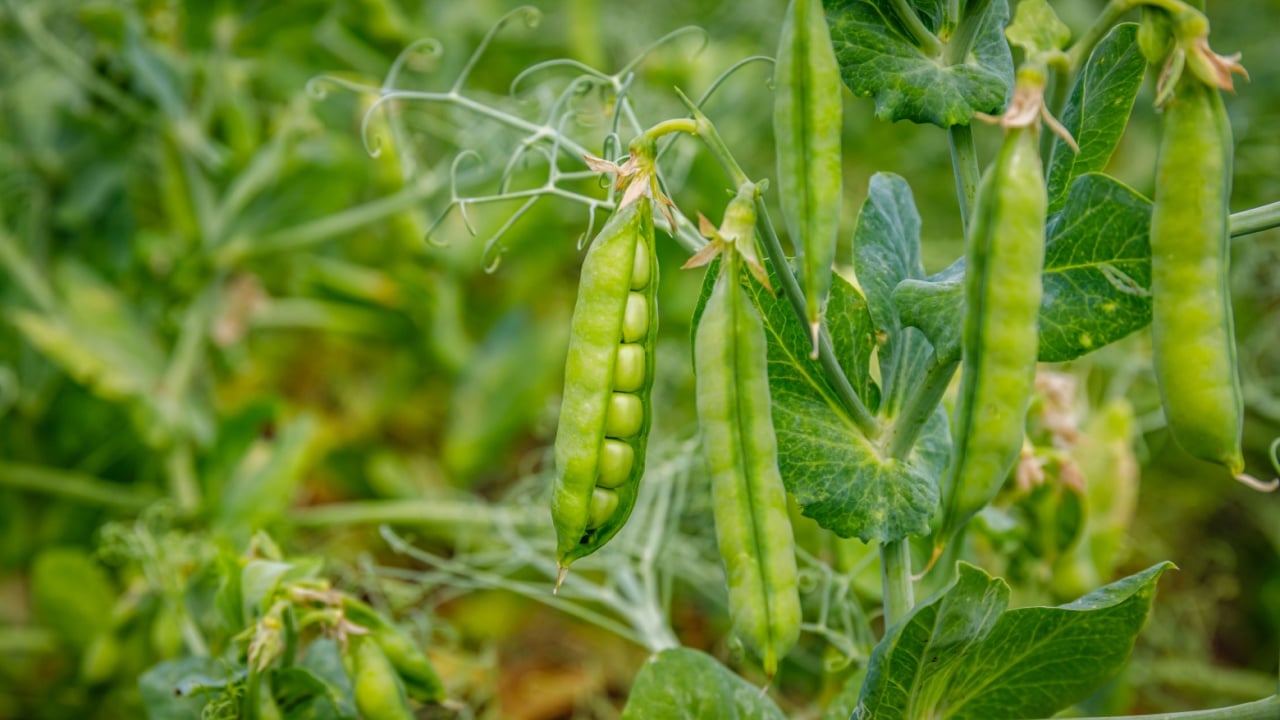
Vining plants like peas actually appreciate the cooler soil and air found in the shadows. While they do need a little bit of light to make flowers, they often get “heat exhaustion” if they are in the full, unblocked sun all day. A spot that gets morning sun and afternoon shade is the absolute ideal home for them.
Peas are wonderful because they also help make the soil healthier by adding nitrogen to it. They love to climb, which makes them perfect for growing up fences or trellises that might be located in the shadow of your house. The pods stay crisp and sweet when they aren’t baked by intense afternoon heat.
Be sure to provide a sturdy support, like a trellis or some garden twine, for the tiny tendrils to grab onto as they grow. Harvest the pods frequently to encourage the plant to keep producing new flowers. Eating them immediately after picking is the only way to experience that true, garden-fresh sweetness.
12. Radishes
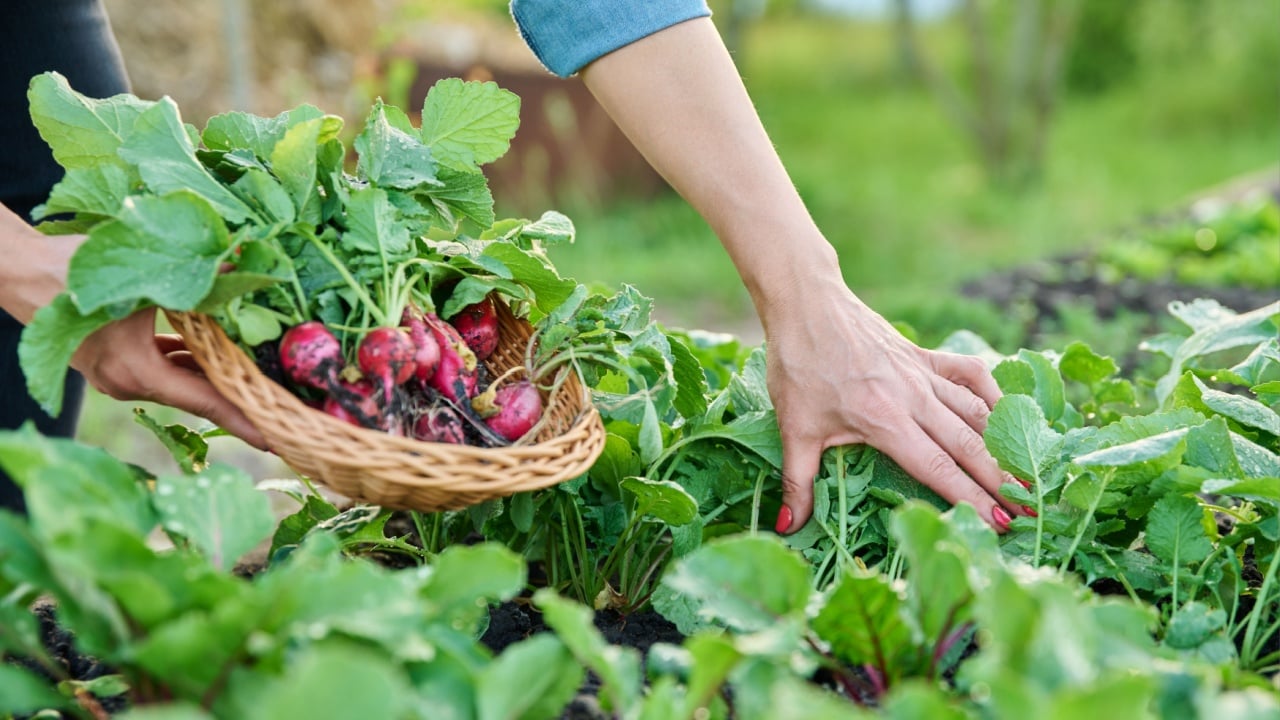
Radishes are among the fastest-growing vegetables on earth, often going from seed to plate in less than a month. They don’t need a lot of solar energy, so they thrive even when light is limited. The shade also helps keep the roots from becoming too “hot,” spicy, or woody in texture.
Radishes are a great choice for filling in small gaps between slower plants in your shaded beds. They are very reliable and give you a quick “win” early in the season, which is very encouraging for new gardeners. Because they grow so fast, you can plant them several times throughout the year.
Pull them as soon as they reach the right size to make sure they stay crunchy and mild. Planting small batches every week, rather than all at once, will give you a steady harvest that is easy to manage. You can experiment with different types, from the classic round red radish to the long white “Daikon.”
13. Spinach
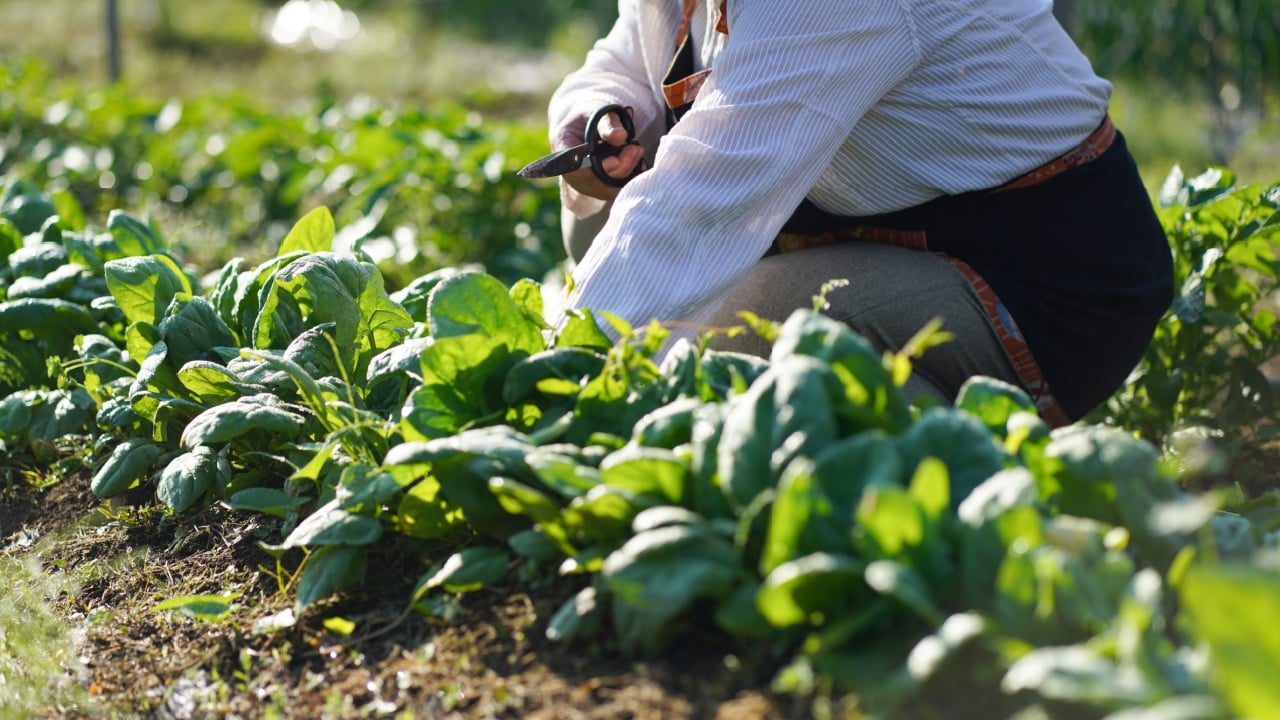
Spinach is famous for being sensitive to heat and long, sunny days. Growing it in the shade is actually the best way to extend its life and stop it from flowering too early. The leaves stay large, dark green, and tender when they are protected from the harsh glare of the midday sun.
Spinach is a nutrient-dense vegetable that makes the most of every bit of light it can find. It is very hardy and can survive in cool temperatures that would kill more delicate summer plants. It is a foundational crop for any garden that focuses on producing food in the darker, cooler parts of the yard.
Try to use high-quality compost to give the plants the nutrients they need for those deep green leaves. It is best to water at the base of the plant to keep the leaves dry and prevent any mildew from forming in the shade. You can harvest the whole plant at once or just pluck individual leaves as you need them for a meal.
14. Swiss Chard
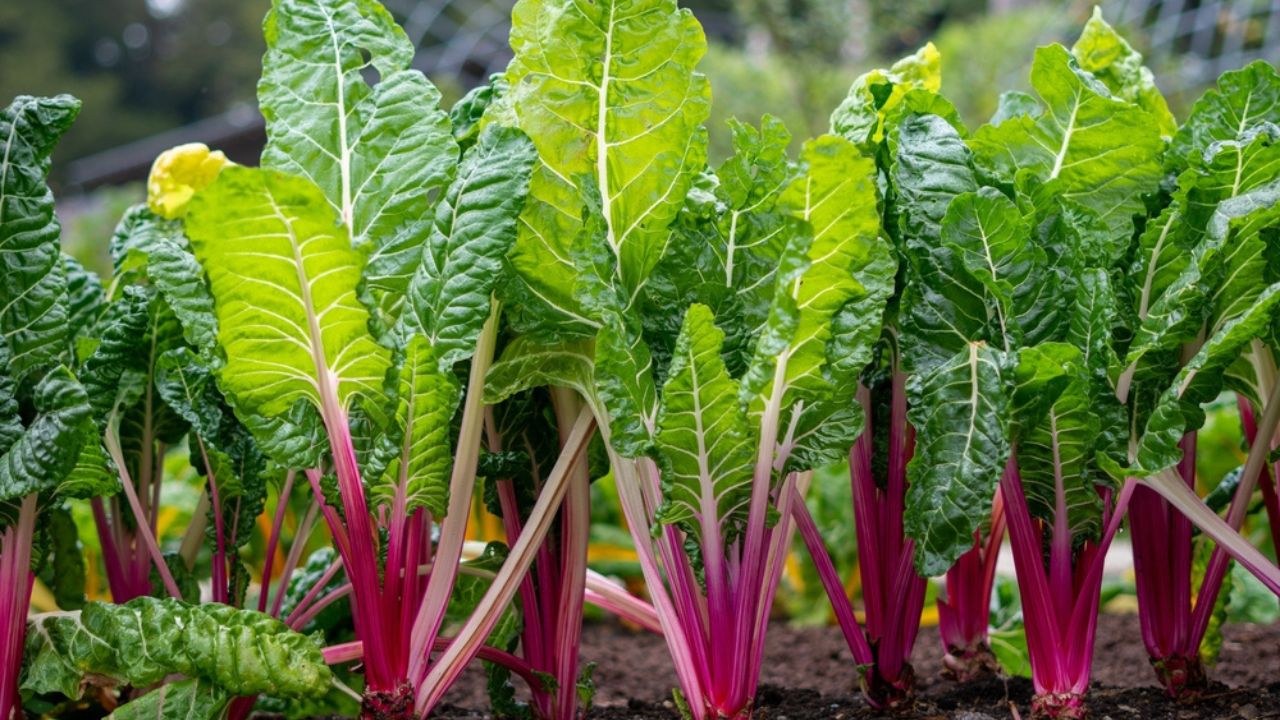
With its bright, colorful stems and glossy leaves, Swiss chard is a beautiful plant that also handles partial shade very well. It is a long-lasting, “perpetual” plant, meaning it can produce food for your family for many months on end. It is very tough and can handle both heat and shade without slowing down.
This is a great option for adding a pop of bright color to a boring or dim area of your yard. It is a very “forgiving” plant that is difficult to kill, even if you are a beginner. The leaves can be used exactly like spinach in your cooking, while the crunchy stalks can be prepared much like asparagus.
To harvest, simply cut the outer leaves a few inches above the ground and let the plant grow back from the center. It is a very productive vegetable that requires very little work once it is established in the ground. Just keep an eye out for pests on the leaves and pull off any damaged ones to keep the plant healthy.
Productive Gardening in the Shadows
Starting a shade garden involves observing the movement of light across the yard at different times of the year. Once the specific areas of “bright shade” or “dappled light” are identified, preparing the soil with organic matter ensures these plants have the fuel they need.
Selecting a few varieties from this list and monitoring their growth provides the best data for future seasons. Expanding the vegetable patch into the cooler, darker corners turns a dormant space into a source of fresh food.