14 Genius Garden Upcycles That Cost Almost Nothing
Gardening can start to feel costly the moment you step into a nursery or browse home décor stores. Pots, baskets, and decorative pieces carry a price that adds up quickly, even before planting begins. However, creating a garden does not have to depend on buying everything new.
A more thoughtful approach is to reuse items that are already at home. Everyday objects, often overlooked or discarded, can serve as reliable and attractive gardening tools. With a bit of preparation, these items can hold soil, support plants, and handle outdoor conditions just as well as store-bought options.
This mindset stems from experienced DIY gardeners who prioritize making the most of what they have. Many of these ideas rely on items that would otherwise end up in storage or waste. Seeing value in such materials keeps gardening affordable and reduces unnecessary waste.
The projects ahead range from simple setups for starting seeds to larger pieces that shape the look of a garden. Each one explains how to use the item and why it works. The goal is to create a space that grows over time, using practical choices that last through the season.
1. Tin Can Planters
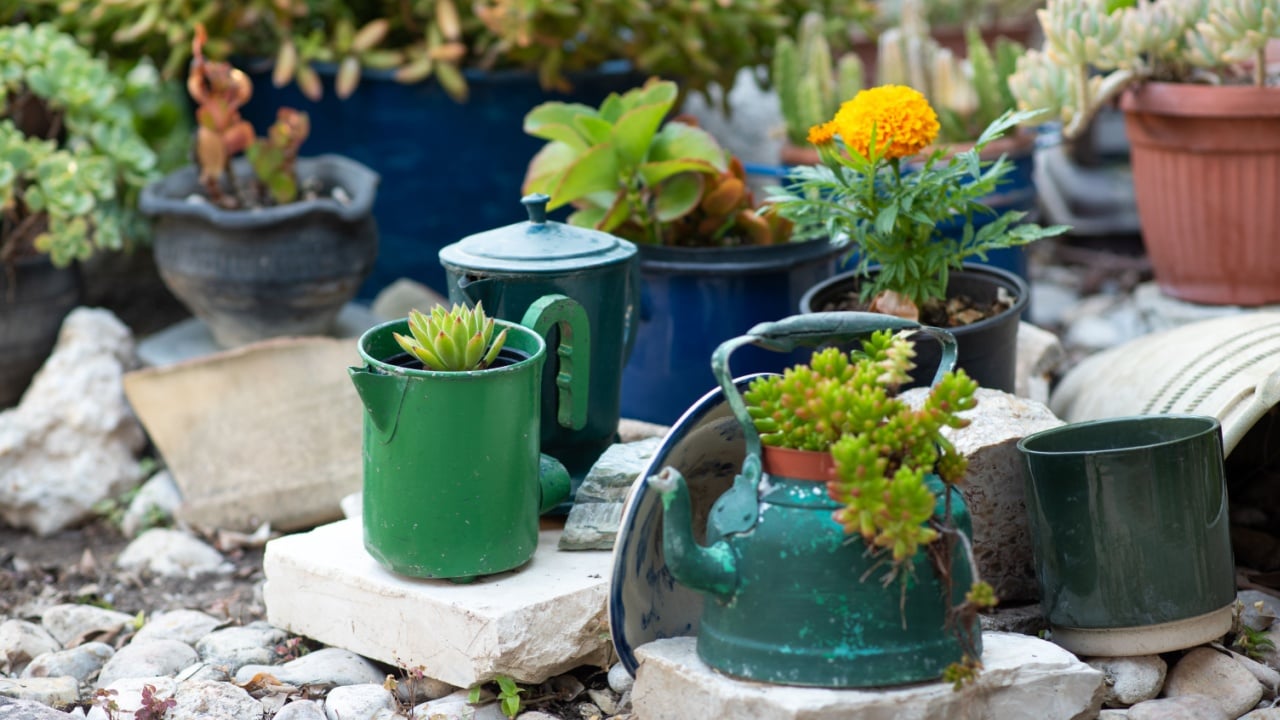
Tin cans offer a solid and reliable option for growing small plants like herbs and succulents. Once cleaned and labels removed, they provide a neat base that works well on windowsills or compact outdoor spaces. Their simple shape fits easily into both modern and rustic settings.
Proper drainage is essential when using metal containers. A few holes punched into the base allow excess water to escape and protect roots from damage. Adding paint can improve their appearance, while a sealant helps slow down rusting in outdoor conditions.
Grouping several cans creates a stronger visual effect. Mixing sizes and arranging them in layers can turn a few simple containers into a small display. With minimal effort, they become both practical and decorative.
2. Colander Hanging Baskets
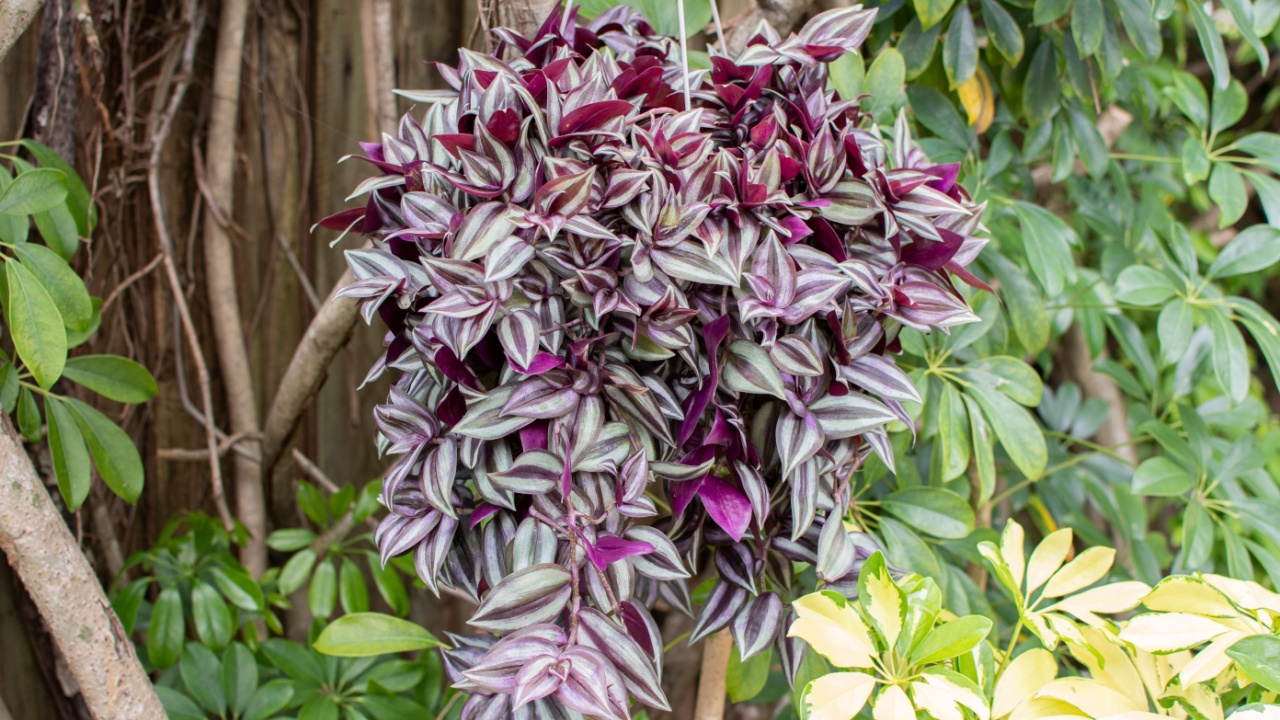
Old metal colanders naturally suit gardening because of their built-in drainage. Their handles make them easy to hang, turning them into eye-catching planters for porches or garden corners. They bring a light, slightly vintage feel to the space.
Lining the inside prevents soil from slipping through the holes while still allowing water to drain. Filling them with suitable potting mix and trailing plants creates a soft, flowing look as the greenery grows over the edges.
Since air moves freely through the container, the soil tends to dry out faster than usual. Regular watering keeps plants healthy. Switching to stronger hanging materials ensures the basket stays secure as it becomes heavier over time.
3. Tea Cup Succulent Gardens
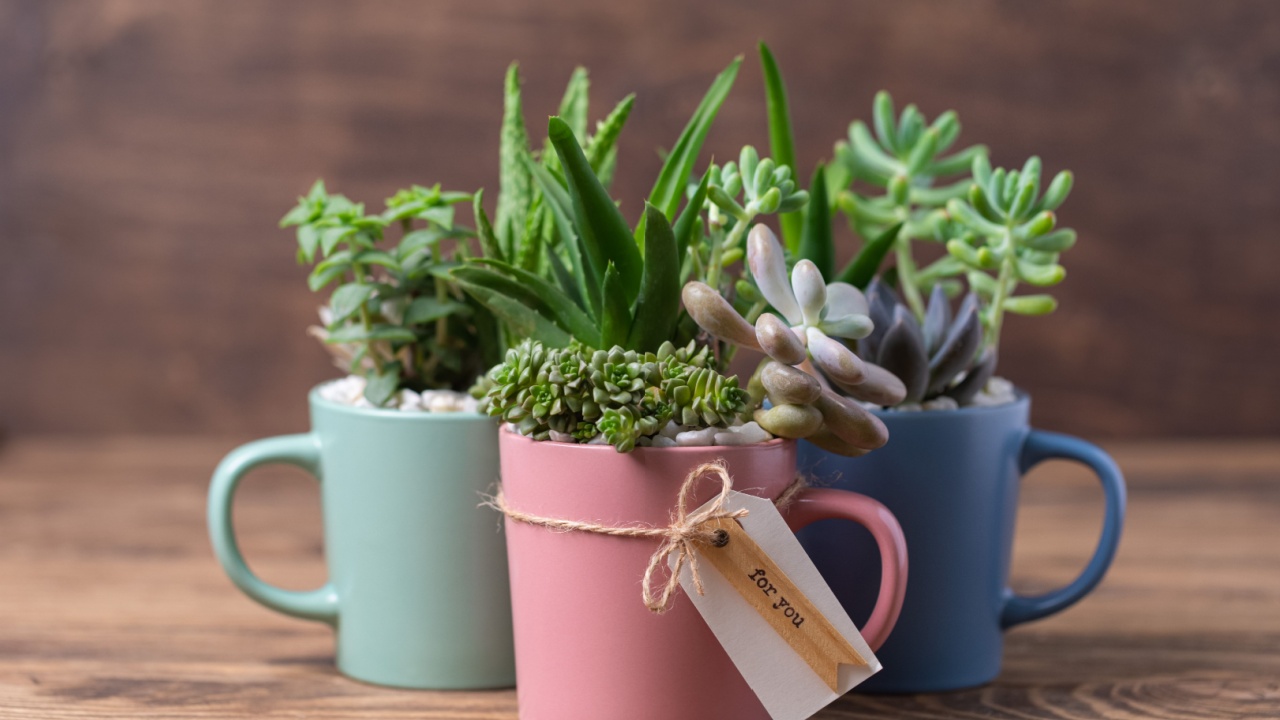
Tea cups provide a small yet refined way to display succulents indoors. Their patterns and delicate shapes add character, making them suitable for desks, shelves, or small gift arrangements. Each cup becomes a compact planting space.
Because drainage holes are usually not present, a layer of pebbles helps manage excess moisture. Using well-draining soil is important to keep roots from sitting in water. Limiting each cup to one plant gives it enough room to grow.
These planters do best in bright, indirect light. Careful watering keeps the plants healthy without overdoing it. Occasional cleaning helps maintain the look of the cup and keeps dust from dulling its finish.
4. Boot and Shoe Planters
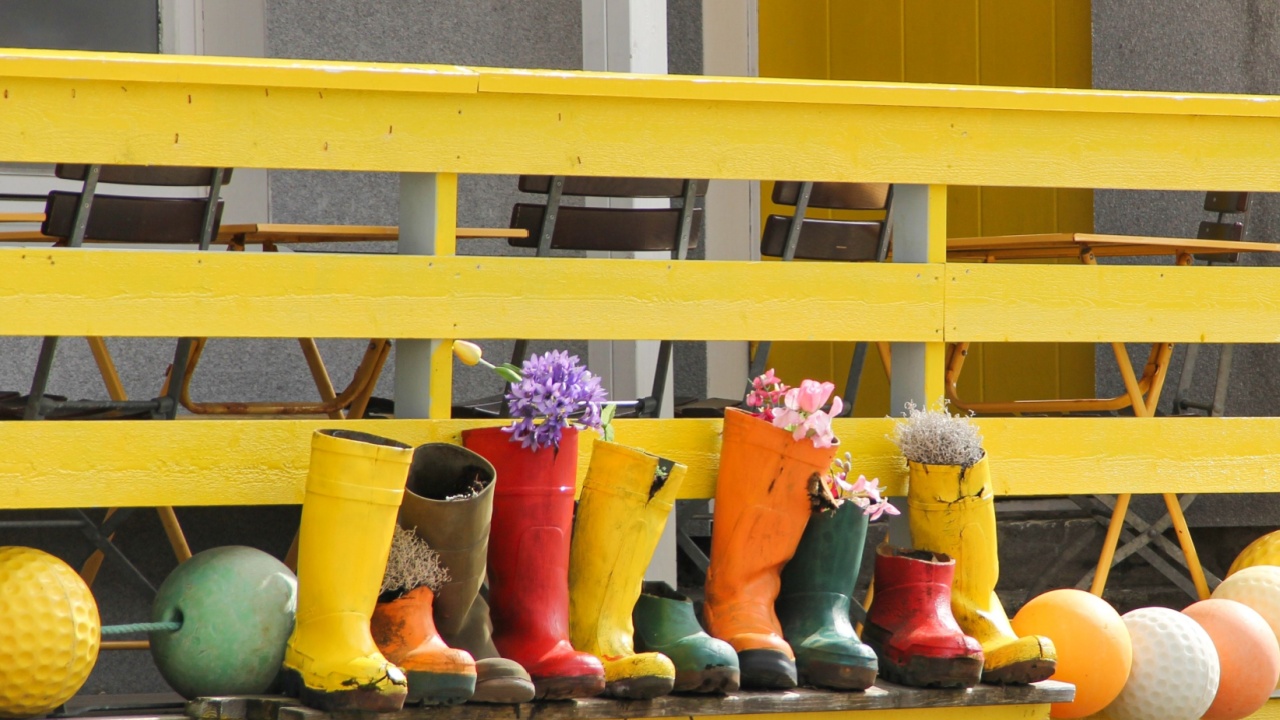
Old rain boots or leather work boots gain a second life as rugged outdoor containers. The height of a boot allows for deep root growth, which supports larger flowers or even small vegetable starts. These items add a touch of playful personality to garden paths, porch steps, or deck corners.
Drill several holes through the rubber or leather soles to let excess water escape freely. To provide stability and prevent the boot from tipping over in high winds, fill the toe area with heavy stones. Use a mix of upright flowers and trailing vines to create a full, balanced appearance.
Apply a UV-resistant spray to rubber boots to prevent the colors from fading in the direct sun. Leather boots will naturally weather and age over time, which adds a rustic, vintage charm to your landscape. Move these into a garage or shed during freezing temperatures to prevent the materials from cracking.
5. Plastic Bottle Seed Starters

Plastic bottles work well for starting seeds, especially during early growth stages. Cutting them into two parts creates a base for soil and a cover that traps warmth and moisture. This simple setup supports steady germination.
Small holes in the cap allow limited airflow while keeping humidity inside. Once seedlings grow taller, removing the top helps them adjust to the open air. This step prepares them for transplanting outdoors.
Label each bottle with a permanent marker to keep track of different plant varieties. Bottom watering (placing the bottle in a shallow tray of water) helps keep the soil moist without disturbing the tiny seeds on the surface. Once the plants move to their permanent outdoor home, the plastic can be recycled.
6. Muffin Tin Seedling Trays
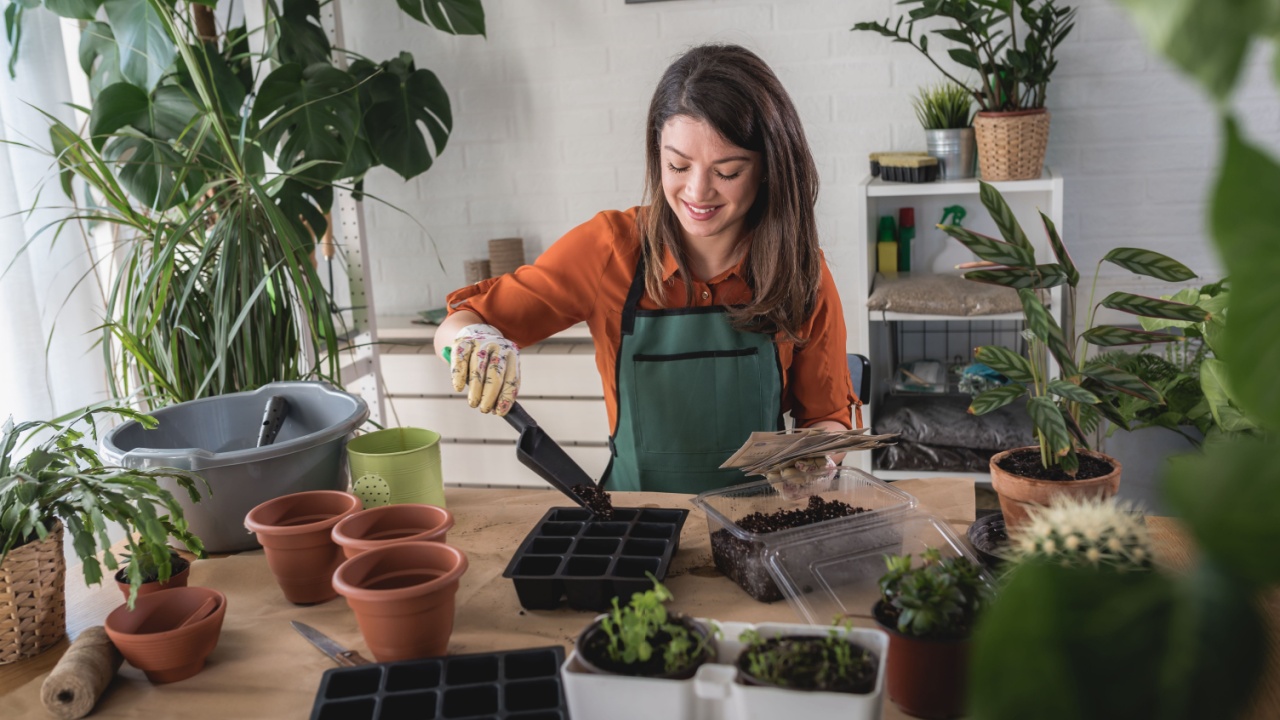
Muffin tins offer evenly spaced sections that are ideal for starting multiple seeds at once. Their structure keeps plants organized and makes efficient use of small growing areas like windows or shelves.
Adding drainage holes allows water to pass through easily. These trays work best for fast-growing plants that will be moved quickly. Removing seedlings is simple with a gentle push from the base.
Place the tin on a waterproof tray to catch any runoff after watering. Rust might develop over time, so it’s better to use dedicated garden tins rather than those you still use for baking. Clean the tin thoroughly between uses to prevent the spread of soil-borne diseases to your new plants.
7. Wooden Crate Planters
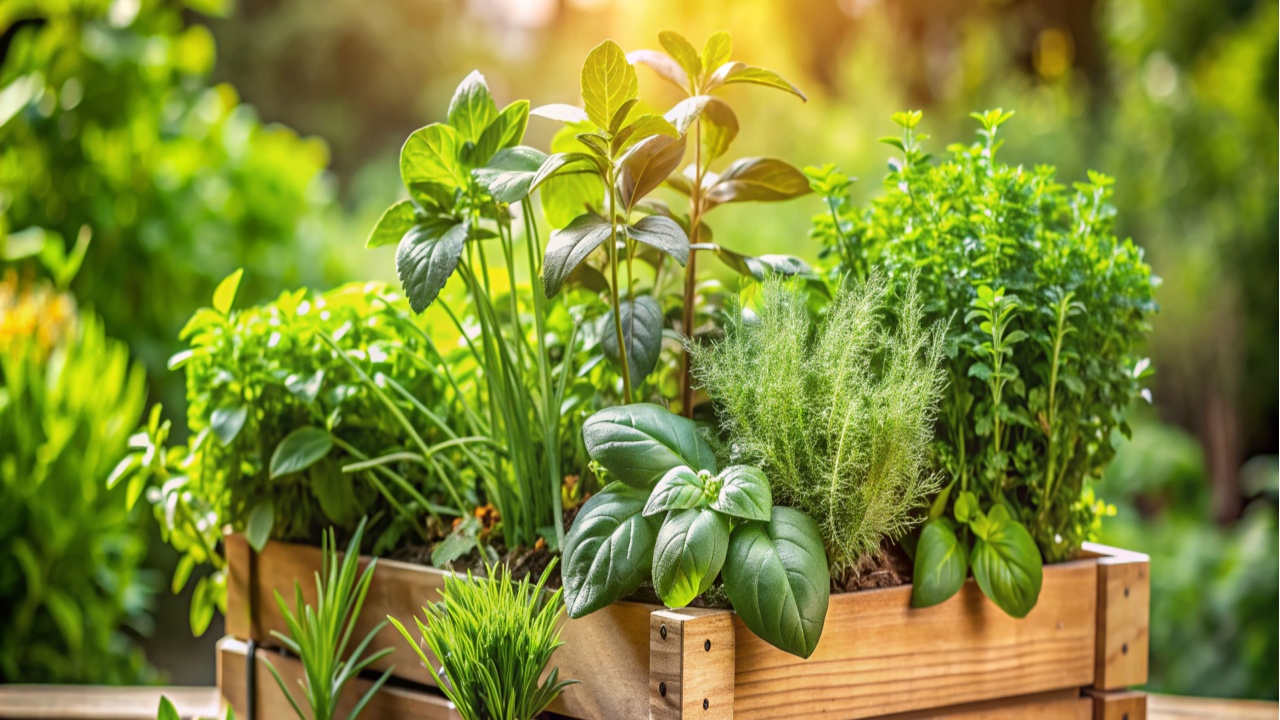
Old shipping crates or decorative wooden boxes offer a large volume for growing root vegetables or bushy flowers. The slatted sides provide natural aeration for the root systems, helping plants grow stronger. These structures look great when stacked or lined up along a garden fence.
Line the interior with heavy plastic and poke holes through it to protect the wood from constant moisture and rot. Treating the wood with a food-safe sealant helps the crate last for several seasons. To save on the amount of potting soil needed, you can fill the bottom third with sticks or mulch.
Paint a chalkboard label on the front to easily identify what is growing inside each season. Crates with handles are much easier to move if the sun patterns in your yard change throughout the summer. Check the corners periodically to see if the nails or staples need reinforcing after a heavy rainy season.
8. Chandelier Bird Feeders
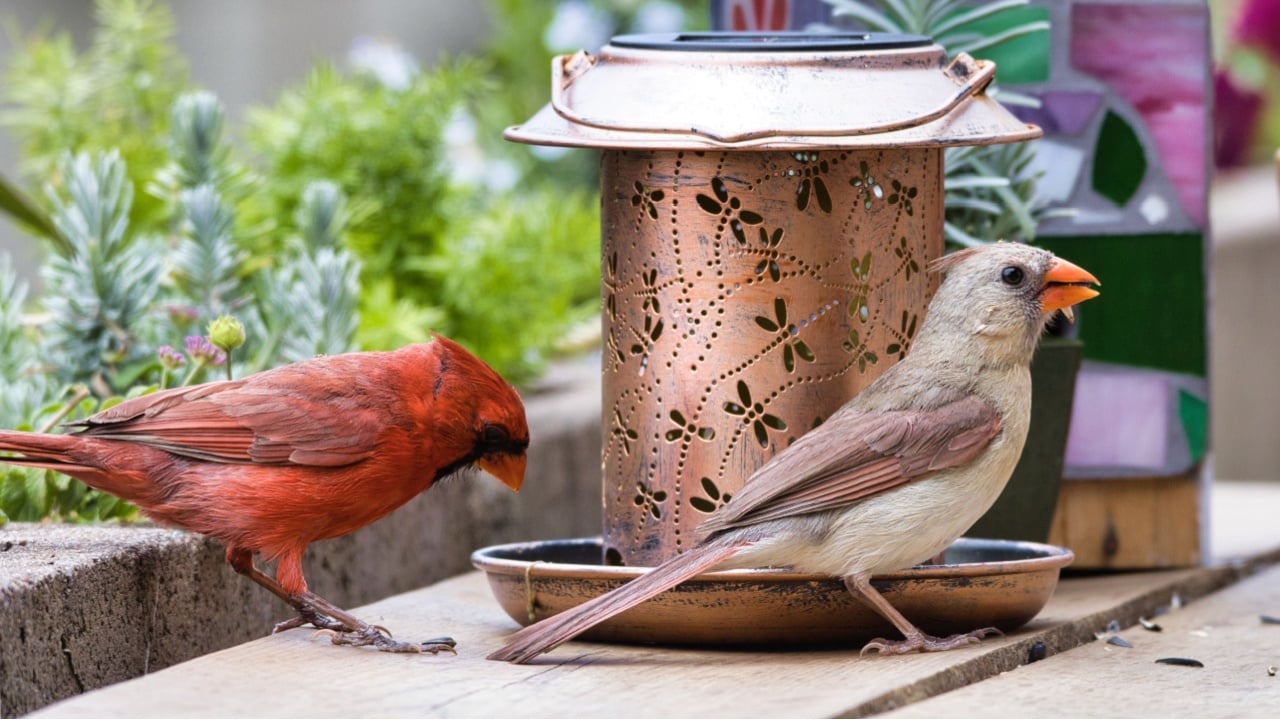
An unused chandelier can become a decorative feeding station for birds. Once cleaned and stripped of wiring, its arms can hold small bowls for seeds or water. It introduces a unique focal point to the garden.
Attaching dishes securely ensures they remain in place. Hanging the structure from a strong branch keeps it stable. A suitable paint finish helps it blend into the surroundings or stand out as a feature.
Clean the bowls regularly to keep the local bird population healthy and safe from bacteria. Refill the various sections with different types of seed to attract a wider variety of birds to your garden. Adding a small solar light to the center provides a soft, magical glow in the evening.
9. Pallet Vertical Gardens
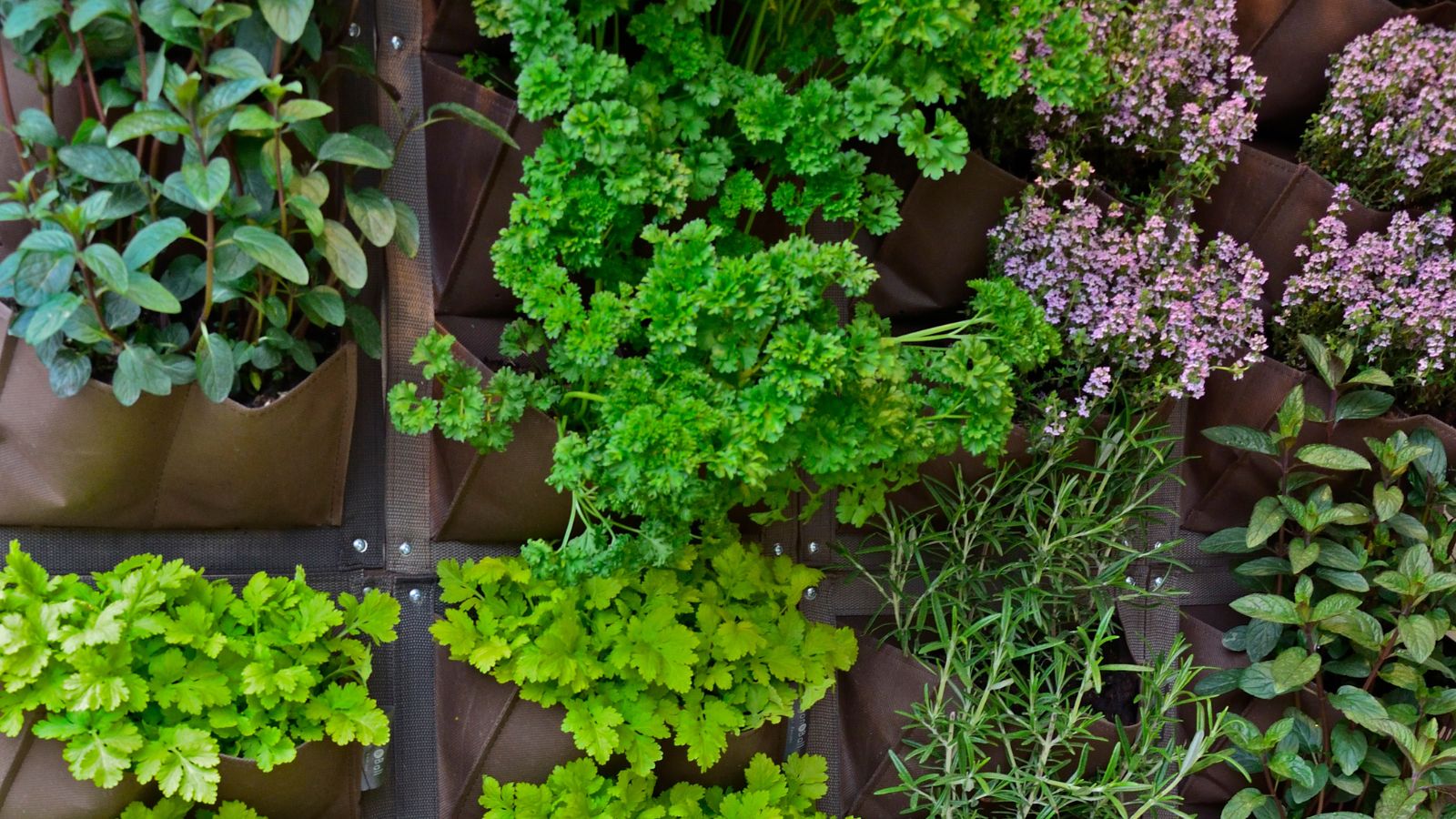
Heat-treated pallets are a staple for DIY gardeners looking to maximize their vertical space. By attaching landscape fabric to the back and bottom, the interior becomes a series of long planting pockets. This setup is ideal for growing strawberries or a massive wall of salad greens.
Leaning the pallet against a wall or bolting it to a fence provides a sturdy structure for heavy soil. Ensure the wood has the “HT” stamp, which indicates it was heat-treated rather than chemically preserved. Space the plants closely together to create a lush, living wall effect that looks professional.
Water from the top and let the moisture trickle down to the lower levels of the pallet. The wood will dry out faster than plastic, so consistent monitoring is necessary during summer heat waves. Refresh the soil every spring by adding a fresh layer of compost to the planting pockets.
10. Tire Stack Planters
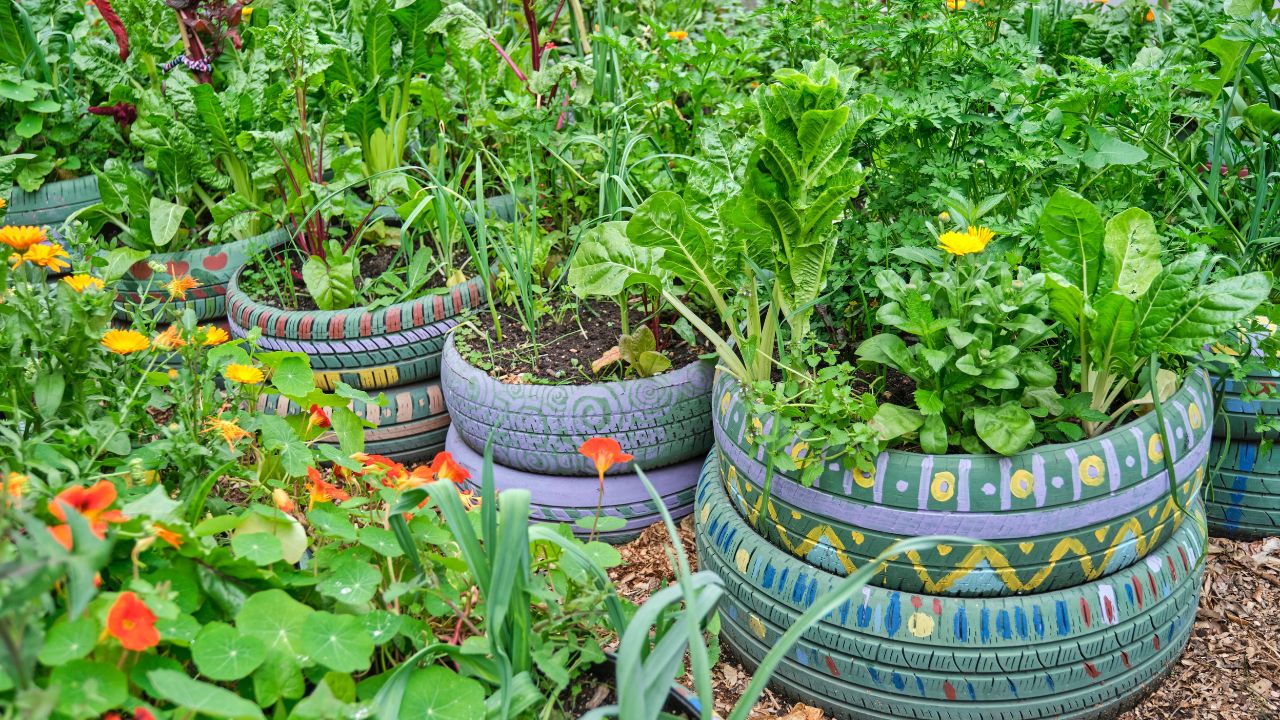
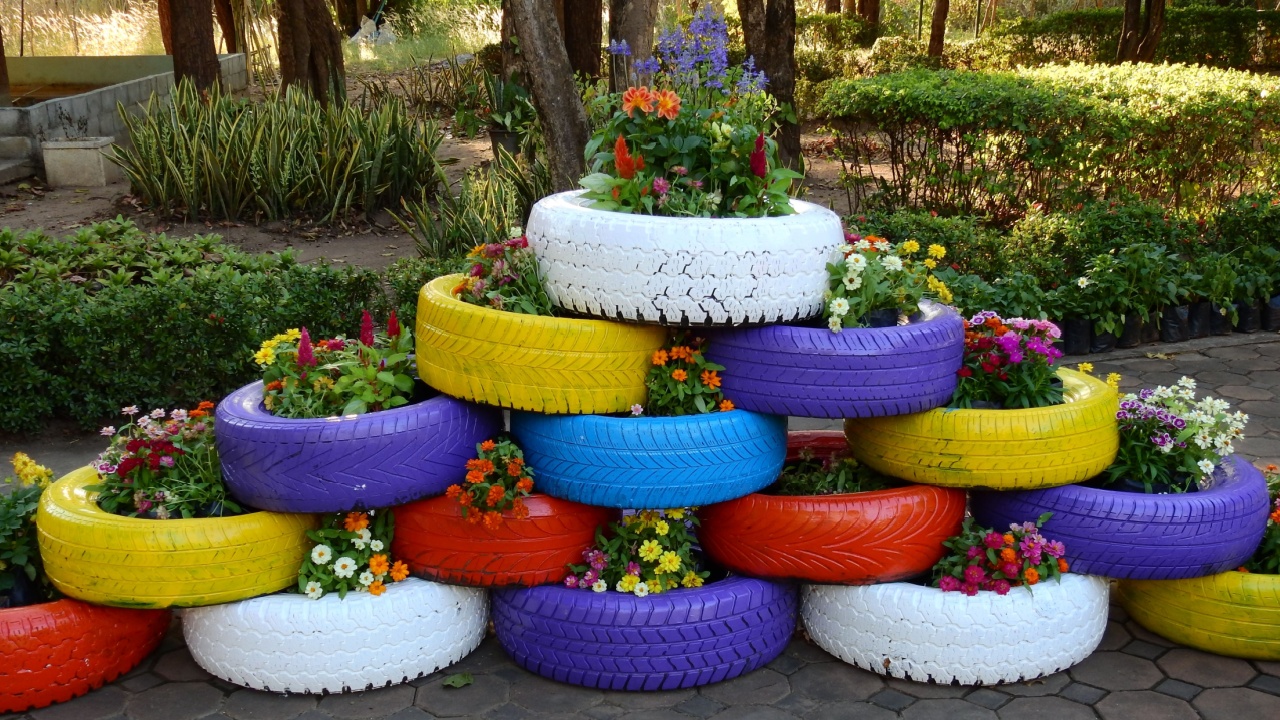
Discarded tires are incredibly durable and provide a deep growing environment for potatoes or sprawling vines. Stacking two or three tires creates a raised bed that warms up quickly in the spring sun. This project keeps bulky items out of landfills while providing a massive amount of planting space.
Paint the exterior with bright colors to mask the industrial look of the black rubber. Fill the center with a mixture of native soil and organic matter to support heavy-feeding plants. The circular shape allows for easy access from all sides, making weeding and harvesting much simpler.
Avoid using these for edible crops if you have concerns about the rubber leaching over many years. They work perfectly for ornamental shrubs or large perennials like hostas. Be sure to drill holes in the sidewalls to prevent standing water from collecting inside the rim and attracting mosquitoes
11. Wine Bottle Edging
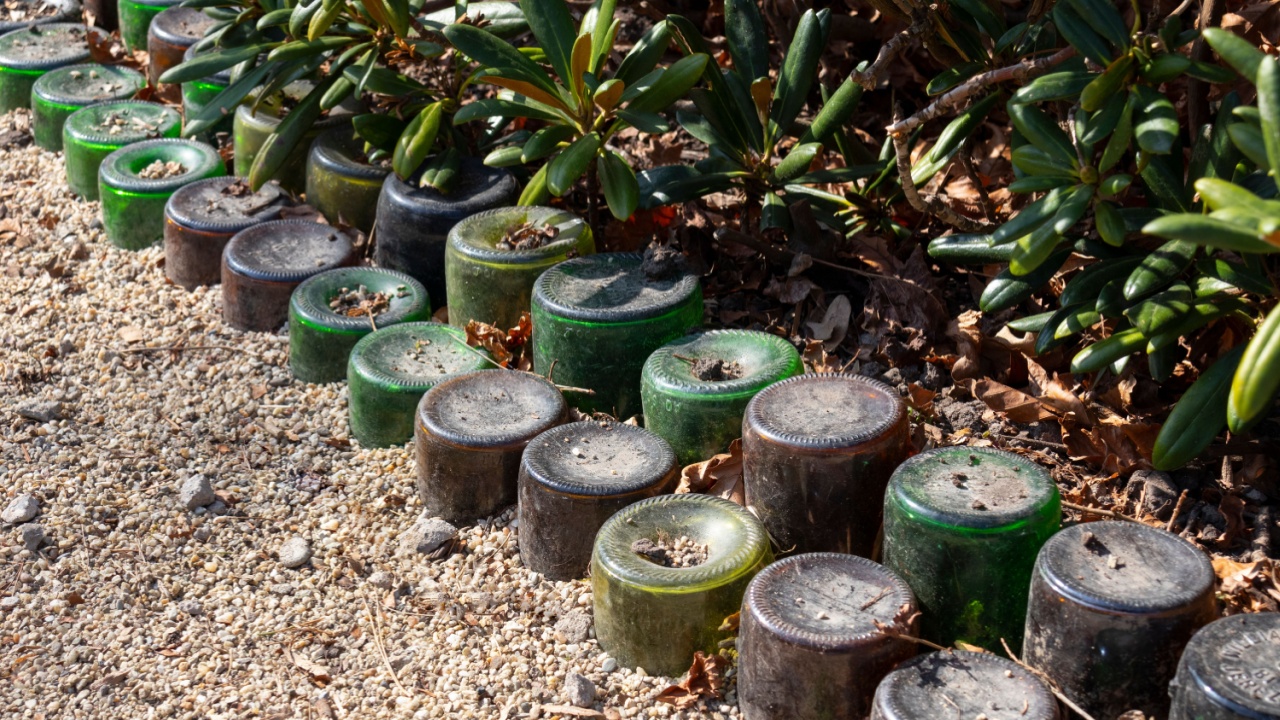
Empty glass bottles can be buried neck-down to create a shimmering, durable border for your garden beds. The glass reflects light beautifully and provides a clean line between the lawn and the soil. This method is an affordable way to define paths without buying expensive stone edging.
Dig a narrow trench and place the bottles side-by-side to ensure a tight, secure fit. Backfill the dirt around the bottles and pack it down firmly to prevent them from shifting over time. Using bottles of the same color creates a uniform look, while mixing colors offers a creative mosaic style.
Be careful when using a string trimmer near the glass to avoid accidental breakage. If a bottle does break, it is easily replaced by digging out the shards and inserting a new one. This border also helps deter some crawling pests from entering your flower beds as easily.
12. Ladder Display Stand

An old wooden or metal ladder serves as a multi-levelled shelf for smaller potted plants. This arrangement allows for better sun exposure for every plant in the group. It also makes a dramatic visual statement on a patio or in a forgotten corner of the yard.
Secure the ladder in an open position and place sturdy boards across the rungs to create wider, more stable shelves. Sand down any rough spots on wooden ladders to prevent splinters during your garden maintenance. Position sun-loving plants on the top rungs and shade-tolerant varieties on the bottom.
Anchor the ladder to a wall or stake it into the ground if it sits in a particularly windy area. This setup is perfect for overwintering plants that need to be moved indoors quickly when the frost hits. Treat the wood with a water-repellent finish to maintain the integrity of the rungs.
13. Kitchen Whisk Air Plant Holders
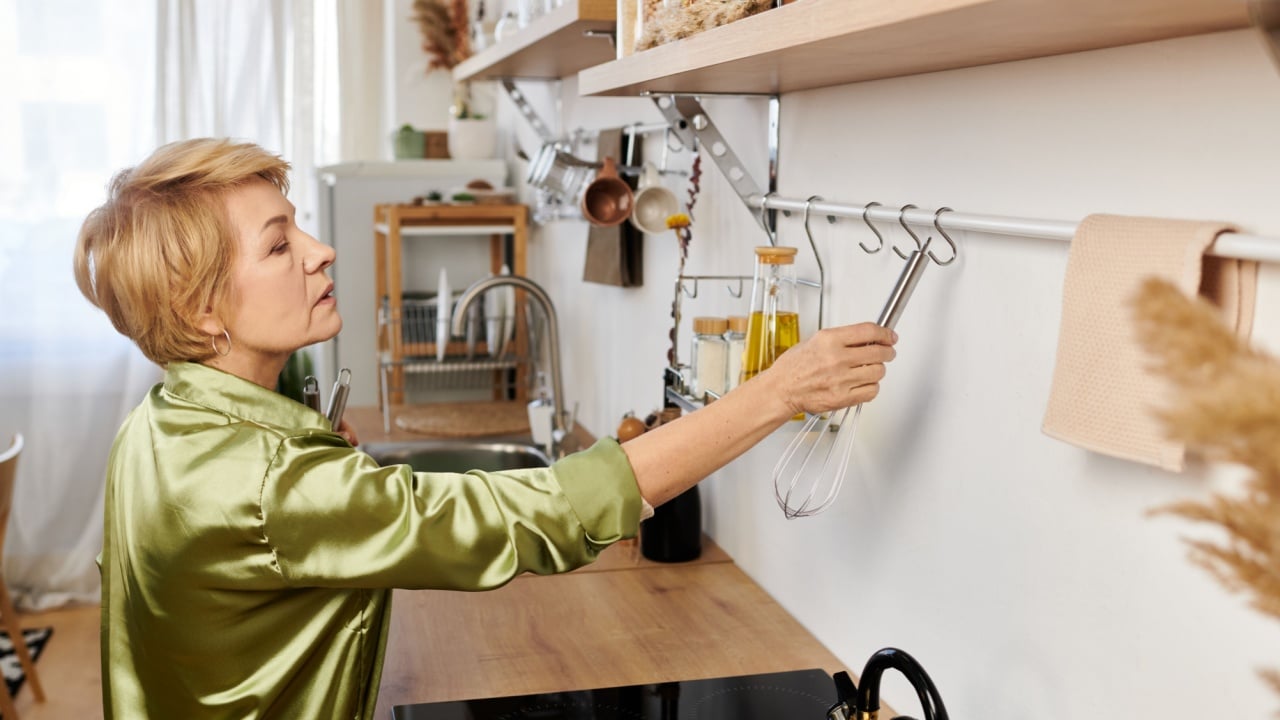
Old-fashioned metal whisks provide a unique, modern cage for air plants that do not require any soil. The wires hold the plant securely while allowing maximum airflow around the leaves, which is vital for their health. These can be hung from suction cups on windows or from a kitchen pot rack.
Stretch the wires slightly to accommodate the size of your specific air plant. Loop a piece of fishing line or thin wire through the handle to create a clean-looking hanging point. This project takes less than five minutes and uses items often found in thrift store bins for just a few cents.
Mist the plants directly while they are in the whisk or pop them out for a weekly soak in a bowl of water. Ensure the plant is completely dry before placing it back into the metal holder to prevent rot at the base. Move them around the house to follow the best light sources as the seasons change.
14. Picture Frame Trellis
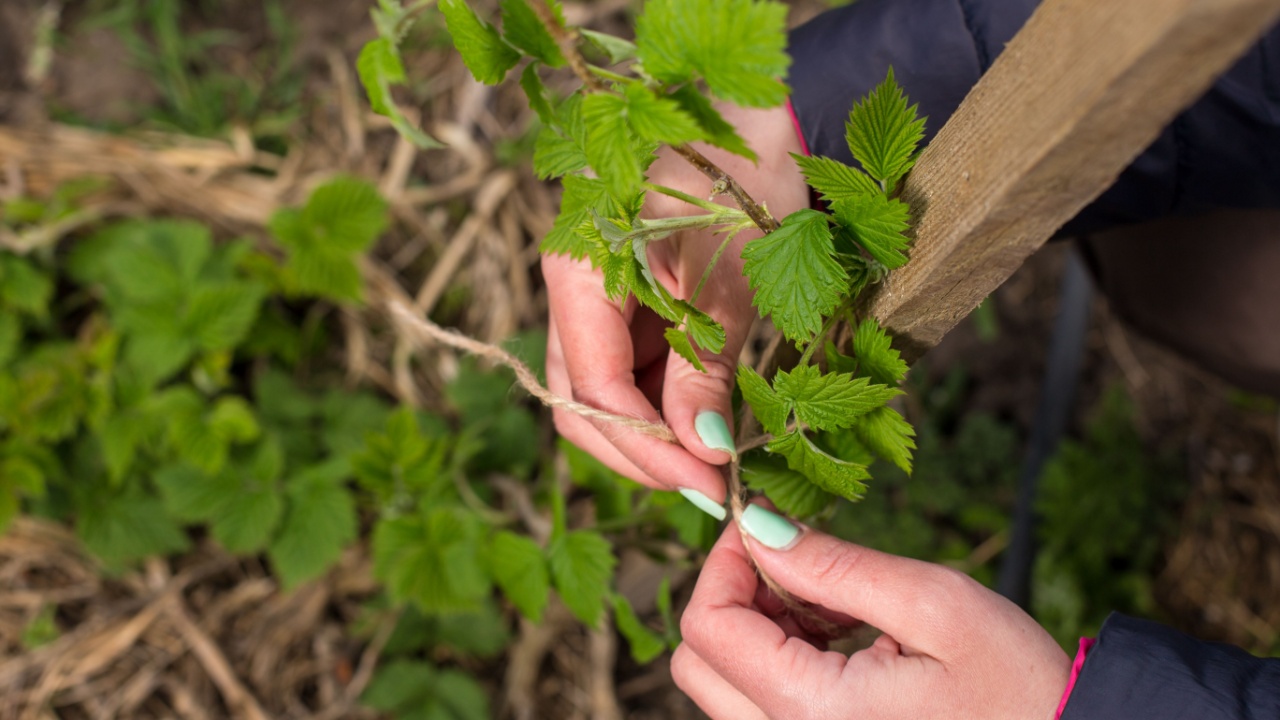
Large, empty picture frames can be outfitted with chicken wire or twine to support climbing vines. Removing the glass and backing leaves a decorative border that literally “frames” your growing plants. This adds a touch of indoor elegance and artistic flair to an outdoor garden wall.
Staple wire mesh to the back of the frame and lean it against a trellis or a sturdy fence. Choose fast-growing climbers like sweet peas or morning glories to quickly fill the space with color. The frame acts as a piece of living art that changes and grows as the plants bloom throughout the summer.
Choose frames made of solid wood for better longevity against the rain and sun. A coat of outdoor paint or a clear sealer protects the finish from peeling or warping. You can even experiment with different frame shapes and sizes to create a “gallery wall” effect right in the middle of your garden.
Creative Garden Growth
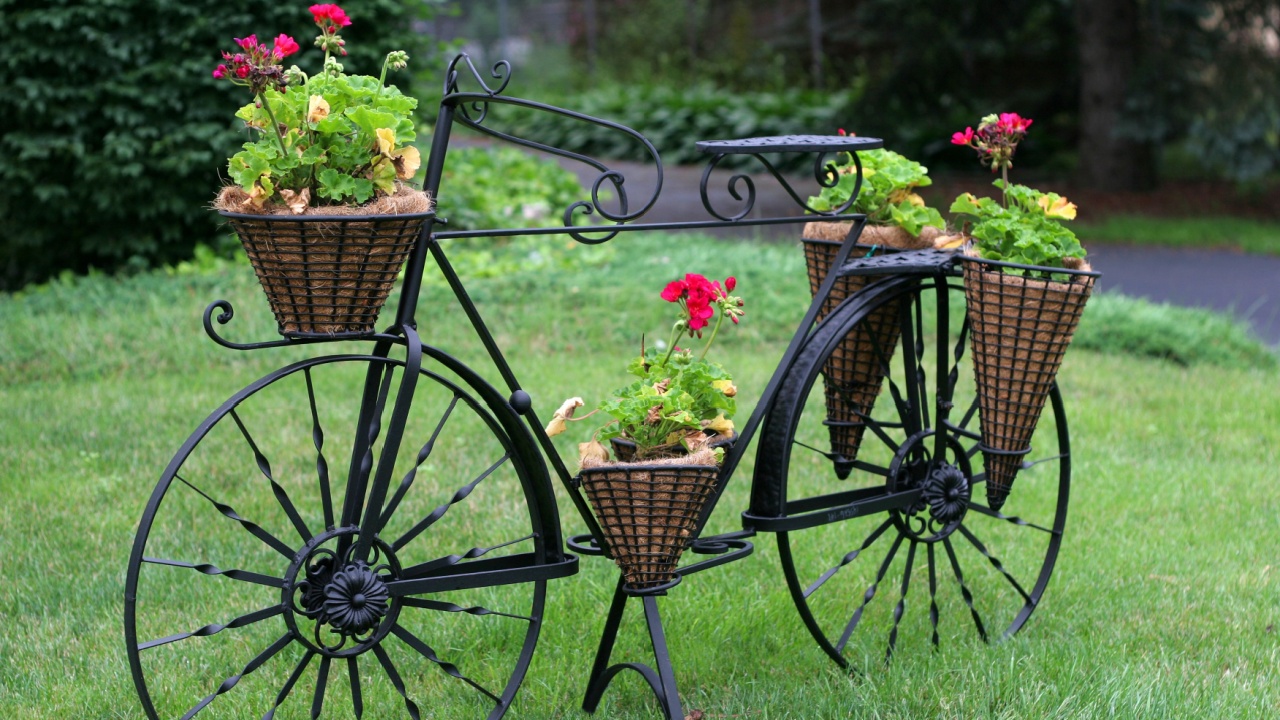
A garden often begins with a single idea and a few available materials. Looking at everyday items with a practical eye opens up new possibilities. What once seemed like clutter can become part of a growing space.
Building gradually keeps both effort and cost manageable. Each addition shapes the garden in a personal way, rather than following a fixed design. Over time, the space reflects both creativity and care.
Sharing these ideas can encourage others to try the same approach. A simple project can lead to a more sustainable and thoughtful way of gardening. The next step is choosing one item and giving it a place to grow.
Read More:
18 Items Around the House to Declutter and Repurpose in the Garden