8 Vegetables That Taste Next Level When Grown at Home
Many store-bought vegetables travel thousands of miles before they reach your dinner plate. This long journey forces commercial farmers to prioritize shelf life and durability over flavor. You might eat perfectly round tomatoes or flawless peppers that taste entirely bland.
Growing food in your own soil completely changes the flavor equation. Plants allowed to ripen fully on the vine develop complex sugars and rich nutrients. Commercial growers pick their crops days or even weeks early to survive transport.
Freshly picked vegetables contain volatile oils and natural sugars that begin degrading immediately after harvest. A tomato eaten ten minutes after leaving the vine offers intense flavors that no supermarket variety can match.
Taking control of your food supply brings incredible rewards to your daily meals. Here are eight plants that deliver an entirely different flavor experience when grown in a backyard.
1. Eggplant
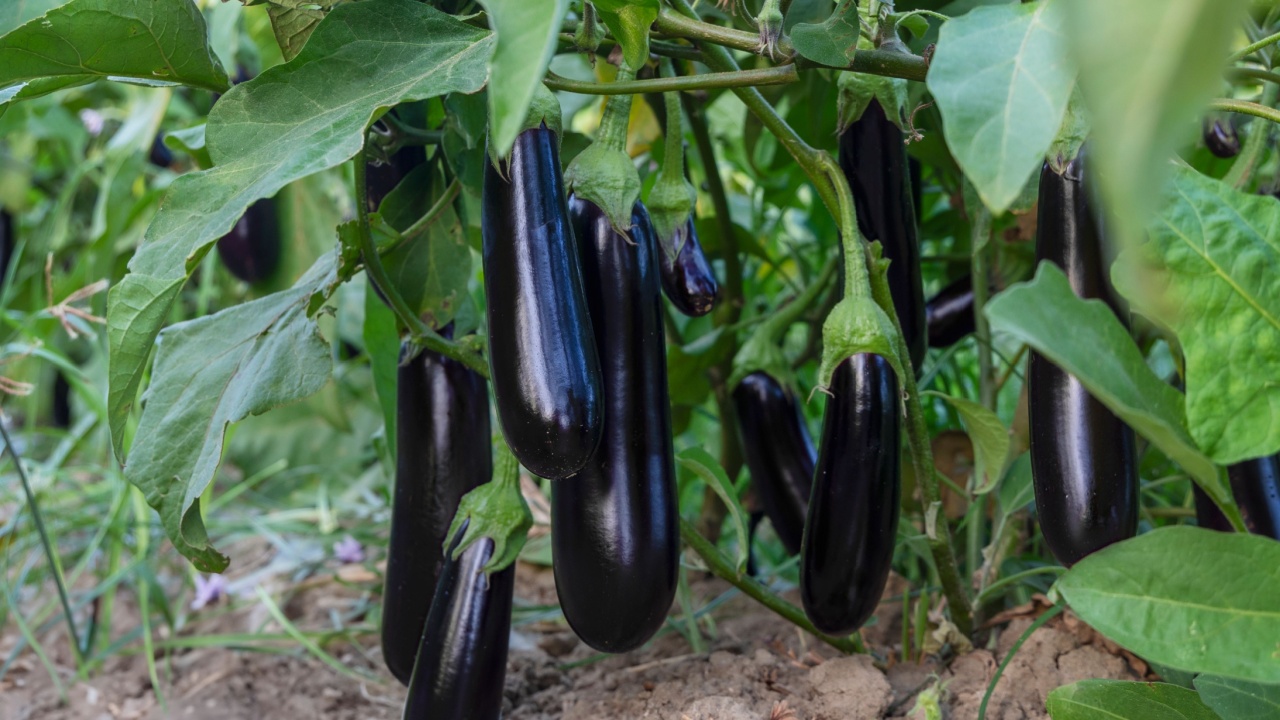
Supermarket eggplants often sit in cold storage for days before display. This extended waiting period causes the flesh to turn spongy and develop an intensely bitter taste.
Homegrown eggplants offer a remarkably firm texture and a delicate flavor profile. You harvest them at exactly the right size before the seeds mature and turn the inside bitter.
These purple beauties require warm soil and direct sunlight. Give them plenty of space to spread their leaves and develop strong root systems. An early harvest prevents the skin from becoming thick and unpleasant to chew.
A steady supply of water keeps the fruit developing evenly and prevents stress on the plant. You will appreciate the mild flavor immediately upon your first harvest.
2. Scallions
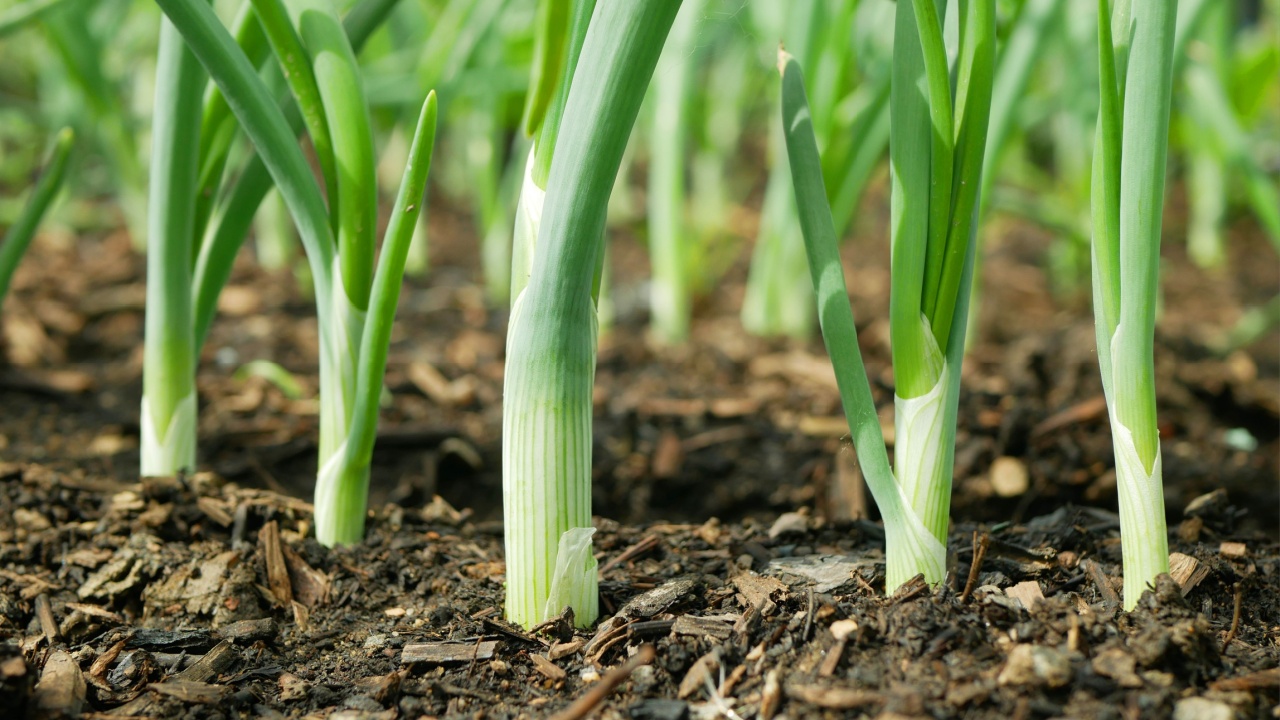
Grocery store green onions dry out incredibly fast and lose their signature sharpness. Long transport times drain their moisture and dull their vibrant green color.
A scallion plucked straight from your garden delivers an intense and snappy flavor. The leaves hold abundant essential oils that provide a powerful bite to salads and stir-fry dishes. Your homegrown scallions remain firm and packed with natural onion juices.
These fast plants require very little space and thrive in almost any container. You can cut the green tops with scissors and leave the roots in the dirt to regrow.
Snipping exactly what you need for a meal means you never waste wilted leftovers. Moist soil helps them produce new shoots rapidly throughout the season. They grow perfectly indoors near a sunny window during colder months.
3. Bell Peppers

Commercial farms harvest bell peppers early, so the produce survives shipping. This early picking halts the development of natural sugars, leaving the pepper tasting flat.
Growing your own bell peppers means you can leave them on the plants until they turn red or yellow, making them incredibly sweet. A fully ripened backyard pepper offers a loud crunch and abundant juice. The flavor deepens significantly as the fruit spends more time absorbing the sun.
Your pepper plants need steady warmth and consistent moisture to yield the largest fruits. Wooden stakes prevent the heavy vegetables from snapping the delicate stems.
4. Swiss Chard
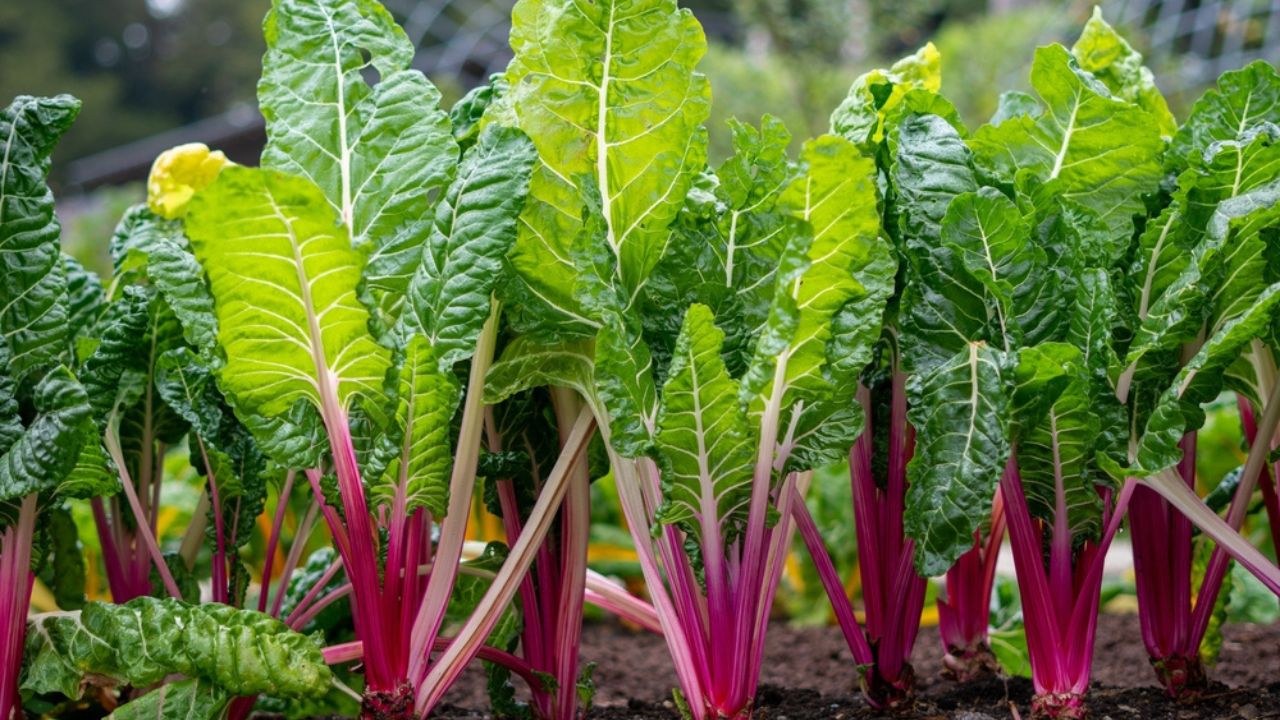
Commercially grown chard leaves wilt rapidly and develop an unpleasant metallic taste during transit. The stems become rubbery and tough after sitting on store shelves under artificial lights.
Backyard chard offers tender leaves with a mild and slightly sweet flavor. A harvest of young leaves guarantees a delicate texture that cooks perfectly in any dish. The fresh stems stay firm and provide a wonderful crunch in salads.
This leafy green grows continuously, allowing for multiple harvests throughout the season. When you snap off the outer leaves, the center keeps producing new growth.
Nutrient-rich soil gives the leaves deep colors and strong flavors. You will notice the plants tolerate a wide range of temperatures. Eating the freshly cut leaves within minutes captures all the vital nutrients intact.
5. Turnips

Supermarkets sell massive turnips that have stayed in the ground far too long. These oversized roots become woody and carry a sharp flavor that turns many people away.
When you grow turnips yourself, you can pull them while they are still small and tender. Young backyard turnips taste mildly sweet and completely lack the harsh bite of older specimens. The texture remains firm but delicate enough to eat raw like an apple.
Direct seeding in loose soil allows the roots to expand freely without obstruction. Early removal of crowded seedlings gives each root room to develop a perfect round shape.
You can also harvest and eat the nutrient-packed green tops as the roots grow. Consistent moisture keeps the flesh tender and stops the roots from turning spicy. These young roots taste incredible when roasted with a little olive oil.
6. Sugar Snap Peas
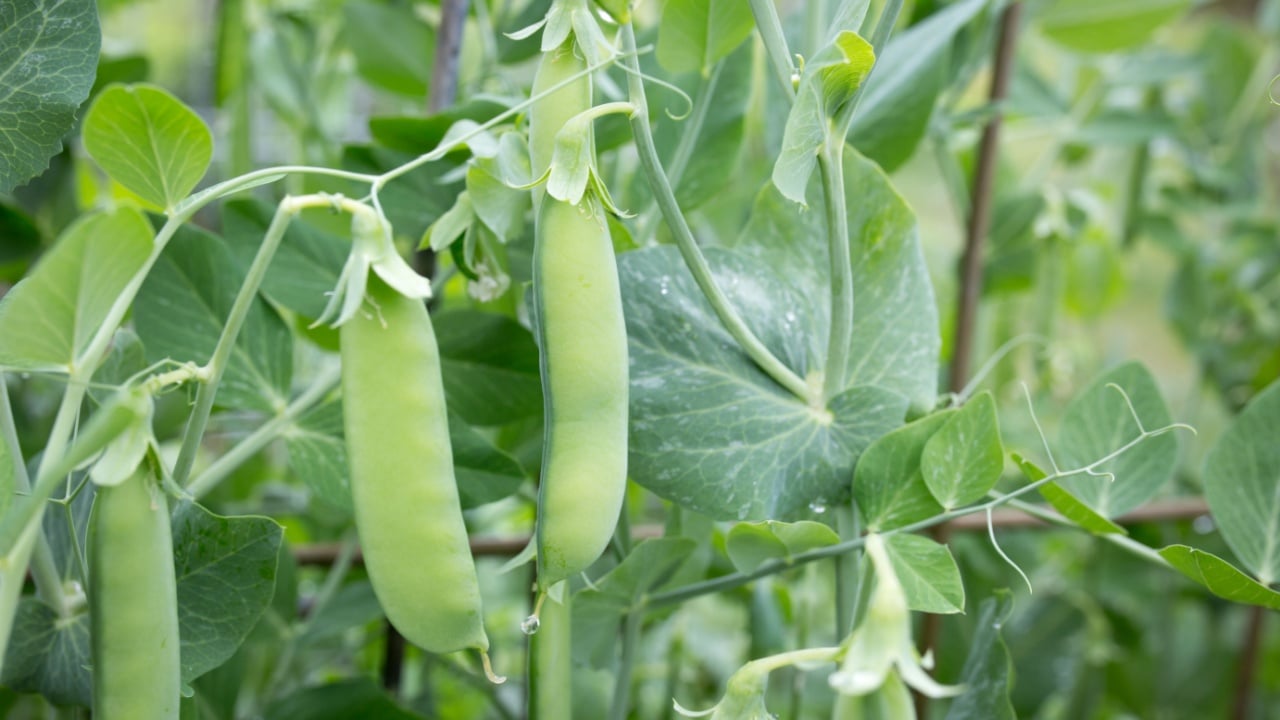
The natural sugars in commercial peas begin turning into starch the second farmers pick them. Store-bought snap peas completely lose their signature sweetness by the time you buy them.
A fresh pod snapped off the vine provides an entirely different experience. A homegrown pea bursts with juice and offers an incredibly loud crunch. The flavor is intensely sweet and requires absolutely no cooking to enjoy.
These climbing vines need a sturdy trellis to support their rapid vertical growth. Early spring planting takes advantage of the cool temperatures they prefer. A daily check prevents the pods from growing too large and becoming tough.
You can eat the entire pod straight off the vine for a highly nutritious snack. Many gardeners eat their entire harvest while standing right next to the trellis.
7. Sweet Corn
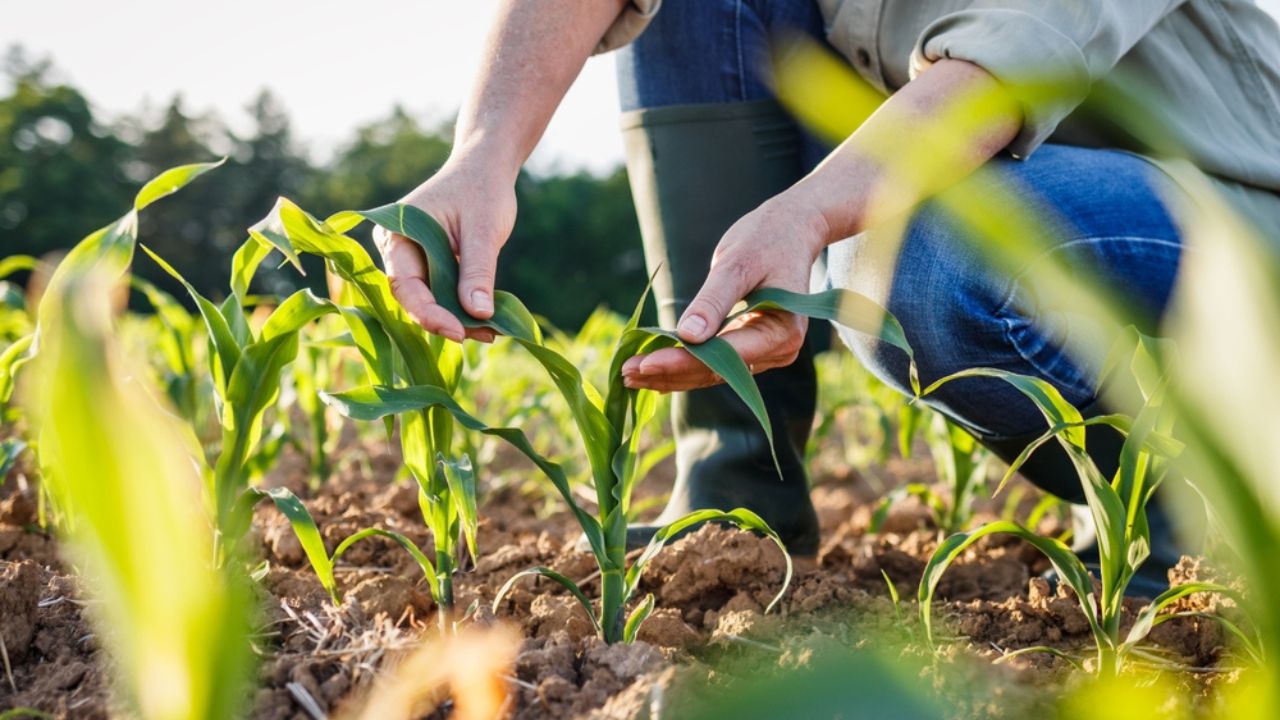
Corn loses up to half its natural sugar within hours of being removed from the stalk. Buying corn from a store guarantees you are eating a starchy and bland vegetable.
Corn grown in your backyard and picked moments before boiling delivers an explosion of sweet flavor. The kernels remain plump and tender because they retain all their natural moisture.
Tall stalks require plenty of sunlight and a heavy application of rich compost. A block formation helps the wind pollinate the silks effectively.
The exact harvest day requires checking the ears until the kernels release a milky liquid. A quick boil immediately stops the sugar from converting to starch. A hot cob slathered with butter creates a highly memorable summer meal.
8. Basil
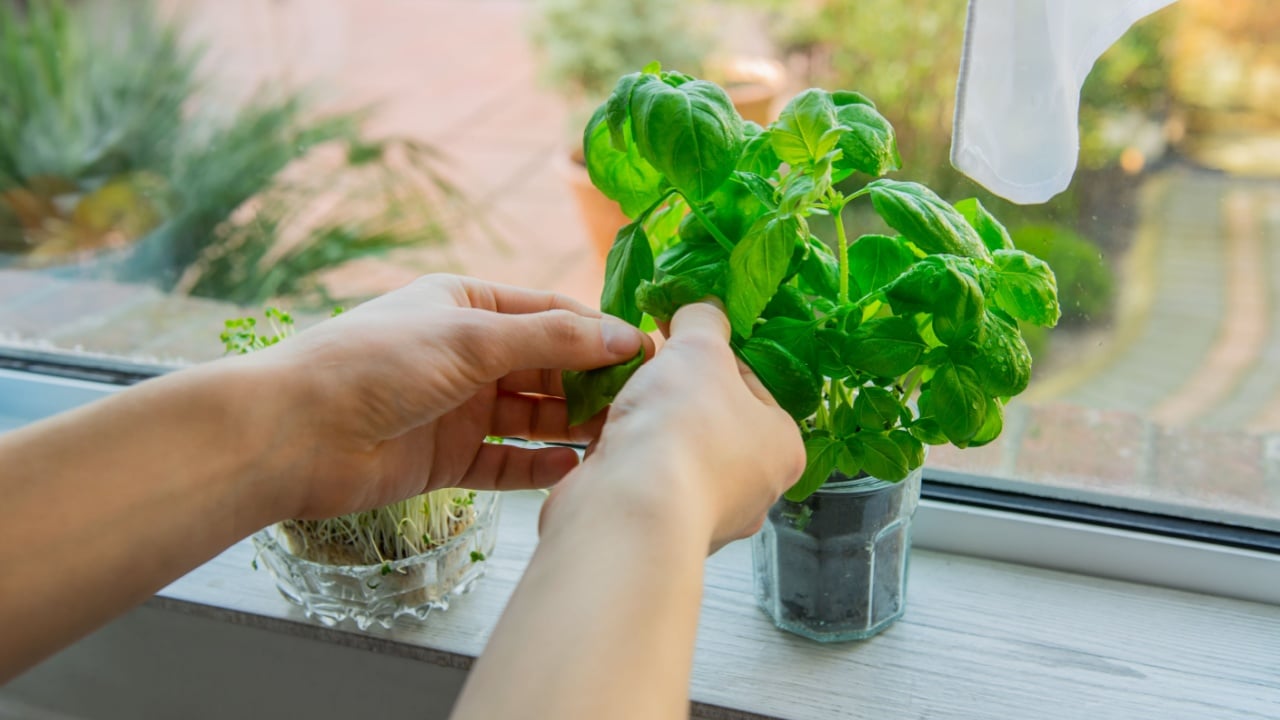
Packaged basil in the produce section wilts incredibly fast and loses its aromatic qualities. Refrigeration during transport destroys the delicate essential oils that give this herb its signature punch.
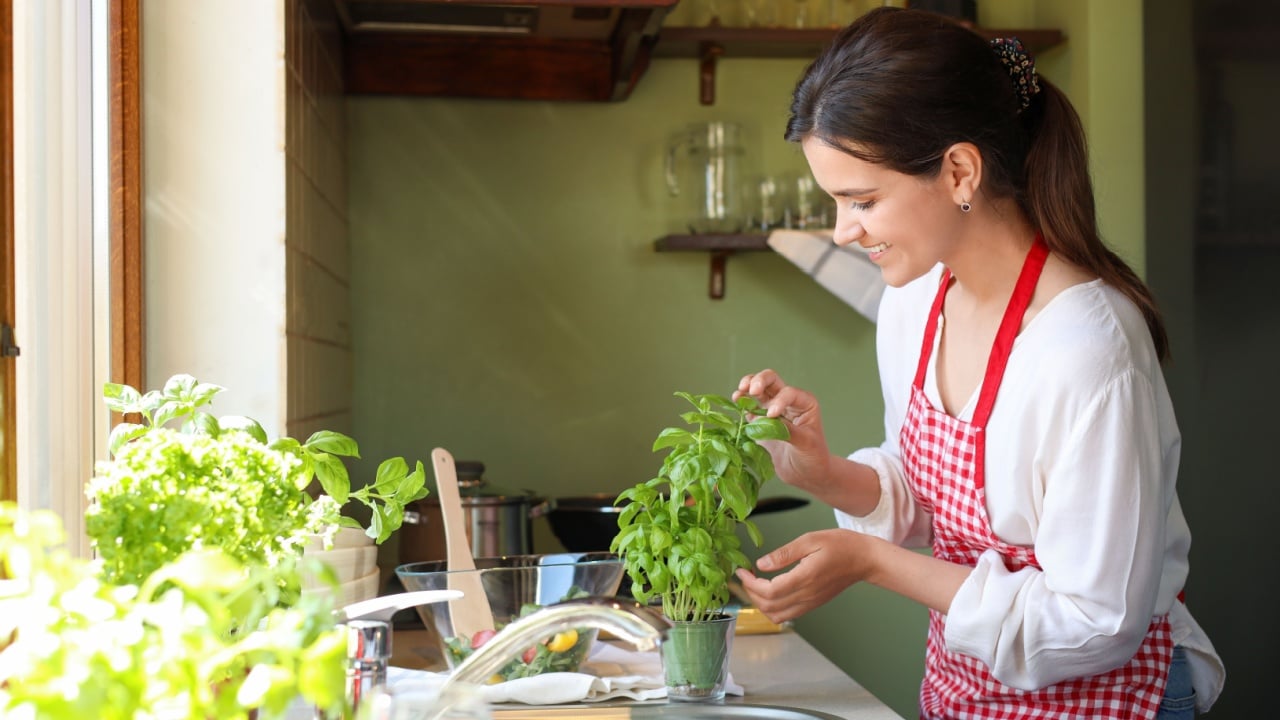
A basil plant on a sunny windowsill keeps those oils fully intact. Brushing against a living basil plant releases a powerful and spicy fragrance into the air. Freshly torn leaves add a massive burst of flavor to any sauce or salad.
This heat-loving herb demands rich soil and plenty of direct sunlight to thrive. Regularly pinched leaves force the plant to grow wide and bushy. Fast removal of flowers prevents the leaves from turning bitter.
You can easily root cuttings in a glass of water to multiply your supply. These fresh leaves blend with pine nuts and olive oil to make incredible homemade pesto.
The Real Value of Growing Your Own Produce
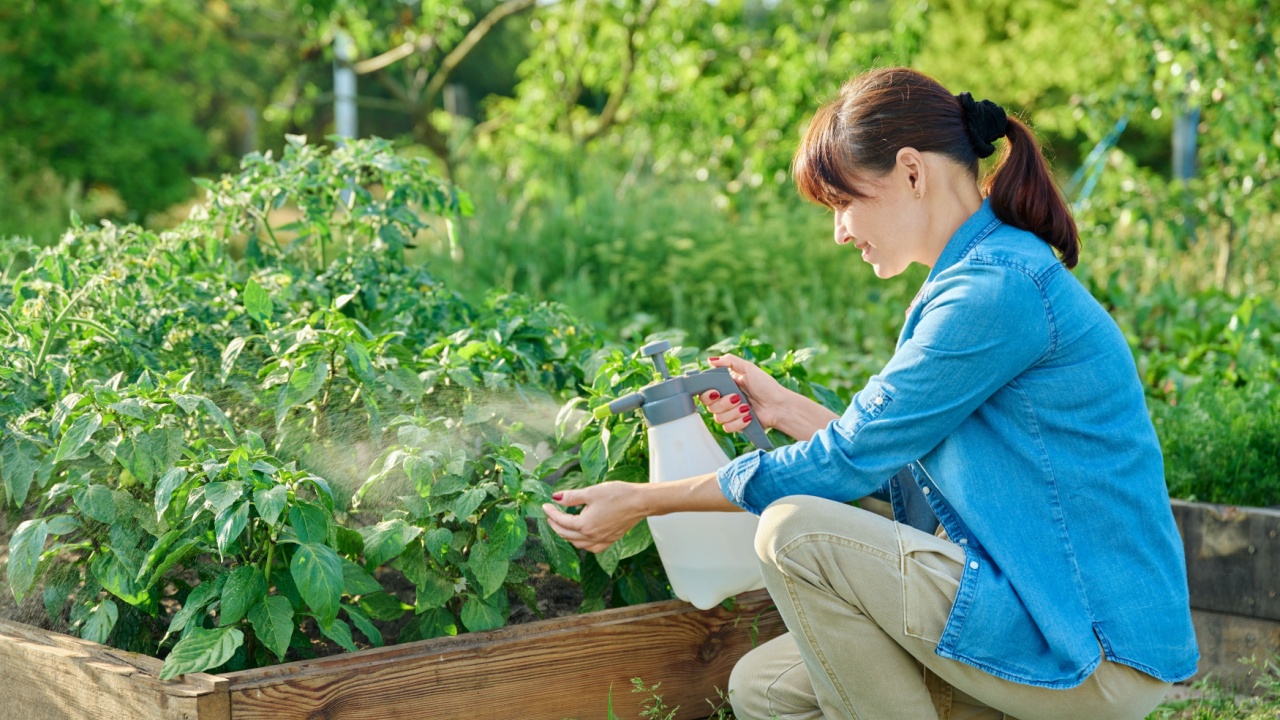
A backyard garden transforms a basic meal into an incredible culinary experience. You take complete control of the growing process and harvest your produce at the perfect moment.
Supermarkets simply cannot replicate the intense flavors produced by a well-tended backyard plot. Freshly picked vegetables retain all their natural sugars and essential nutrients right up until you eat them.
Read More:
12 Patio Ideas to Turn Your Backyard Garden into a Sanctuary
Real People Share How Drought is Reshaping Backyard Gardening Culture