Your Grandmother Never Bought a Bouquet. Here Are the 12 Flowers She Grew For Cutting Instead
There was a time when a house had flowers in it every single week, not because someone drove to the florist, but because someone walked out the back door with scissors. That tradition quietly disappeared over time, and the cut flower industry is happy you forgot it.
The average American can now easily spend anywhere from $20 to $50 on a store-bought bouquet that lasts a week, while a packet of zinnia seeds costs less than $5 and can produce 30 to 50 bouquets across a single summer. That math is hard to argue with. And the flowers you grow yourself are fresher, more fragrant, and often far more beautiful than anything wrapped in cellophane at the grocery store, because they travel from your garden to a vase in minutes rather than miles.
Why Homegrown Flowers Beat Store-Bought Every Time
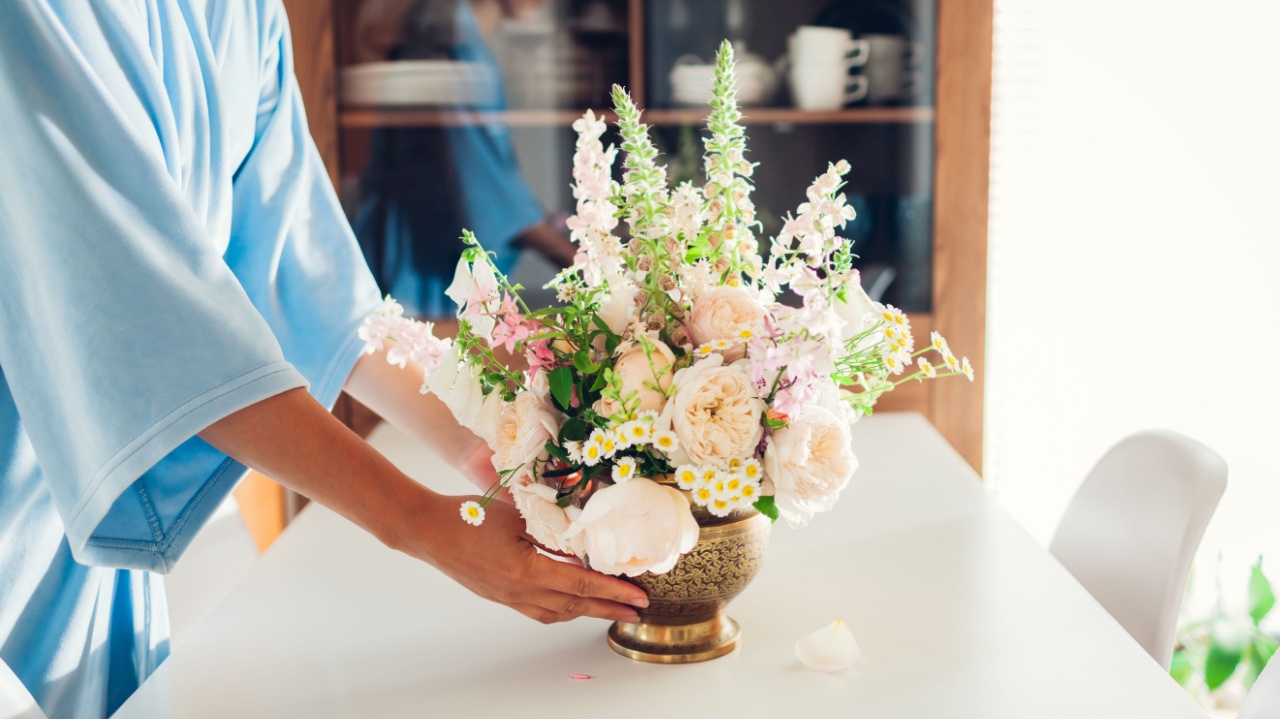
Commercial cut flowers are bred for one thing: survival. They have to endure refrigeration, long-distance transport, and extended time without water. As a result, the most delicate, fragrant, and visually stunning varieties are simply never available at a ffilorist or grocery store, because they would not make the journey.
When you grow your own flowers, the rules change entirely. As Gardening Know How notes, backyard-grown blooms are often just prettier because they are so much fresher than store-bought flowers. You can also grow cosmos so airy they shatter if you breathe on them, poppies that last only five days, and sweet peas so fragrant they perfume an entire room; flowers that have no commercial viability but are absolute joys in a home vase.
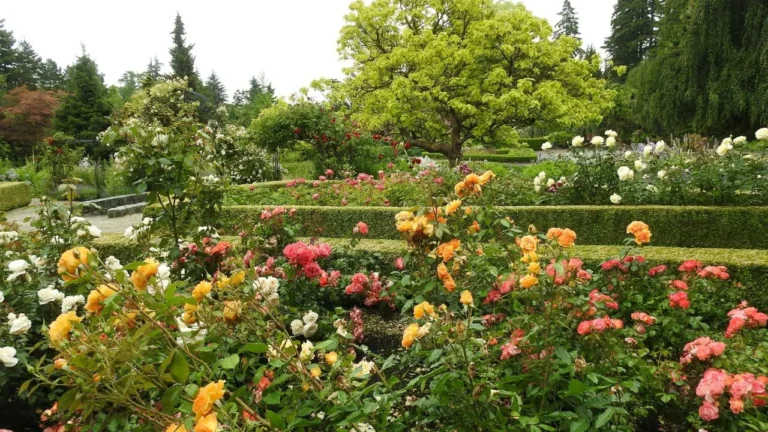
The financial case is equally compelling. A single cutting garden bed, even a modest one, can keep vases full from June through October. For a fraction of what most families spend on occasionally bought bouquets, you can grow something no florist can replicate.
Here are twelve of the best cut flowers to grow in your home garden.
1. Zinnia
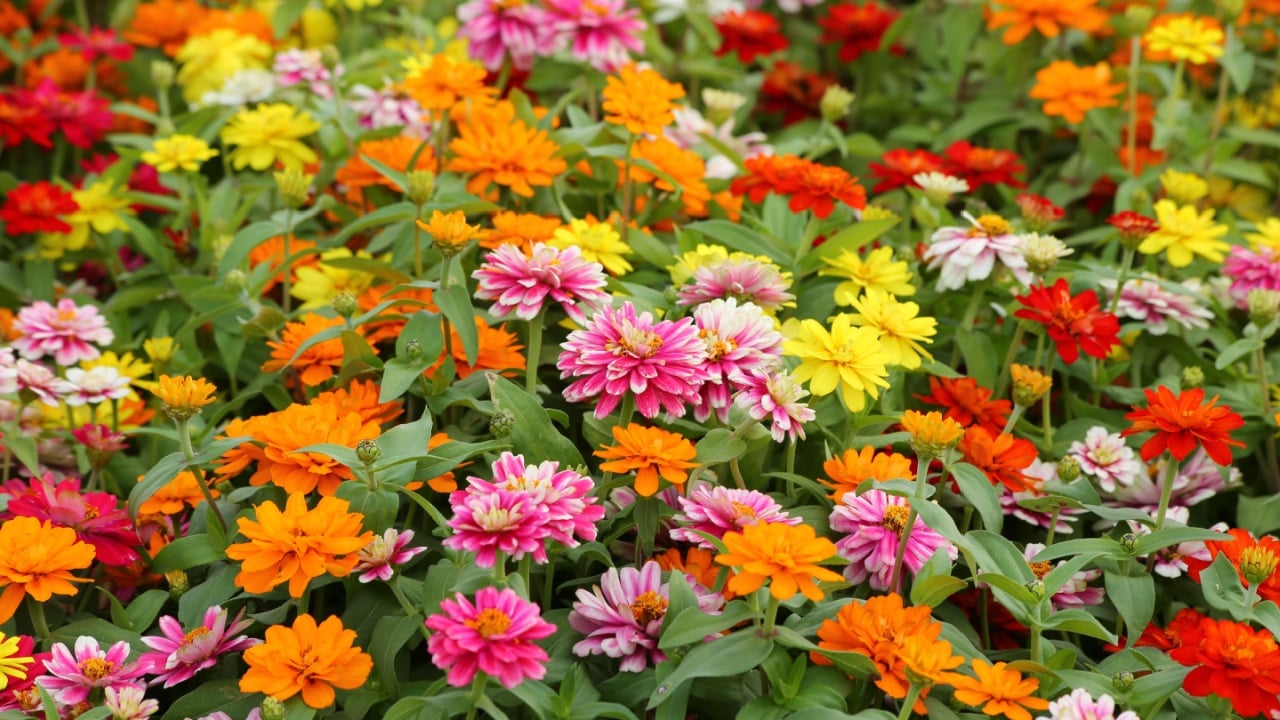
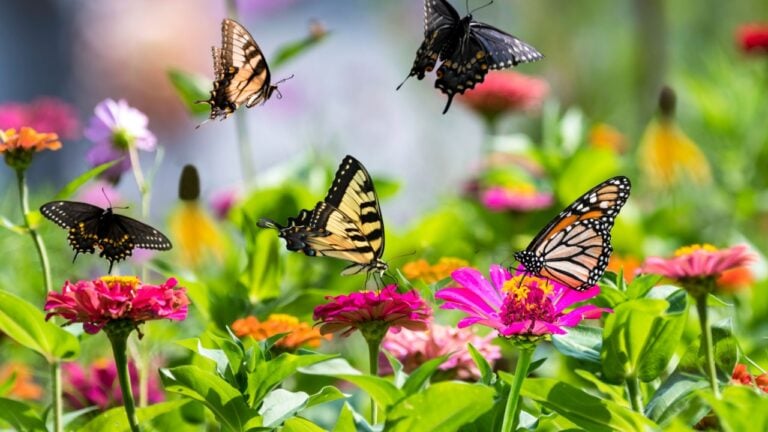
Zinnia is the undisputed queen of the backyard cutting garden. Zinnias are heat-loving, fast-blooming, and operate on a beautiful principle: the more you cut, the more they bloom. Two Sisters Flower Farm notes that succession planting zinnias every four weeks delivers a continuous harvest all season long. Choose tall varieties like the Benary’s Giant series for proper stem length, and water at the base (never overhead) to prevent powdery mildew. Few garden investments match the ROI of a zinnia patch.
The vase life of zinnias can last 5 to 7 days.
2. Cosmos
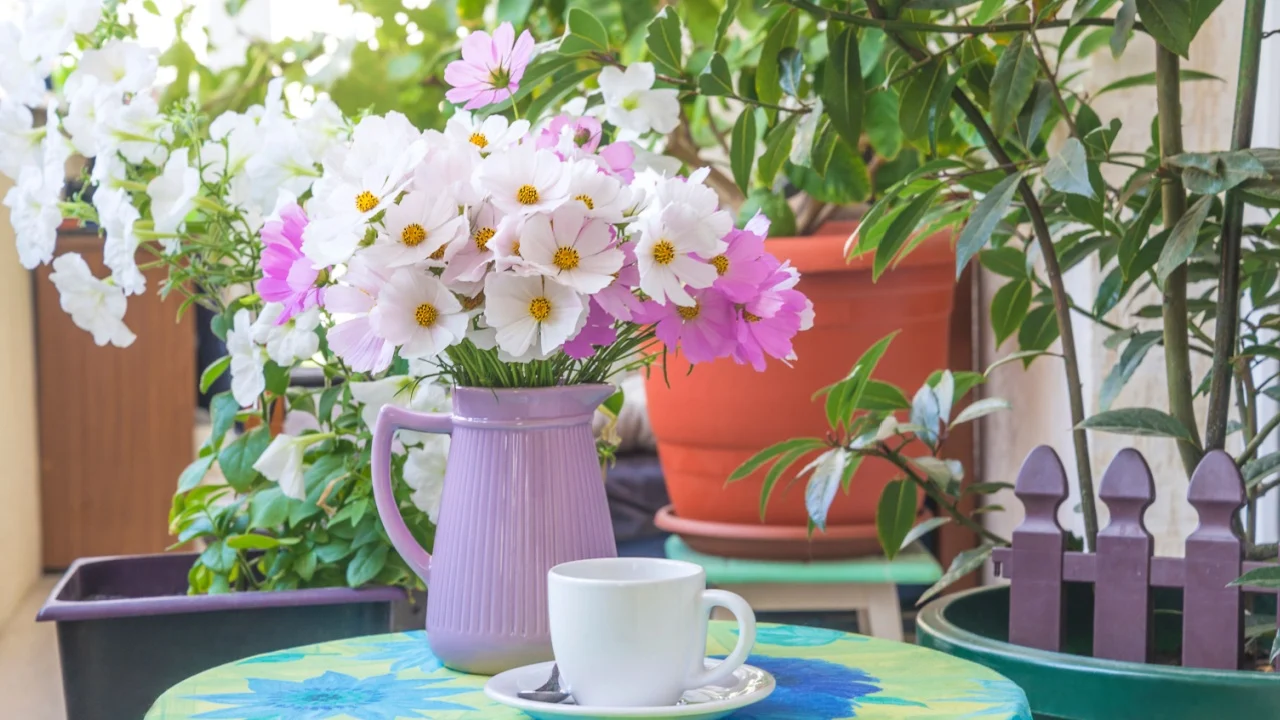
Cosmos bring an airy, cottage-garden charm that is almost impossible to replicate with store-bought flowers. They are prolific to the point of requiring restraint: even a handful of plants will produce armloads of blooms. Double-flowered varieties like Double Click Mix have slightly more resilient petals than single types. Cosmos replenish quickly after cutting, giving you a continuous supply from midsummer until frost.
The vase life of cosmos is approximately 5 days.
3. Sunflower
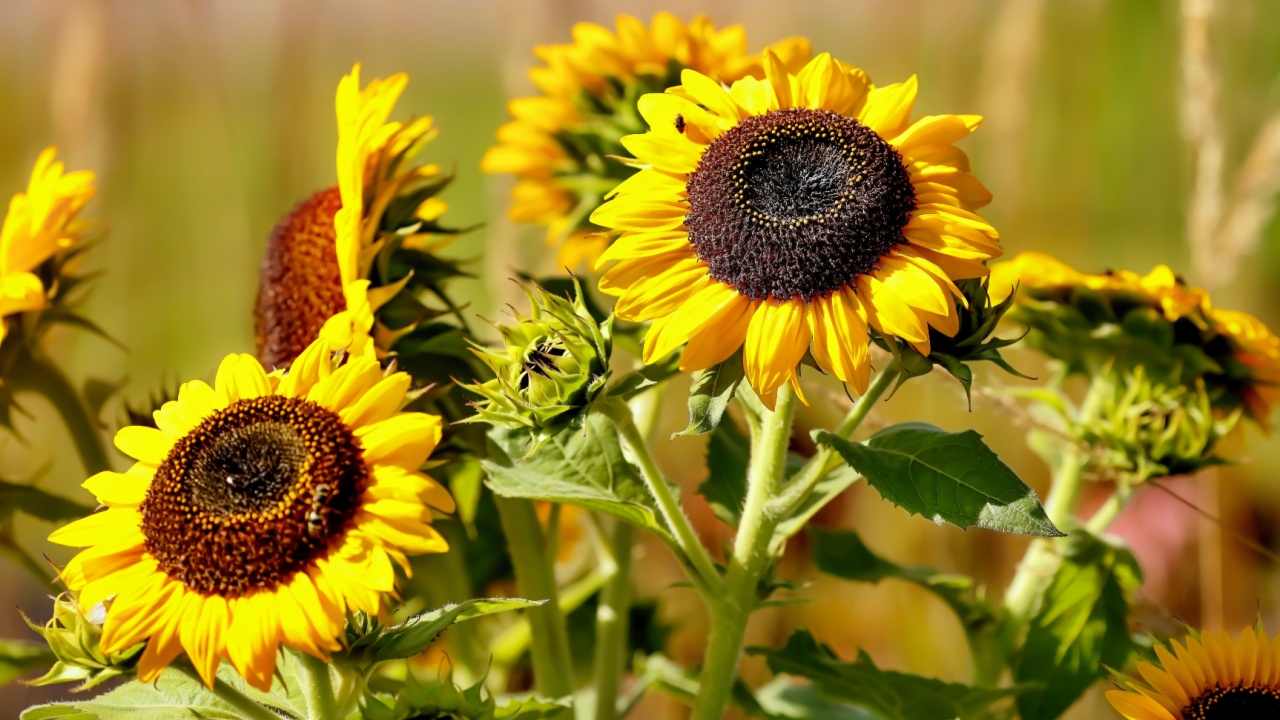
Sunflowers are among the longest-lasting cut flowers you can grow, and they come in far more colors than most gardeners realize: deep burgundy, creamy white, rusty bicolor, and soft gold, in addition to the classic yellow. The University of Florida IFAS Extension recommends selecting pollenless varieties specifically bred for cutting, which prevent pollen from dropping onto surfaces and significantly extend vase life. Succession plant a new batch every two weeks for flowers well into September.
The vase life of sunflowers is 7 to 10 days.
4. Snapdragon
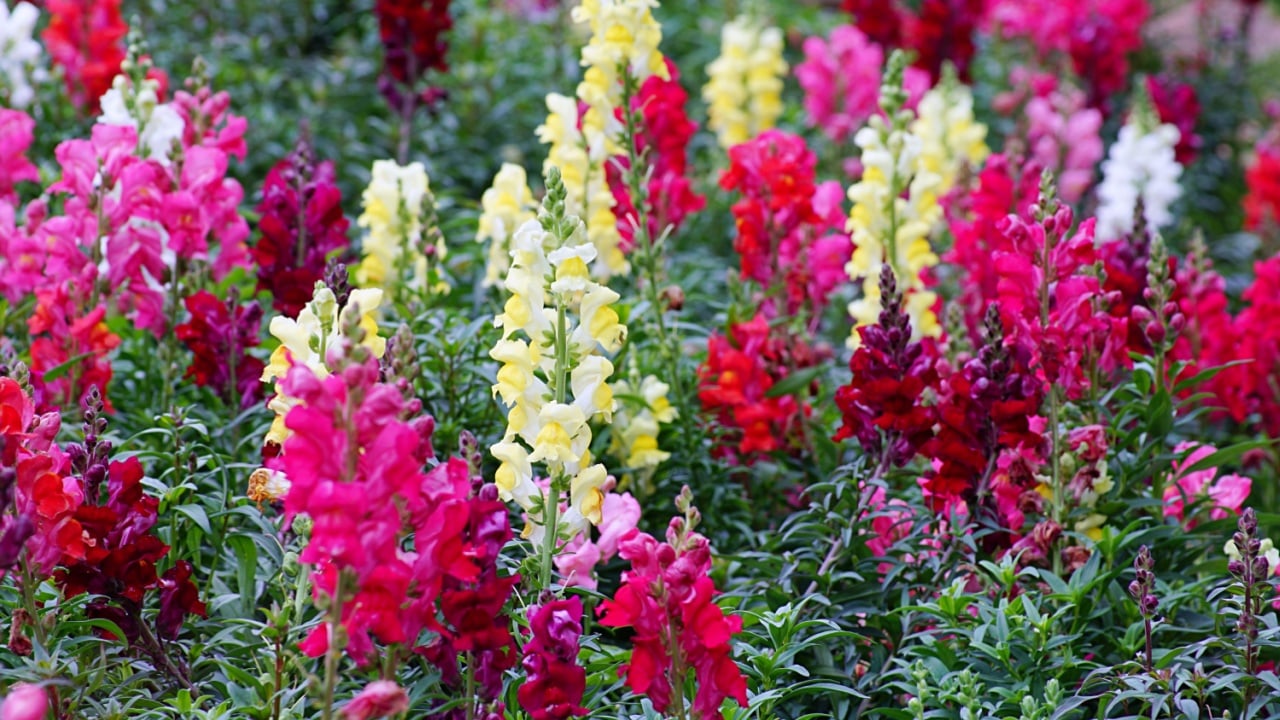
Snapdragons bloom early, before most summer flowers have even germinated, and bring vertical drama and rich fragrance to arrangements that nothing else replicates in spring. Garden Design notes that snapdragons rebloom in late summer when cut back hard after their first flush, effectively giving you two full seasons from a single planting. The Rocket and Chantilly series are widely praised for their long, sturdy stems.
The vase life of snapdragons is approximately 7 to 10 days.
5. Celosia
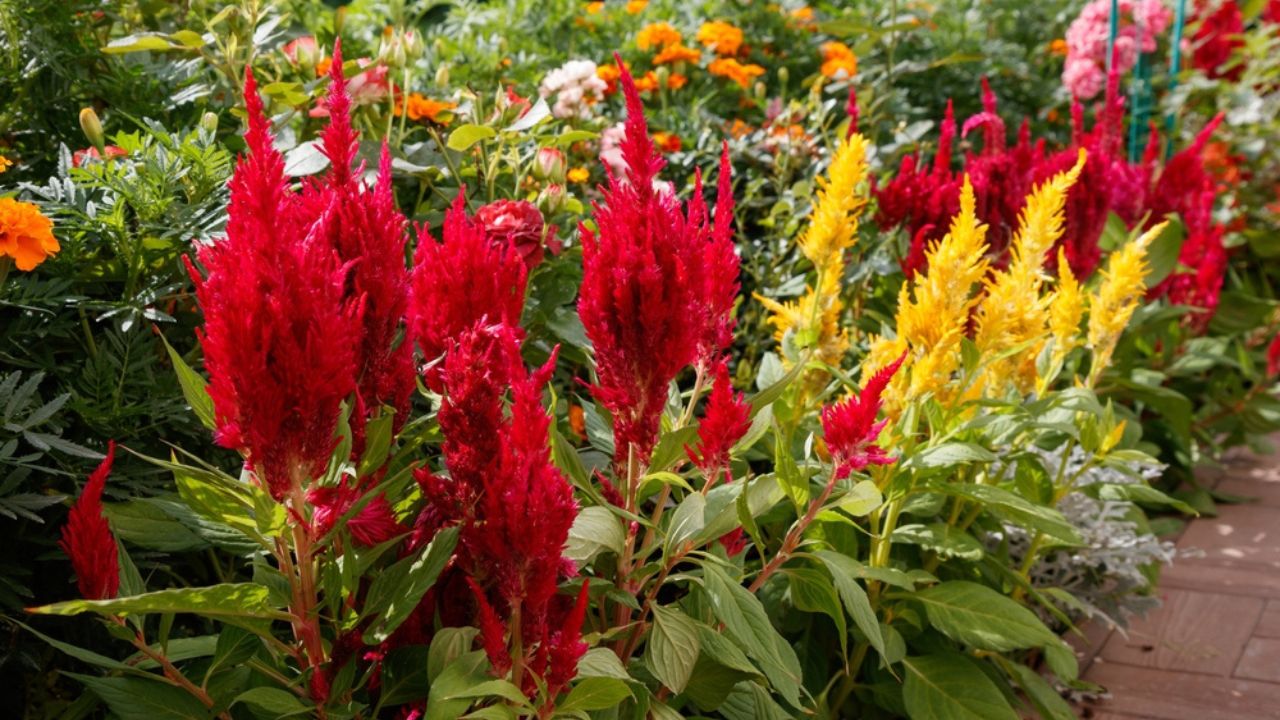
Few flowers are as versatile as celosia. Its crested cockscomb and feathery plume forms come in fierce shades of coral, gold, magenta, and burgundy, and freshly cut stems will slowly air-dry in the vase without losing their color. Two Sisters Flower Farm often grows celosia in place of traditional foliage because of its outstanding texture and dimension in bouquets. It is also one of the most heat-tolerant options available, performing reliably through the hottest weeks of summer.
The vase life of Celosia can last up to 14 days.
6. Marigold
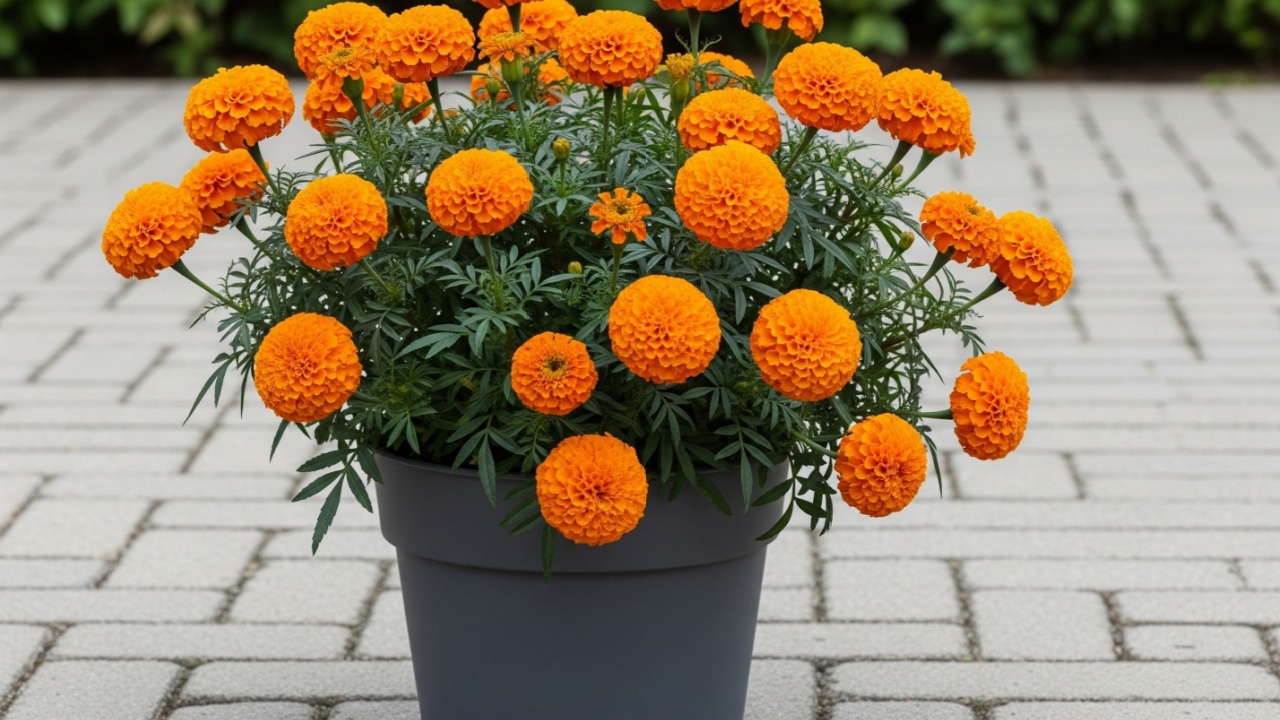
Long dismissed as a bedding plant, marigolds deserve serious reconsideration as a cut flower. White and pale yellow varieties (like White Swan and Nosento Lime) largely sidestep the polarizing scent of traditional orange types while delivering the same outstanding productivity. The University of Florida IFAS Extension recommends African marigold varieties for their tall stems, which are far more useful in arrangements than the compact French types.
The vase life of marigolds can last up to 7 days.
7. Salvia
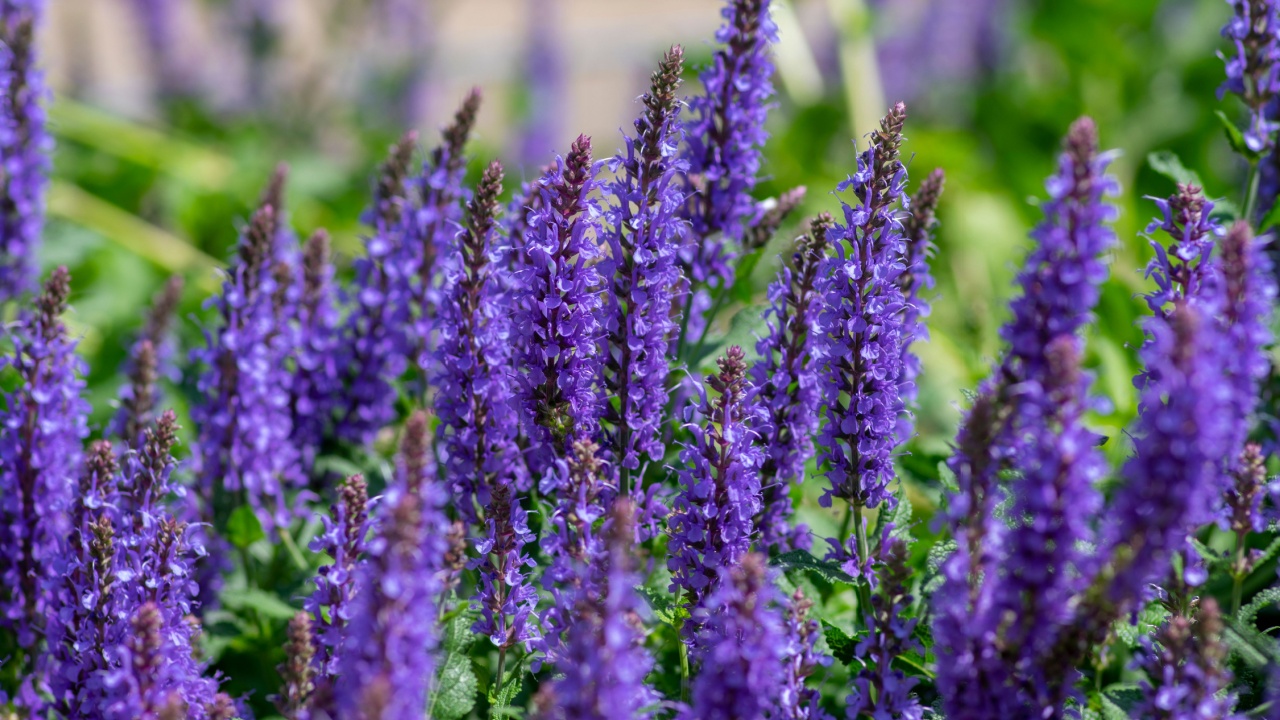
Salvia is one of the most underrated cut flowers in the home garden. Gardenary notes that salvia’s long bloom season, aromatic foliage, and hummingbird-attracting spikes make it equally valuable for pollinators and arrangements. Its vase life rivals or exceeds roses. As a drought-tolerant perennial in most zones, it returns reliably year after year with minimal care, making it one of the highest-value perennial investments for a cutting garden.
The vase life of salvia can last 7 to 14 days.
8. Yarrow
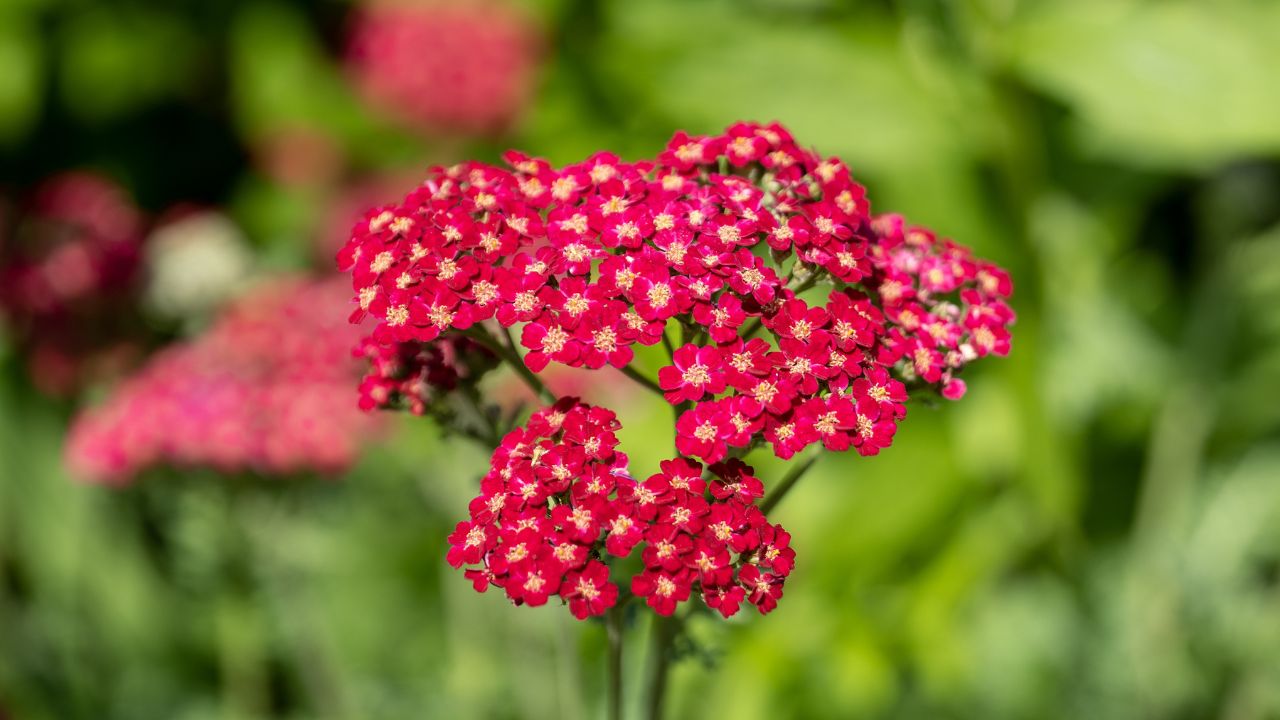
Achillea millefolium has been grown for centuries for its medicinal properties, its pollinator value, and its quiet beauty. Its flat-topped flower clusters in cream, coral, yellow, and deep red layer beautifully against vertical flowers in an arrangement, and they can be hung to dry and used in wreaths or displays year-round. Bootstrap Farmer notes that yarrow’s drought tolerance and willingness to reseed make it one of the lowest-maintenance perennials in the cutting garden.
The vase life of freshly cut yarrow can last approximately 7 to 10 days, though it is indefinite when dried.
9. Dahlia

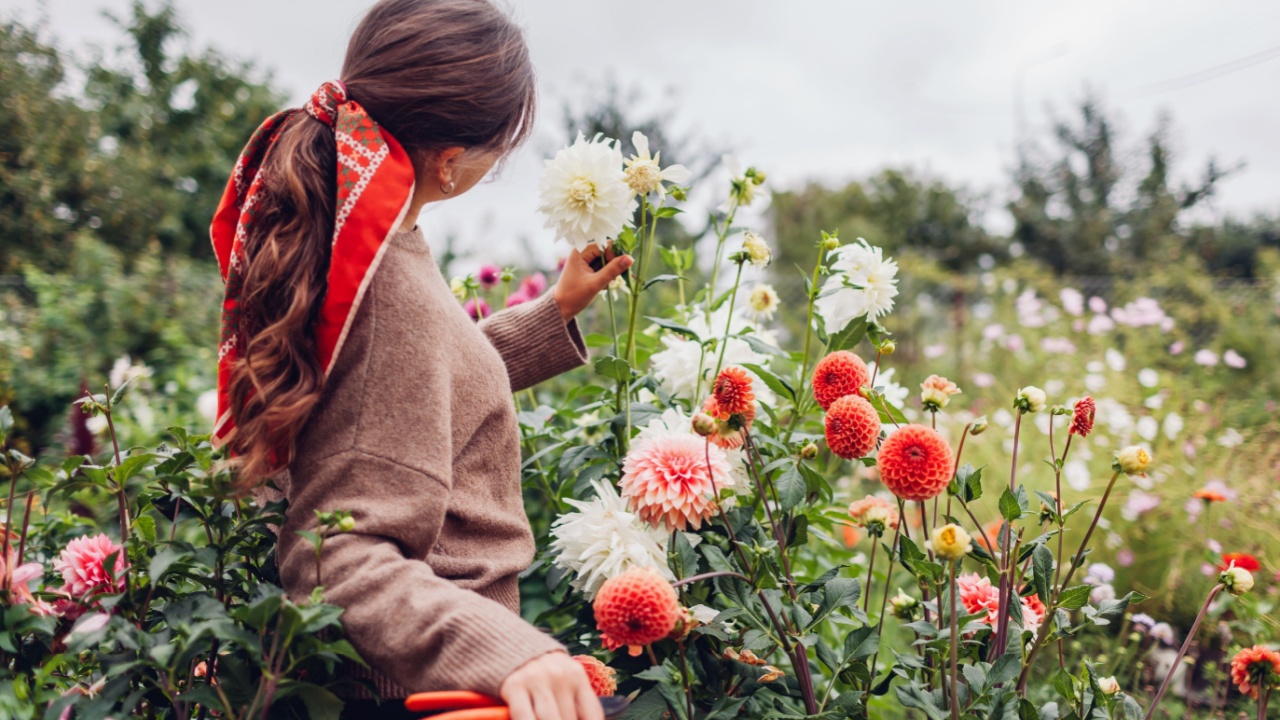
Dahlias are unquestionably the most glamorous flower on this list, and their brief vase life is the only caveat worth mentioning. From midsummer through frost, a single plant produces stunning stems in dinner-plate sizes or precise ball forms, in colors from pure white to near-black burgundy. Bootstrap Farmer describes dahlias as the queen of the cut flower world. Plant tubers in April for flowers by July, pinch the main stem at 12 inches to encourage branching, and plan to feature these blooms at special occasions.
The vase life of a dahlia is approximately 3 to 5 days.
10. Peony
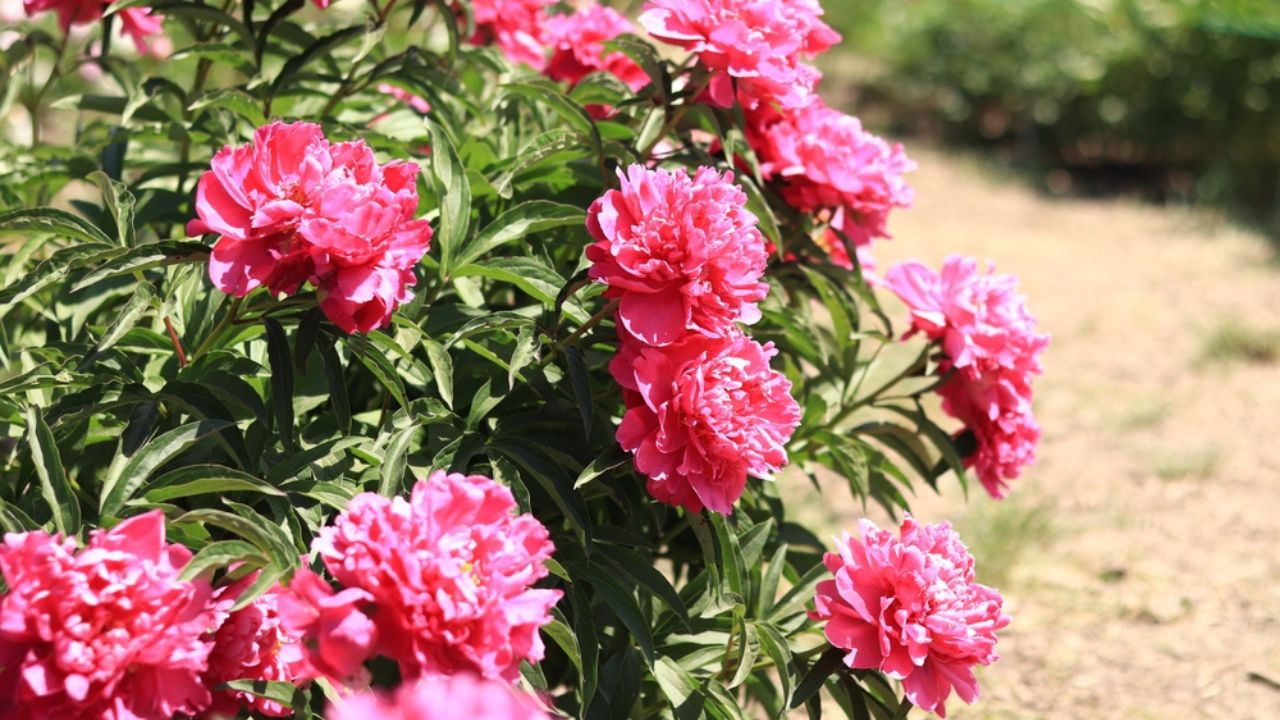
Peonies bloom for only about two weeks a year, but no flower is more beloved in a vase. Garden Design recommends harvesting buds at the “marshmallow stage”; soft, closed, and yielding to gentle pressure, which maximizes vase life and allows blooms to open gradually indoors. Remarkably, peonies cut at this stage can be wrapped in paper and refrigerated for up to six weeks, allowing you to time their display for a birthday, dinner party, or anniversary.
The vase life of Peonies, once out of the refrigerator, is 5 to 7 days.
11. Sweet Pea
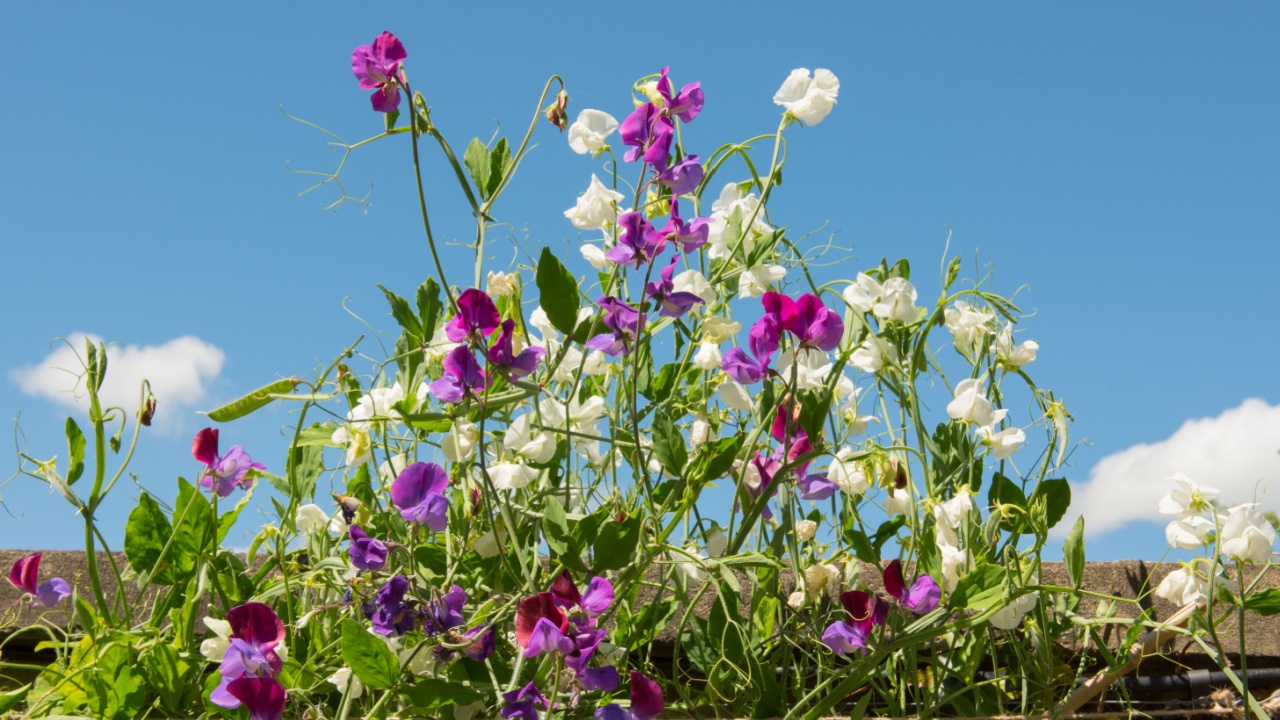
Sweet peas offer a fragrance that is simultaneously honey-like and floral and utterly unlike anything commercially available. They require a trellis, consistent deadheading to prevent seed set, and cool temperatures, so they bloom best in spring and early summer before heat takes over. Garden Design notes that in Zone 7 and above, seeds sown in late fall will produce blooms the following spring; a delayed payoff that is absolutely worth the planning.
The vase life of sweet pea is approximately 5 to 7 days.
12. Lisianthus

The most luxurious flower on this list, lisianthus, resembles a ruffled, layered rose or an extravagant peony, and it lasts up to two weeks in a vase. Swallowtail Garden Seeds notes that the Echo Blue variety opens from greenish-white buds into deep royal purple, one of the more dramatic color progressions available in any cut flower. Lisianthus requires patience; it is slow to germinate and mature, but the payoff is a sophisticated, florist-worthy bloom that most home gardeners have never attempted.
The vase life of lisianthus is up to 14 days.
How to Cut Your Best Cut Flowers So They Last
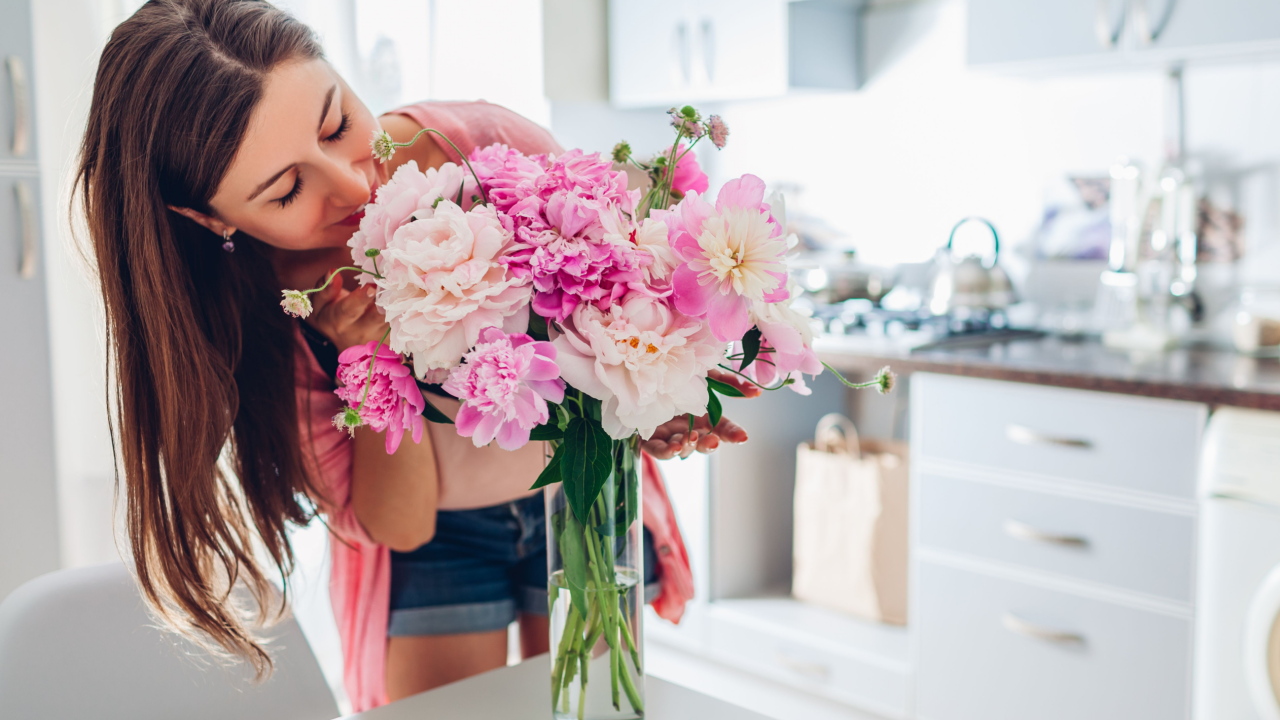
The difference between a homegrown bouquet that lasts three days and one that lasts ten often comes down to one practice: cut in the early morning or late evening, never at midday.
Garden Design advises carrying a bucket of cool water to the garden and plunging stems in immediately after cutting. Recut the stems at a 45-degree angle with a sharp, clean blade, ideally underwater, to maximize water uptake. Strip any foliage that will sit below the waterline, as it decomposes quickly and breeds bacteria that shorten vase life. Change the water every two to three days.
One guideline that surprises new gardeners is that most flowers last longest when cut just as buds are beginning to open, not when they are fully bloomed. The exception is dahlia, which does not open further once harvested and should be cut at peak.
A vase full of flowers you grew yourself, arranged on your own table, from seeds that cost less than a cup of coffee. Your grandmother knew it. Now you do too.
Read More
Plant these 10 companion plants with your tomatoes — and stop planting these 4
13 Plants That Grow Better (and Faster) Hydroponically — and Why March Is the Perfect Time to Start