14 Creative Ways to Use Aluminum Foil at Home
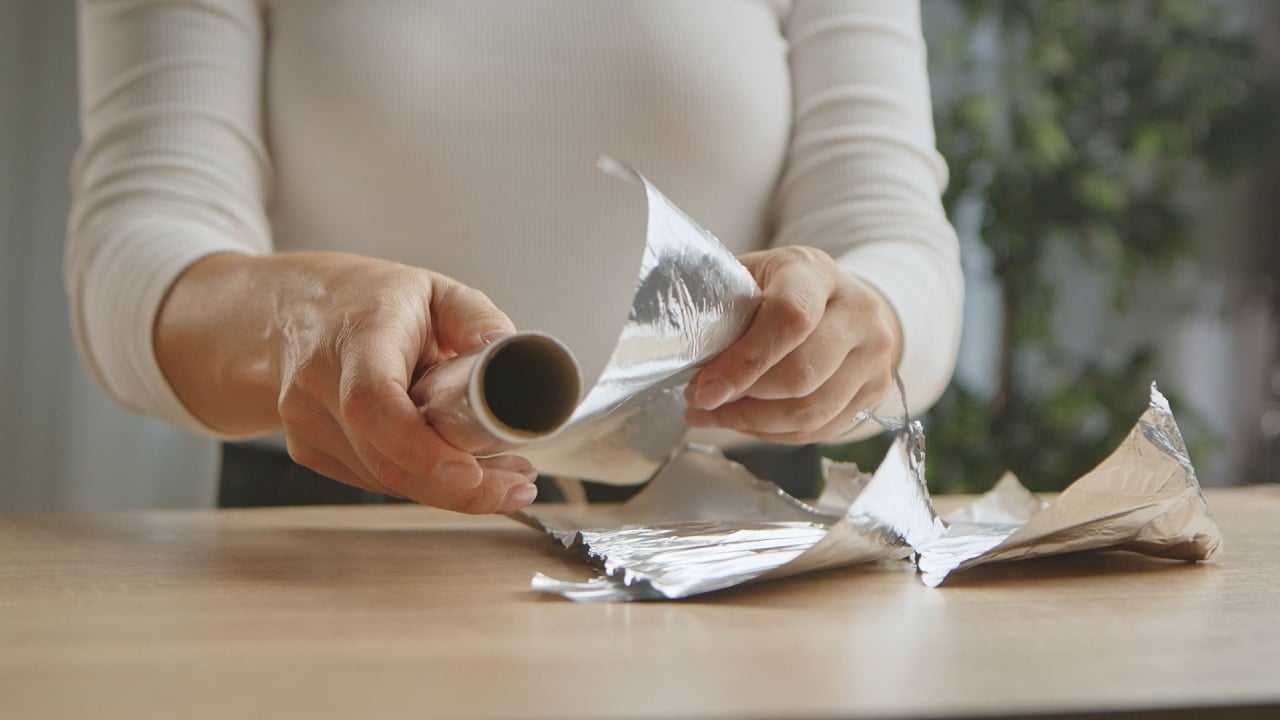
Many people open their kitchen drawers and see a simple roll of thin metal waiting to cover leftover food. You might use it to wrap a sandwich or cover a casserole dish before dinner. However, this common household item possesses incredible potential beyond food storage. People often overlook the true power hidden inside that cardboard box sitting in the pantry.
This adaptable material offers solutions to various problems around your property. Because the metal withstands high temperatures and blocks moisture effectively, it serves multiple purposes in a variety of situations. You can bend, fold, and shape the sheets to fit almost any container or surface. The material acts as a strong barrier against heat, light, and tough grime.
This article outlines fourteen specific methods for using foil beyond standard cooking tasks. Read on to learn practical techniques to improve your cleaning routines, simplify painting projects, and assist with outdoor activities.
1. Use Foil to Line a Paint Tray

Painting a room requires preparation and creates a messy cleanup process. You can place a layer of foil inside your paint tray before pouring the liquid color. The metal sheet forms a perfect mold inside the plastic or metal tray basin. This prevents the wet paint from ever touching the actual tray surface.
When you finish painting your walls, cleanup becomes incredibly fast. You simply pour any remaining paint back into the can and peel the metallic liner away from the tray. Discard the messy liner in the trash can. Your paint tray remains completely clean and ready for your next home improvement project.
2. Clean Your Grill with Foil
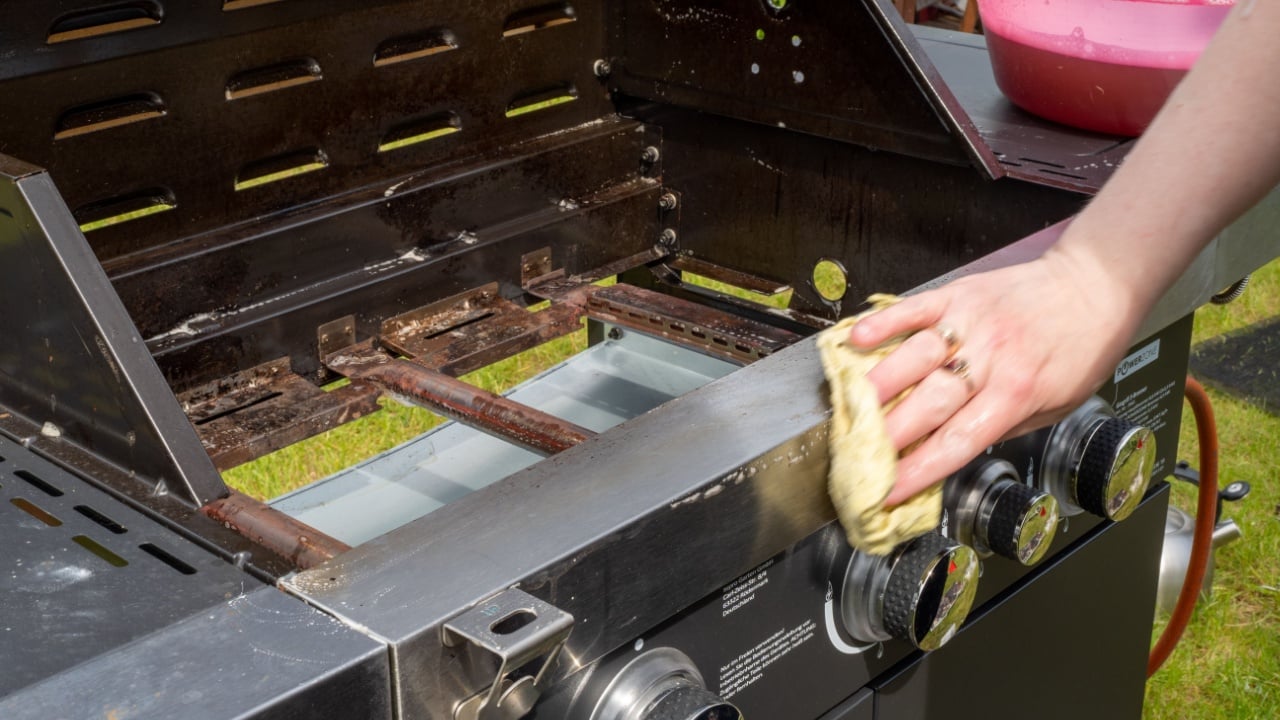
A backyard barbecue leaves behind greasy residue and stuck-on food bits across your metal grates. Instead of buying expensive wire brushes that shed dangerous bristles, you can use aluminum foil to clean the grill. Rumple a sheet of foil into a tight ball; grip this metallic ball tightly with long metal tongs while the grates remain slightly warm.
Rub the crumpled ball forcefully across the dirty metal bars to scrape away stubborn grime. You can dip the ball in white vinegar to help break down grease even faster. This method provides a safe and effective scrub that leaves your barbecue grates ready for your next outdoor meal.
3. Protect Frozen Foods with Foil
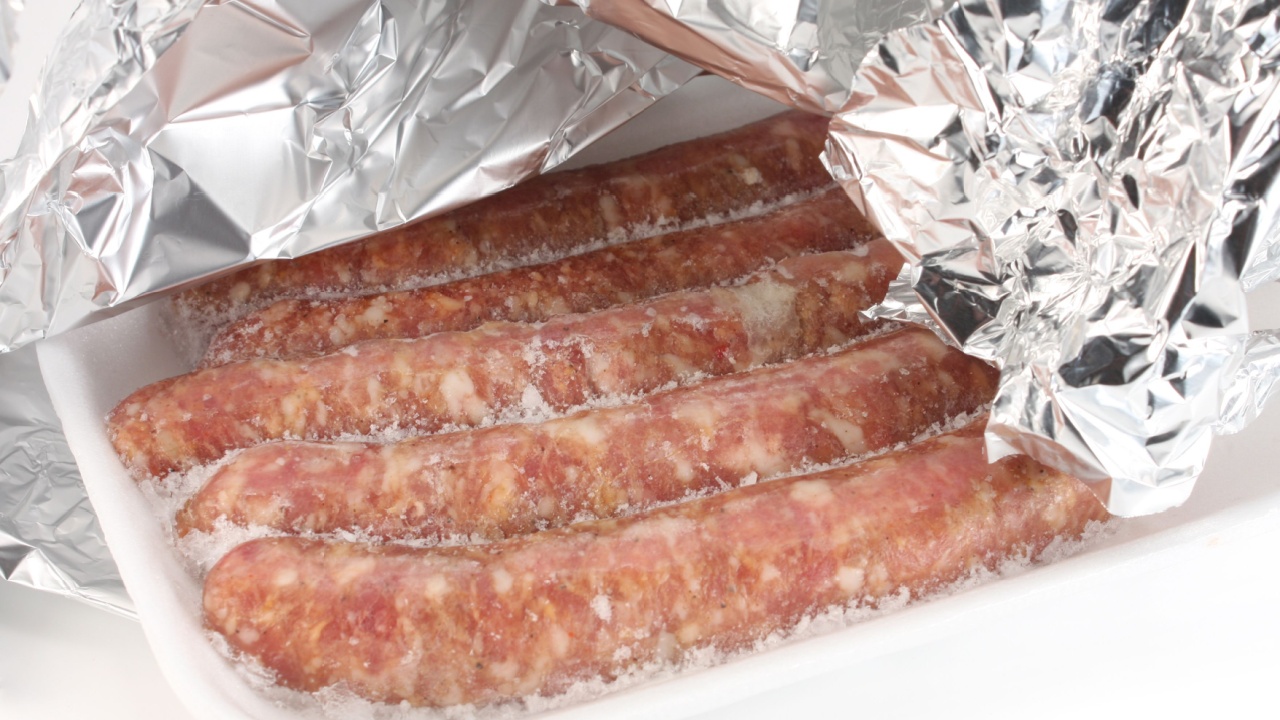
Freezer burn ruins the taste and texture of your expensive meats and vegetables. Cold air pulls moisture out of improperly wrapped items in your freezer. You can prevent this damage by adding a secondary protective layer over your plastic storage bag
First, wrap your food tightly in plastic wrap or place it inside a sealed storage bag. Next, cover the entire package securely with a generous layer of foil. This thick metallic barrier blocks cold air completely and seals moisture inside your food.
4. Keep Paint Brushes Fresh
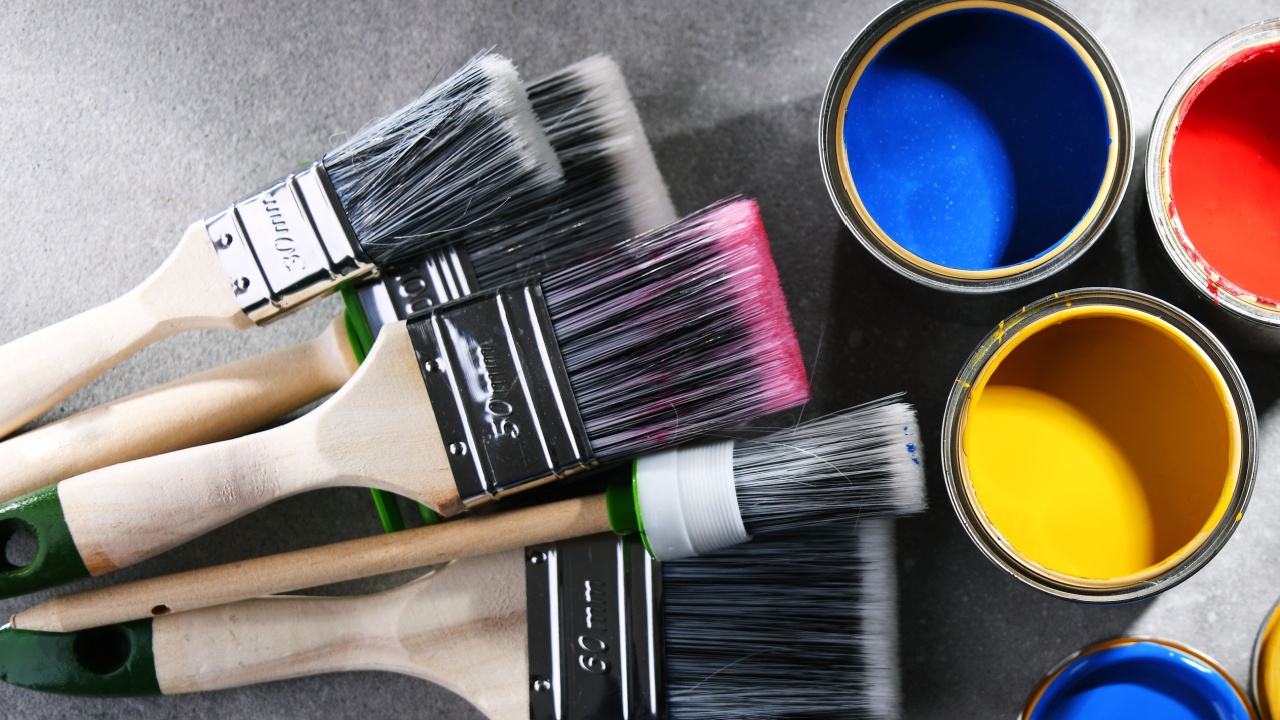
Taking a quick break during a painting project often results in stiff, ruined brushes. Air exposure rapidly dries out the wet bristles. You can wrap your wet paint brushes or rollers tightly with foil when you need to step away for a short period.
The airtight seal prevents the paint from hardening on the brush fibers. You can leave the wrapped tools on your workbench for several hours or overnight. When you resume your project, simply unwrap the tool and continue painting immediately.
5. Sharpen Blades with Foil

You do not need professional sharpening tools to fix blunt blades in your desk drawer. You can extend the life of dull scissors using aluminum foil. Take a large sheet of foil and fold it over itself multiple times until you create a thick, multi-layered strip.
Make several full-length cuts through the folded strip using your dull scissors. The friction against the layered metal helps remove tiny burrs and smooths the edges of the blades. After cutting through the strip ten or twelve times, wipe the blades with a damp cloth to reveal noticeably sharper scissors.
6. Insulate Your Sleeping Bag

Sleeping outdoors brings you closer to nature but often involves resting on damp ground. A sleeping bag provides warmth, but cold moisture from the earth can seep through the fabric overnight. You can place a long sheet of heavy-duty foil underneath your sleeping bag before lying down.
The metal barrier reflects your body heat upward while blocking the cold ground temperature. It also stops ground moisture from soaking into your bedding materials. This simple addition makes outdoor camping trips much more comfortable during colder nights.
7. Use Foil to Protect Pie Crust Edges
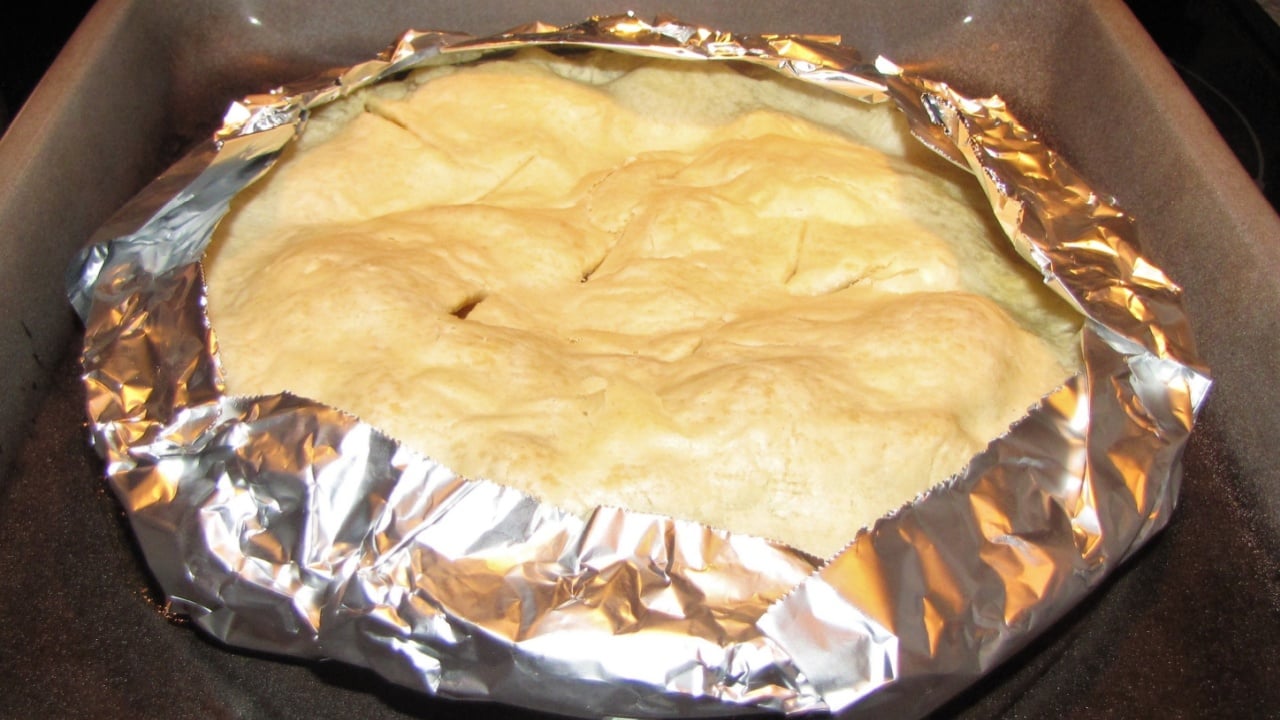
Baking a homemade pie requires precise timing to cook the filling just right without burning the edges. The thin crust often browns much faster than the dense center of the dessert. You can create a protective ring out of foil to cover the outer rim of your pie dish.
Cut a circle out of the center of a large metallic sheet to form a protective ring. Gently rest this ring over the exposed crust before placing the dish in the oven. The covering blocks direct heat and prevent the edges from burning while the rest of your dessert bakes thoroughly.
8. Speed Up Ironing with Foil
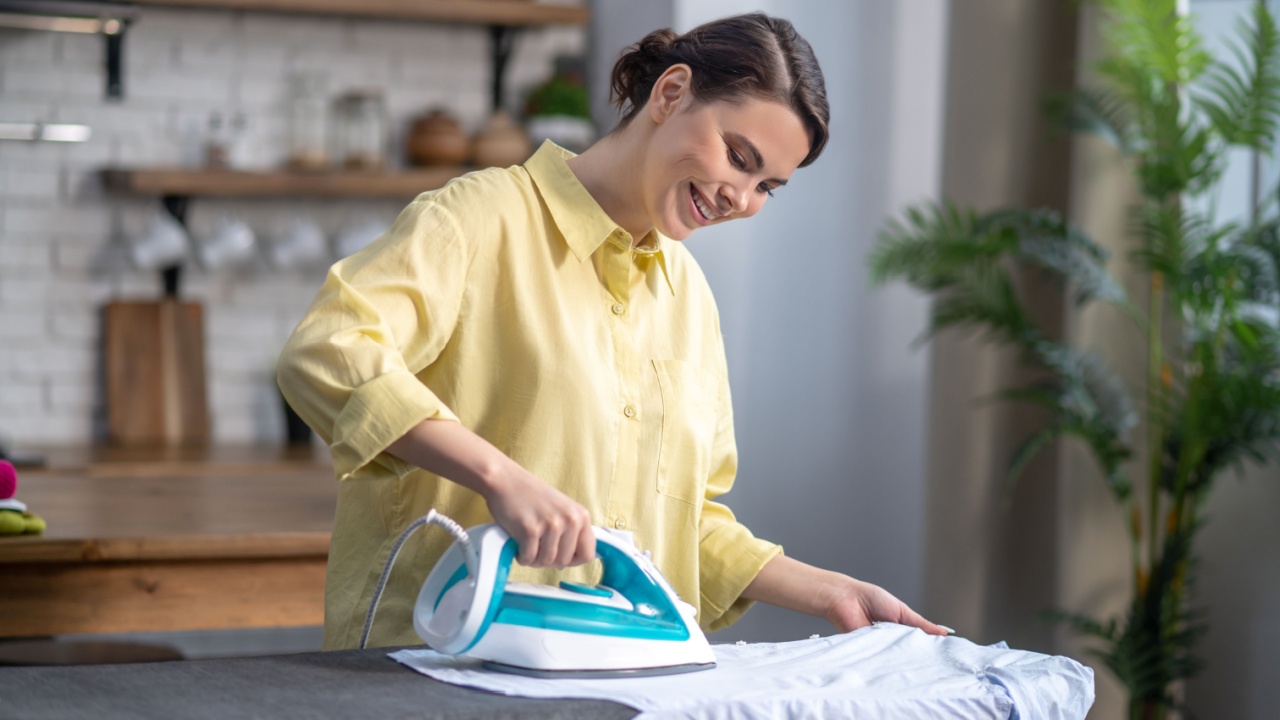
Ironing wrinkled clothes takes significant time and requires multiple passes over thick fabrics. You can speed up this chore by modifying your ironing board setup. Remove the cloth cover from your board and lay a long sheet of foil directly over the bare surface.
Place the cloth cover back over the shiny material. When you press a hot iron against your clothes, the hidden metallic layer reflects the heat upward. This reflected heat presses the underside of the fabric simultaneously, allowing you to remove wrinkles twice as fast.
9. Make a Pastry Bag

Decorating a cake or cupcakes requires specialized tools that many people do not keep in their kitchens. If you lack a professional piping bag, you can quickly craft a temporary replacement. Roll a sturdy sheet of foil into a tight cone shape, leaving a wide opening at the top and a tiny hole at the bottom.
Fold the side edges tightly to seal the seam of the cone. Spoon your sweet frosting directly into the wide opening, then twist the top closed. Squeeze the cone gently to pipe precise decorations onto your baked goods without needing expensive equipment.
10. Polish Silver
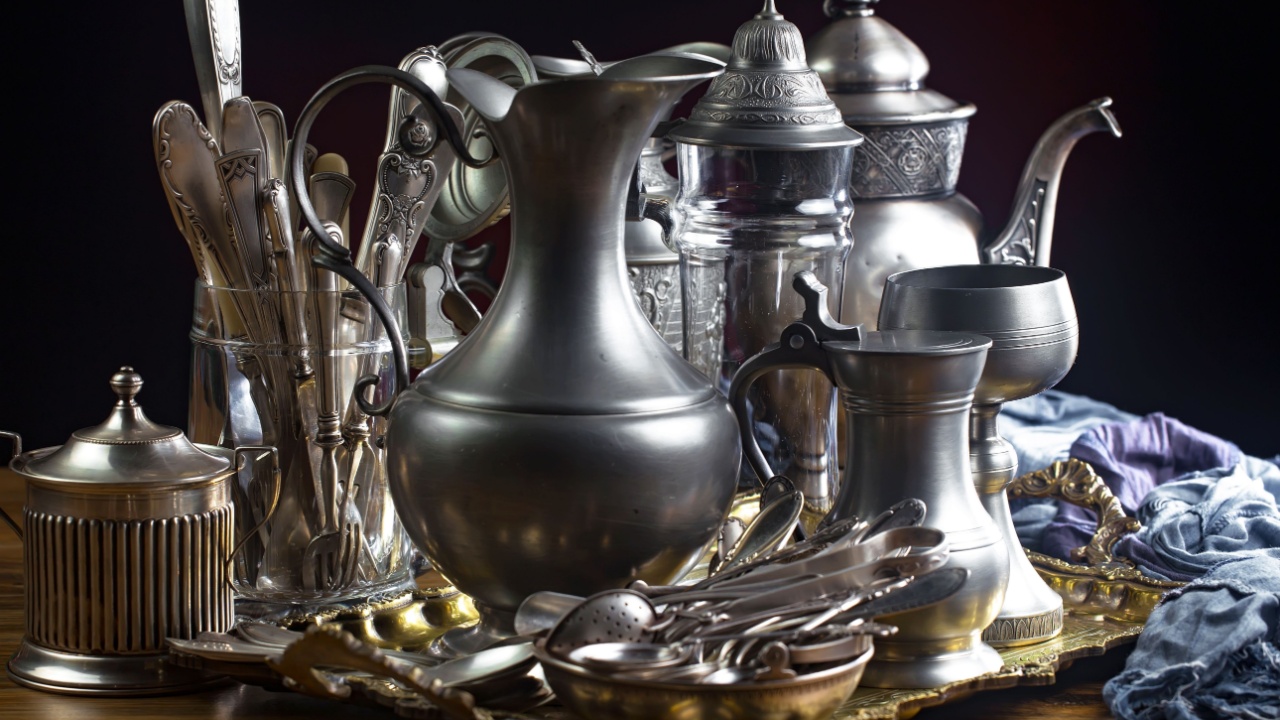
Tarnished silverware looks dull and unattractive on a formal dining table. You can restore the original shine to your silver pieces using a simple chemical reaction in your kitchen sink. Line the bottom of a large glass or plastic container with a shiny sheet of foil.
Place your tarnished silver items directly onto the metal surface. Pour a mixture of very hot water and baking soda over the items until completely submerged. The tarnish will transfer from your silverware onto the foil, leaving your pieces sparkling bright after a quick rinse and polish.
11. Keep the Oven Clean
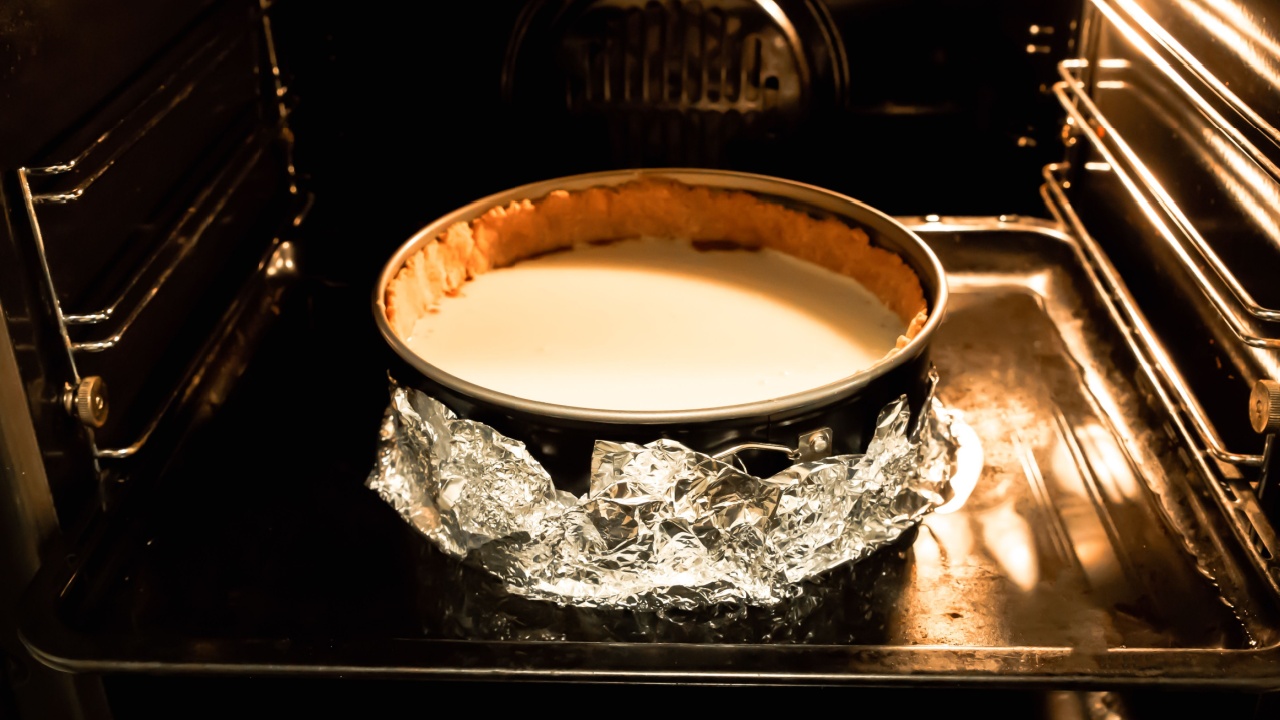
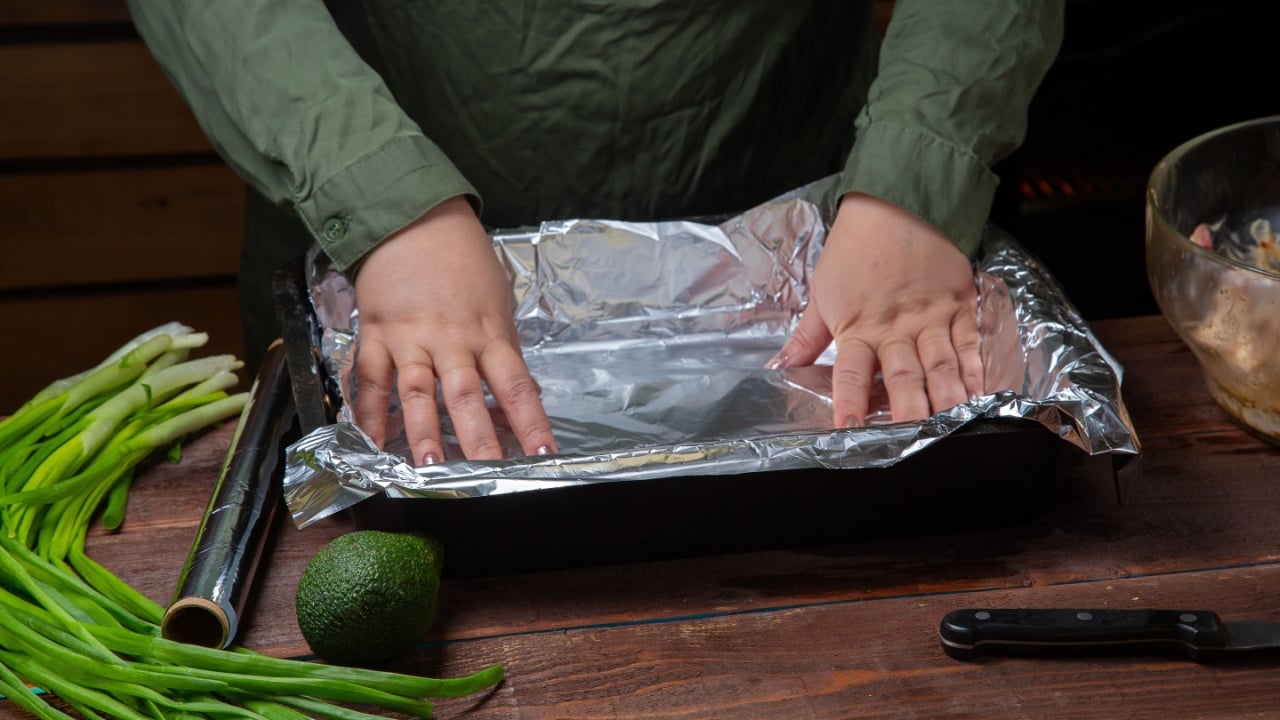
Baking fruit pies or heavy casseroles often results in messy spills that burn onto the bottom of your appliance. Scraping baked-on food from the bottom of your oven requires harsh chemicals and heavy scrubbing. You can use aluminum foil to catch these drips before they hit the bottom surface.
Place a large sheet of foil on the rack directly below your baking dish. The sheet catches any sticky fruit juice or bubbling cheese that overflows from the pan. Never place the sheet directly on the oven floor, as this blocks airflow and causes severe damage to the heating elements.
12. Scour Pots and Pans
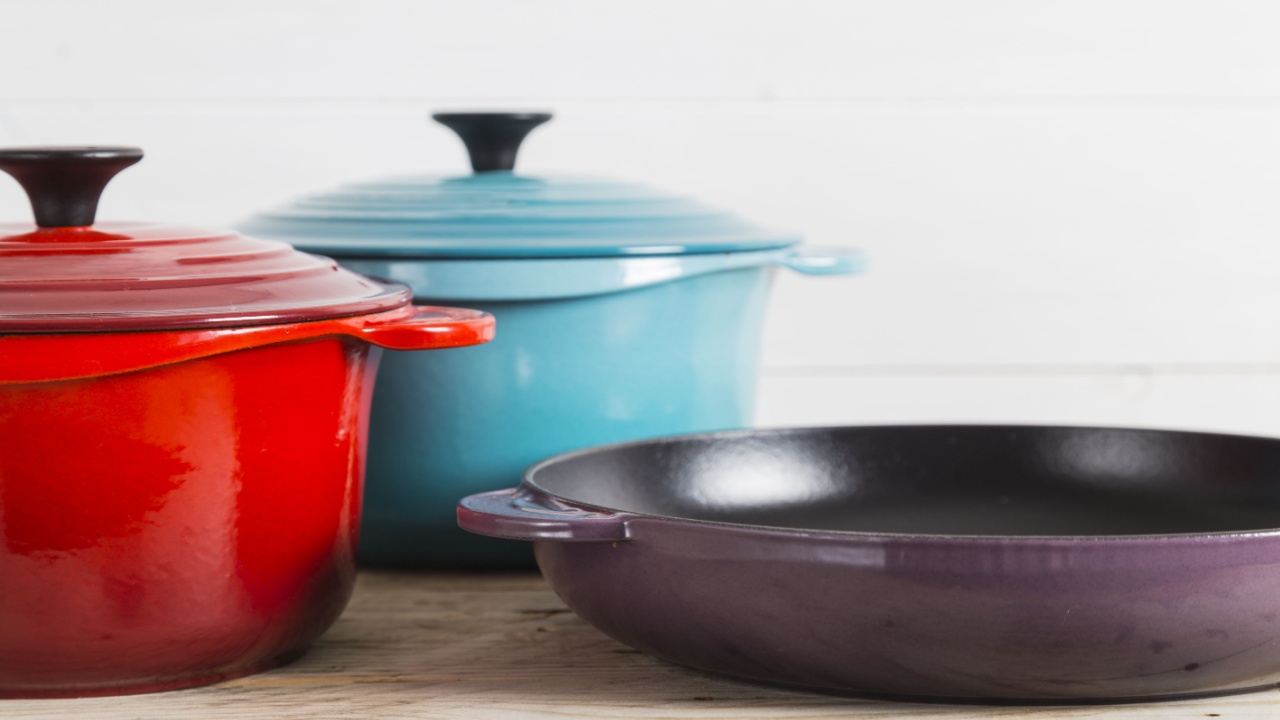
Cooking sticky meals often leaves burnt residue firmly attached to your heavy cookware. Normal sponges fail to remove hardened food from glass casserole dishes or cast-iron skillets. You can crumple a piece of foil into a hard ball to create a heavy-duty scrubbing tool.
Add a small amount of dish soap and warm water to your dirty pan. Rub the crumpled ball firmly against the burnt areas to break away the tough residue. You must avoid using this method on nonstick surfaces, as the metal will permanently scratch the delicate coating.
13. Protect Plants
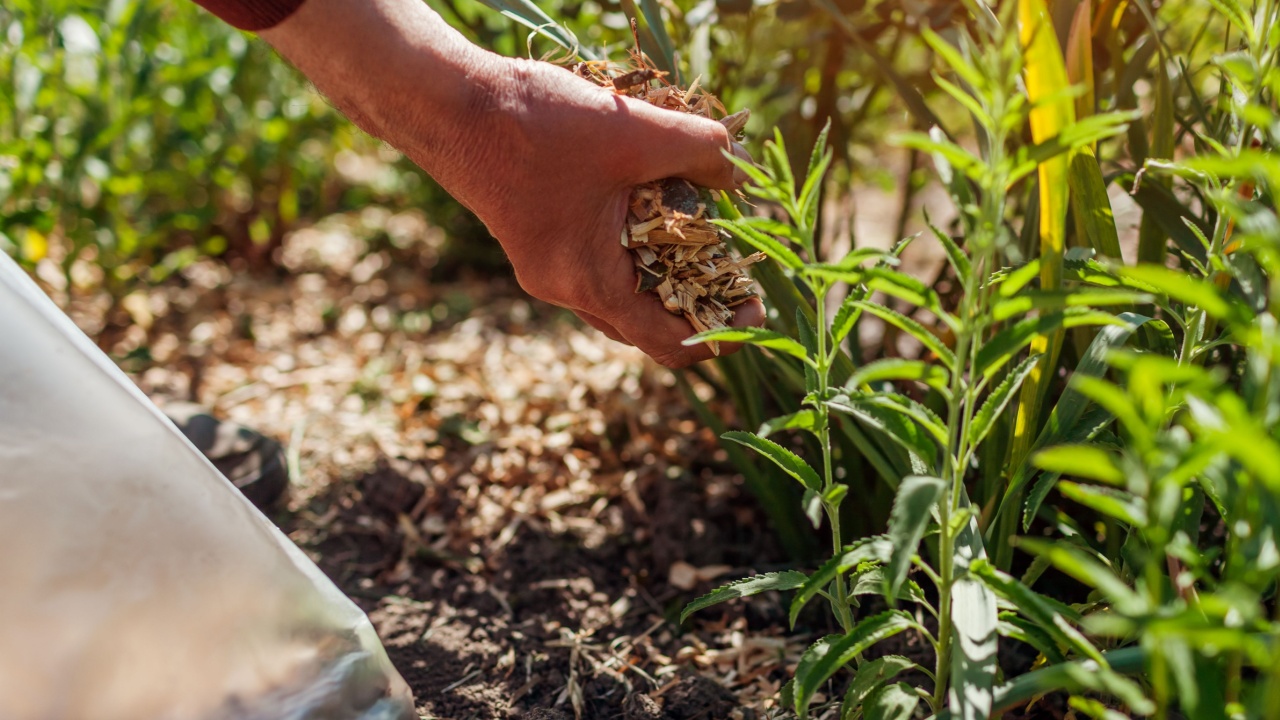
There are many ways to garden with aluminum foil. Gardeners constantly battle crawling pests that damage delicate vegetables and flowers. You can mix small, shredded pieces of foil into the wood mulch surrounding your outdoor plants. The shiny pieces create a reflective surface on the ground.
The bright reflections disorient certain insects and keep them away from your growing vegetables. Furthermore, the mirrored pieces bounce natural sunlight back up onto the underside of the leaves. This extra light helps the plants grow stronger during the warm growing season.
14. DIY Serving Platter
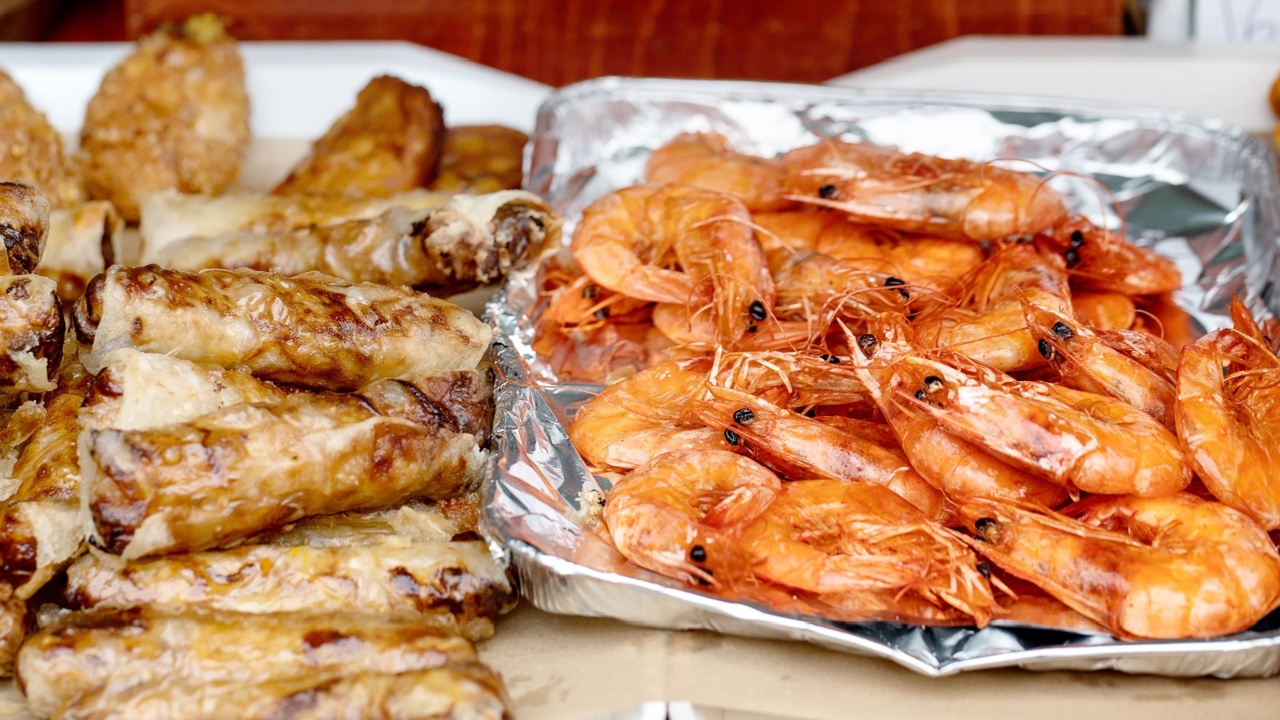
Hosting a party requires serving dishes to hold large cakes, appetizers, or sandwich spreads. Purchasing large platters specifically for one event wastes money and takes up valuable cabinet space. You can build a custom serving platter using stiff cardboard from a shipping box and aluminum foil.
Cut the thick cardboard into any shape or size you desire. Wrap the cardboard completely with heavy-duty foil, taping the edges securely underneath. This creates a sanitary, sturdy, and attractive serving tray that you can simply discard after the party ends.
Unroll the Possibilities
You now have multiple practical strategies for using a common pantry item throughout your whole house. From scrubbing dirty barbecue grates to reflecting sunlight onto garden plants, these techniques simplify difficult chores. A thin metallic sheet acts as a protective barrier, a scrubbing tool, and a heat reflector whenever you need assistance.
Using basic items in unexpected ways makes daily tasks much easier to manage. Looking at household supplies with a fresh perspective saves money and reduces unnecessary trips to the hardware store. Creativity allows you to solve irritating problems using materials you already own.