16 Items to Never Clean With Disinfecting Wipes
Wiping down a dirty counter or a sticky remote feels like a quick win for a tidy home. Those convenient canisters of disinfecting wipes promise a germ-free life with a single swipe. It is easy to assume that because they kill bacteria, they are the gold standard for every surface under the roof.
While these wipes are handy for hard, non-porous surfaces, they are not a universal solution. Many household items can be permanently damaged by the harsh chemicals or excessive moisture trapped in those little fibers. This guide pulls from expert cleaning advice and manufacturer warnings to highlight where these wipes do more harm than good.
Expect a breakdown of specific materials and items that need a gentler touch. From expensive electronics to kitchen essentials, knowing when to put the wipe down will save both money and sanity.
1. Stone Kitchen Countertops
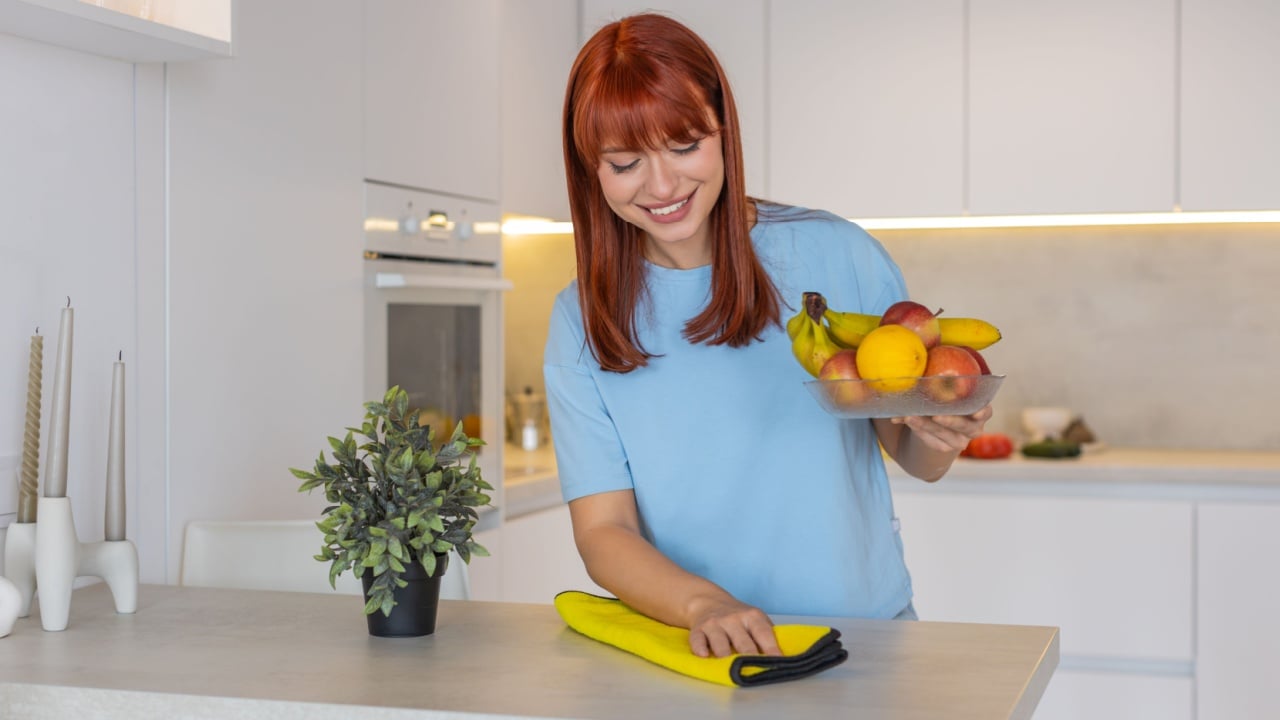
Natural stones like granite and marble are far more sensitive than they appear. Disinfecting wipes often contain citric acid or other harsh chemicals that eat away at the sealant protecting the stone. Once that sealant is compromised, the porous rock beneath becomes vulnerable to deep stains and permanent etching.
Instead of a wipe, use a dedicated stone cleaner or a drop of mild dish soap mixed with warm water. This keeps the finish intact while still removing daily grime. Resealing stone surfaces once a year is a smart move to maintain that protective barrier.
2. Leather Goods

Leather is essentially skin, meaning it needs moisture to stay flexible and soft. The high alcohol content in most disinfecting wipes acts as a drying agent that pulls natural oils right out of the material. Frequent use leads to unsightly cracking, peeling, and a dull finish on expensive purses or car seats.
Choose a specialized leather cleaner followed by a high-quality conditioner to keep the material supple. If a quick clean is needed, a damp microfiber cloth usually does the trick without the chemical fallout. Apply a leather protectant spray every few months for an extra layer of defense against spills.
3. Touchscreens

Smartphones and tablets come with an oleophobic coating designed to resist fingerprints and oil. The chemicals in disinfecting wipes are notorious for stripping this layer away, making the screen feel sticky and look blurry. Once this coating is gone, there is no way to rub it back on.
A dry microfiber cloth is the safest way to remove smudges and oils from a screen. For actual disinfection, look for wipes specifically labeled as safe for electronics or use a 70% isopropyl alcohol solution on a soft cloth. Keeping a small microfiber cloth in a bag or pocket prevents the urge to reach for a harsh wipe.
4. Painted Walls
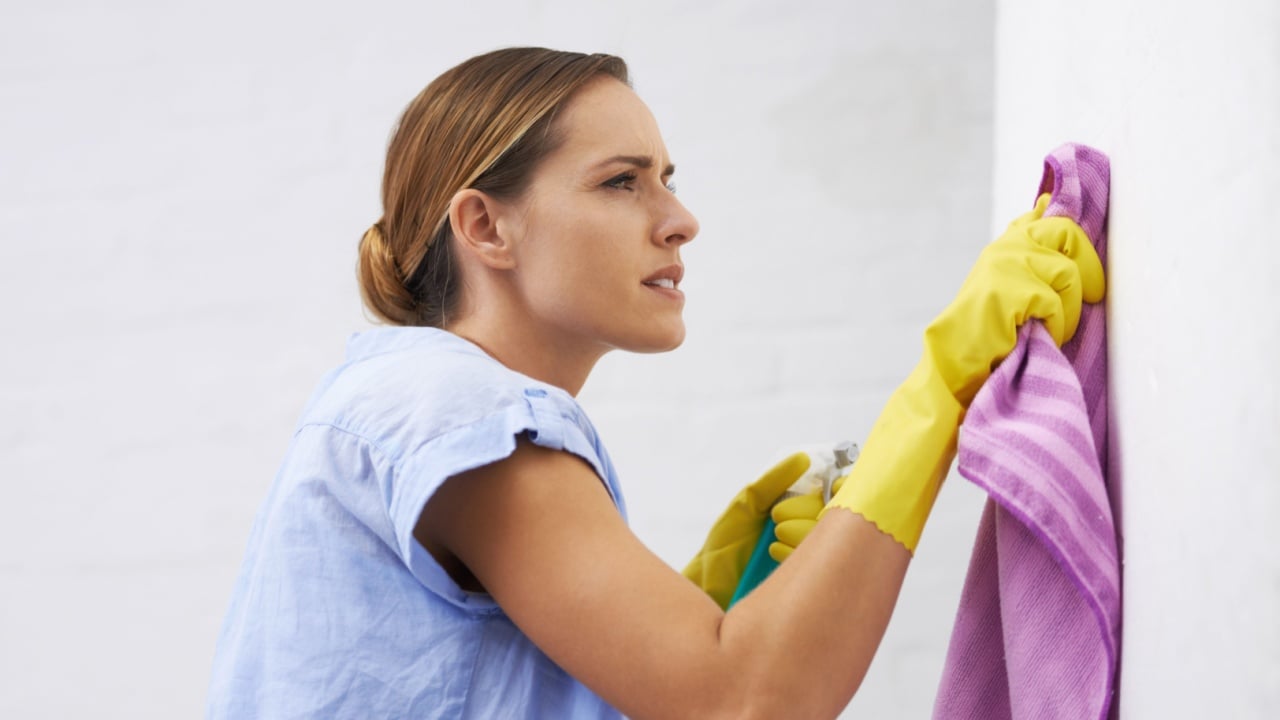
Wiping a scuff mark with a disinfecting wipe might remove the dirt, but it often takes the paint with it. The solvents in the liquid can soften the paint or leave behind a shiny, greasy streak that stands out against the matte finish of the wall. This is especially true for latex paints, which are easily dissolved by alcohol.
A damp sponge with a tiny bit of dish soap is usually enough to lift most household marks. If the stain is stubborn, a melamine sponge used very lightly is a better alternative than a chemical wipe. Keeping a small jar of touch-up paint in the garage makes fixing mistakes much easier.
5. Unfinished Wood

Wood is a thirsty material that drinks up whatever liquid is placed on its surface. Because disinfecting wipes are saturated with water and chemicals, they can cause unfinished wood to swell or warp. The chemicals can also leave behind dark stains that penetrate deep into the grain.
Stick to a dry dust cloth or a vacuum with a soft brush attachment for daily maintenance. If deep cleaning is necessary, use a product specifically formulated for wood that evaporates quickly. Polishing finished wood with a wax-based cleaner helps repel dust and moisture.
6. Upholstery and Fabric
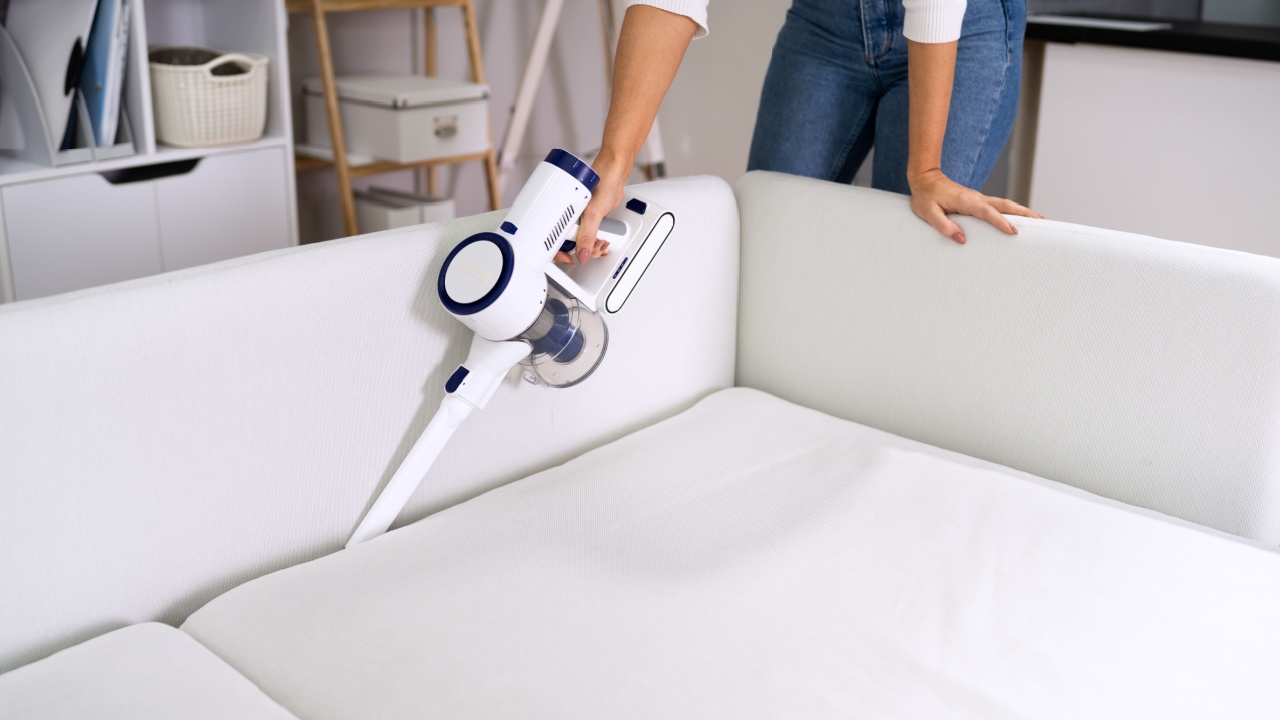
Fabric fibers are excellent at trapping moisture, which is exactly why you should keep wipes away from them. The liquid from a wipe can soak into the padding of a couch or chair, leading to mildew growth deep inside the cushion. Furthermore, the chemicals might cause the fabric dyes to bleed or fade unevenly.
Use a vacuum with an upholstery tool to remove surface dust and allergens. For spills, blot the area with a clean, dry towel and use a fabric-specific spot cleaner if needed. Steam cleaning is the most effective way to sanitize soft surfaces without leaving chemical residues.
7. Food Prep Surfaces
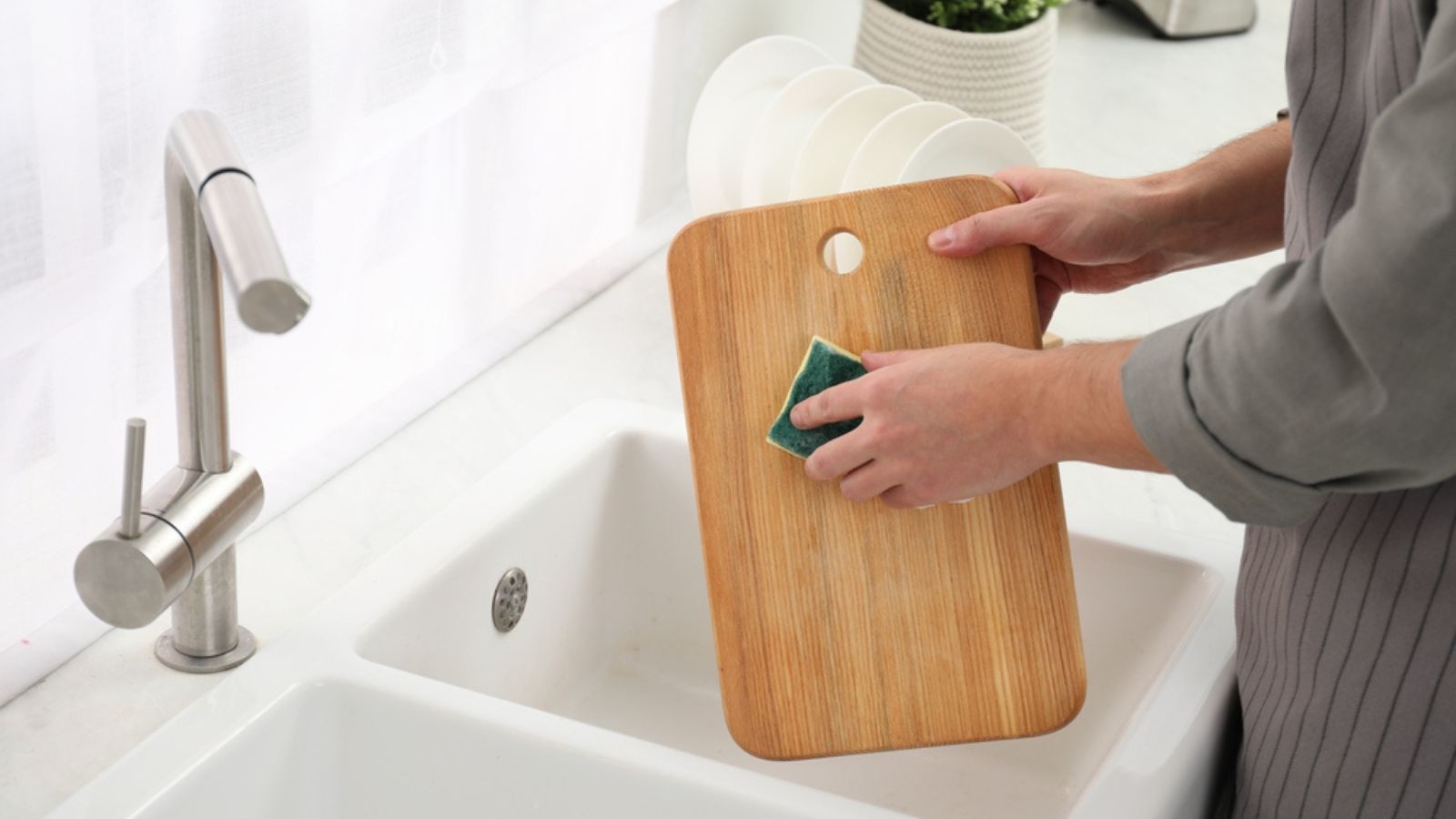
Many disinfecting wipes are registered as pesticides and are not intended for surfaces that touch food. If a wipe is used on a cutting board or a dinner plate, it can leave behind a toxic residue that transfers directly into the next meal. Ingesting these chemicals is a health risk that is easily avoided.
Hot, soapy water is the best defense for items that come into contact with food. For cutting boards used with raw meat, a solution of diluted bleach followed by a thorough rinse is much safer and more effective. Always check the label of any cleaner to see if a potable water rinse is required after use.
8. Eyewear
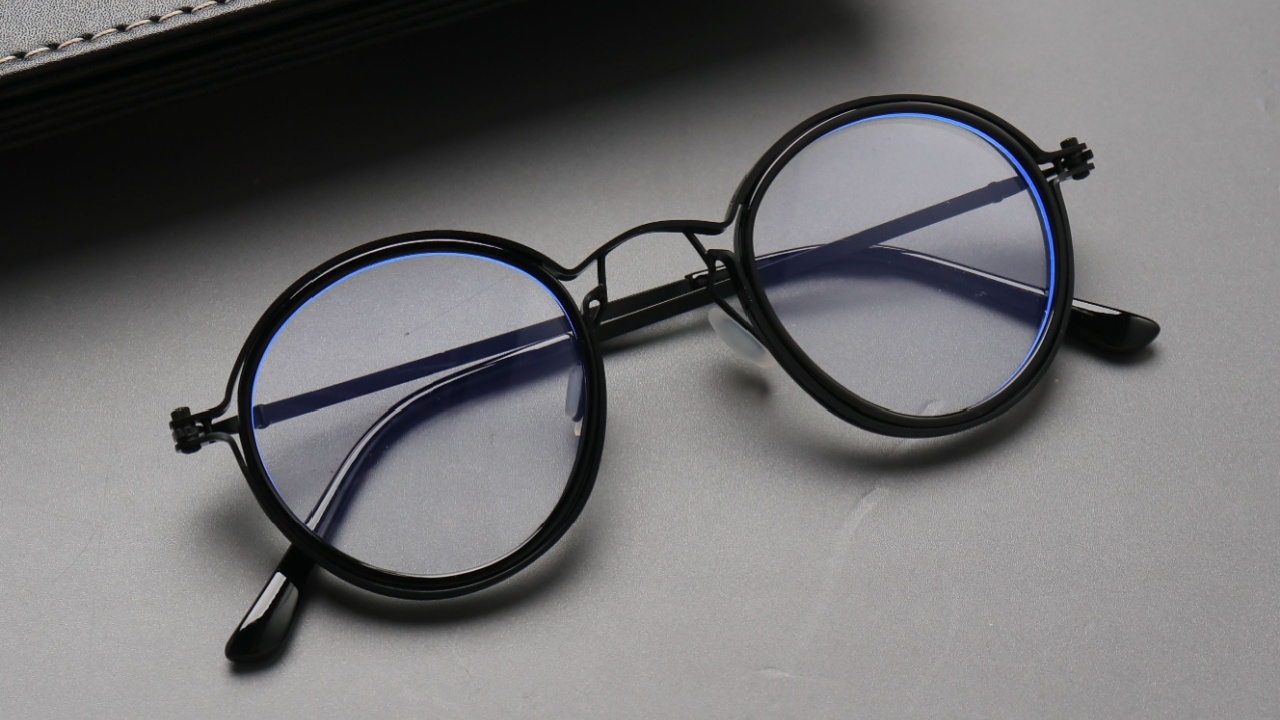
The lenses on modern glasses often feature anti-reflective or UV-protective coatings. Disinfecting wipes can be far too abrasive for these delicate layers, causing them to flake or peel over time. Once the coating is damaged, the lenses often become difficult to see through in bright light.
Rinse glasses under lukewarm water and use a tiny drop of lotion-free dish soap to break down oils. Dry them with a clean microfiber cloth specifically made for eyewear to avoid scratches. Store glasses in a hard case whenever they are not being worn to keep them clean longer.
9. Pet Bowls
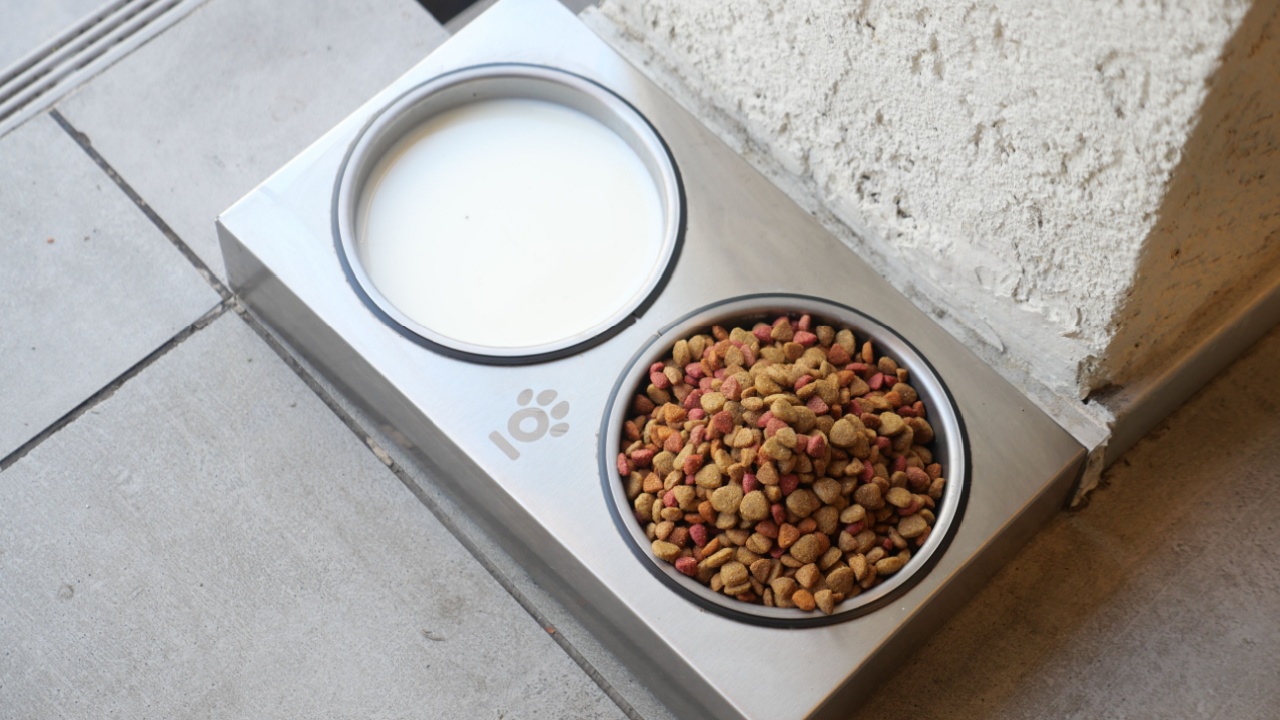
Pets are highly sensitive to the fragrances and chemicals found in standard cleaning wipes. Licking a bowl that still has chemical residue can irritate a pet’s mouth or digestive tract. Some ingredients, like certain essential oils or phenols, can even be toxic to cats and dogs.
Run pet bowls through the dishwasher or wash them by hand with standard dish soap. Making sure the bowls are rinsed completely ensures no soapy taste lingers for the next meal. Stainless steel or ceramic bowls are better options than plastic as they are less likely to harbor bacteria.
10. Clothing
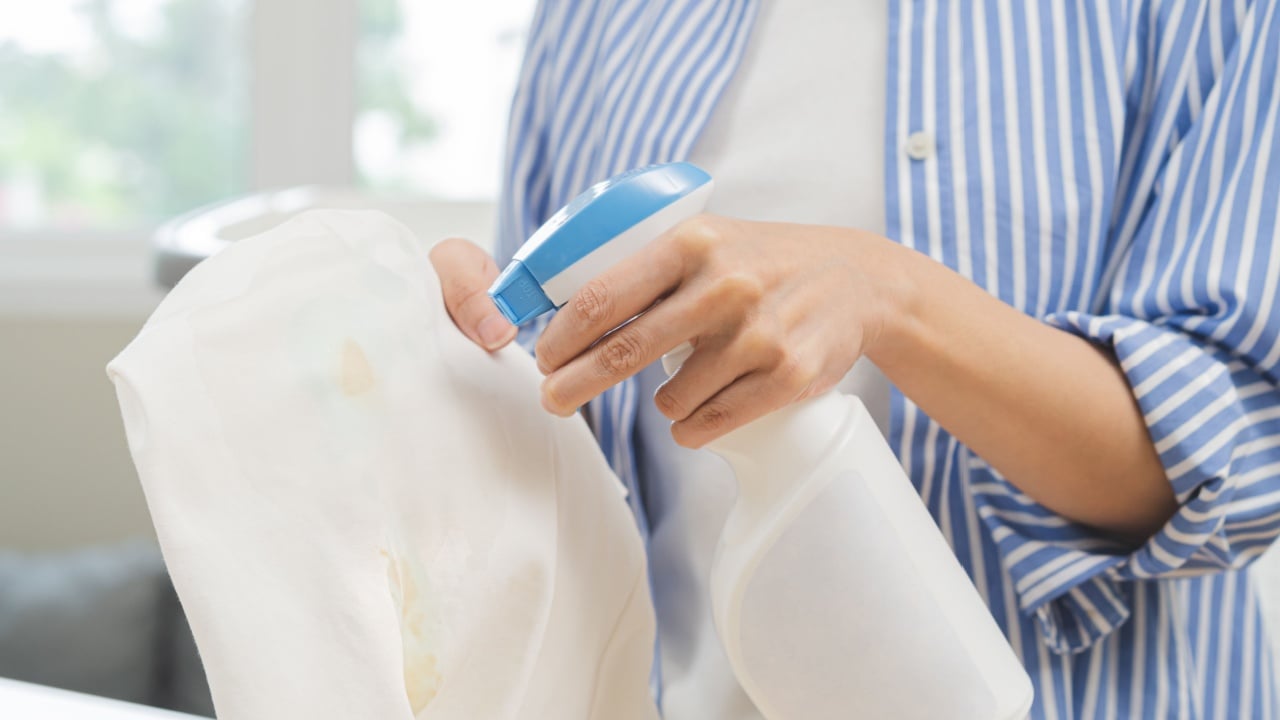
Using a wipe to get a stain out of a shirt might seem like a clever hack, but it often backfires. The chemicals can react with the fabric dyes, leaving a bleached spot or a permanent ring around the original stain. Additionally, the friction from the wipe can fray delicate fibers like silk or wool.
Treat stains with a dedicated laundry pre-treater or a bit of liquid detergent before tossing the item in the wash. For delicate fabrics, hand washing in cold water is the safest route to keep the garment looking new. Always test any cleaning solution on an inconspicuous inside seam first.
11. Toys That Go in Mouths
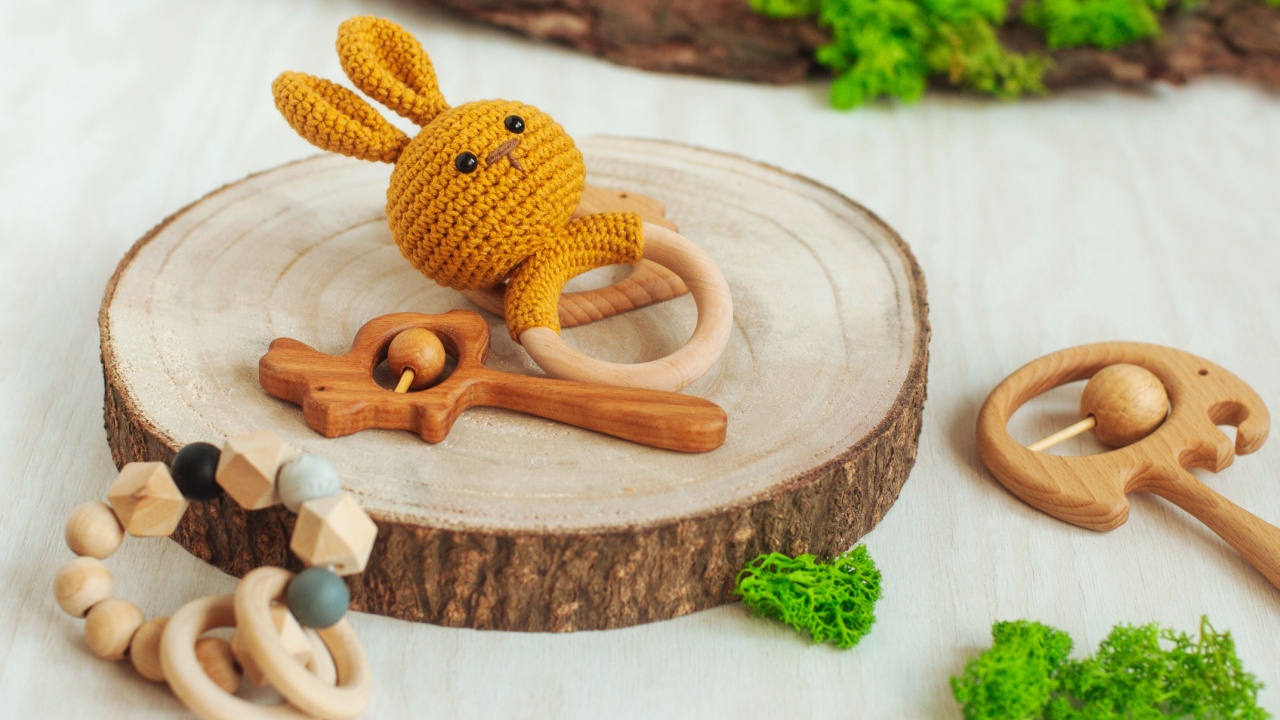
Toddlers and infants explore the world with their mouths, making their toys a prime target for germs. However, the residue from a disinfecting wipe is not something a child should be ingesting. The “stay wet” time required for these wipes to actually kill germs is often several minutes, which is rarely followed in practice.
Wash plastic toys in the top rack of the dishwasher or in a basin of warm, soapy water. For plush toys, a trip through the washing machine on a gentle cycle usually does the trick. Rotating toys out every few weeks keeps the “germ load” low without needing heavy chemicals.
12. Retainers and Mouthguards
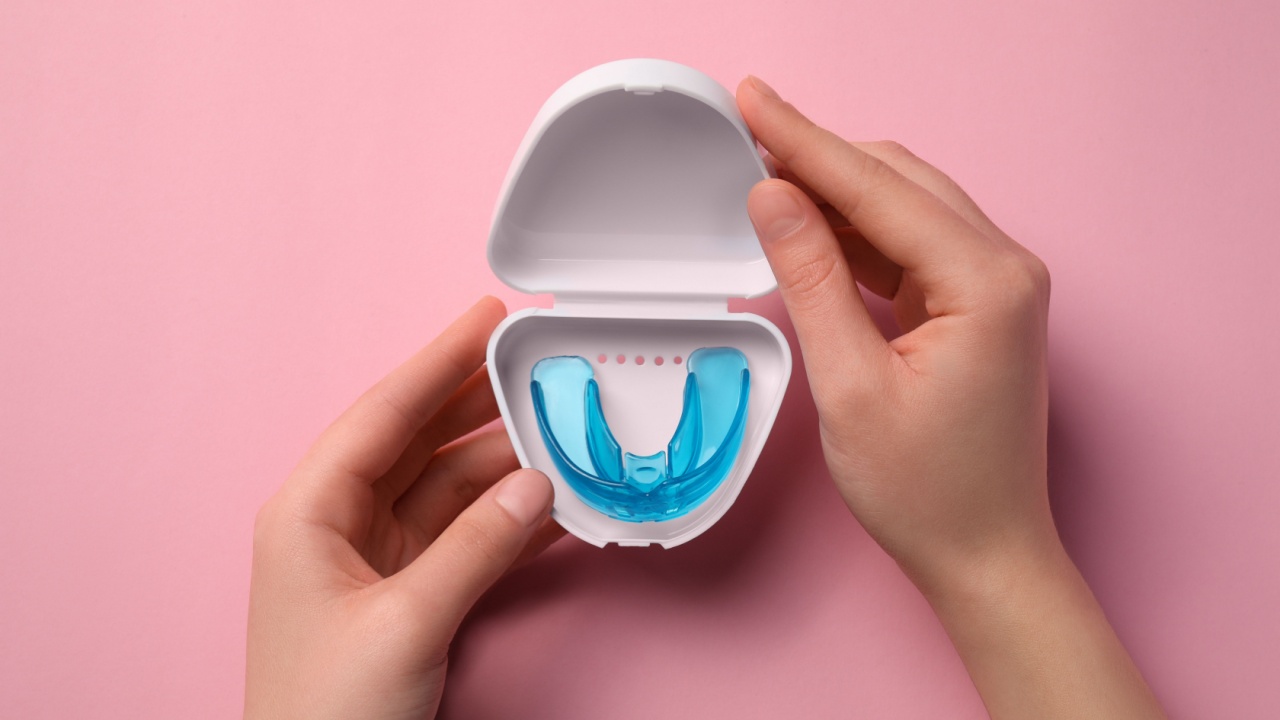
Oral appliances are porous and can soak up the flavors and chemicals of whatever they are cleaned with. Wiping a retainer with a disinfecting wipe will leave a bitter, chemical taste that is nearly impossible to rinse away. It can also irritate the sensitive tissues of the gums and cheeks.
Soak these items in a dedicated denture cleaner or a mixture of white vinegar and water. A soft-bristled toothbrush can be used to scrub away any buildup without scratching the plastic. Always rinse the appliance thoroughly with cool water before putting it back in the mouth.
13. Jewelry

The harsh alcohol and ammonia often found in wipes can wreak havoc on precious metals and stones. Opals and pearls are especially vulnerable as they are porous and can become permanently discolored or dull. Even gold and silver can lose their luster when exposed to abrasive cleaning agents.
A bowl of warm water with a splash of mild dish soap is the safest way to clean most jewelry. Use a very soft toothbrush to reach into crevices around stone settings. For high-end pieces, taking them to a professional jeweler for steaming and inspection once a year is worth the effort.
14. Glossy Furniture

High-gloss finishes on modern furniture are prone to streaking and scratching. The fibers in a disinfecting wipe can act like tiny pieces of sandpaper, leaving behind fine swirl marks that ruin the mirror-like shine. The chemical film left behind also attracts more dust, making the furniture look dirtier faster.
Use a clean, damp microfiber cloth followed immediately by a dry one to buff the surface to a shine. Avoid using circular motions, as straight lines are less likely to show visible marks. A specialized furniture polish can be used sparingly to add a layer of protection against fingerprints.
15. Car Interiors

While the steering wheel might be fine, the clear plastic over the dashboard gauges and the infotainment screen are not. These surfaces are often made of soft acrylic that clouds or cracks when exposed to the alcohol in wipes. Over time, the dashboard itself may begin to fade or peel from the chemical exposure.
Keep a dedicated interior detailer and a few microfiber cloths in the glove box for quick touch-ups. These products are designed to protect against UV rays without damaging sensitive plastics. Using a sunshade when parked outside also helps prevent the interior materials from breaking down.
16. Mirrors
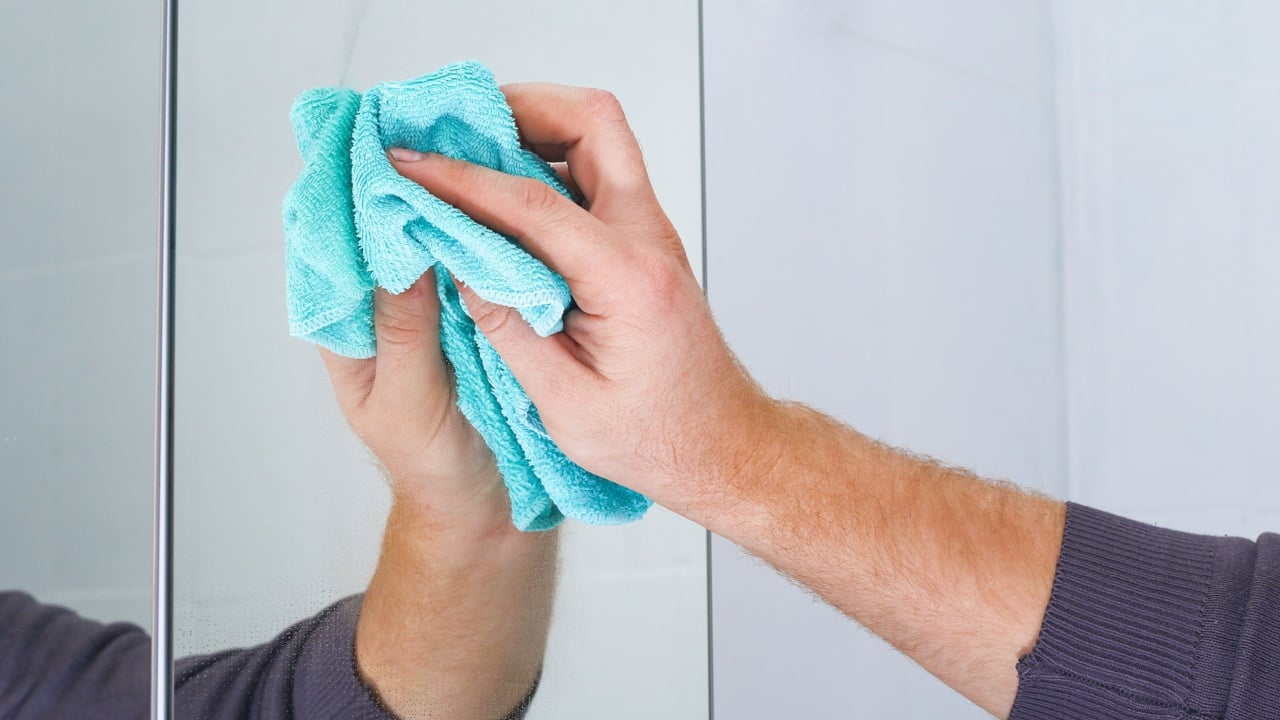
It is a common mistake to think that what works for a window works for a mirror. Many disinfecting wipes leave behind a cloudy film that is difficult to buff out, making the mirror look constantly smudged. Furthermore, the liquid can seep behind the glass and damage the silver backing, causing black spots around the edges.
A mixture of equal parts water and white vinegar in a spray bottle is the gold standard for a streak-free mirror. Spray the cloth instead of the mirror to prevent liquid from dripping into the frame. Using a dedicated glass cleaning cloth ensures a lint-free finish every time.
Beyond the Wipe: Safer Cleaning for Every Surface
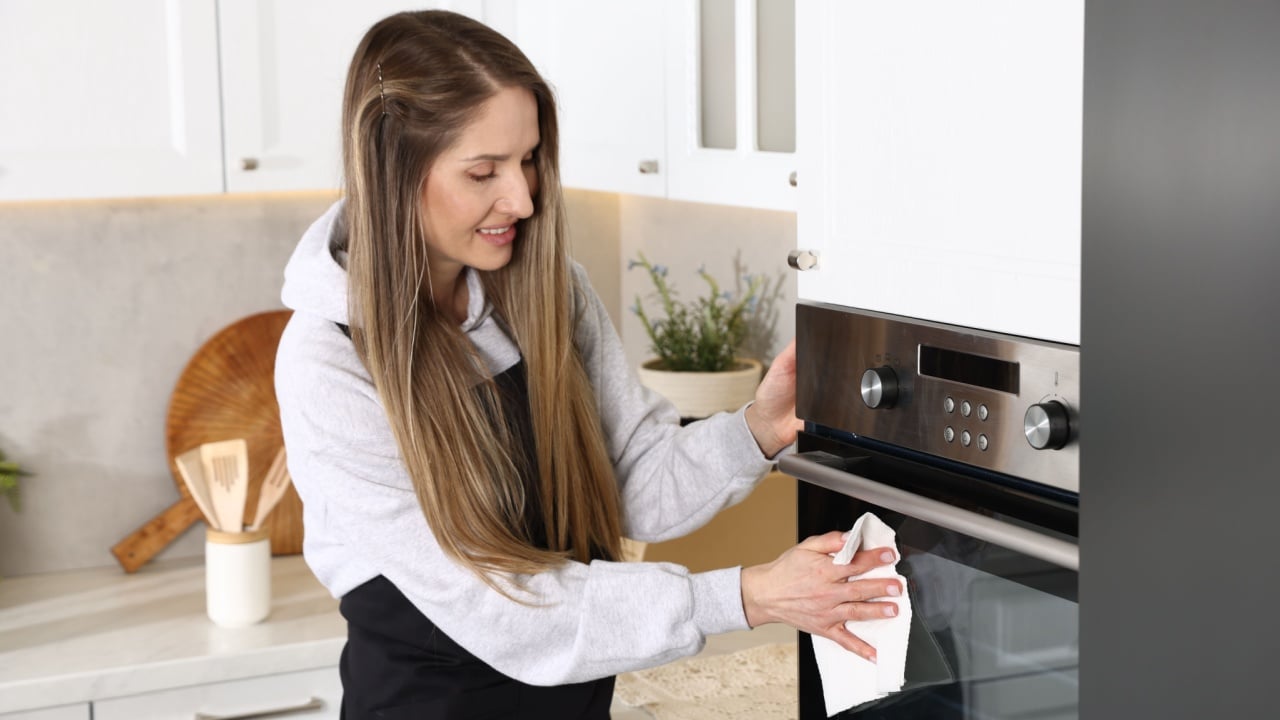
Knowing which items to keep away from those convenient wipes is the first step toward a better cleaning routine. While they have their place in a busy home, substituting them with safer alternatives preserves the life of expensive belongings.
Check the labels of current cleaning supplies and stock up on microfiber cloths and gentle soaps. Taking a moment to consider the material before wiping ensures the home stays both clean and undamaged.
Read More: