Want a Pet That Stays a While? Try One of These 14 Pets with the Longest Lifespan
Bringing a creature into your home that might outlive a mortgage changes how you think about pet ownership. Most people expect ten years or so for dogs (and 15 for cats), but some animals stay with you through entire chapters of life. These are not short-term companions. They grow with you, settle into your routines, and become part of the family story more sincerely.
The lifespan details here come from veterinary research and long-term breeding records. These are not rare, one-off cases, but realistic averages when the animal is cared for properly. Clean living conditions, a steady diet, and regular attention all play a part. Once you understand how these animals function, their long lives start to make sense.
This list brings together a mix of animals, from talkative birds to slow-moving reptiles. Each one comes with its own pace, habits, and care needs. You will get a clear idea of what daily life looks like with each, so you can decide which kind of long-term companion truly fits your home.
1. Macaws
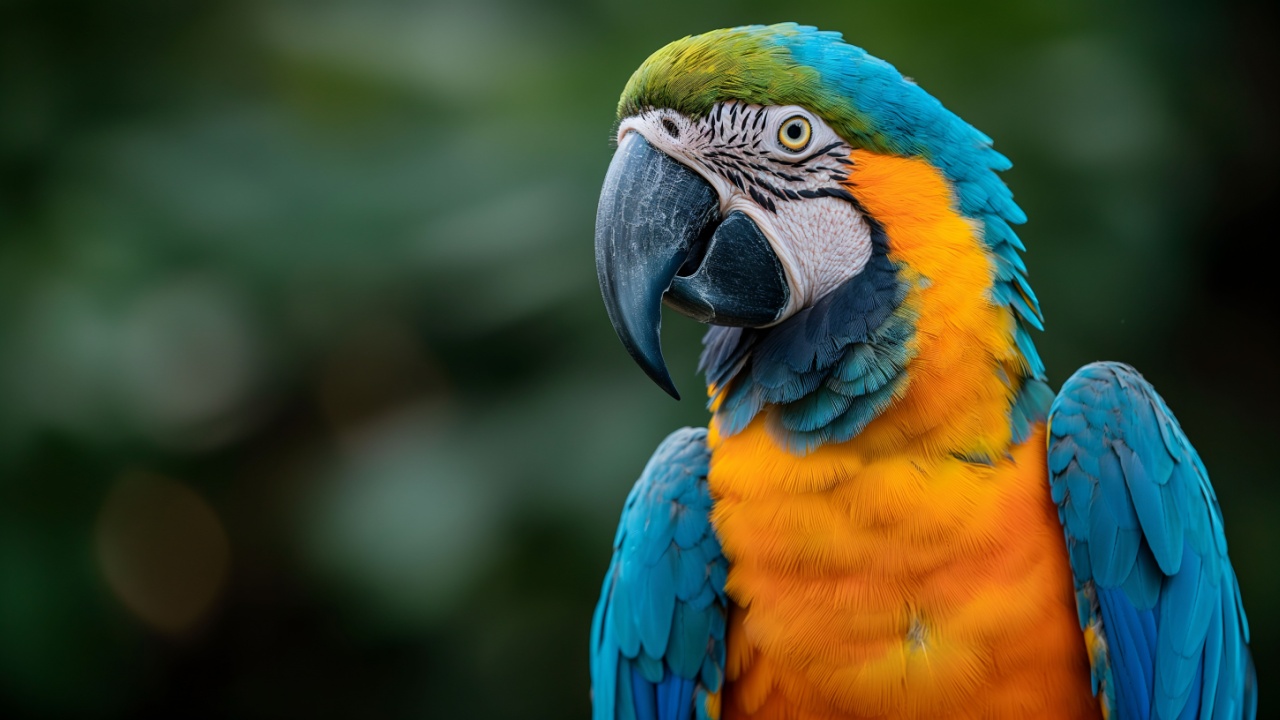
Macaws are the largest parrots and often live between 30 and 70 years in a home setting. They stay healthy for so long because of their high intelligence and the social bonds they form with their owners. To support this long life, they need a diet filled with specialized pellets, fresh fruits, and nuts. A large cage and plenty of time outside of it are necessary to keep their wings and minds active.
Taking care of a macaw is a lifelong project that involves more than just feeding. These birds are very emotional and can become stressed if they feel ignored. A good next step is to look into bird rescues to see these animals in person. It is also smart to plan for who might care for the bird in the future.
2. African Grey Parrots
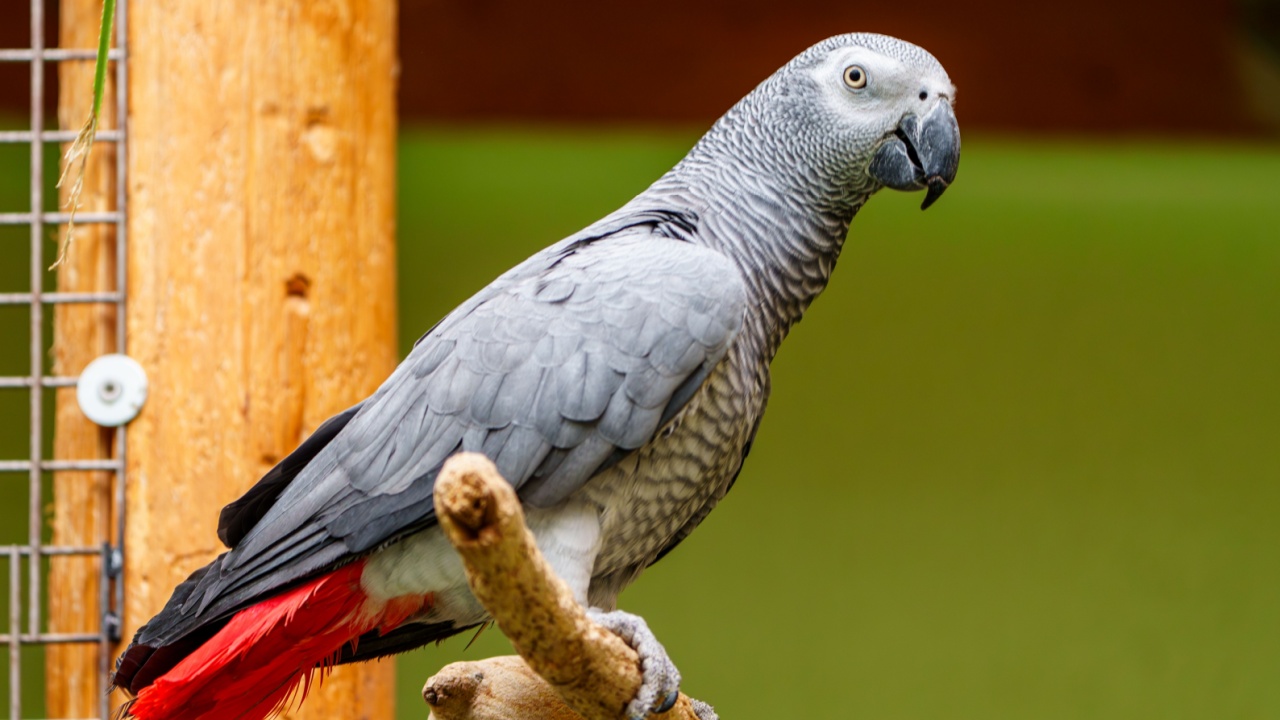
These parrots are famous for their talking ability and can live for 25-50 years. They have the mental capacity of a young child, which is why they require constant entertainment to stay healthy. Providing them with calcium-rich foods and vitamins helps prevent the bone issues that can sometimes shorten their lives. A steady daily routine helps them feel safe and relaxed in their environment.
Keeping an African Grey means being ready for a pet that learns your habits and mimics your voice. They are sensitive to loud noises or sudden changes in the house. Anyone interested should research how to bird-proof a home. Finding a local avian vet is a necessary step before bringing one home.
3. Tortoises
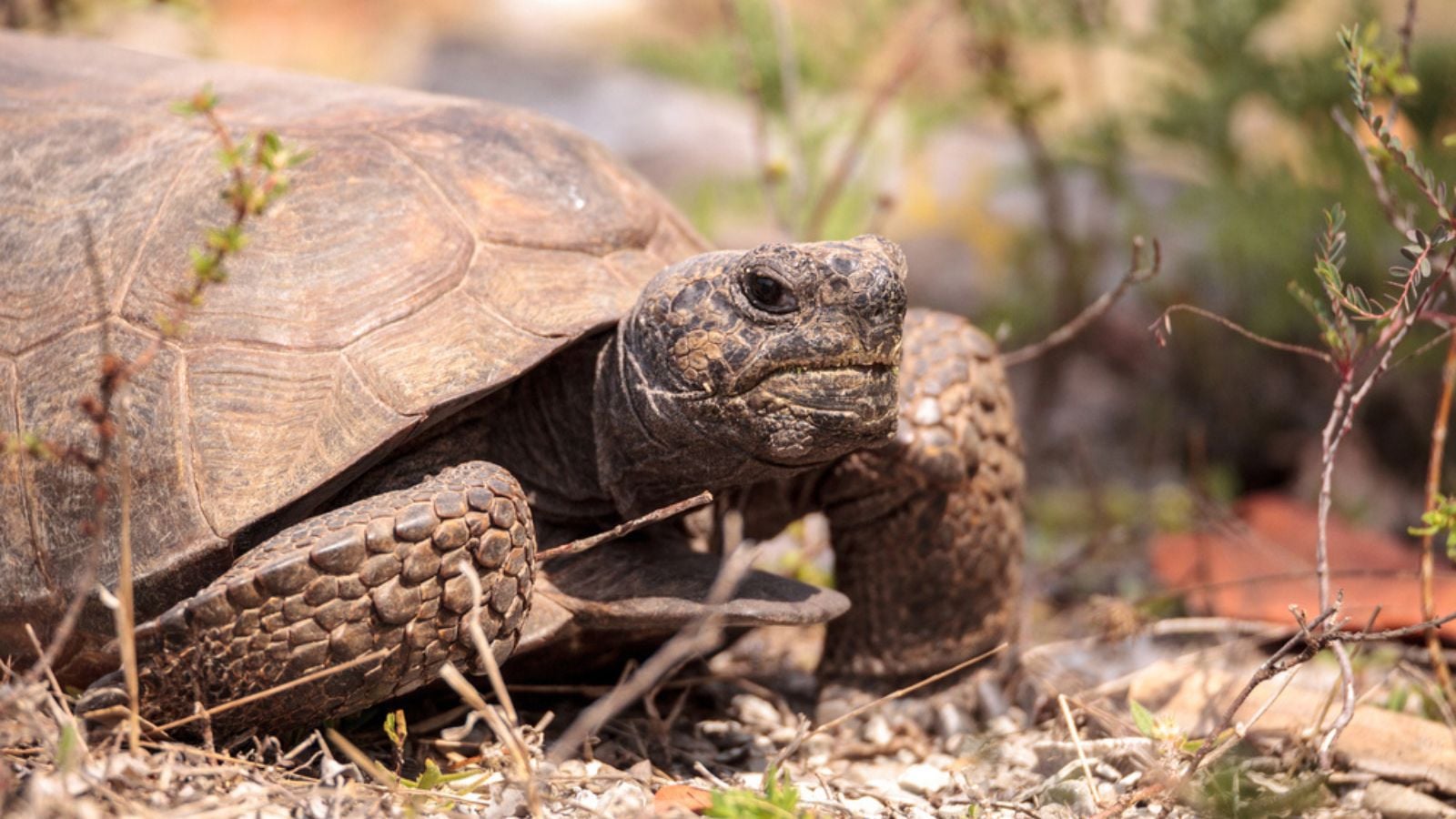
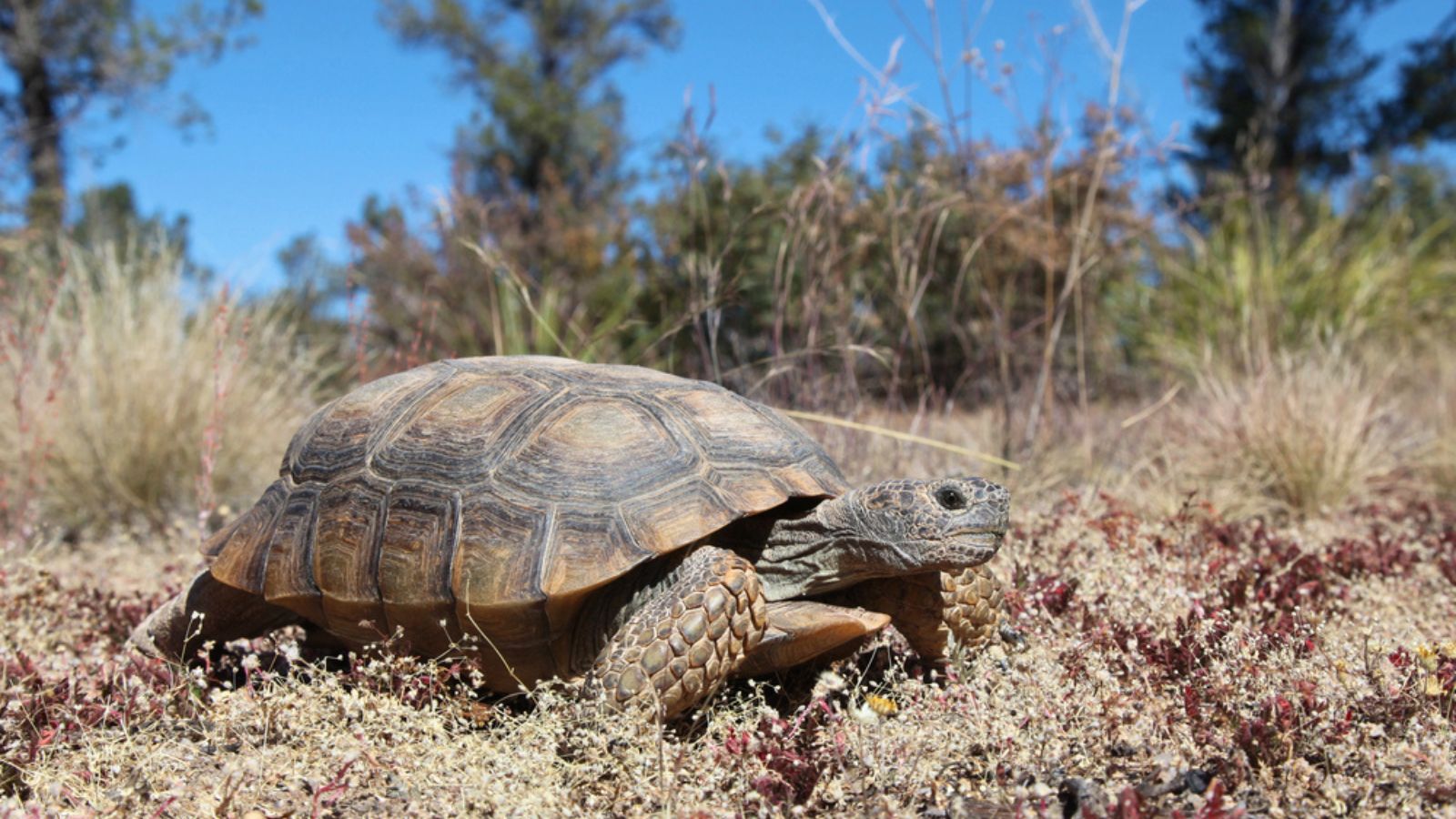
Small to medium tortoises can easily live 80 to 150 years with the right outdoor setup. Their slow metabolism means they grow slowly and do not get sick as often as high-energy animals. They need a diet that is mostly grasses and leafy greens, along with a warm place to bask in the sun. A sturdy enclosure that protects them from predators is the most important part of their habitat.
Tortoises are very low-maintenance compared to dogs, but they do require a lot of space as they grow. They are pets that are often passed down through generations. The first step for a potential owner is checking if the local climate is warm enough for an outdoor tortoise. Building a secure garden area is the best way to prepare.
4. Koi Fish
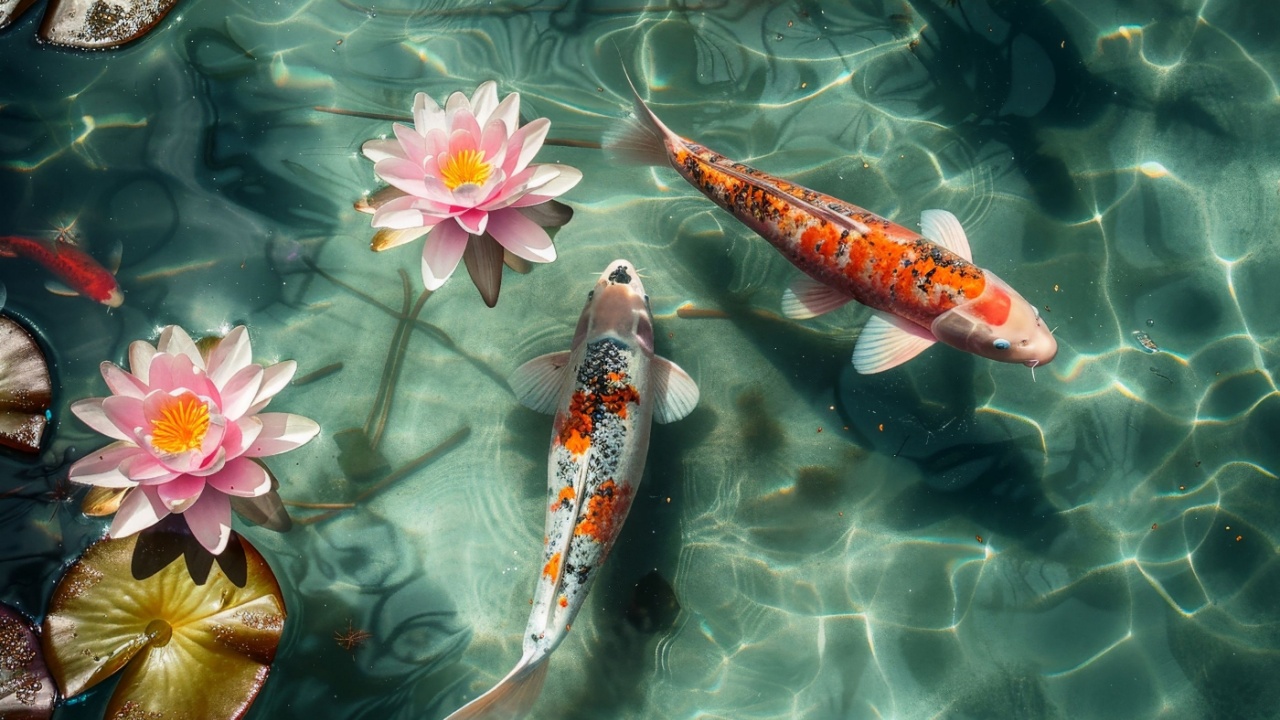
Koi are durable fish that live 15-40 years, and some have even lived much longer. Their longevity is tied to the quality of the water in their pond and the amount of oxygen available. Large ponds with professional filtration systems allow these fish to grow quite large and stay healthy. They are very social and will eventually learn to eat right out of a person’s hand.
Managing a koi pond is mostly about keeping the water chemistry balanced. Regular water tests for ammonia and nitrates are the foundation of a long-lived fish. Investing in a high-quality pump and filter is the best way to start. It is also helpful to plan for a pond deep enough that it does not freeze solid in the winter.
5. Cockatoos
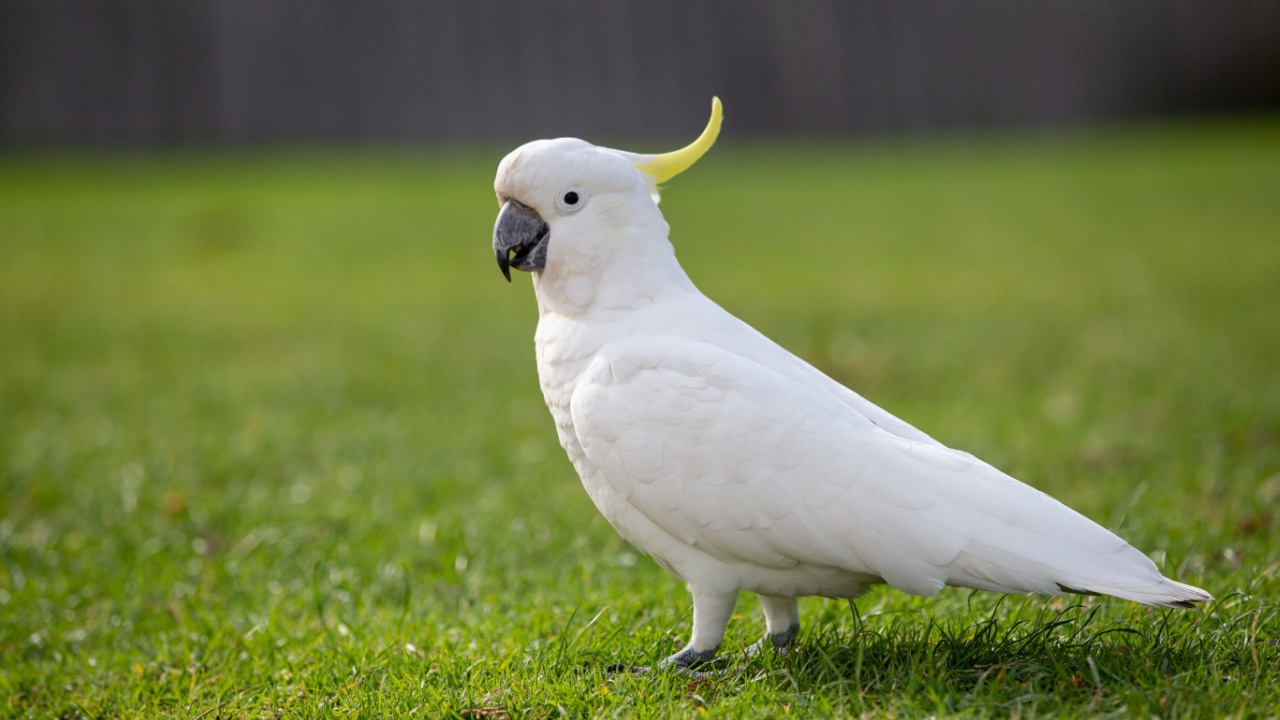
Cockatoos are loud, affectionate birds that can live for over 60 years. They stay healthy when they have a lot of social interaction and a variety of toys to chew on. Because they have sensitive lungs, their home must be free of strong smells like candles or cleaning chemicals. A mix of seeds, grains, and fresh vegetables provides the energy they need for their long lives.
Owning a cockatoo is a major commitment because they demand so much attention every day. They are known for being very vocal, especially in the morning and evening. Visiting a parrot sanctuary can help a person decide if they can handle the noise. Learning about bird behavior is a great way to prepare for this pet.
6. Box Turtles
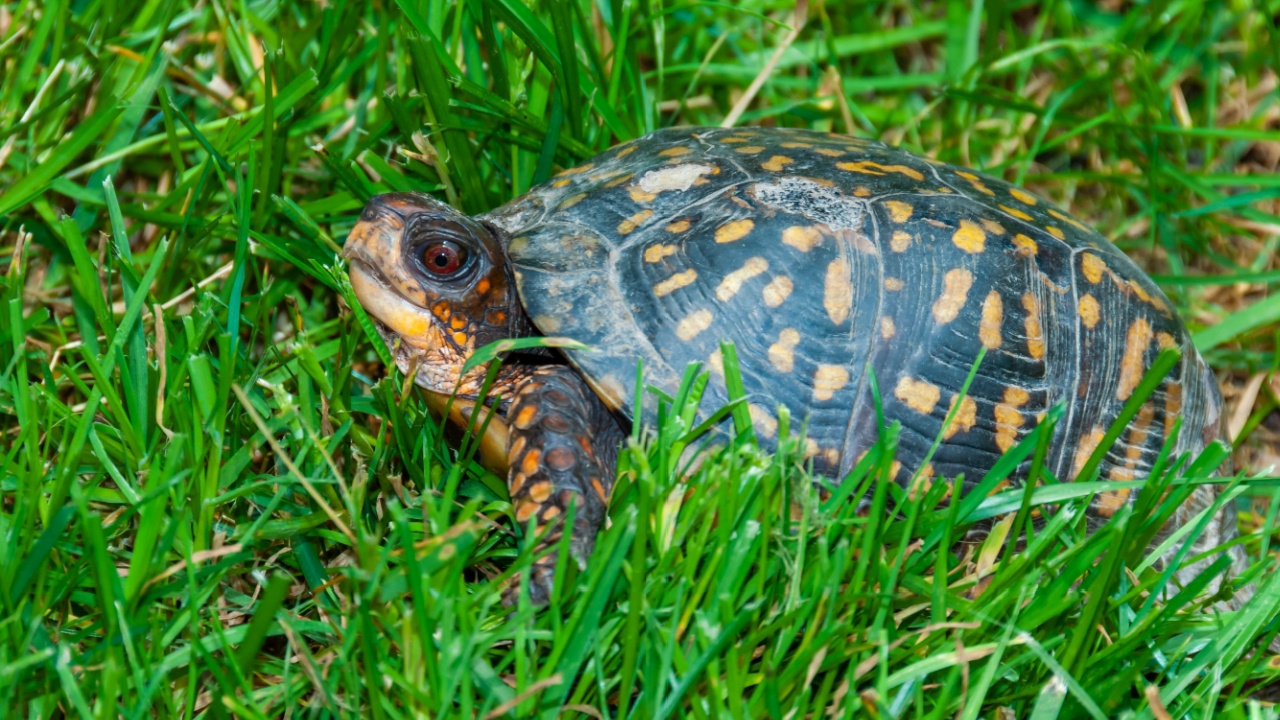
These small land turtles can live for 40 to 60 years if their habitat is kept humid. They need a mix of land for walking and shallow water for soaking to stay hydrated. A diet of insects, leafy greens, and the occasional berry provides all the nutrition they need. Keeping their enclosure clean is the best way to prevent the infections that can shorten their lives.
Box turtles are great for people who want a quiet pet that stays small. It is important to only buy turtles that were hatched in captivity rather than taken from the wild. Setting up a large terrarium with a heat lamp is the first thing a new owner should do. Researching the specific type of box turtle helps in picking the right food.
7. Ball Pythons
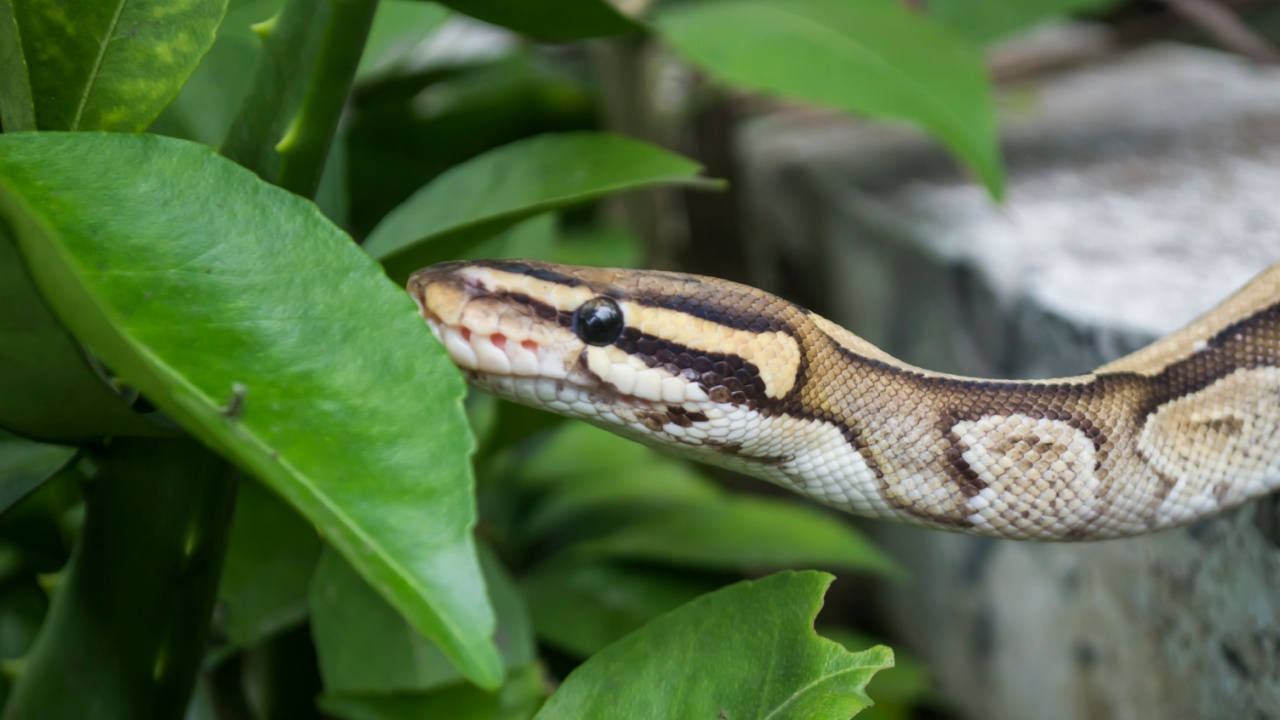
Ball pythons are a popular choice for snake owners because they can live for 30 years. They are hardy animals that stay healthy as long as their tank is kept at the right temperature. Having a warm spot for digestion and a cooler spot for resting allows them to regulate their own body temperature. They are generally calm and do not mind being held once they are used to their owner.
Feeding a ball python is simple, as they usually eat once a week or every two weeks. Using a digital thermometer to track the heat in the tank is a vital step for their care. New owners should make sure the lid of the tank is very secure. Reading a care guide specifically for pythons will help a beginner get started.
8. Amazon Parrots
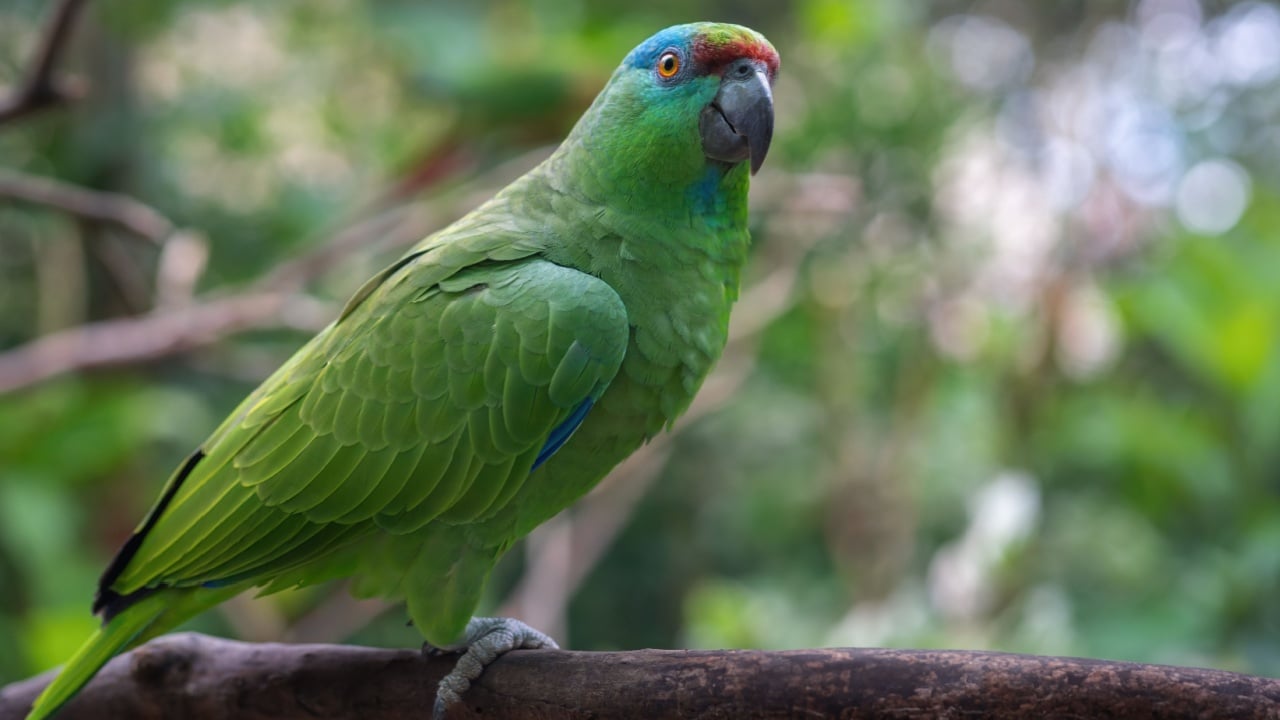
Amazon parrots are sturdy birds that live between 40 and 70 years. They are known for being very brave and outgoing, which makes them fun companions. Because they like to eat, it is important to watch their weight and give them plenty of room to fly and exercise. A diet centered on healthy pellets rather than just seeds keeps their heart strong.
These birds have big personalities and can be very entertaining to watch. They need a consistent schedule so they know when it is time to play and when it is sleep time. A good next step is to find an exotic animal vet in the area. Learning how to train a bird with positive rewards can make the relationship much easier.
9. Leopard Geckos
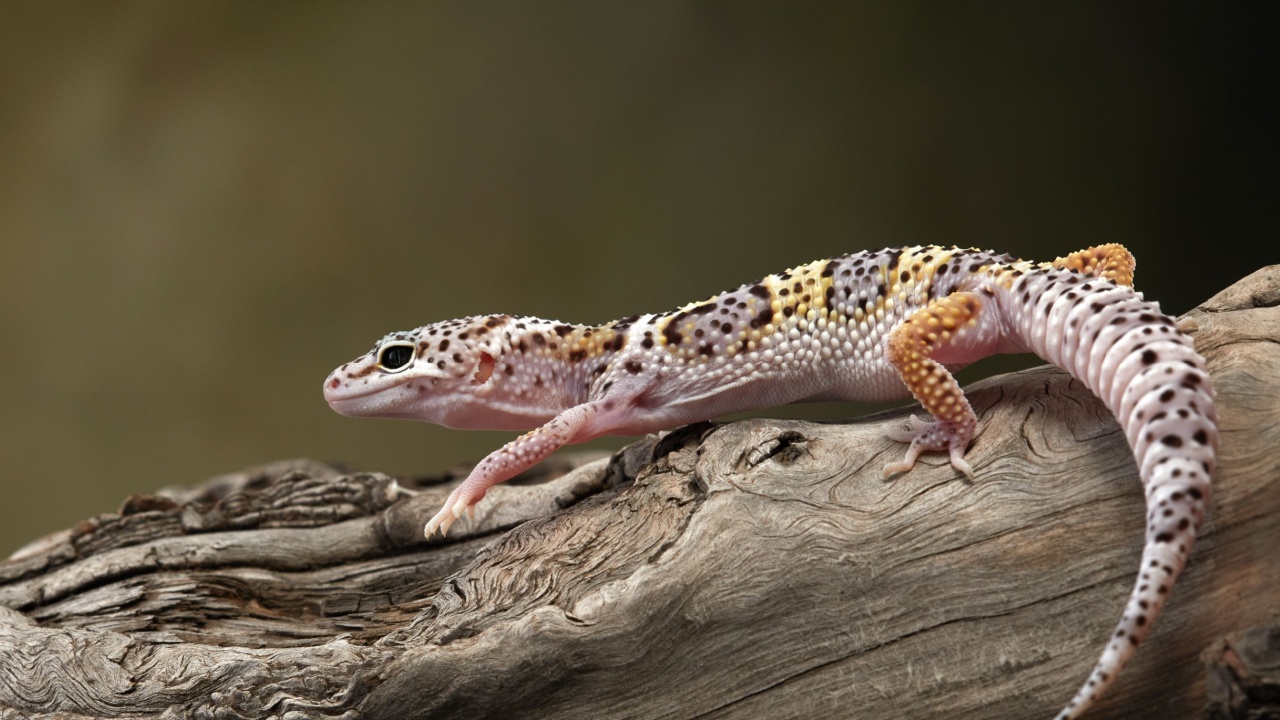
Leopard geckos are small lizards that live 15 to 20 years, which is quite long for their size. They are easy to care for because they do not need special UV lights like some other reptiles. Their tails store fat, which helps them stay healthy even if they miss a meal. A diet of crickets or mealworms dusted with calcium powder keeps their bones healthy.
These geckos are very gentle and are a good choice for someone new to reptiles. They need a few different hiding spots in their tank to feel safe. Buying a simple heat mat for the bottom of the tank is a good way to start. Checking the temperature daily ensures the gecko stays active and eats well.
10. Chinchillas

Chinchillas are soft rodents that can live for 15 to 20 years. They stay healthy by eating a lot of hay and taking regular dust baths to keep their fur clean. They are very sensitive to heat, so their cage must be kept in a cool part of the house. Providing them with wooden toys to chew on helps keep their teeth from growing too long.
These animals are very active and need a tall cage with different levels for jumping. They are shy at first, but can become very friendly with patient handling. Researching the best type of chinchilla dust is a helpful next step. Keeping their environment quiet during the day helps them get the sleep they need.
11. Horses
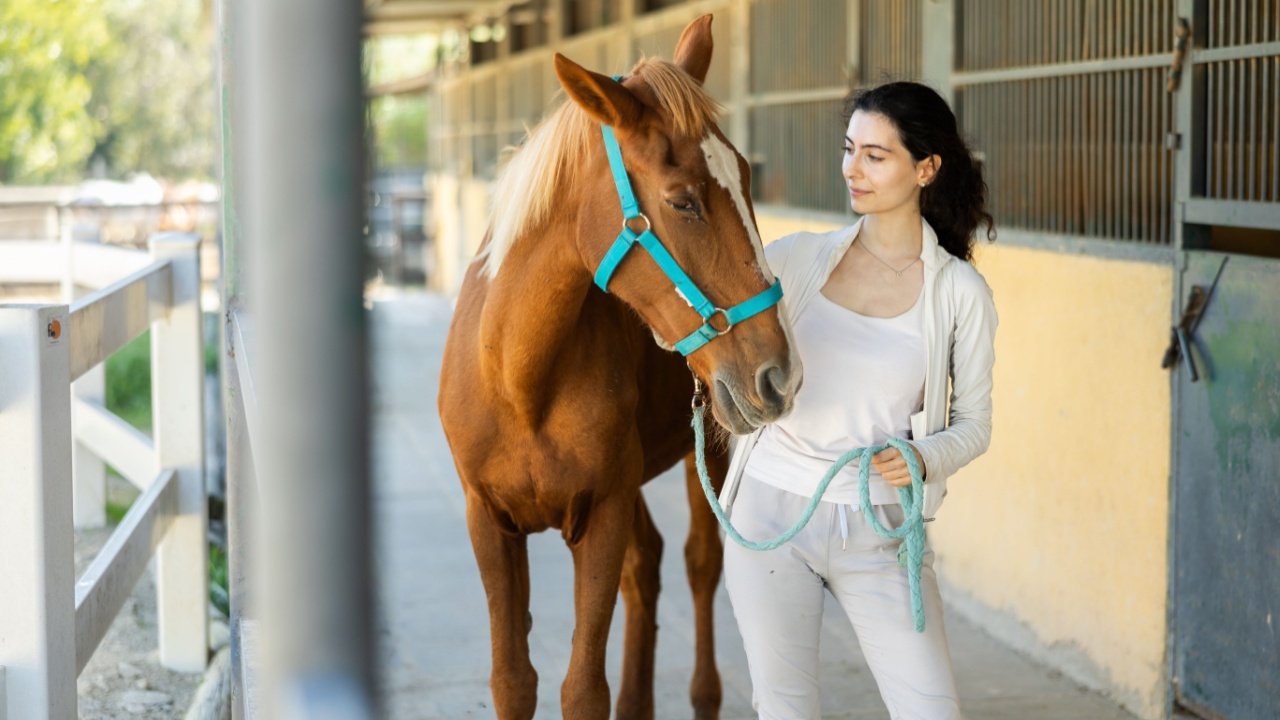
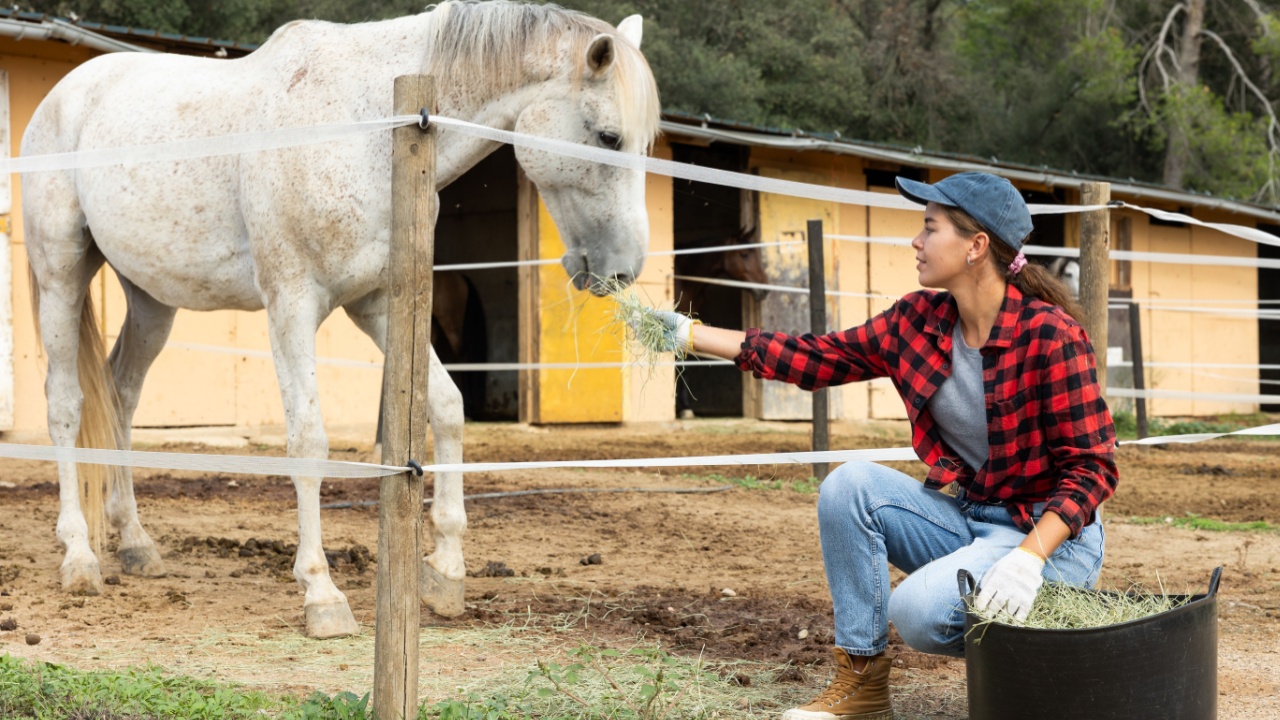
Horses are a big responsibility that can last for 25 to 30 years. Their long life depends on regular exercise and good dental care from a veterinarian. They need a lot of space to move around and a constant supply of grass or hay. Keeping their hooves trimmed by a professional every few weeks prevents them from having trouble walking as they age.
Owning a horse is a lot of work and requires a stable or a large pasture. It is a good idea to take riding lessons first to see if the lifestyle fits. The cost of food and medical care is something every potential owner should plan for. Finding a local barn where you can volunteer is a great way to learn the basics.
12. Goldfish
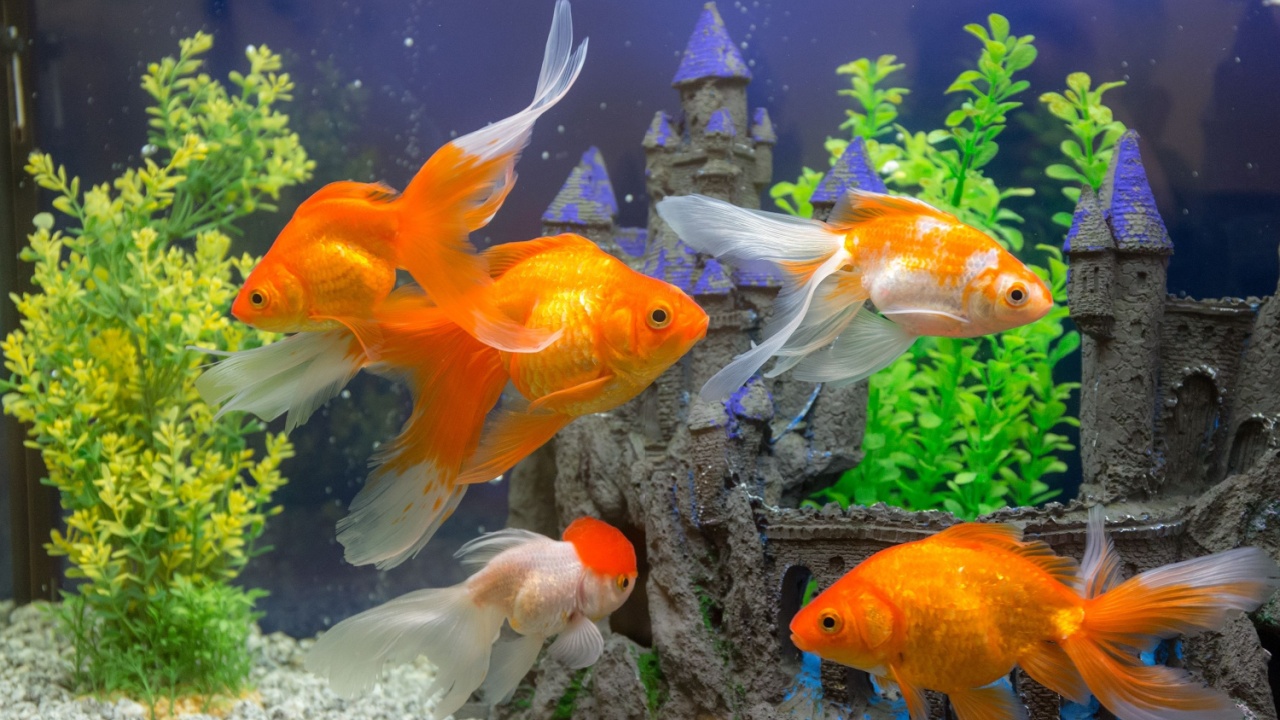
Common goldfish can live for 20 years or more if they are given enough space to grow. They need a large tank with a filter that can handle a lot of waste to keep the water clean. Feeding them high-quality fish food and keeping the water temperature steady are the basics of their care. Most goldfish grow much larger than people expect, so a big tank is a must.
A small fishbowl is not a good home for a goldfish that you want to keep for a long time. Starting with a 20-gallon tank is a much better way to ensure they stay healthy. Learning how to clean the filter without killing the beneficial bacteria is an important next step. Watching the fish for any changes in color or behavior helps catch health issues early.
13. Newts and Salamanders
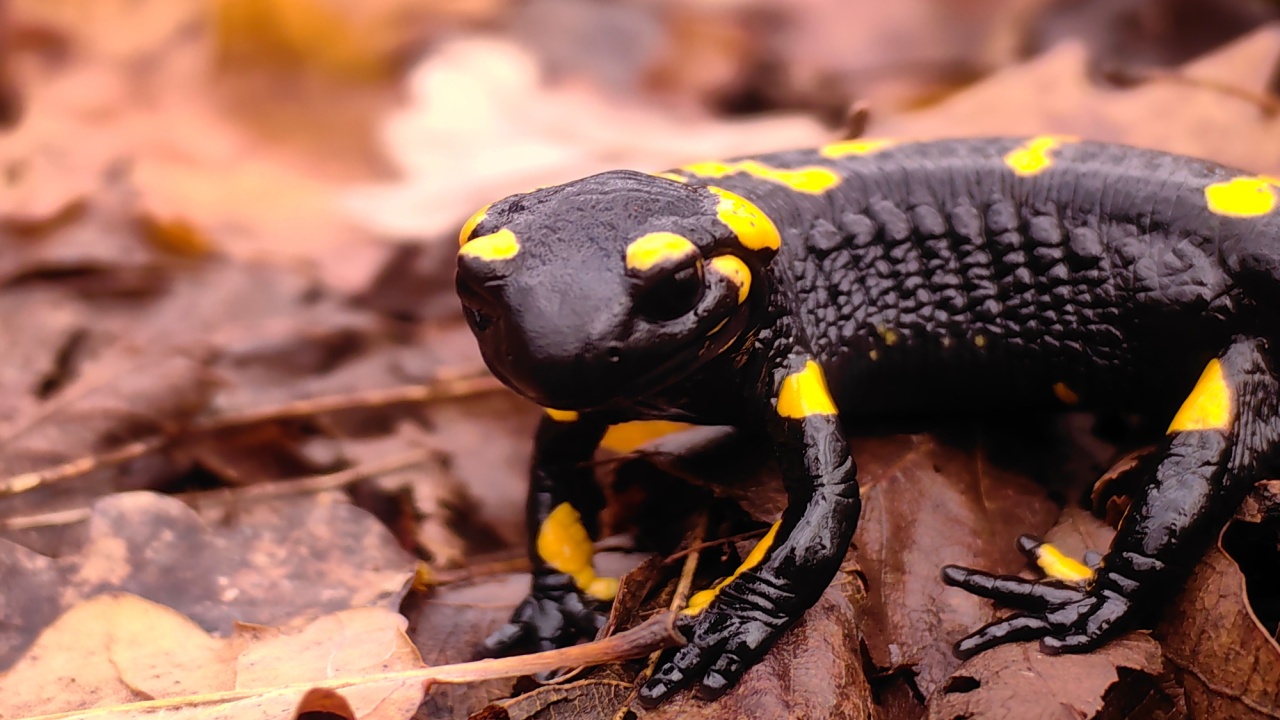
Many species of newts can live for 15 to 25 years in a well-maintained vivarium. They are amphibians that require both clean water and a damp land area. Their skin is highly porous and absorbs toxins, so water quality is the most critical aspect of their care. They eat a variety of small worms and insects.
Handling these pets is not recommended because the oils on human skin can harm them. They are visual pets that provide a window into a miniature ecosystem. Creating a bioactive enclosure with live plants and beneficial microbes is an advanced way to support their long life.
14. Bearded Dragons
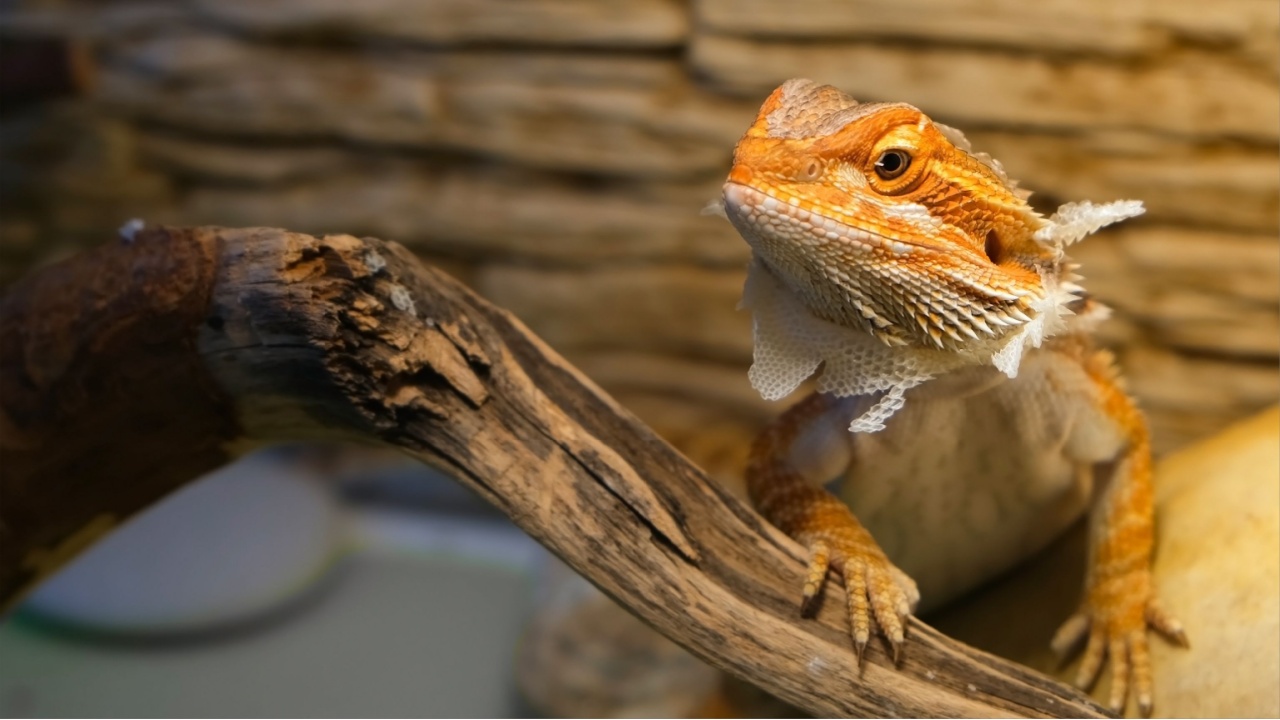
These lizards live about 10 to 15 years, which is long for a medium-sized reptile. They are famous for their calm demeanor and interaction with owners. High-intensity UVB lighting and a specific temperature gradient are mandatory for their metabolism. They eat a mix of live insects and fresh leafy greens.
Health issues often arise from incorrect lighting or a poor diet. Using a T5 HO UVB tube light is the industry standard for keeping them healthy. Joining a reptile community online can help new owners stay updated on the latest husbandry standards.
A Companion for Decades Starts with the Right Decision
Choosing a pet with a long lifespan is a decision that affects the next several decades of life. Audit your current living situation and financial stability to see if a 50-year bird or a 20-year reptile is a realistic addition.
Contacting local rescues to meet these animals in person provides a clear picture of the daily requirements. Taking the time to research specific breeders and veterinarians will prepare any future owner for the journey of a long-term animal friendship.
Read More: