
12 Kitchen Items That Are a Total Waste of Money
People spend heavily on culinary gadgets, hoping to prepare meals faster at home. Cabinets fill up quickly with specialized tools designed for incredibly specific tasks. Drawers become cluttered with brightly colored plastic devices that promise to make cooking entirely effortless. The modern culinary market thrives on selling solutions to problems you never actually had.
Many specialized utensils offer very little value for the price you pay in stores. Shoppers often buy heavily marketed products on an impulse during a quick trip to the mall. Reality eventually sets in when these bulky items gather dust in a dark drawer. You end up wasting hard-earned cash on heavily promoted junk that only complicates your daily meal preparation routine.
This guide covers twelve specific utensils you should absolutely avoid buying. You will learn exactly why these highly promoted products fail to deliver on their grand promises. Keep reading to discover simple alternatives you likely already own in your home right now.
1. Avocado Slicers
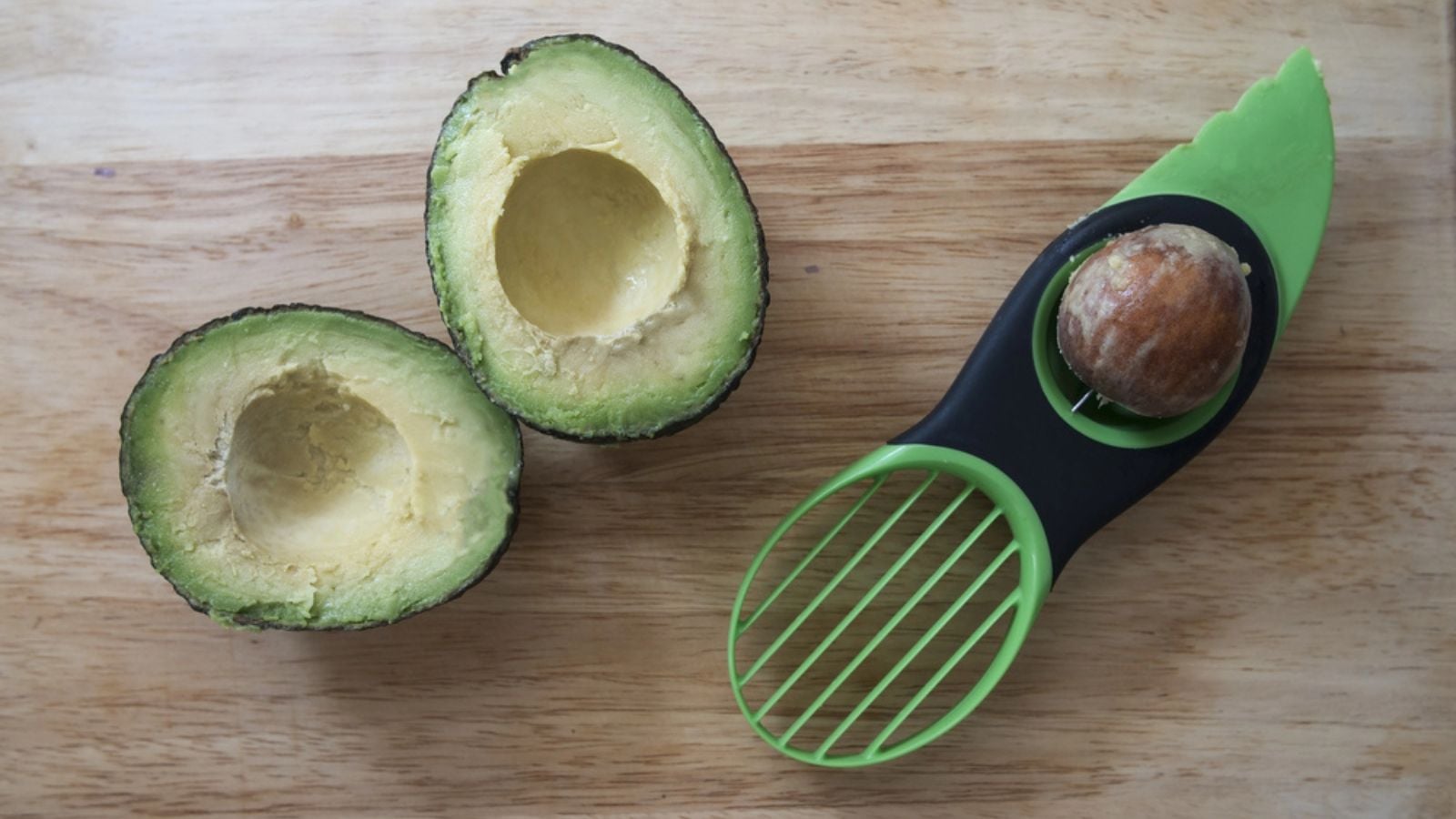
Slicing an avocado requires minimal effort for anyone familiar with basic cooking. Manufacturers created a specific plastic tool to cut, pit, and scoop the green flesh. The avocado slicer takes up drawer space and frequently breaks after a few trips through the dishwasher. You end up spending ten dollars on a unit that performs a job a simple chef’s knife already handles perfectly.
A standard knife remains the absolute best option for preparing avocados quickly and safely. You simply slice the fruit in half, carefully remove the pit with the blade, and use a regular spoon to scoop the inside. Practicing fundamental knife skills saves you cash and prevents unnecessary drawer clutter from accumulating. You will appreciate having fewer awkward items to scrub clean after preparing a fresh salad.
2. Garlic Presses
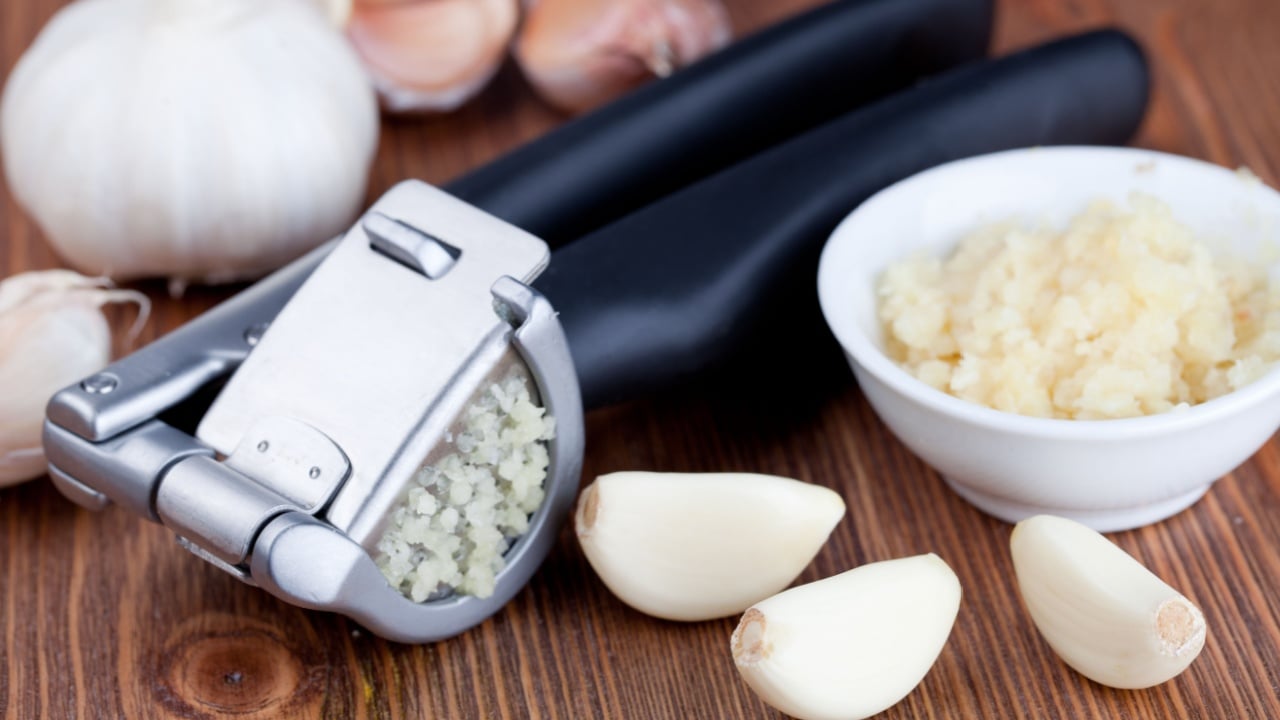
Garlic presses seem incredibly convenient for anyone who dislikes chopping pungent cloves. You place a clove inside the small metal chamber and squeeze the handles together to push minced pieces through tiny holes. This process leaves a large amount of crushed garlic stuck inside the device itself. Cleaning the small metal grid becomes a tedious chore that takes longer than simply chopping the vegetable by hand.
Mincing garlic with a sharp chef’s knife produces significantly better results with much less waste. You can smash the clove flat with the broad side of your knife to remove the skin rapidly. A quick rocking motion with the blade creates perfectly minced pieces ready for the frying pan. Simply wiping down a flat blade requires seconds of your time compared to digging fibers out of a specialized press.
3. Strawberry Hullers
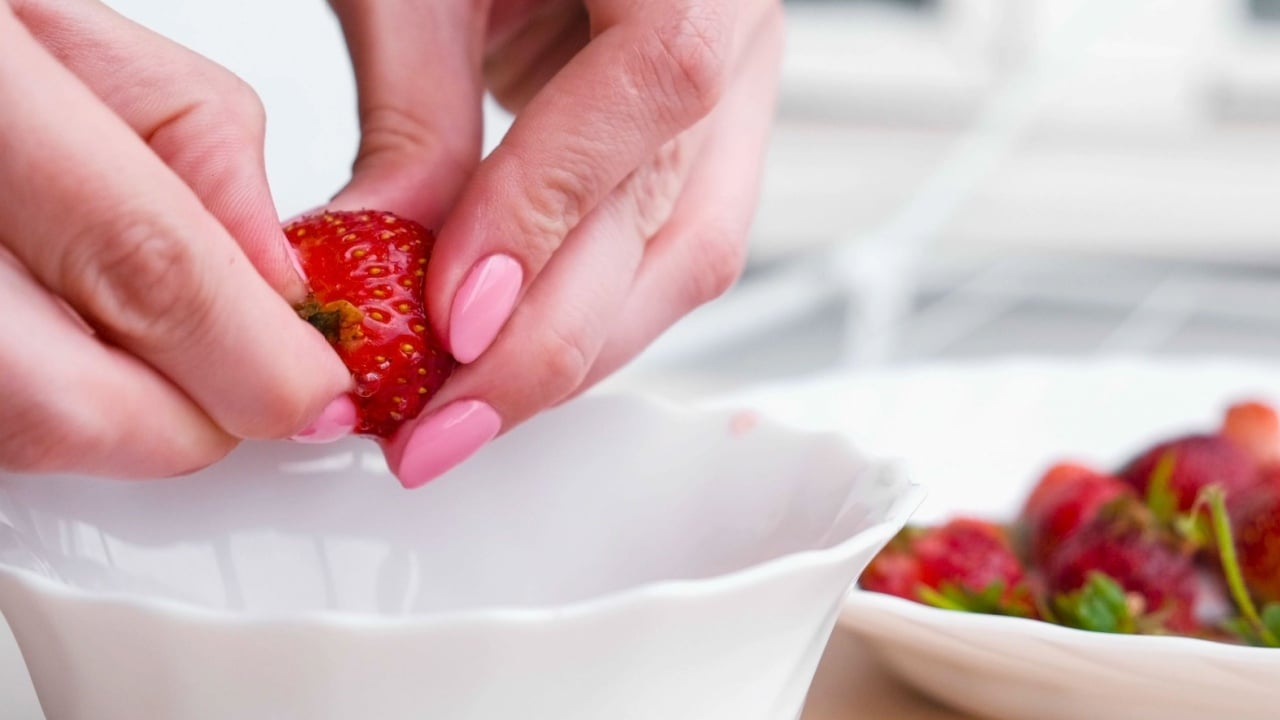
Removing the green tops from strawberries takes almost zero technical skill. Companies sell small metal and plastic pincers designed specifically to pull the stems and leaves off the berries. These strawbelly hullers frequently get lost in crowded drawers because of their diminutive size.
A small paring knife works flawlessly for preparing fresh strawberries. You just insert the pointed tip of the blade near the stem and carve out the top in a quick circular motion. This technique removes the hard white core while leaving the delicious red fruit completely intact. Paring knives handle dozens of different tasks and never get lost at the bottom of a storage bin.
4. Single-Use Egg Slicers
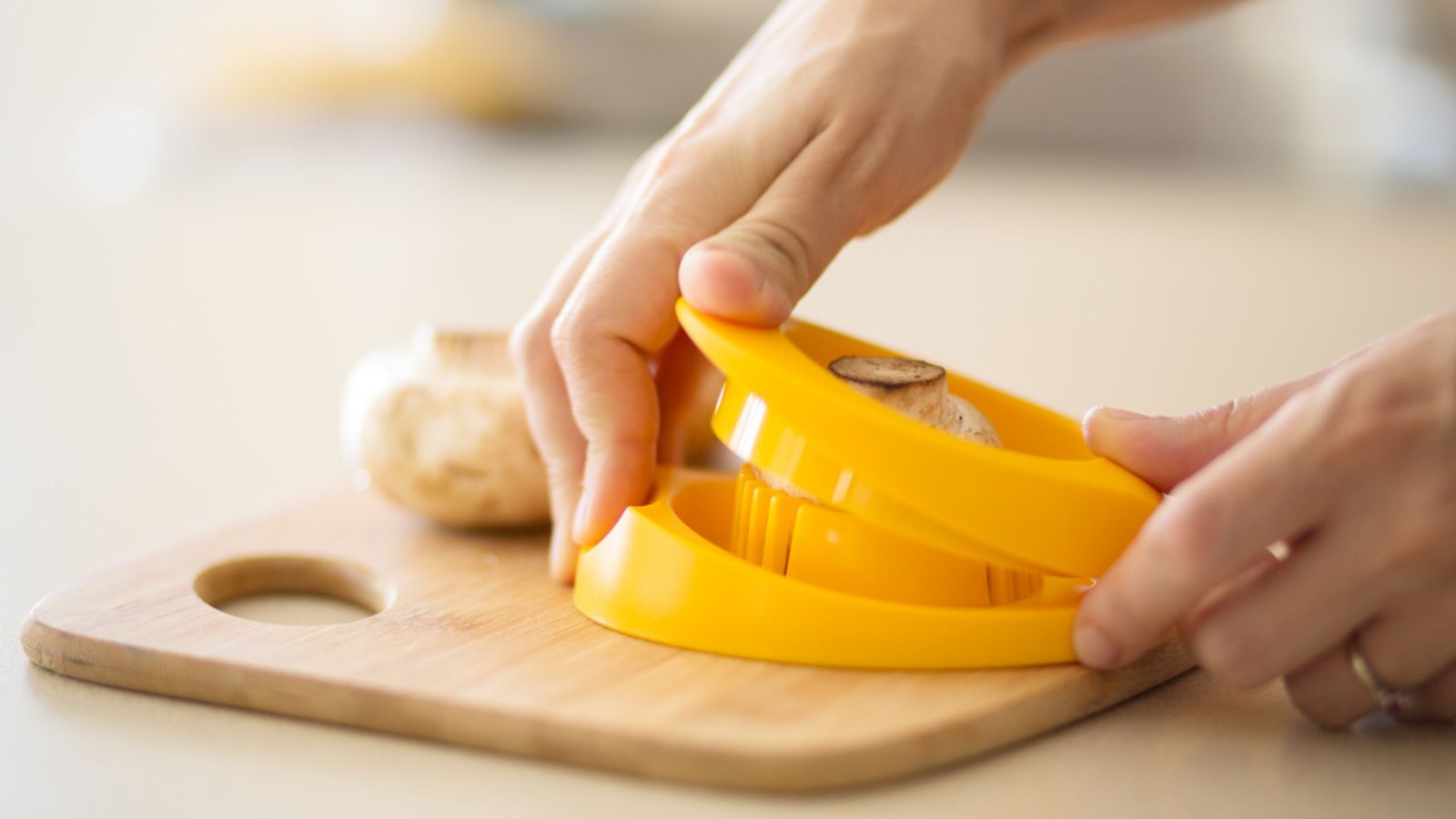
Egg slicers consist of a plastic cradle equipped with thin wire strings meant to cut hard-boiled eggs evenly. The wires stretch out easily or snap completely after minimal usage. Hard-boiled eggs possess a very soft texture that often turns to mush when pressed through these cheap wires. You end up tossing the broken plastic contraption into the trash bin within a few short months.
Using a sharp knife yields clean cuts through any hard-boiled egg without destroying the delicate yolk. Wiping a blade clean takes a fraction of a second, whereas washing a wire contraption requires careful scrubbing to remove stuck-on yolk bits. A standard knife cuts exactly the thickness you desire for salads or sandwiches. Avoiding wire slicers keeps unnecessary plastic waste completely out of your home.
5. Electric Can Openers

Electric can openers take up massive amounts of countertop territory for a task you perform occasionally. These bulky machines require a nearby electrical outlet and constant cleaning to prevent bacterial growth on the cutting wheel. Many models struggle to grip cans properly and frequently leave sharp, jagged metal edges behind. Spending $20–$50 on a motorized opener drains your wallet for minimal convenience.
A manual safety can opener costs significantly less and fits perfectly inside any utensil drawer. Modern manual options cut smoothly along the rim to leave a completely dull edge. You never have to worry about power outages or finding an open wall outlet to open a can of soup.
6. Herb Scissors

Herb scissors feature multiple parallel blades designed to snip basil or parsley into tiny pieces rapidly. The primary issue arises the moment you actually try to use them on fresh greens. Moisture from the herbs causes the chopped pieces to stick firmly between the multiple metal blades. You then have to use a tiny plastic comb to push the crushed leaves out of the tight spaces.
A heavy knife chops herbs cleanly without bruising the delicate leaves. Gathering your herbs into a tight bundle allows you to slice through them rapidly with a sharp blade. This traditional method releases the aromatic oils directly into your food rather than onto a set of gimmicky scissors. You only have a single straight edge to wash when the preparation work concludes.
7. Melon Ballers
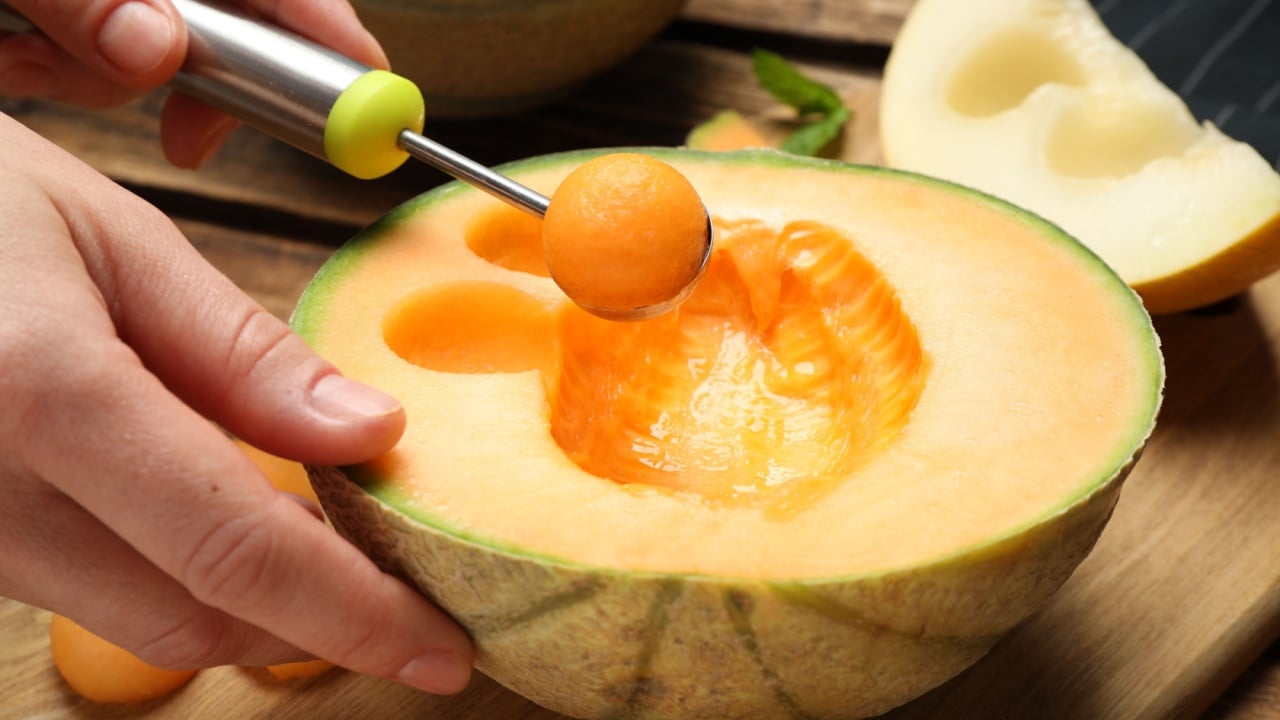
Melon ballers exist solely to scoop fruit into perfect spheres for decorative fruit salads. You push the metal scoop into a cantaloupe or watermelon and twist to extract a round piece. This gadget leaves massive amounts of edible fruit attached to the rind because spheres cannot fit together tightly. Purchasing a tool solely for presentation purposes wastes money you could spend on higher-quality ingredients.
Cutting a melon into standard cubes remains the most efficient way to prepare the fruit. You remove the rind with a large knife and slice the remaining flesh into bite-sized squares rapidly. Cubed fruit stores easily in rectangular containers and maximizes the total yield from your expensive produce. If you still want rounded melon pieces, a measuring spoon will achieve the same result.
8. Banana Slicers
Banana slicers feature yellow plastic shaped precisely like a curved banana with plastic crossbars. You push the device down over a peeled banana to create uniform slices instantly. Bananas naturally grow in different sizes and distinct curves that rarely match the rigid plastic mold. The plastic bars frequently mash the soft fruit instead of cutting clean slices for your cereal.
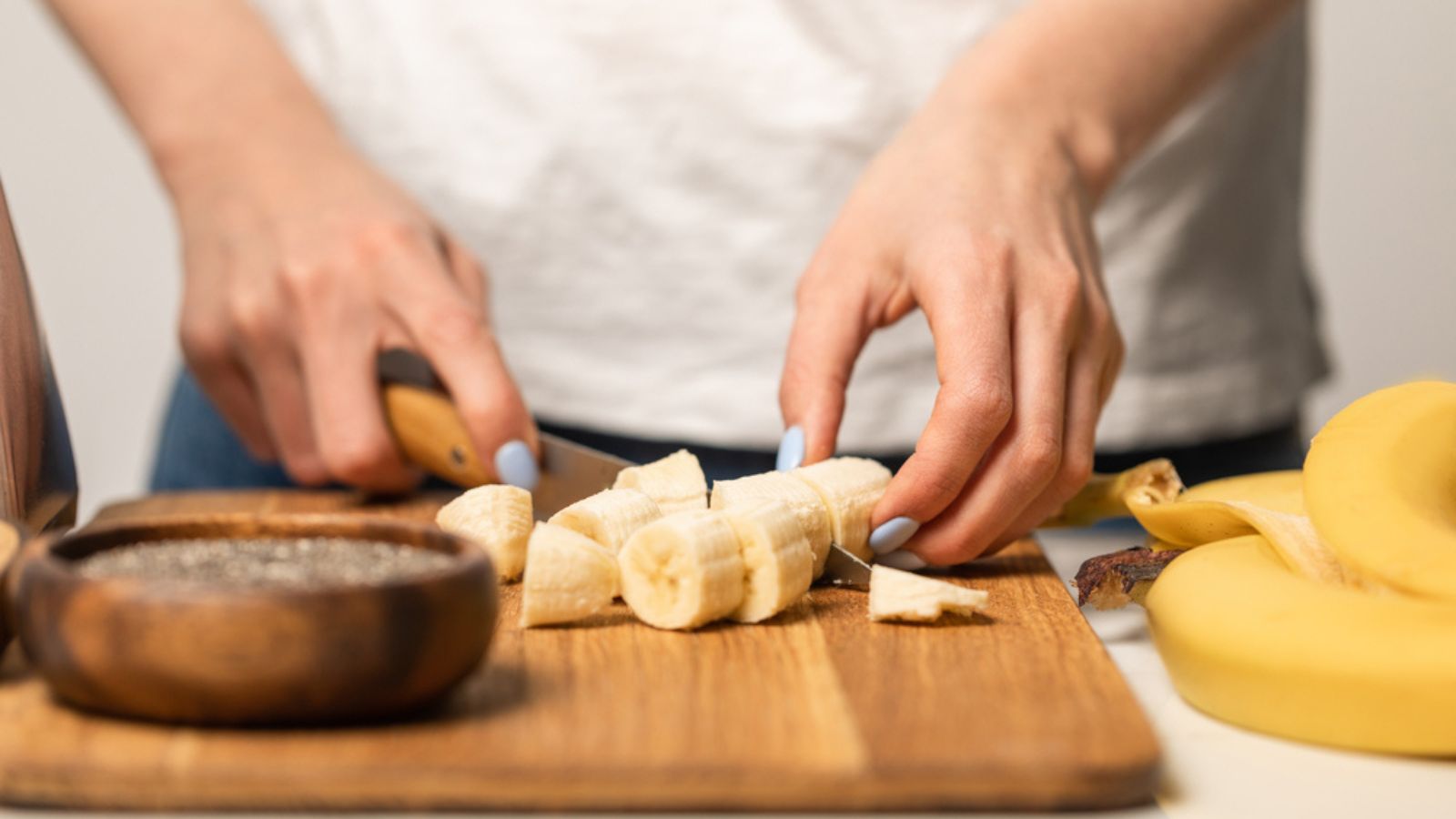
Slicing a banana with a butter knife takes literally ten seconds of effort. The fruit is incredibly soft and requires zero specialized equipment to chop into uniform pieces. A standard piece of silverware goes straight into the dishwasher without taking up excessive space.
9. Margarita Machines
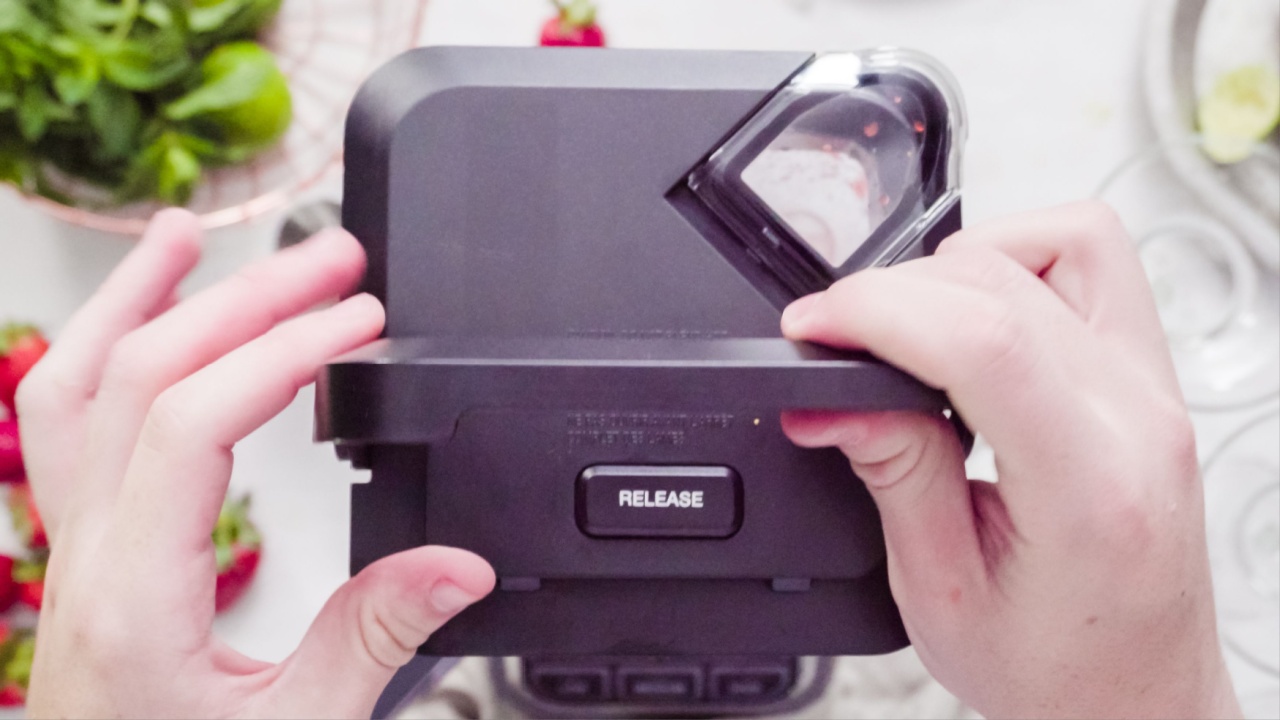
Margarita machines promise frozen restaurant-quality beverages directly in your own kitchen. These massive appliances command premium prices and demand serious countertop dedication to remain accessible. The machines possess loud motors and require immense amounts of ice to function properly during a party. When the party ends, you face the miserable task of dismantling multiple sticky components for a deep cleaning.
A high-quality traditional blender handles frozen drinks perfectly while remaining useful for daily tasks. You can blend smoothies, puree hot soups, and crush ice for margaritas using a single motorized base. Standard blenders feature simpler designs that clean up rapidly with a drop of dish soap and warm water.
10. Meat Shredder Claws
Plastic meat-shredder claws look like bear paws and are designed to tear through slow-cooked pork or chicken. Companies market these accessories to barbecue enthusiasts who want to look aggressive while preparing dinner. The thick plastic prongs actually push the meat apart clumsily rather than pulling it into fine strands. Storing large plastic claws requires significant drawer capacity due to their awkward shapes.
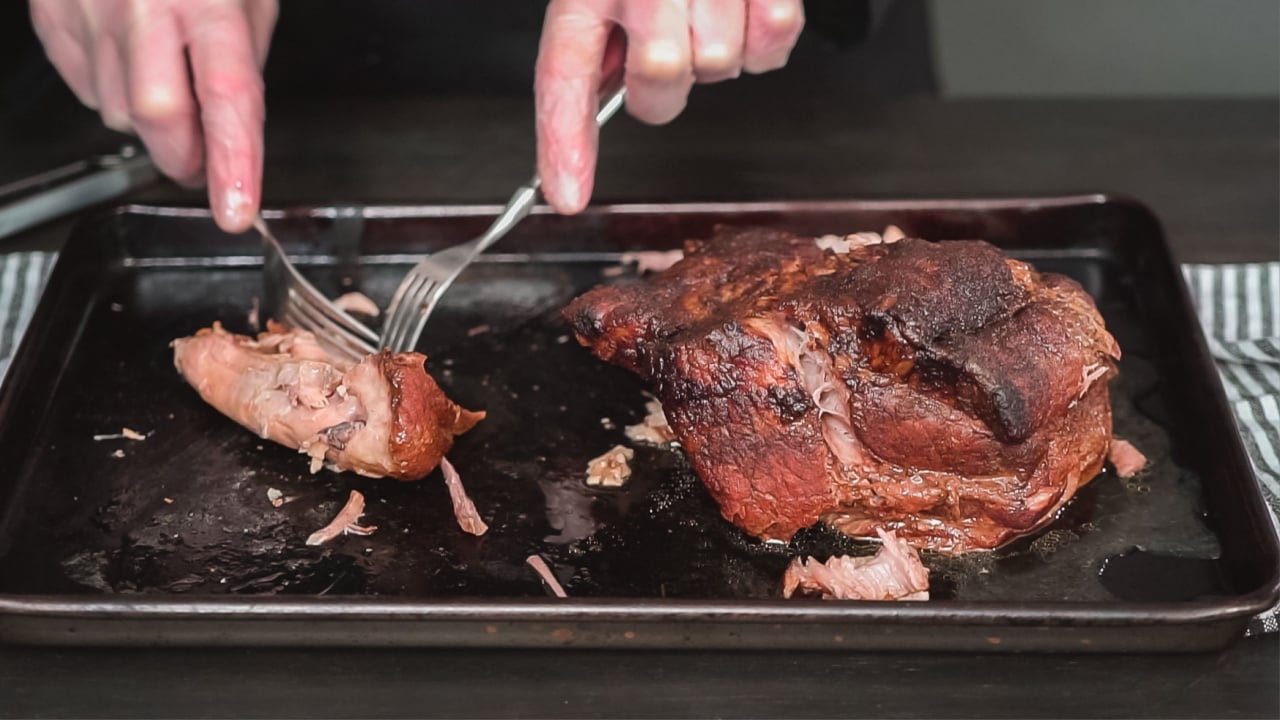
Two standard metal dinner forks shred cooked meat efficiently without any additional financial investment. You hold one fork steady while pulling the other fork away to separate the tender muscle fibers smoothly. Every kitchen already contains forks, making the plastic claws entirely redundant.
11. Pineapple Corers
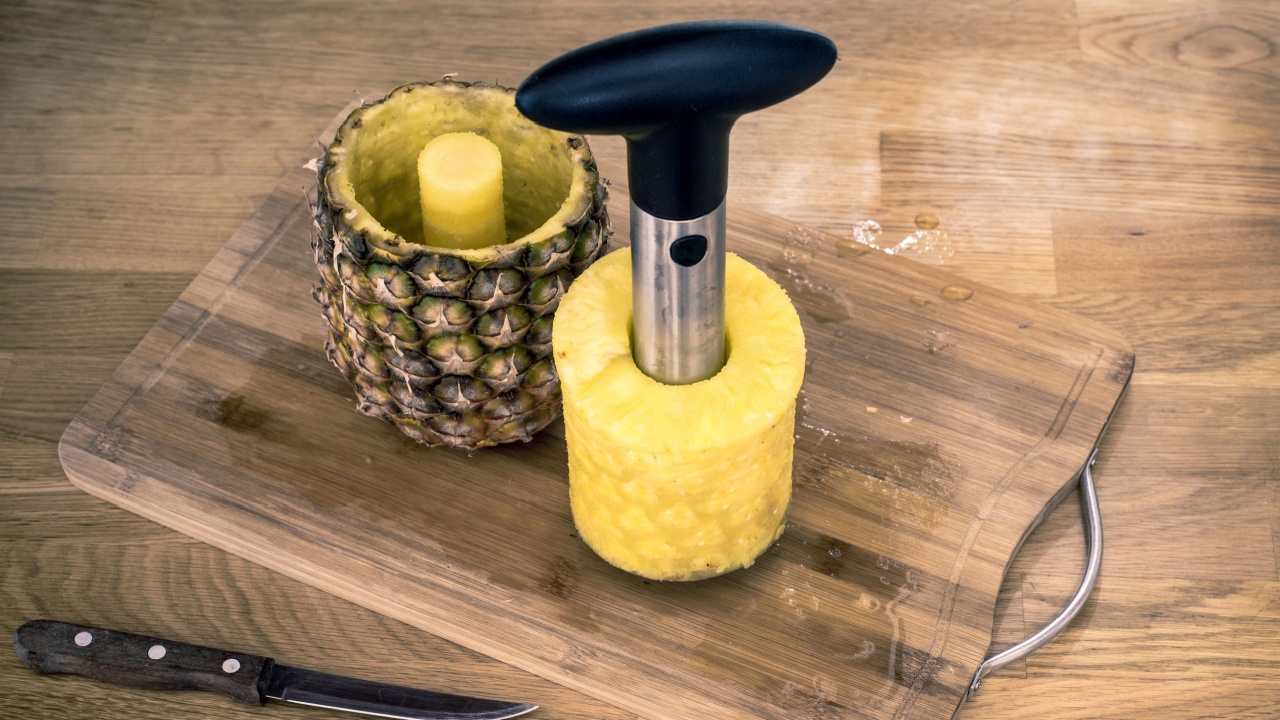
Pineapple corers feature a large handle and a cylindrical blade meant to extract the yellow fruit in one motion. You slice off the top of the fruit and twist the massive metal tube down through the center. This gadget frequently struggles with pineapples that are slightly larger or smaller than the metal cylinder. The device discards significant amounts of perfectly good fruit left attached to the outer shell.
Cutting a pineapple with a sharp chef’s knife removes the tough outer skin rapidly and safely. You stand the fruit upright and slice downward to expose the bright yellow flesh beneath. You then quarter the fruit and slice away the hard central core with pinpoint precision. This traditional method yields much more edible fruit and eliminates the need for bulky metal cylinders.
12. Fancy Pasta Measurers
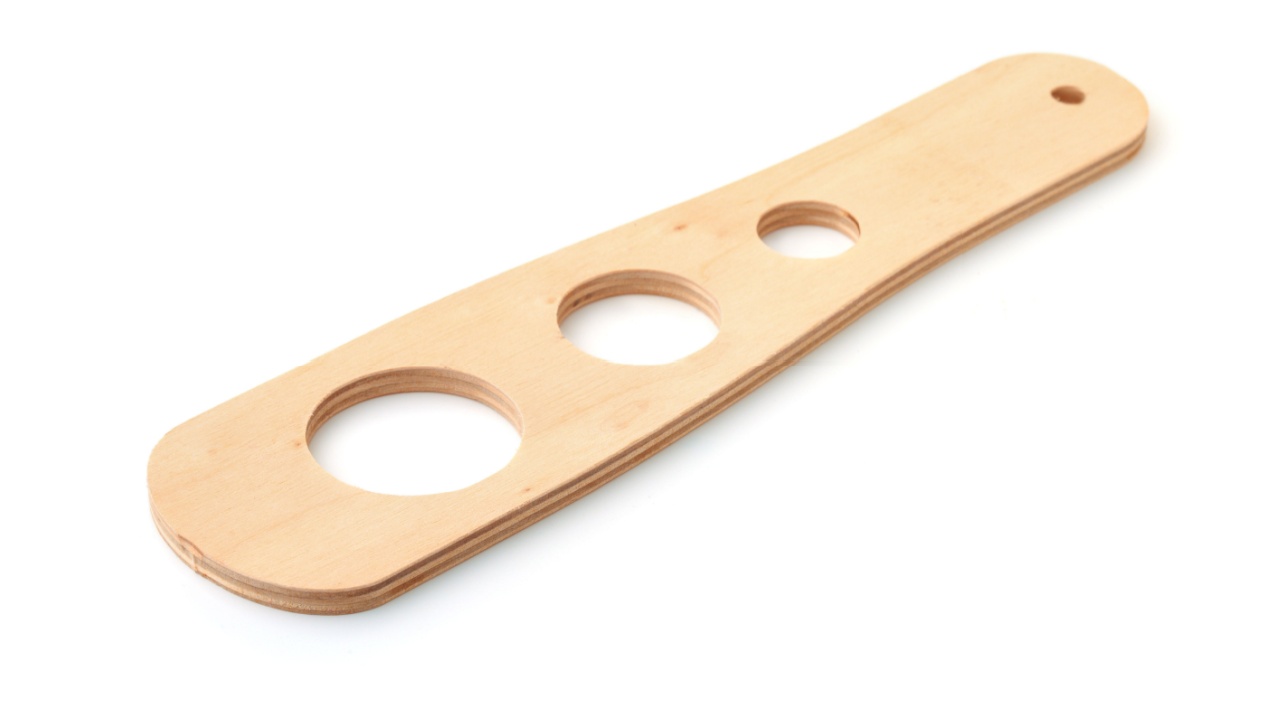
Pasta measuring tools feature different-sized holes designed to portion out dried spaghetti precisely. You slide the brittle noodles through a designated hole to determine how many servings you have grabbed. Snapping long noodles while trying to force them through a metal or plastic hole happens frequently. You pay good money for a thin piece of metal that solves an incredibly minor inconvenience.
Using a standard digital kitchen scale provides exact portions for any type of pasta imaginable. Scales measure macaroni, penne, and spaghetti with perfect accuracy every single time you cook. Most home cooks simply learn to judge a handful of spaghetti visually after a few practice runs. Relying on visual intuition or a multipurpose scale makes the single-use measuring gadget completely obsolete.
Keep Your Kitchen Simple

Avoiding unnecessary culinary gadgets keeps your budget intact and your drawers perfectly organized. A few high-quality basics will always outperform cheap novelty items designed for highly specific tasks. Focus your spending on high-quality knives and durable pans to significantly improve your daily cooking routine.
Read More: