
12 Kitchen Appliances That Are a Total Waste of Money
The average home spends hundreds of dollars a year powering machines that sit quietly in the kitchen doing absolutely nothing of value. People routinely upgrade their cooking spaces with shiny new gadgets, assuming these modern conveniences will save them time and money. Yet, many of these purchases end up doing the exact opposite, quietly draining electricity and taking up valuable counter space.
Wasting money on inefficient or highly specific machines strains your household budget unnecessarily. Older models consume massive amounts of power, while novelty items demand high upfront costs for very little practical return. Replacing these energy vampires or avoiding single-use items completely keeps more cash in your bank account for the groceries you actually want to buy.
This guide points out a dozen popular kitchen items that rarely justify their high price tags or energy consumption. You will see exactly why these machines fall short of their lofty promises and discover smarter alternatives for your home. Keep reading to learn which items you should skip during your next trip to the appliance store.
1. Old Refrigerators
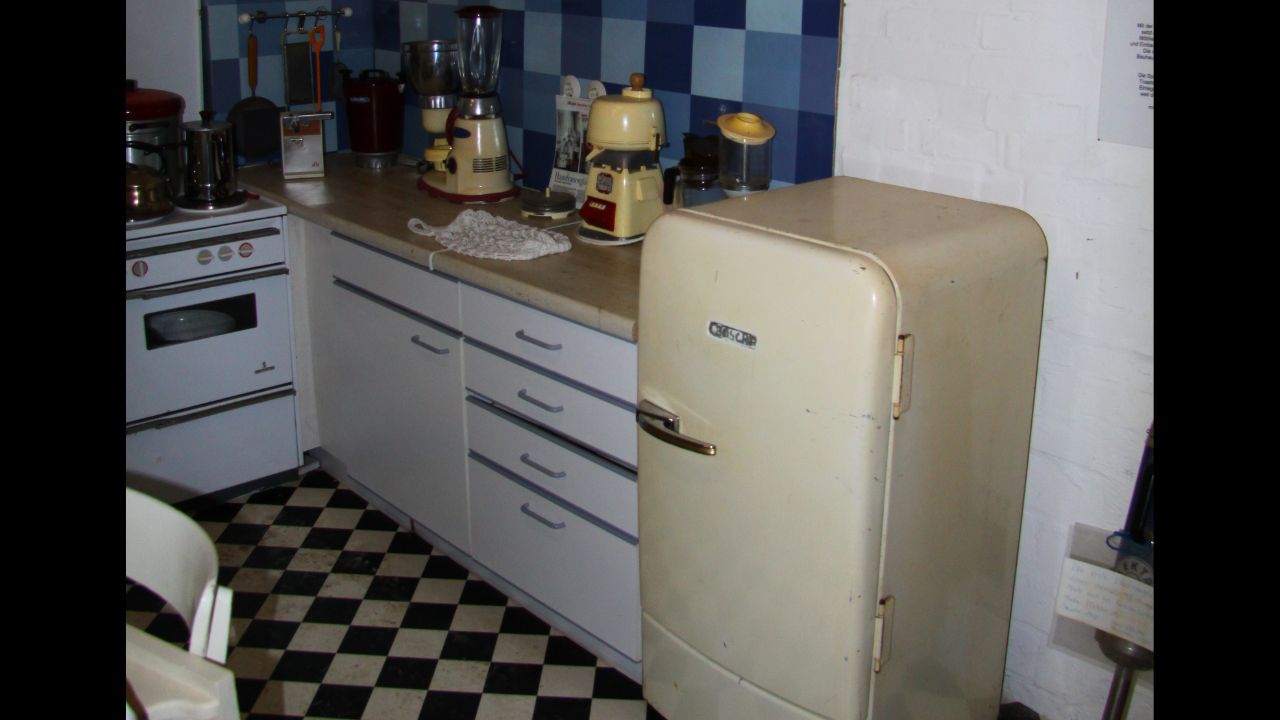
Hanging onto an old refrigerator might seem frugal, but these aging machines consume massive amounts of electricity every single month. Models built a decade or two ago lack modern insulation and rely on outdated compressors that must run constantly to maintain safe temperatures. The extra money spent on your monthly power bill quickly outweighs any savings from avoiding a new purchase.
Upgrading to a modern, energy-certified unit dramatically reduces your home’s electricity usage right away. Newer refrigerators feature advanced cooling technology that keeps your food fresh while drawing a fraction of the power required by vintage models. You end up recovering the initial purchase price through lower utility bills after just a few years of regular use.
2. Outdated Chest Freezers
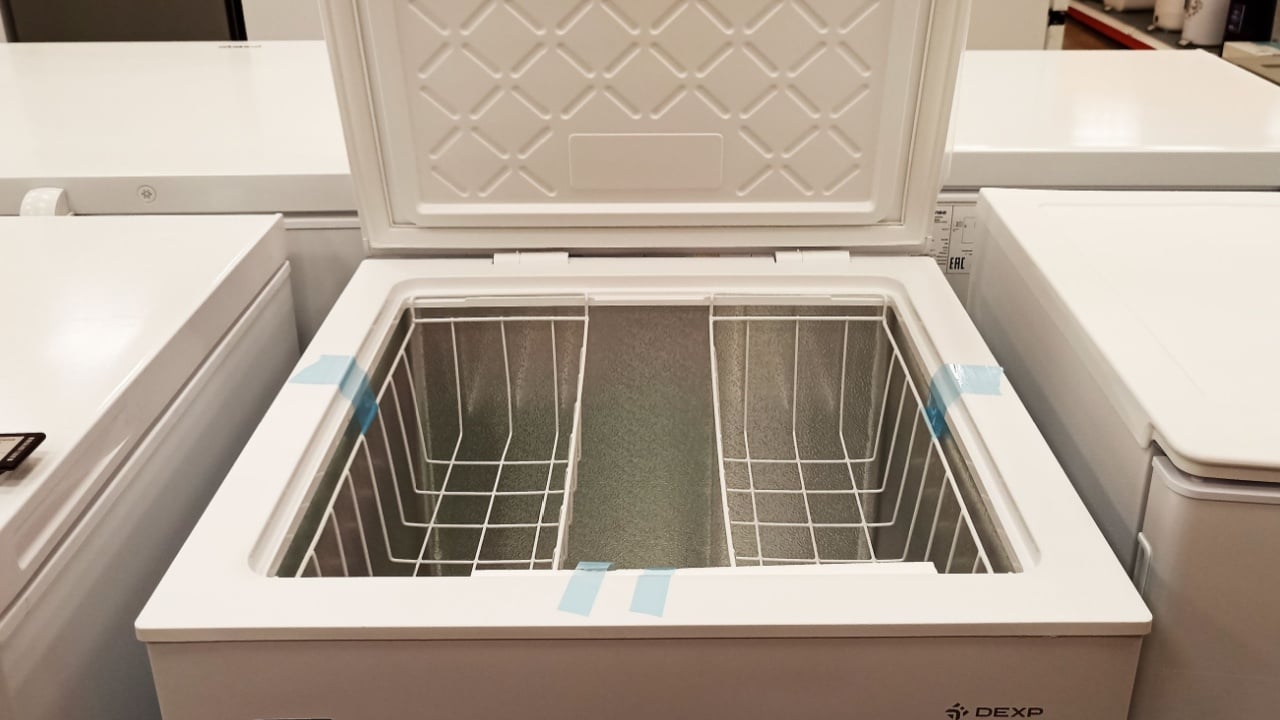
Many families keep a secondary chest freezer in the basement or garage to store bulk groceries for long periods. However, older units are notorious energy hogs that struggle to maintain freezing temperatures in warm environments. The thick ice buildup inside these unmaintained machines forces the motor to work incredibly hard, driving your energy costs up significantly.
A brand new upright or chest freezer offers vastly superior insulation and much better organization for your frozen goods. Modern units rarely require manual defrosting and run quietly in the background without causing huge spikes in your electrical usage. If your current backup freezer is more than fifteen years old, sending it to a recycling center is a wise financial move.
3. Non-Efficient Dishwashers
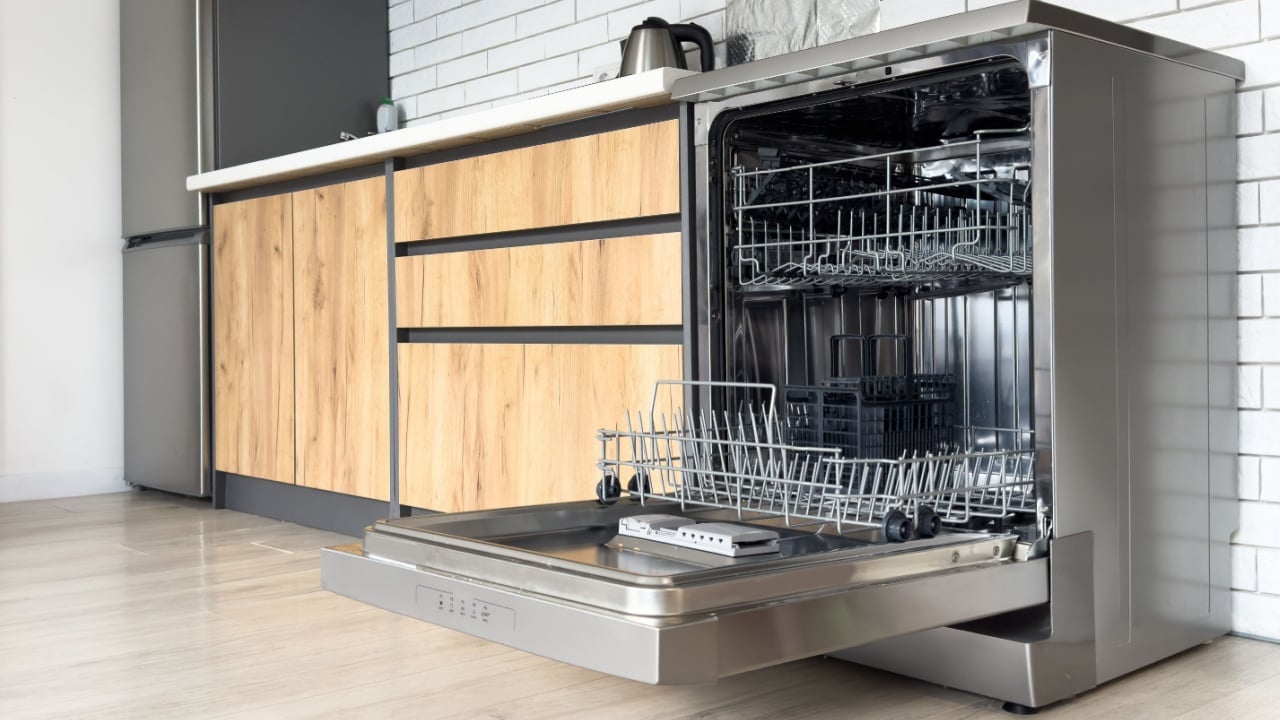
Older dishwashers waste an enormous amount of hot water and power during every single wash cycle. These dated machines often require you to thoroughly pre-rinse your plates, which completely defeats the purpose of having an automated washing system. The combination of wasted water from the tap and the massive energy draw of the appliance makes them incredibly expensive to operate.
Certified high-efficiency dishwashers use advanced soil sensors to determine exactly how much water and heat each specific load requires. These smart machines blast away stuck-on food without any pre-rinsing, saving gallons of hot water during every wash. Investing in a modern model reduces your environmental impact while keeping your utility costs under tight control.
4. Conventional Older Ovens
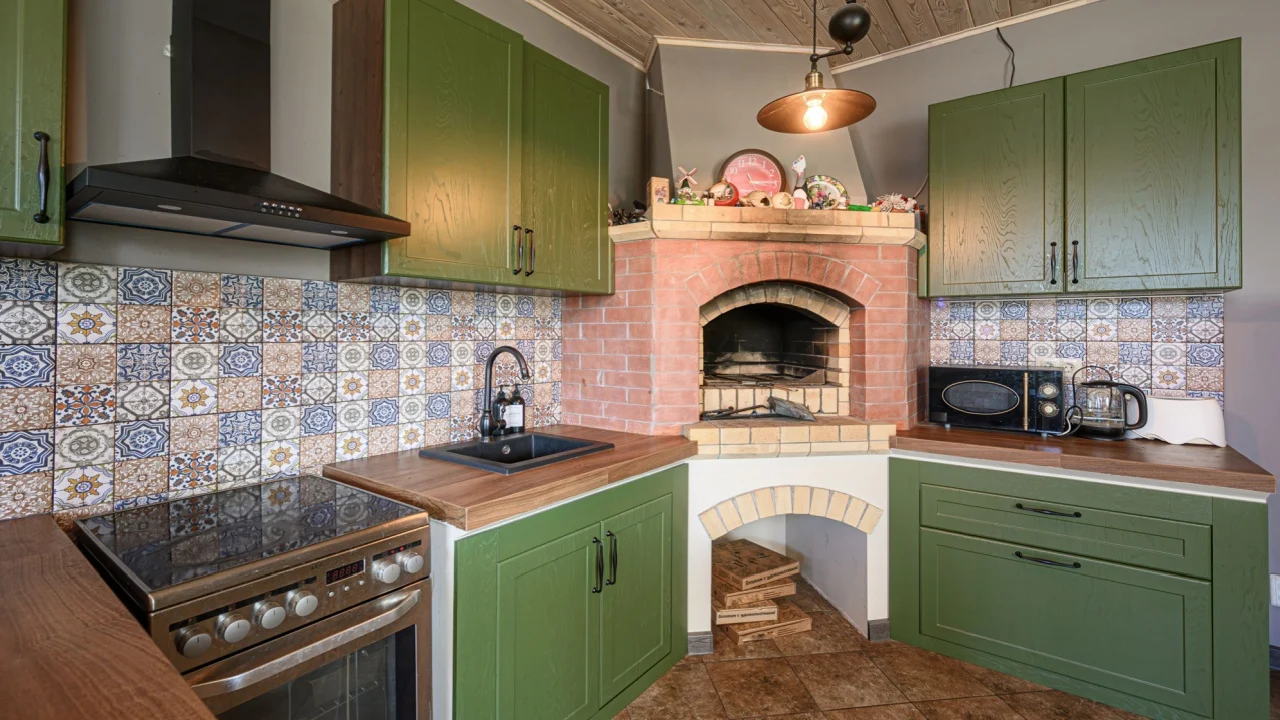
Traditional ovens, lacking modern insulation, constantly leak heat into your kitchen while you try to prepare dinner. This forces the heating element to stay on longer to reach your desired baking temperature, burning through expensive electricity. The escaping heat also forces your home air conditioning system to work harder during the summer months, hitting your wallet twice as hard.
Convection ovens offer a vast improvement by using internal fans to circulate hot air evenly around your food. This technology drastically reduces cooking times and lowers the required temperatures for most standard recipes. Swapping an outdated oven for a modern convection model speeds up your meal prep while conserving significant amounts of energy.
5. Standalone Ice Makers
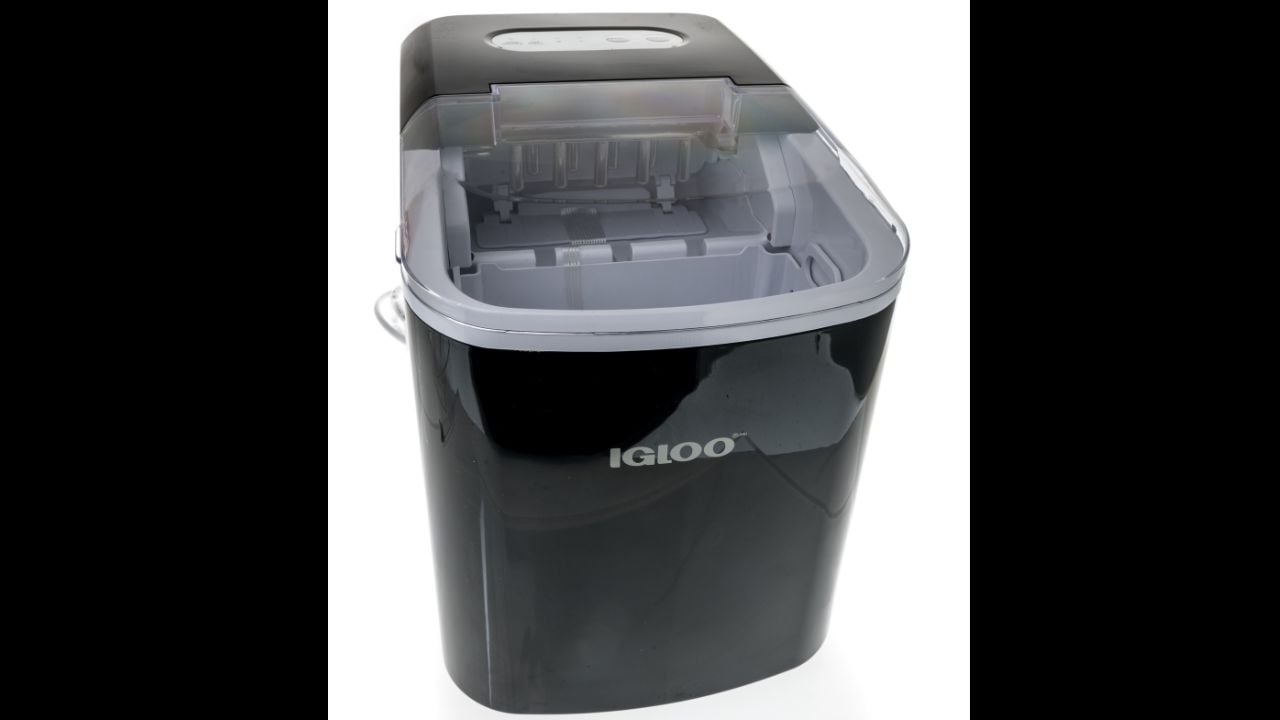
Countertop ice makers are convenient but require electricity to operate and often need to stay on to keep producing ice, since they don’t store it like a freezer. While their power use is relatively modest, running them daily can add a small but ongoing cost that may not feel worthwhile if you only need ice occasionally.
Using the built-in ice dispenser on a standard refrigerator provides all the frozen cubes a typical family requires. If your fridge lacks an automatic maker, traditional silicone trays cost mere pennies and sit quietly in the freezer without drawing any extra power. Skipping the dedicated ice machine completely frees up valuable counter space and reduces your monthly energy consumption.
6. Wine Coolers
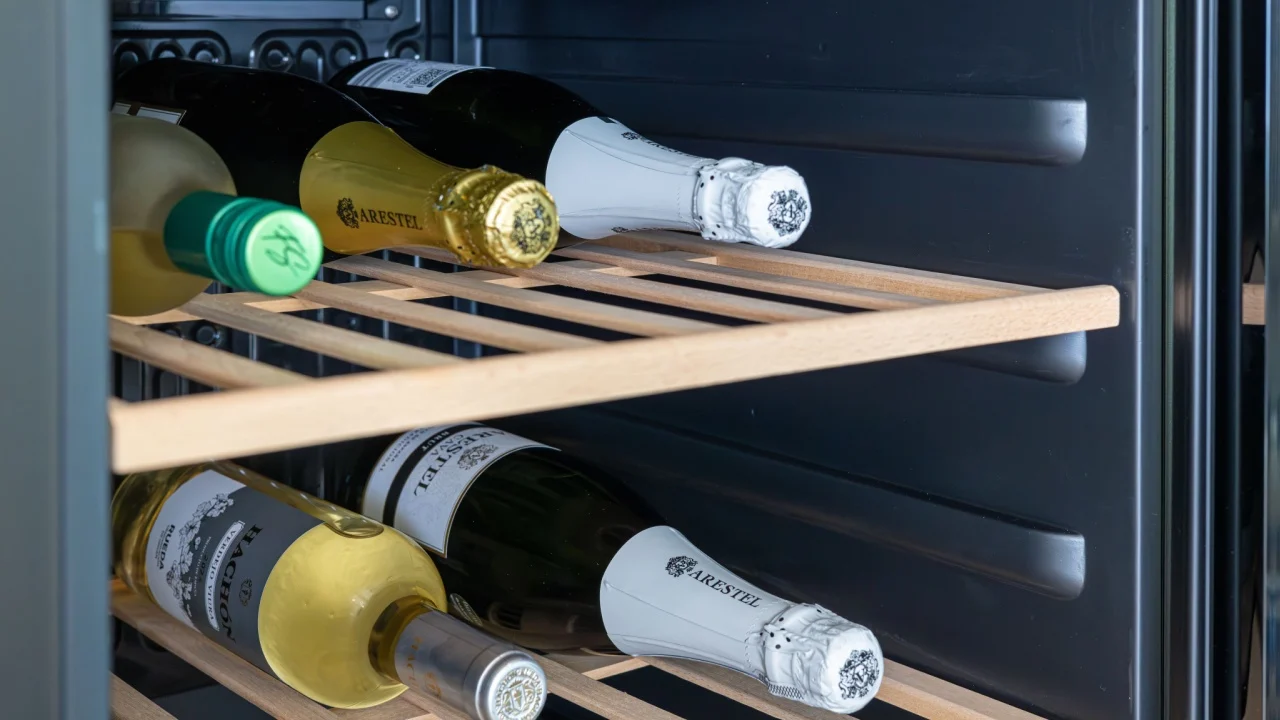
Wine refrigerators are specialized appliances that maintain stable temperatures, and they may run more often in warm kitchen environments. While they use a moderate amount of electricity, they are not inherently inefficient. However, for casual drinkers with small collections, the cost and space may not always feel justified compared to simpler storage options.
Most standard grocery store wines survive perfectly well in a dark pantry or inside your main refrigerator. You can easily chill a bottle in a bucket of ice water for 20 minutes before serving your guests. Relying on your existing cooling methods removes the need to buy and power a completely unnecessary specialty appliance.
7. Compact Mini-Fridges
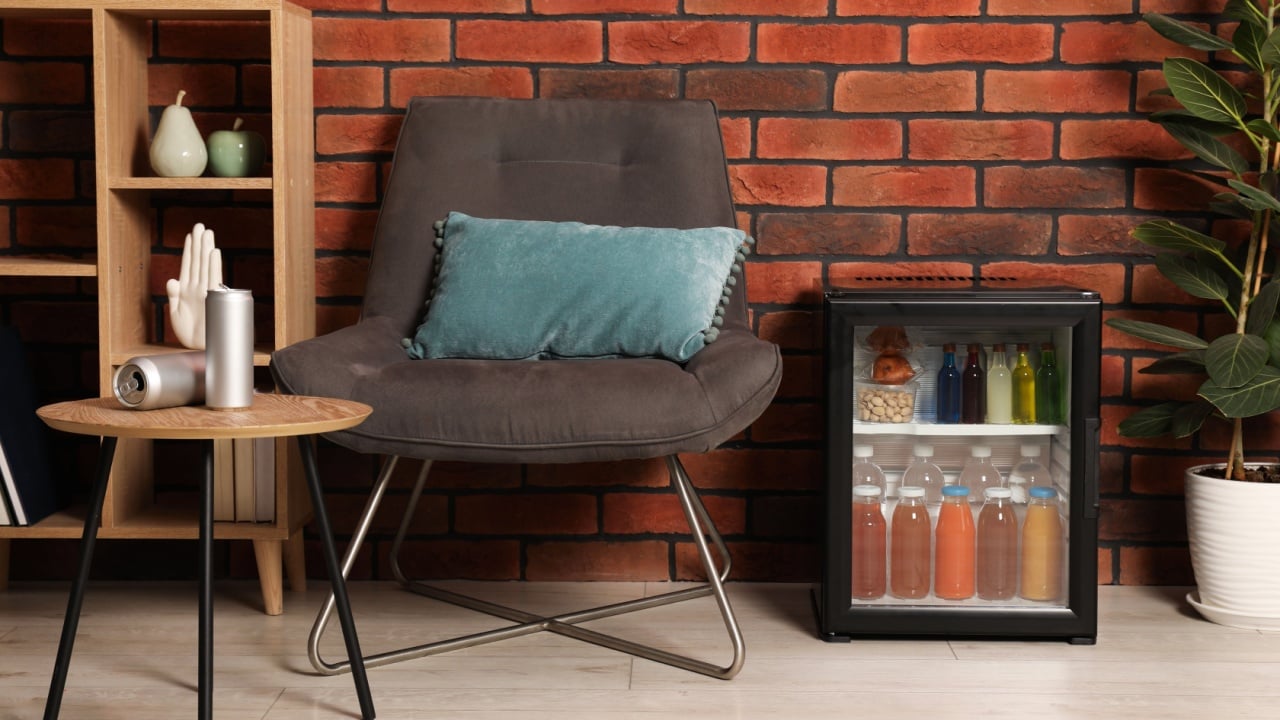
College-style mini-fridges frequently make their way into home offices or media rooms for convenience. Mini-fridges are convenient but often less energy-efficient relative to their size, especially lower-cost models with simpler insulation and components. While they use less total electricity than full-sized refrigerators, poor seals, warm room placement, or low build quality can increase energy use and cause the compressor to run more frequently.
Walking a few extra steps to your main kitchen refrigerator is a much healthier and cheaper habit to develop. If you absolutely must have a separate cooling space for beverages, look for premium compact models specifically rated for high energy efficiency. Thoroughly checking the estimated annual power consumption on the yellow sticker helps you avoid bringing an energy vampire into your home.
8. Inefficient Cheap Microwaves
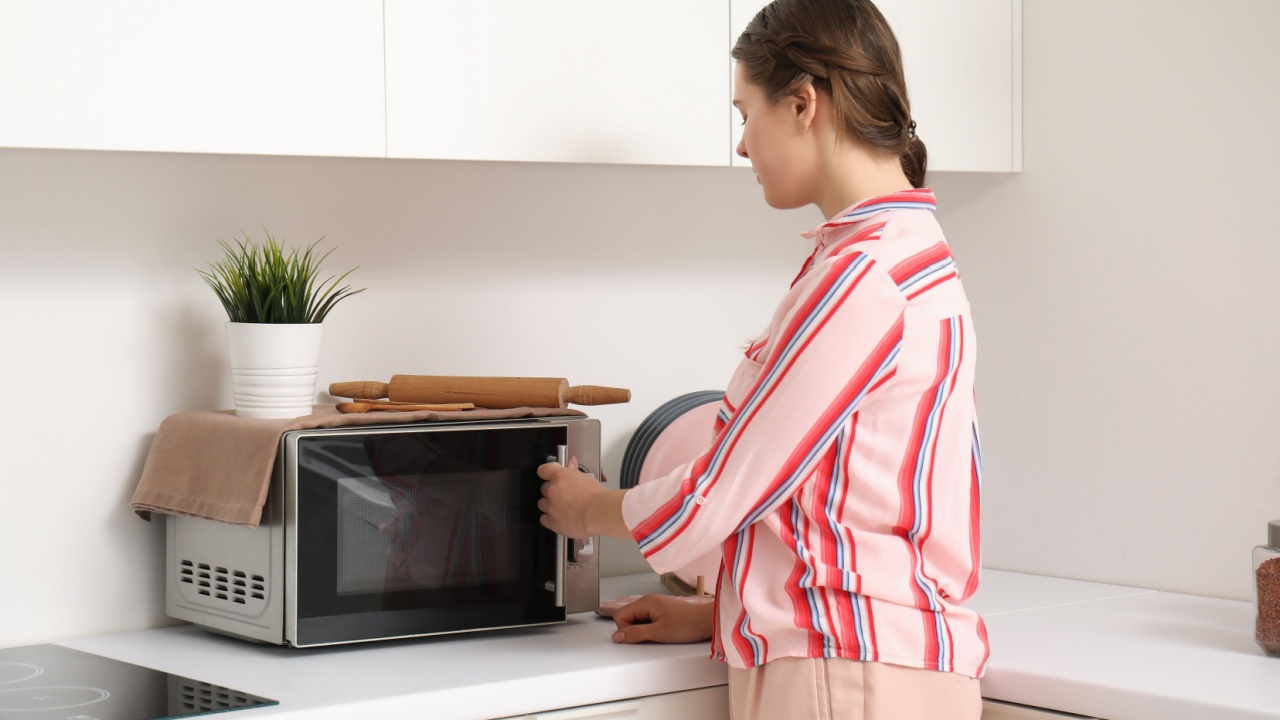
Bargain microwaves can be appealing during sales. However, lower-cost models often use cheaper internal components, such as magnetrons and door mechanisms, that are more prone to wear and failure over time. Testing has shown that some low-performing units struggle to heat food evenly, leaving cold spots that force you to reheat meals more than once.
While these microwaves can handle basic tasks, their shorter lifespan and inconsistent performance can make them less cost-effective in the long run. Spending a bit more on a better-built, mid-range model often means more reliable heating, fewer breakdowns, and a machine that lasts significantly longer before needing replacement.
9. Garbage Disposals

In-sink garbage disposals make it easy to wash food waste down the drain, but they come with real risks. Small bones, fibrous vegetables, and other tough scraps can jam the motor or damage the blades. Eventually, they can contribute to clogs deeper in the plumbing system. According to plumbing experts, repairing a jammed or broken disposal often costs more than the appliance itself, especially when a professional plumber is required.
Scraping plates into a compost bin or trash eliminates the need for an electric grinder. Composting not only reduces strain on your local water treatment system but also creates nutrient-rich soil for your garden. Removing a garbage disposal from your kitchen plumbing eliminates a frequent source of mechanical failures and costly emergency repairs, making your kitchen simpler, safer, and more environmentally friendly.
10. Non-Induction Electric Stoves
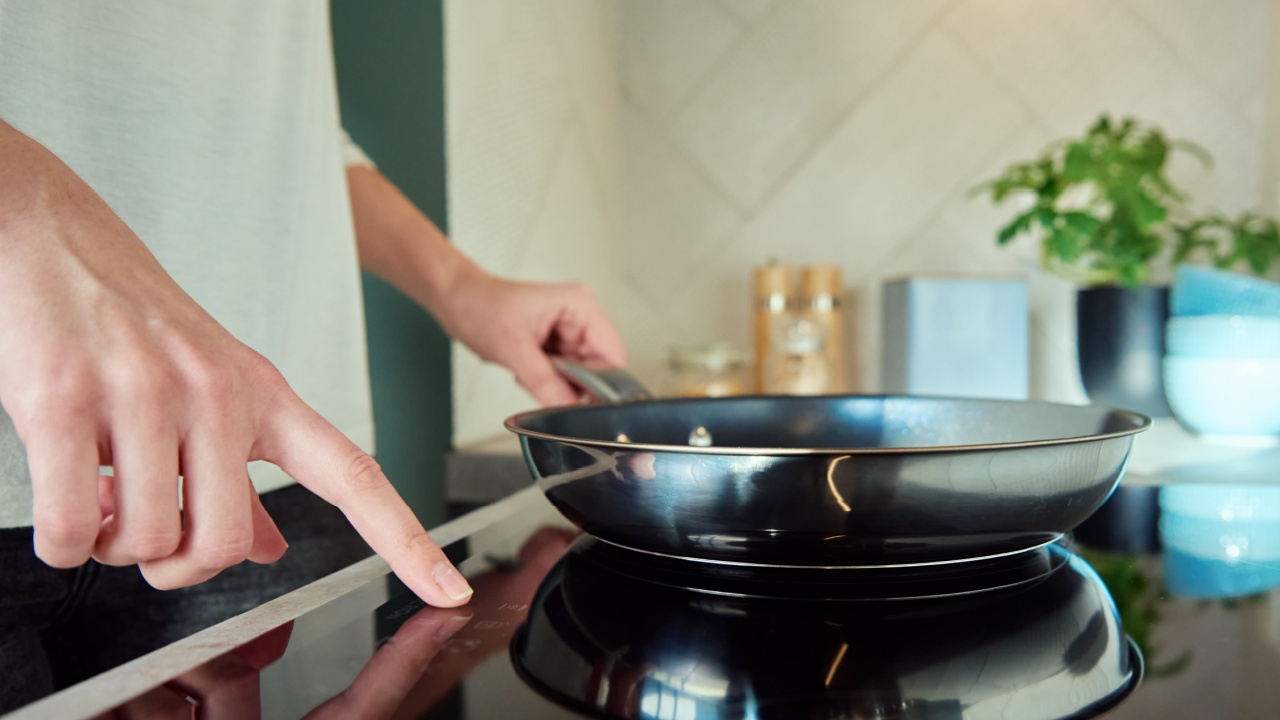
Traditional electric stoves with exposed coil burners are inefficient at transferring heat to cookware. Only about 70% of the energy from a coil burner actually heats the pot or pan, with the rest lost to the surrounding air, which can make kitchens uncomfortably warm. These stoves also take longer to bring water or food to a temperature compared with modern alternatives, consuming more electricity in the process.
Induction cooktops, by contrast, heat the cookware directly via magnetic induction, achieving efficiencies of 80–90%. Because almost no energy escapes into the air, induction stoves provide precise temperature control while using significantly less power than coil-based electric ranges. This faster, more controlled cooking reduces electricity consumption and brings professional-style precision to everyday meals.
11. Countertop Deep Fryers
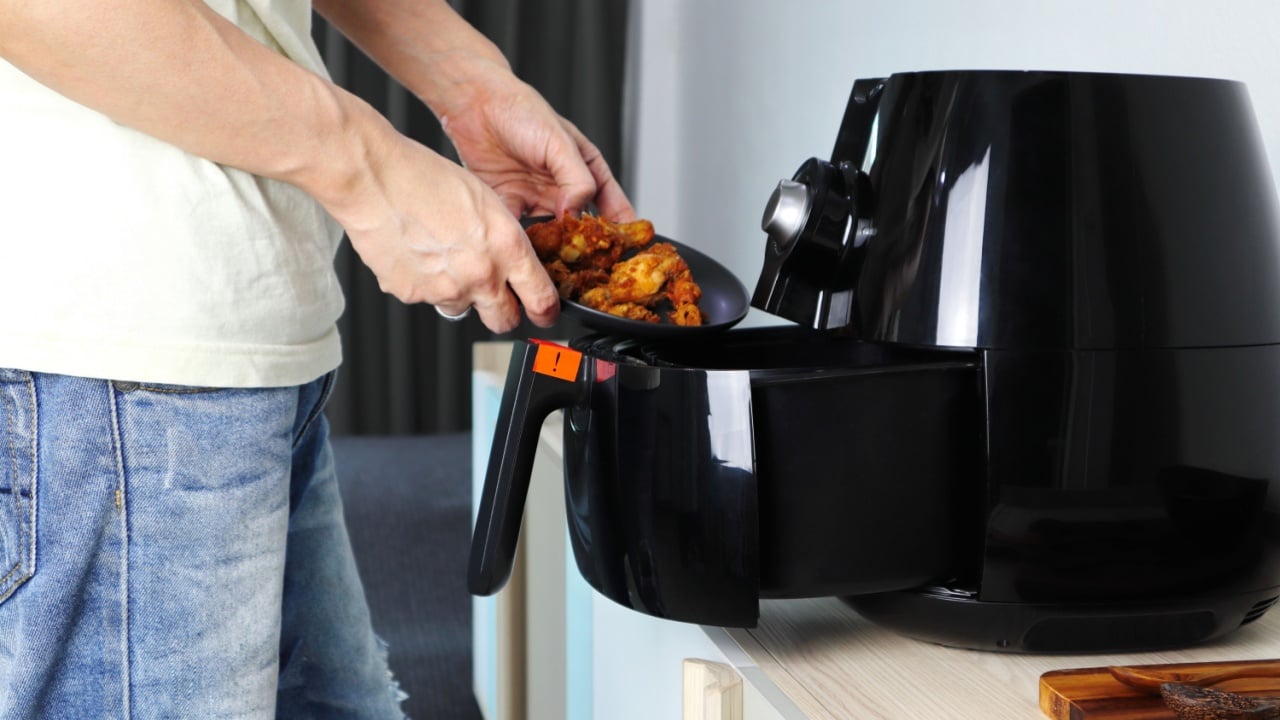
Countertop deep fryers may seem like a convenient way to recreate restaurant‑style fried foods at home, but they quickly prove to be more trouble than they’re worth. These appliances require large amounts of cooking oil even for small batches, and heating that oil consumes significant electricity. Many home units struggle to maintain a consistent temperature, which leads to uneven cooking and wasted energy. For households that only fry occasionally, the ongoing expense of oil and power adds up far faster than the value they deliver.
Beyond the cost, deep fryers bring a host of practical headaches. Cooling, straining, and storing leftover grease is messy and inconvenient, and the lingering smell of hot oil can permeate the kitchen long after cooking. Cleaning the fryer itself is often cumbersome, with greasy parts that are difficult to wash thoroughly.
For a healthier and more efficient approach to frying, try upgrading to an air fryer that requires little to no grease.
12. Bulky Bread Makers

Automated bread machines entice shoppers with the promise of fresh loaves, but they frequently produce dense, awkwardly shaped blocks of dough. The mixing paddles often get stuck inside the baked bread, tearing large holes in the bottom of your sandwich slices. Most buyers use this heavy machine a handful of times before moving it permanently into a dusty basement storage corner.
Baking bread by hand requires very little equipment and yields vastly superior texture and overall flavor. A basic mixing bowl, a sturdy wooden spoon, and your standard oven are all you really need to create beautiful artisan loaves. Learning a few simple kneading techniques yields better food and removes the need for a heavy, expensive specialty machine entirely.
Smarter Choices Matter

Taking a closer look at your appliance usage helps you identify exactly where your household budget is leaking. Replacing aging, inefficient models with modern alternatives drastically reduces your monthly power bills and lessens your environmental footprint. Letting go of single-use gadgets clears up your counter space, making daily meal preparation significantly more enjoyable. Stay mindful of your energy consumption and choose reliable tools that genuinely earn their place in your home.
Read More:
9 Appliances to Unplug When Not in Use and Reduce the Energy Bill