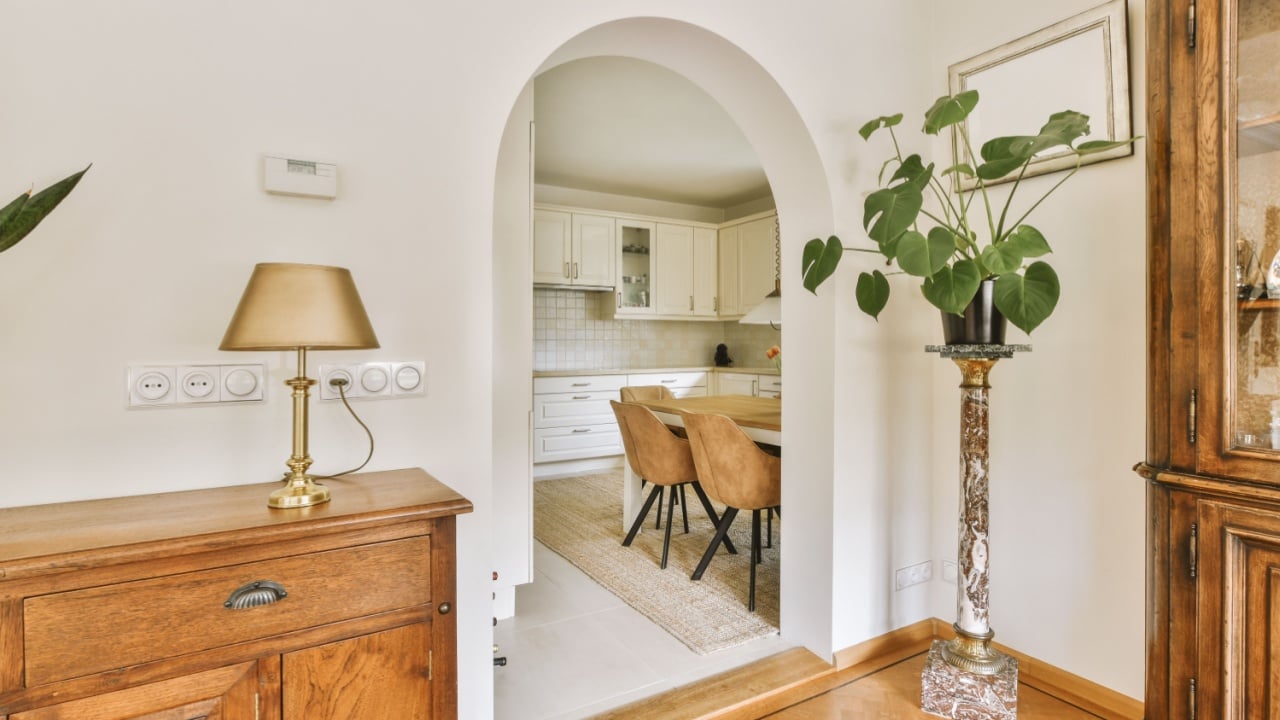
11 Old School Home Features That Deserve a Nostalgic Comeback
We might one day imagine gracing the space of old colonial, brownstone, or Victorian houses, feeling the history within its walls. Who doesn’t love the idea of kicking back surrounded by timeless architecture, knowing people centuries ago once did the same?
There are endless rewards for buying old, but what about the other side of the coin? Old homeowners might need to be open-minded about what they are buying, knowing that some features are more decorative than functional. Then again, it’s those decorative features that give a home its soul, and there is no denying that we could use some of that.
Moreover, as modern technology spreads its influence over our lives, these old-school home features and design quirks might just bring some normality back into any living space. Long live the old-school home features we no longer need, but seriously could use again.
1. Rotary Dial Phones
-

Image Credit: Shutterstock
While not a built-in home feature, rotary phones were certainly once an integral part of every home.
Anyone with YouTube must have seen the viral clip of youngsters trying to work out a rotary dial telephone. The funniest moment is when the two subjects decide the number zero requires a full rotation of the dial. Yet, there was something very satisfying about using that dial: the slow return after dialing, the warm tone on the earpiece.
There’s no surprise rotary phones have already made somewhat of a comeback. This Mashable post explores why it’s a good thing for anyone, not least your brain. However, the video clip demonstrates why this charmingly outdated home feature is not practical to a degree. In an emergency, dialing a simple 9-1-1 would be frustrating based on today’s standards; the smartphone is a good backup.
2. Root Cellars

In the United States, we might associate a root cellar with rural living, though even in urban areas, they might be present. While Elliston in Newfoundland, Canada, is known as the “root cellar capital of the world,” it just isn’t feasible to have a usable cellar in most homes.
However, not all root cellars must be dark, underground, cold pits where grandma once stored her jam collection. Minnesota’s Horticultural Society’s Northern Gardener blog shares tips on maintaining a modern above-ground root cellar. Considering the perpetually rising cost of electricity (what happened to all that free, abundant renewable energy, anyway?), root cellars may need a necessary comeback.
3. Sleeping Porches
-
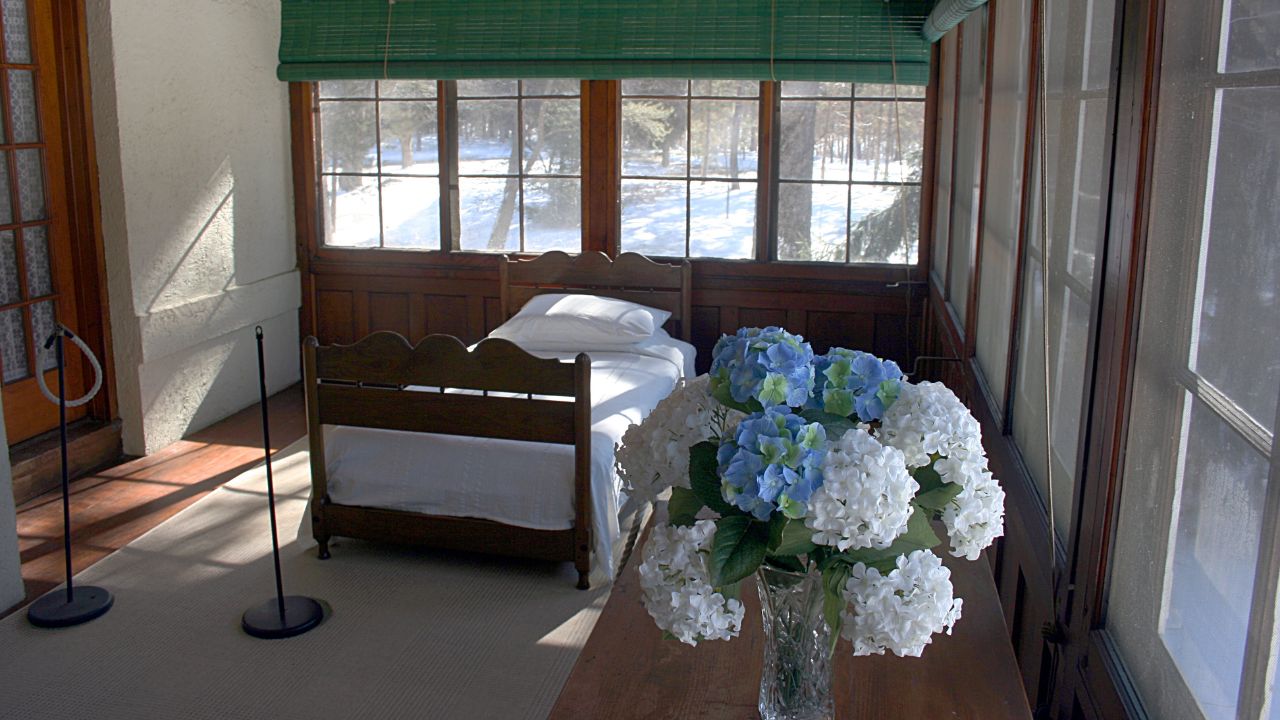
Image Credit: Rolf Müller (User:Rolfmueller) – Own work,- CC BY-SA 3.0/Wiki Commons.
Charlotte Bond of The Vintage News defines a sleeping porch as “a deck or balcony, sometimes screened or surrounded by windows, that is built to serve a particular purpose.” There is an innocence about having a porch area designated for sleeping, and many colonials still have theirs attached.
Unless I lived in a very rural area, I am not sure I would feel comfortable sleeping on a sleeping porch. Jana Studelska of Cabin Health would encourage me to, however. Research shows that having a sleeping porch is good for your health, though most homeowners would probably prefer this square footage indoors.
4. Dumbwaiter
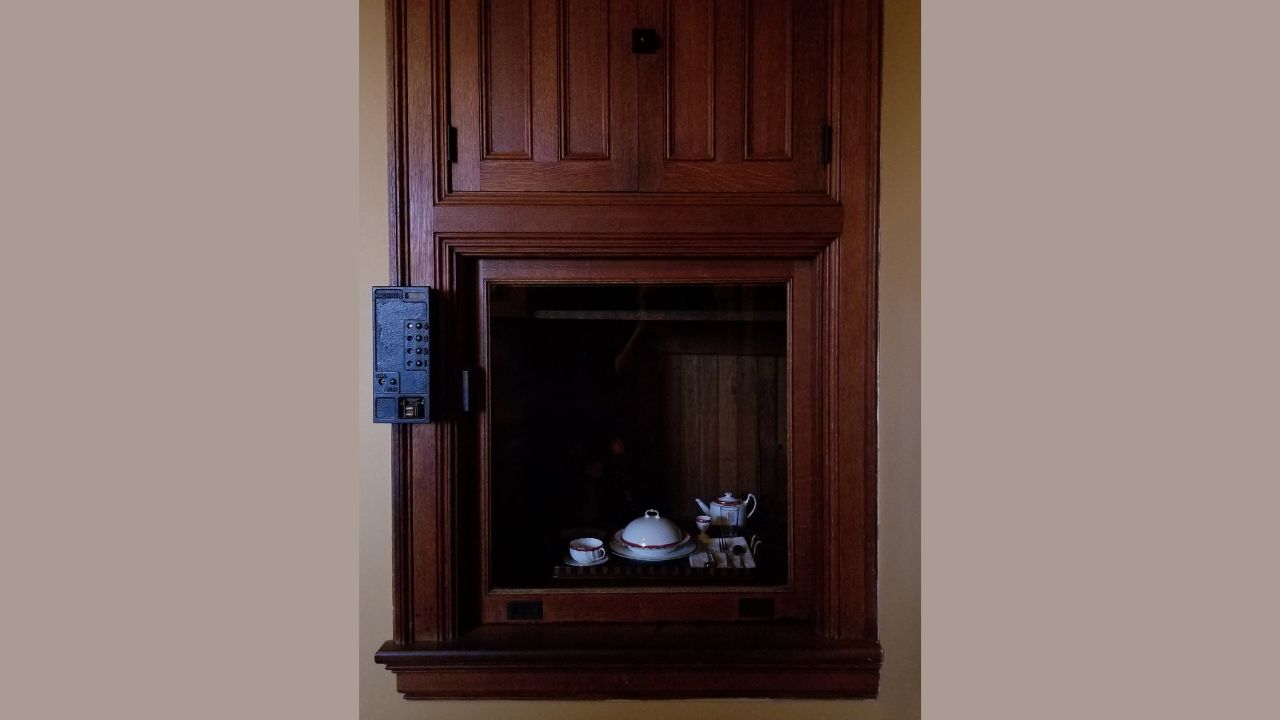
It sounds like a lazy movie pitch idea or derogatory term, but a dumbwaiter was (and still is) an actual thing for those with the need to send lots of food. Houses with a mini-elevator for sending dishes or meals to different floors were for the privileged, though not anymore.
Home Tech platform Curbed explores the dumbwaiter’s origins, ascribing its design to a certain Thomas Jefferson, who had one installed in the White House. We all want a dumbwaiter, if anything, to escape intruders in a movie scene.
5. Servant Bells
-
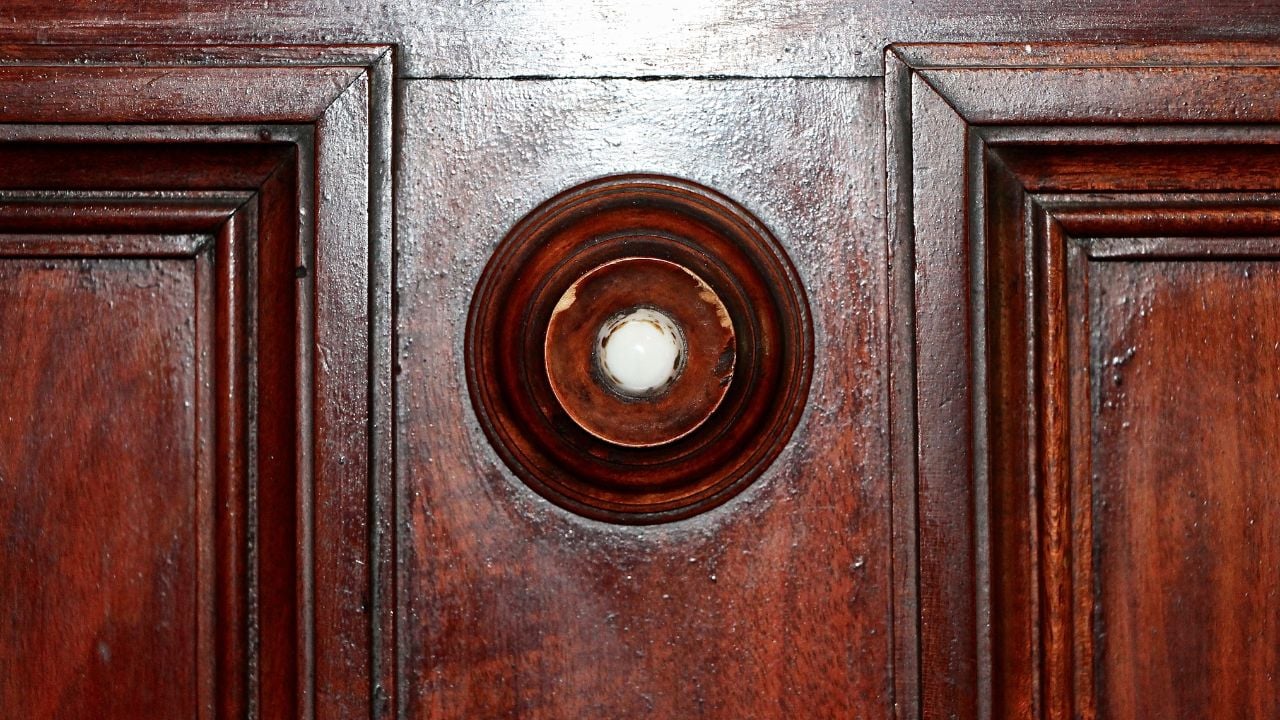
Image Credit: Thomas1313 – Own work – CC BY-SA 3.0/Wiki Commons.
The connection between domestic staff instrumentation and the old home is strong. It betrays a time in America when the haves controlled the have-nots. The perfect symbol for this relationship is the servant bell, still seen in some old homes.
Like its floor-button counterpart, the servant bell was a tool for hailing the serving staff. Maybe parents could use them today as a form of Pavlovian child training device. Then again, many kids have smartphones now, so they probably wouldn’t even hear them, anyway.
6. Transom Windows
-
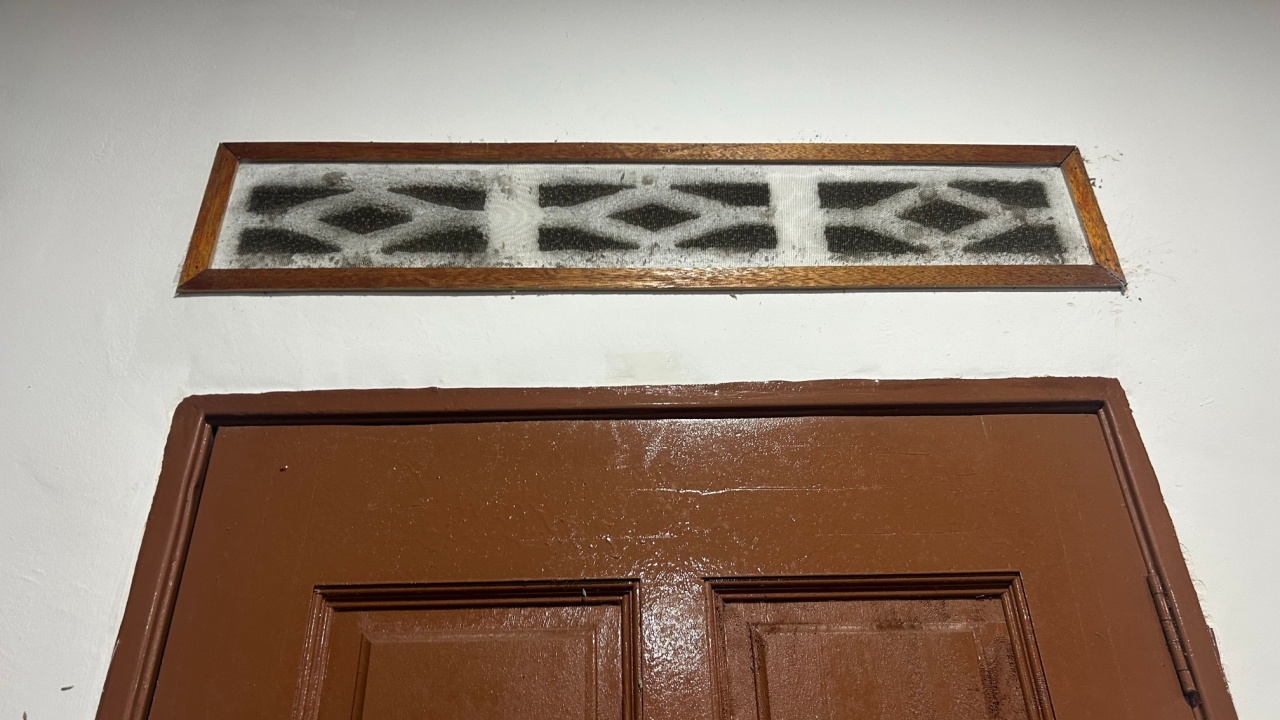
Image Credit: Shutterstock.
Those narrow glass panels positioned above doorways are known as transom windows, and were originally designed to draw in natural light and encourage air circulation. “They appeared predominantly in row houses that didn’t have many windows,” states a guide from the glazier firm, Martin.
In modern builds, transom windows serve little purpose other than helping bring natural light.
Then again, some homeowners choose to preserve them purely for their old-fashioned elegance. They may not serve a function anymore in light of technological advances, but transom windows could be known as “handsome” windows.
7. Intercoms
-
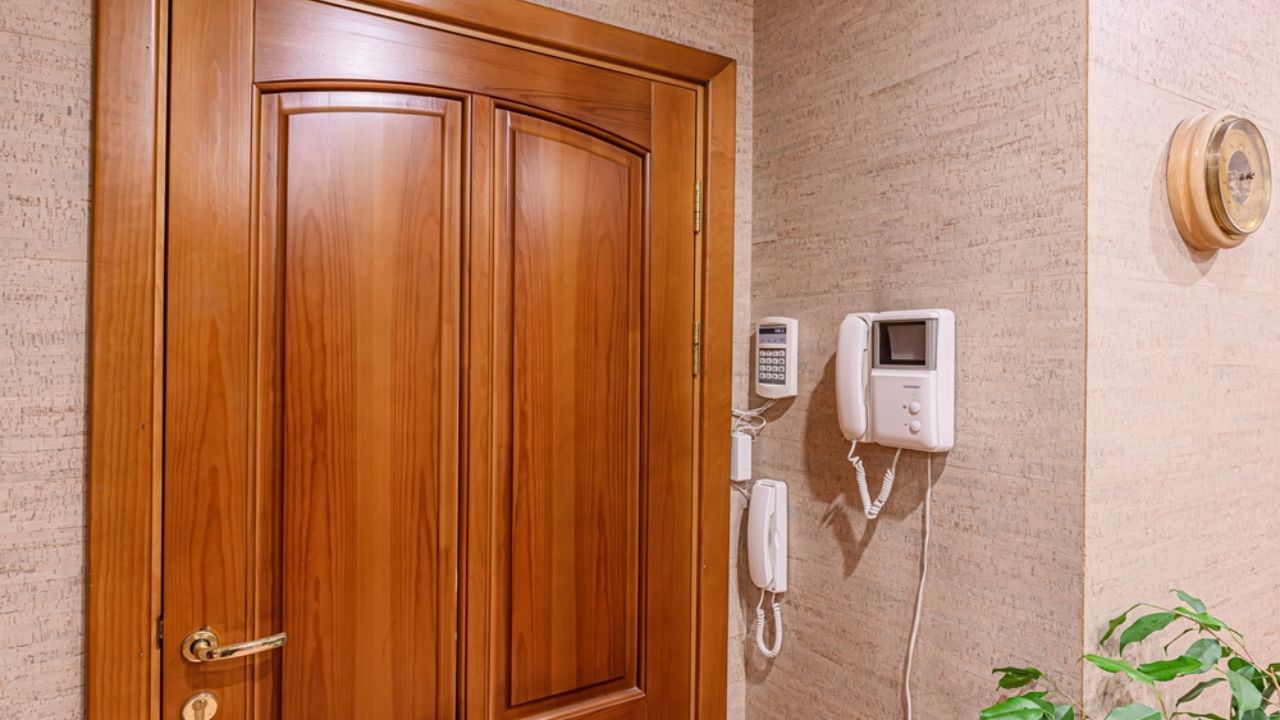
Image Credit: Shutterstock.
Growing up in an ’80s household revealed one truth for my family — we really needed an intercom in the house. Such was our through-the-wall communication; our poor neighbors must have felt as though we lived with them.
There were houses with such devices, where we can jealously imagine how calm it must have been. Obviously, newer generations of homes don’t need them, but I would still give one to my parents, who still maintain the superpower of speaking through walls. Of course, upmarket smart home intercom systems are available for those who can afford them.
8. Laundry Chutes
-
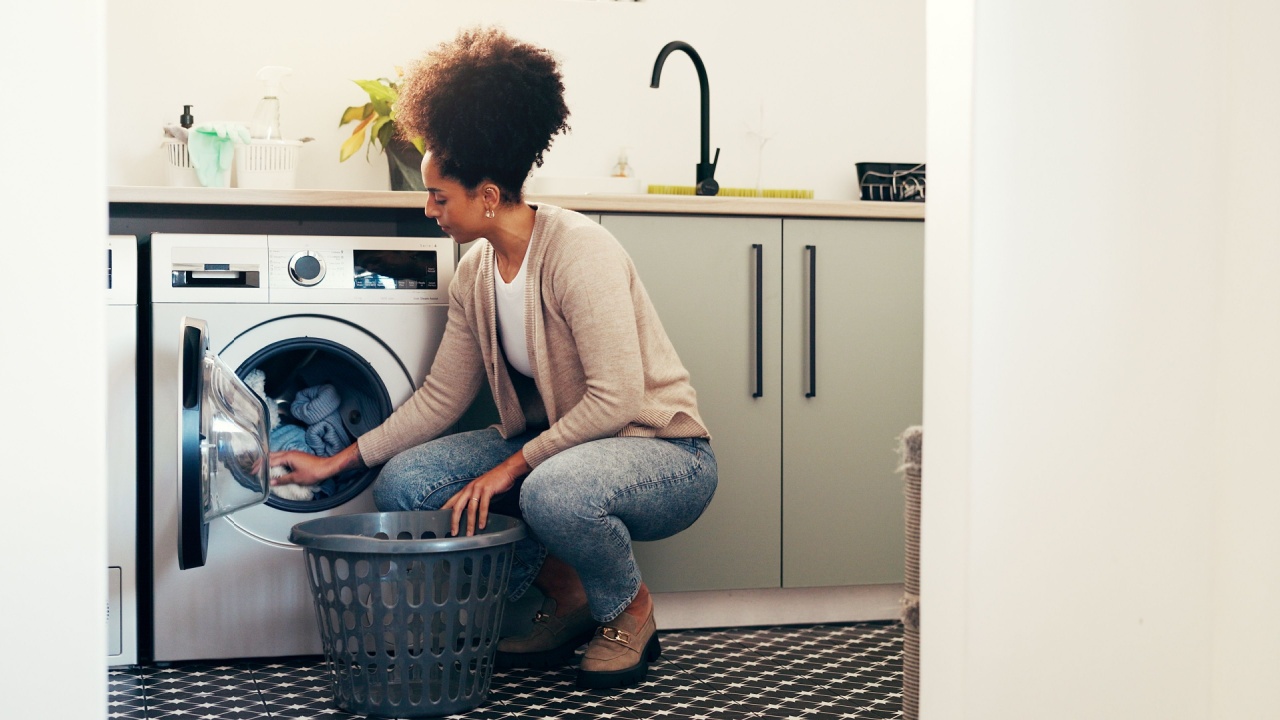
Image Credit: Shutterstock.
As the middle class grew in earlier decades, the laundry chute offered a discreet way to move dirty clothes out of sight, saving a trip down to the basement laundry room. While these systems are long gone now, who wouldn’t want a laundry chute?
Writing for Apartment Therapy, Sarah Magnuson makes a case for their return, suggesting that a chute connecting an upstairs hallway to a ground-floor laundry room could still be a genuinely practical addition to modern homes. Some homeowners may consider transforming them into practical time-reducing human chutes. Yes, this has been done. Just check this Domino article about one home in particular that has a laundry chute slide.
9. Butler’s Pantries
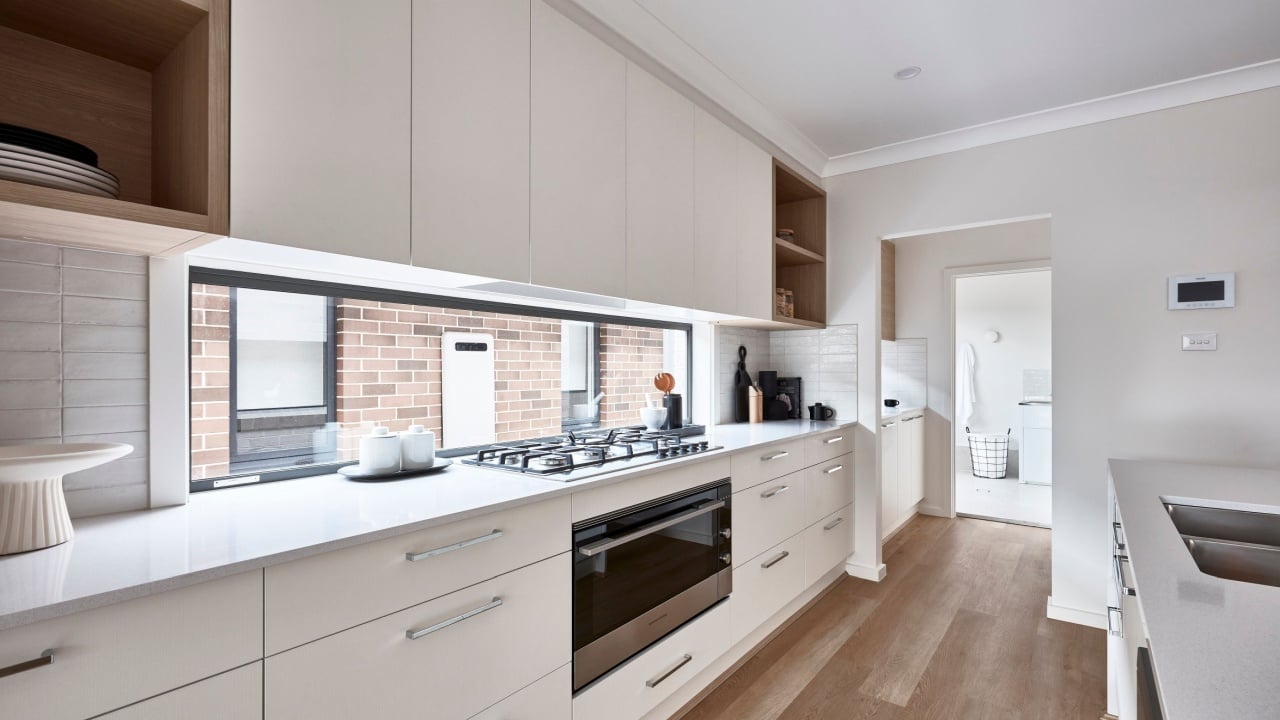
There is a definite pattern in old house design wherein the vocabulary feels designed to boost one’s social status. Such an accusation falls with the butler’s pantry. These days, it sounds more impressive than a multi-function passageway between kitchens and living rooms.
Butlers once used these areas for locking away valuable silver service items or family heirlooms, according to Realtor contributor Jennifer Kelly Geddes.
10. Boot Scrapers
-
-
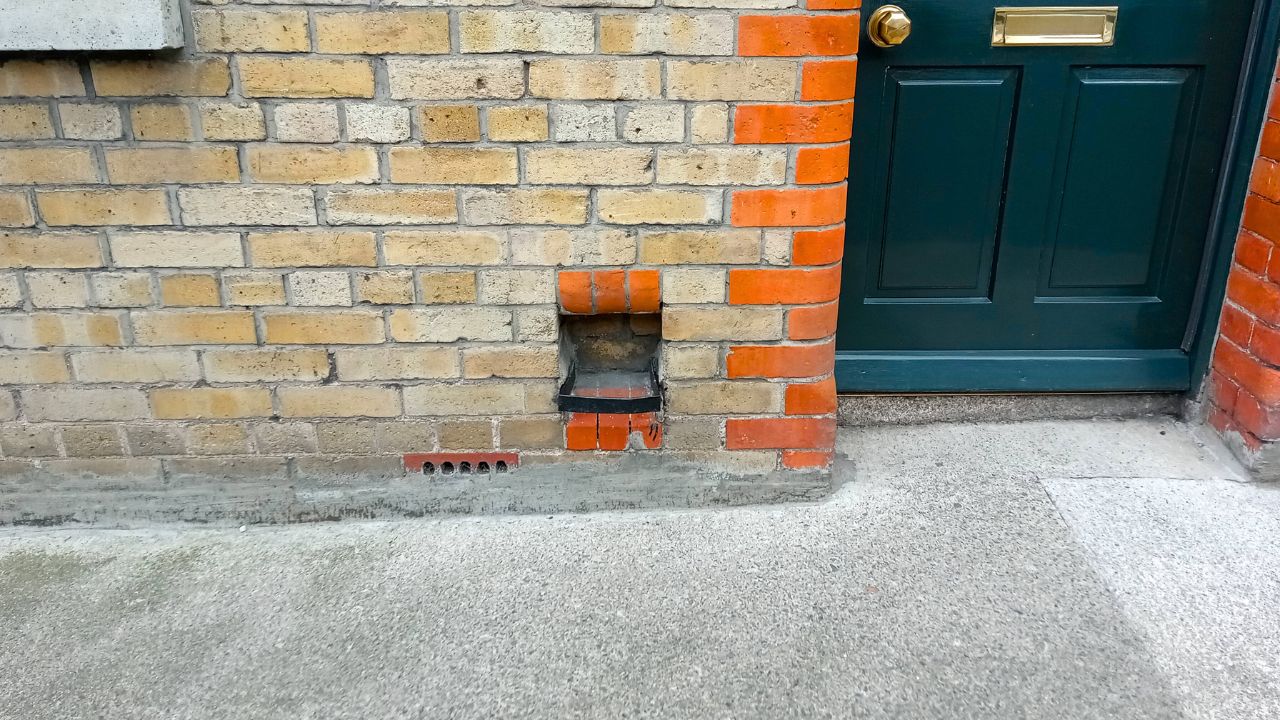
Image Credit: A.-K. D. – Own work – CC BY-SA 4.0/Wiki Commons.
-
Philadelphia history blog Our Philly Row shines a light on the many boot scrapers still embedded outside the city’s older buildings, noting that the French term for them, “décrottoir,” rather bluntly reflects their original purpose.
Victorian-era homes across the country still bear these small iron fixtures. Unless your neighborhood has a particularly muddy or dog-heavy character, they are just decorative. To be blunt, anyone needing to use one today probably shares their community with inconsiderate neighbors.
11. Oil Tanks
-
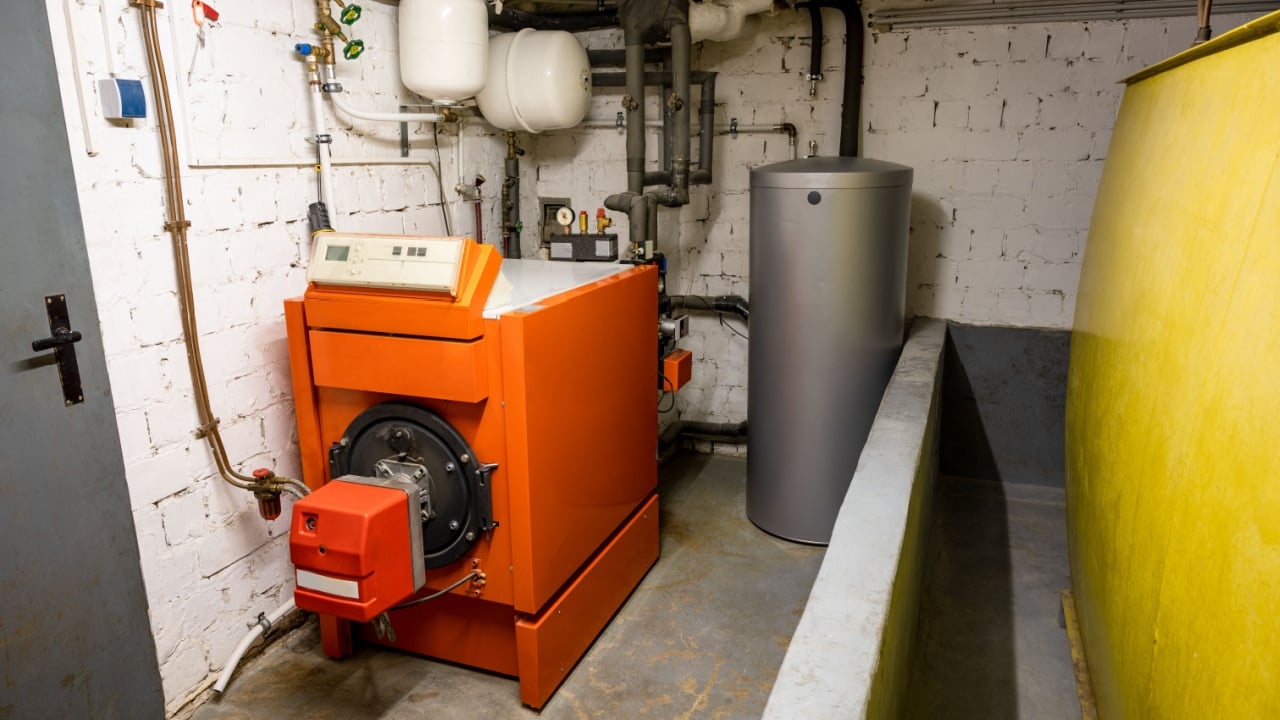
Image Credit: Shutterstock.
Oil-based home heating was never the norm traditionally, but it wasn’t unheard of either. Moreover, some U.S. regions still use heating oil today, according to the Energy Information Administration (EIA). It isn’t the norm, and the price of oil is bipolar; however, this heating method can still save lots of money in certain states.
Older properties may still have a decommissioned oil tank sitting in the basement as a remnant of a different era. While newer tank designs hold up well over time, aging models can become a genuine problem for homeowners. Thankfully, companies like Sperrs offer specialist services for those looking to replace outdated equipment. This way of heating the home may seem outdated, but it really depends on where you are.
Read More
Stop Pouring These 10 Things Down the Drain — Plumbers Say It’s a Costly Mistake