16 Common Tap Water Contaminants That Make a Home Filter Worth It
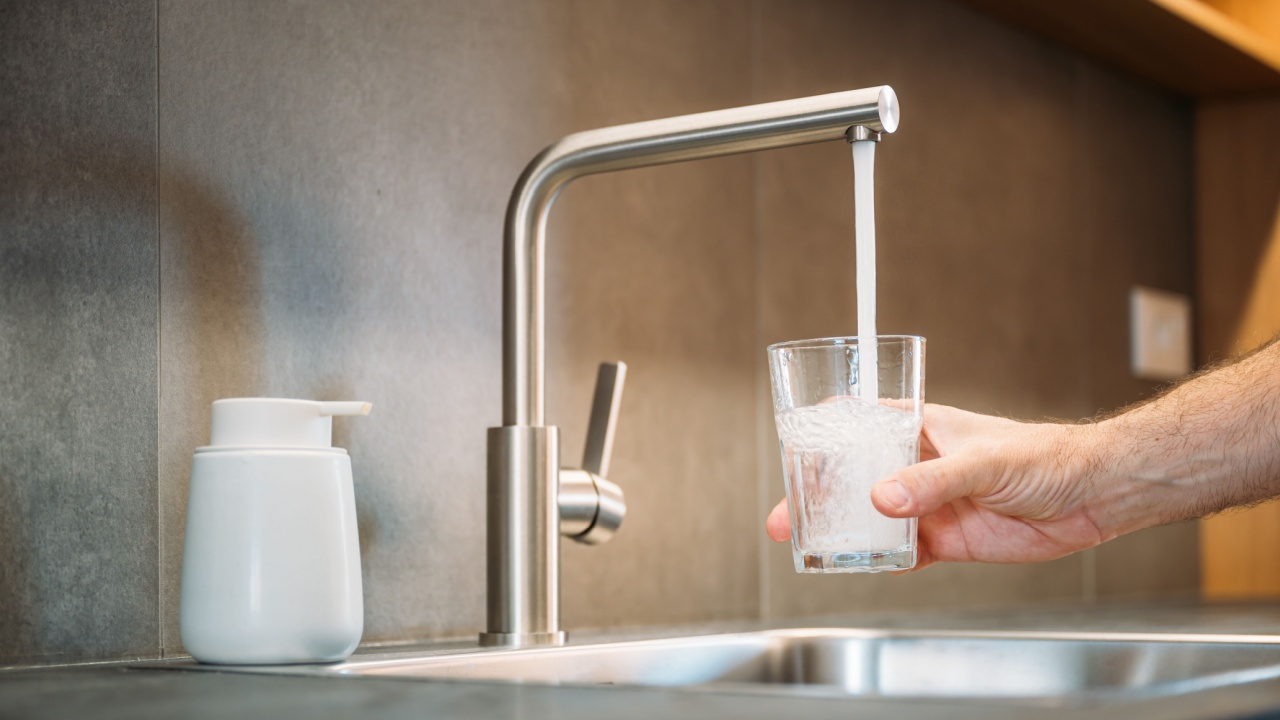
Pouring a tall glass of water from the kitchen faucet feels like a simple, healthy habit. Most people assume the clear liquid in the glass is as clean as it looks. But in reality, tap water can carry a mix of treatment chemicals, traces of pollution, and even particles from old pipes that never fully leave the system.
Understanding what hides behind that clear look is the first step toward better health. This guide draws on Environmental Protection Agency standards, water quality studies, and typical municipal reports. Together, they show the difference between water that is considered “safe” (meaning it’s free of bacteria like Giardia and Salmonella) and truly clean water (free of heavy metals and chemical residue).
Below is a breakdown of the most common things that can show up in your tap water. Each section explains why they are there and what you can do about them. It offers a closer look at what you cannot see, and why a home filter often makes sense.
1. Chlorine

Cities add chlorine to kill harmful bacteria and viruses in the water supply, which makes it essential for public health. Without it, waterborne diseases would spread much more easily through shared systems. However, that same chemical protection comes with trade-offs. Chlorine often leaves behind a strong smell and a slightly harsh taste that many people notice when drinking straight from the tap.
Regular exposure during showers and daily use can also contribute to dry skin, brittle hair, and mild irritation, especially for those already dealing with sensitive skin. The good news is that chlorine is one of the easiest contaminants to remove. A basic activated carbon filter can significantly reduce its presence, improving both taste and overall comfort without requiring a complicated setup.
2. Lead
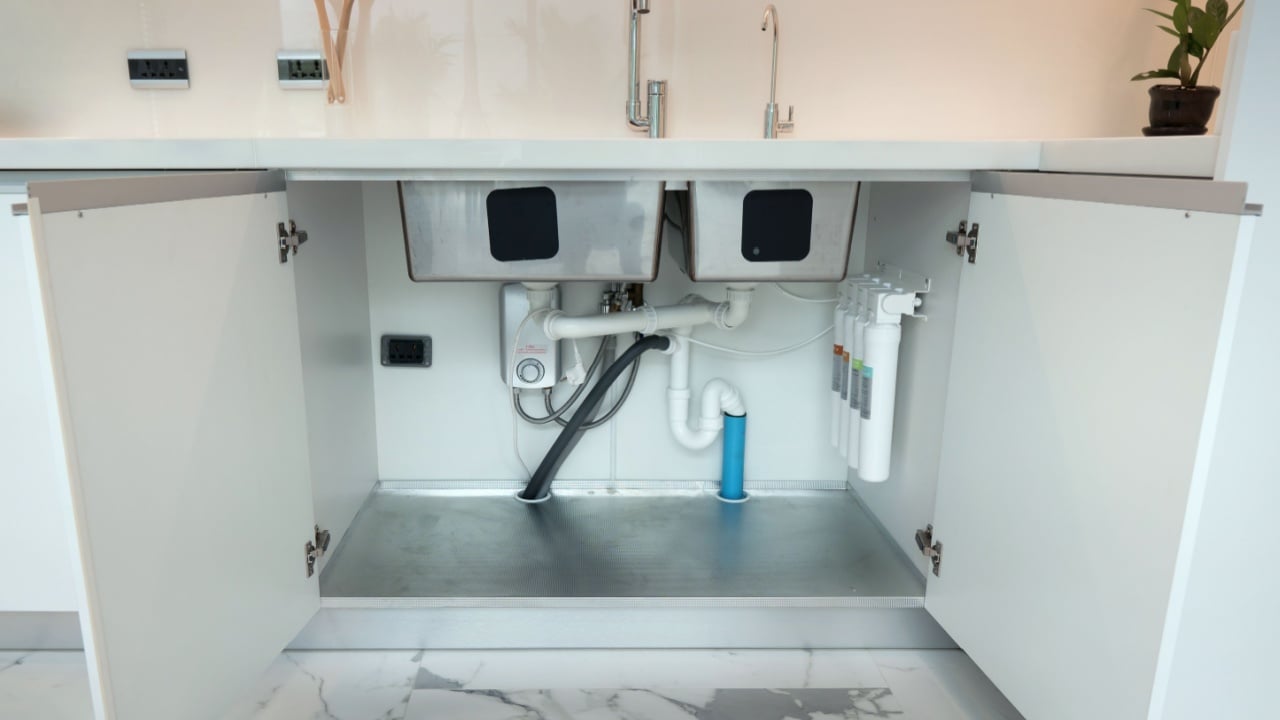
Lead contamination usually does not come from the main water supply but from the pipes that deliver water into your home. Older plumbing systems, corroded service lines, and outdated fixtures can all release small amounts of lead into the water, especially if it has been sitting in the pipes for several hours. This makes early morning or after-work water use the most likely time for higher exposure.
What makes lead particularly concerning is that it cannot be seen, tasted, or smelled. Even low levels can build up in the body, posing serious risks, especially for children and pregnant women. The only reliable way to know if it is present is through proper testing. If detected, certified filtration systems designed for lead removal are essential, along with simple habits like flushing the tap before use.
3. Fluoride

Fluoride is added to many municipal water systems to help reduce tooth decay across the population. It has a long history in public health and is considered beneficial in controlled amounts. Still, not everyone is comfortable with continuous exposure, especially when fluoride can also come from toothpaste and other sources.
Gradually, higher intake levels have been linked to dental fluorosis and possible thyroid concerns in sensitive individuals. Since standard carbon filters do not remove fluoride, households that want more control over their intake often turn to reverse osmosis systems or specialized filtration media. Checking your local water quality report can give a clearer picture of how much fluoride is present in your supply.
4. PFAS (Forever Chemicals)

PFAS are synthetic chemicals used in a wide range of everyday products, from non-stick cookware to water-resistant fabrics. Their biggest issue is persistence. They do not break down easily, which allows them to accumulate in soil and water. Once they enter the water supply, they can be difficult to remove and may remain for years.
Research continues to explore their long-term effects, but concerns already include immune system disruption and hormonal imbalance. Because of their chemical stability, basic filtration methods are often not enough. More advanced carbon systems or reverse osmosis units are typically recommended for households looking to reduce exposure as much as possible.
5. Arsenic
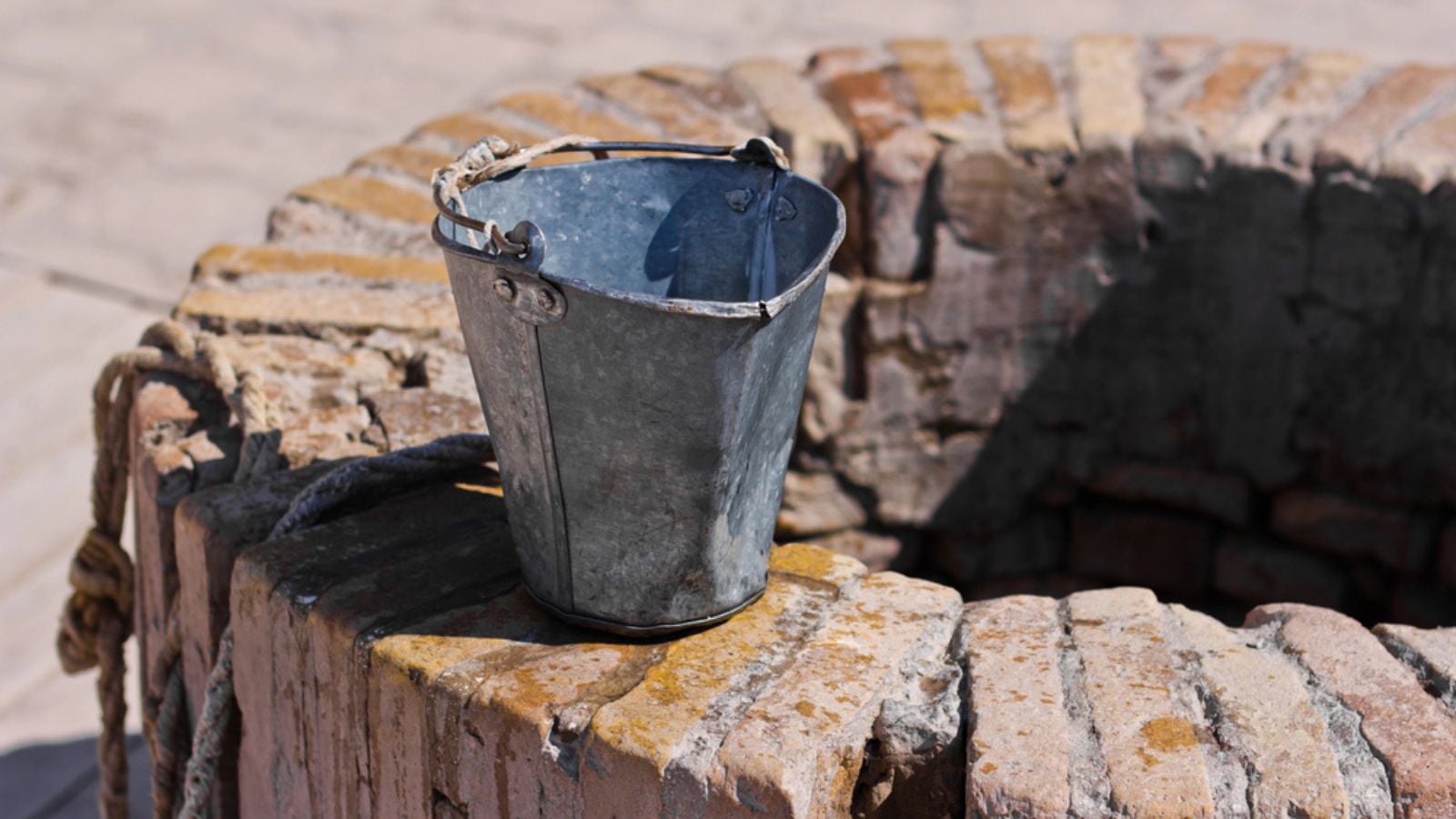
Arsenic is a naturally occurring element that can dissolve into groundwater from surrounding rocks and soil. While it is more commonly associated with well water, it can also appear in some municipal systems depending on the local geology. Long-term exposure, even at low levels, has been linked to serious health concerns, including certain types of cancer.
Water systems are required to keep arsenic within legal limits, but those limits do not always reflect what is ideal for long-term health. For individuals using private wells, regular testing becomes even more important since there is no centralized treatment. If arsenic is present, a dedicated filtration system designed specifically for its removal is necessary.
6. Chloramine
Chloramine is a combination of chlorine and ammonia that some water systems use instead of chlorine alone. It is more stable, which means it stays in the water longer as it travels through pipes. This helps maintain disinfection over long distances, but it also makes the chemical harder to remove once it reaches your home.
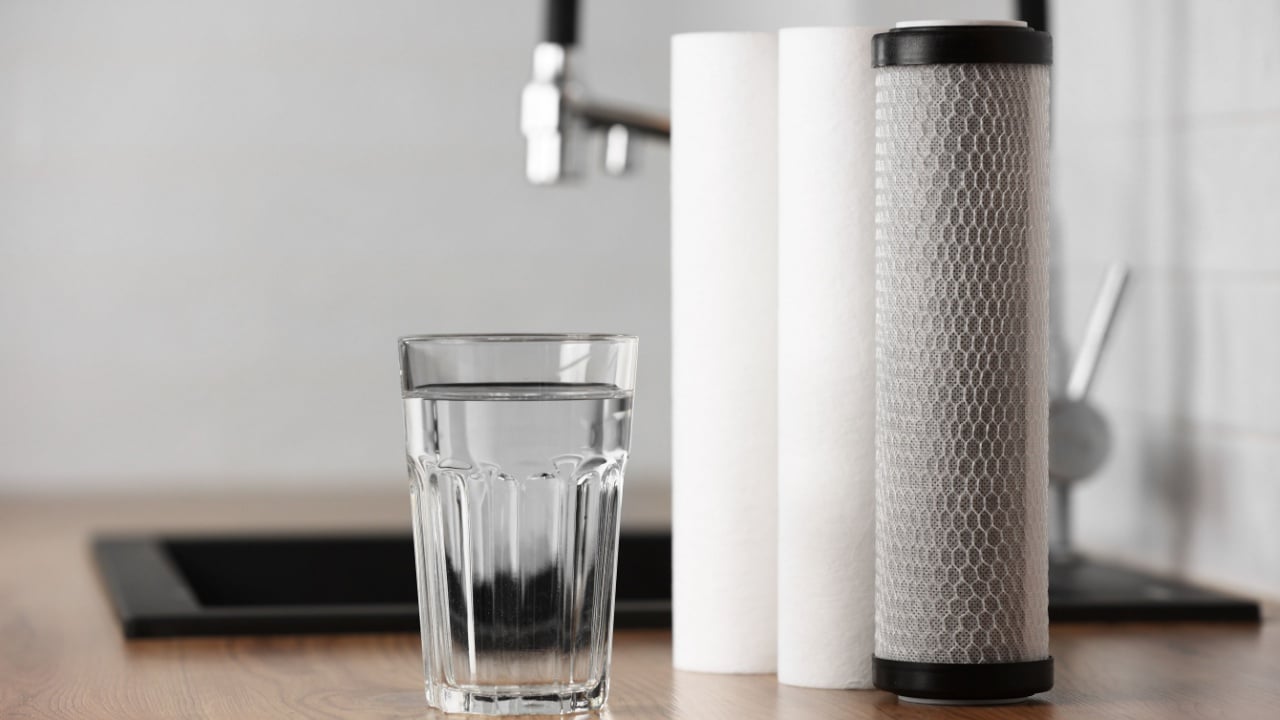
Many people notice a faint chemical or medicinal taste when chloramine is present. Unlike chlorine, it does not evaporate easily and requires more specialized filtration. Catalytic carbon filters are better suited for this task. Knowing whether your local system uses chloramine can help you choose the right filtration approach from the start.
7. Nitrates
Nitrates often enter the water supply through agricultural runoff, fertilizers, and leaking septic systems. This makes them more common in rural or farming regions. While they may not affect taste or smell, their impact on health can be significant, especially for infants.
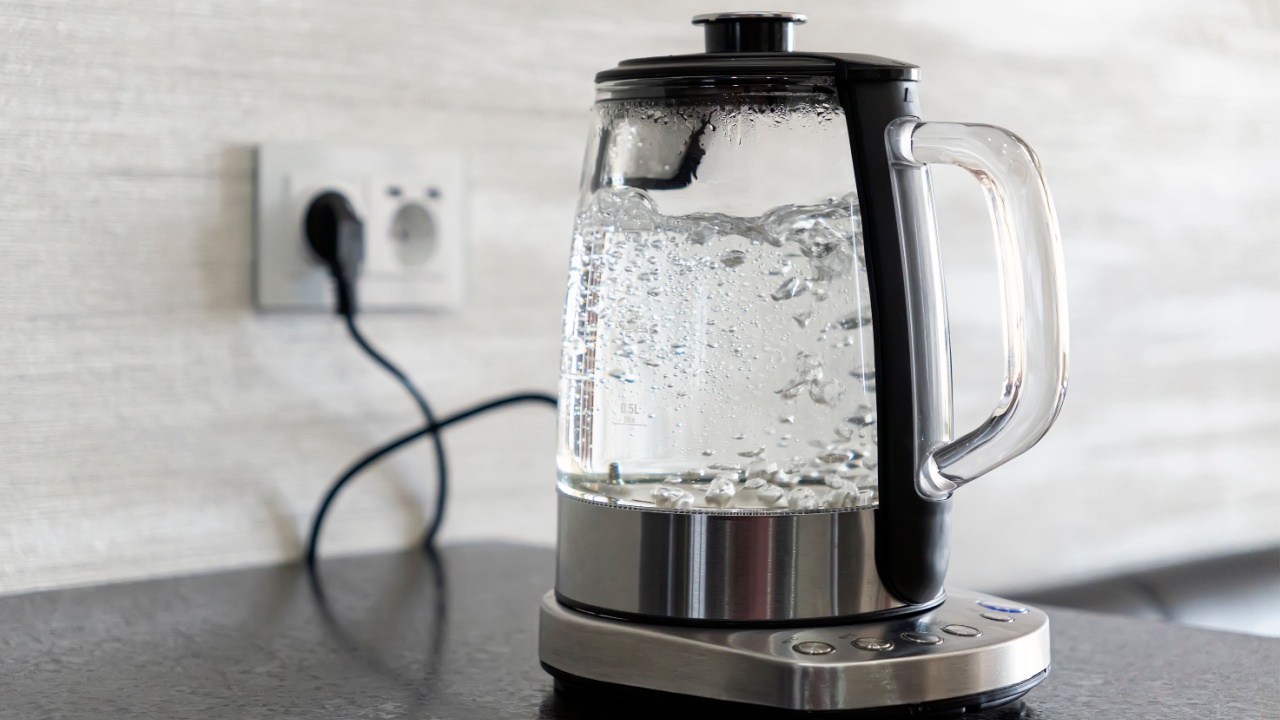
In babies, high nitrate levels can interfere with the blood’s ability to carry oxygen, leading to serious conditions. For adults, they still signal environmental contamination that should not be ignored. Boiling water does not remove nitrates and can actually increase their concentration. Reverse osmosis and ion exchange systems remain the most effective ways to reduce them.
8. Microplastics

Microplastics are tiny fragments that result from the breakdown of larger plastic materials. They have been detected in water supplies around the world, including treated tap water. Their presence reflects the broader issue of plastic pollution in the environment.
Although research is still ongoing, there is growing concern about how these particles interact with the human body over time. Since they are physical particles, filtration is one of the most practical solutions. Filters with a fine micron rating can capture many of these fragments, helping reduce daily exposure.
9. Pesticides and Herbicides

Chemicals used in agriculture and lawn care can travel into water systems through rain and runoff. Even after treatment, small traces can remain in the final supply. These substances are designed to affect living organisms, which raises obvious concerns about long-term exposure in humans.
Carbon filtration is particularly effective at absorbing many of these organic compounds. For homes located near large agricultural areas, a more robust filtration setup may provide added peace of mind. Reducing personal use of these chemicals at home can also contribute to cleaner local water sources.
10. Trihalomethanes (THMs)
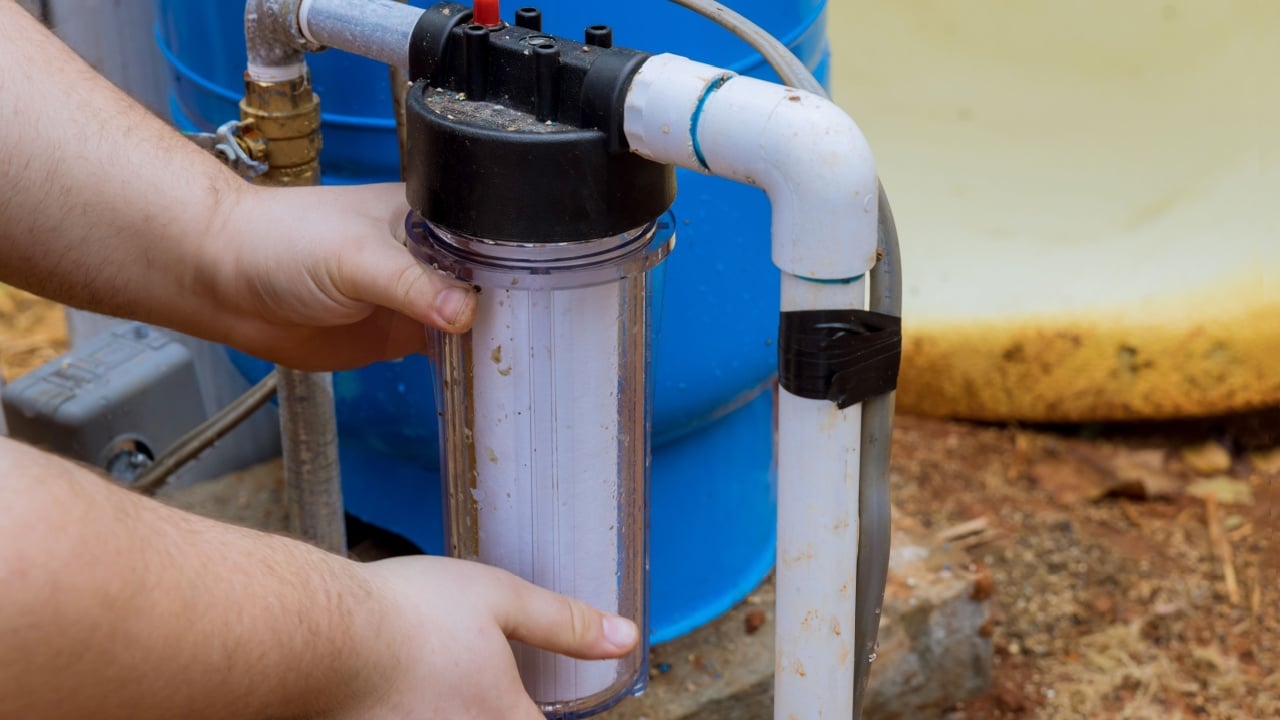
THMs form when chlorine reacts with natural organic matter in the water during the disinfection process. They are not added directly but develop as a byproduct of treatment. Because of their potential health risks, they are regulated and monitored in public water systems.
Even within allowed limits, many people prefer to reduce their exposure. Activated carbon filters are effective at removing THMs, but they need regular replacement to maintain performance. Staying consistent with filter changes is key to keeping these byproducts under control.
11. Pharmaceuticals
Trace amounts of medications can enter the water supply through human waste or improper disposal. Wastewater treatment plants are not always equipped to fully remove these complex compounds, which allows small residues to pass through into drinking water.
While the amounts are usually very low, long-term exposure to a mix of substances is still a concern for many households. Reverse osmosis systems offer one of the most reliable ways to reduce these compounds. Proper disposal of unused medications also plays an important role in preventing further contamination.
12. Chromium-6
Chromium-6 is an industrial pollutant that can enter water through manufacturing waste and improper disposal. It has gained attention due to its link to serious health risks, even at relatively low levels of exposure.
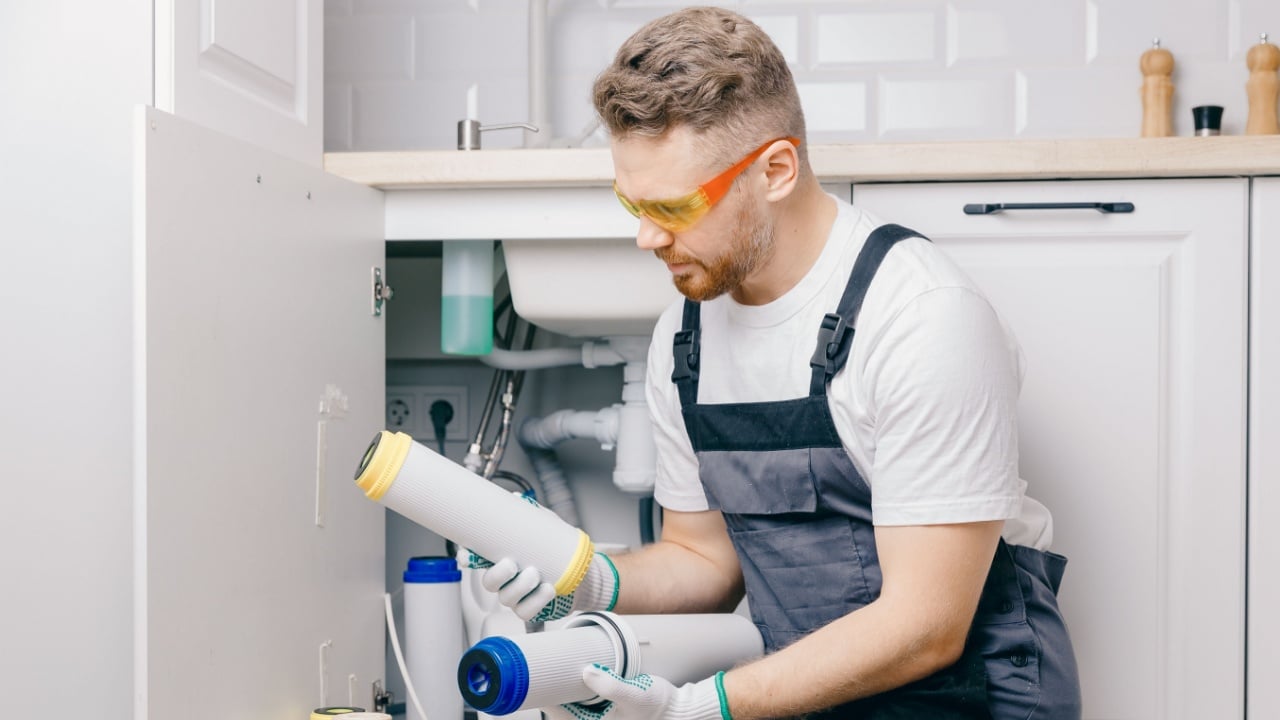
Some regions have stricter standards than others, which makes it important to check local water quality reports. If chromium-6 is detected, specialized filtration methods such as ion exchange or reverse osmosis are recommended. These systems are designed to target and remove this specific contaminant effectively.
13. Sediment

Sediment includes visible particles like sand, rust, and dirt that can enter the water through aging infrastructure or pipe disturbances. While it may not always pose a direct health risk, it affects both the appearance and quality of water. It can also damage appliances and clog more advanced filters.
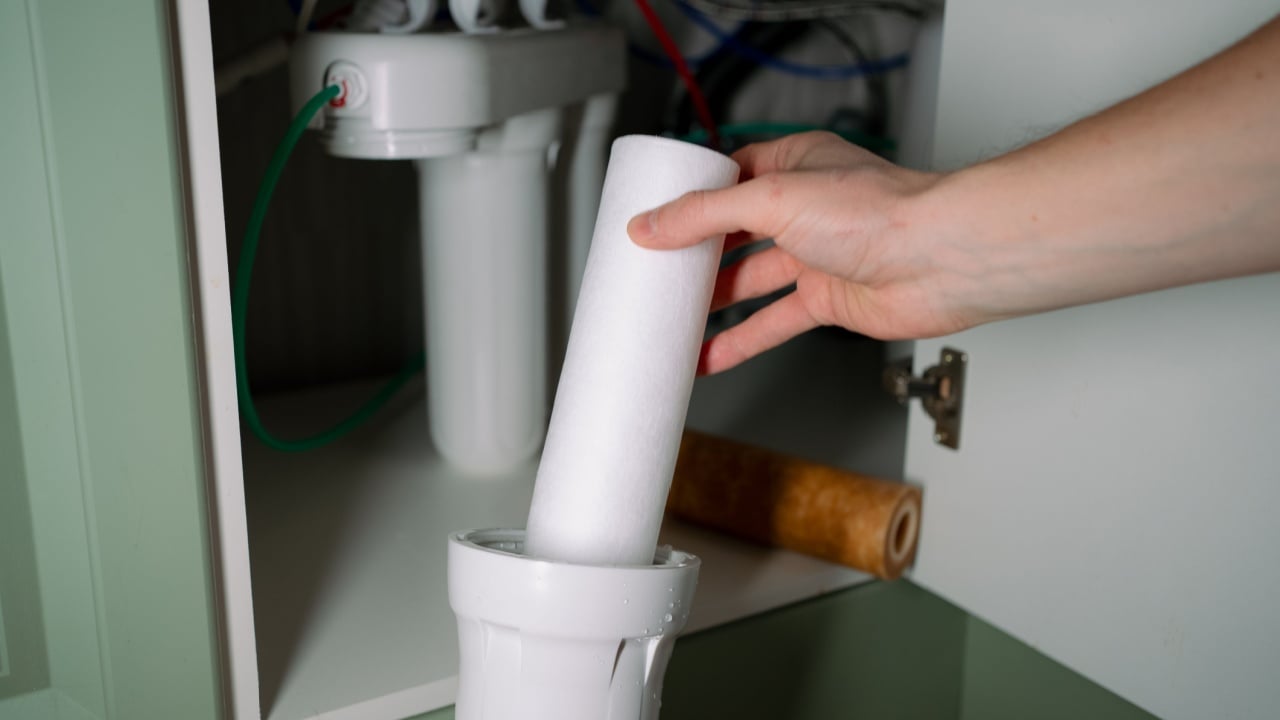
Installing a sediment pre-filter is often the first step in a proper filtration system. It helps capture larger particles before they reach finer filters, extending their lifespan and improving overall efficiency. Checking faucet aerators for buildup can also help identify if sediment is an issue in your home.
14. Mercury
Mercury is a toxic metal that can enter water sources through industrial activity, mining, or natural deposits. It is less common than some other contaminants but carries serious risks when present. Mercury can accumulate in the body and affect the nervous system.
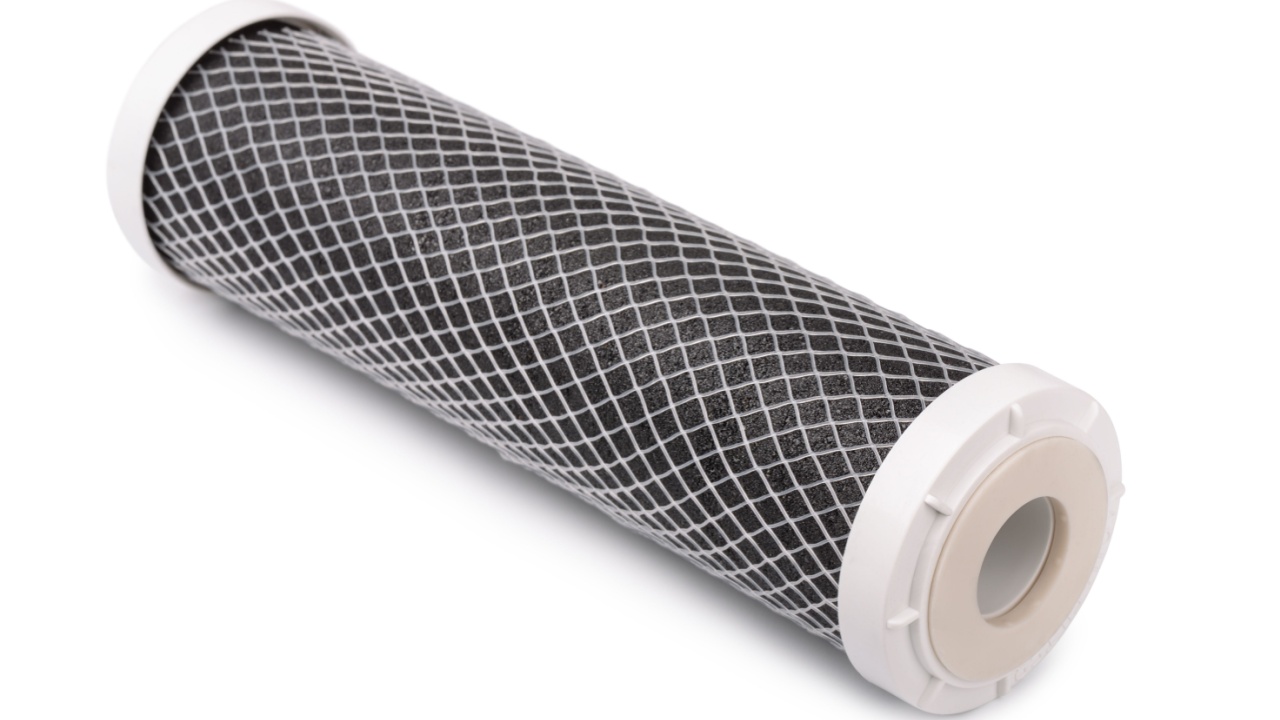
Testing is the only way to confirm its presence. Activated carbon filters can help reduce mercury levels, but a targeted approach may be needed depending on the concentration. In areas near industrial sites, regular monitoring becomes especially important.
15. Copper
Copper often comes from the corrosion of household plumbing, especially in homes with older pipes. When levels are high, it can leave behind blue or green stains on sinks and fixtures and give water a noticeable metallic taste.
While copper is an essential nutrient in small amounts, too much can cause digestive issues and, in severe cases, affect liver health. Addressing the root cause, such as adjusting water pH to reduce pipe corrosion, is often part of the solution. Filtration systems can also help lower excess levels.
16. Total Dissolved Solids (TDS)
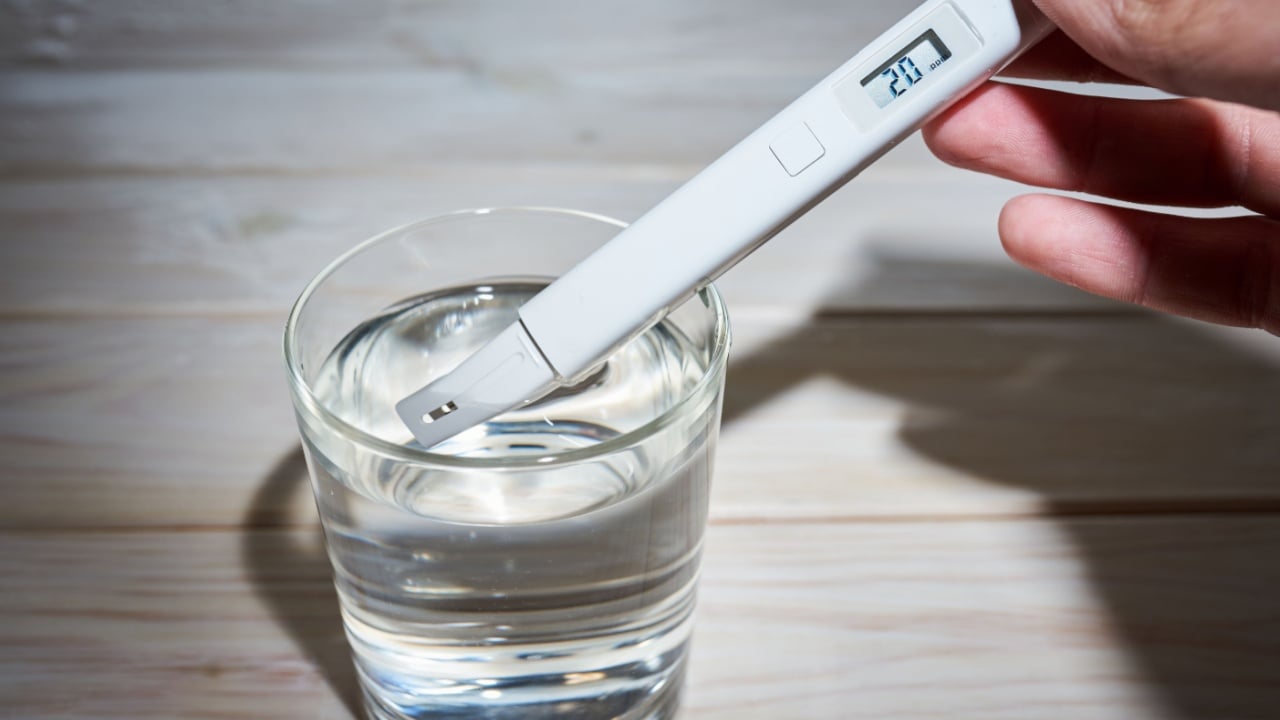
TDS refers to the combined total of all dissolved substances in water, including minerals, salts, and trace metals. High TDS levels can change the taste of water and leave visible residue on dishes and appliances. While not always harmful, it serves as a useful indicator of overall water quality.
A simple TDS meter can help track changes and evaluate how well a filtration system is performing. If levels are consistently high, reverse osmosis is the most effective method for reducing them. Lowering TDS can improve both taste and clarity, making daily water use more pleasant.
What’s Really in Your Glass and How to Take Back Control

Taking control of water quality doesn’t have to be an overnight transformation. The best approach is to start with a comprehensive test to see which of these guests are actually present.
Once the results are in, choosing a filter that targets those specific issues will provide peace of mind and better-tasting hydration. Keeping an eye on annual city reports and maintaining the chosen system ensures the water stays as clean as it looks.
Read More: