18 Fast-Growing Flowers to Seed Now and Get a Pop of Spring Color
Waiting months for a bare yard to bloom requires immense patience that many people simply lack. You plant tiny seeds in the dirt and constantly check the soil for any signs of green life. Those empty patches of ground stare back empty for far too long, leaving you wishing for instant gratification in your outdoor spaces.
Selecting varieties known for rapid growth solves this frustrating waiting period (some blooming in as little as 8 weeks). Certain species have naturally evolved to germinate rapidly and produce beautiful blooms much faster than average garden plants. By choosing the right varieties, you transform bare soil into brilliant displays in a fraction of the regular growing time.
This guide details eighteen specific fast-growing flowers you can plant right now for quick visual results. We highlight distinct varieties that deliver bright petals and lush green leaves very rapidly. You will discover exactly which seeds offer the fastest path to a vibrant and beautiful yard.
1. Marigold ‘Bonanza Orange’
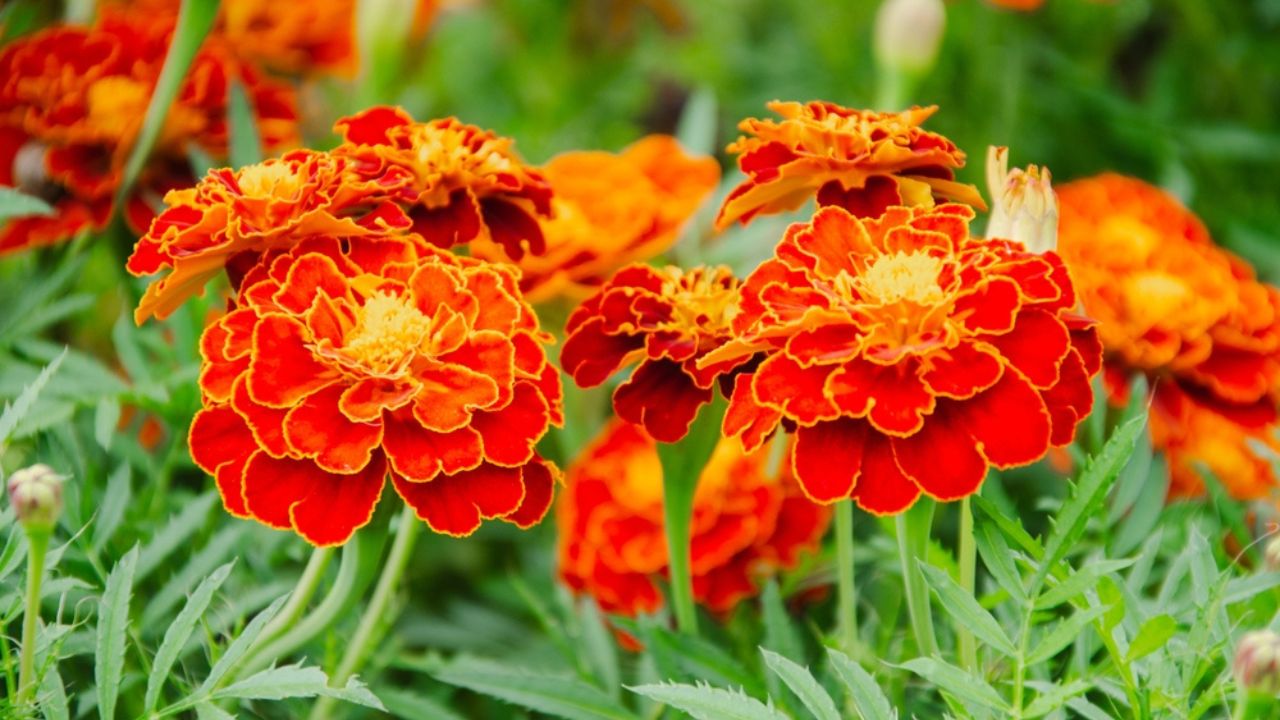
Marigold ‘Bonanza Orange’ stands out as a rapid producer of bright, fiery blooms. These tough plants sprout quickly from seed and begin producing massive double flowers in just a few short weeks. The vibrant orange petals attract beneficial insects while keeping harmful pests away from your vegetable beds. They bring a cheerful energy to any garden space with minimal effort required from the gardener.
Planting these seeds directly into the soil after the last frost guarantees a brilliant summer display. You want to space the seeds a few inches apart in an area that receives plenty of direct sunlight. Deadheading the spent flowers regularly encourages the plant to produce continuous blooms throughout the entire growing season. They require very little water once established, making them perfect for warmer climates.
2. Morning Glory ‘Heavenly Blue.’

Morning Glory ‘Heavenly Blue’ provides spectacular climbing vines covered in large, trumpet-shaped flowers. The seeds germinate swiftly and send out aggressive vines that quickly cover trellises, fences, or arbors. Opening early in the day, the sky-blue blossoms create a stunning visual impact against their heart-shaped leaves. They grow rapidly enough to provide natural shade or privacy screening by mid-summer.
For the fastest germination, soak the hard seeds in warm water overnight before planting them in the dirt. Provide a sturdy support structure immediately at planting time because the vines begin climbing almost instantly. They prefer poor soil conditions and minimal fertilizer to produce the maximum number of flowers. Too much nitrogen simply encourages leafy growth instead of the beautiful blue blossoms you desire.
3. Cosmos ‘Sonata Mix.’
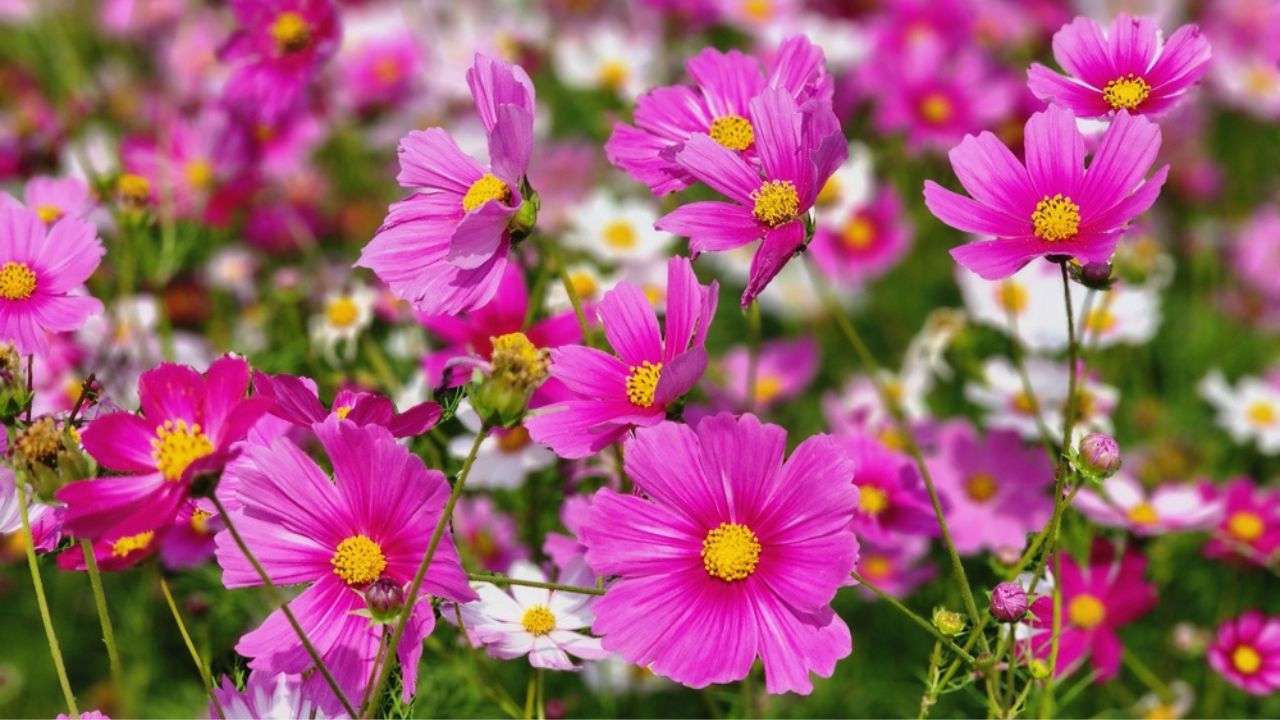
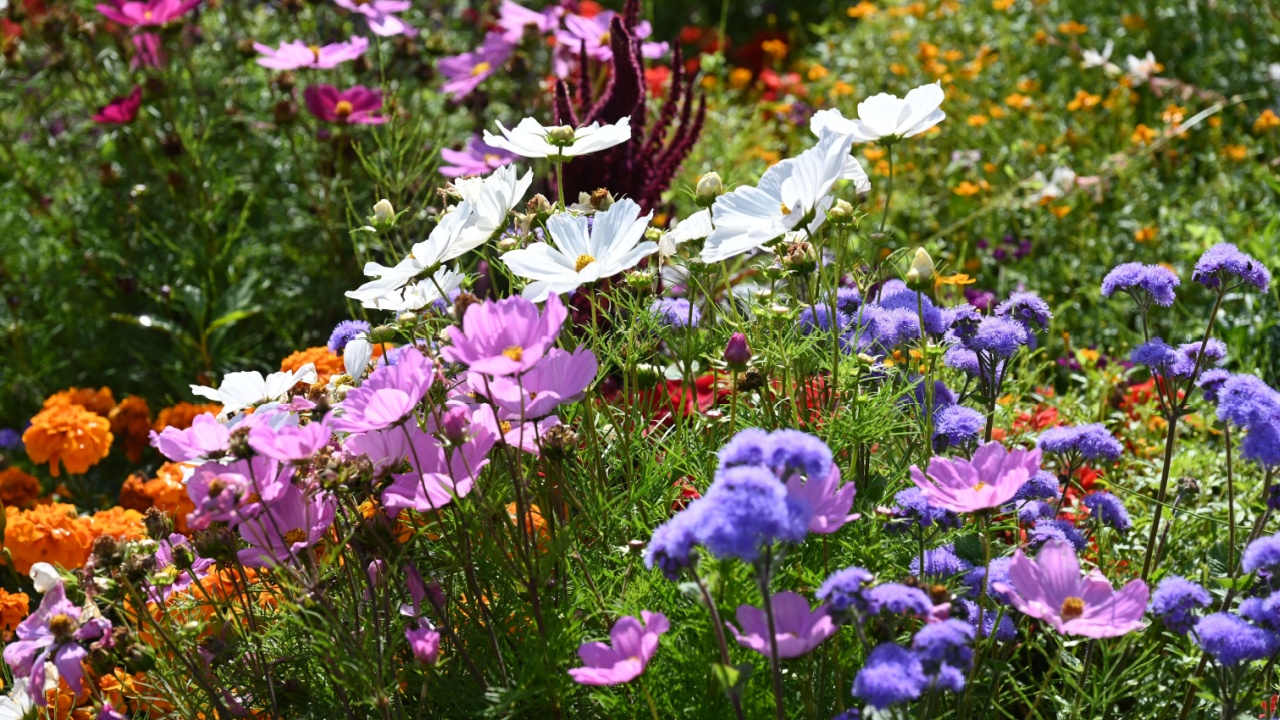
Cosmos ‘Sonata Mix’ delivers delicate, daisy-like flowers on wispy stems that dance in the breeze. These seeds are famous for their rapid transition from tiny sprouts to blooming plants. The mix offers a delightful variety of white, pink, and rose-colored petals that brighten up borders and containers alike. Their feathery foliage adds wonderful texture to your garden beds even before the flowers appear.
Scatter these seeds directly onto the surface of the soil and lightly press them down, as they require sunlight to germinate. They thrive in hot conditions and tolerate drought exceptionally well once they take root. Cutting the blooms for indoor arrangements actually stimulates the plant to generate even more buds. You will enjoy continuous color from early summer right up until the first heavy frost.
4. Zinnia ‘Profusion Series.’
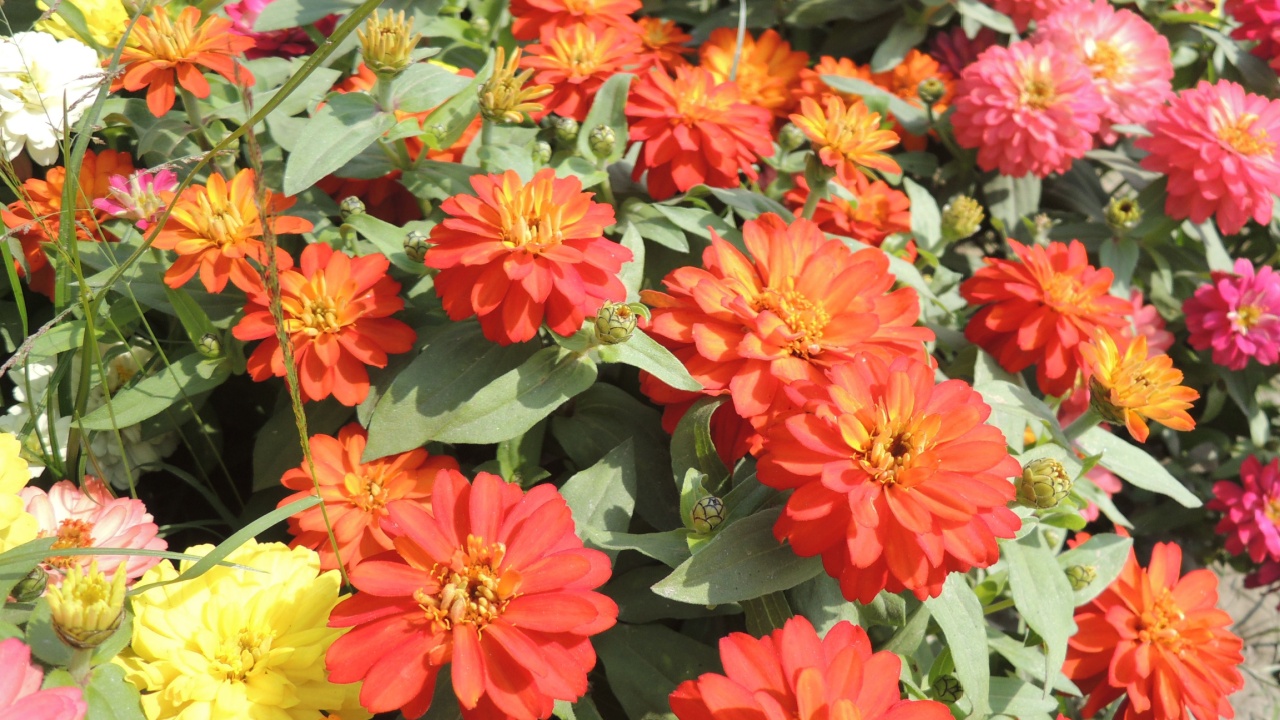
The Zinnia ‘Profusion Series’ grows incredibly fast and offers remarkable resistance to common plant diseases. These seeds sprout in just days and quickly form compact, bushy mounds covered in single or double blossoms. They offer incredible heat tolerance, surviving hot summer days without wilting or losing their vibrant colors. Butterflies flock to these brilliant flowers, bringing lovely motion to your outdoor spaces.
You should plant zinnia seeds directly outdoors because they notoriously dislike having their roots disturbed by transplanting. Space them adequately to provide good air circulation, which helps keep the leaves completely dry and healthy. Watering them at the base rather than from above prevents powdery mildew from forming on the foliage. Regularly removing the faded blooms keeps the plant looking tidy and promotes heavy flowering.
5. Sunflower ‘Music Box Mix’
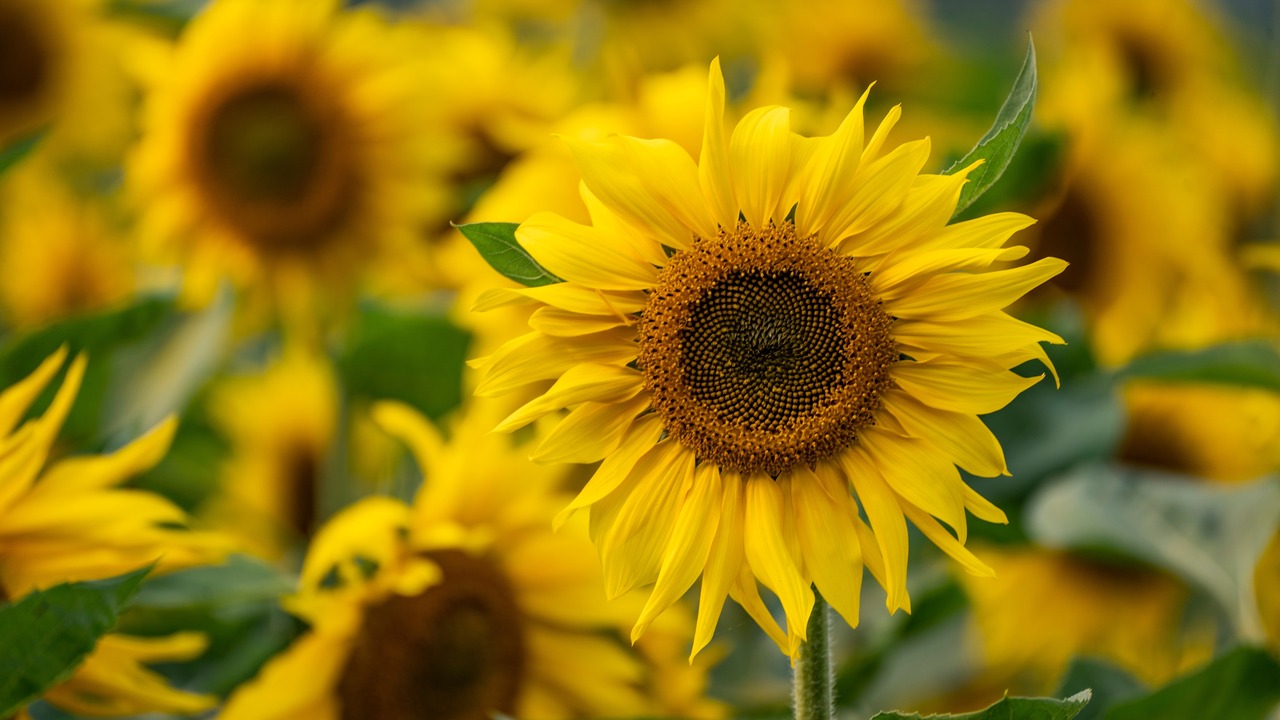
Sunflower ‘Music Box Mix’ introduces a wonderful dwarf variety that grows remarkably fast from seed. Instead of towering over your yard, these branching plants reach a manageable height while producing multiple smaller flower heads. The mix includes gorgeous shades of yellow, mahogany, and bicolor patterns that look spectacular in grouped plantings. They bring the classic joy of sunflowers to smaller spaces and container gardens.
Place the seeds an inch deep in well-draining soil where they will receive at least six hours of direct sun daily. Because these are branching sunflowers, giving them a bit of extra space allows the side shoots to develop fully. They require consistent moisture during the early growth stages to establish a strong root system. Once the flowers mature, you can leave the seed heads intact to feed local birds during the autumn months.
6. Nasturtium
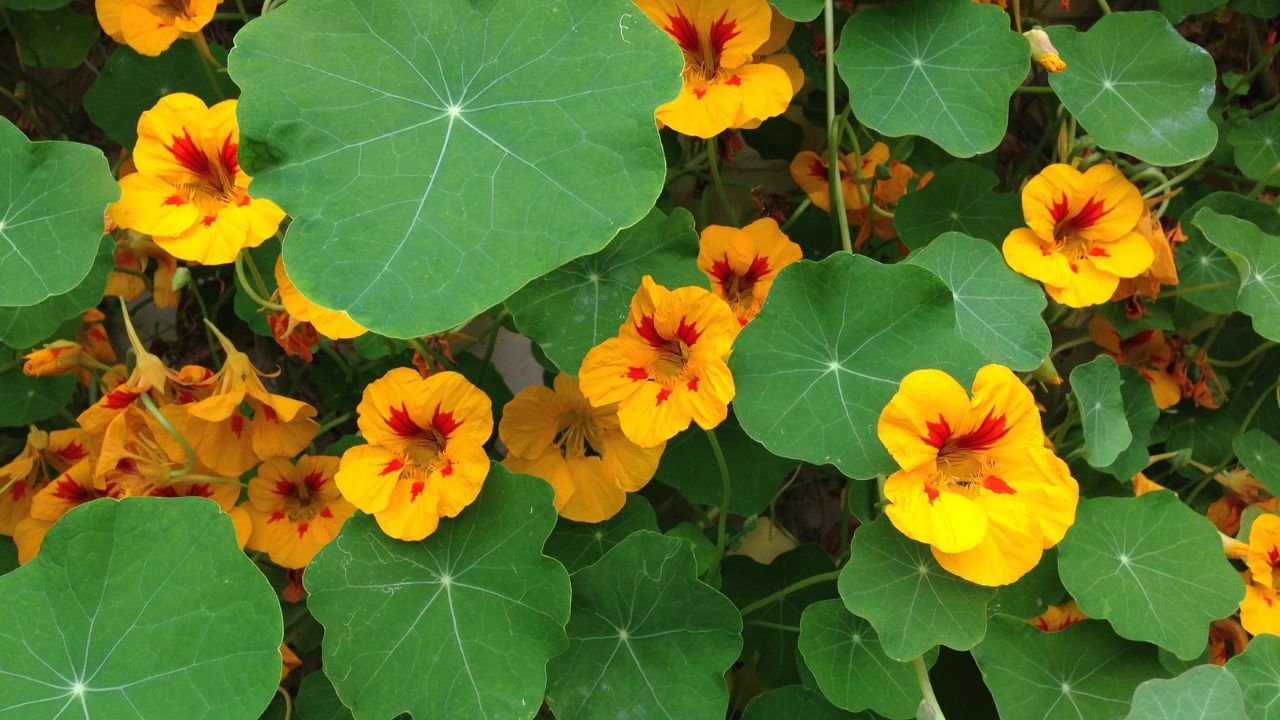
Nasturtium offers incredibly rapid growth alongside perfectly edible flowers and leaves. The seeds produce trailing or mounding plants covered in lily-pad-like leaves and brightly colored blossoms. The peppery-tasting flowers appear in brilliant shades of yellow, orange, and red, adding both color to your yard and flavor to your salads. They grow aggressively enough to fill in empty garden gaps in record time.
Push the large seeds into the soil and water them thoroughly to begin the fast germination process. Nasturtiums actually prefer neglected, poor soil and will produce significantly fewer flowers if you add rich compost or fertilizer. They work wonderfully in hanging baskets where their vibrant vines can cascade beautifully over the edges. Aphids are highly attracted to them, making nasturtiums a great trap crop to protect your other valuable plants.
7. Calendula ‘Pacific Beauty.’
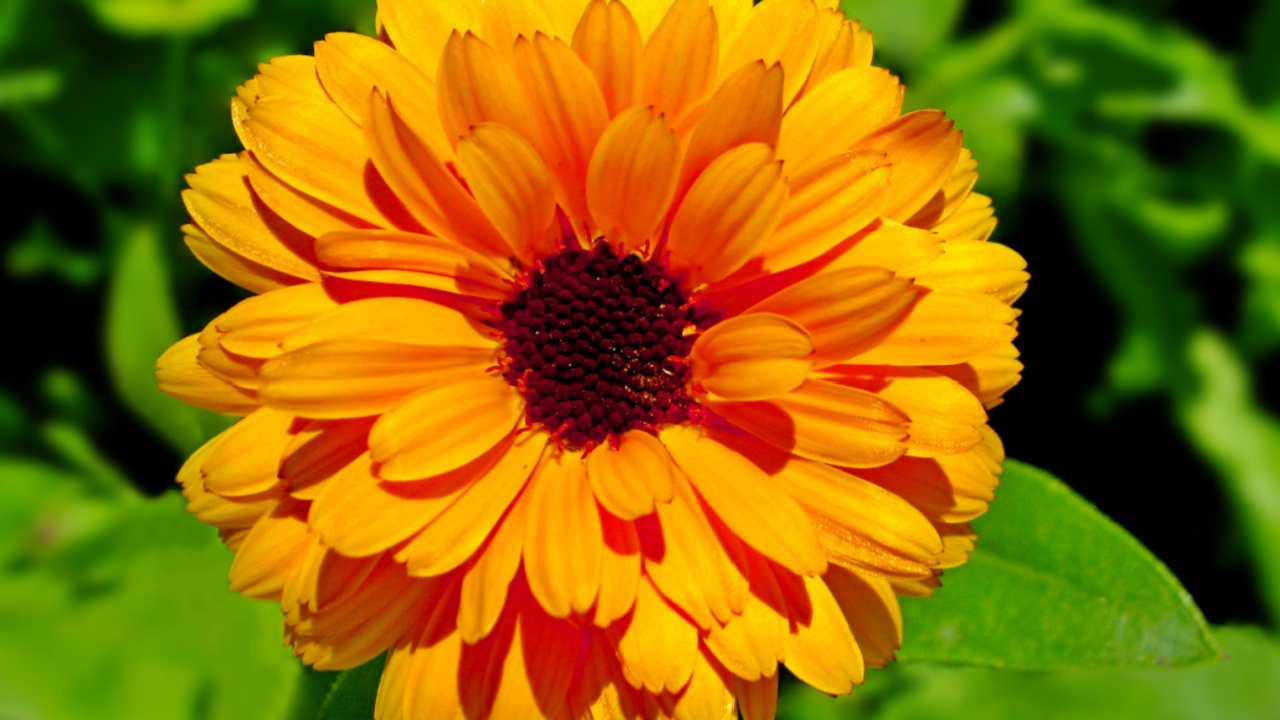
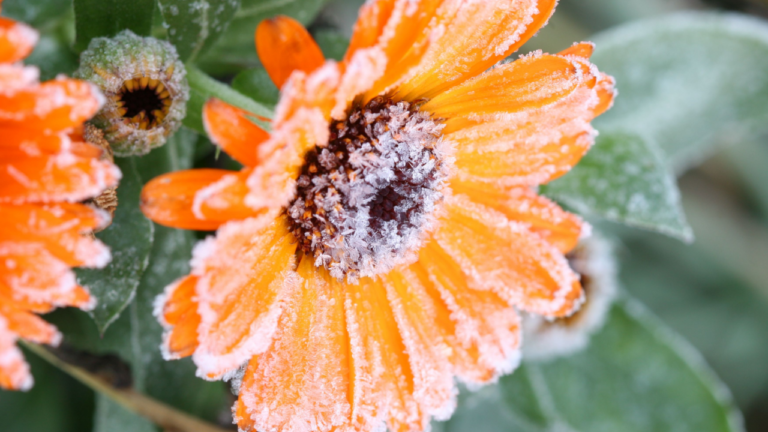
Calendula ‘Pacific Beauty’ provides an abundance of bright yellow and orange daisy-like flowers very early in the season. Often called pot marigold, this fast-growing plant thrives in cooler temperatures and sprouts readily from seed. The resinous petals are completely edible and often used to add color to soups or natural skin salves. They create a lush, bushy presence in the garden long before the heat-loving summer plants get going.
Sow these seeds directly into the garden beds early in the spring, as they can tolerate light frosts without damage. They prefer partial shade during the hottest parts of the summer to keep producing their cheerful blossoms. Snapping off the old flowers encourages the plant to direct its energy into forming new buds. If you let a few flowers go to seed at the end of the season, they will readily self-sow for the following year.
8. Alyssum ‘Snow Crystals’
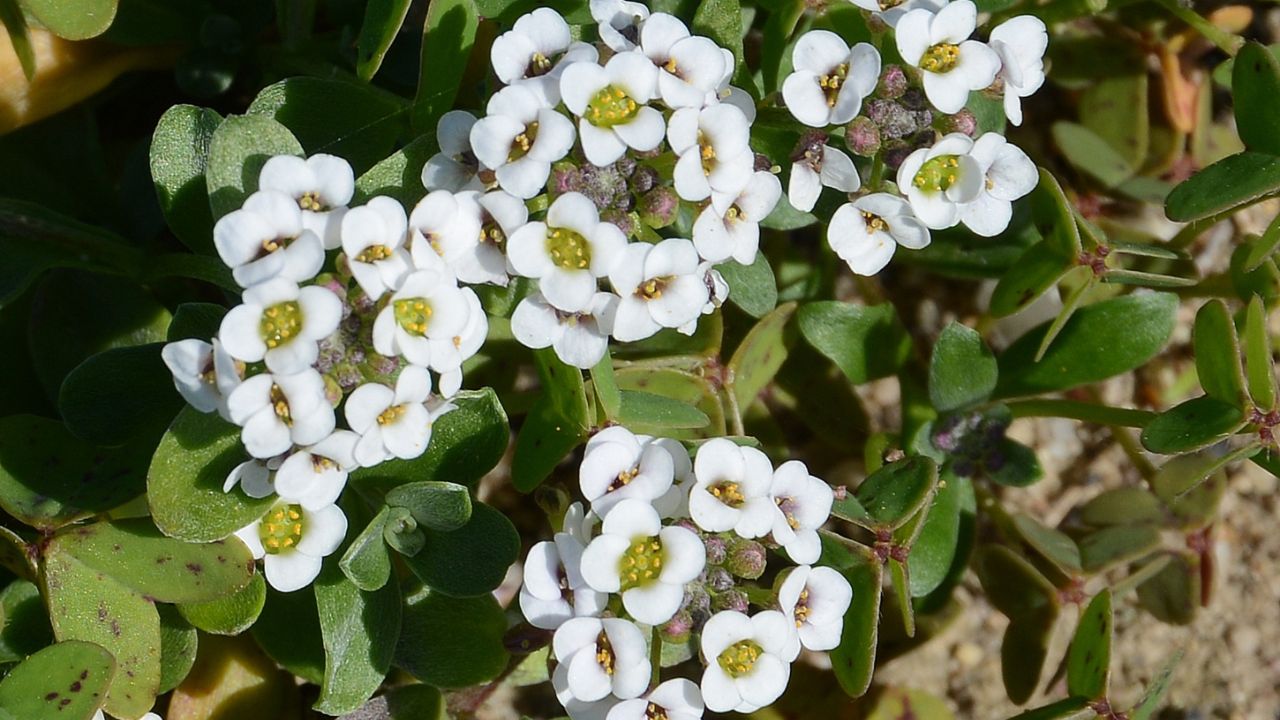
Alyssum ‘Snow Crystals’ rapidly forms a dense, low-growing carpet of tiny white flowers that smell remarkably like honey. The tiny seeds germinate in a flash, spreading outward to create a beautiful living mulch that suppresses weeds. This variety features larger individual flowers than standard alyssum, creating a more impactful visual display along walkways. The sweet fragrance draws in massive numbers of beneficial pollinators like hoverflies and small bees.
You strictly need to sprinkle the fine seeds on top of the soil without covering them, as light triggers their rapid germination. Keep the soil surface consistently moist until the tiny green shoots become clearly visible. When the plants begin to look tired or leggy mid-summer, trim them back by half to force a fresh flush of growth and blooms. They look incredibly attractive, spilling over the edges of raised beds or potted containers.
9. Petunia ‘Easy Wave Pink.’
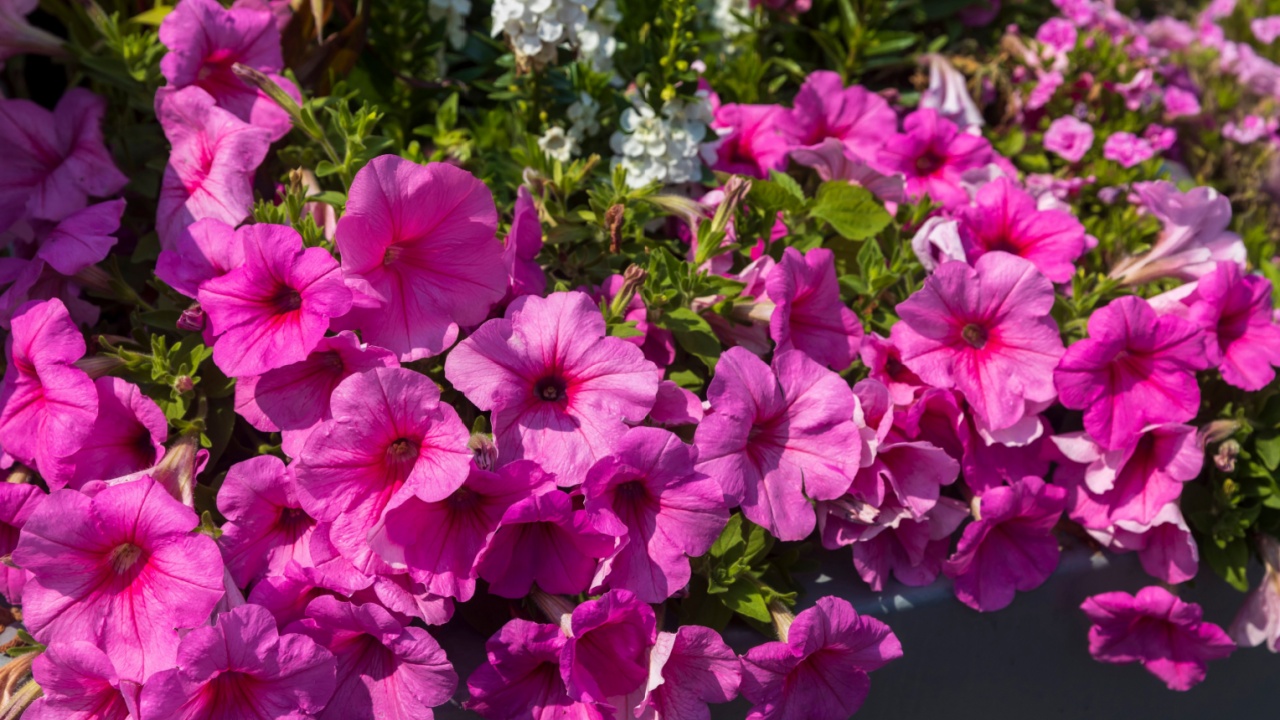
Petunia ‘Easy Wave Pink’ grows aggressively to cover large areas of ground with brilliant pink trumpet flowers. While standard petunias take a long time from seed, the Wave series is bred for vigorous, rapid expansion. A single plant can spread several feet across, filling bare dirt with lush greenery and continuous color. They stand up exceptionally well to heavy rain and bounce back quickly from severe weather conditions.
Starting these tiny, dust-like seeds indoors gives them the best chance for rapid success before moving them outside. They require bright light to germinate properly, so strictly avoid burying them under heavy potting soil. Feed them regularly with a liquid fertilizer to support their massive rate of growth and heavy flower production. They require no deadheading at all, naturally dropping their spent blooms to make room for new ones.
10. Salvia ‘Victoria Blue’
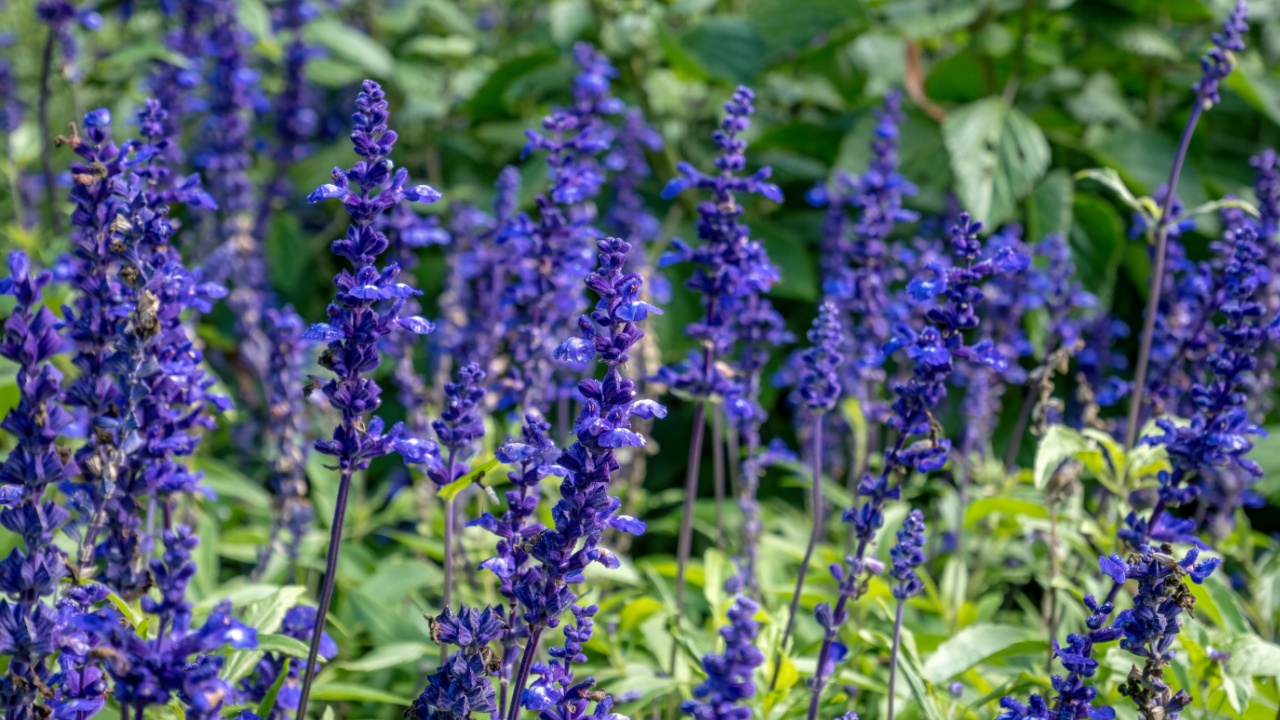
Salvia ‘Victoria Blue’ sends up tall, striking spikes of intense indigo flowers much faster than many perennial salvia varieties. Grown rapidly as an annual, this plant provides essential vertical interest and rich color to any garden bed. The fuzzy green leaves contrast beautifully with the densely packed blue flower heads that appear early in the summer. Hummingbirds actively seek out these tubular blossoms for their rich nectar supply.
Plant the seeds in a warm, sunny location with very well-draining soil to achieve the fastest possible growth. They establish strong root systems rapidly and become highly drought-tolerant once they settle into their permanent spot. Cutting the central flower spike after it fades forces the plant to send up multiple side shoots with fresh blossoms. The brilliant blue flowers also dry exceptionally well for use in long-lasting indoor craft projects.
11. Bachelor’s Button ‘Blue Boy.’
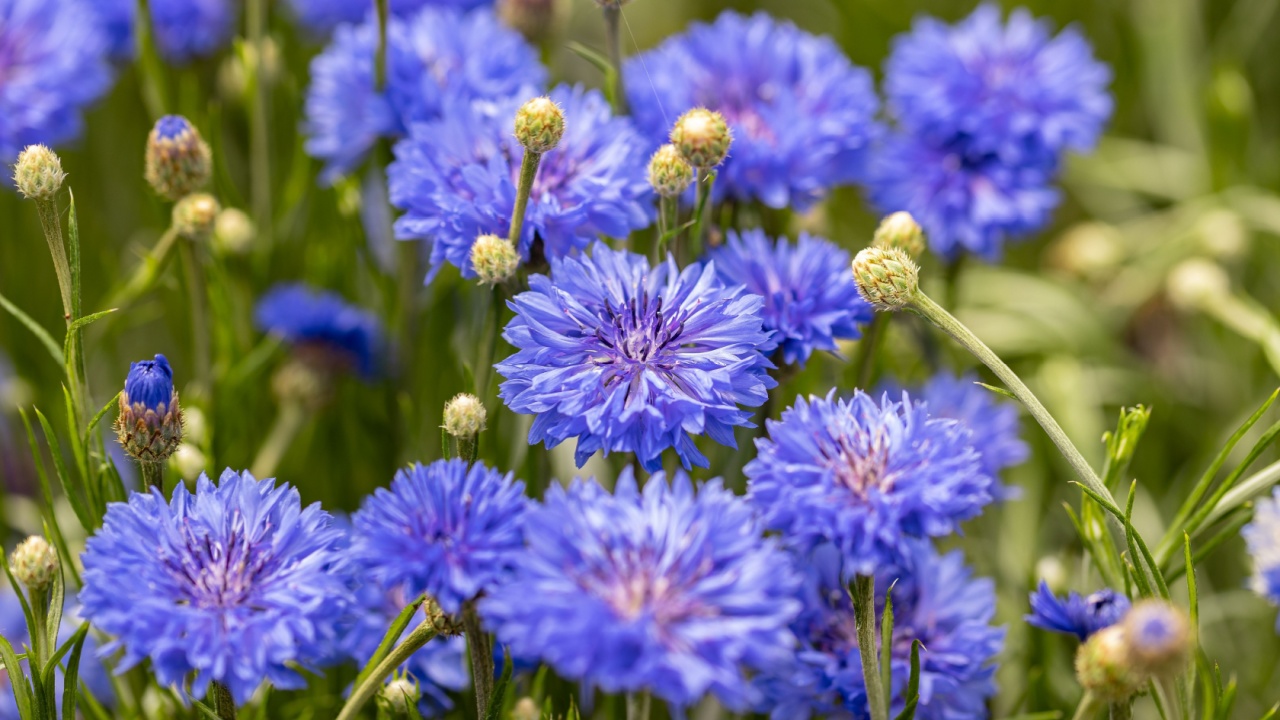
Bachelor’s Button ‘Blue Boy’ brings the charm of rapid-blooming wildflowers straight into your cultivated garden spaces. The seeds sprout readily in cool soil and quickly shoot up tall, wiry stems topped with ruffled, intensely blue flowers. They add a delicate, cottage-garden aesthetic and provide highly sought-after blue tones that are rare in nature. The plants are remarkably resilient and thrive even when completely neglected by the gardener.
Sow the seeds outdoors in early spring, pressing them lightly into the dirt so they have good contact with the moisture. They genuinely prefer poor soil and will reward you with stronger stems and more flowers when grown without added fertilizers. You can cut the tall stems for beautiful indoor bouquets, which simply encourages the plant to bloom more heavily. Leave a few flower heads on the stalks in late summer, and the plant will generously reseed itself.
12. Portulaca ‘Sundial Mix’
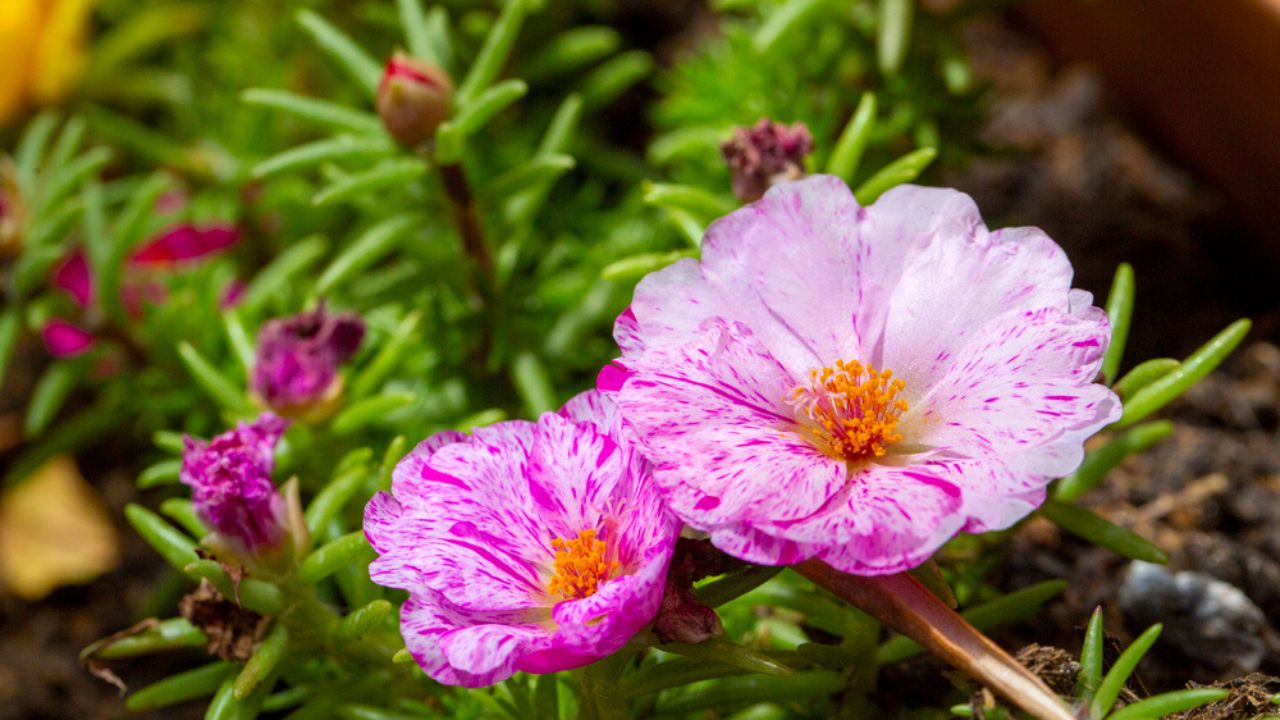
Portulaca ‘Sundial Mix’ thrives in the hottest, driest conditions while rapidly producing brilliant, jewel-toned flowers. The succulent-like foliage stores water efficiently, allowing the plant to grow fast and furious even during severe droughts. The low-growing stems spread out to form a dense mat covered in bright pink, yellow, red, and orange blossoms. The flowers open completely under the bright sun and neatly close up during cloudy weather or evening hours.
Scatter the incredibly fine seeds over sandy or rocky soil where other plants heavily struggle to survive. They require bright, direct sunlight to germinate and will fail to thrive in any amount of heavy shade. You rarely need to water them, making them the ultimate low-maintenance flower for hot concrete planters or rock gardens. They require absolutely no pruning or deadheading to maintain their tidy, colorful appearance all summer long.
13. Snapdragon ‘Legend Pink.’
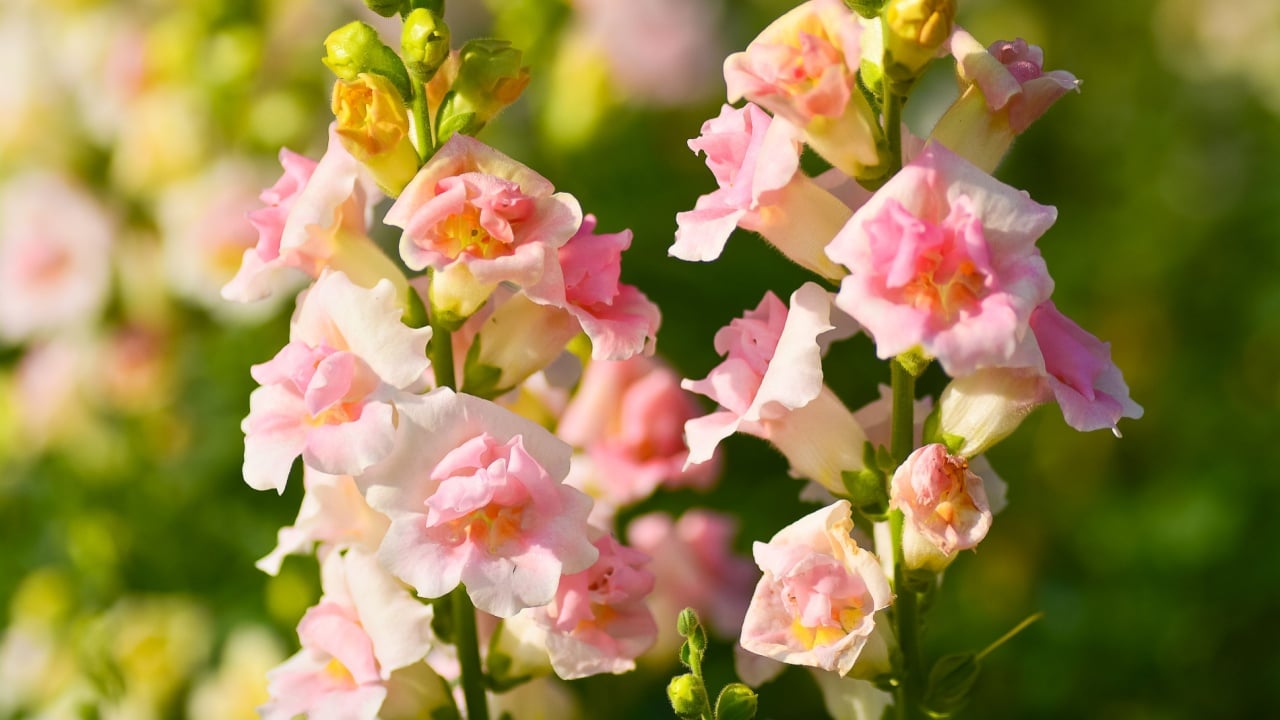
Snapdragon ‘Legend Pink’ pushes out tall spikes of distinct, jaw-like flowers very rapidly from seed. This specific variety produces sturdy stems packed tightly with beautiful pink blossoms that open from the bottom up. They bring fantastic architectural height to garden borders and bloom fiercely during the cooler parts of the growing season. Bumblebees love to pry open the unique flower petals to reach the hidden nectar inside.
Start these seeds on the surface of your soil, as they strictly require light to break their dormancy. Pinching off the top of the main stem when the plant is young forces it to branch out and create a much bushier shape. They prefer rich soil and consistent watering to produce the tallest, most impressive flower stalks possible. Removing the entire flower spike once it fades completely will encourage a second wave of blooms in late summer.
14. Celosia ‘Kimono Mix’
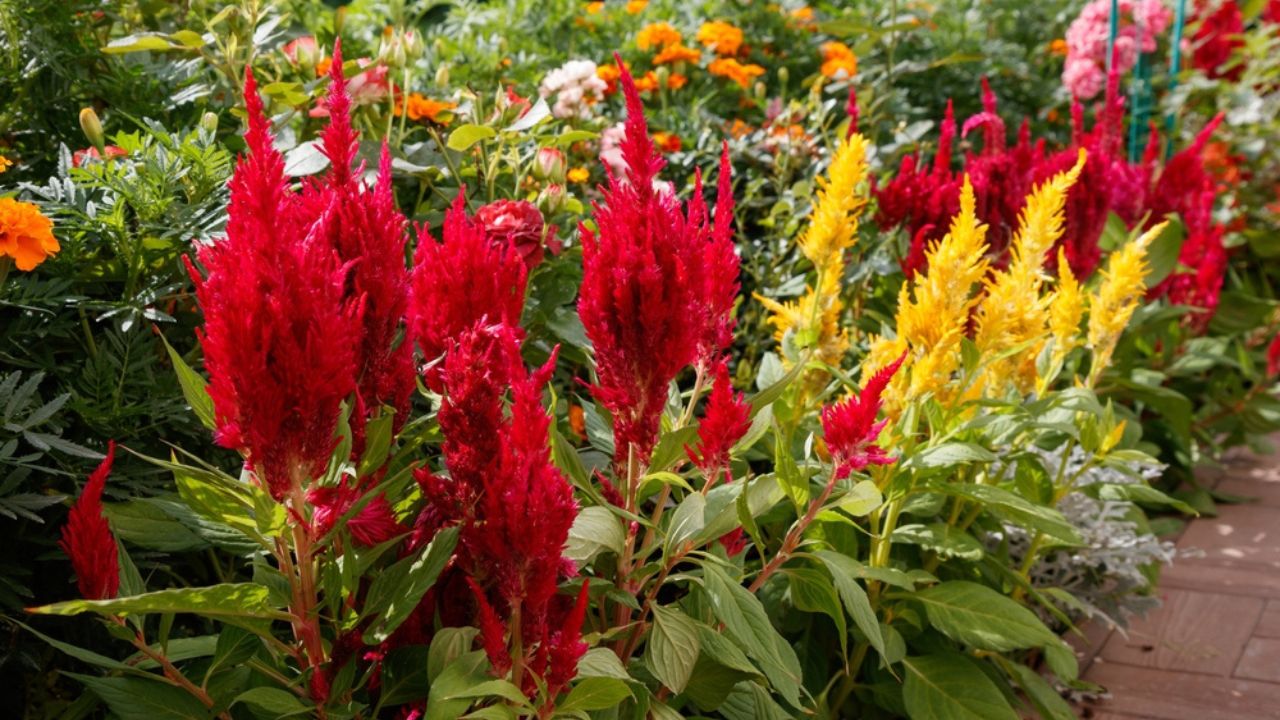
Celosia ‘Kimono Mix’ creates incredibly fast, brightly colored plumes that look like tiny, fiery feathers. This dwarf variety remains compact while producing an absolute explosion of neon yellow, red, and orange colors. The seeds germinate quickly in warm soil, and the plants mature rapidly to provide striking textures in your garden. The unique flower heads hold their intense color for months, refusing to fade even under the harsh summer sun.
Wait until the soil has completely warmed up before planting these seeds outdoors to guarantee rapid germination. They strictly prefer hot, humid conditions and will stunt significantly if exposed to cold spring winds. The colorful plumes feel almost like stiff paper and maintain their shape perfectly when cut and hung upside down to dry. Mass planting them in groups creates a spectacular, brightly colored carpet effect in any open landscape.
15. Impatiens ‘Super Elfin Mix’
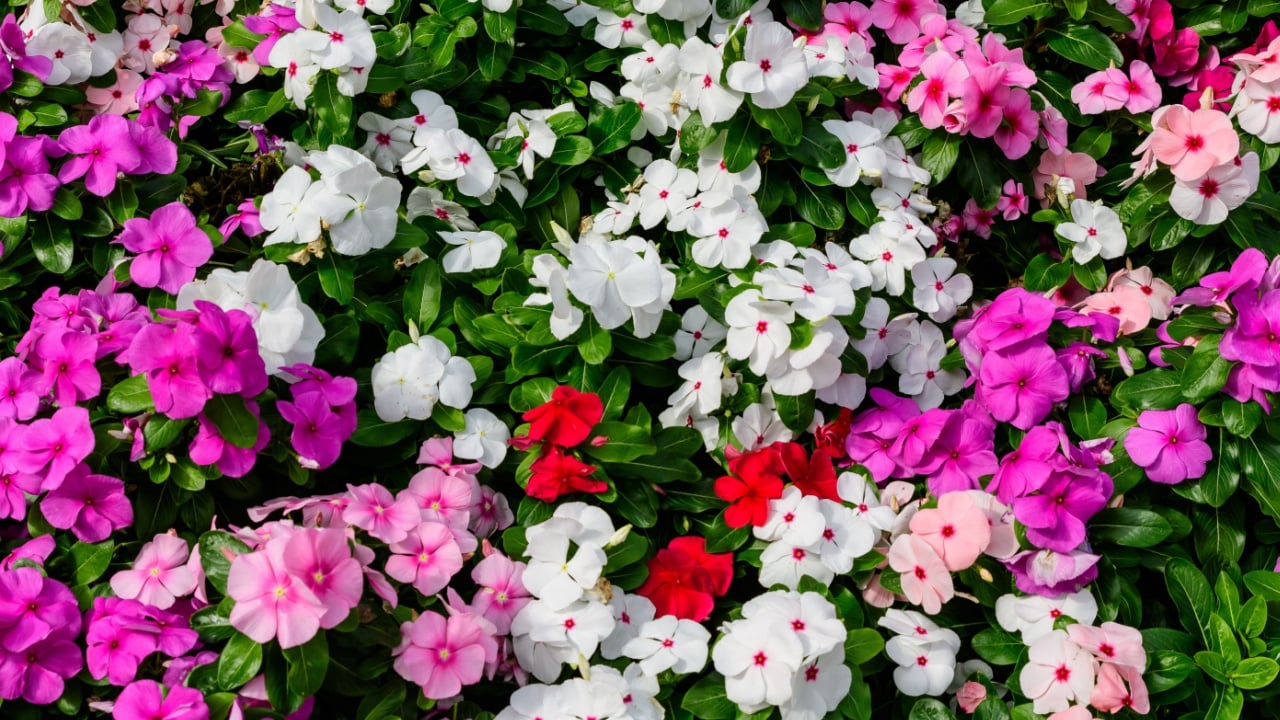
Impatiens ‘Super Elfin Mix’ solves the problem of adding fast, vibrant color to the heavily shaded areas of your yard. The seeds sprout into fleshy, water-rich stems that quickly top themselves with flat, brightly colored flowers. They grow rapidly to form neat, rounded mounds that continuously bloom in shades of white, pink, red, and violet. They transform dark, forgotten corners under trees into bright, welcoming focal points.
Start the tiny seeds on top of a moist soil mix, keeping them warm and damp until germination occurs. Once moved outdoors, plant them in areas that receive dappled light or strictly morning sun to prevent the delicate leaves from burning. They demand consistently moist soil to thrive and will wilt dramatically if they dry out for even a single day. A layer of organic mulch helps retain the necessary ground moisture and keeps the root system perfectly cool.
16. Nigella ‘Love-in-a-Mist’
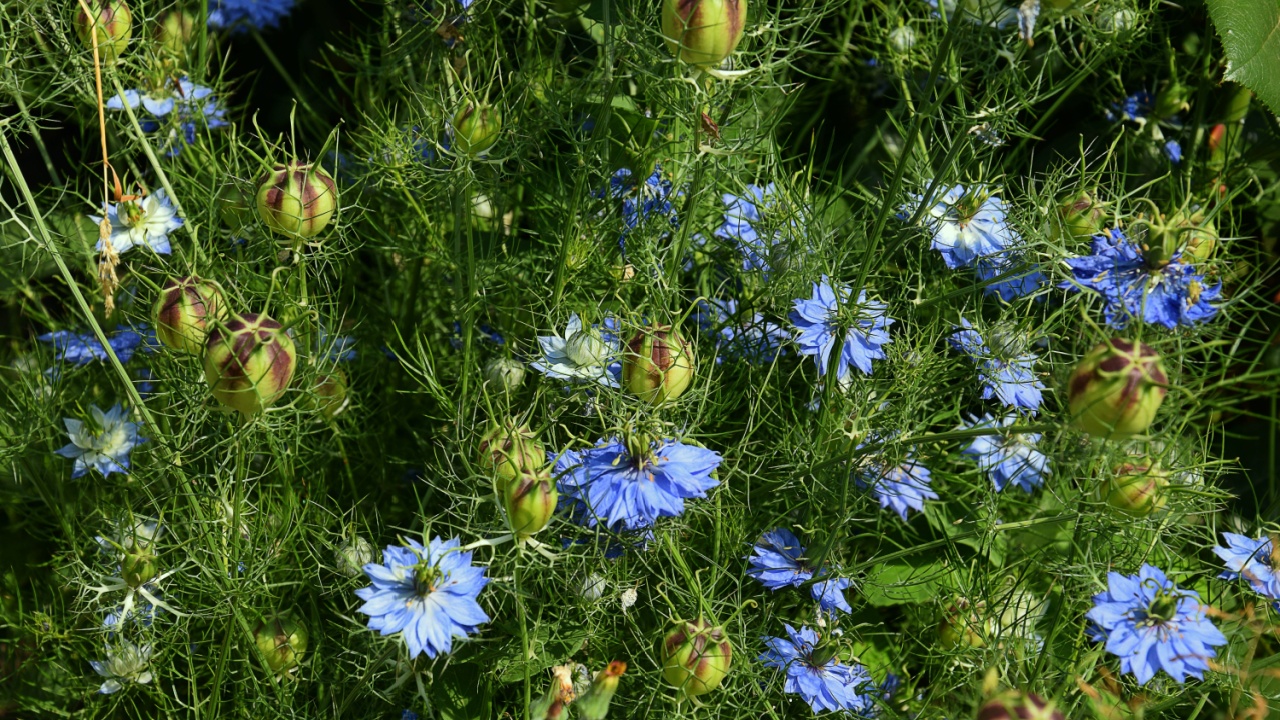
Nigella ‘Love-in-a-Mist’ features delicate, star-shaped blue flowers surrounded by incredibly fine, feathery foliage. These seeds sprout extremely fast in cool weather and rush to produce their complex, wildly unique blossoms. As the flowers quickly fade, they transform into fascinating, balloon-like seed pods with maroon stripes. Both the fresh flowers and the resulting seed pods add tremendous visual interest to garden beds and floral arrangements.
Sow the seeds directly where you want them to grow, as they possess a long taproot that highly resents being transplanted. Stagger your planting every few weeks in the spring to guarantee a continuous supply of fresh blooms throughout the summer. They require very little maintenance and easily tolerate dry spells once their initial root system is established. Allowing the decorative pods to dry on the plant guarantees plenty of volunteer seedlings for the following spring.
17. Sweet William ‘Mixed Colors’
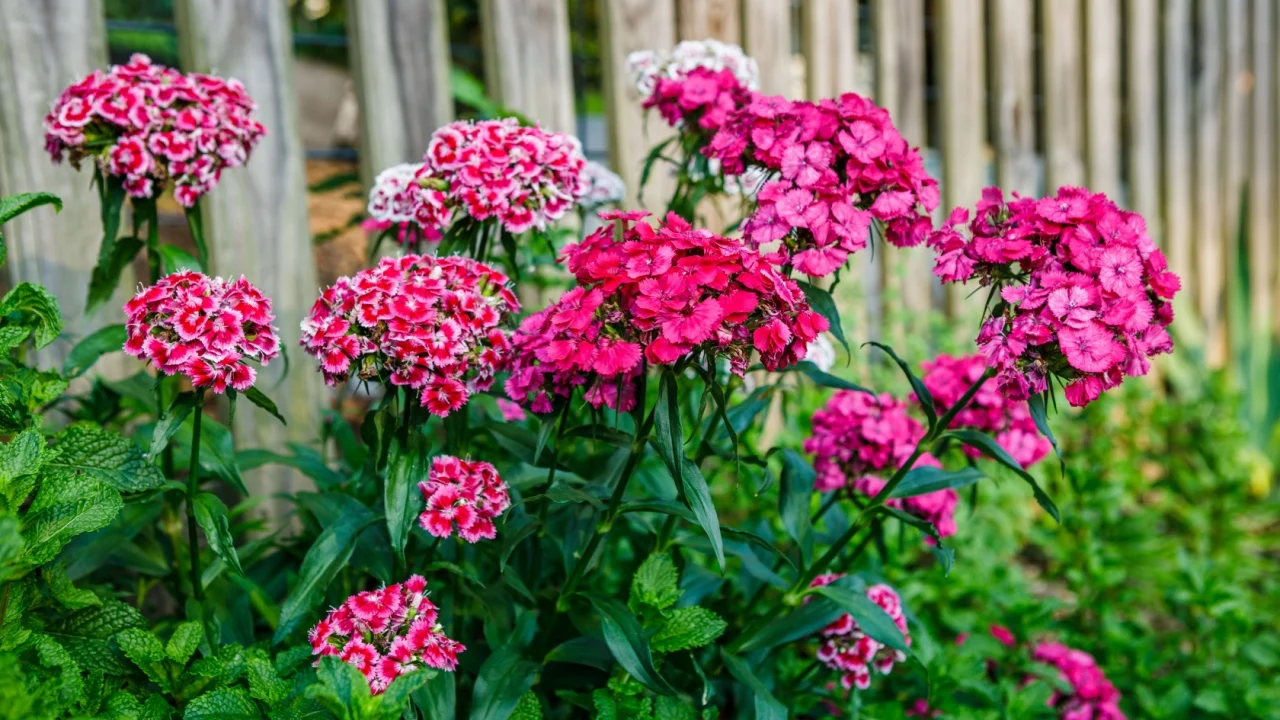
Sweet William ‘Mixed Colors’ produces dense, flat-topped clusters of incredibly fragrant, brightly patterned flowers. While traditionally a biennial, modern fast-growing varieties will sprout and bloom vigorously in their very first year. The fringed petals feature striking, contrasting eyes in various shades of red, pink, white, and purple. They bring a nostalgic, old-fashioned beauty to the yard while standing up remarkably well to rough weather.
Plant the seeds in rich, well-draining soil where they will receive plenty of bright morning sun. They appreciate a steady supply of moisture but highly dislike sitting in waterlogged dirt, which quickly rots their crowns. Removing the entire flower cluster after it finishes blooming keeps the leafy plant looking neat and tidy. The cut flowers last an incredibly long time in a vase, filling your home with their spicy, clove-like scent.
18. Coreopsis ‘Early Sunrise.’
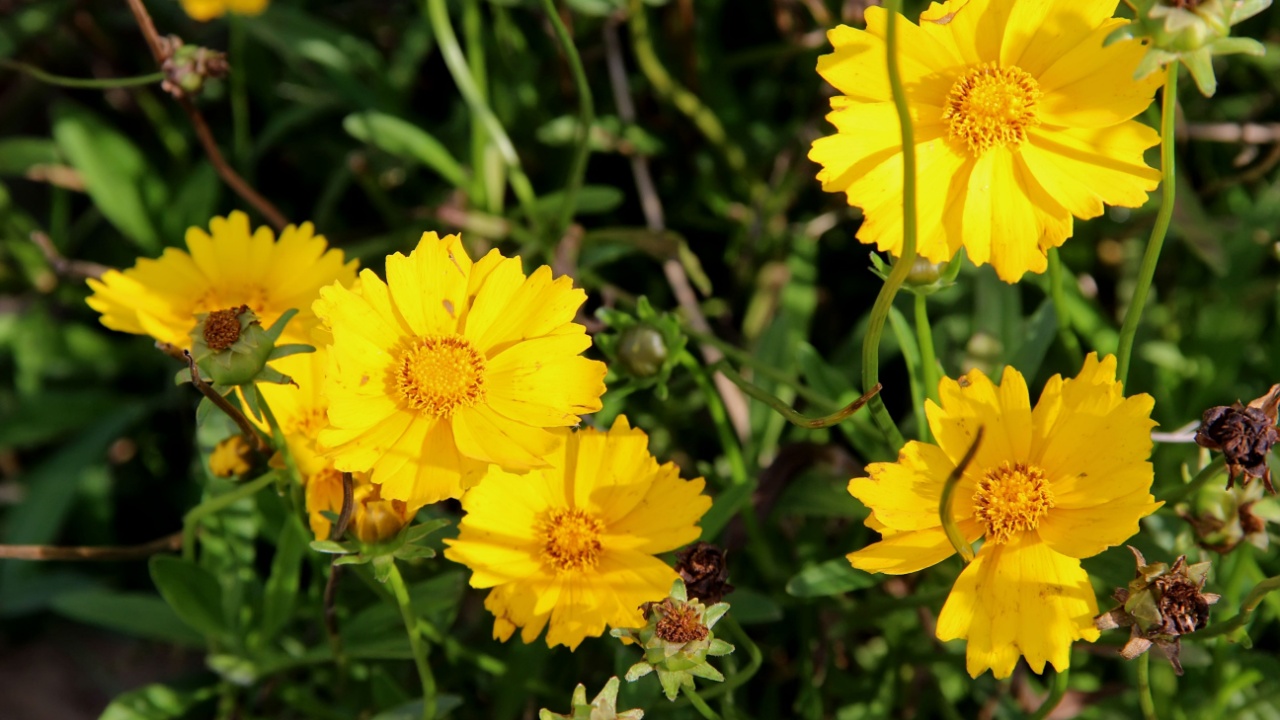
Coreopsis ‘Early Sunrise’ produces massive quantities of brilliant, golden-yellow double blooms remarkably fast from seed. This vigorous plant quickly forms a tidy mound of foliage before sending up tall stems topped with cheerful flowers. The bright yellow blossoms bring continuous energy to the yard and attract butterflies by the dozens. It handles poor soil and extreme heat with ease, making it highly reliable for difficult sunny locations.
Start the seeds outdoors after the threat of cold weather has completely passed, pressing them gently into the earth. They require full sun exposure to produce the maximum number of buds and prevent the stems from flopping over. Shearing the entire plant back by a few inches mid-summer completely revitalizes the foliage and forces a massive new flush of yellow flowers. This tough plant practically thrives on neglect, requiring zero extra fertilizer to put on a spectacular show.
Color in Weeks: The Reward of Quick Seeding
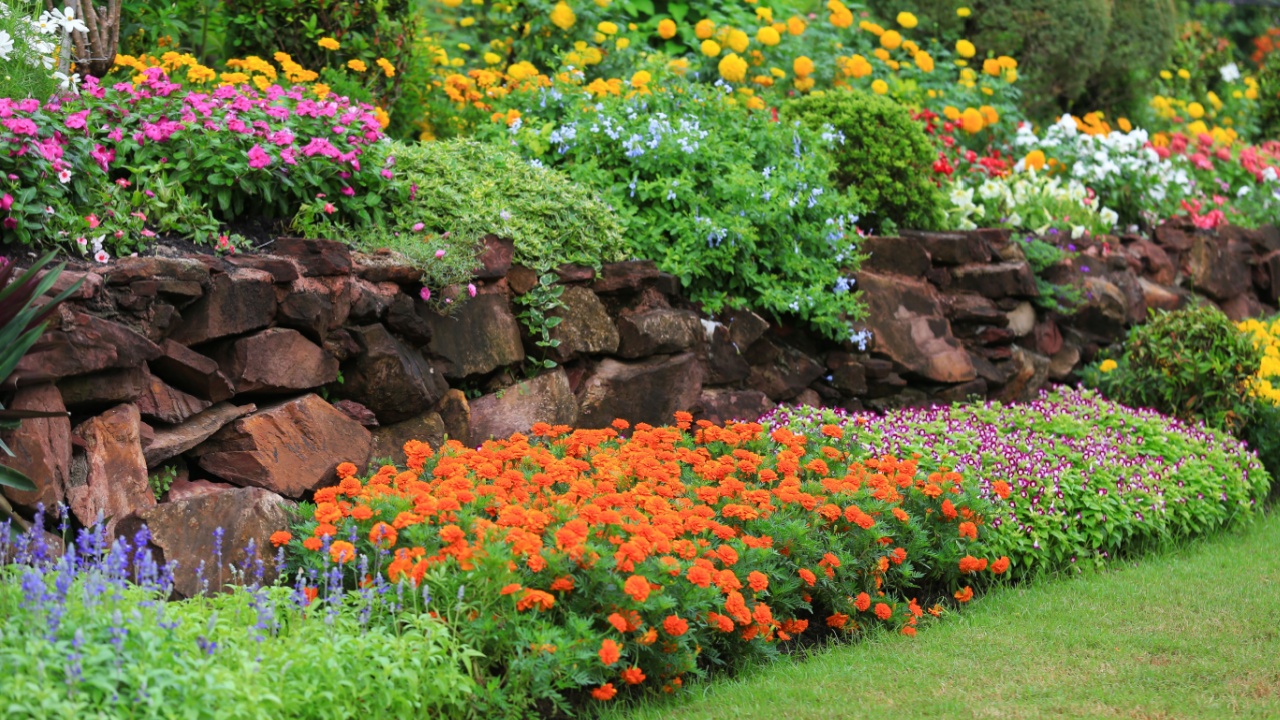
Quick results mean more time spent enjoying your yard rather than waiting for seeds to perform. Every flower on this list is valued for its hustle, filling spaces with blooms well before the season feels halfway finished. By choosing a few that suit your growing conditions, you’ll get color in under two months, often faster.
Read More:
12 Flower Pairs That Create a Jaw-Dropping Pop of Color in the Yard