Stop Starting These Seeds Indoors — Direct Sow These Cool-Season Crops Outside This April Instead
Most gardeners are still hunched over seed trays under grow lights this April, nursing fragile seedlings indoors, when the best thing they could do is walk outside and push seeds straight into the ground. Here is the part the seed catalogs don’t emphasize: some seeds don’t just tolerate direct sowing, they prefer it.
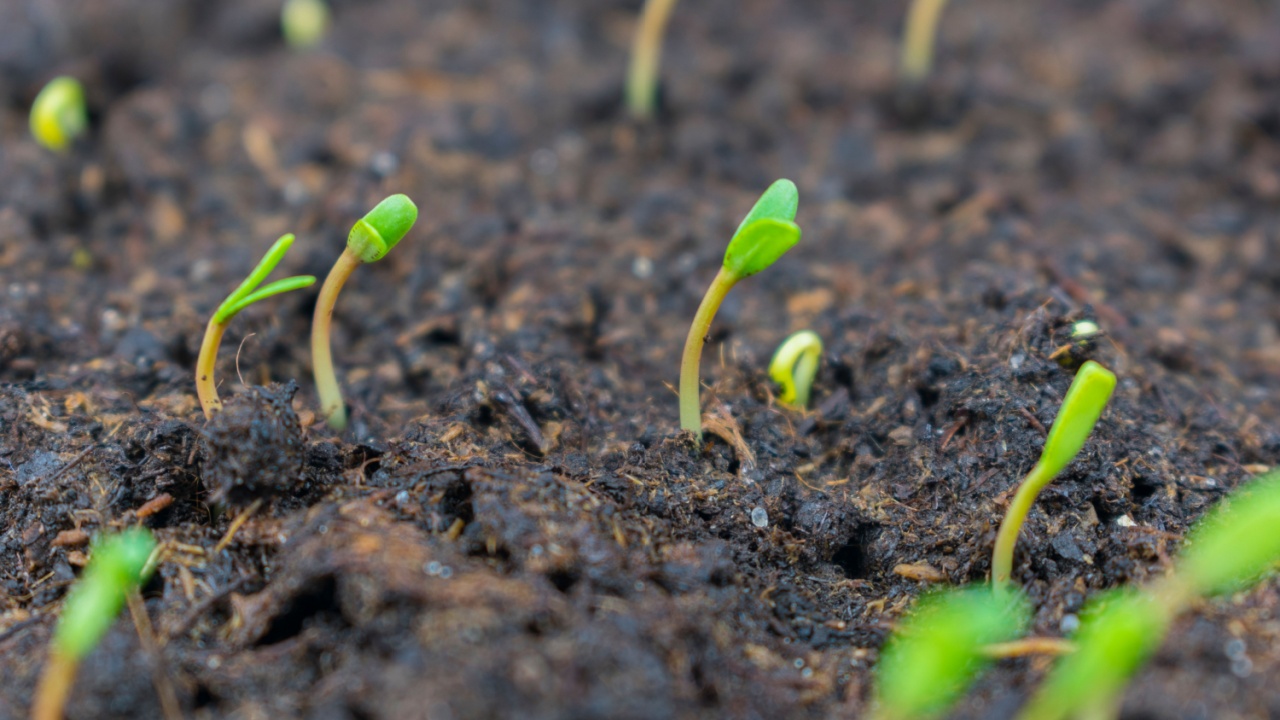
There is a narrow planting window right now, and it is worth paying attention to. Cool-season crops sown directly into the ground this month will be harvested before summer heat shuts them down. When planted in place rather than started in trays, they will often develop stronger root systems than anything you spent weeks babying indoors.
What “Direct Sow” Actually Means (and Why It Works Better Than You Think)
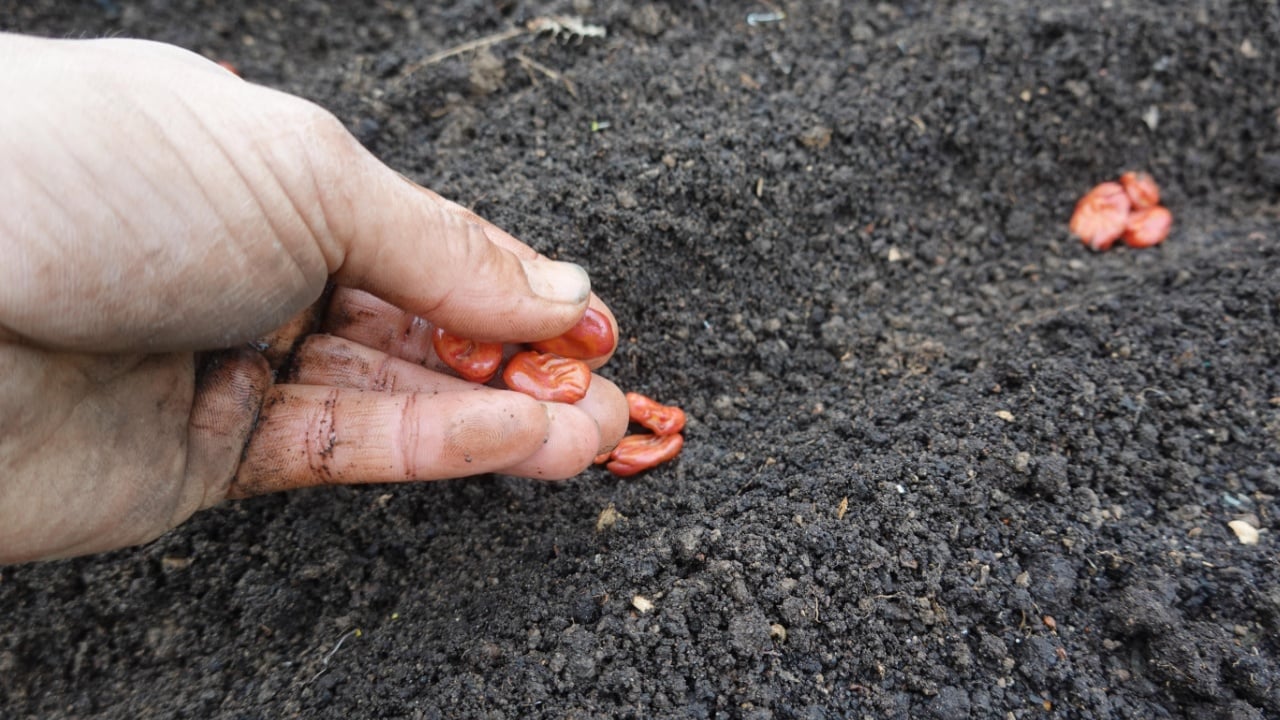
Direct sowing simply means putting seeds straight into the outdoor soil where they will grow to maturity, skipping the indoor seed-starting step entirely. For certain crops, this is not just acceptable — it is genuinely the superior method.
As Fine Gardening explains, direct-sown plants often produce stronger, more vigorous seedlings because they never experience transplant shock. The root systems develop in place, undisturbed, which means the plant spends its energy growing rather than recovering.
Root crops are the clearest example. Carrots, beets, radishes, parsnips, and turnips should only ever be direct sown. Their taproots are so sensitive that even careful transplanting from an indoor tray stunts or deforms the root you are trying to harvest. But the principle extends further. Beans, peas, corn, cucumbers, and squash all fall into the category of crops that resent having their roots disturbed, and April is exactly when most of them want to go into the ground (depending on your Zone).
The One Thing You Must Check Before Direct Sowing in April
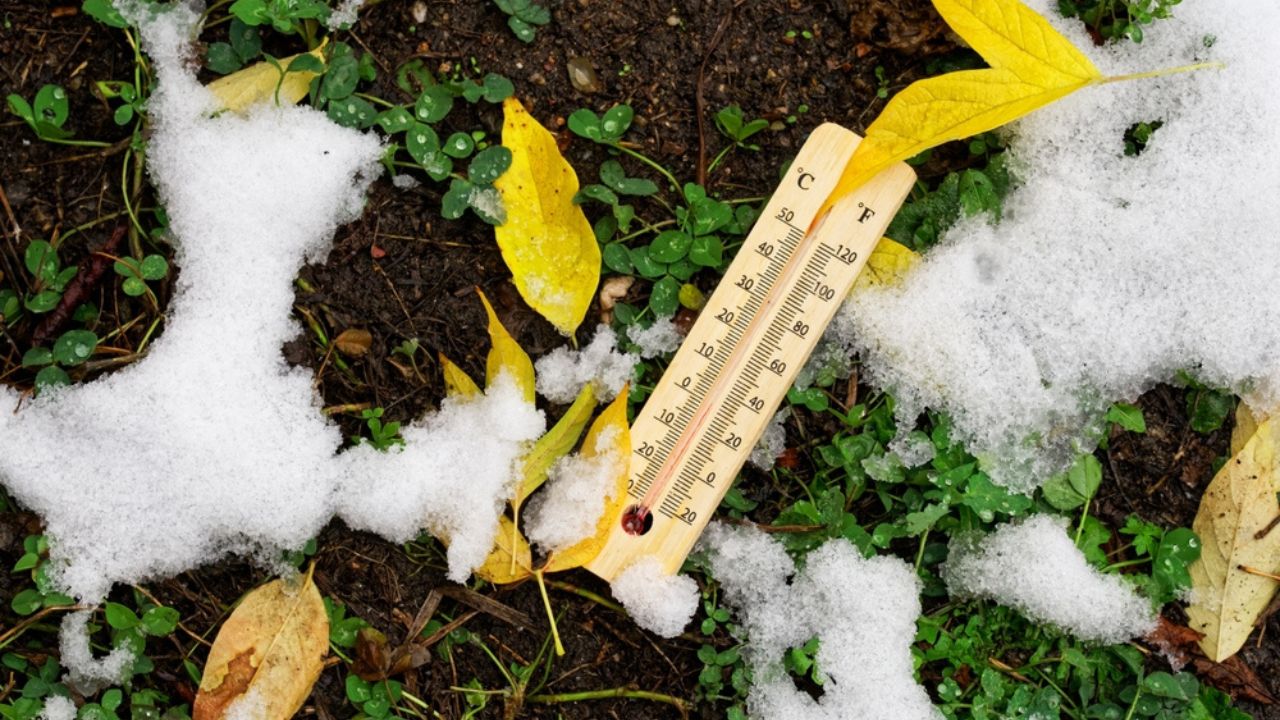
Before you put a single seed in the ground this month, check your soil temperature. This is the step most home gardeners skip, and it explains why seeds sometimes seem to disappear without germinating: they rotted in soil that was still too cold.
According to Oregon State University Extension, cool-season crops, including peas, spinach, lettuce, carrots, and radishes, will germinate at soil temperatures as low as 35–40°F. A simple probe-type soil thermometer, inserted one to two inches deep and read in the morning, gives you the number that actually matters. Air temperature in April can be deceiving; the soil beneath it may be five to fifteen degrees colder.
The second readiness check is the squeeze test. Grab a handful of soil and squeeze it into a ball. If it crumbles apart when you open your hand, the soil is ready to work. If it holds a muddy clump and smears, it is still too wet — working it now will compact the structure and create hard clods that persist for an entire season. Michigan State University Extension notes that once soil is ready, the smart move is to get cool-season seeds in the ground without delay.
Here are the cool-season crops to direct sow right now in Zones 6-10, before April ends. Zones 3-5 should wait a few more weeks until the risk of a hard frost has passed. The Royal Horticultural Society identifies all of the following plants as prime candidates for outdoor direct sowing.
1. Peas

The quintessential cool-season direct sow, and one of the few crops that actively prefers cold soil. Push seeds one inch deep, two to three inches apart, and have a trellis or support in place from day one — pea vines grab hold fast and become difficult to redirect once they get going. Pre-soaking seeds overnight in cool water speeds germination noticeably, particularly in soil that hasn’t fully warmed yet.
Avoid the temptation to plant in a single long row; a wide double row on either side of a central trellis makes far better use of space and dramatically increases yield. Peas are also quiet workhorses for soil health: as legumes, they fix nitrogen as they grow, leaving the bed richer for whatever follows them. Sow now without hesitation.
2. Spinach
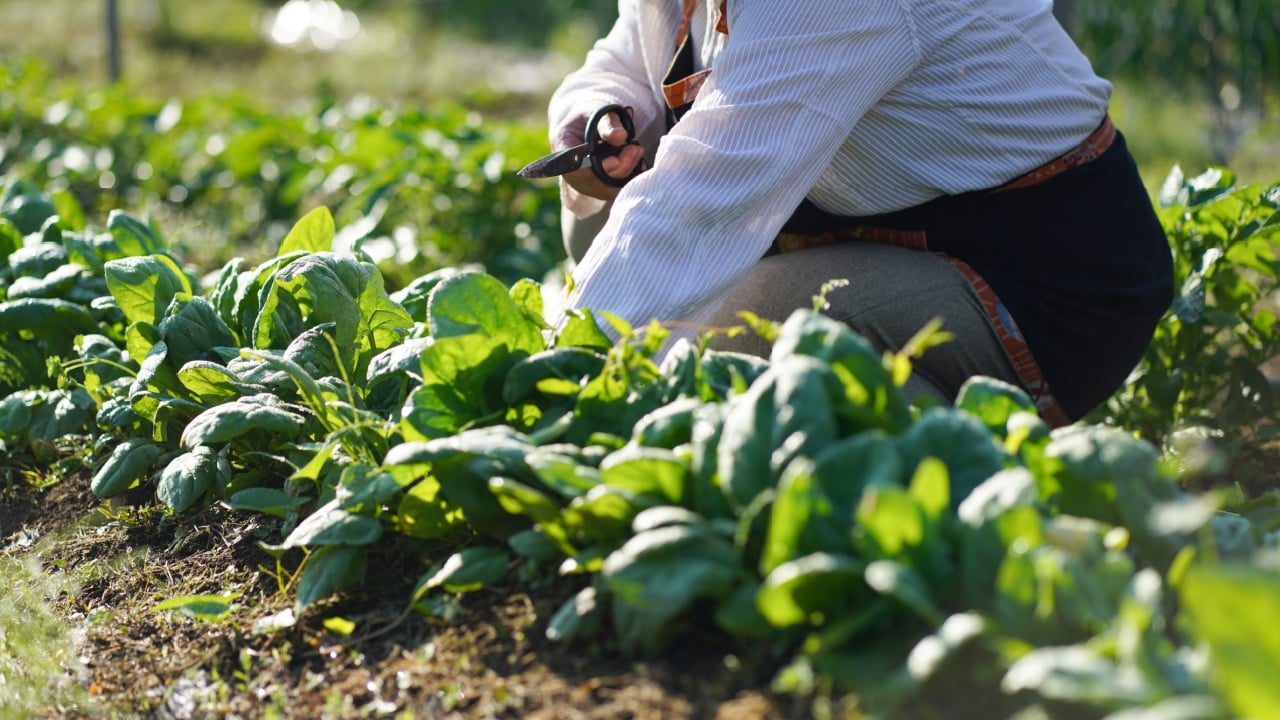
Spinach germinates in soil as cool as 35°F and bolts fast once summer arrives — once it sends up a flower stalk, the leaves turn bitter, and the plant is finished. Sow in shallow rows, barely a quarter-inch deep, and succession-plant every two weeks through mid-April to extend your harvest window.
Thin seedlings to three to four inches apart once they emerge; crowded spinach produces small, weak leaves and bolts even faster under stress. For the longest possible harvest, look for slow-bolt varieties like Bloomsdale Long Standing or Tyee, which buy you an extra week or two before the heat wins.
3. Lettuce
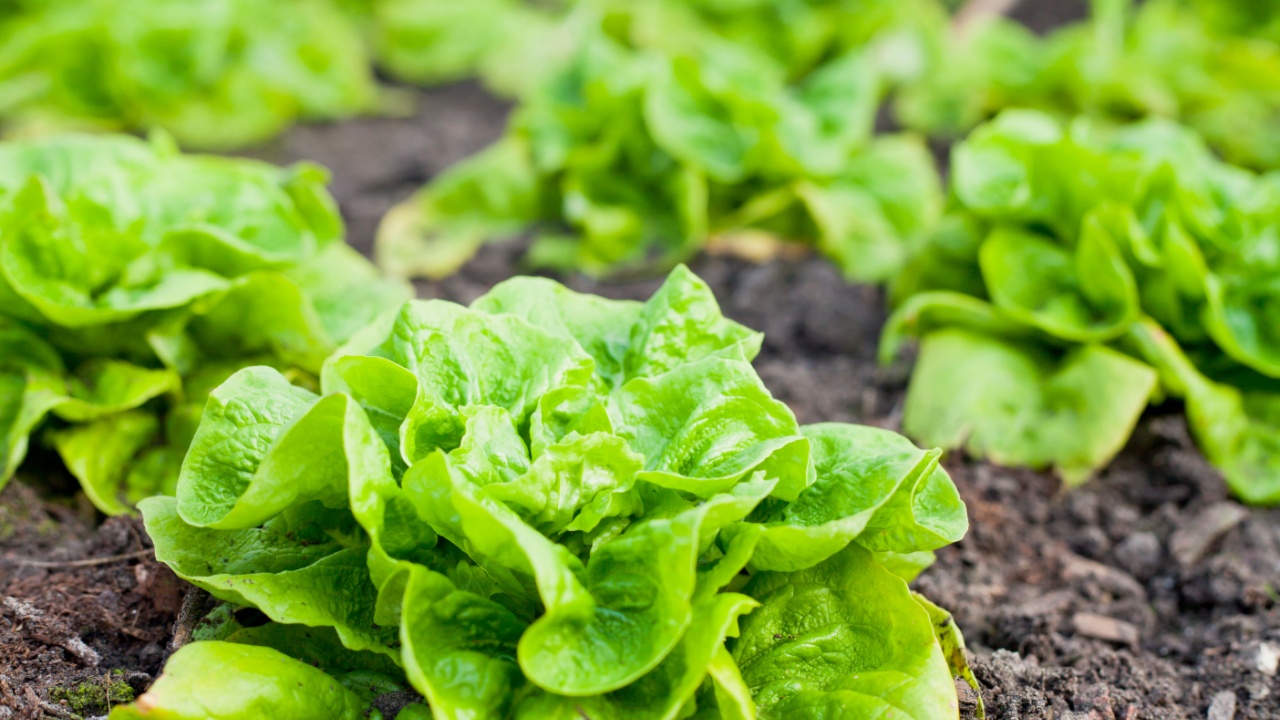
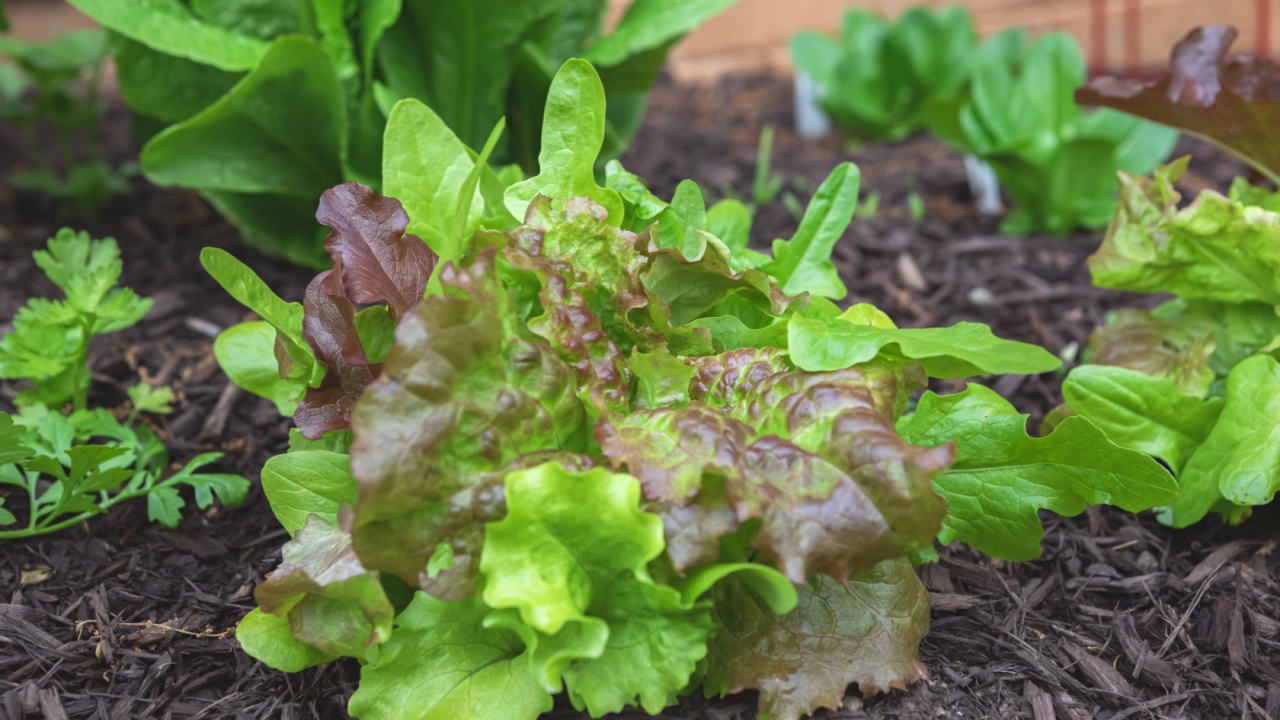
Fast-germinating and infinitely succession-sowable. Scatter seeds thinly in short rows, thin to four inches apart, and harvest outer leaves as they grow. Lettuce is one of the few crops where variety selection genuinely changes your experience; looseleaf types like Black Seeded Simpson or Red Sails are ready to harvest in as little as 45 days and tolerate heat better than heading varieties.
Once daytime temperatures consistently hit the mid-70s, move your succession sowings to a spot with afternoon shade to squeeze a few more weeks out of the season.
4. Arugula
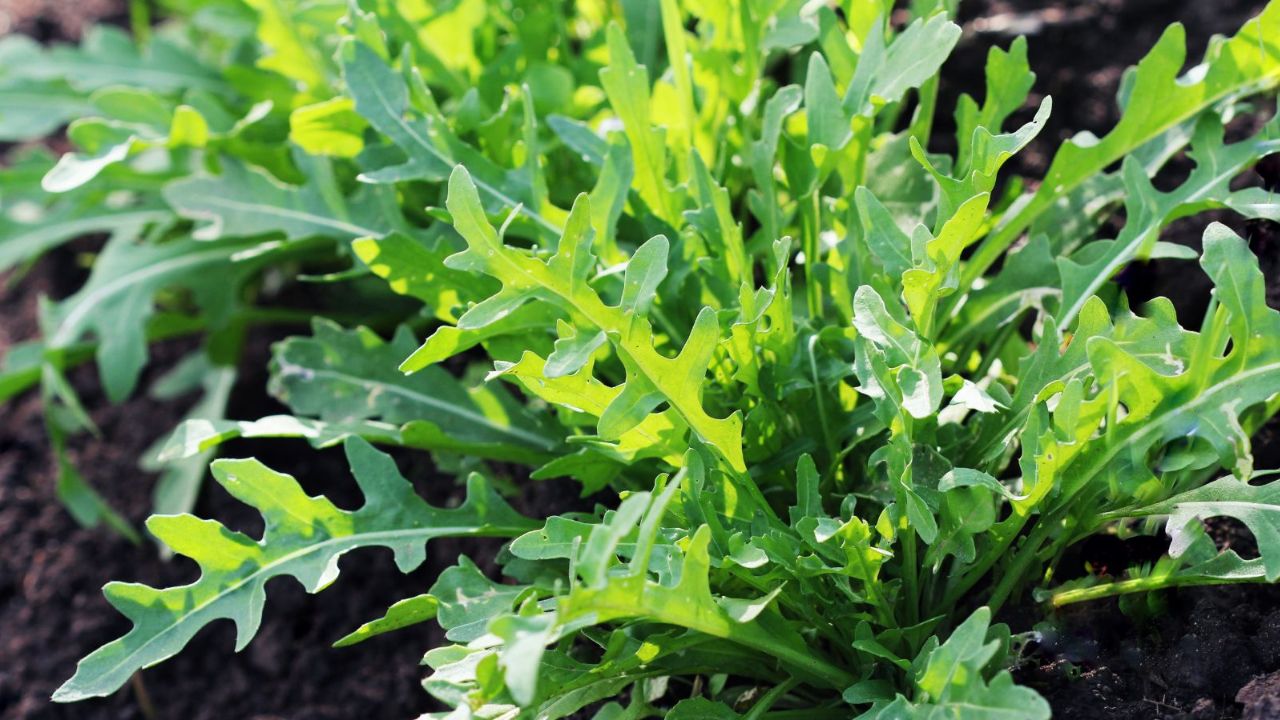
One of the easiest direct-sow crops available. Sow shallowly, keep moist, and you will be harvesting peppery leaves in as little as 40 days. Arugula is also one of the most forgiving crops for impatient gardeners; if a row fails, simply scatter more seed over the same spot, and it will fill in within two weeks.
Once established, it self-seeds readily, meaning a single April sowing can quietly populate your garden bed for years with almost no effort on your part.
5. Carrots
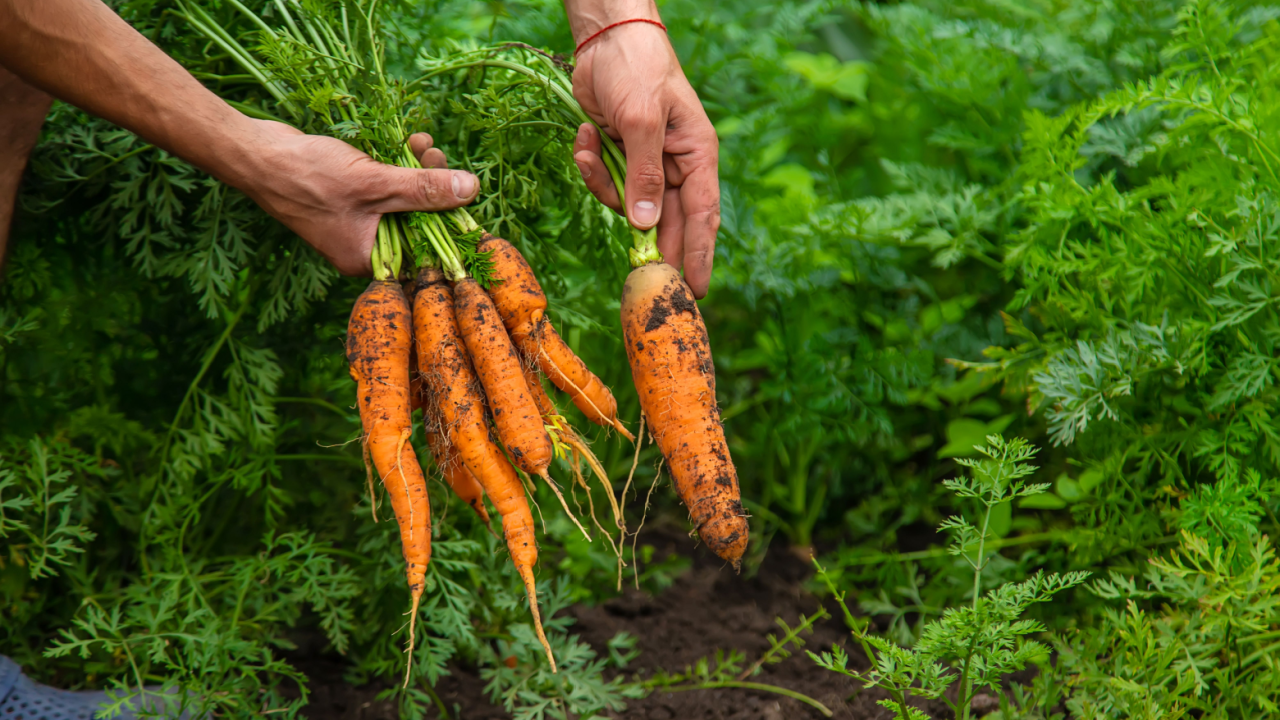
Sow directly — never transplant. Prepare the bed deeply, loosening soil to at least twelve inches. Sow seeds a quarter-inch deep and expect germination in two to three weeks. Thinning is non-negotiable: crowded carrots produce twisted, stunted roots.
The old radish trick is worth using here; sow a few radish seeds in the same row to mark where your carrots are while you wait, and they will be ready to pull long before the carrots need the space.
6. Radishes
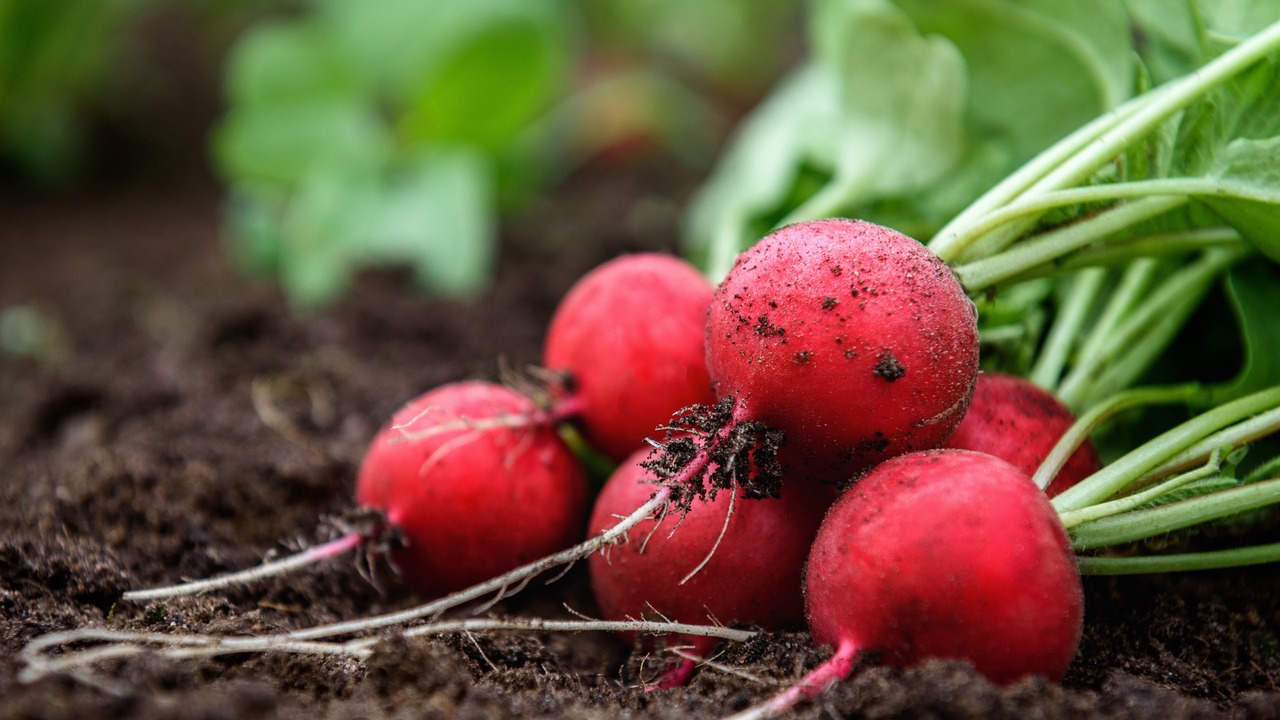
The fastest reward in the April garden, ready in as little as 30 days. Sow alongside slow-germinating carrots to mark the row and break any surface crust before the carrots emerge.
Cherry Belle and French Breakfast are both reliable April varieties — mild, crisp, and fast enough that you can sow a new short row every week through the end of the month without any of them overlapping at harvest time.
7. Beets
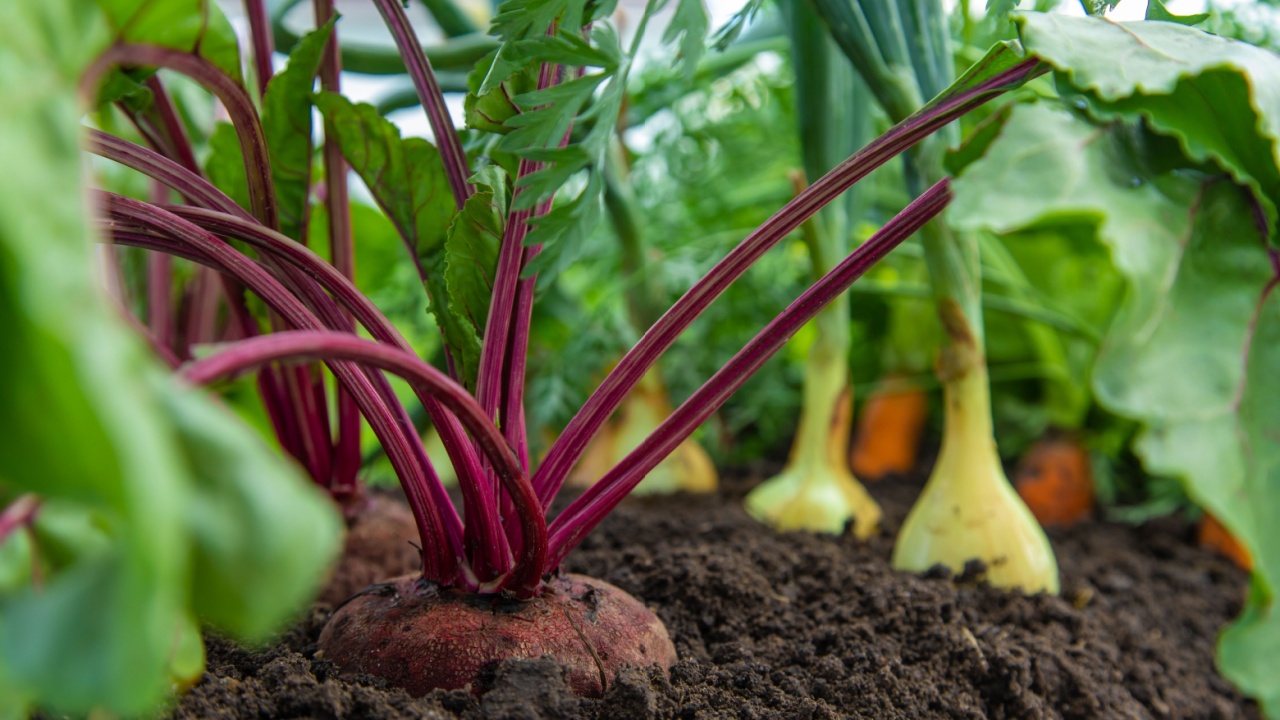
Each beet “seed” is a cluster of seeds, so thin aggressively to three to four inches apart. Beets prefer soil temperatures of 50–65°F, making April ideal across most zones. Don’t discard what you pull; thinned beet seedlings are tender, mildly sweet, and excellent in a salad, which makes thinning feel considerably less wasteful.
8. Swiss Chard
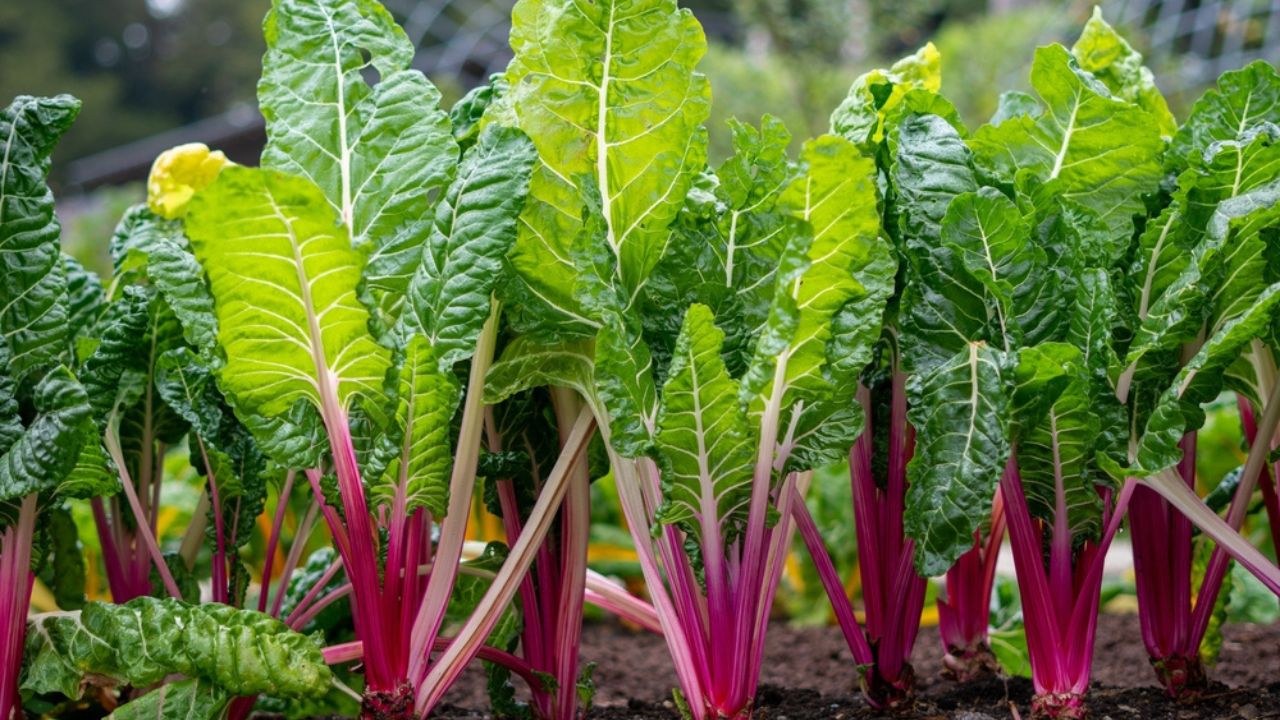
Sow seeds half an inch deep and eight inches apart. Chard tolerates light frost and will produce harvests from spring through fall with minimal fuss. It is one of the rare vegetables that genuinely earns a place in an ornamental border as well as a vegetable bed; the stems of varieties like Bright Lights come in vivid shades of red, yellow, orange, and white that look deliberately planted rather than accidental.
Harvest outer stalks regularly, and the plant will keep producing new growth from the center all season; neglect it for a week, and it will forgive you entirely.
9. Kale
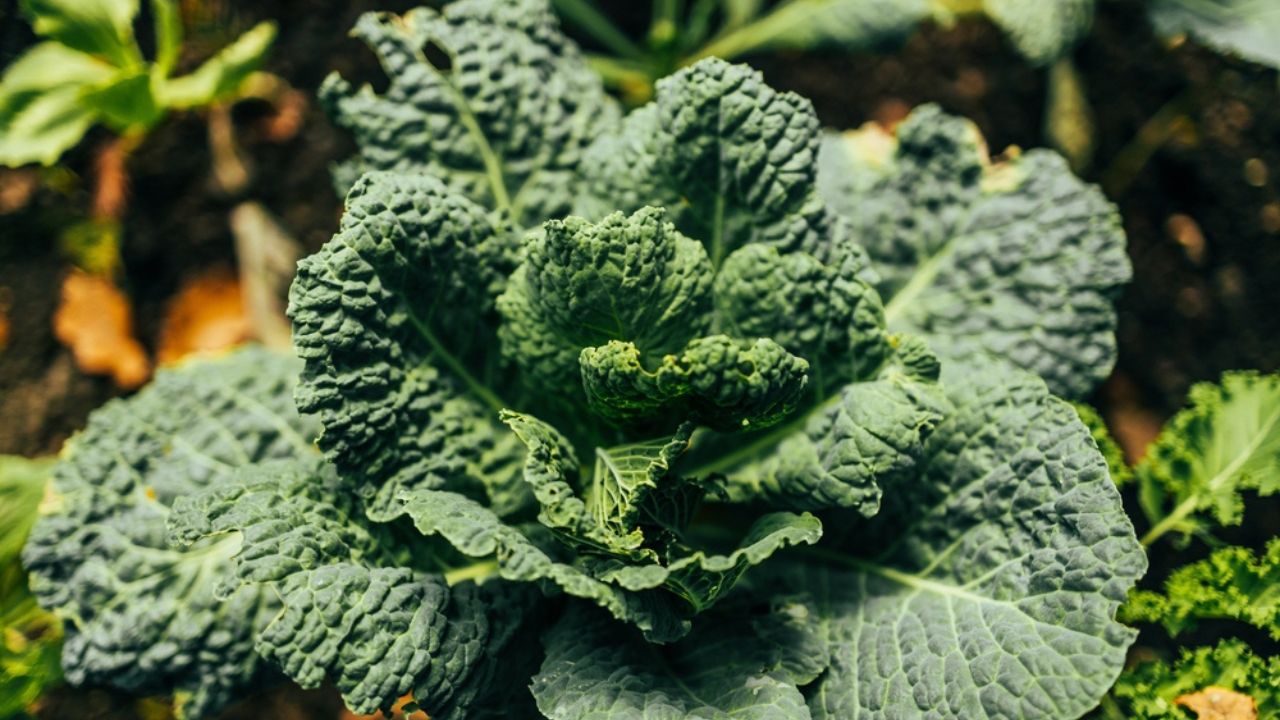
Direct sow a quarter-inch deep in April for late spring harvests. Young kale leaves are far more tender than grocery store versions. Lacinato, also called dinosaur kale, is the variety most worth seeking out for direct sowing; its flat, deeply textured leaves are easier to wash and far more pleasant to eat raw than the tough, curly varieties that dominate produce aisles.
10. Turnips

Turnips are one of the fastest-growing root crops available, ready in 35 to 60 days. Sow directly and thin to four inches apart once seedlings reach two inches tall. Like beets, the thinnings are entirely edible; turnip greens have a pleasantly mild, mustard-like bite and can go straight from the garden into a sauté pan.
The Direct-Sowing Mistakes That Kill Seeds Before They Sprout

If you have tried direct sowing before and found the results disappointing, one of these is almost certainly what happened.
The first and most common mistake is sowing into cold, wet soil. Seeds sitting in cold, saturated ground do not germinate — they rot. Checking soil temperature and texture before sowing eliminates this problem. According to Hudson Valley Seed, the soil surface should be dry and crumbly, not sticky, before you begin working.
The second mistake is leaving the soil too loose after sowing. Seeds germinate best when they have firm contact with the surrounding soil. Loose, fluffy soil dries out quickly and loses contact with the seed. After sowing, press the soil gently but firmly over the seeds.
The third is inconsistent moisture. Seeds need consistently moist (not wet) soil for the first five to fourteen days after sowing. A single day of drying out during active germination can end the process entirely. Laying a piece of lightweight floating row cover over the bed after sowing retains moisture, protects against birds and squirrels, and buffers a late frost, all at once.
Finally, sowing too thickly. High Mowing Organic Seeds points out that over-sowing is one of the most common mistakes even experienced gardeners make. It feels like insurance, but it creates crowding that stunts growth and generates hours of tedious thinning work. Sow deliberately, at the recommended spacing, and resist the urge to fill every gap.
The Only Mistake Left is Waiting
The best gardeners are not the ones with the most equipment or the longest planting lists. They are the ones who step outside in April, check their soil temperature, and put seeds in the ground before the window closes. The cool-season crops on this list have no interest in your grow lights or your heat mats. They want cool, moist, workable soil — and April gives them exactly that.
Pick two or three crops from this list. Prepare a small bed, confirm your soil is ready, and sow. The seeds will do the rest.
Read More
Plant these 10 companion plants with your tomatoes — and stop planting these 4
13 Plants That Grow Better (and Faster) Hydroponically — and Why March Is the Perfect Time to Start