Stop Making These 12 Lavender Growing Mistakes
Growing lavender is supposed to be easy. That’s what everyone says. And yet it might be the single most commonly killed plant in the American backyard garden. The cruel irony? Most of the time, it isn’t neglect that does it in. It’s too much attention — too much water, too much fertilizer, too much fussing.
Here’s what that means for your garden: every lavender plant you’ve lost was probably very fixable. According to the US Lavender Growers Association, most lavender varieties can live 8 to 15 years when properly sited and maintained. Most home gardeners replace theirs annually – not because lavender is difficult, but because a few invisible mistakes add up fast.
Here are 12 common lavender growing mistakes and how to stop making them.
1. You’re Watering It Too Much
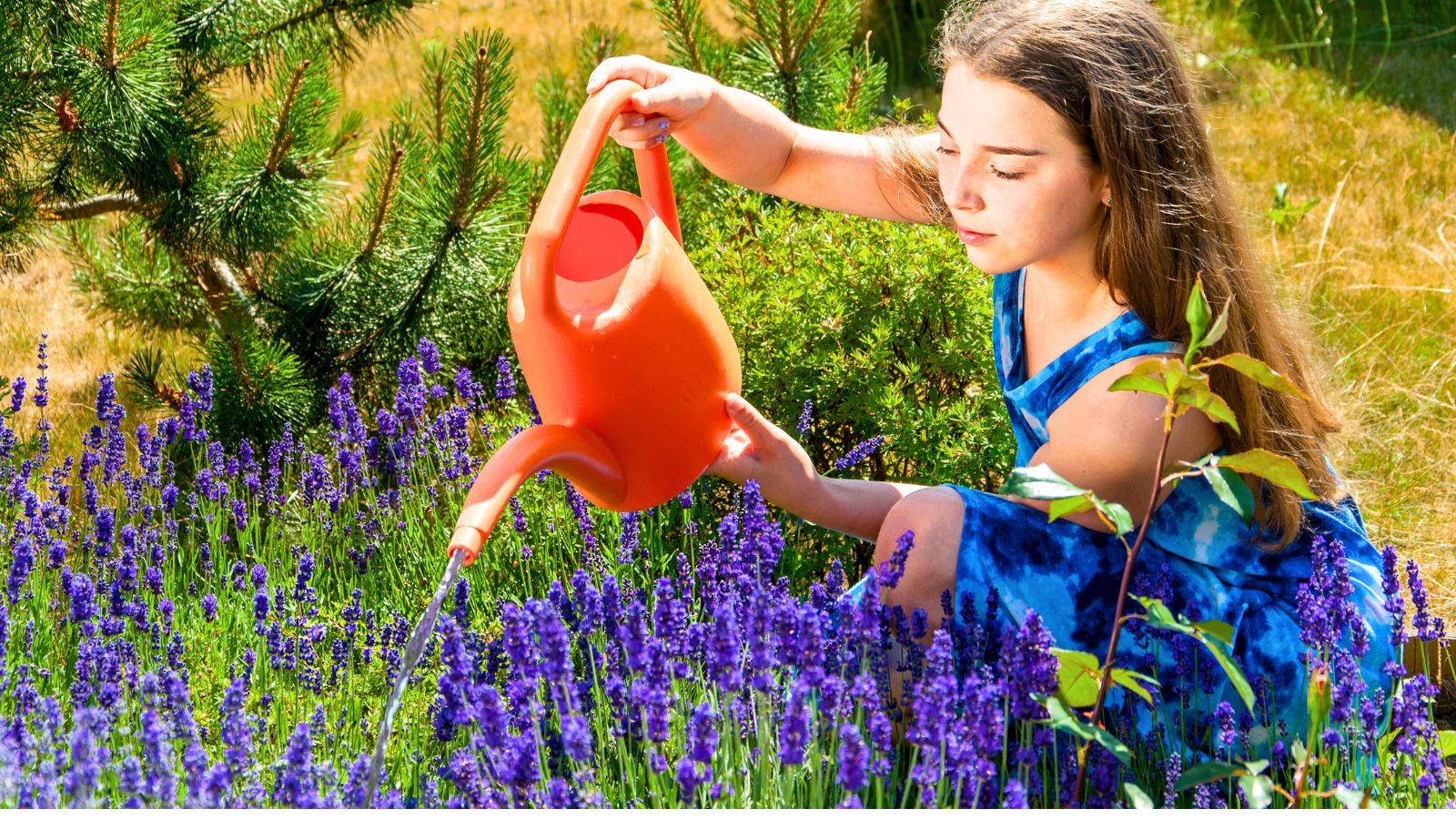
This is the mistake behind most lavender deaths, and it’s made with the best intentions. Lavender wilts. It looks thirsty. You water it. It wilts more. You water more. And then it dies, and you blame yourself — when the water was the problem from the beginning.
Overwatering causes root rot, and root rot mimics drought stress almost perfectly. Drooping, browning leaves aren’t always a cry for water. More often, they’re a sign the roots are suffocating in soggy soil.
According to Botanical Interests, professional lavender growers often irrigate established plants only once or twice per year. For most home gardeners, that number is somewhere between shocking and unbelievable, but it reflects the reality of what this Mediterranean native actually needs. Once lavender is established, rainfall in most climates is sufficient.
To prevent this from happening again, let the top two inches of soil dry completely before watering. For potted lavender, wait until the soil is dry to a depth of six inches. When in doubt, do nothing.
2. You Planted It in the Wrong Soil
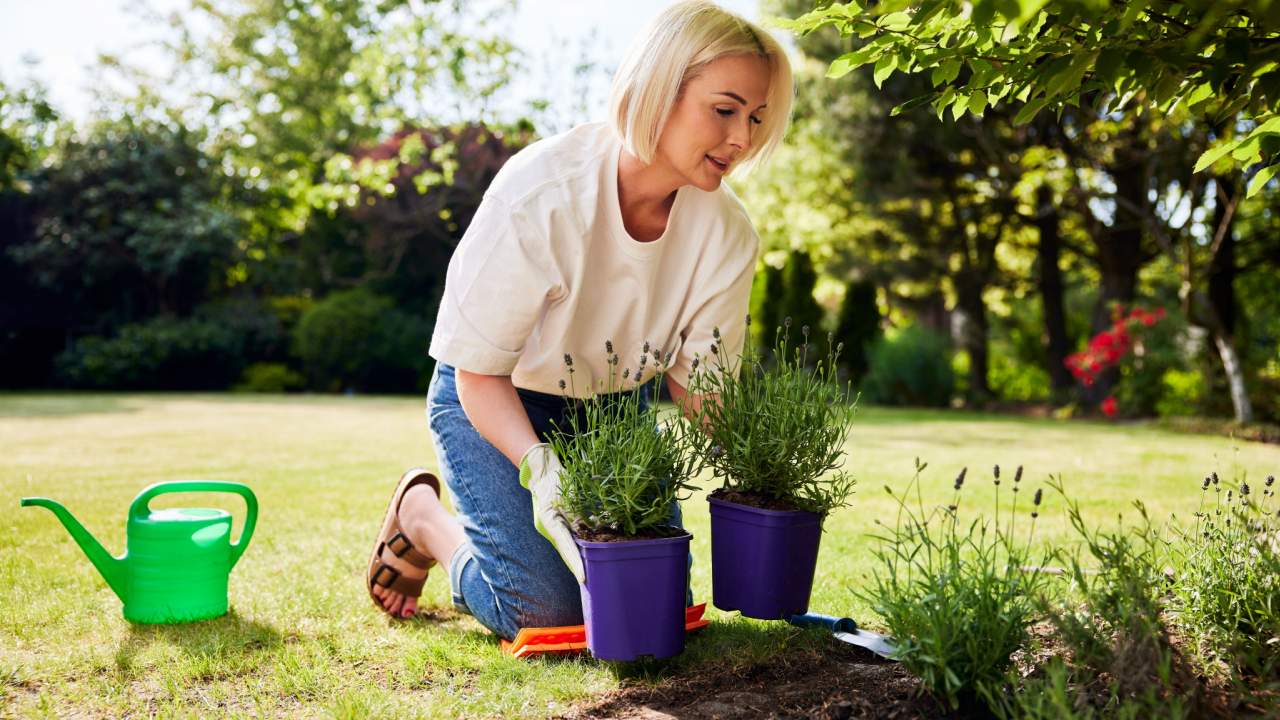
Heavy clay soil is the silent accomplice to overwatering. When you dig a planting hole in clay and drop a lavender plant in, you’ve essentially created a small bucket that collects and holds every drop of water that falls near it. The roots sit in standing moisture and rot.
Lavender evolved on rocky, arid slopes in the Mediterranean. It wants lean, sandy, fast-draining soil with a slightly alkaline pH between 6.5 and 7.5. According to Epic Gardening’s organic gardening expert Logan Hailey, planting lavender in a small or compacted clay hole is one of the most common and most preventable mistakes gardeners make.
To fix it, dig a hole two to three times larger than the root ball in every direction. Work in coarse sand, perlite, or pea gravel along the sides and base. If your drainage is truly poor, plant on a slight mound or raised bed.
3. You’re Fertilizing a Plant That Prefers Poverty

Every spring, millions of gardeners do a pass through their perennial beds with fertilizer. It’s a good habit for most plants. For lavender, it’s a quiet disaster.
Lavender spent thousands of years evolving in soil so poor and rocky that most other plants would refuse to grow there. Feeding it a nitrogen-rich fertilizer tells the plant to put all its energy into lush, leafy growth — at the direct expense of flowers. Homes & Gardens notes that this soft, overfed growth is far more vulnerable to powdery mildew and pest damage because the dense foliage blocks healthy airflow.
To fix it, stop fertilizing lavender entirely. If your soil pH is off, you can use a small amount of slow-release, low-nitrogen fertilizer once in early spring. That’s it. Lavender thrives on neglect, not nutrition.
4. You Put It in the Shade (Even Just a Little)
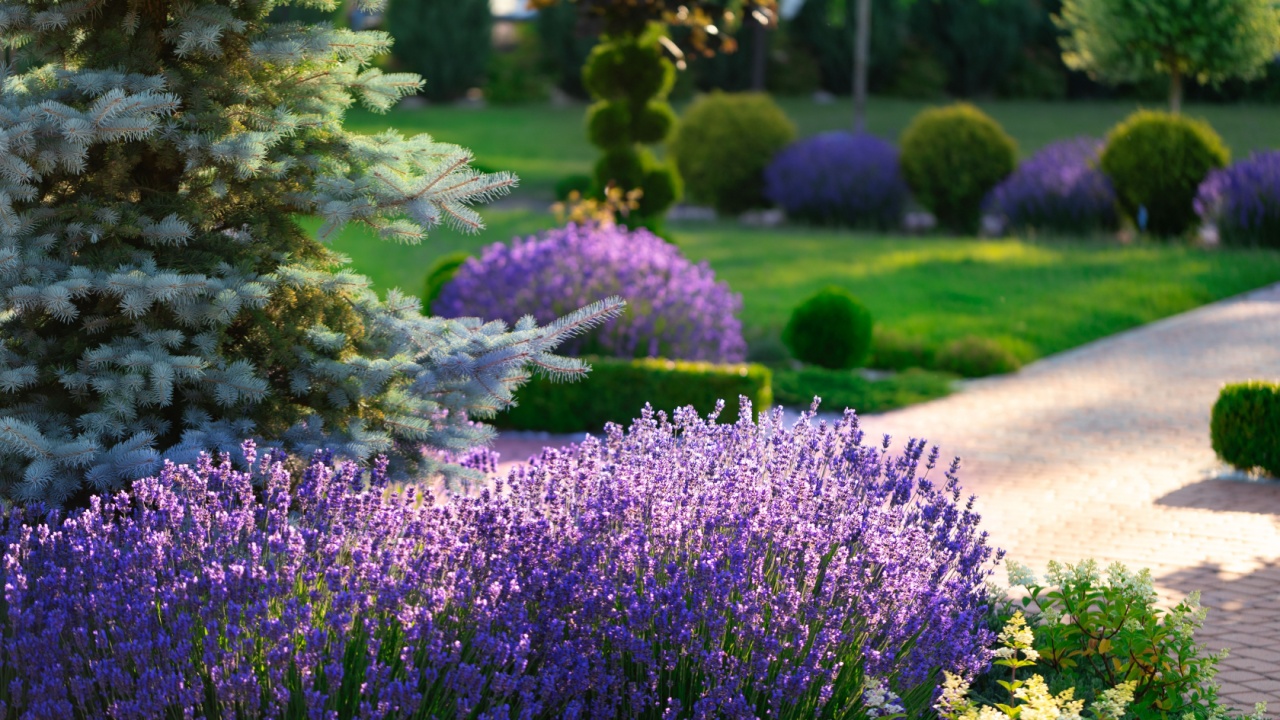
South-facing, open, blazing sun: that’s lavender’s natural habitat. When it doesn’t get at least six to eight hours of direct sunlight daily, it tells you in every way it can through pale foliage, reduced blooms, weakened stems, and almost no fragrance.
According to Homes & Gardens, lavender’s essential oil production depends directly on full sun exposure. When sunlight is insufficient, the plant simply cannot channel enough energy into those oils. Your lavender will survive in partial shade. It just won’t be the lavender you wanted.
To fix it, map your garden’s sun exposure before planting. South-facing spots with no overhead obstructions are ideal. If you’ve already planted in partial shade, consider transplanting in early spring while the plant is still young enough to relocate successfully.
5. You Never Pruned It
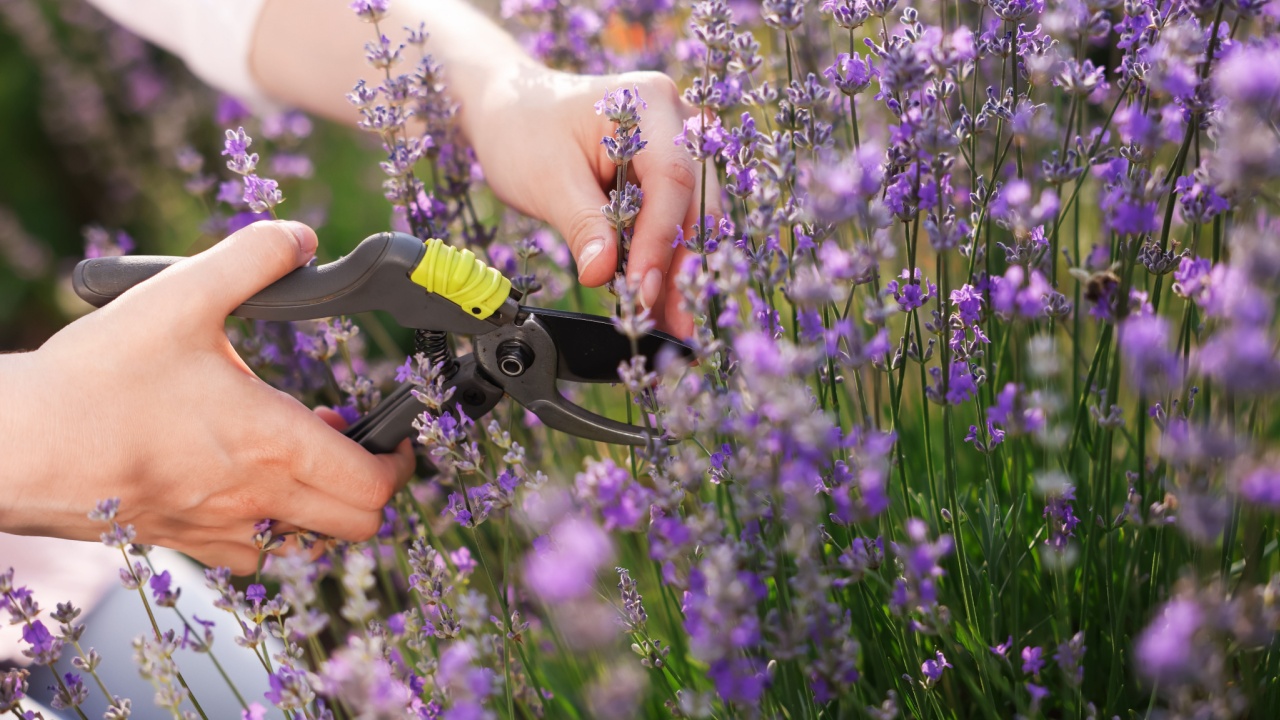
Lavender looks woody and sculptural after a few years, which many gardeners find to be an aesthetically pleasing, even beautiful, natural look. But left unpruned, lavender becomes an increasingly tangled, unproductive skeleton that flowers less every year until it effectively stops.
The pruning rule that matters most: never cut into old, woody stems. Lavender does not regenerate from old wood. According to Southern Living, the correct technique is to cut back by one-third to one-half, always staying just above where green stems meet the woody base.
To fix it, prune twice a year. A light shaping right after the spring bloom, and a harder cut in late summer after flowers fade. Never prune within six weeks of your first frost.
6. You Planted It Too Close to Thirsty Neighbors
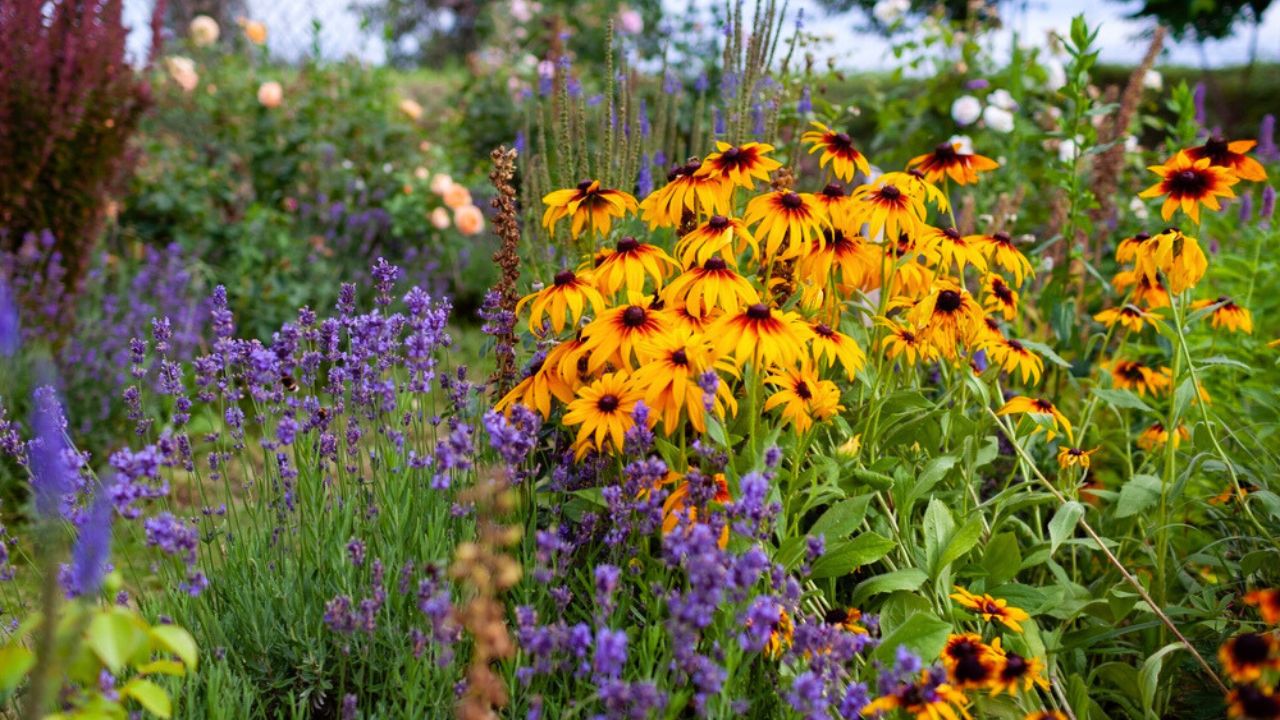
Lavender placed next to water-hungry plants is quietly being over-watered every time you tend to those neighbors. Drip lines, hand watering, or overhead irrigation meant for tomatoes, cucumbers, or annuals will soak the lavender’s roots, whether you intend it or not.
Crowding creates a second problem: poor airflow. According to Homes & Gardens, lavender planted less than two to three feet apart is far more susceptible to fungal diseases, as plants compete for light and share pests easily.
To resolve it, give each lavender plant a generous three-foot radius of space. Plant it with Mediterranean companions like rosemary, sage, thyme, and salvia that share its drought tolerance.
7. You Used the Wrong Mulch
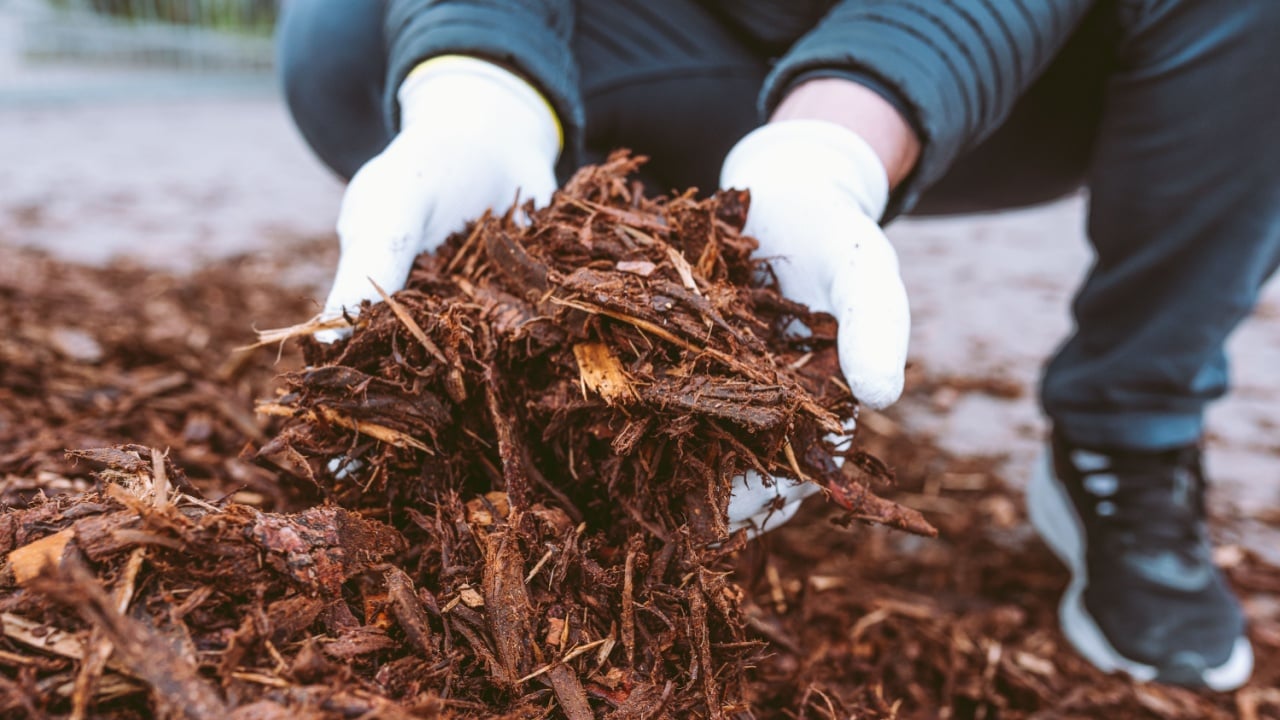
Mulching is almost always good advice in the garden. With lavender, it depends entirely on what you use. Bark mulch, wood chips, and straw are the standard go-to materials for most gardeners and hold moisture against the crown of the plant. That moisture is exactly what lavender cannot tolerate.
According to the US Lavender Growers Association’s growing guide via Mt. Airy Lavender, pea gravel, oyster shells, or light gravel are the correct choices. They reflect heat, allow air circulation, and ensure the soil surface stays dry.
To fix it, replace organic mulch around lavender with a one- to two-inch layer of pea gravel or small stones. Keep it clear of the crown.
8. You Chose the Wrong Variety for Your Climate
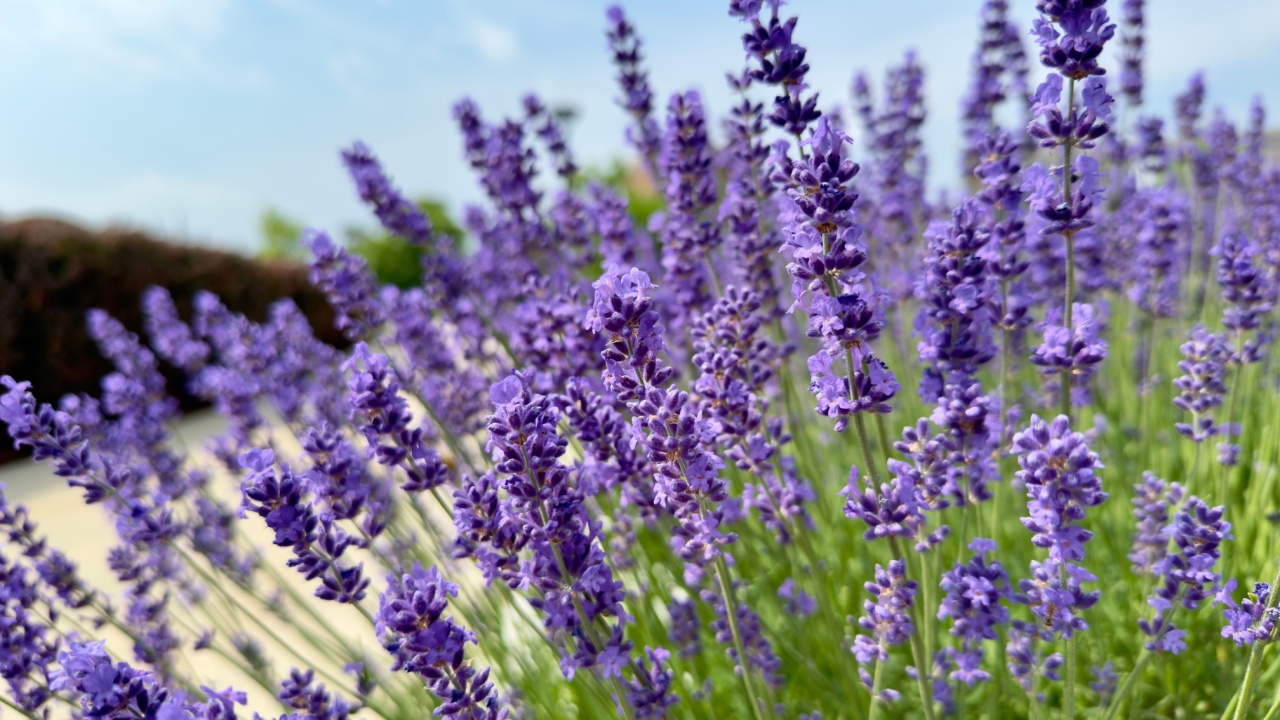
Garden centers sell lavender in spring when it’s beautiful and in bloom. The variety isn’t always labeled clearly, and shoppers pick based on color and fragrance without checking hardiness. Then winter comes.
French lavender (Lavandula dentata) and Spanish lavender (Lavandula stoechas) cannot survive temperatures below 15 to 20°F. English lavender and lavandin hybrids like ‘Phenomenal’ and ‘Grosso’ can survive temperatures down to -20°F. According to Homes & Gardens, choosing the right lavender for your hardiness zone is foundational — everything else in lavender care assumes you started with the right plant.
To prevent this from happening again, in zones 5 and 6, plant English lavender or cold-hardy lavandins like ‘Phenomenal’ or ‘Hidcote.’ In zones 4 and colder, container growing with indoor overwintering is your best path.
9. You Replanted in the Same Bad Spot
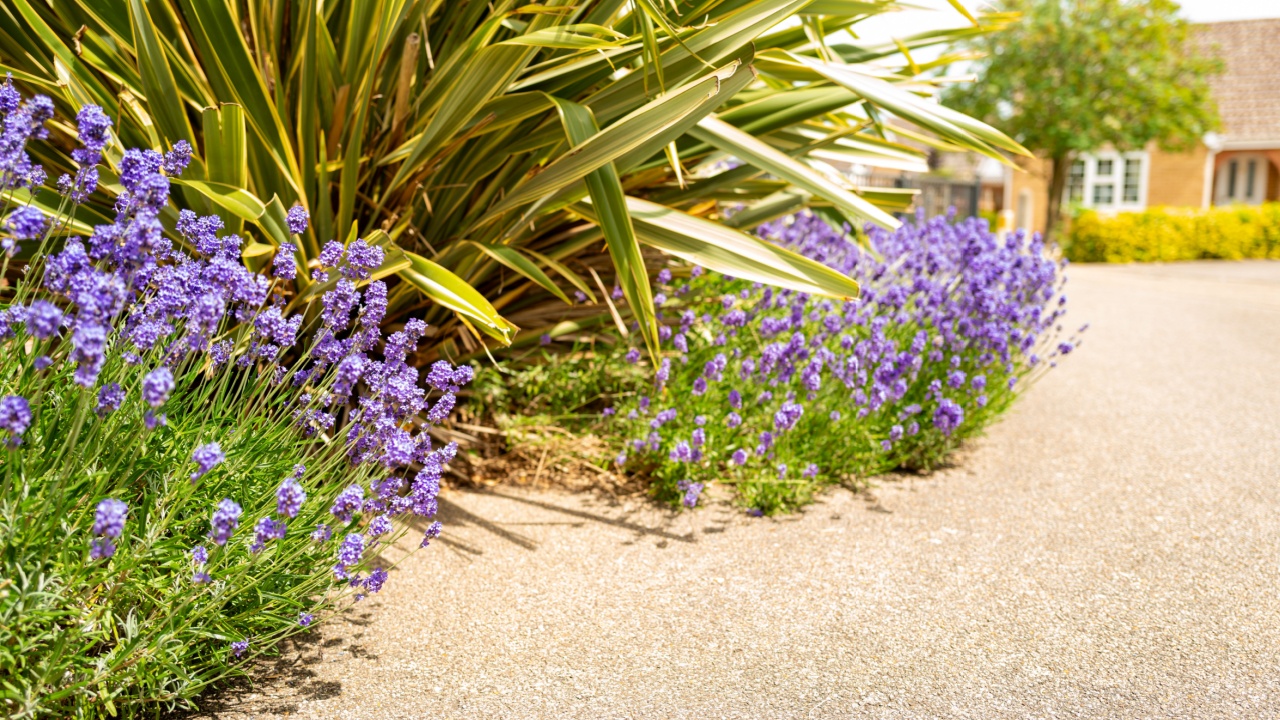
After losing a lavender plant, many gardeners buy another one and put it right back in the same hole. Same clay soil, same poor drainage, same result. It’s one of the most disheartening cycles in the garden.
The Gardener’s Center in Darien, Connecticut, notes that lavender requires specific soil preparation, unlike most perennials, and that replanting without addressing the underlying drainage problem is almost certain to fail again.
To resolve it, before replacing a dead lavender plant, diagnose what killed it. Fix the drainage first: dig wider, amend aggressively with grit, or build a small mound.
10. You Tried to Start It From Seed
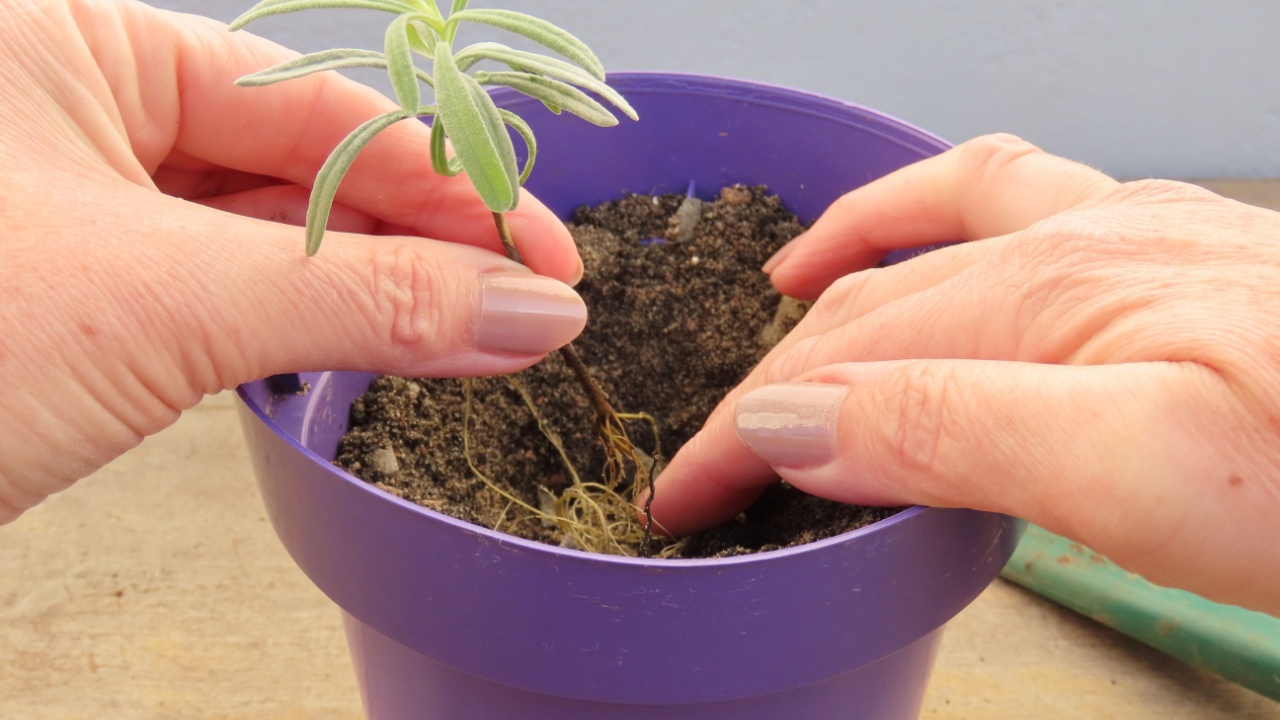
Lavender from seed is a heroic undertaking that most gardeners abandon, and for good reason. According to the US Lavender Growers Association, lavender takes roughly 200 days from seed to mature plant, requires cold stratification to germinate, and French lavender cannot be grown from seed at all since it is a hybrid.
To fix it, buy transplants from a reputable local nursery. Local nurseries typically stock varieties suited to your regional climate. You’ll save months of effort and dramatically increase your odds of success.
11. You’re Crowding It Into Too-Small a Container
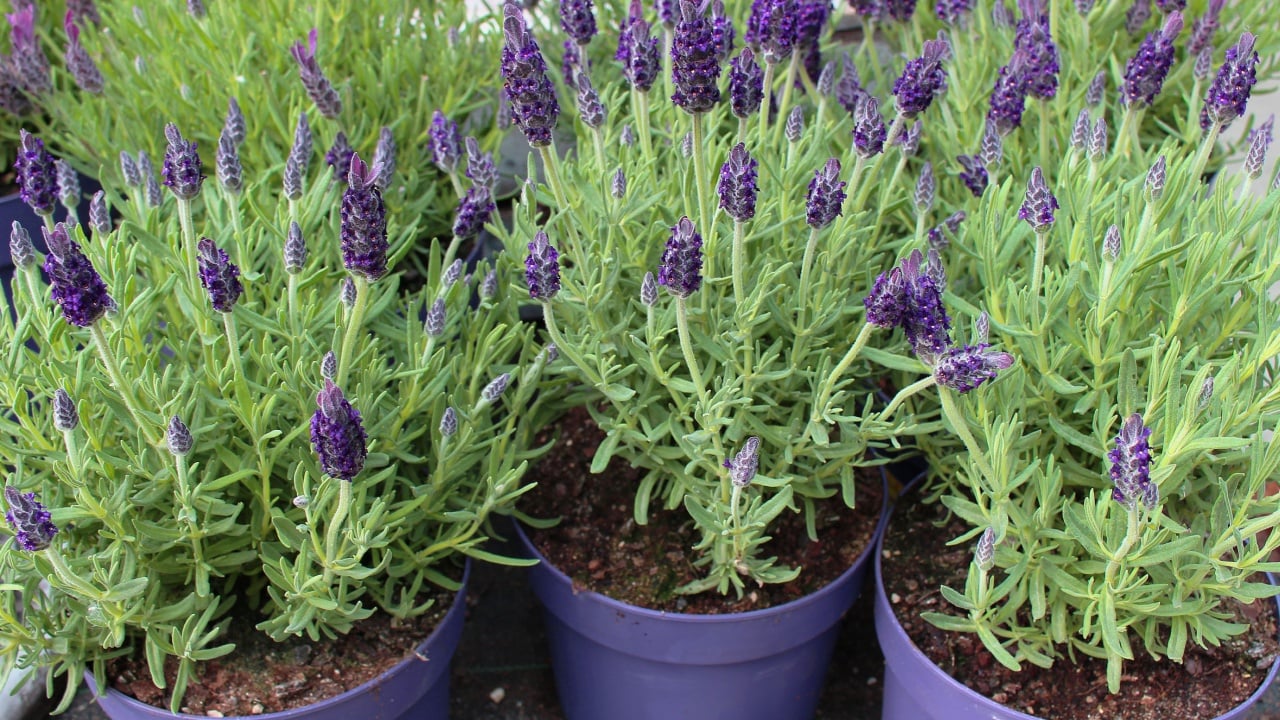
Container lavender is a genuinely good option for cold climates and small gardens. But lavender in a pot that’s too small, without drainage holes, or placed in a dim spot indoors will fail just as predictably as lavender in bad garden soil.
Botanical Interests recommends a container at least 12 inches deep and 12 inches wide with a drainage hole at the base. Indoors, lavender needs a south-facing window and often a supplemental grow light to receive the direct sun it requires.
To prevent this from happening, use a large, well-draining container with a gritty potting mix and full sun. Water only when the soil is dry to a depth of six inches.
12. You Gave Up Too Soon After One Bad Season
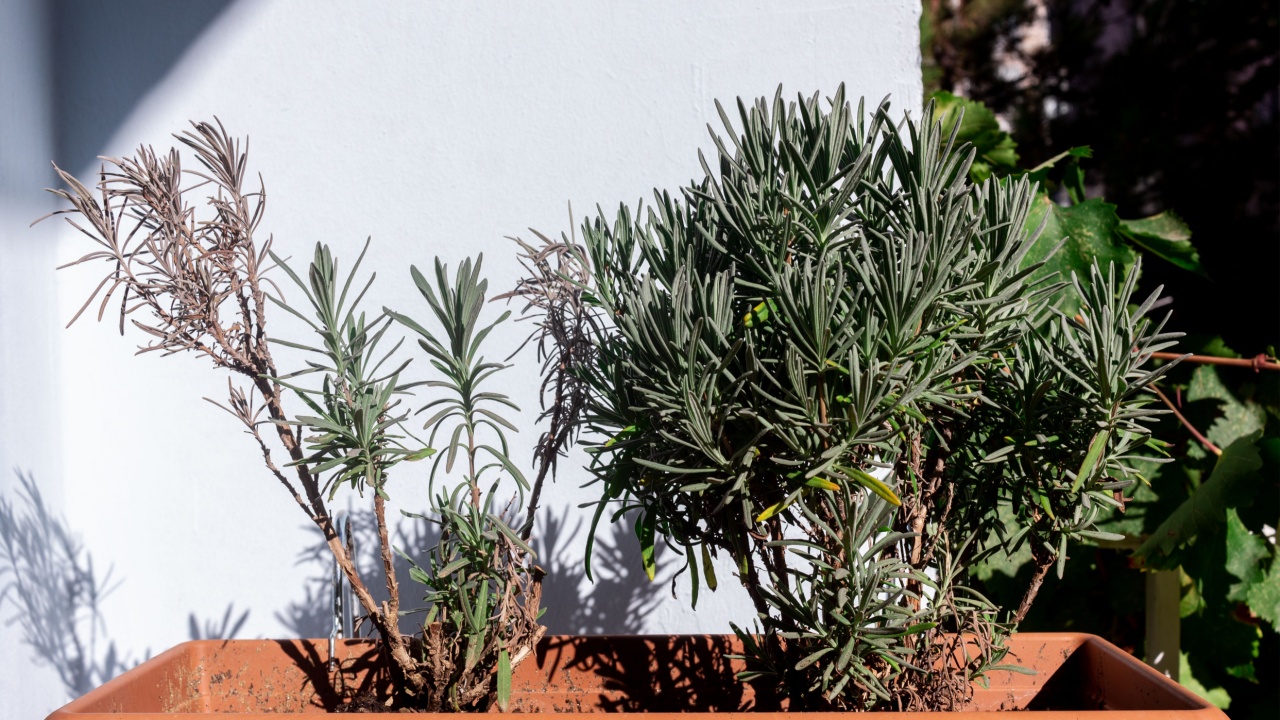
Lavender often struggles in its first year. Transplant shock is real. The root system is still establishing. Growth can be slow, blooms sparse, and the plant can look genuinely sad for a full season before it settles in and thrives.
According to Epic Gardening, lavender plants typically need a full establishment period of four to six months before their drought tolerance and vigorous bloom habit fully kick in. First-year stress is not failure. It’s the process.
To resolve it, if your lavender survived its first winter, assume it’s getting there. Resist the urge to over-water, over-fertilize, or relocate it out of impatience. Give it the spring season to show you what it can do.
Your Next Lavender Growing Attempt Will Be A Success
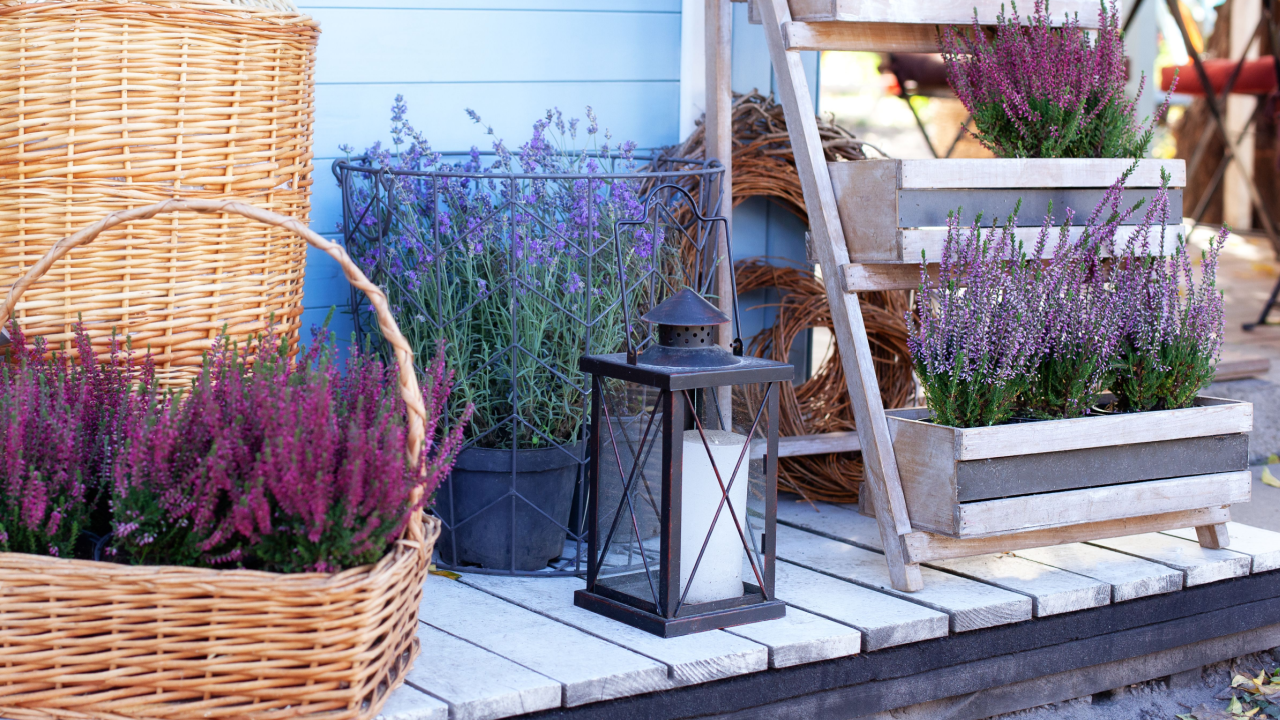
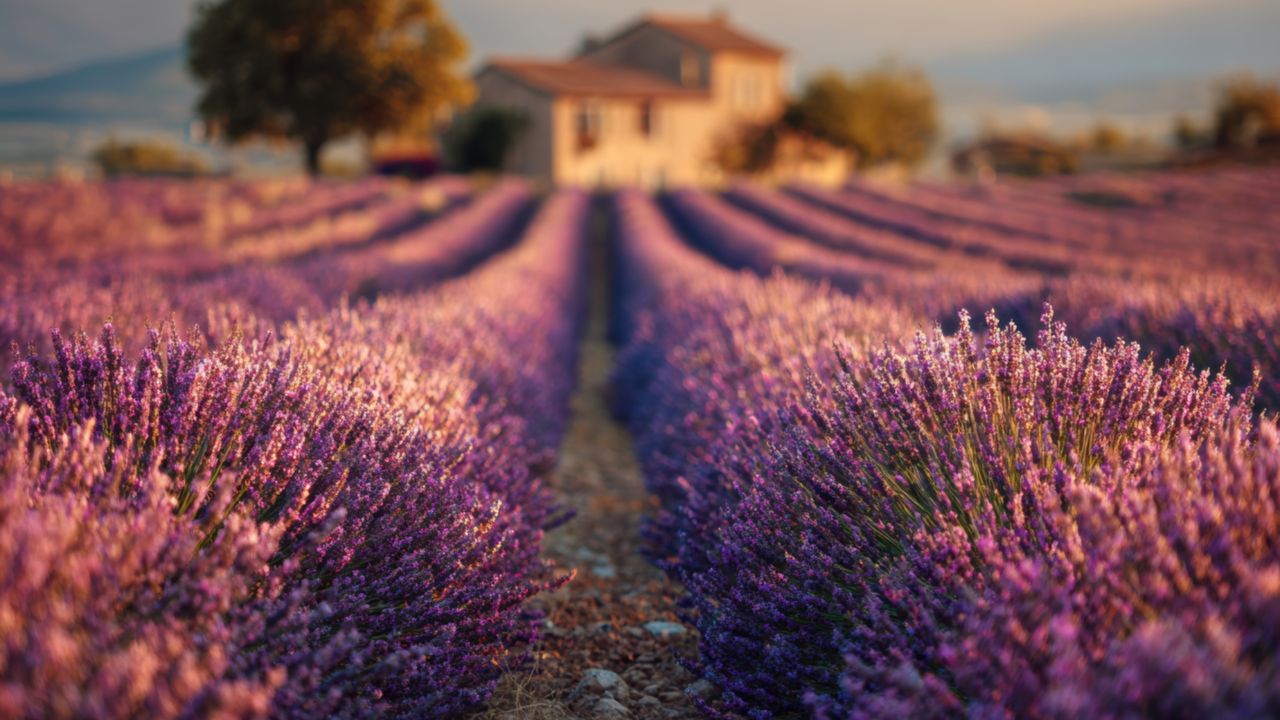
When lavender finally gets what it wants — lean soil, full sun, sharp drainage, and space to breathe — it rewards you for a decade or more with almost no effort at all. Most of the fixes above take less than an afternoon. The payoff is a plant that blooms every summer, fills the air with fragrance, brings in the pollinators, and looks beautiful doing it. That’s what lavender is supposed to be. It just needs you to get out of its way.
Read More
Washing Your Lettuce Won’t Remove Cyclosporiasis, But Growing Your Own Will
Your Grandmother Stored These 8 Foods All Winter Without Canning a Single Jar