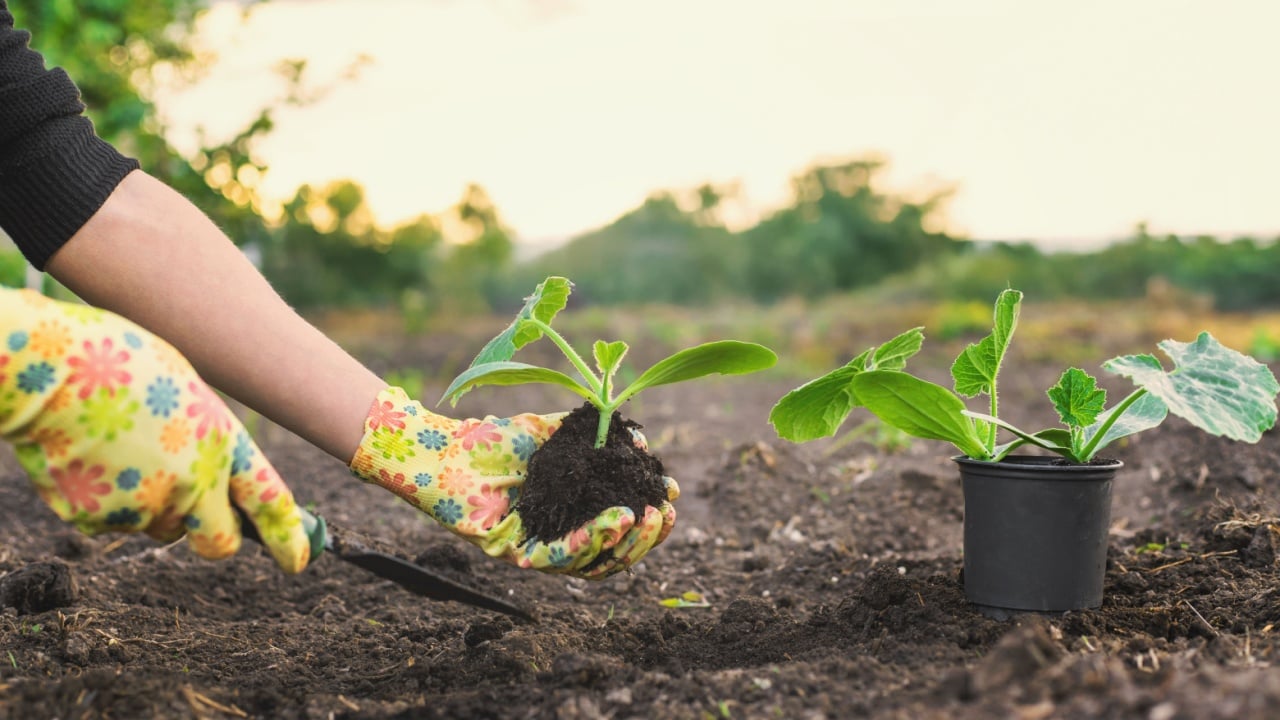
13 Seedling Transplanting Mistakes That Kill Plants Every Spring
Your seedling didn’t die from bad luck. It died from a mistake you made before it ever went in the ground — and in most cases, it’s the same mistake gardeners have been making for decades without realizing it.
March and April are the months when all that careful seed-starting work either pays off or evaporates. The gap between healthy indoor seedlings and thriving garden plants is surprisingly narrow, and most of the pitfalls are avoidable once you know what they look like.
Here are 13 seedling transplanting mistakes that cost gardeners their plants every spring, and exactly what to do instead.
1. You Skipped Hardening Off (And Your Seedlings Are About to Pay for It)
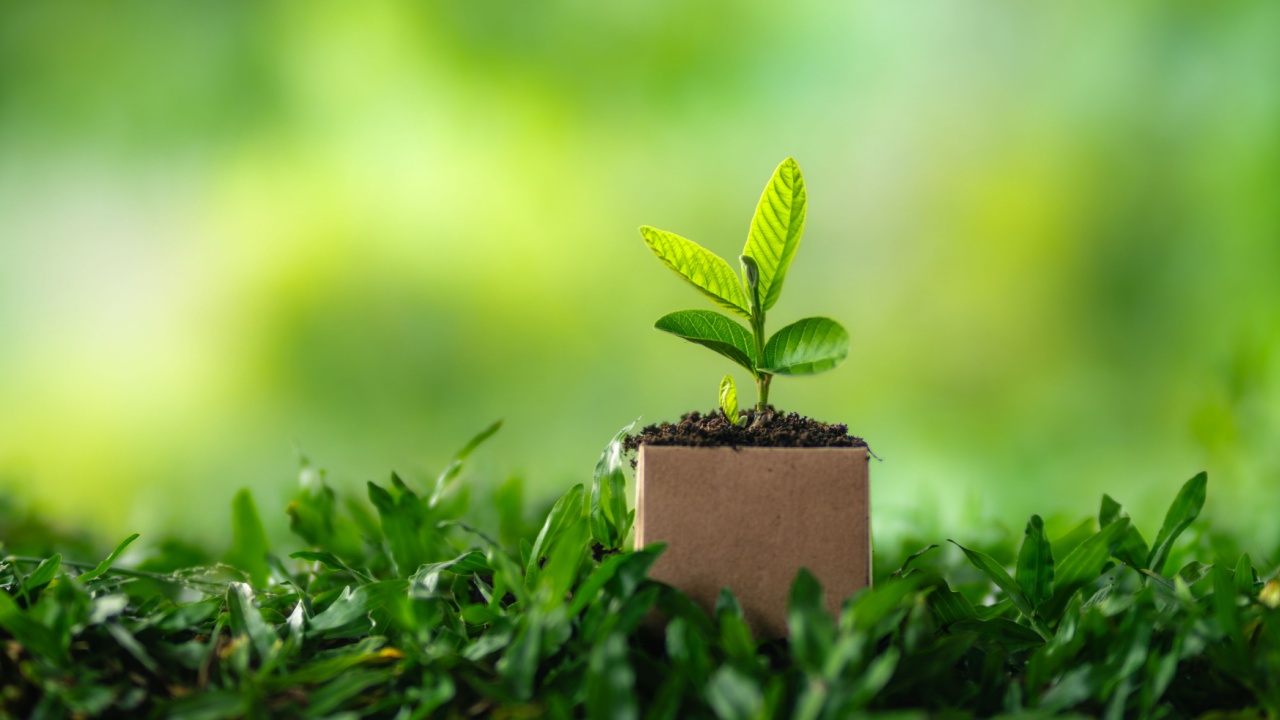
This is, without question, the single most common and most devastating seedling transplanting mistake. Hardening off is the process of gradually exposing your indoor-grown seedlings to outdoor conditions before transplanting them. And the reason it matters so much comes down to basic plant physiology.
Seedlings grown indoors under lights have never experienced direct sun, wind, or temperature swings. Their leaves have thin cuticles, and their stems are soft. When you move them directly from a protected environment to a garden bed on a bright afternoon, the shock can be severe enough to permanently stunt growth or kill the plant outright. According to Steve Reiners, Professor and Chair of the Horticulture Section at Cornell AgriTech, the transition from protected growing conditions to full outdoor sun is genuinely stressful. Reiners describes it this way: seedlings grown indoors have no defense against the sun that bears down once they are outside, and their thin leaf cuticles simply cannot protect them.
Start hardening off seedlings one to two weeks before you plan to transplant. Begin with a shaded spot for two to three hours, then gradually increase outdoor time and sun exposure over the following days. If your only obstacle is a busy schedule, even a few days of acclimatization are meaningfully better than none.
2. You Planted Too Early Because the Calendar Said So

The frost date on your planting calendar is an estimate, not a guarantee. Treating it as a hard deadline is one of the most common seedling transplanting mistakes warm-season gardeners make.
Warm-season crops like tomatoes and peppers need nighttime temperatures that consistently stay above 50°F before going in the ground. Even a brief cold snap below that threshold stresses the plant, slows establishment, and can set back your harvest by weeks. Before transplanting, check your 10-day weather forecast, not just the date. Cool-season crops like cabbage and spinach, by contrast, can go out two to four weeks before your last frost date; the timing rules work in reverse for them.
3. You Transplanted at the Wrong Time of Day
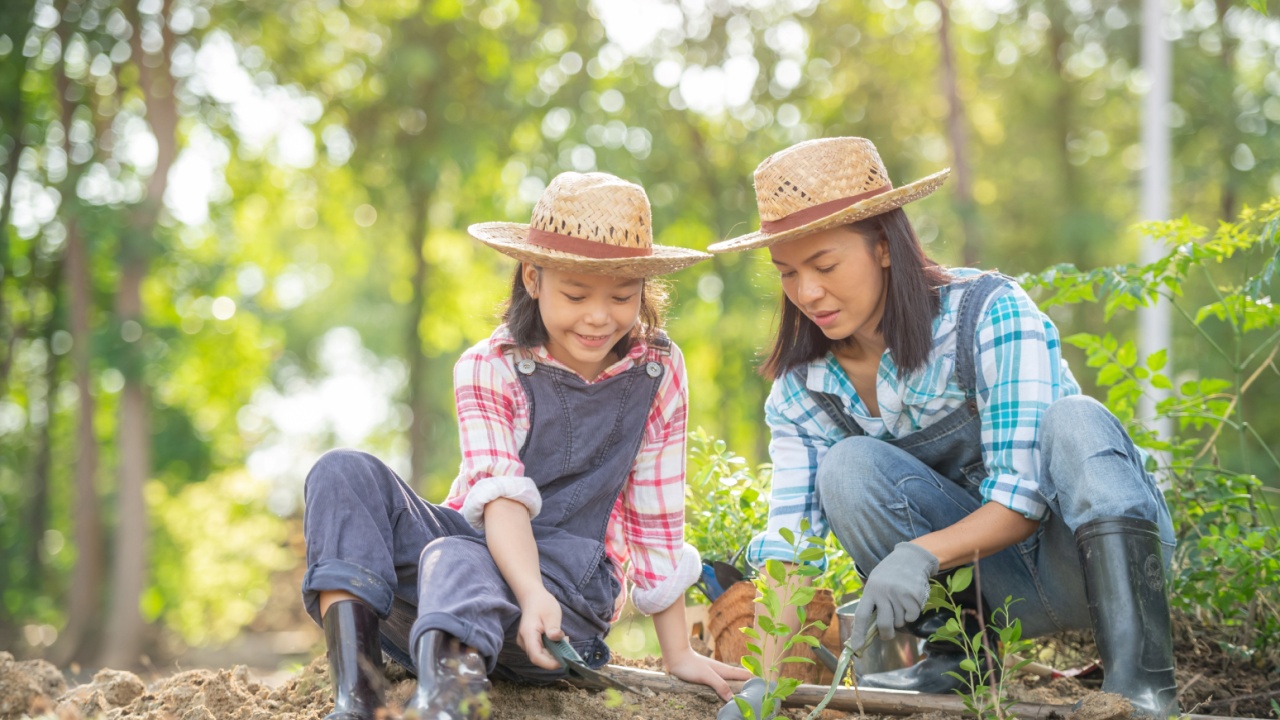
Transplanting at noon on a sunny afternoon is asking for trouble. Midday sun is the most intense of the day, and your seedlings, which are already stressed from being moved, have no reserves to handle it. According to Gardener Basics, the optimal transplanting windows are early morning and late afternoon, or better yet, a genuinely overcast day. When you plant in the evening, your seedlings get an entire night to begin adjusting before they face their first outdoor sun. That buffer can make a significant difference in whether a seedling bounces back or collapses.
4. You Disturbed the Roots
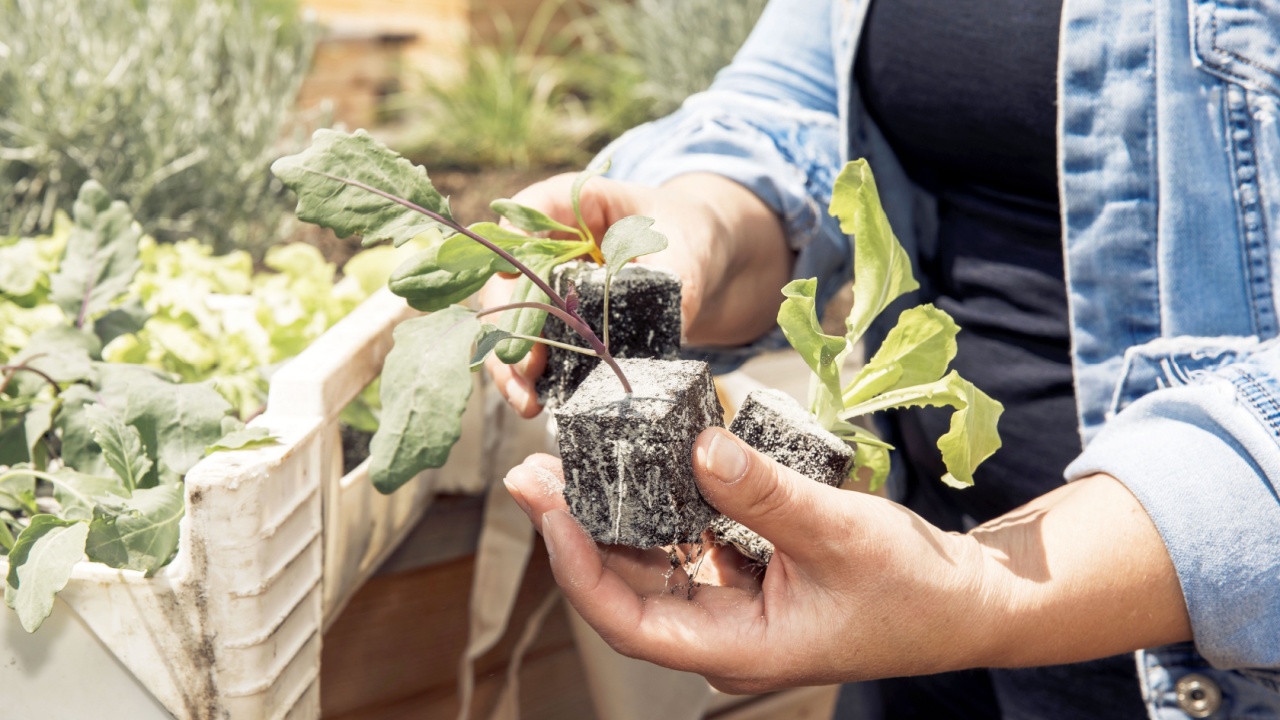
How you handle the root ball during transplanting determines more about success than almost any other factor. The roots you can see are not the ones that matter most. According to The Seed Collection, the microscopic root hairs responsible for absorbing the majority of water and nutrients are the most vulnerable structures in the entire plant, and they are almost always damaged during transplanting.
The goal is to disturb the root ball as little as possible. Do not shake the soil off, and do not squeeze, compress, or break the root mass. Move the seedling from the pot to the hole with the root ball intact, and plant it immediately. The more roots that survive the transition, the faster and more fully the plant establishes.
5. You Didn’t Prepare the Soil

A seedling placed into hard, compacted, or nutrient-depleted soil has almost no chance of establishing well. According to Epic Gardening, soil preparation before transplanting should include loosening the top 8–12 inches with a fork, mixing in finished compost to improve aeration and add beneficial microbes, and confirming the bed drains well.
Purdue Extension also cautions against a common amendment mistake: adding peat moss or a lighter soil mix to a planting hole surrounded by heavy clay soil. The contrast in texture can create a bathtub effect that traps water around the roots, suffocating them from below.
6. You Planted Root-Bound Seedlings Without Loosening Them
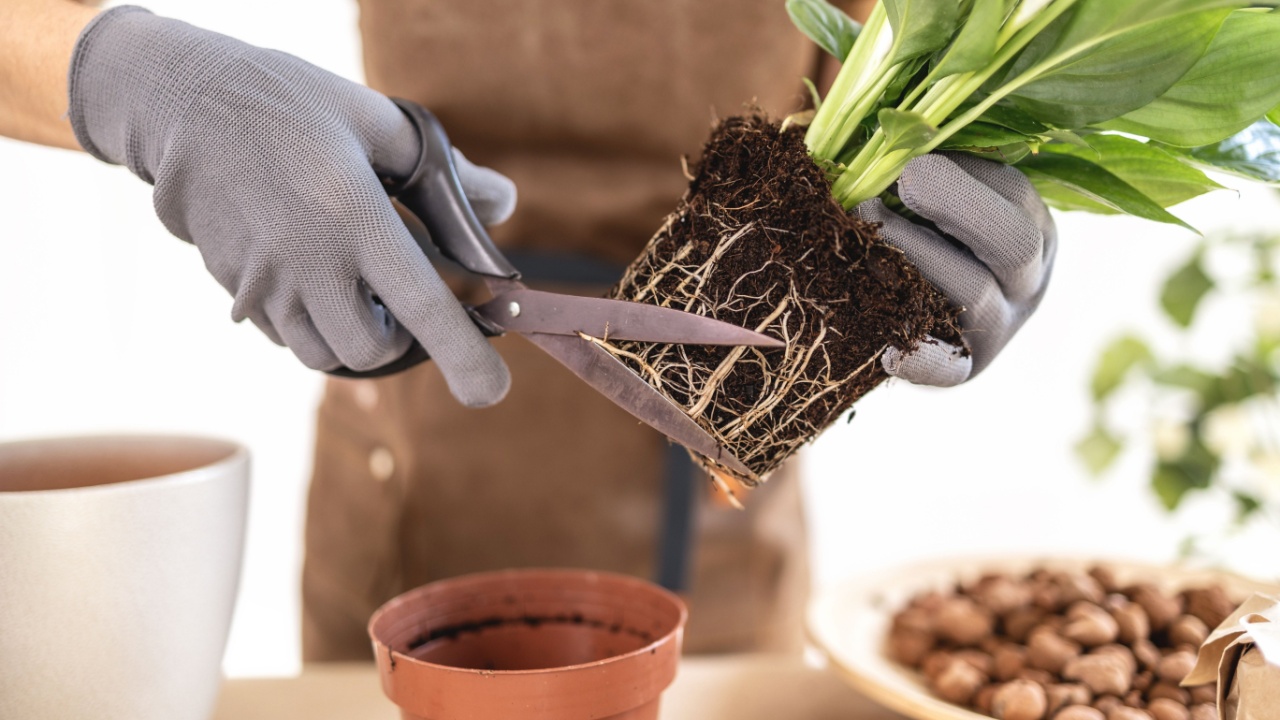
If your seedlings have been in their starting cells or pots for a few weeks too long, the roots may have begun circling the container. Unless you gently loosen those circling roots before planting, they will continue growing in that pattern underground rather than spreading outward.
Root-bound seedlings that aren’t loosened at transplanting time are likely to remain stunted, even in perfect soil. A gentle tease of the root ball with your fingers is all it takes to redirect the roots toward their new growing medium.
7. You Buried Them Too Deep (or Not Deep Enough)
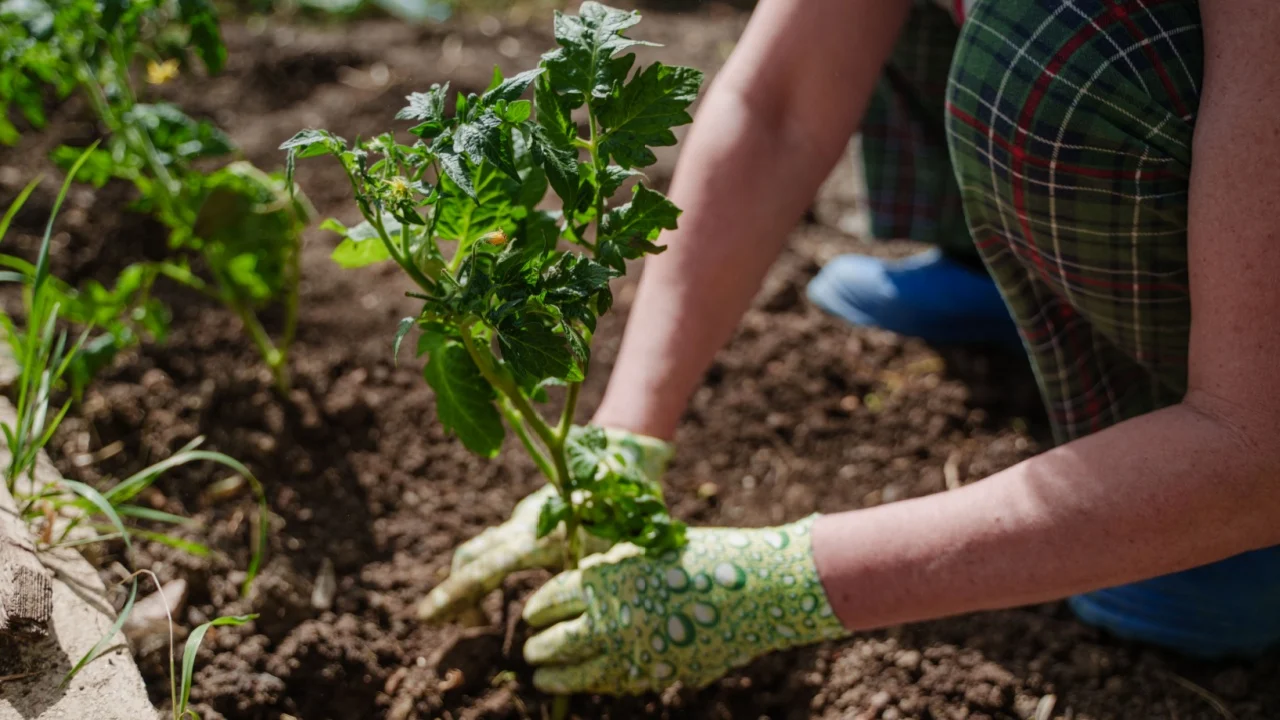
Most seedlings should be planted at the same soil depth they were growing at in their containers. Planting too deep can suffocate the crown and rot the stem; planting too shallow leaves roots exposed to temperature extremes.
According to the Ohio Farm Bureau Federation, you can identify the correct planting depth by noting the color change on the plant’s stem where it was previously at soil level. Tomatoes are the notable exception; they can and should be buried deeply, with up to two-thirds of the stem underground, where it will develop additional roots. This exception applies almost exclusively to tomatoes.
8. You Fertilized Right at Transplanting Time
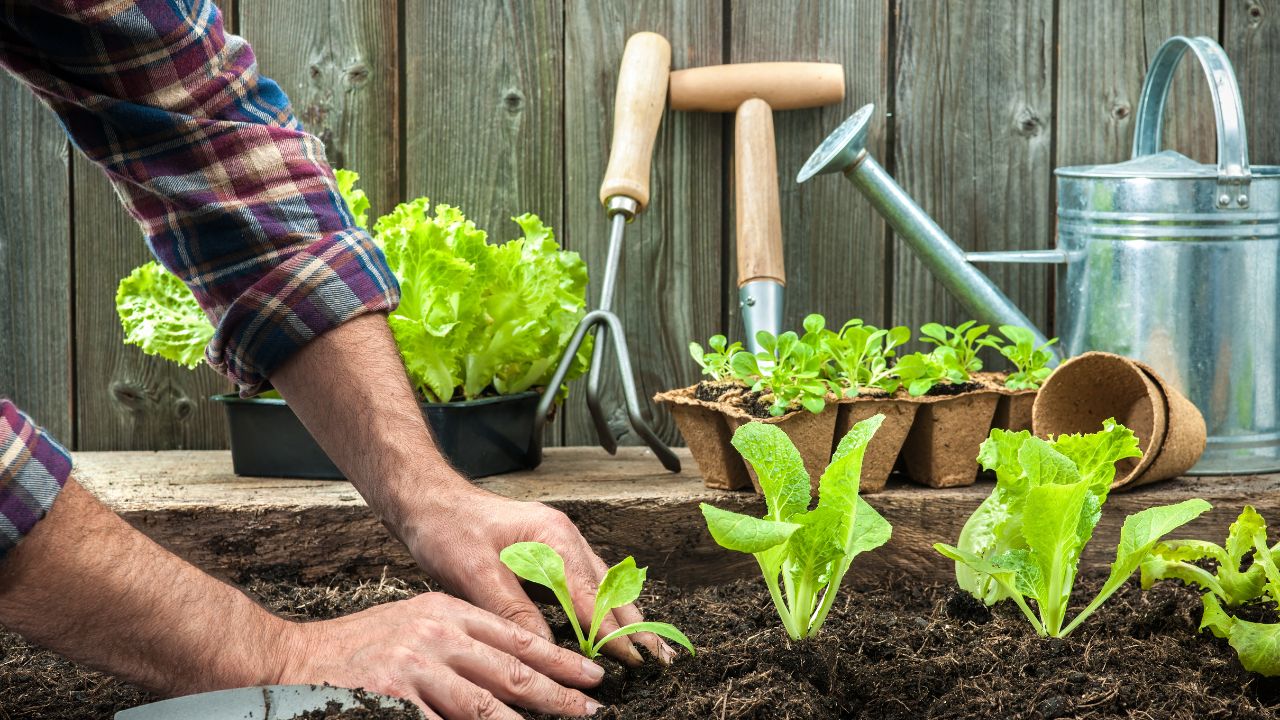
Here is the counterintuitive one. Your instinct is to feed your seedlings the moment they go in the ground, to give them a boost during a stressful moment. The opposite is true.
Applying nitrogen-rich fertilizer at transplant time adds chemical stress to a plant already managing root disruption, temperature change, and new soil conditions. According to The Seasonal Homestead, too much nitrogen at planting can actually impede establishment and, in some cases, cause root burn. The right time to fertilize is after you see new growth; new leaves and extending shoots signal that the plant has established its root system and is ready to uptake nutrients.
9. You Forgot to Water the Hole Before Planting
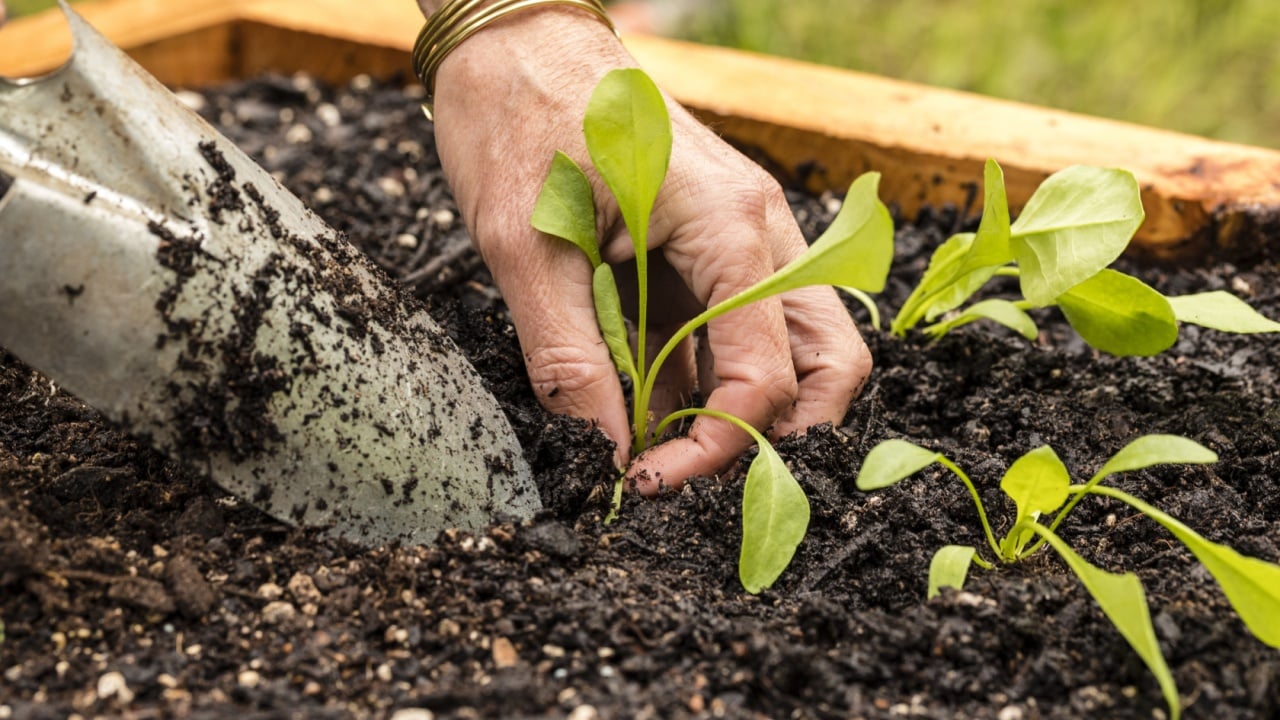
This is the step almost everyone skips, and it makes a measurable difference. Before placing your seedling in the planting hole, water the bottom of that hole thoroughly. This eliminates air pockets, ensures the roots have immediate moisture contact with the surrounding soil, and prevents the first post-planting watering from pulling the seedling loose.
Seeds and Scraps recommends forming a small moat around the base of the planted seedling and filling it, allowing the water to soak fully into the soil before you consider the job done.
10. You Transplanted in the Wrong Spot
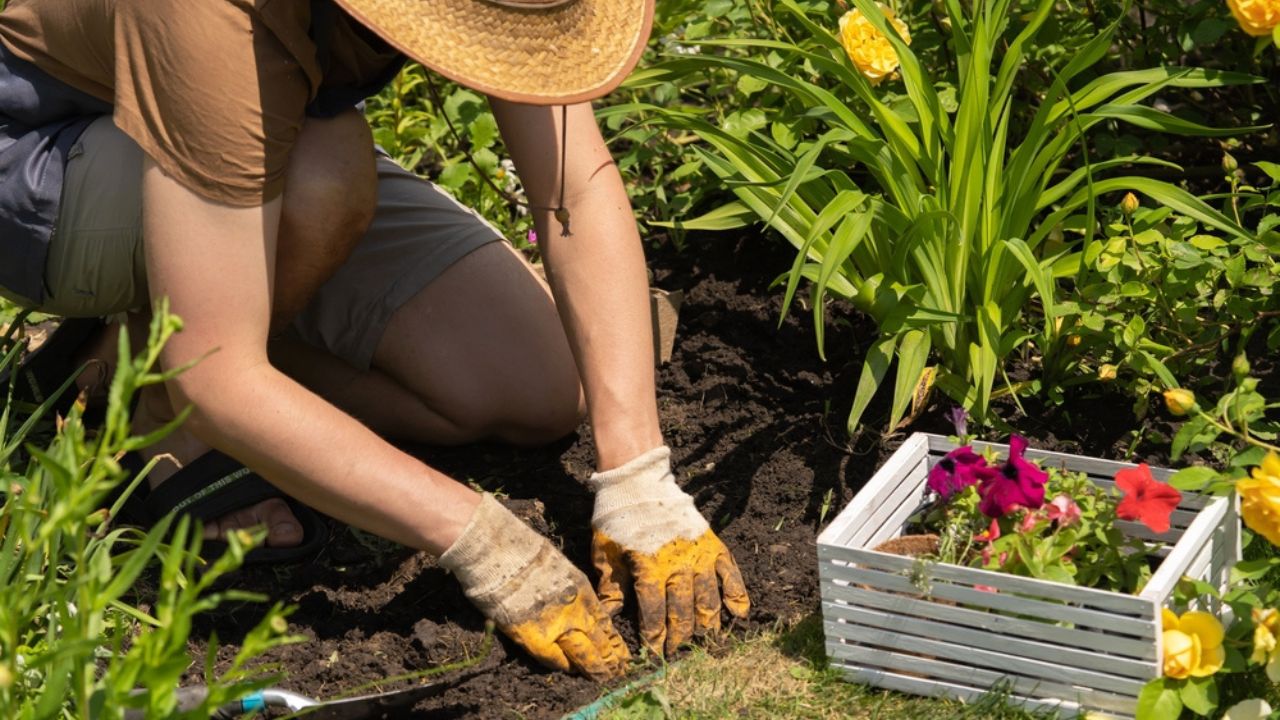
A sun-loving tomato planted in afternoon shade. A cool-preferring spinach in blazing south-facing exposure. These are slow-motion failures that aren’t obvious on planting day and become unmistakable by midsummer.
According to Gardening Know How, most vegetables require at least six hours of direct sunlight daily, with heat-lovers like peppers thriving in eight or more. Take time before the season begins to observe where your garden actually receives sun at different times of day; it may not be where you assume.
11. You Ignored the Spacing Instructions
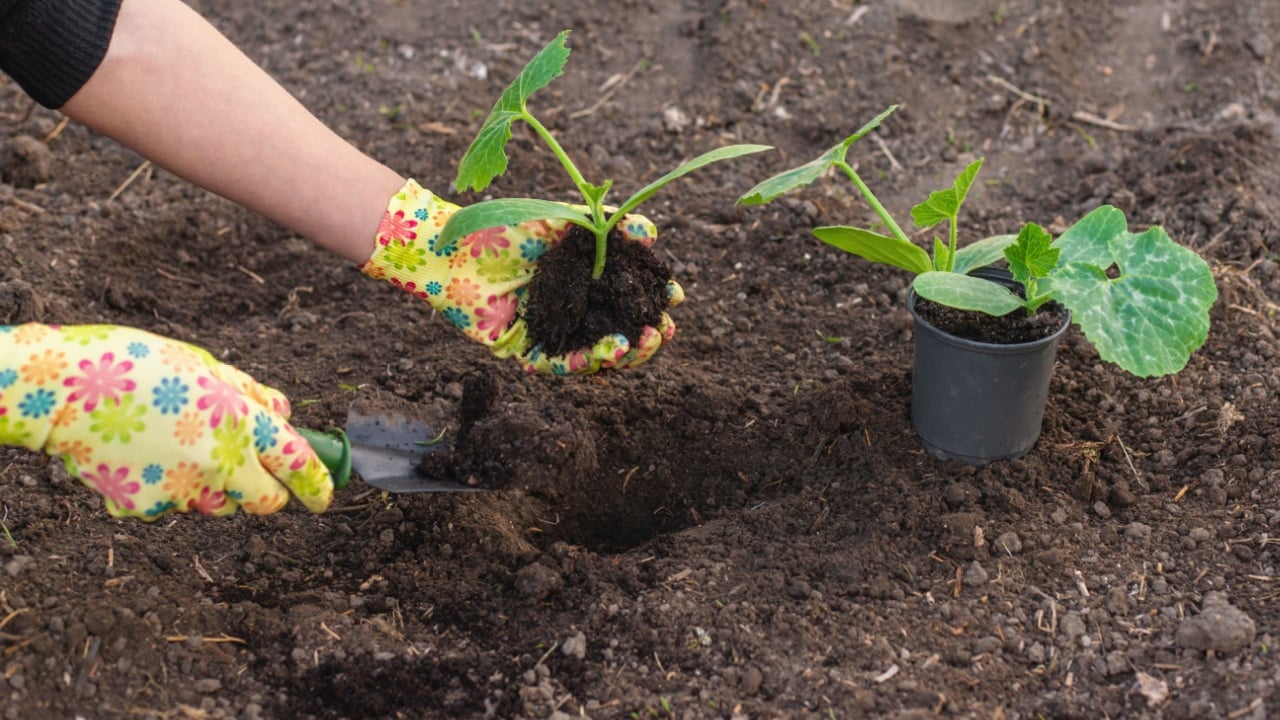
Those numbers on the plant tag are not suggestions. According to Brett Kessler, landscape architect and founder of Tract Workshop, as quoted in Real Simple, plants spaced too close together are forced to compete for every resource: air, water, sunlight, and nutrients.
The stronger plant wins; the weaker plant declines. Spacing too far apart has its own consequence: isolated plants lose the community shelter and moisture-retention benefits that properly dense plantings provide. The instinct to crowd small seedlings together because they look sparse with all that bare soil between them is one of the most universally shared gardening regrets.
12. You Transplanted Plants That Needed to Be Directly Sown
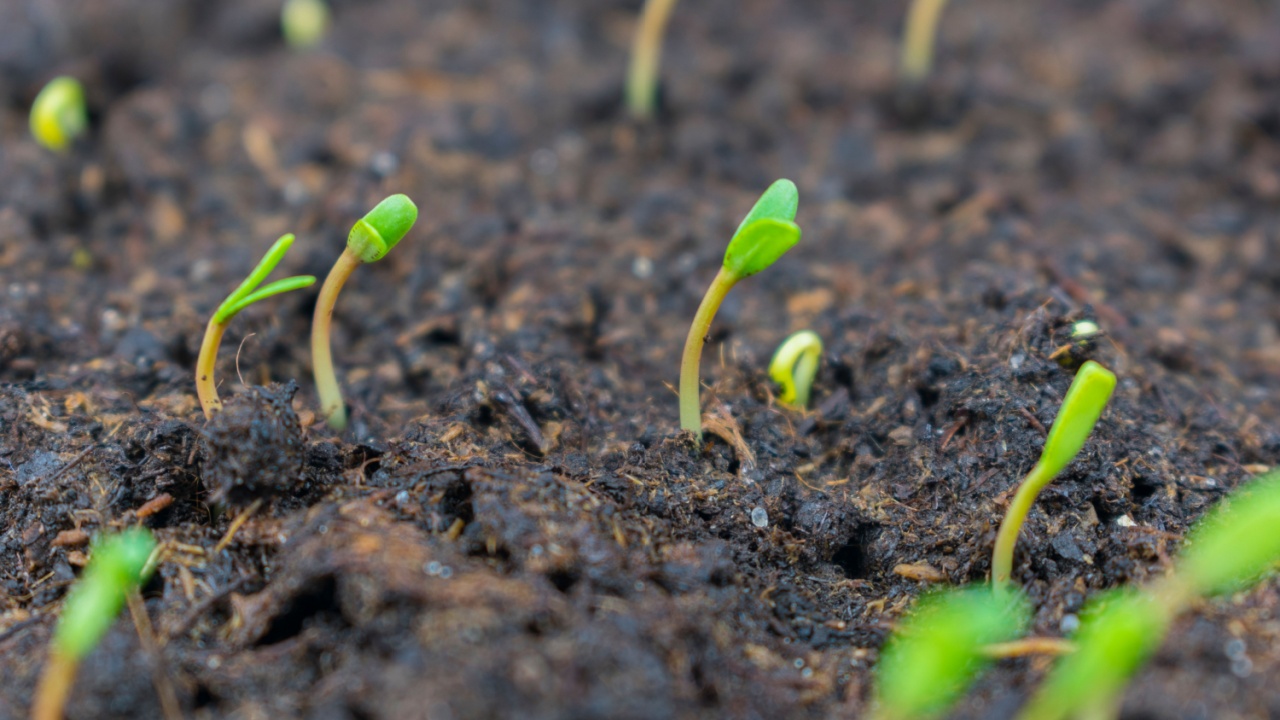
Carrots, radishes, beets, and most root vegetables should never be started indoors and transplanted. According to Homestead and Chill, root vegetables have long, delicate root systems that are irreversibly damaged by transplanting.
If you grow carrots in seedling cells and then move them to the garden, you will get forked, twisted, or stunted roots at best, and complete crop loss at worst. These crops belong in the ground from day one, direct sown exactly where they will grow.
13. You Didn’t Mulch After Planting
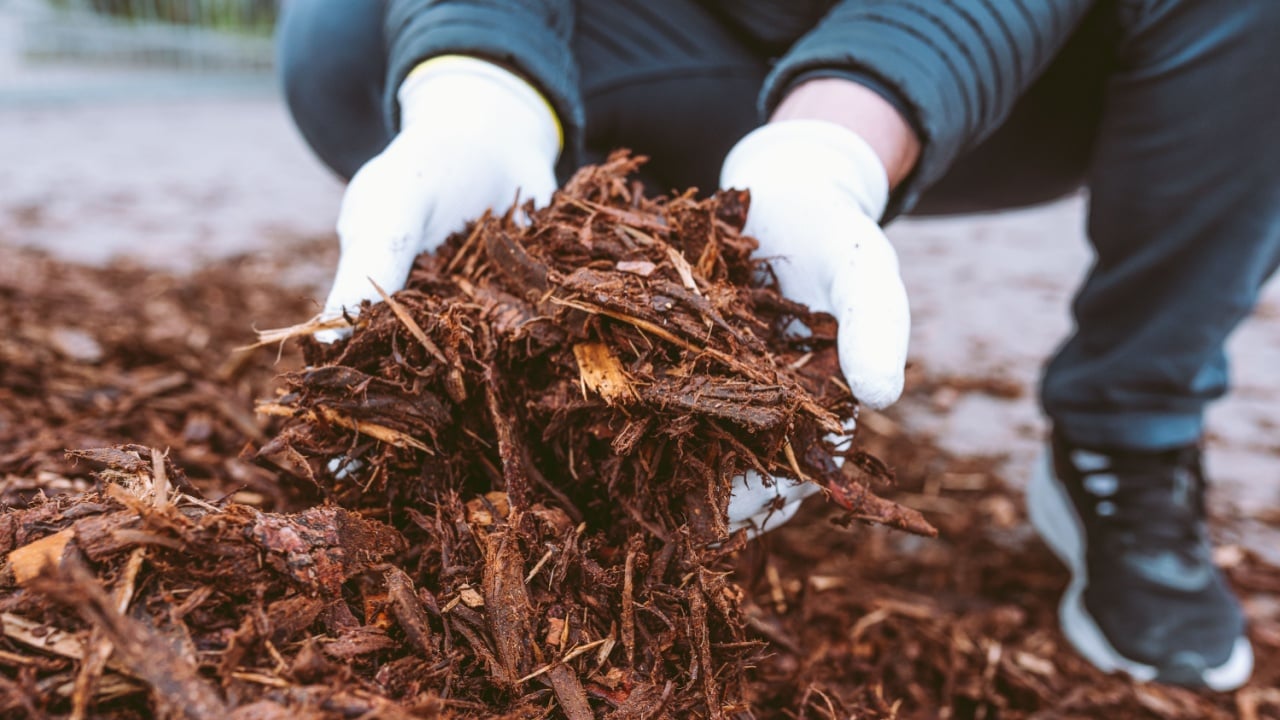
Mulching is so effective and so low-effort that skipping it is a genuine waste. A two-to-four-inch layer of mulch around each transplant retains soil moisture during the critical first weeks of establishment, buffers root-zone temperature, and suppresses weeds that would otherwise compete with your new plants.
According to the Davey Tree Expert Company, mulch should extend from the base of the plant out to the outermost leaves, but should never touch the stem directly, as stem contact can encourage rot.
What to Do Instead
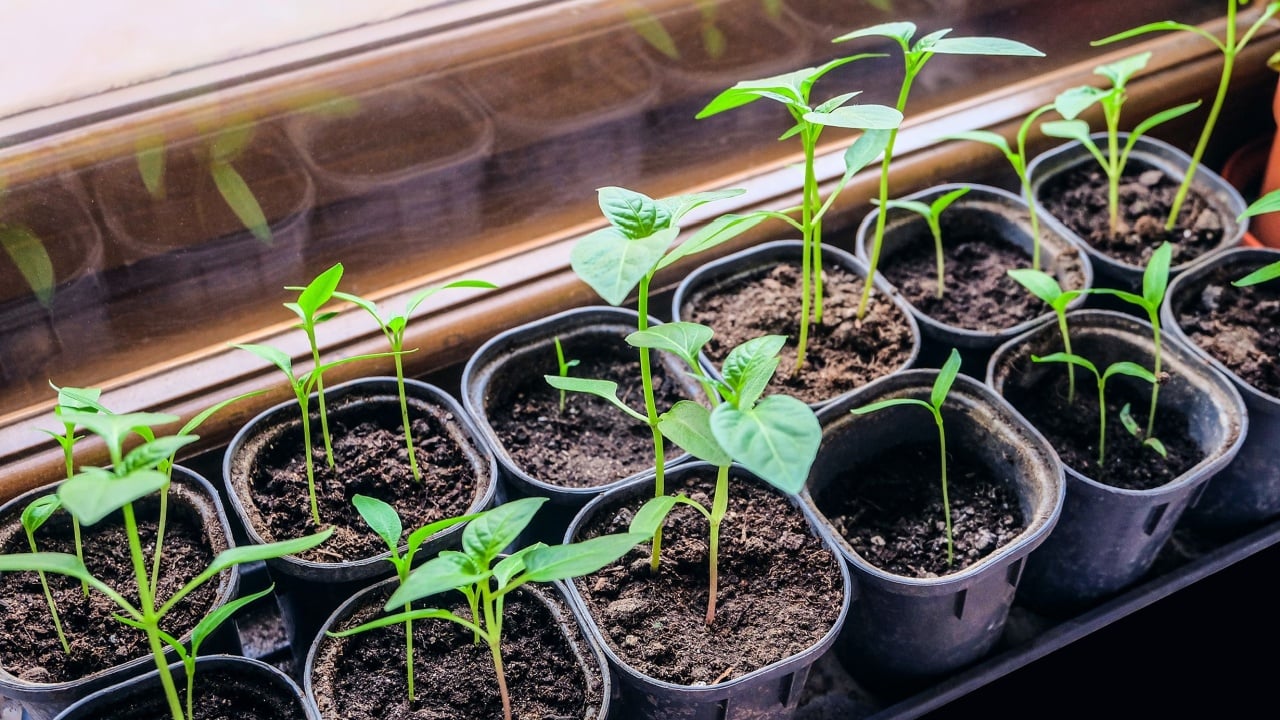
The good news: most of these mistakes come down to a handful of practices. Harden your seedlings before they go outside. Check the ten-day forecast before any transplant day. Amend and loosen your soil in advance. Plant in the evening or on an overcast day. Keep the root ball intact. Pre-water the planting hole. Skip the fertilizer for the first week or two. Mulch everything when you’re done. Done in that order, transplanting stops being a gamble and starts being a repeatable success.
Your Garden Is More Resilient Than You Think
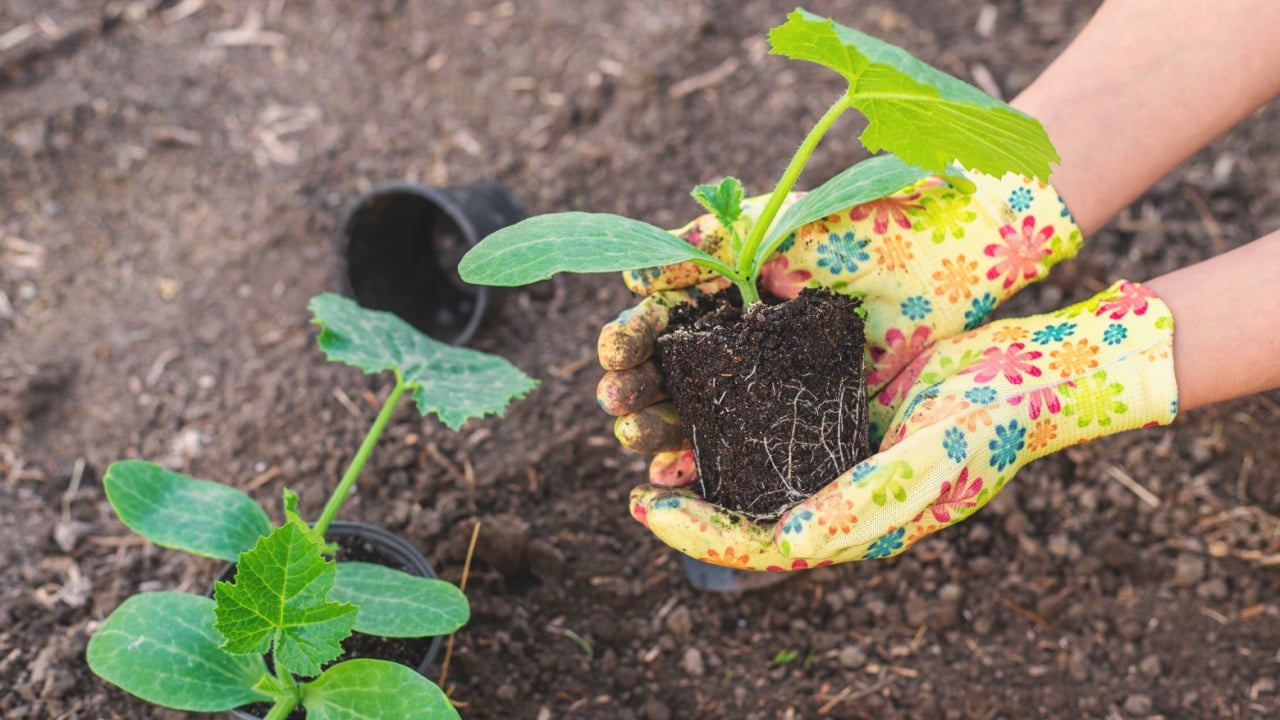
Plants are tougher than they look, and transplanting doesn’t have to feel like a high-stakes risk. The gardeners who lose seedlings every spring aren’t making catastrophic mistakes; they’re making small, fixable ones. This March and April, go in with a checklist rather than a hope, and your seedlings will have every advantage they need to establish, thrive, and reward your weeks of careful growing.
Read more:
Why wildlife experts are telling people to take down their bird feeders
Plant these 10 companion plants with your tomatoes — and stop planting these 4