12 Vegetables That Worth Every Penny to Grow for Their Massive Yield
You’ve probably been growing the wrong vegetables. Not wrong in the sense that they fail, but wrong in the sense that they cost almost nothing at the store and take up the most room in your garden.
If your goal is to actually lower your grocery bill, the plants that belong in your beds this spring are not necessarily the ones you’ve been growing.
The good news is that the highest-ROI crops in the vegetable garden are often the simplest to grow, the most compact, and the easiest to squeeze into a raised bed, a container, or even a sunny corner of a back porch.
What Makes a Vegetable Actually Worth Growing?
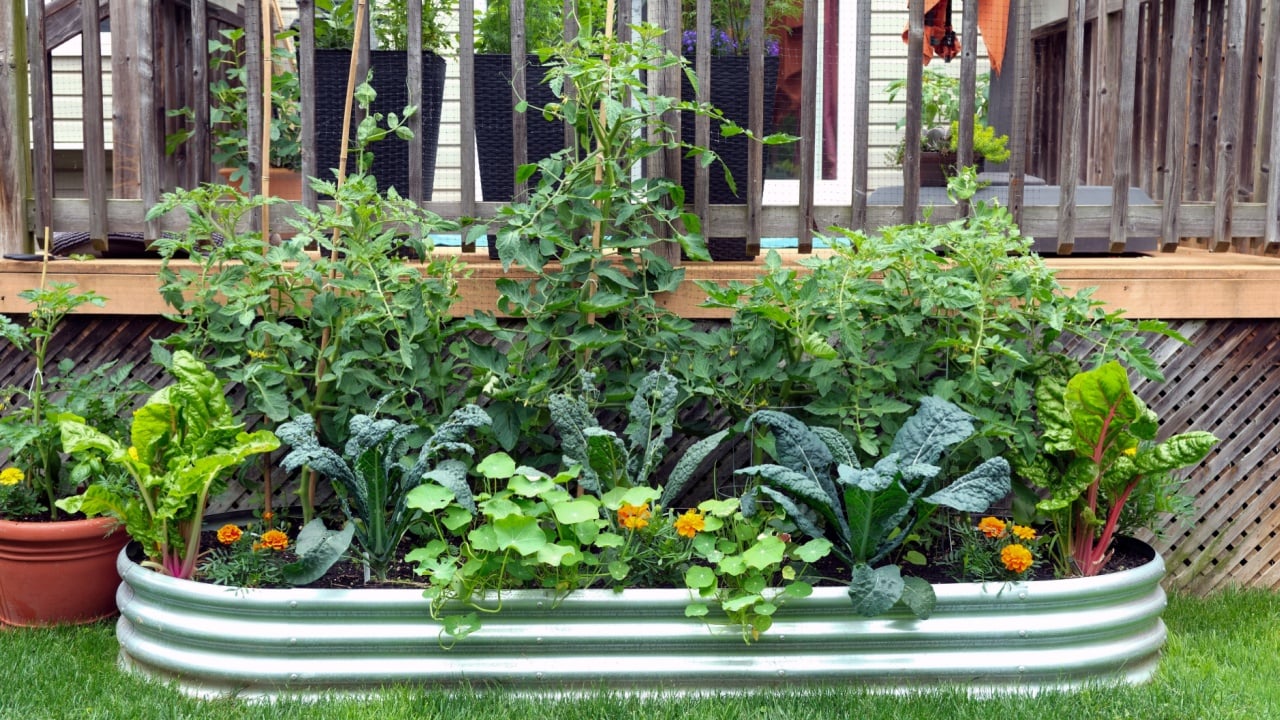
Not every vegetable earns its garden real estate from a savings perspective. The crops that truly pay off share three qualities: they cost significantly more at the store than they do to grow from seed, they produce heavily relative to the space they occupy, and they require minimal intervention between planting and harvest.
Watch out for the opposite trap. The book The $64 Tomato, a gardener’s cautionary tale, follows one man’s elaborate backyard setup that ultimately cost him $64 per tomato once tools, soil, and infrastructure were factored in. The lesson is not that gardening doesn’t save money. It’s that restraint and smart crop selection matter as much as the growing itself.
Here are the 12 best bang-for-your-buck vegetables to grow this year.
1. Fresh Herbs (Basil, Parsley, Chives, Thyme)
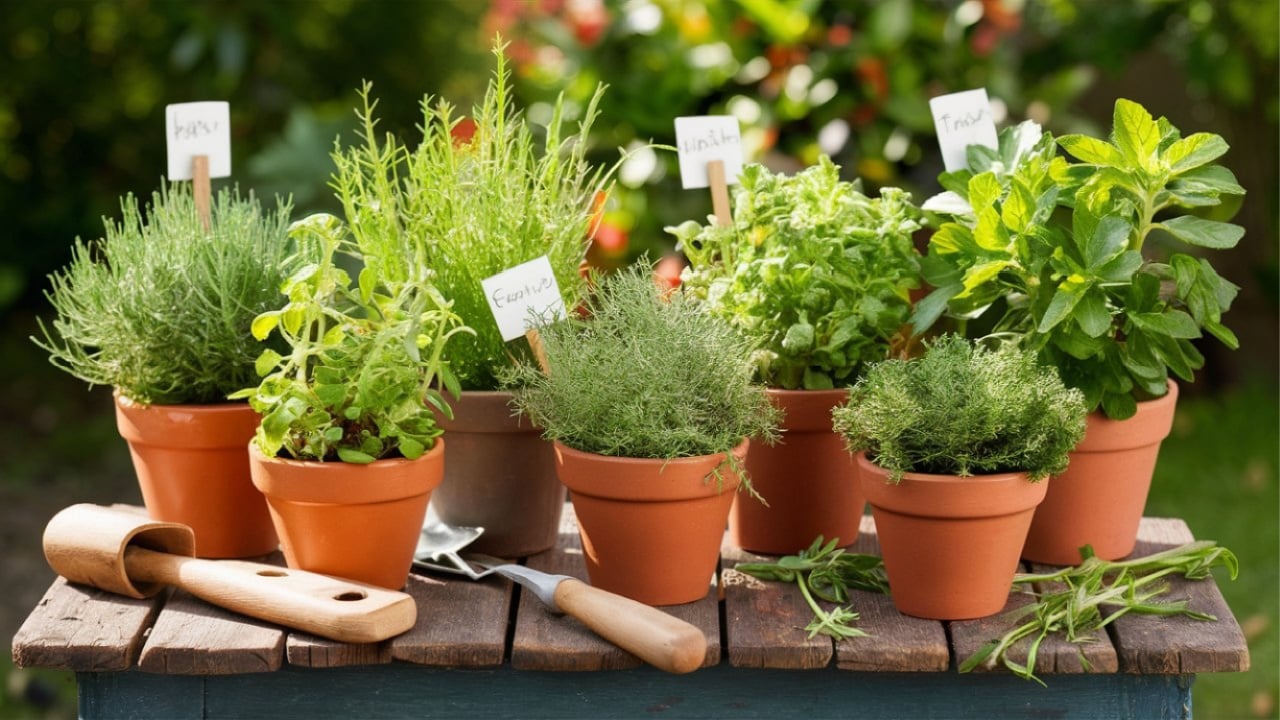
Here is the most surprising fact in the vegetable garden: a small bunch of fresh herbs at the grocery store costs $3 to $5 and wilts within days. That same $3 to $5 will buy a seed packet or a small transplant that harvests on demand for an entire season, or for years in the case of perennial herbs like rosemary, thyme, chives, and sage. Basil alone earns its place for pesto production; just two or three plants will keep you in fresh leaves all summer and well into fall.
2. Leaf Lettuce and Salad Greens
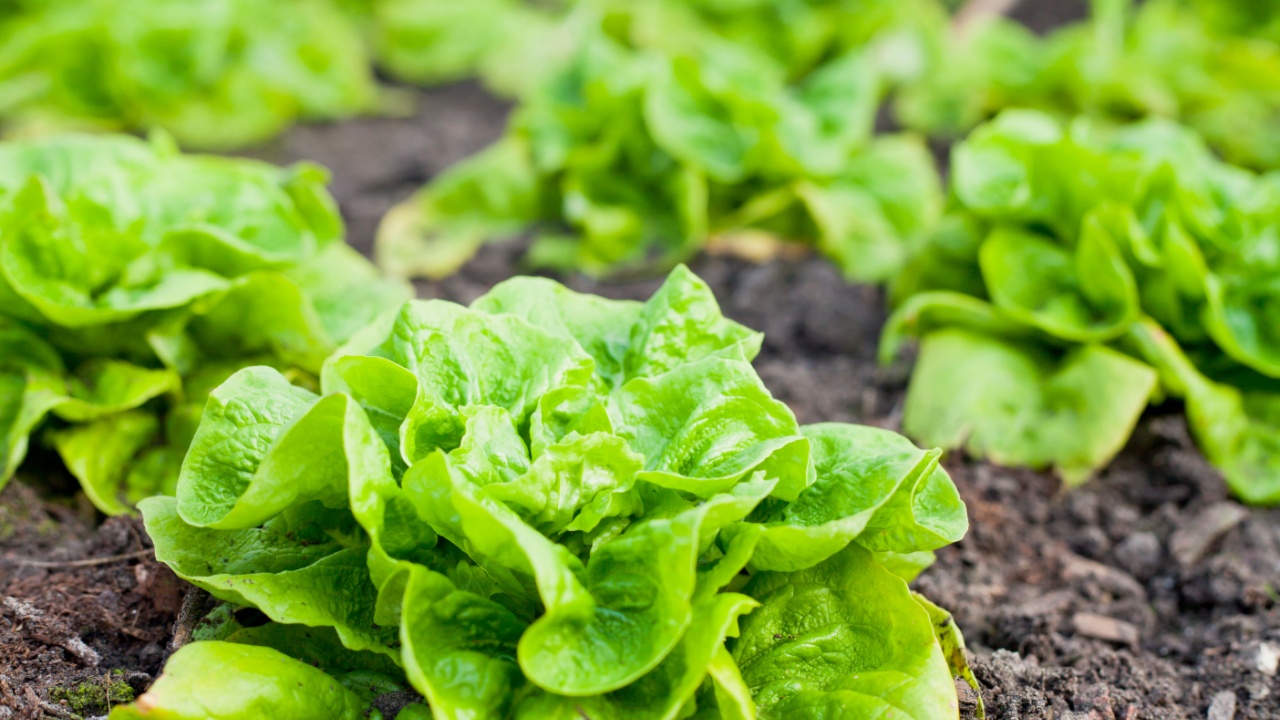
Bagged salad mixes are one of the most marked-up items in the produce section, and they go bad within a week regardless of how carefully you store them. A cut-and-come-again leaf lettuce keeps producing fresh leaves as long as the weather stays mild. Sow a short row every two or three weeks from early spring onward, and you’ll have salad almost daily from a strip of garden no wider than a kitchen counter.
3. Cherry Tomatoes
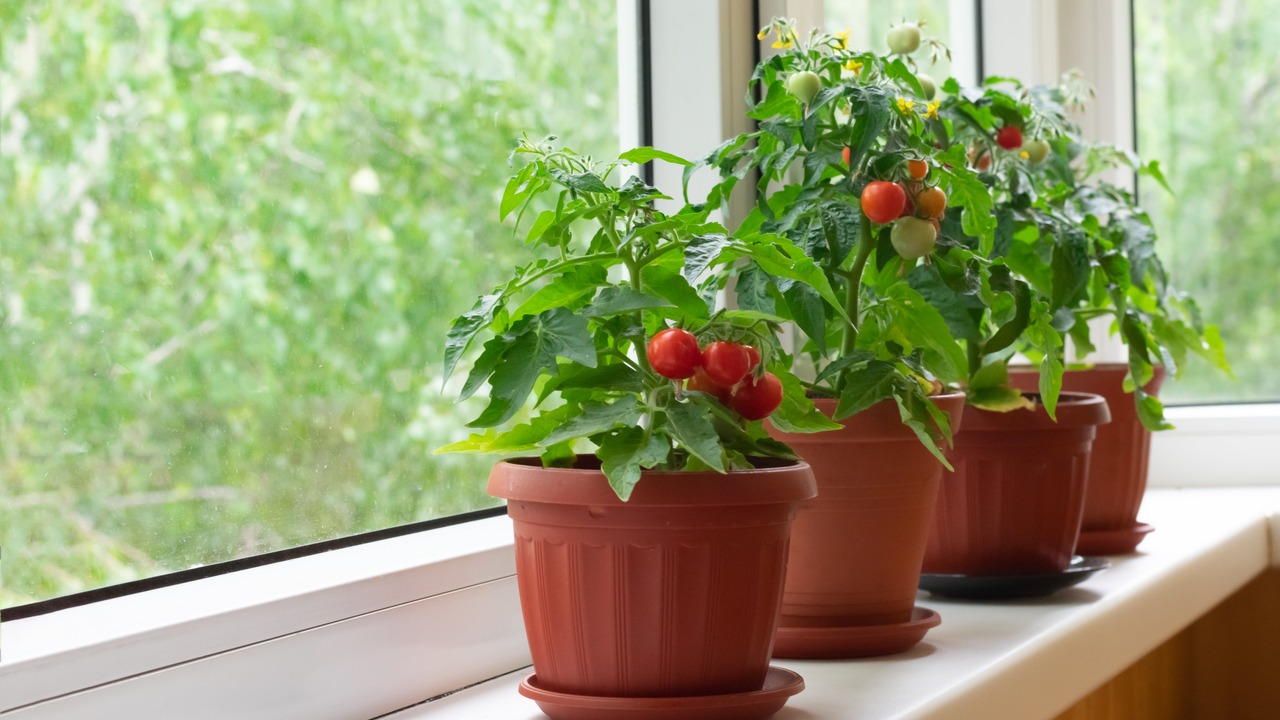
Cherry tomatoes are the crown jewel of the savings-focused garden. A single plant can yield several pounds of fruit per week at peak season, and organic cherry tomatoes regularly retail at $3.69 per pound or more. The flavor gap between a vine-ripened homegrown cherry tomato and a grocery store version is so dramatic that many experienced gardeners report they simply cannot go back to buying them.
4. Zucchini
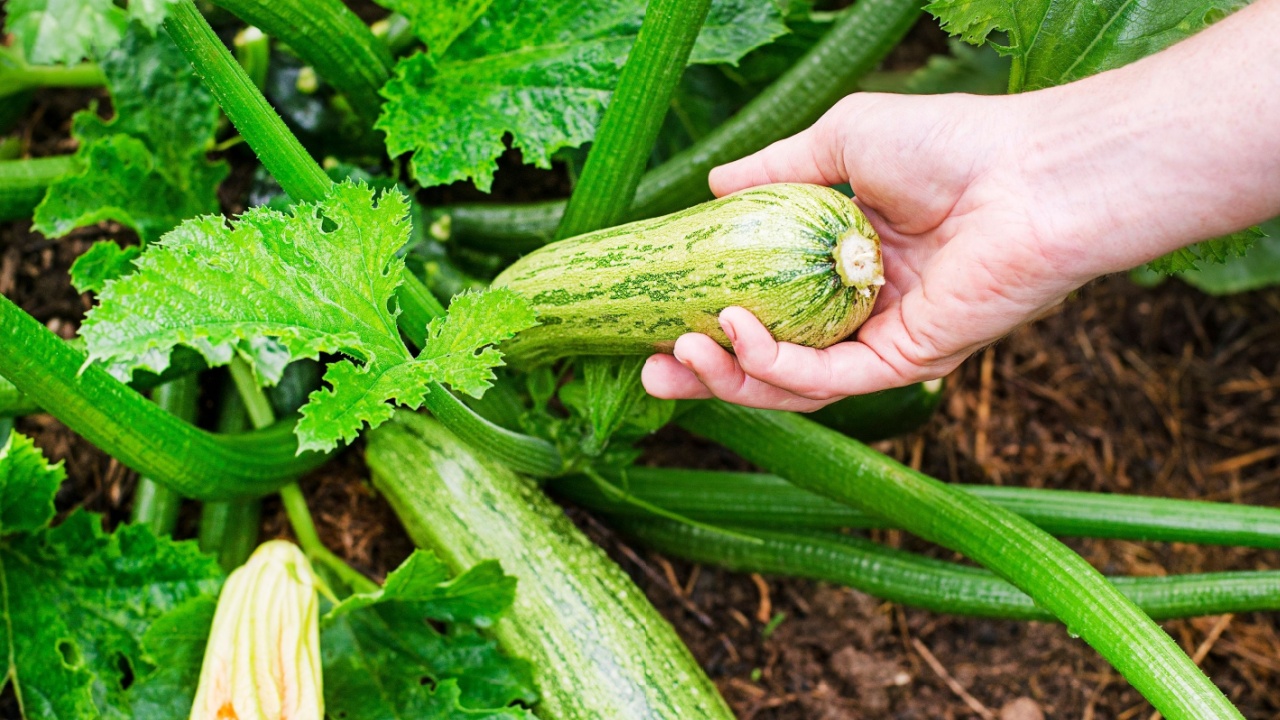
One plant produces abundantly throughout summer, and the fruit can be eaten fresh, frozen for later, baked into bread, or dehydrated. The flowers are also edible and are priced as a specialty item at fine food stores. Plant one or two, no more, and harvest every single day at peak season, or the fruit will outgrow its best eating stage.
5. Pole Beans
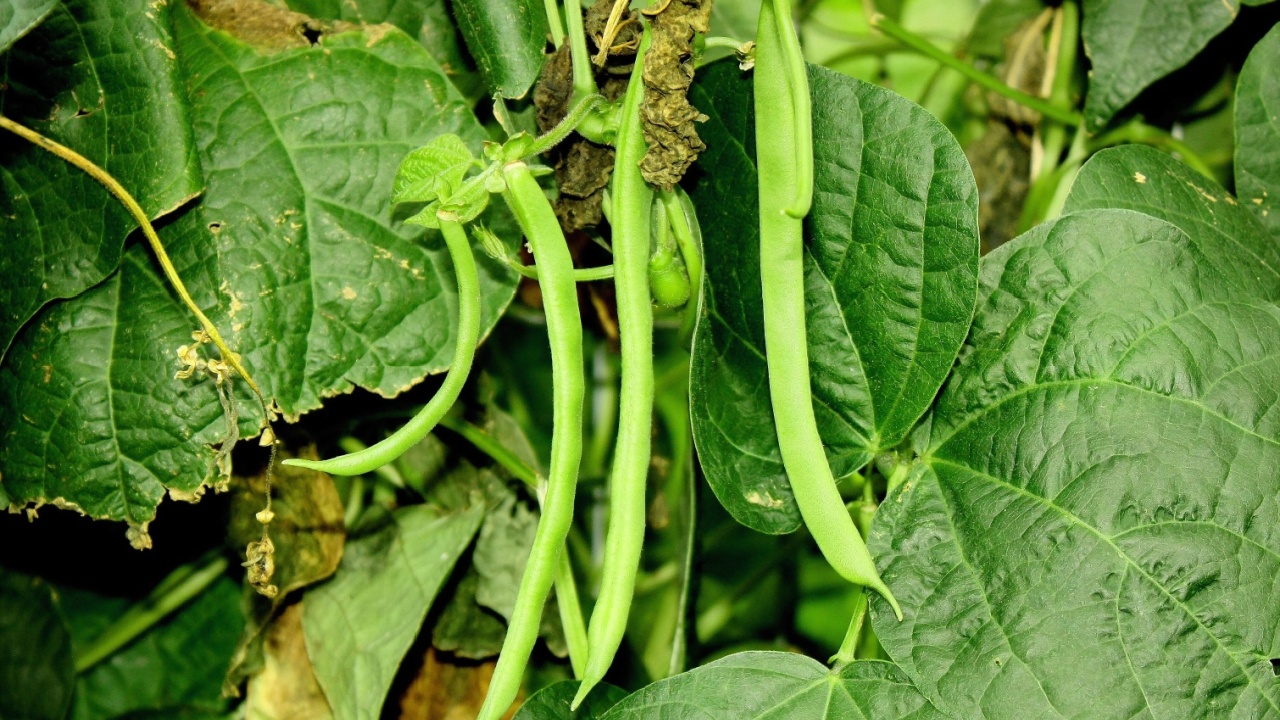
Pole beans outperform bush beans in nearly every savings metric: they produce more pounds per square foot, bear fruit over a longer season, and freeze easily with minimal prep. A packet of pole bean seeds costs a few dollars and can sow an entire trellis row. Stay on top of picking, and a short row feeds a family through summer and well into fall.
6. Cucumbers
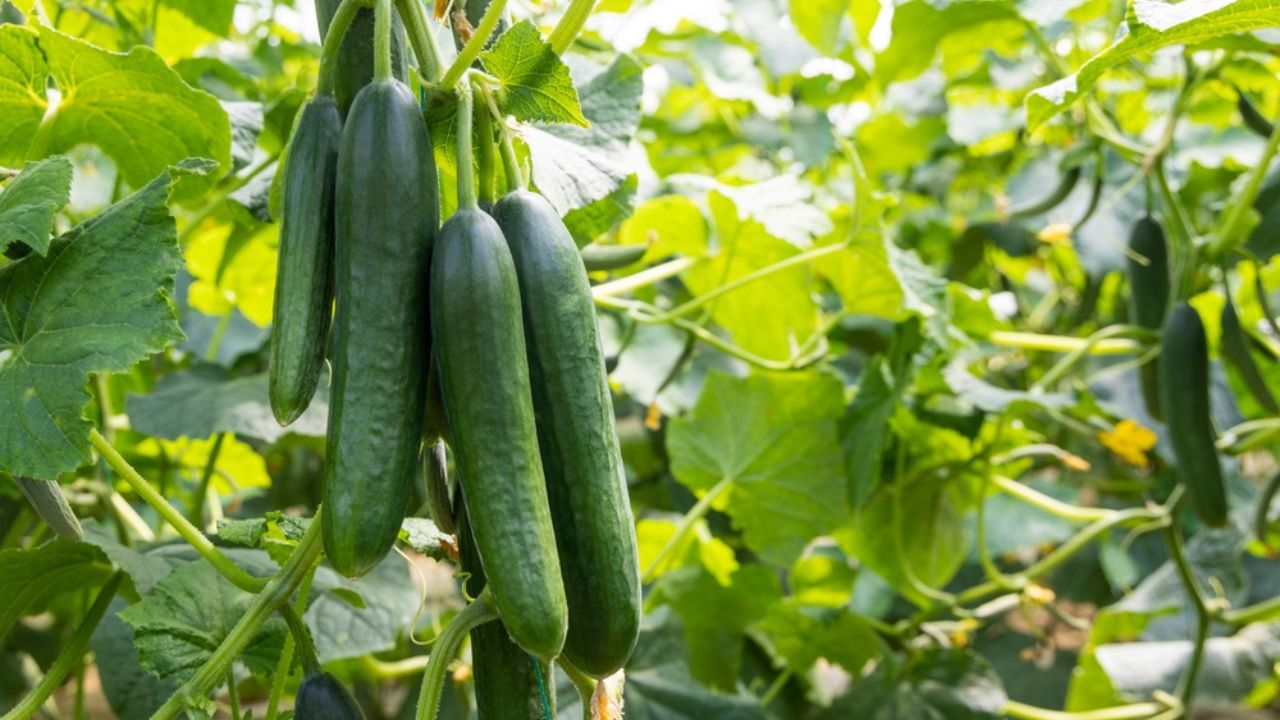
Grown vertically on a trellis, a single cucumber plant can yield between five and ten cucumbers per season, and two or three plants trained up a cage the size of an end table can easily produce fifteen to thirty cucumbers. Beyond fresh eating, homegrown cucumbers make exceptional pickles, extending their value across the whole year.
7. Hot Peppers

One poblano plant can yield 40 or more peppers in a season; jalapeños and other chili varieties are similarly prolific. As a bonus, hot peppers freeze whole with zero preparation. Just wash, dry, and drop them into a freezer bag. They are ready to use straight from frozen in any cooked dish, making preservation as effortless as it gets.
8. Kale
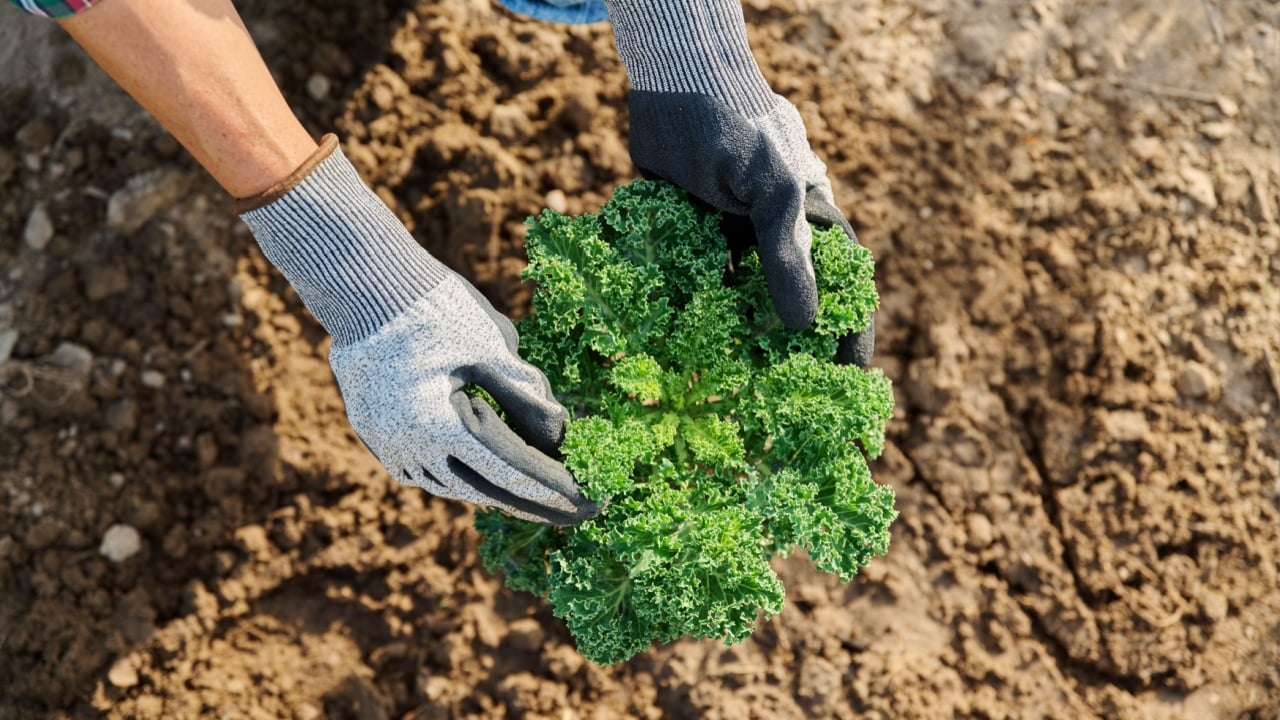
Kale earns its place through endurance. Unlike most vegetables that peak and fade, kale can be harvested almost year-round with a little planning. Sow it in early spring for summer harvests, then again in midsummer to carry production into fall and even through light frosts. Pick outer leaves regularly, and the plant keeps producing from the center.
9. Swiss Chard
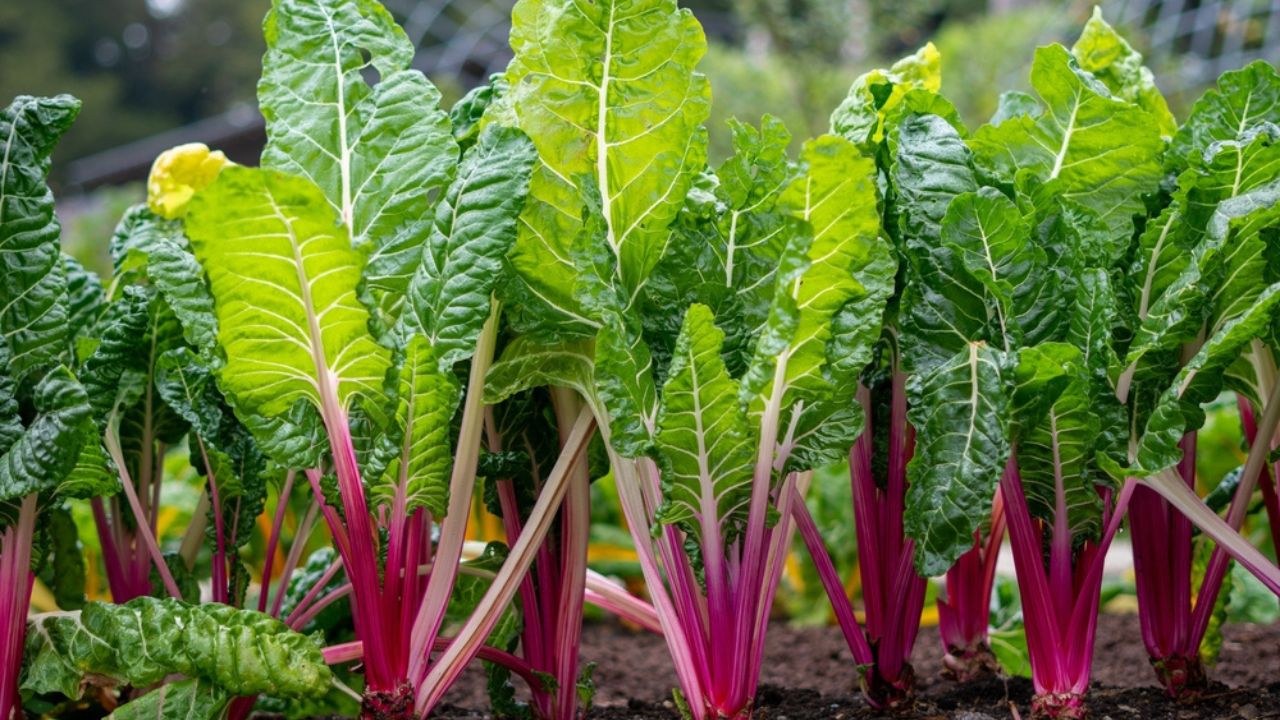
Swiss chard tolerates both heat and cool temperatures better than most greens, meaning it produces across a longer window than lettuce or spinach. The colorful stalks are also almost impossible to find at a typical grocery store, making it one of the crops where home growing is essentially the only realistic option. Sow once and harvest outer leaves continuously for several months.
10. Radishes
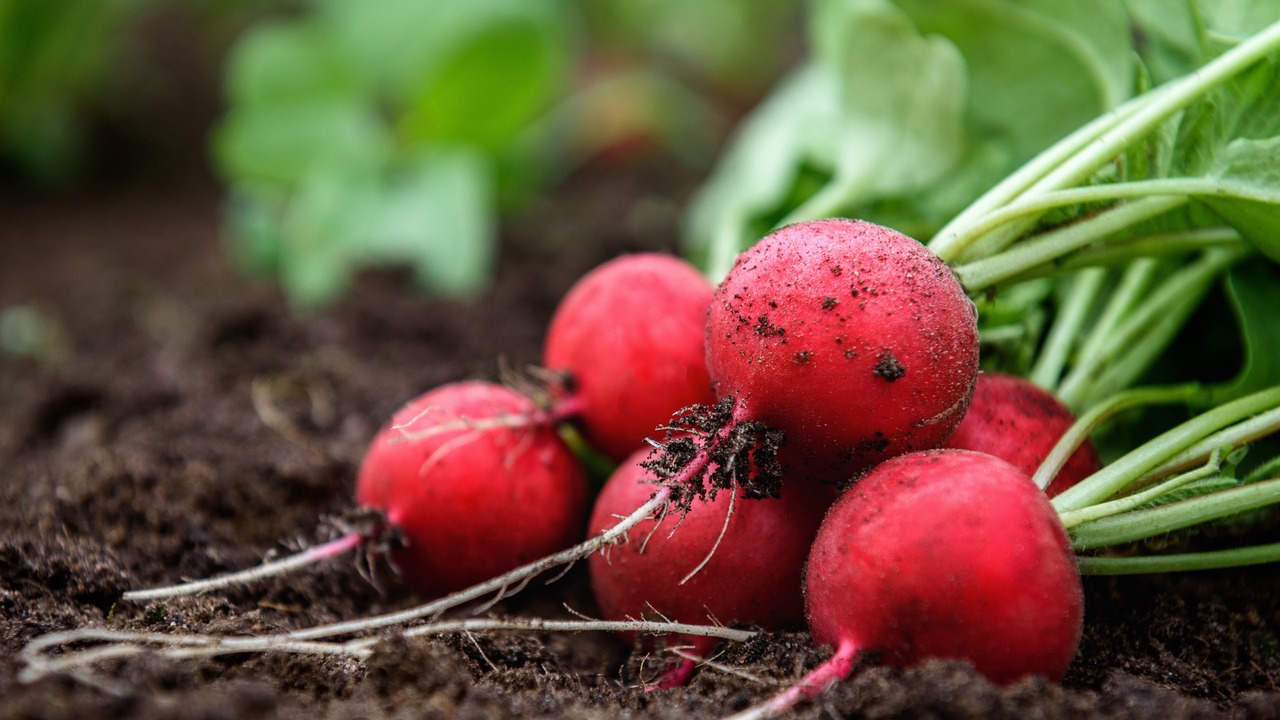
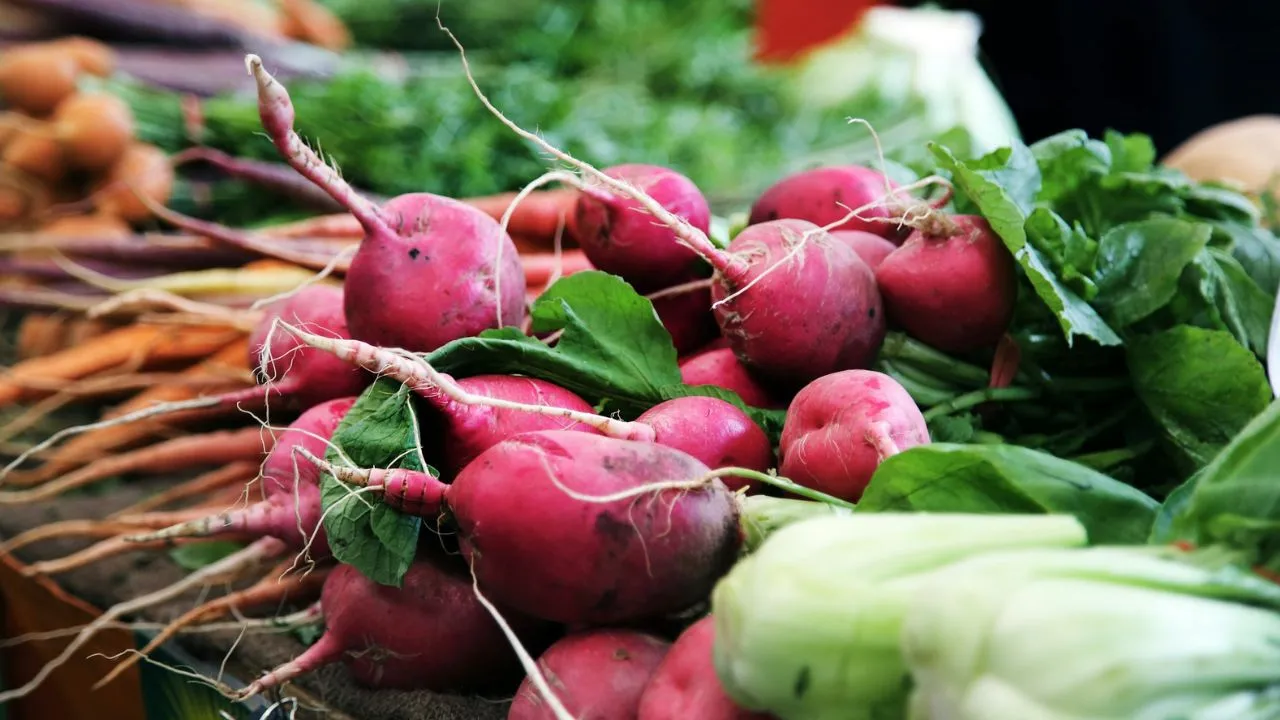
Radishes are the fastest payoff in the vegetable garden, with some varieties ready to harvest in as little as 28 days from seed. A $5 packet can contain up to 1,000 seeds, making the cost per radish essentially negligible. They tuck between slower-growing crops without competing for space and provide a steady, fresh harvest during the weeks when the rest of the garden is still getting established.
11. Blueberries
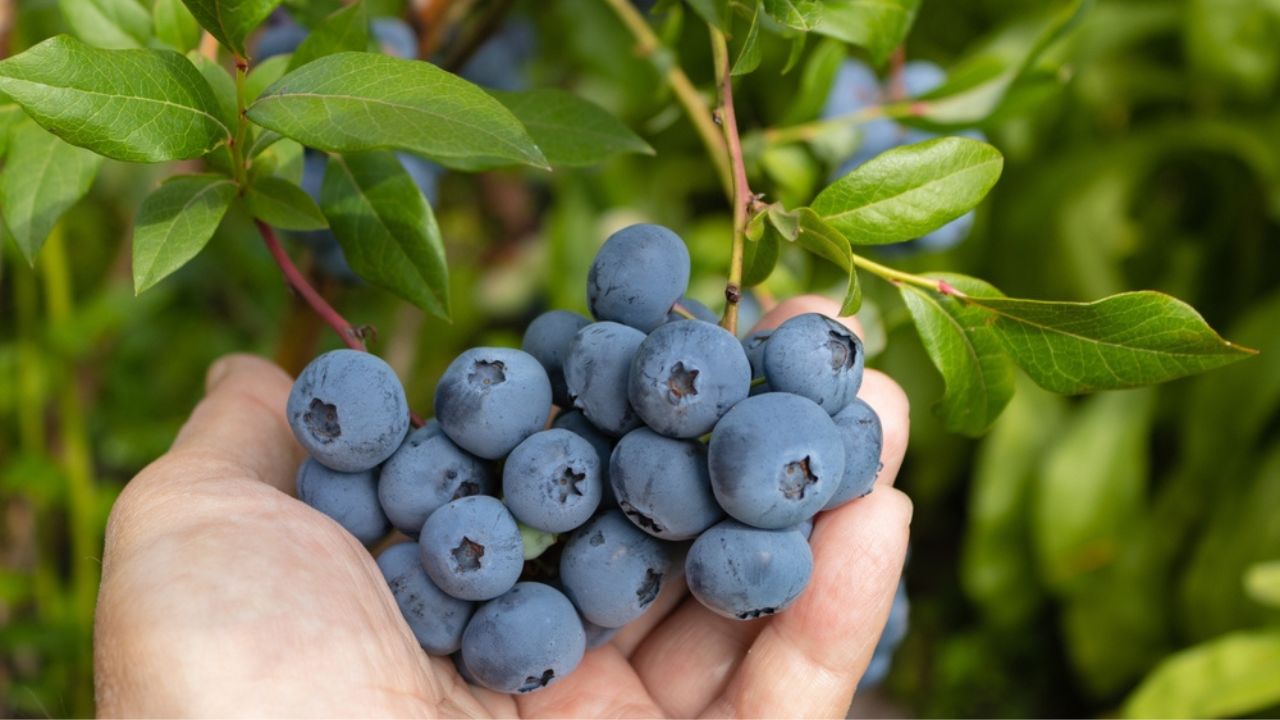
A healthy blueberry bush produces for ten years or longer, yields pounds of fruit each summer, and freezes beautifully for off-season use. Organic blueberries cost $4 to $6 per small carton at most grocery stores; a single established bush can produce enough to replace dozens of those purchases over its lifetime. Dwarf varieties fit in large containers and make handsome landscape shrubs.
12. Sweet Potatoes
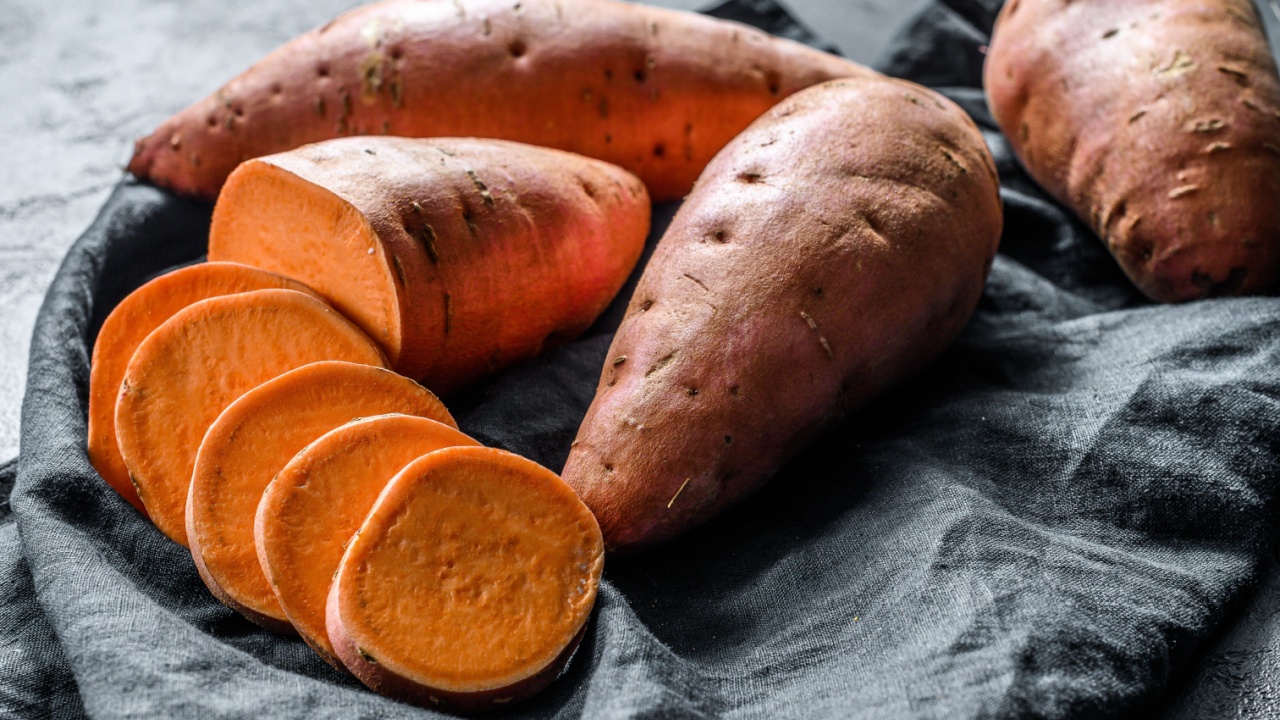
Sweet potatoes tolerate drought, require minimal attention through the season, and store for up to six months in a cool room. The compounding advantage is significant: once established, you save your own slips from the previous year’s harvest, meaning you effectively never have to purchase planting material again. One gardener reported going multiple seasons without buying sweet potatoes or slips after establishing the cycle.
The Vegetables You Can Skip

Restraint is part of smart savings gardening. Onions, potatoes, and sweet corn are consistently the most over-planted crops in the savings-conscious garden, and consistently the least worth growing from a financial standpoint.
Onions and potatoes are cheap in bulk at any grocery store, require significant space, and produce modestly relative to what you can buy for a few dollars. Sweet corn needs a large planting block to pollinate properly, takes up enormous space, and the harvest window is measured in days. These are fun crops, not savings crops.
How to Squeeze the Most Savings From Any Garden Size
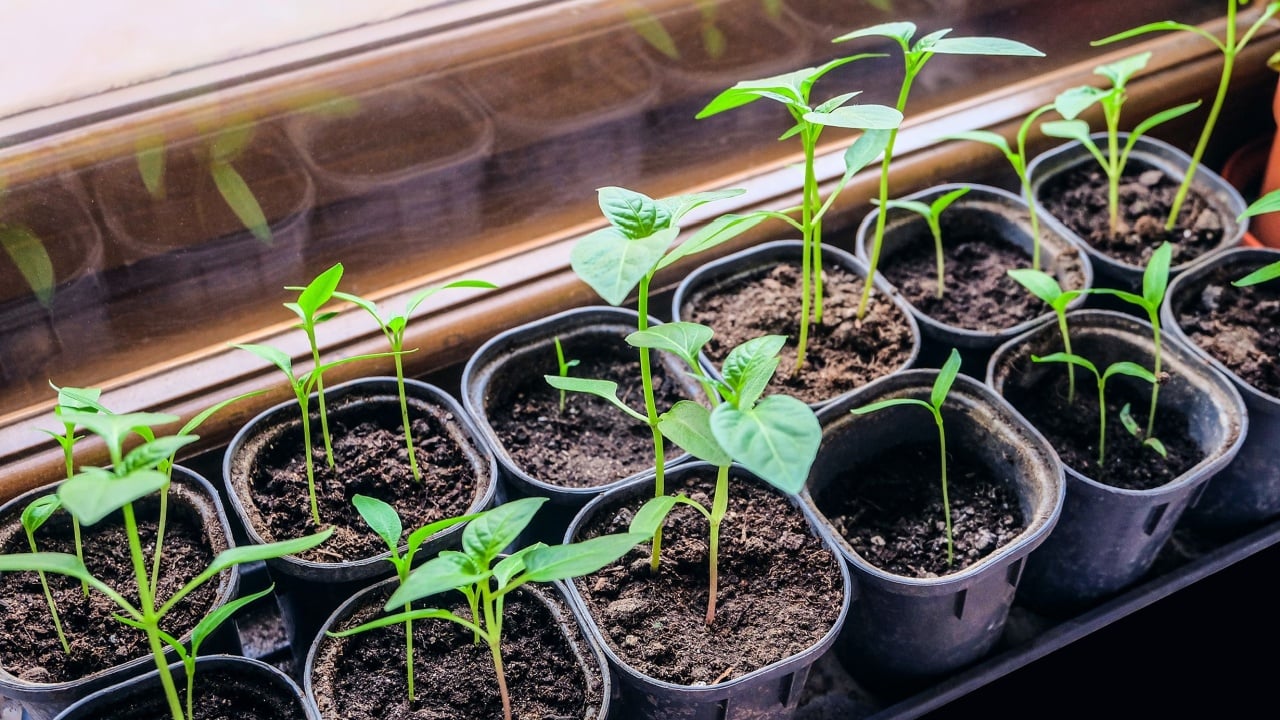
Three techniques consistently separate productive savings gardens from frustrating ones. First, start from seed rather than transplants whenever possible; a seed packet delivers dozens to hundreds of plants for the cost of a single six-pack from the garden center. Second, trellis every climbing crop — cucumbers, pole beans, and indeterminate tomatoes all yield dramatically more per square foot when grown vertically. Third, succession-plant your salad greens every two to three weeks from early spring onward so you have a steady supply rather than a single overwhelming flush.
If you have no yard at all, the math still works in your favor. A single five-gallon container on a sunny balcony can support one cherry tomato plant or a cluster of herb pots. The best vegetable garden is not the biggest one; it is the one planted with the crops that cost the most at the store and the least to grow at home.
Start small and pick five crops from this list that your family actually eats. Grow them this spring, learn what they need, and expand the following year. The gardeners who save the most money are not the ones who plant the largest gardens. They are the ones who never waste a bed on a vegetable that costs ninety-nine cents at the store.
Read more:
Direct Sow These 9 Seeds in June Before the Window Closes for Good
June Is National Pollinator Month. Are You Accidentally Harming the Bees You Want to Help?