12 80s Design Trends Making a Quiet Comeback
Decades pass, yet certain styles always find their way back into our homes. The 1980s gave us bold colors, large shapes, and unapologetic decoration. People often remember the extreme fashion and loud music, while the interior design choices quietly wait for another moment in the spotlight.
Today, modern homeowners are finding new ways to incorporate these distinct elements into their living spaces. Interior design runs in cycles, and the current shift leans toward personality and comfort. For years, minimalist rooms with muted colors dominated the magazines. Now, people want their rooms to reflect more energy and warmth.
This article covers exactly how these retro elements are returning to modern living spaces. Bringing back elements from the past offers a unique blend of nostalgia and fresh creativity. Read on to discover twelve distinct design choices from the 1980s that you might want to try in your own home.
1. Curved Detailing

Rounded edges on furniture and architectural features soften rooms and nod to postmodern design trends. Hard angles dominated the early 2000s, making these soft arcs a welcome visual relief. You can see this shift in arched doorways, rounded kitchen islands, and circular mirrors returning to contemporary homes. The curved lines create a continuous flow that guides your eyes smoothly across the room.
Homeowners can easily introduce this aesthetic through smaller accent pieces instead of committing to major renovations. A round coffee table or a mirror with scalloped edges adds immediate softness to a rigid room layout. These gentle curves break up heavy visual lines, making the entire space feel more welcoming and relaxed.
2. Oversized Furniture
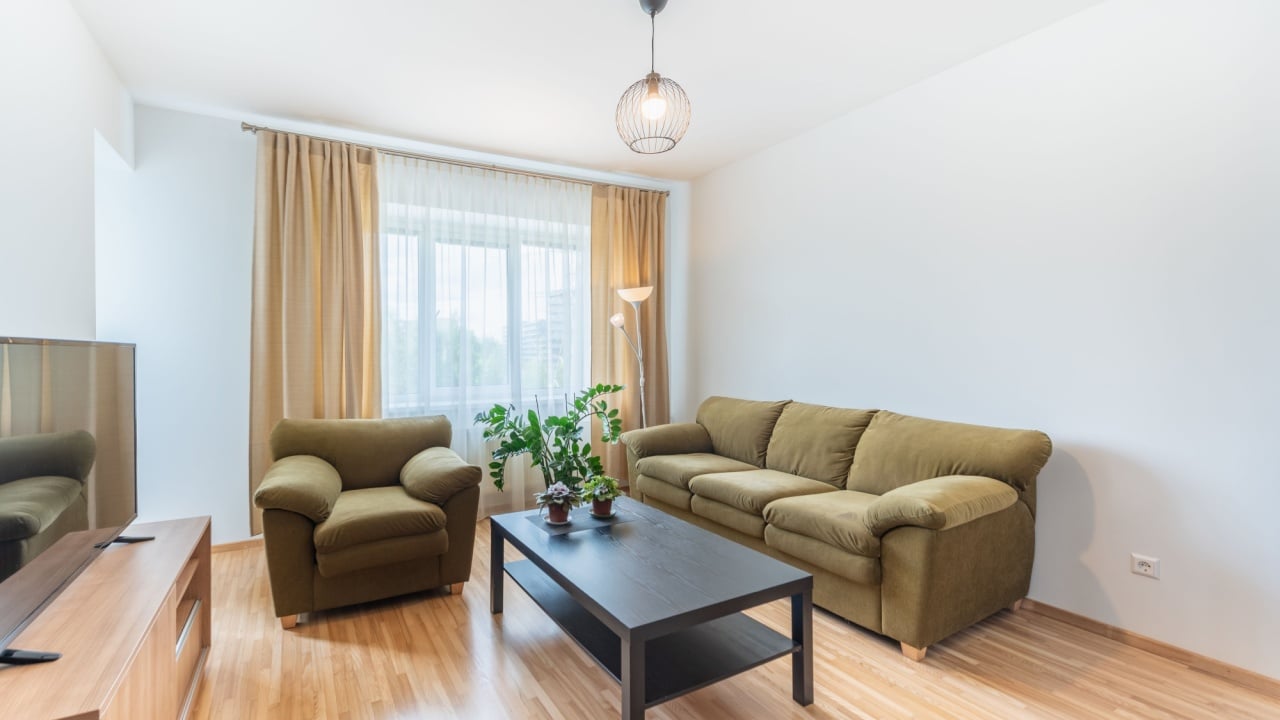
Large, plush sofas and chairs emphasize comfort, and bold presence was a hallmark of past decades. Many homeowners are trading their slim, mid-century modern seating for thick cushions and deep seats. Big sectional couches dominate living rooms again, offering plenty of space for family movie nights or afternoon naps. The focus has shifted toward creating a space where people actually want to sit and stay awhile.
Integrating large furniture requires careful spatial planning to avoid overcrowding your living area. Place a massive couch against the longest wall, and keep the surrounding decor minimal to maintain visual balance. This approach allows the heavy furniture to act as the room’s anchor without making the space feel cramped or chaotic.
3. Bold Wallpaper
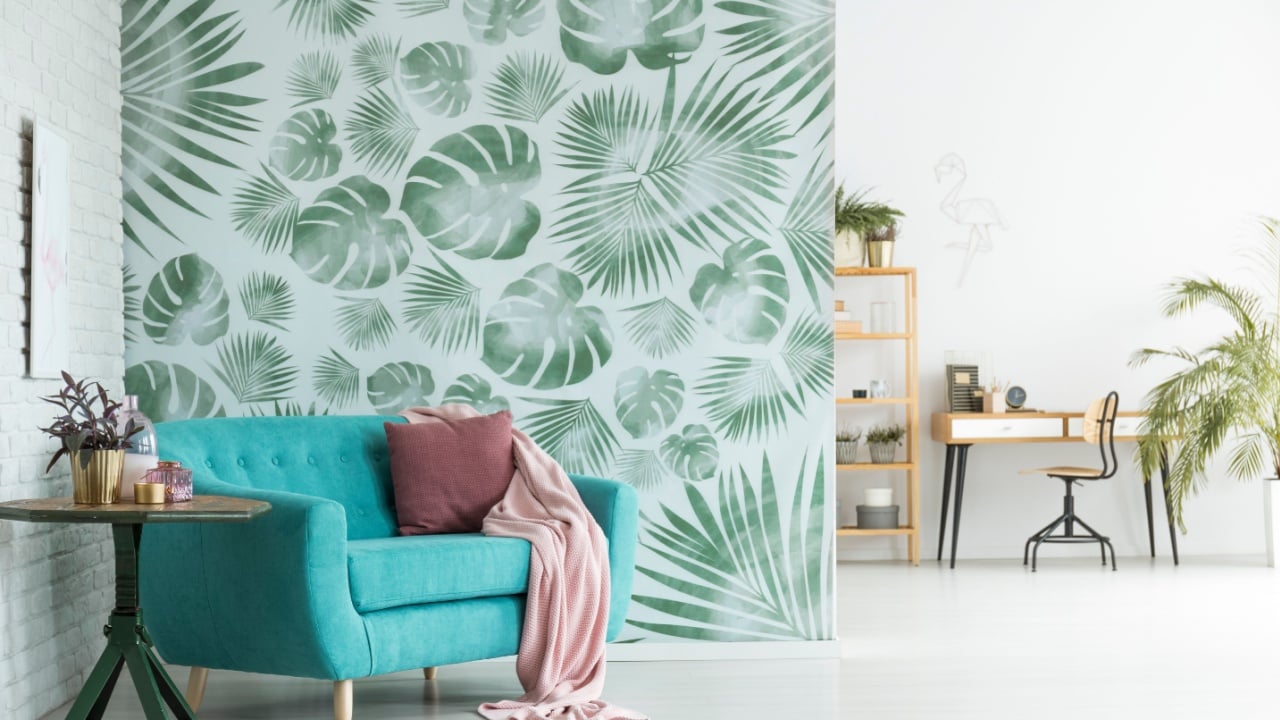
Bold wallpaper, such as graphic prints and vibrant patterns, is returning. It is often used as an accent wall to add personality without overwhelming the senses. Decades ago, entire rooms were covered from floor to ceiling in massive floral or geometric prints. Modern applications focus on specific areas, like powder rooms, home offices, or the wall directly behind a bed.
Applying a striking wallpaper design instantly transforms a dull room into an interesting visual experience. You can match the colors in the pattern to your existing furniture to create a cohesive look. Temporary peel-and-stick options make it incredibly easy to experiment with bright patterns without making a permanent commitment.
4. Neon Color Schemes
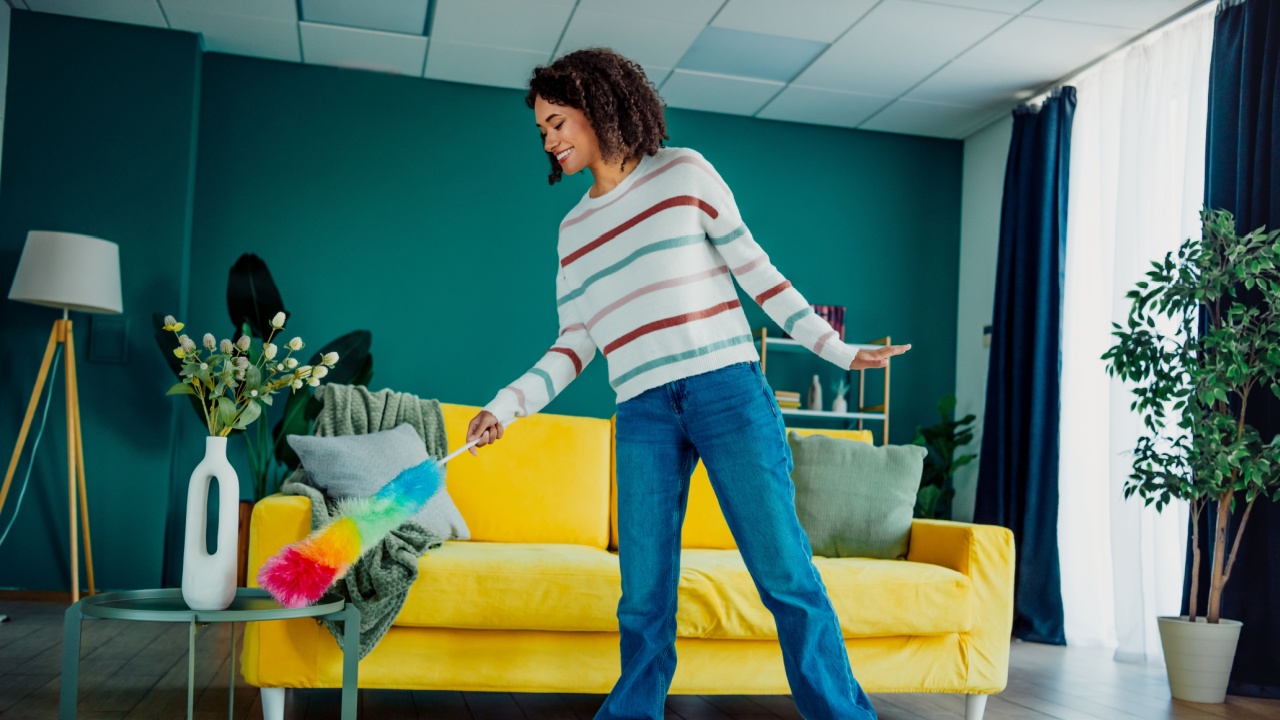
High-energy neon hues are being selectively incorporated to add retro flair to modern spaces. Instead of painting whole rooms in blinding pink or electric blue, designers use neon as a targeted accent. You might find a bright neon sign in a home bar or an electric green accent pillow on a neutral couch. These small pops of intense color bring life to otherwise predictable color palettes.
Adding neon elements requires a restrained hand to keep the room looking mature and intentionally designed. Pair a single bright color with dark grey, navy, or stark white backgrounds to make the neon truly stand out. This contrast allows the intense colors to shine without turning the room into an overwhelming visual spectacle.
5. Pastel Tones
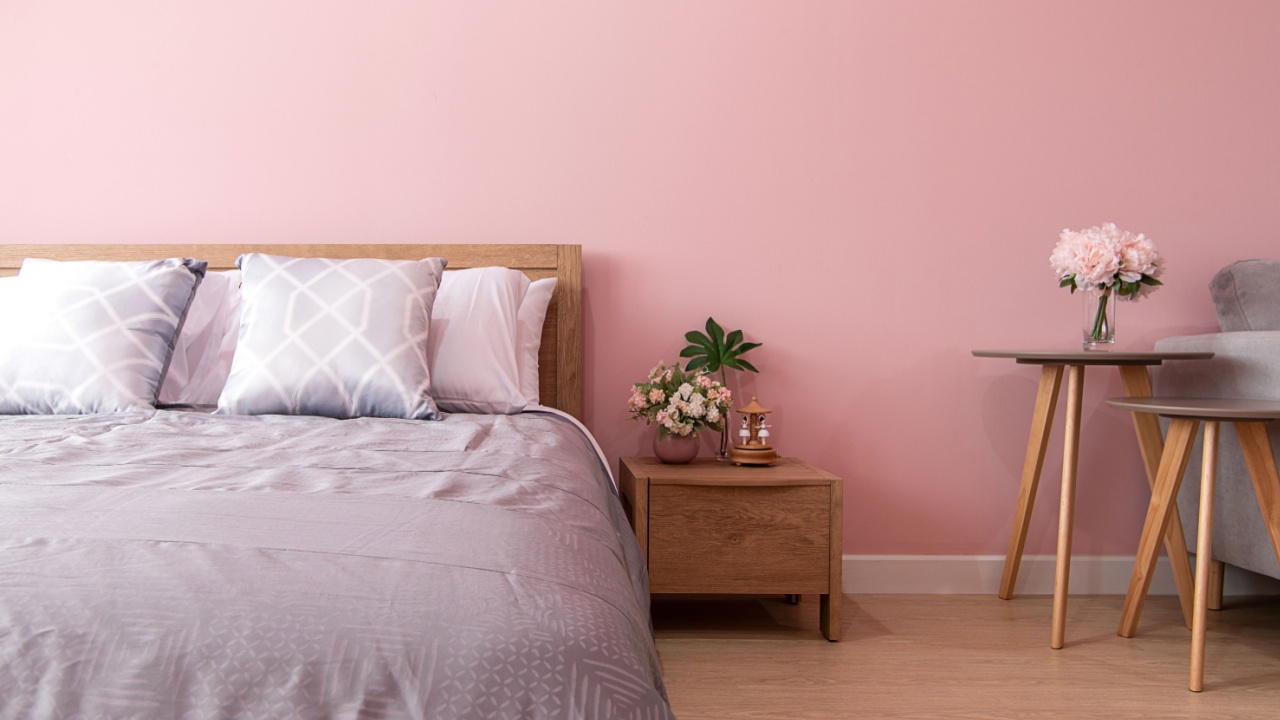
Soft pastel tones provide a gentle alternative to the stark whites and grays of recent years. Mint green, soft pink, and pale yellow were incredibly popular decades ago and are now returning to kitchens and bathrooms. These muted colors reflect natural light beautifully, making small rooms appear larger and brighter. They offer a subtle wash of color that feels incredibly relaxing.
Using pastels in your home works best when combined with natural materials like wood or stone. A pale pink bathroom tile looks highly sophisticated next to a natural oak vanity. You can also mix different pastel shades to create a light, cheerful atmosphere in a sunroom or guest bedroom.
6. Colorful Tiles
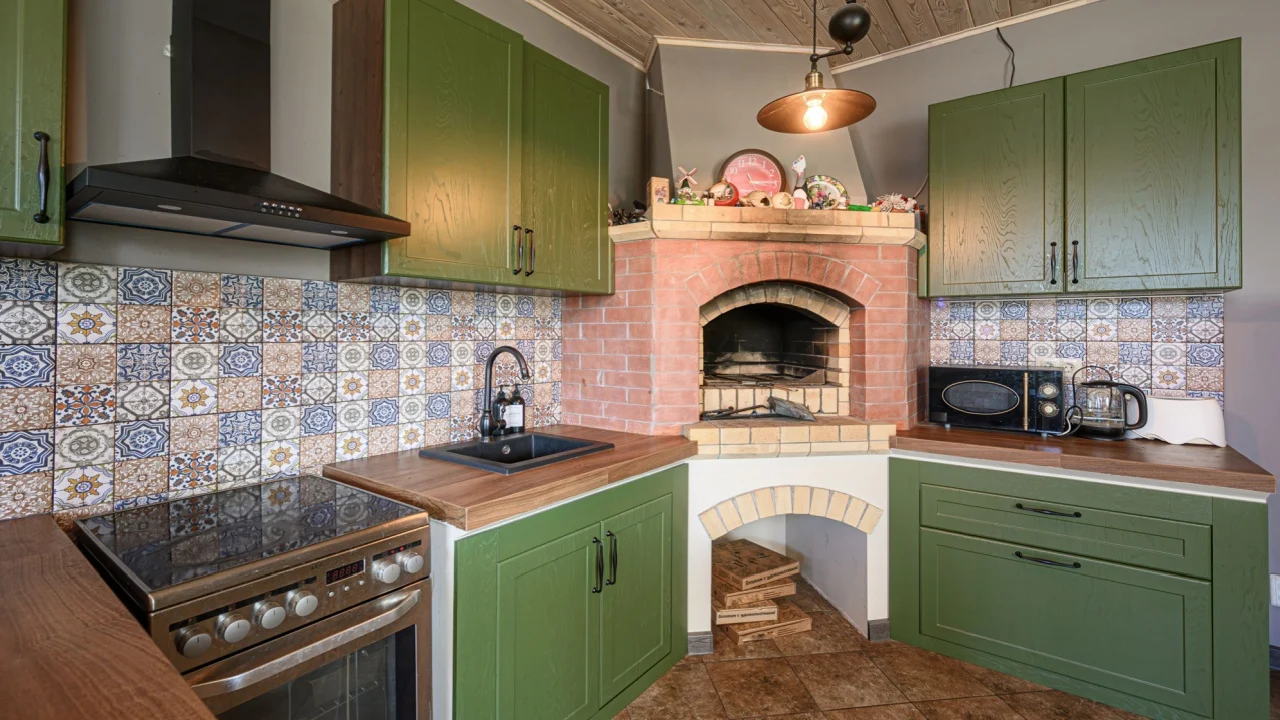
Bright, patterned tiles are being reintroduced in kitchens and bathrooms, echoing a playful spirit. Checkered patterns and heavily saturated colored ceramics replace the standard white subway tiles we have seen for a decade. Designers are mixing gloss and matte finishes to create textured backsplashes that demand attention.
Replacing old flooring or backsplashes with colorful tiles instantly elevates the character of a room. Keep your cabinets and countertops neutral (if you want) to let the colorful tile work act as the primary visual element. This strategy prevents the room from feeling too busy while still allowing you to enjoy a highly patterned surface.
7. Wood Accents
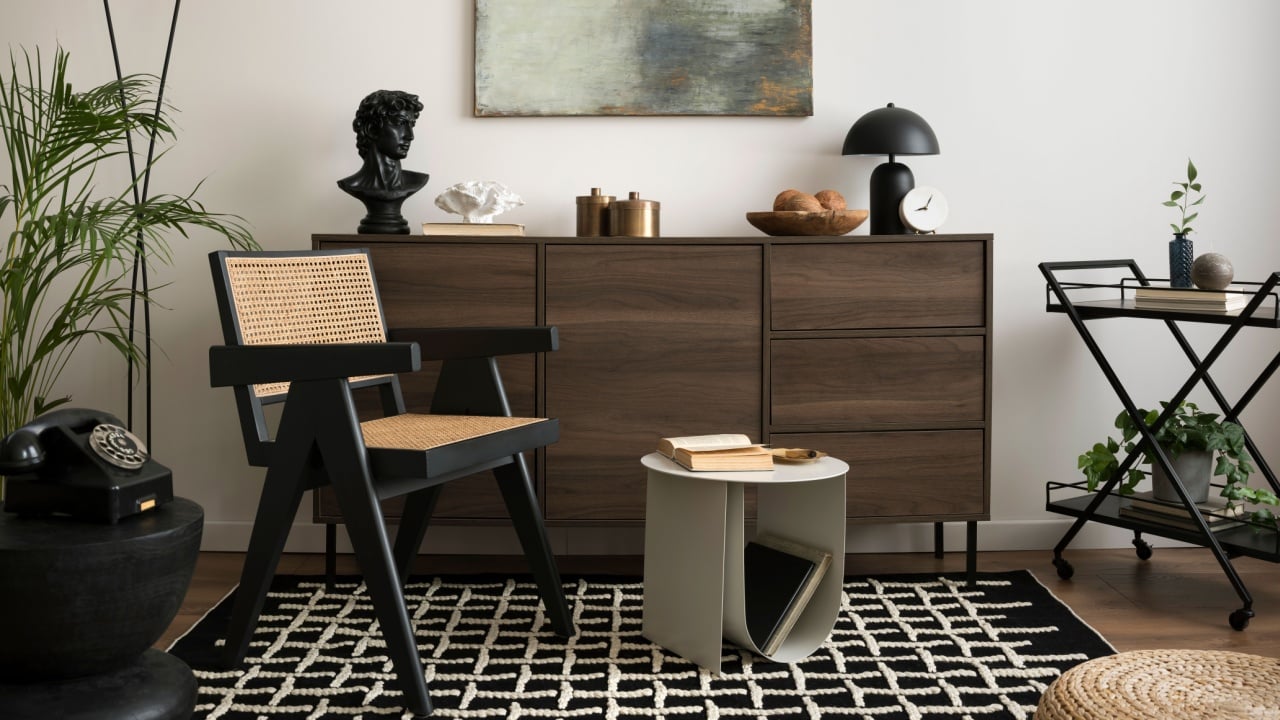
Natural wood tones and finishes are making a comeback, adding warmth and grounding to interiors. Dark walnut and warm cherry woods replace the heavily painted or whitewashed furniture that dominated recently. Wood paneling is even making a comeback, though it now features lighter stains and horizontal graining for a more updated look.
Bringing wood tones into your home creates a strong foundation for the rest of your decor. Mix different wood finishes cautiously to maintain a cohesive style throughout your living area. A solid wood dining table paired with matching wooden shelving brings a permanent, high-quality feel to your home.
8. Maximalist Textures
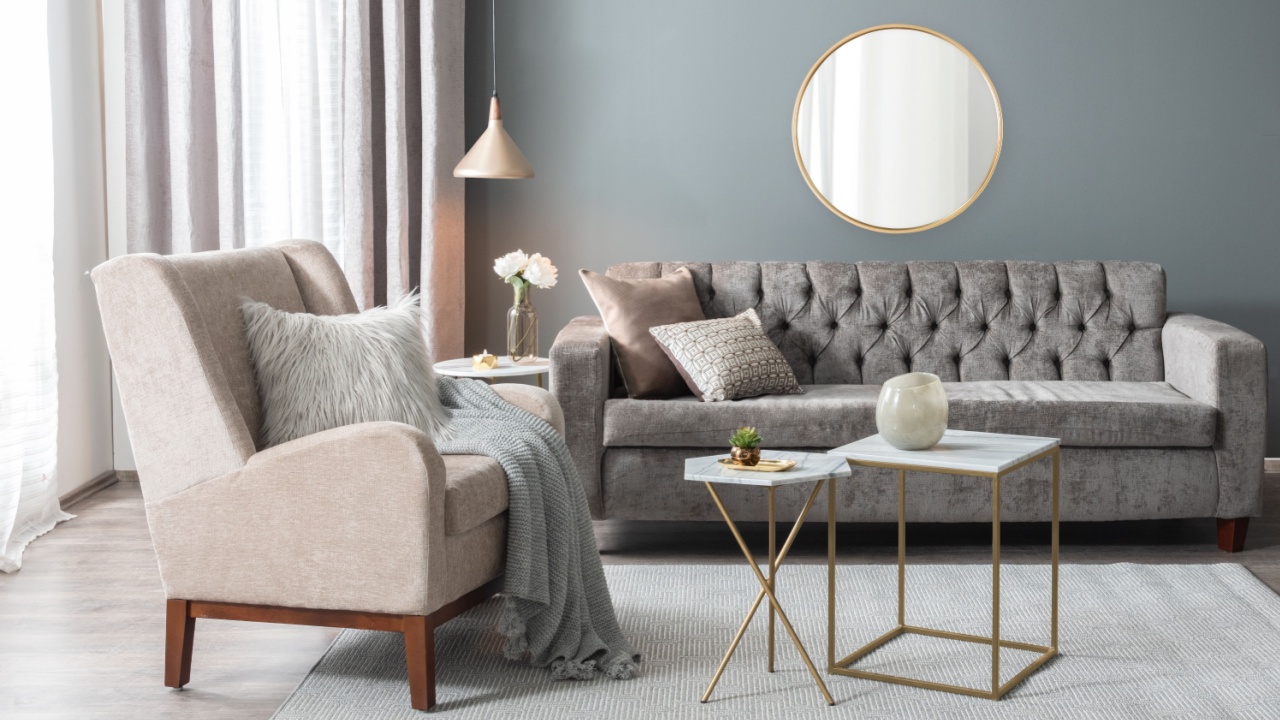
Layered textures, patterns, and accessories create a lived-in, inviting feel reminiscent of the 1980s but updated for today. Minimalism demanded empty counters and bare floors, but current styles celebrate abundance. Velvet cushions, thick wool rugs, and heavy curtains are being combined in single rooms to create a rich tactile experience. This approach celebrates personal collections and visible comfort over strict tidiness.
Building a textured room involves mixing heavy and light materials to create visual interest. Pair a smooth leather chair with a chunky knit blanket and a fluffy, patterned rug. The varied surfaces give the room depth and encourage people to touch and interact with their surroundings.
9. Brass Fixtures
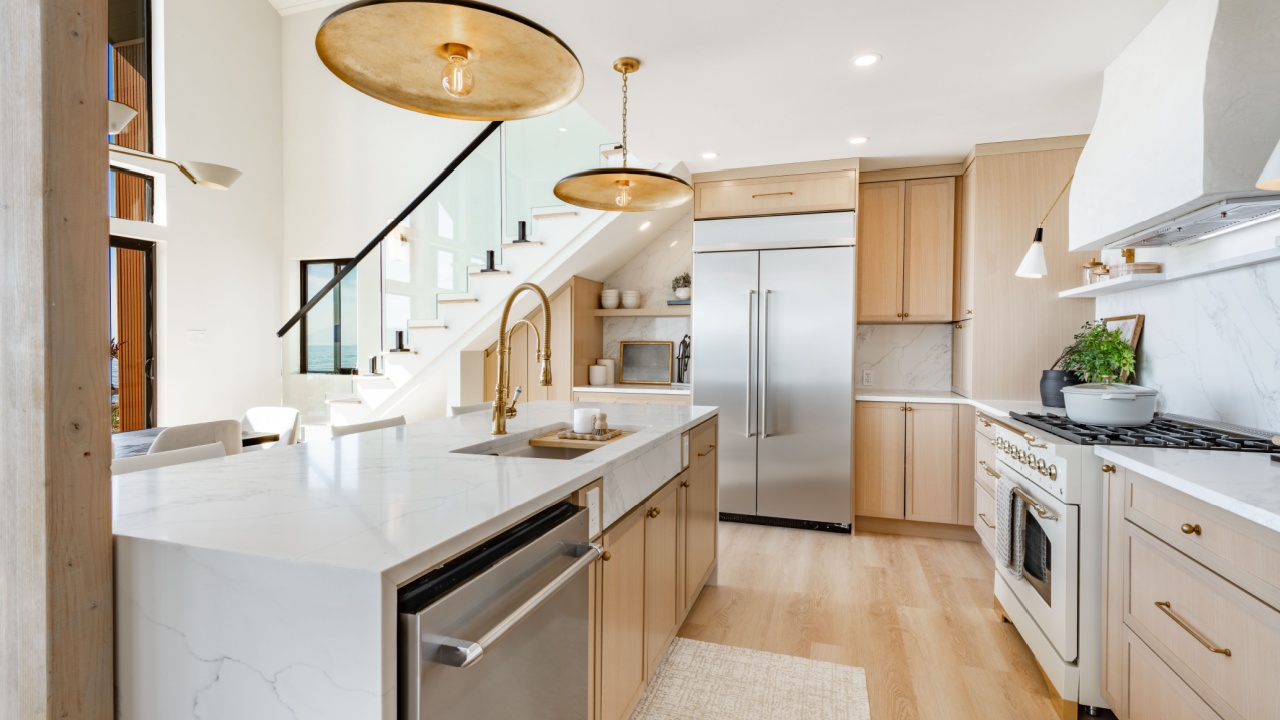
Shiny brass hardware is replacing brushed nickel and matte black finishes in modern homes. This metallic finish reflects light beautifully and adds a touch of glamour to cabinets, doors, and plumbing fixtures. Decades ago, brass was everywhere, and its return brings a warm, golden glow to modern kitchens and bathrooms. It looks especially striking against dark blue or forest green painted cabinets.
Swapping out your current hardware for brass is a highly impactful and relatively inexpensive update. You can update your kitchen handles, bathroom faucets, and light fixtures over a single weekend. The golden tones instantly warm up cold spaces and pair beautifully with both dark and light color schemes.
10. Glass Blocks

Glass block walls and windows are returning as a functional way to divide spaces while maintaining natural light. Originally popular for bathroom windows and shower walls, these thick glass squares offer privacy without blocking sunshine. Modern designers now use them to separate entryways from living rooms or to build unique interior partition walls. Their grid-like pattern provides a distinct architectural feature.
Incorporating glass blocks works beautifully in areas where you need a barrier but want to avoid a dark, enclosed feeling. A half-wall of glass blocks in a master bathroom creates a dedicated shower space filled with morning light. The distorted glass pattern obscures details while allowing colors and shapes to pass through beautifully.
11. Geometric Patterns
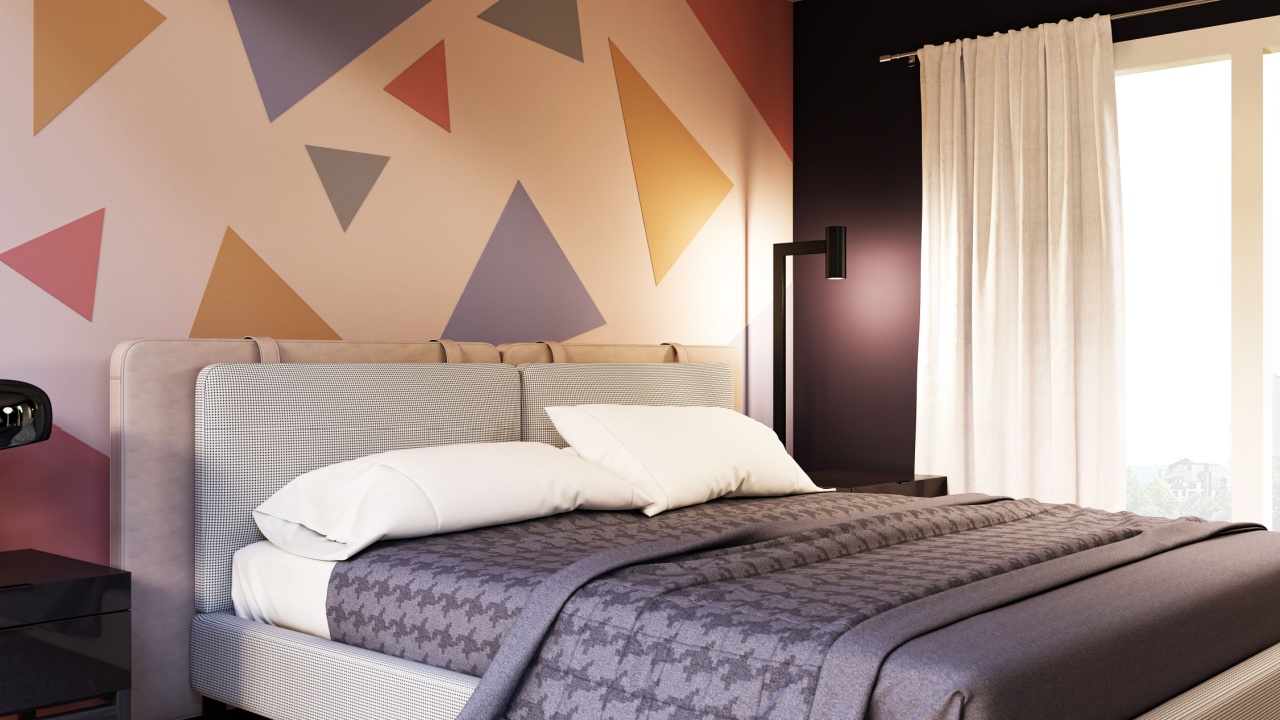
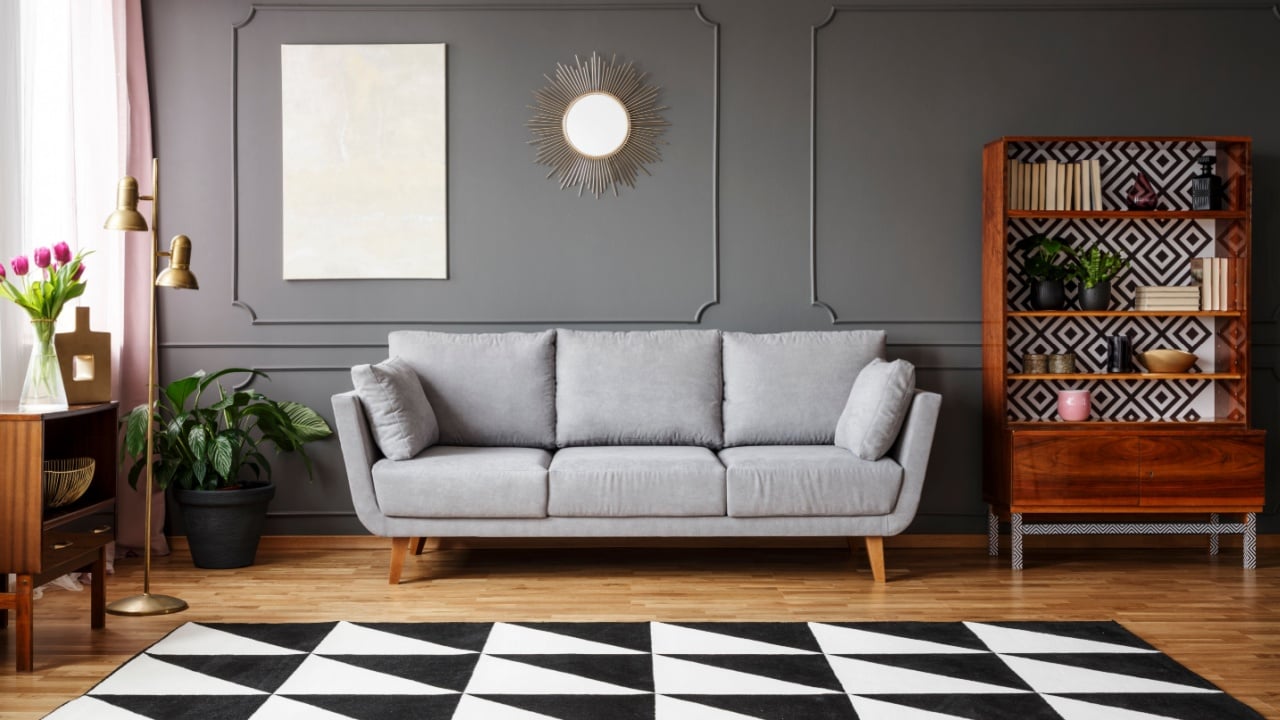
Strong geometric shapes are appearing on rugs, artwork, and upholstery. Triangles, bold stripes, and intersecting circles define this energetic style. These patterns break up solid blocks of color and introduce a sense of movement to stationary objects. Homeowners use these precise shapes to create modern, organized visual interest.
You can introduce geometric patterns through a large area rug or a series of framed art prints. Keep the surrounding furniture solid-colored to prevent the patterns from clashing with other elements in the room. The structured lines provide a sharp contrast to the soft curves of oversized furniture, balancing the overall room design.
12. Rattan and Wicker
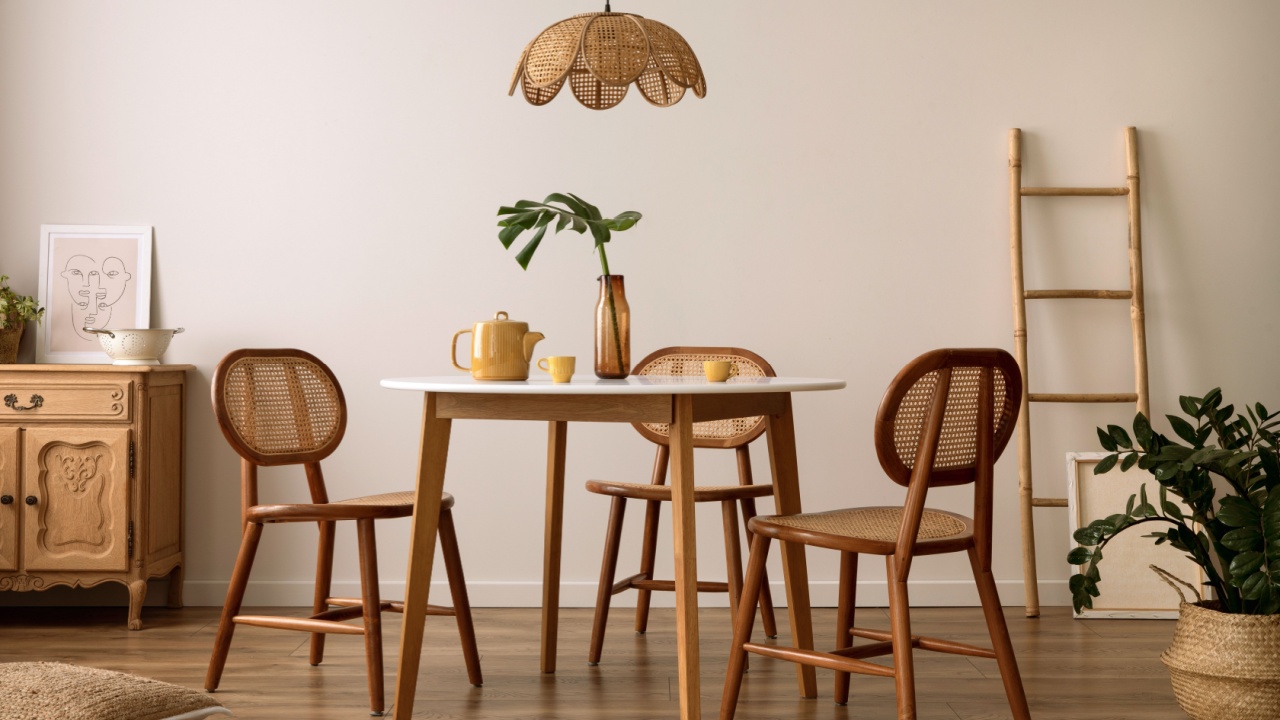
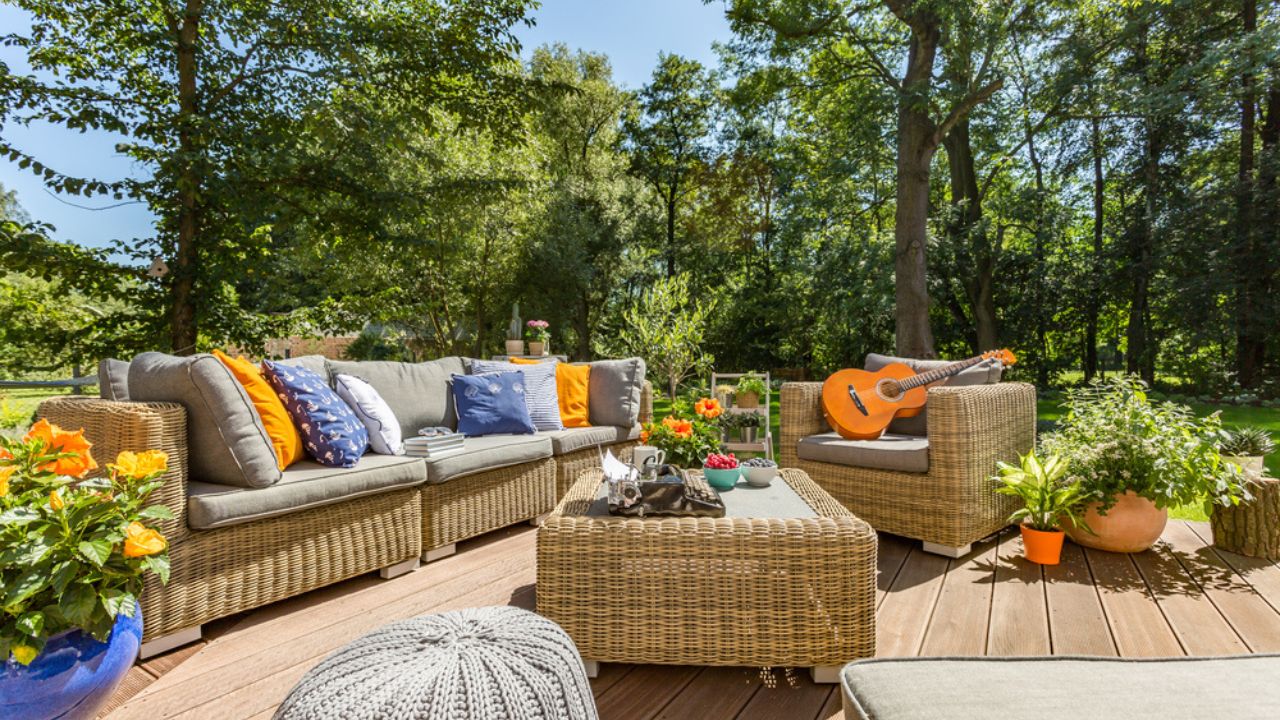
Woven furniture is moving from the patio back into the main living areas. Rattan chairs, woven baskets, and wicker headboards add an airy, natural element to heavy interior designs. These pieces are lightweight, durable, and bring a relaxed, tropical influence to standard indoor environments. The woven textures provide a beautiful contrast to smooth drywall and polished floors.
Adding woven elements helps soften highly modern or industrial rooms. A rattan accent chair in the corner of a bedroom provides functional seating without visually weighing down the space. Woven baskets also serve as beautiful storage solutions for blankets, magazines, or children’s toys.
Making Retro Work for You
The return of these distinct design choices proves that great style continually reinvents itself. By taking the best elements from the past and applying them with modern restraint, homeowners create spaces full of character and life. Exploring these colorful, comfortable, and bold trends allows you to build a home that feels unique and highly personal.
Read More:
Retro Decor is Making a Comeback—Here’s How to Decorate Like It’s the ’90s, According to Experts
This Man’s 1950s Retro TV Setup Is the Coolest Thing You’ll See Today