15 Slow-Growing Plants Your Grandparents Grew Once and Harvested for Decades
The most valuable plants in your garden are the ones nobody talks about. They aren’t this year’s trending tomato variety or the latest heirloom squash. They’re the ones your grandparents planted in a back corner of the yard, mostly ignored, and quietly harvested every spring for the next thirty years without once reaching for a seed packet.
Perennial vegetables are the long game of gardening, and they pay off in a way that no annual ever will. If patience is a struggle, read on anyway, because the math here is impossible to argue with.
Why Slow-Growing Perennials Are the Smartest Garden Investment You’ll Ever Make
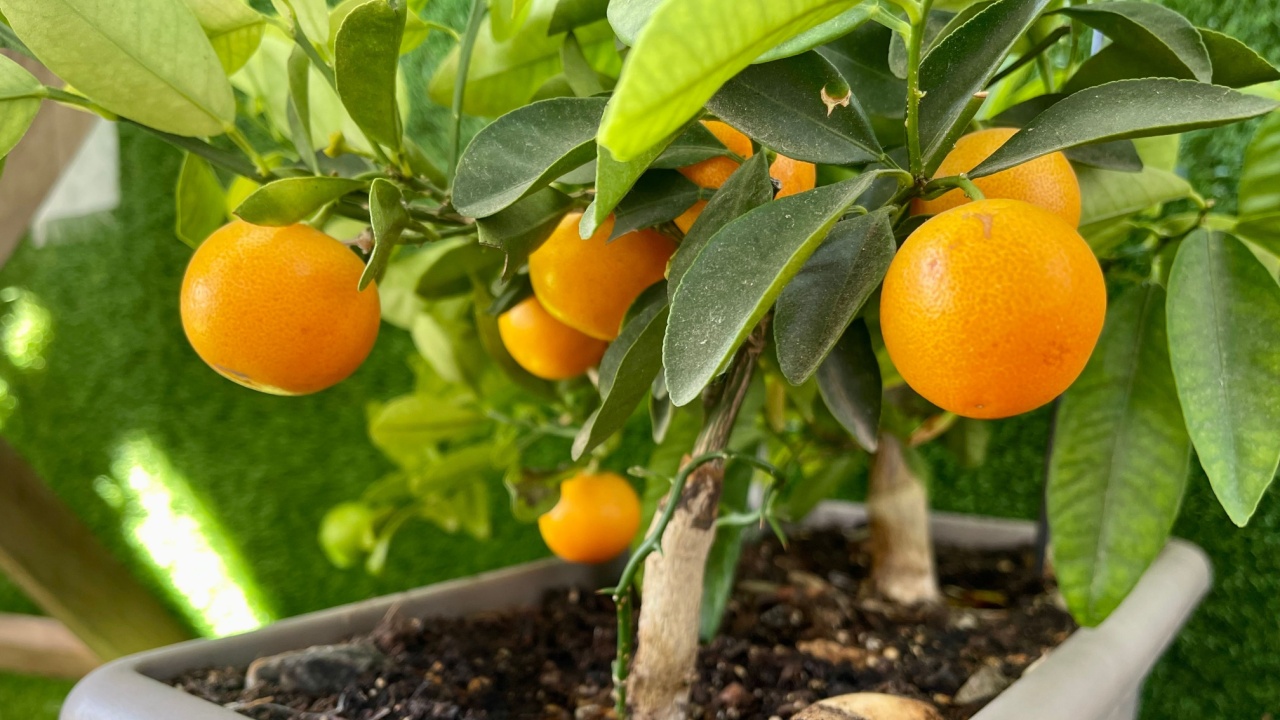
Every spring, most gardeners spend hours starting seeds, buying transplants, preparing beds, and replanting the same crops they grew last year. Perennial vegetables ask for none of that after year one. Plant them correctly, give them time to establish, and they come back on their own, year after year, often with zero intervention.
A well-tended asparagus bed can produce for up to thirty years. According to the OSU Extension Service, a bed established from crowns will begin full harvest by year three and yield increasingly abundant spears for decades afterward. At current grocery store prices of $4 to $6 per bunch, a modest 20-crown bed harvested regularly through an 8-week season can easily yield $300 worth of asparagus annually. Over thirty years, that is the most productive square footage in your yard.
The one caveat worth acknowledging is that perennial vegetables need a permanent home. Unlike annuals, they cannot be moved, rotated, or tilled over without serious setbacks. Choose their spot with care, prepare the soil thoroughly before planting, and then leave them to do what they do best.
The 15 Plants Worth Every Year of the Wait- 1. Asparagus
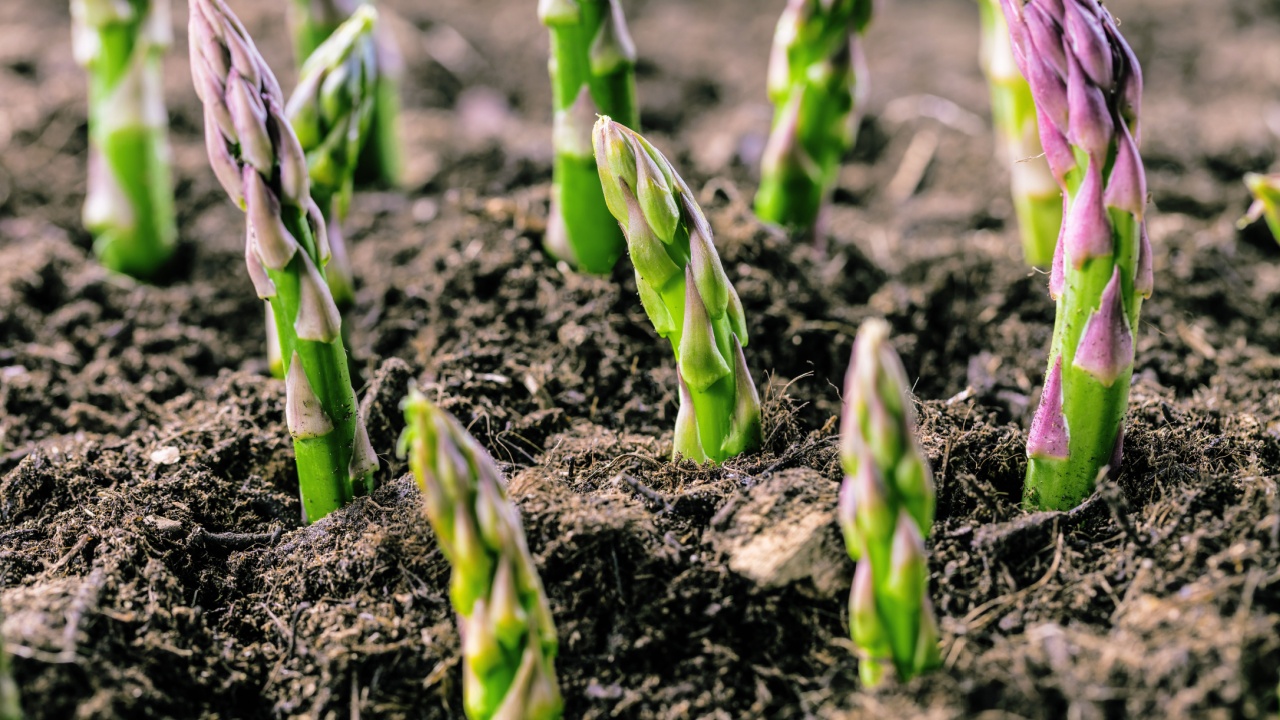
Asparagus is the gold standard of perennial vegetables. Fresh asparagus snapped straight from the garden and eaten raw is genuinely, shockingly better than anything in a grocery store. Plant one-year-old crowns in a dedicated, deeply prepared bed; give them full sun and well-drained soil. Do not harvest in years one or two, no matter how tempting it looks. The patience required is the entire point.
Wait 2–3 years for full harvest; produces for 20–30 years.
2. Rhubarb
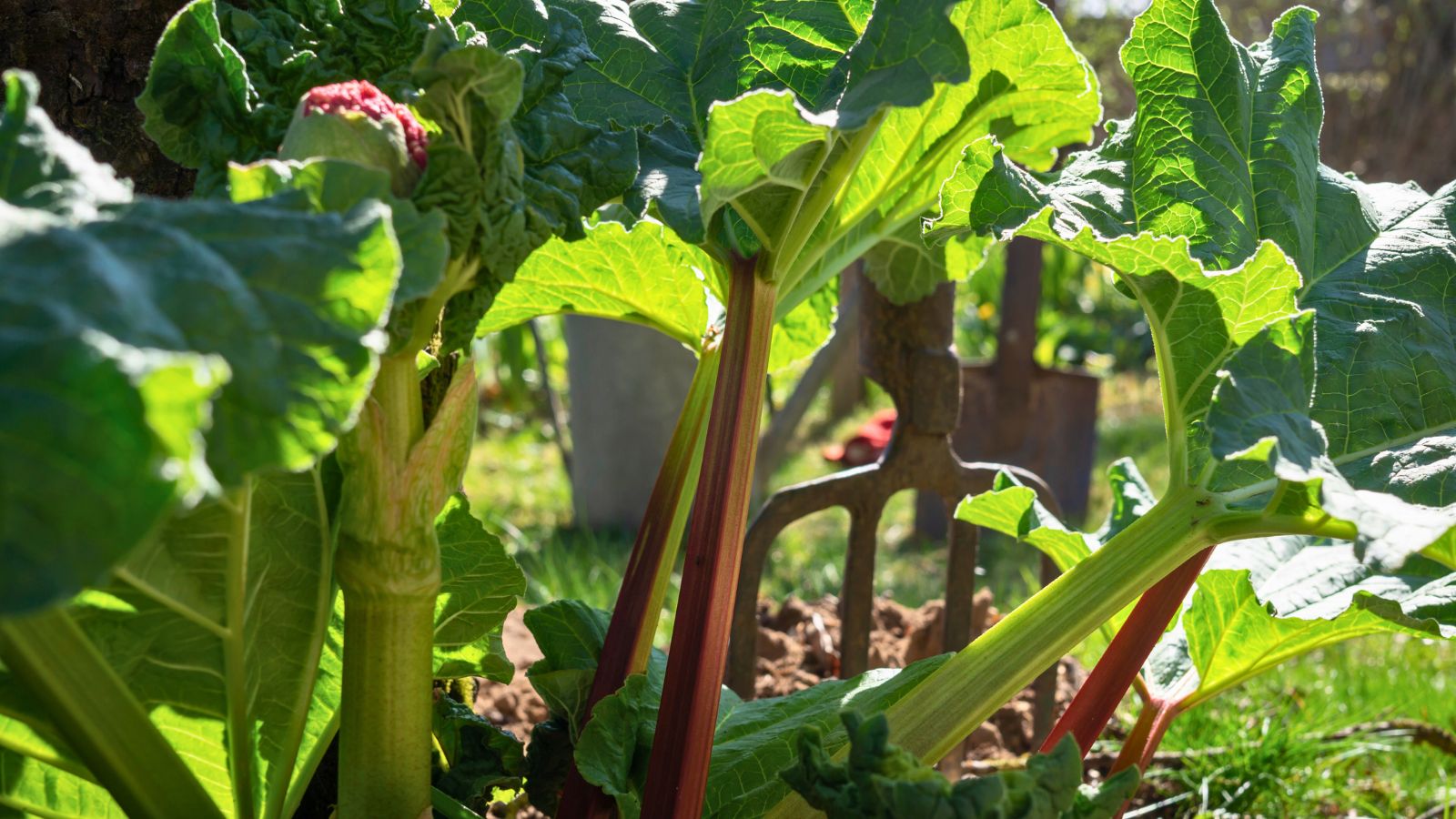
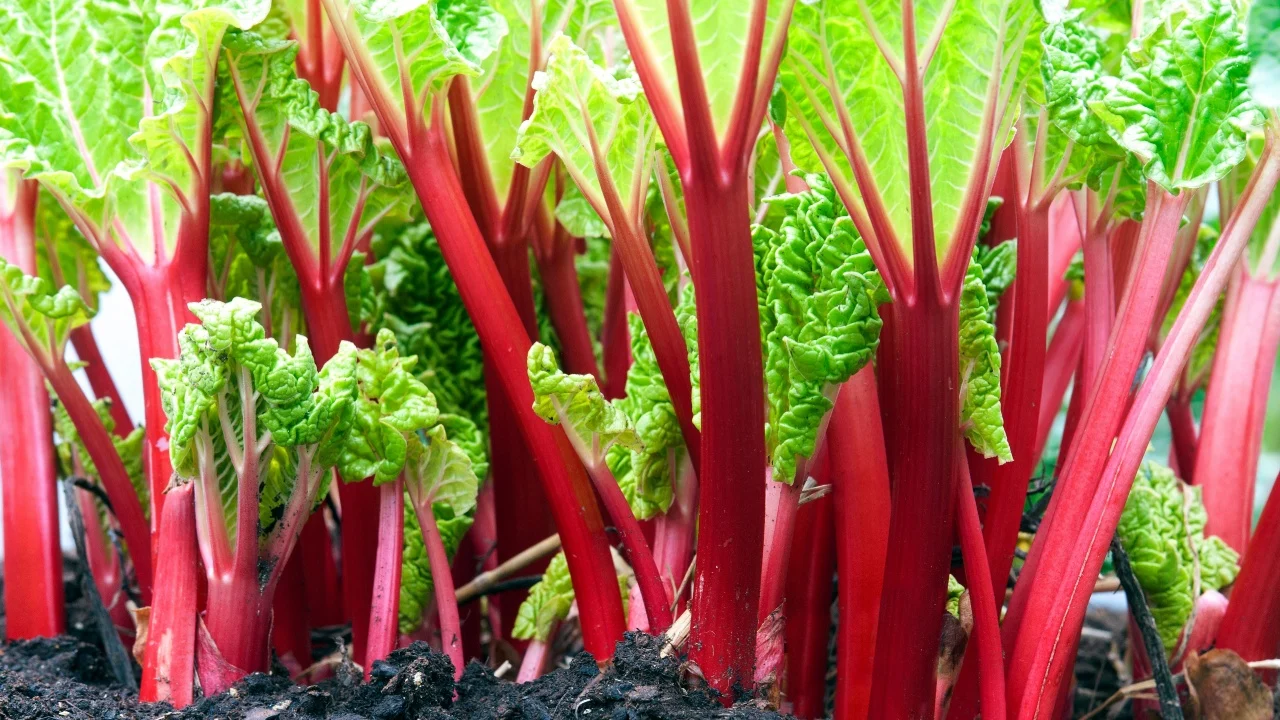
Rhubarb is technically a vegetable, but is consistently treated as a fruit. The tart, jewel-red stalks are irreplaceable in pie, jam, and compote. Rhubarb needs cold winters to thrive, so it is best suited for Zones 3–7. The leaves are toxic and must be removed and discarded immediately; the stalks are the treasure. Best harvested during cool weather for the sweetest flavor.
Wait 1–2 years to harvest; produces reliably for 6–8 years before needing division.
3. Globe Artichoke
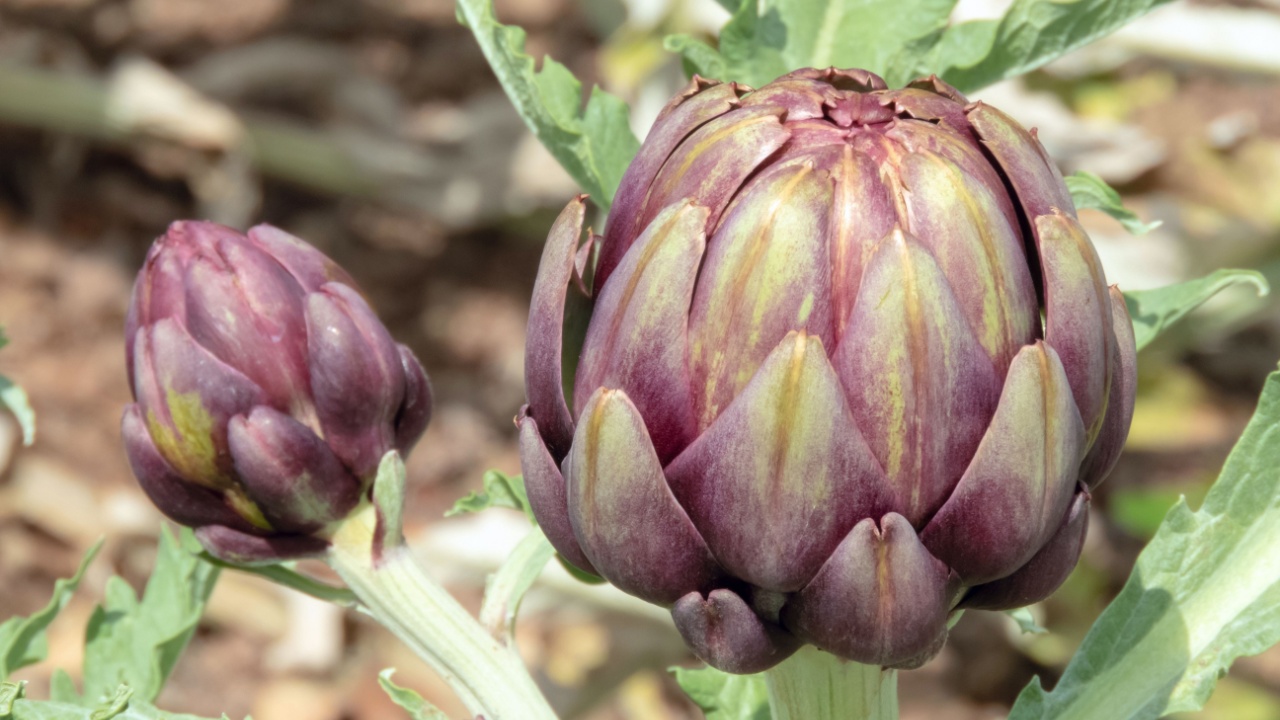
Few plants in the vegetable garden are as spectacular as a mature globe artichoke. The edible buds are excellent; the flowers, if you miss the harvest window, are stunning purple blooms that pollinators love. Artichokes are happiest in Zones 7–10 but can be overwintered in Zone 6 with heavy mulching. Harvest buds while tight and before the center opens for the best texture.
Wait 1–2 years for strong production; yields for 5–6 years.
4. Horseradish
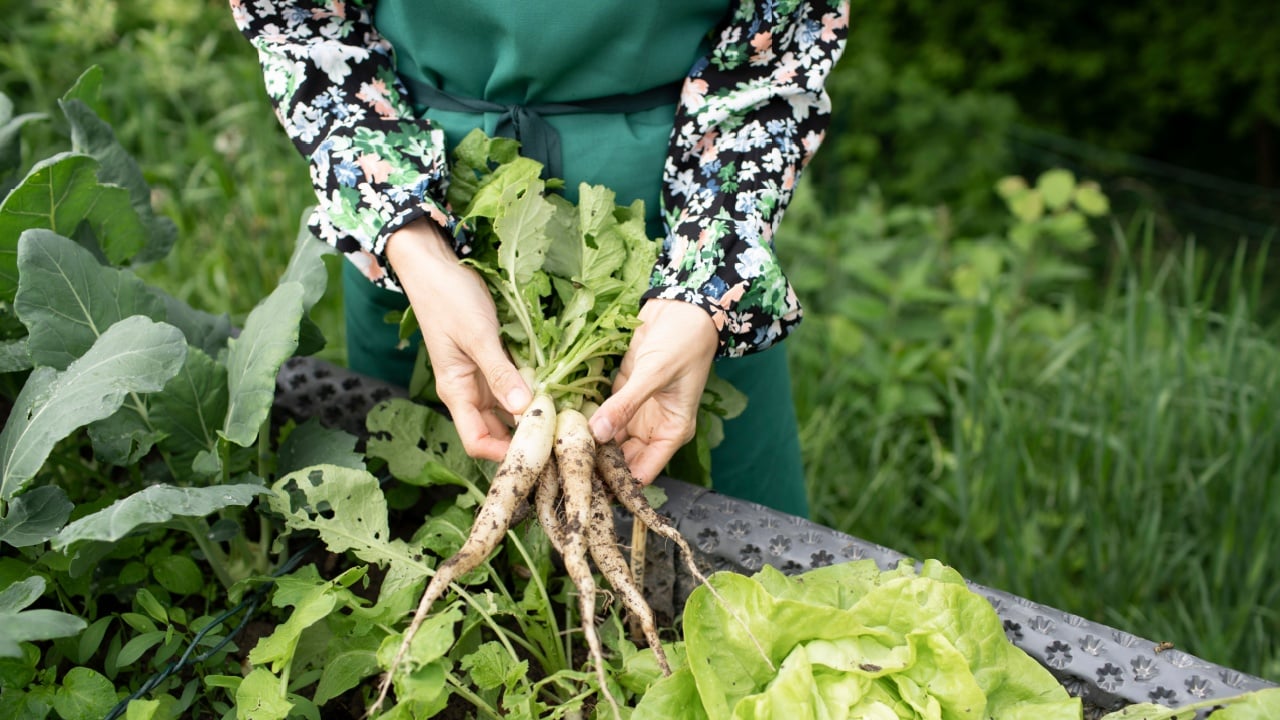
This is the one perennial on the list that barely requires patience at all, but it earns its place for pure staying power. Plant a root once, and you may never be without horseradish again. It spreads vigorously via underground roots, so container growing or a dedicated isolated bed is wise. The freshly grated root is incomparably more pungent and flavorful than anything in a jar.
Wait: First harvest possible in the fall of the planting year; produces indefinitely.
5. Sorrel
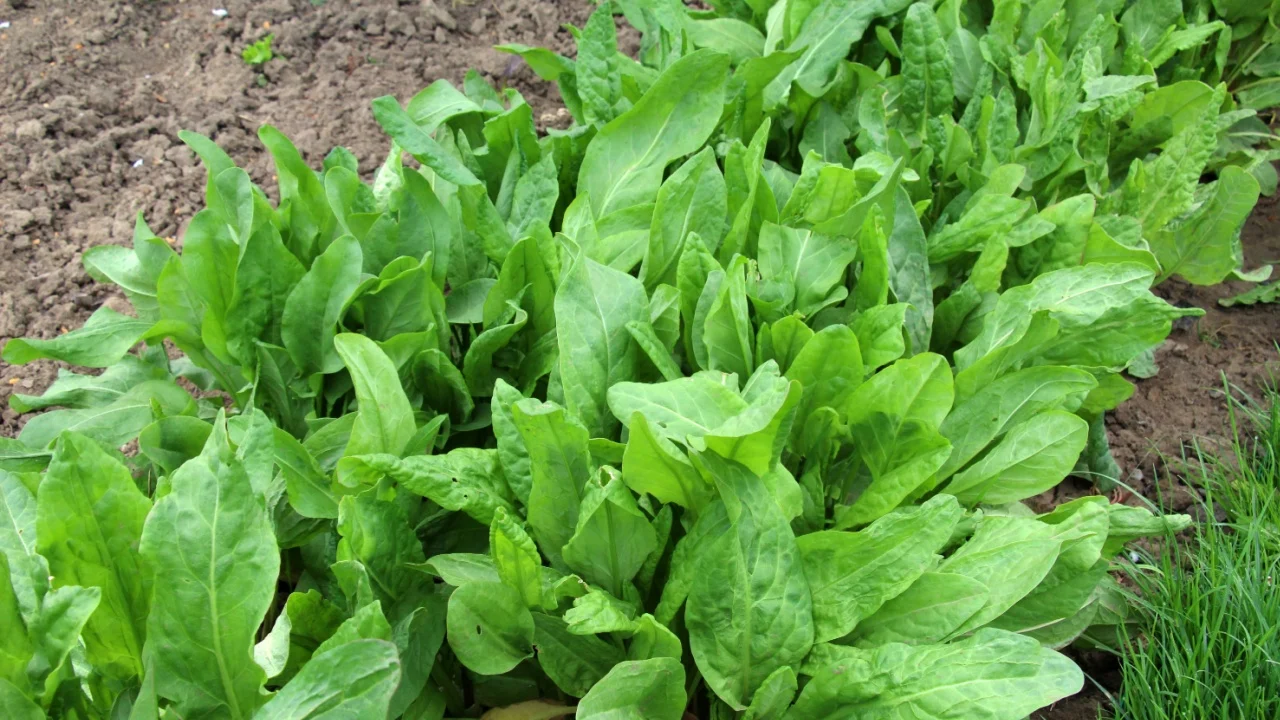
Most gardeners have never grown sorrel, and that is a genuine loss. This lemony, tart perennial green is one of the earliest things to emerge in the spring garden, often weeks before any annual has even been started indoors. Add it to soups, sauces, and salads. It becomes bitter as summer heats up, but in early spring, it is a revelation.
Harvest is possible in year one; fully productive by year two.
6. Jerusalem Artichoke (Sunchoke)

Important warning before you plant this one in the ground: it will not leave willingly. Jerusalem artichokes spread by underground rhizomes with such enthusiasm that experienced gardeners consider them nearly impossible to fully eradicate once established. Grow them in large containers or a buried-liner raised bed. The tubers, which taste like a cross between a water chestnut and an artichoke, are genuinely delicious roasted or raw.
Harvest in the fall of the first year; produces indefinitely and aggressively.
7. Egyptian Walking Onion
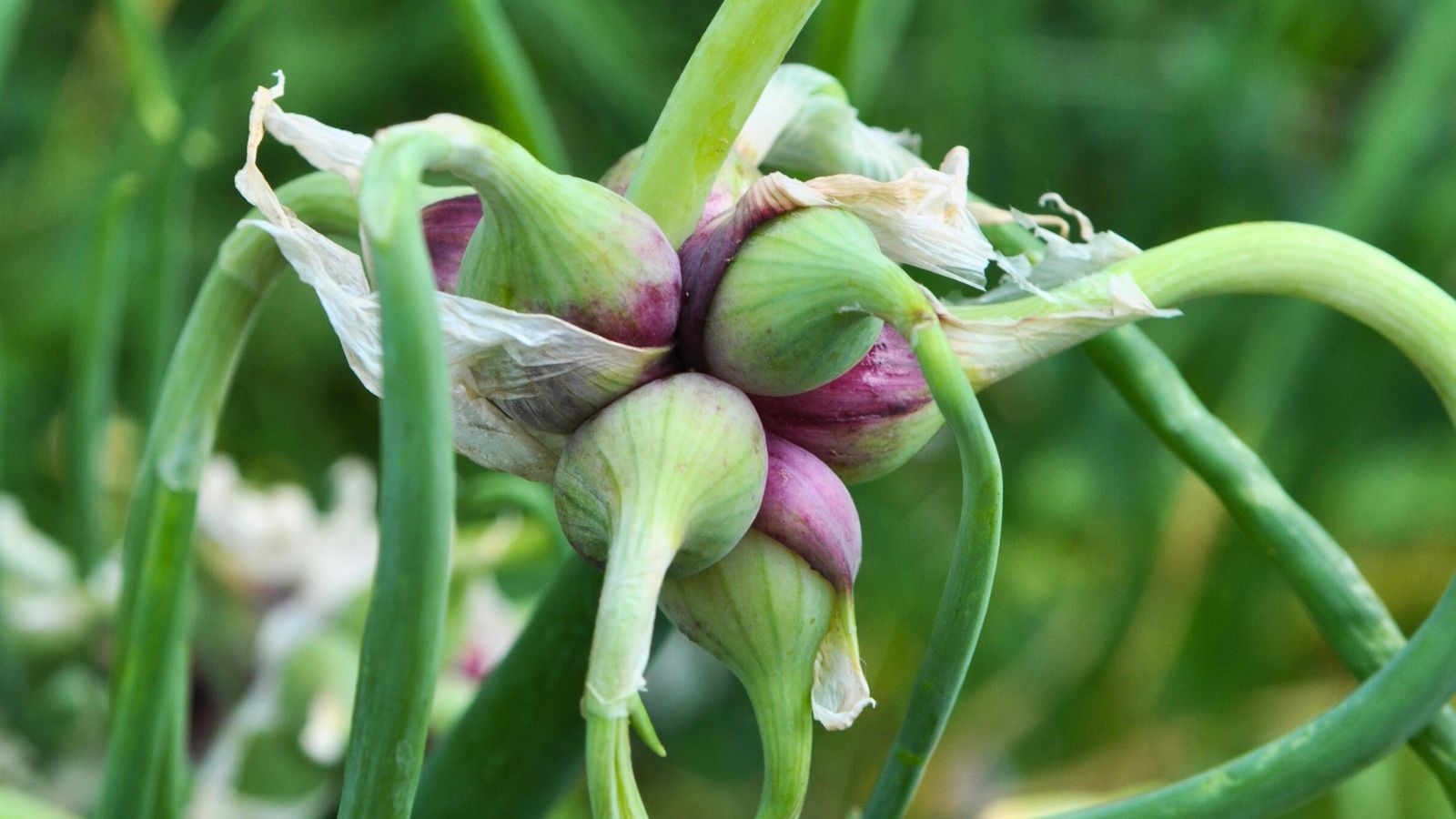
Egyptian Walking Onion is the most charming low-maintenance perennial in this list. Egyptian walking onions produce clusters of small bulbils at the top of their stalks; as the stalks grow heavy and bend to the ground, the bulbils plant themselves, effectively “walking” the plant across the bed year after year. Every part of the plant is edible. Plant bulbils in fall, harvest from spring onward.
Edible in year one; self-propagates indefinitely.
8. Strawberries

Strawberries are the most universally beloved perennial food plant. Strawberries are self-renewing through runners and require little more than an annual thinning to stay productive. Peak production runs through years two and three; rotate older plants out and direct runners into new positions to keep the bed vigorous. Few things in a summer garden beat a warm, ripe strawberry eaten directly from the plant.
Light harvest in year one; full production in years 2–3.
9. Chives
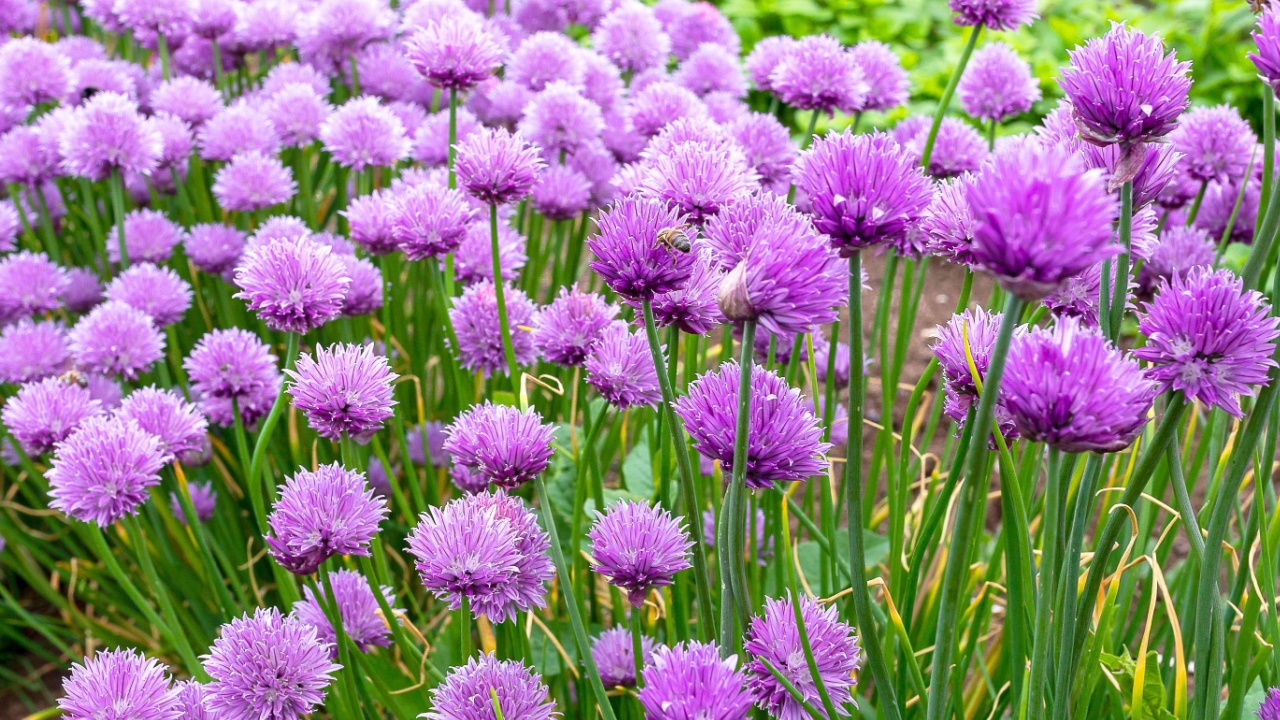
Chives are a perennial that most gardeners already own without thinking of them this way. Plant once in a sunny, well-drained spot and divide the clumps every few years to keep them productive. The purple flowers are edible and beautiful. Garlic chives, a close relative, add a mild garlic flavor and bloom in late summer with attractive white star-shaped flowers.
Harvest is possible in year one; returns reliably for many years.
10. Lovage
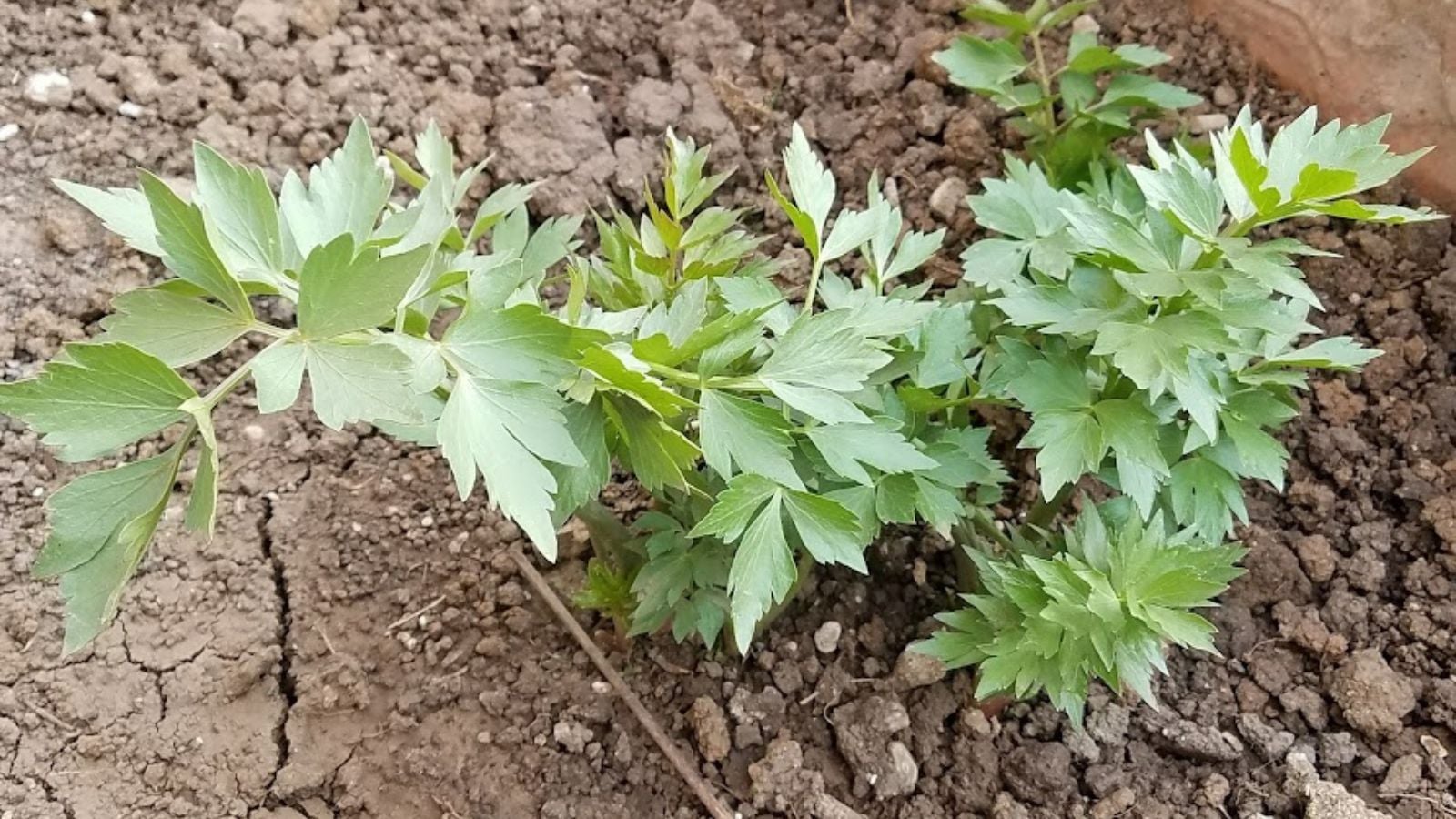
Lovage is the underrated giant of the perennial herb garden. It grows to six feet tall, tastes strongly of celery, and every part of it, including leaves, stems, seeds, and roots, is edible. Use it sparingly; this is a plant with personality. A single well-established lovage plant can supply a household’s celery-flavor needs for years.
Productive by year two; long-lived with minimal care.
11. Sea Kale
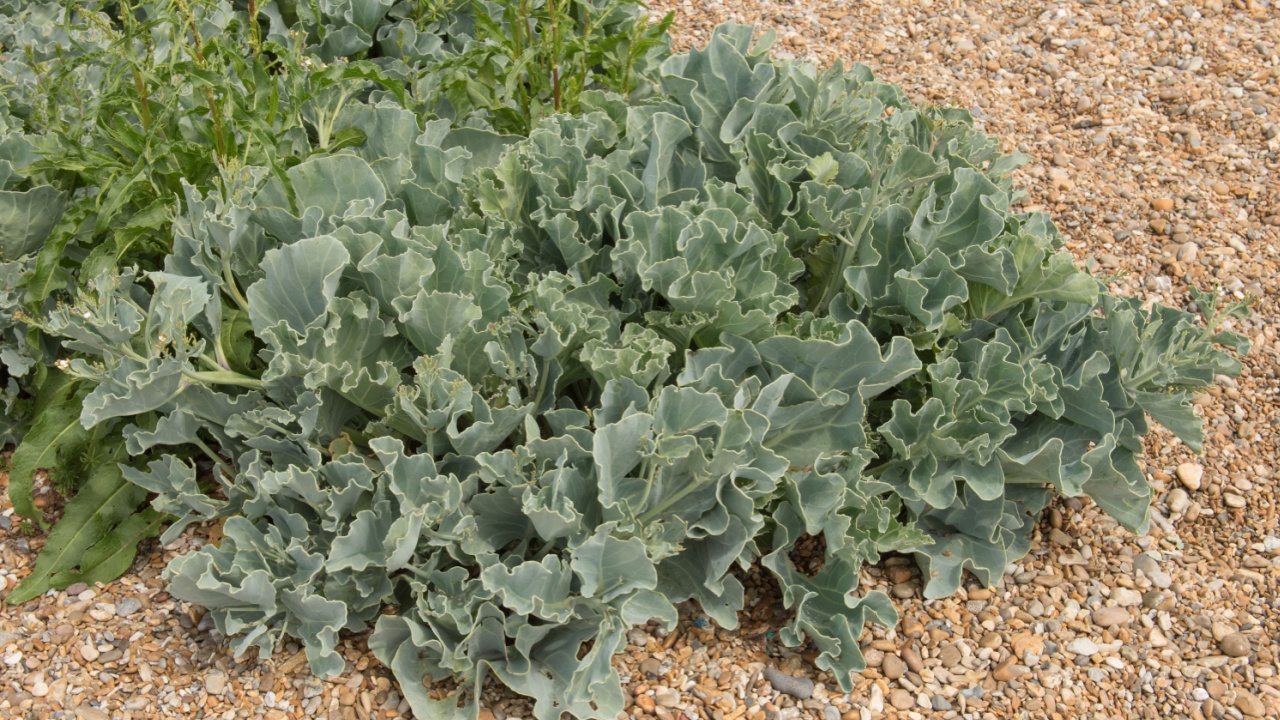
Sea kale was a popular American garden vegetable in the 19th century and then quietly disappeared from cultivation because its delicate leaves could not survive commercial shipping. That is your gain. This perennial coastal green functions as a cross between cabbage and kale and thrives in most U.S. climates. The young blanched shoots, harvested in early spring, are a genuine delicacy.
Harvest in year two; long-lived perennial.
12. Good King Henry
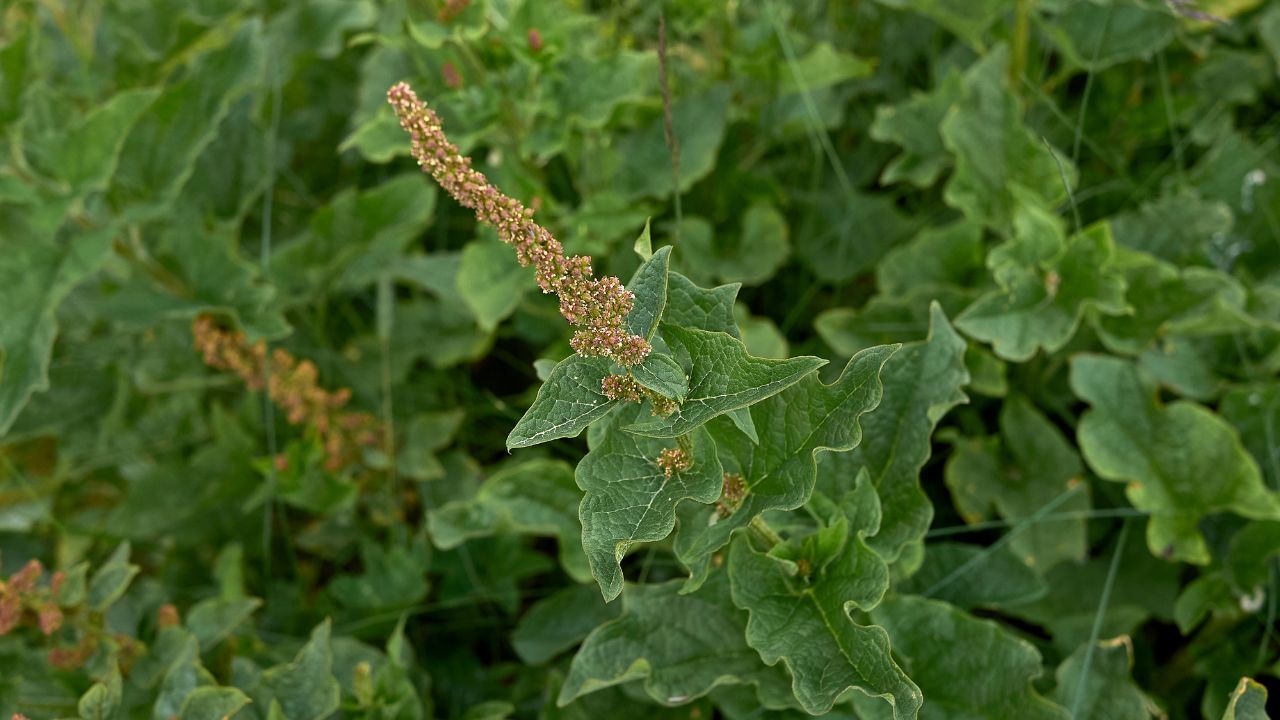
Also called “poor man’s asparagus,” this leafy perennial green was a kitchen garden staple for centuries and is worth rediscovering. Good King Henry re-emerges in early spring, often a full month before any annual greens are ready, making it invaluable as a food-gap filler. Use the leaves like spinach, the young stalks like asparagus, and the flower shoots like broccoli.
First harvest in year two; produces reliably for many years.
13. Skirret
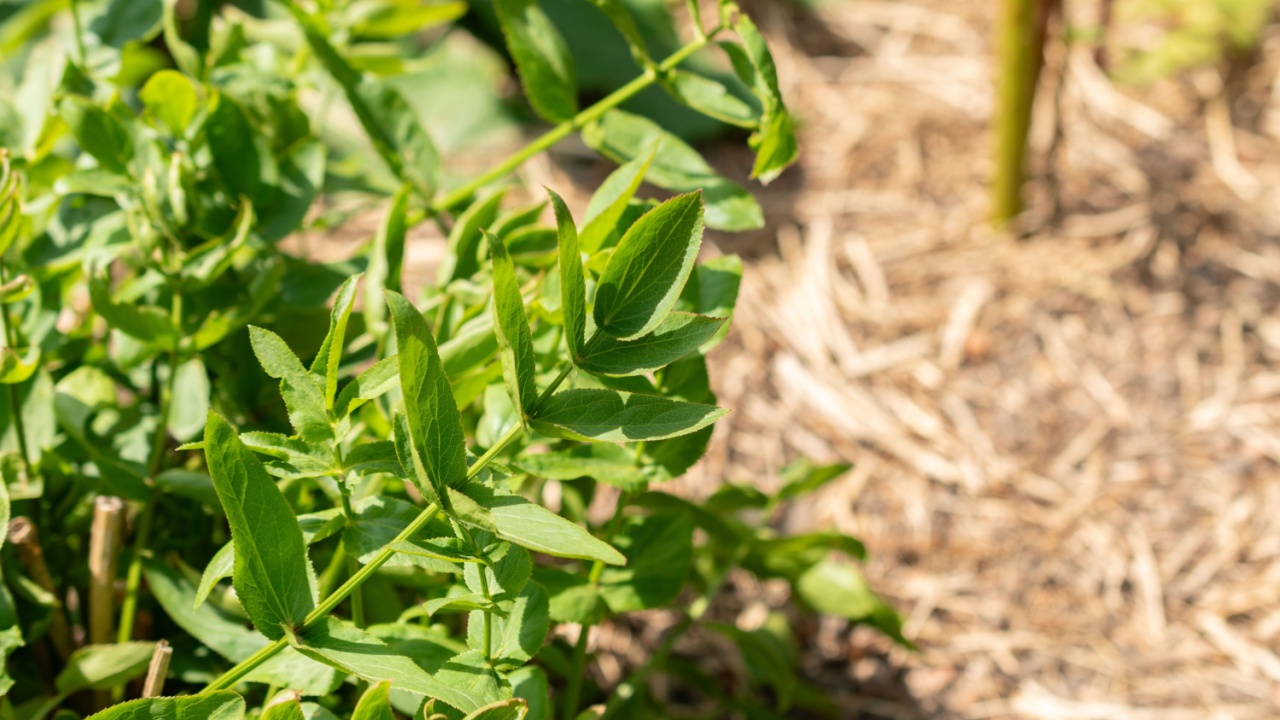
If you enjoy carrots and parsnips, skirret deserves a spot in your perennial bed. Its cluster of sweet, starchy roots tastes like a carrot crossed with a parsnip and cooks in a fraction of the time. Skirret grows in clumps that are easy to divide each year, giving you more plants and more roots with minimal effort. Plant in full sun and fertile soil for the best harvest.
Harvest in the fall of the second year; produces through division.
14. Perpetual Spinach
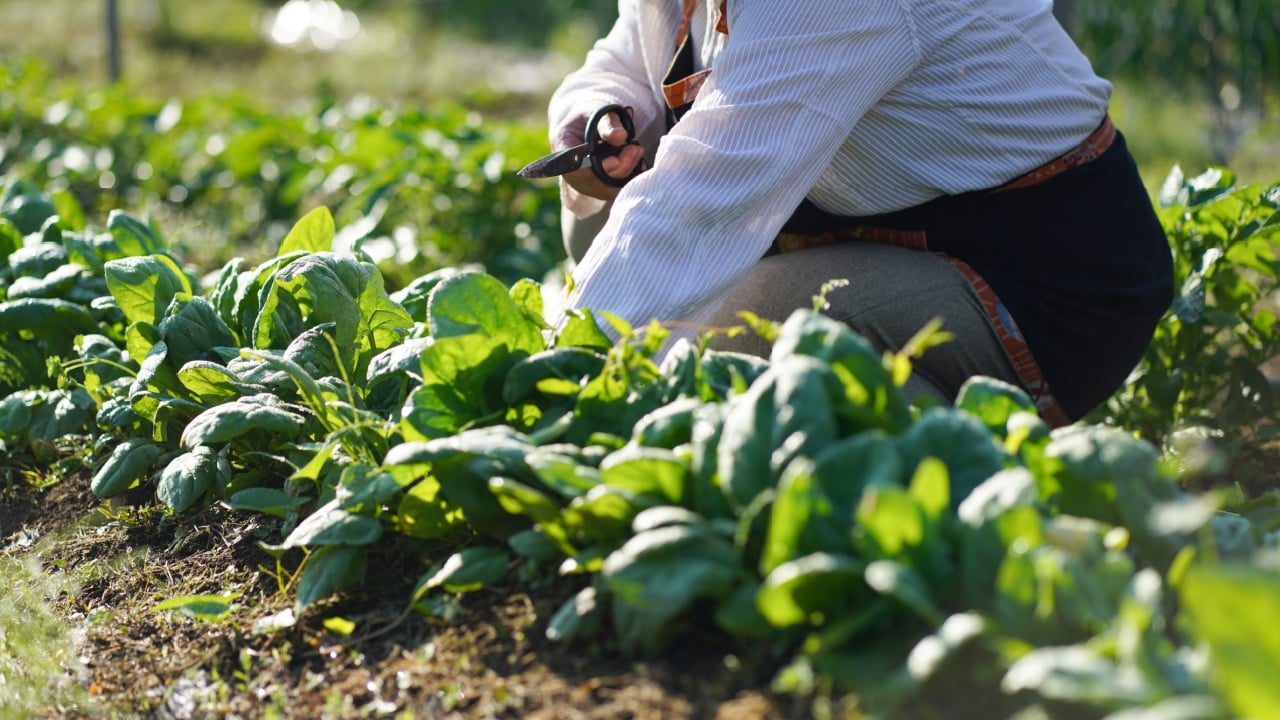
Not a true spinach but a type of chard that behaves like a perennial in climates without severe winters. Perpetual spinach produces a continuous supply of tender leaves through most of the year and thrives in partial shade, making it ideal for spots in the garden that other vegetables ignore. In colder zones, it behaves as a biennial; in mild zones, it keeps going.
Harvest begins in year one; reliable in mild climates.
15. Thyme
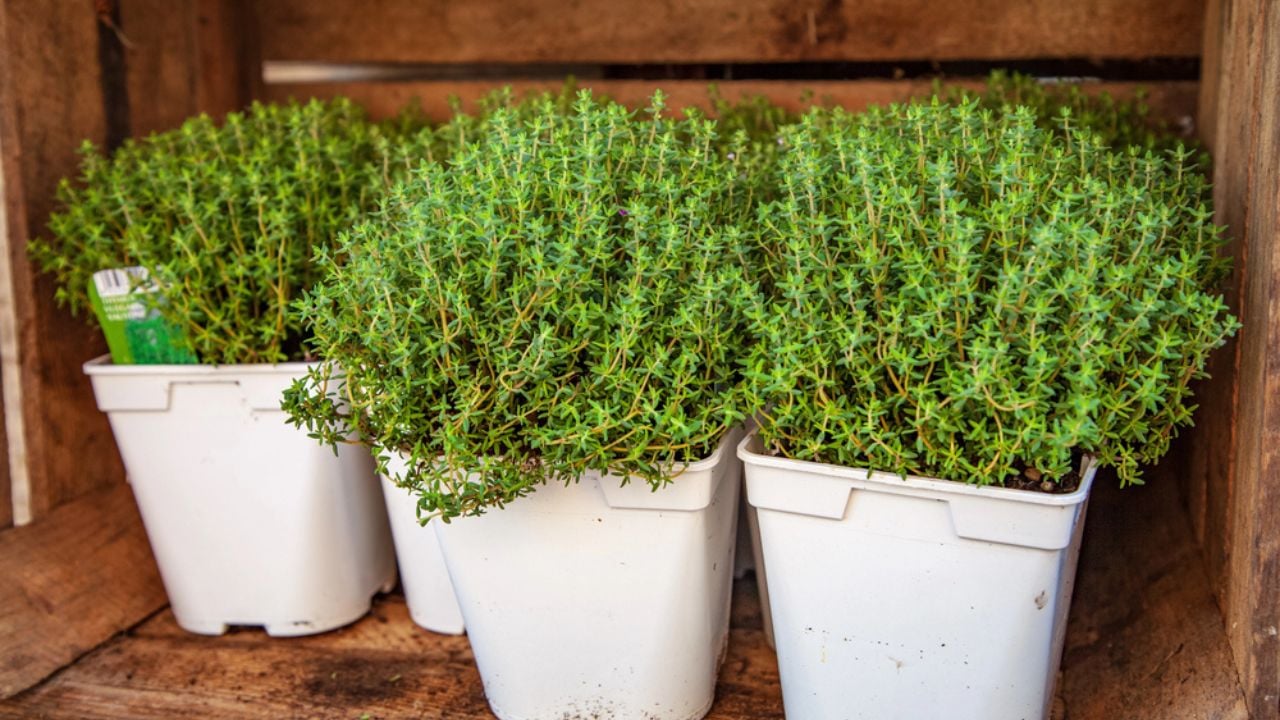
Thyme is one of the few plants in any garden that actively prefers poor, dry soil and minimal attention. Overwatering and over-amending are the easiest ways to kill it. A small thyme plant placed in full sun in lean, well-drained soil will become a spreading, fragrant, infinitely harvestable perennial that asks almost nothing in return.
Harvestable in year one; thrives for many years with almost no care
What to Plant While You Wait
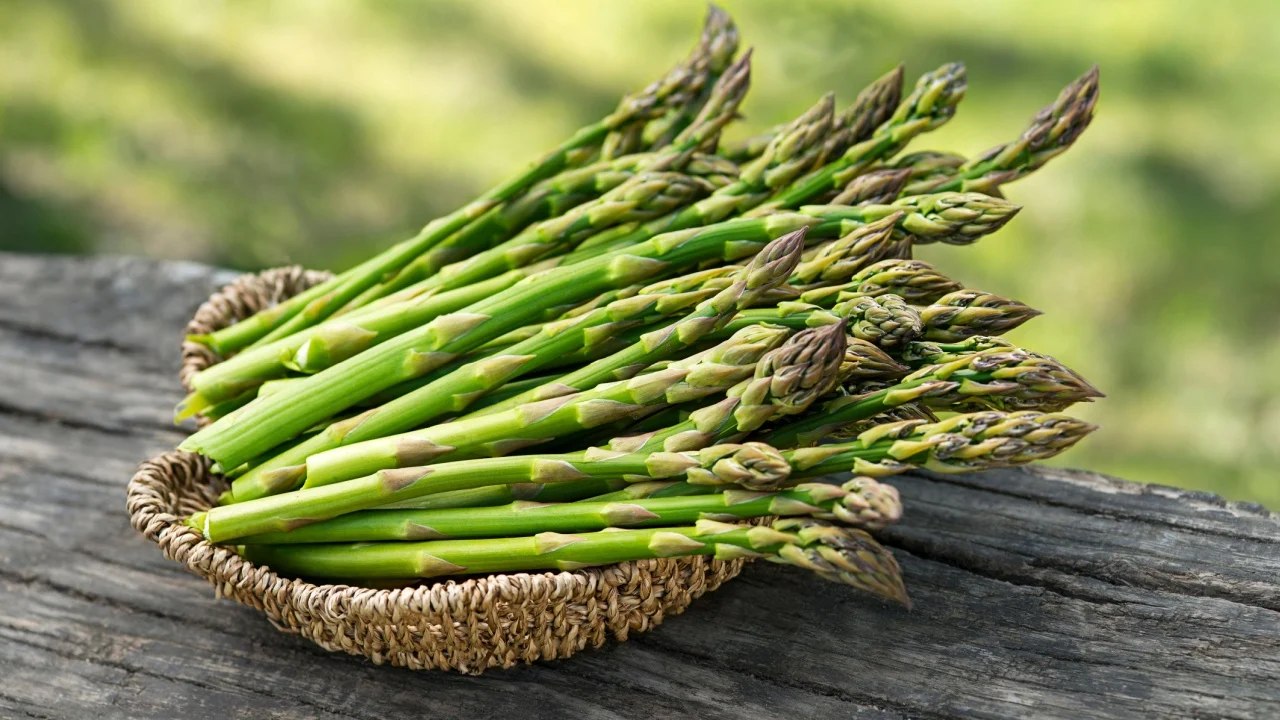
The “wasted space” worry is understandable, but it dissolves with a simple strategy: interplanting. During the first one to two years, while asparagus crowns or other perennials establish, plant fast-maturing crops between the rows. Lettuce, radishes, spinach, and arugula all grow quickly, harvest before the asparagus fronds fill in, and leave no lasting root competition. This turns a perceived liability into a productive mixed bed.
Rhubarb and strawberries are natural companions; plant them in adjacent beds, so both emerge together in spring. Chives and thyme can border the edges of any perennial vegetable section, filling space productively while doubling as pollinator plants.
The old-fashioned kitchen garden that your grandparents kept was not just a vegetable plot. It was a permanent planting, tended and added to over the years, with slow-growing perennials at its backbone and annuals filling in the gaps around them. That model never stopped working. It just got abandoned in favor of the convenience of the seed catalog.
The best time to plant asparagus was twenty years ago. The second-best time is this March.
Read more:
Do these 12 raised garden bed tasks before March ends, or lose your head start
12 vegetables to direct sow in the garden right now in March