12 “Set It and Forget It” Perennials That Thrive on Neglect
Most gardening advice will tell you to amend your soil, fertilize on a schedule, and deadhead religiously. Here’s what that advice skips: the plants that truly take care of themselves don’t want any of that. The real secret to a garden that practically runs itself is choosing plants designed to be ignored; ones that evolved in poor, dry, difficult conditions, and actually get worse when you try to help them.
These are not exotic varieties. They are the old-fashioned standbys that lined every farmhouse garden for a century, survived every drought and hard freeze, and kept coming back before anyone had heard of a soil amendment. If your grandmother grew them, she probably didn’t think of them as “gardening.” They were just in the yard.
Here are twelve perennials that will hold their own through your busiest seasons, your most neglectful months, and years when gardening simply isn’t a priority.
The One Rule Every Busy Gardener Needs to Know First
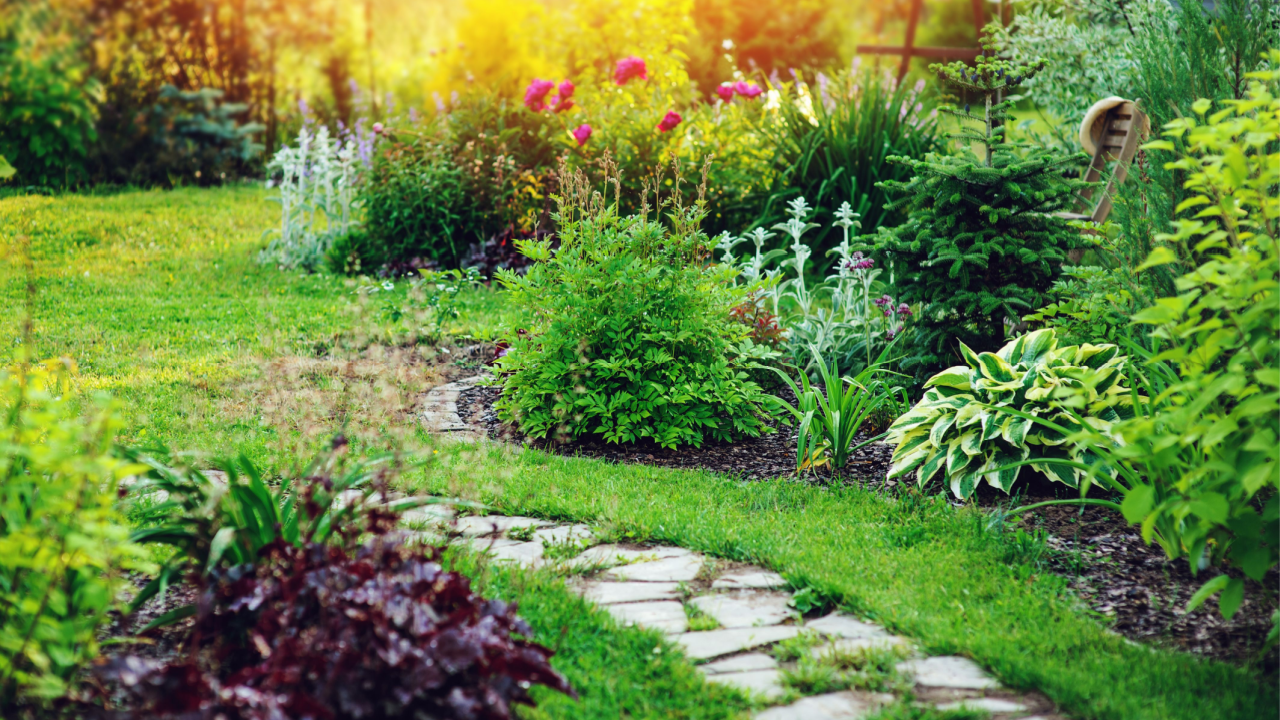
Before anything else, a word of honest advice: “set it and forget it” is real, but it begins in year two. Every perennial on this list asks for one thing in its first growing season — consistent water while its roots find their footing. Give it that, lay down three inches of mulch around each plant to lock in moisture and suppress weeds, and by the following spring, you can walk away.
1. Coneflower (Echinacea)
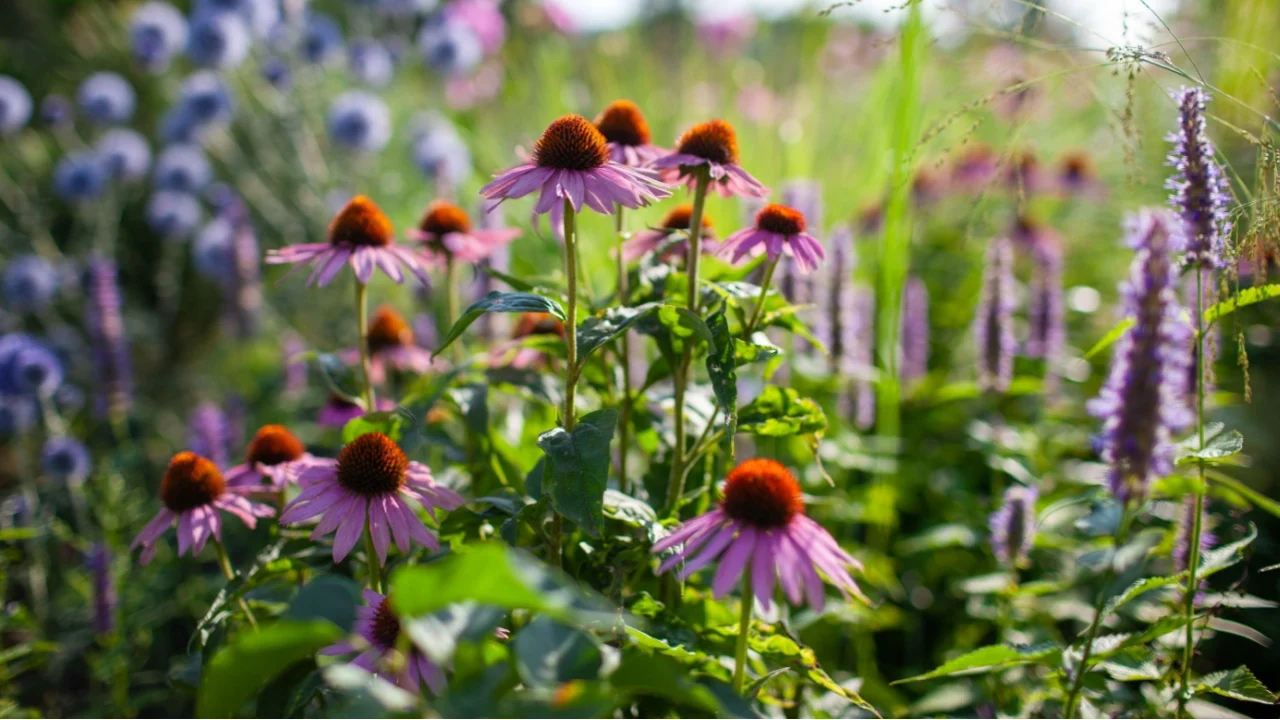
The undisputed workhorse of the low-maintenance garden, coneflower blooms in early summer and again in early fall, tolerates drought and poor soil without complaint, and self-seeds gently without taking over.
Bees and butterflies arrive without any invitation. Leave the seed heads standing through winter, and goldfinches will thank you all season long.
2. Yarrow (Achillea)
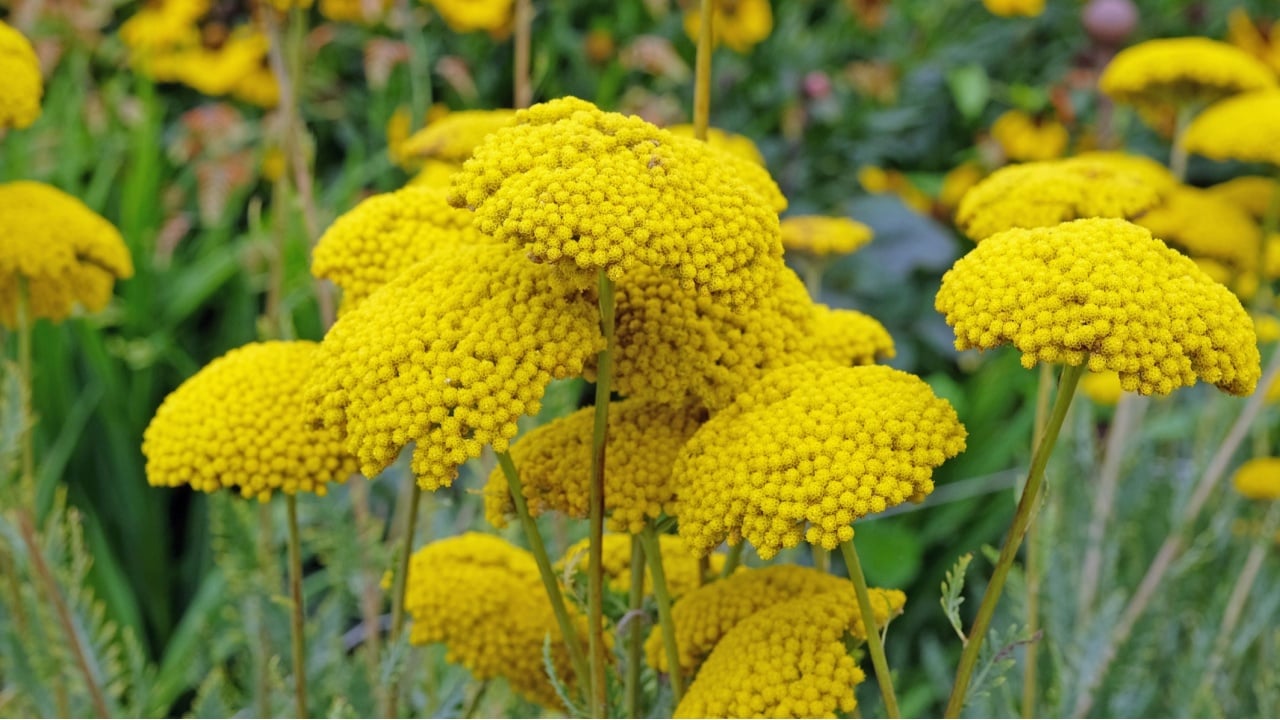
Yarrow grows in conditions that would defeat most plants: dry, rocky, nutrient-poor ground where it spreads slowly to fill in bare patches. Its flat-topped flower clusters come in yellow, white, red, and pink, bloom from summer to fall, and attract an impressive range of beneficial insects, including predatory wasps that keep garden pests in check.
Gardener Anna Hackman of The Naked Botanical describes it simply in The Spruce: “Yarrow is upright and happy.”
3. Daylily (Hemerocallis)
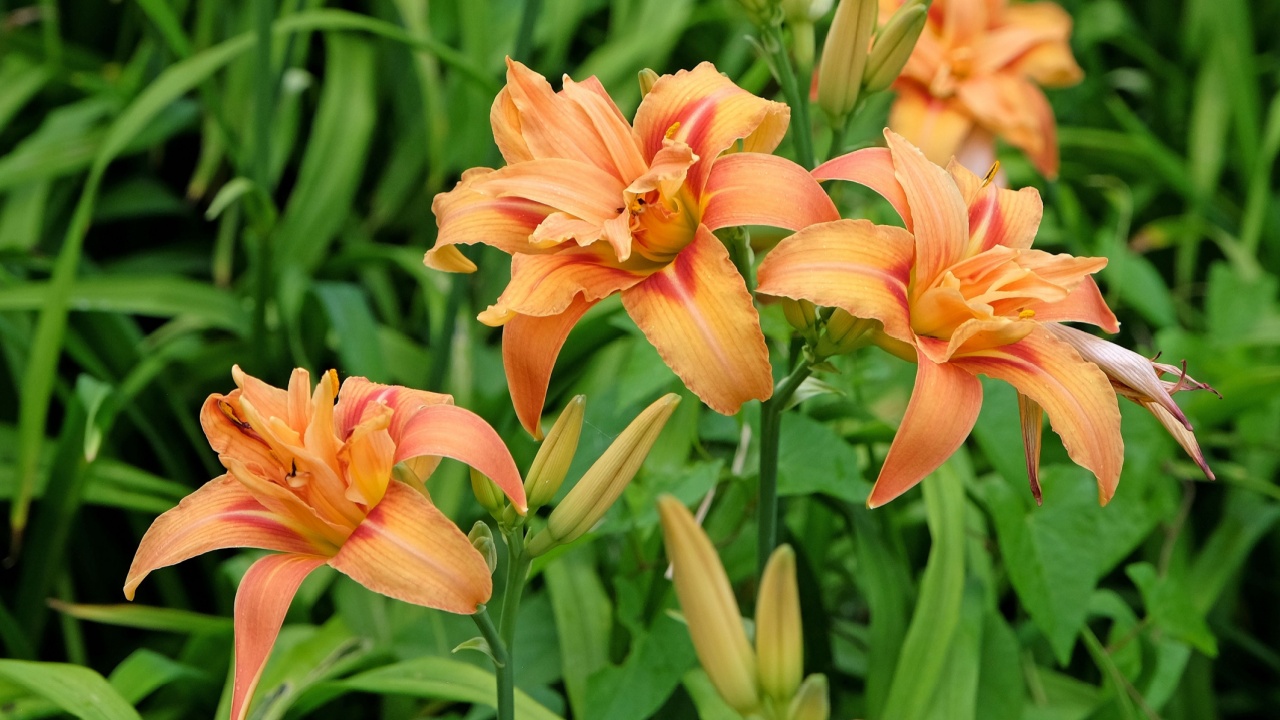
If you’ve never grown a perennial before, start here. Daylilies are long-lived, multiply reliably year after year, tolerate drought and partial shade, and produce dozens of blooms per stem across an entire summer season.
After a few years, the clumps become large enough to divide, which means free plants for every other bare spot in your yard, or a generous gift to a neighbor who’s been admiring them.
4. Catmint (Nepeta)
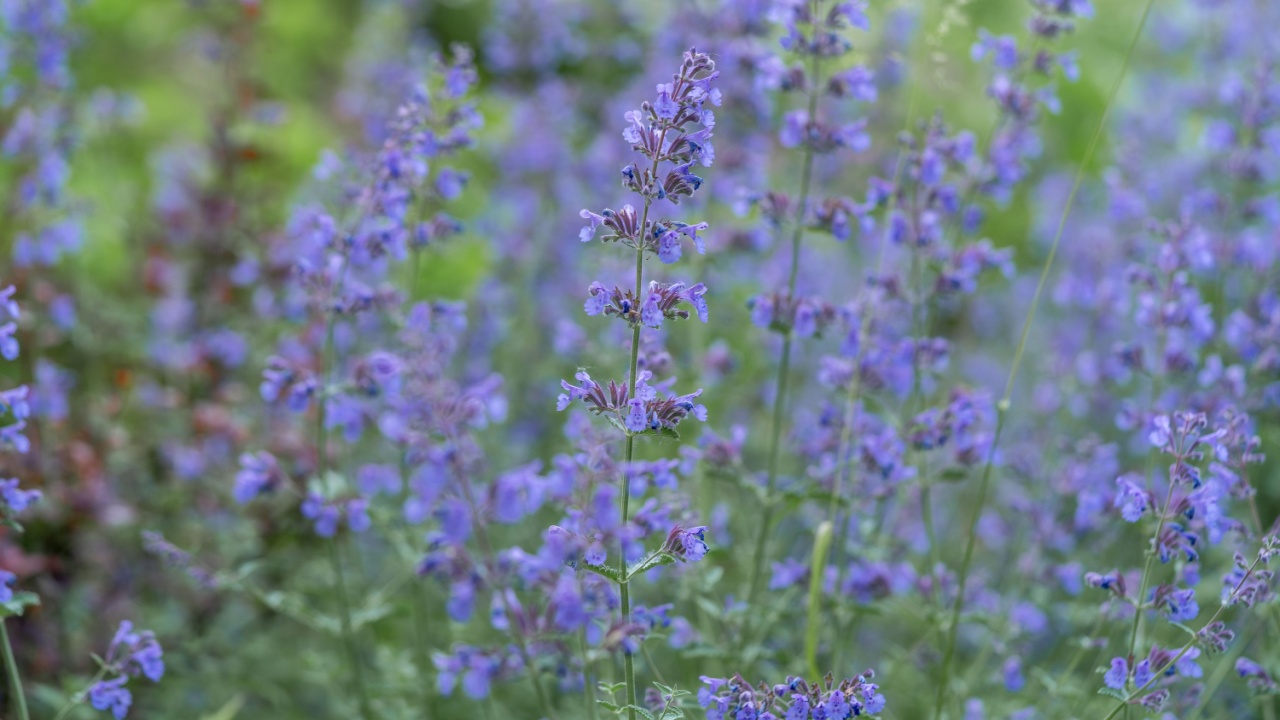
With its silvery foliage and soft lavender-blue flower spikes, catmint blooms abundantly in spring and, if you give it a quick trim after its first flush, blooms again. It’s drought-tolerant, deer-resistant, and pollinators treat it as a destination.
Plant it in full sun and well-drained soil on the dry side, and then largely ignore it. Note that in confined beds, give it room to spread, or plan to divide it every few years.
5. Russian Sage (Perovskia)
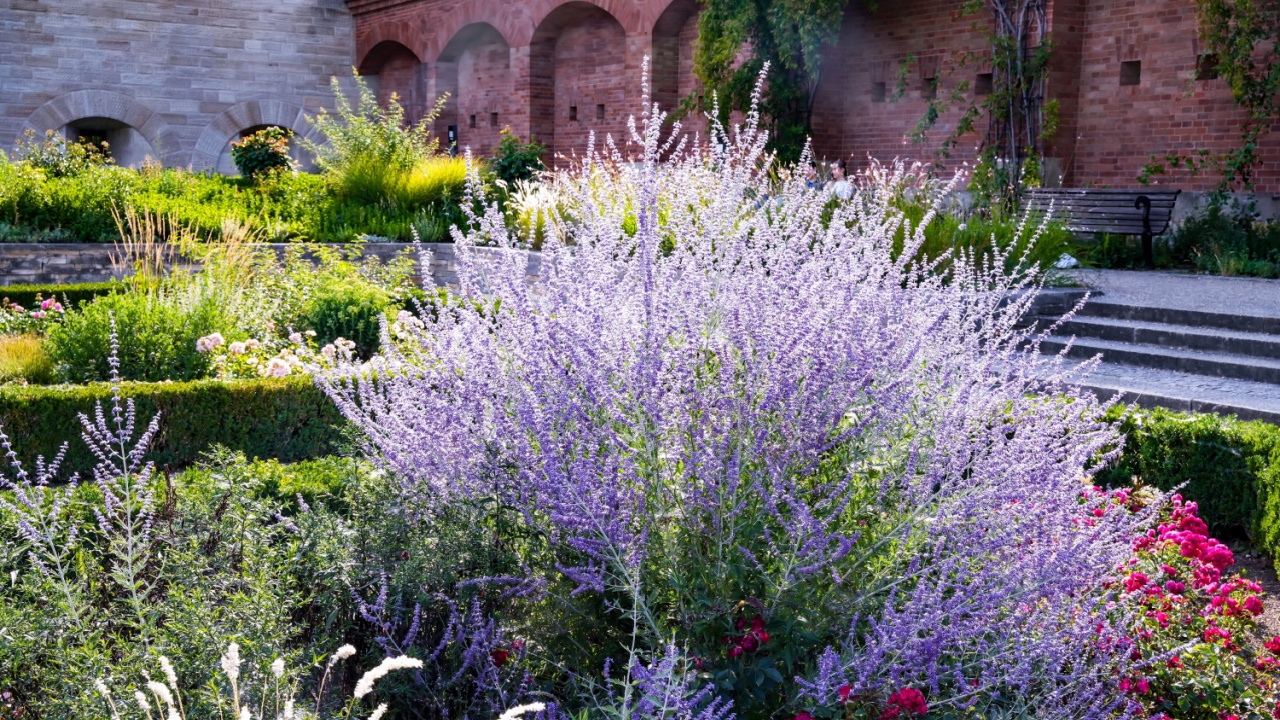
One of the most striking perennials for hot, dry conditions, Russian sage produces silver-green aromatic foliage and a long haze of lavender-blue flowers from midsummer through fall.
It prefers lean, sandy, or rocky soil (the leaner the better) and asks for almost nothing beyond one annual cutback to about three inches in early spring before new growth appears. Once established, it rarely needs supplemental water.
6. Sedum (Stonecrop)
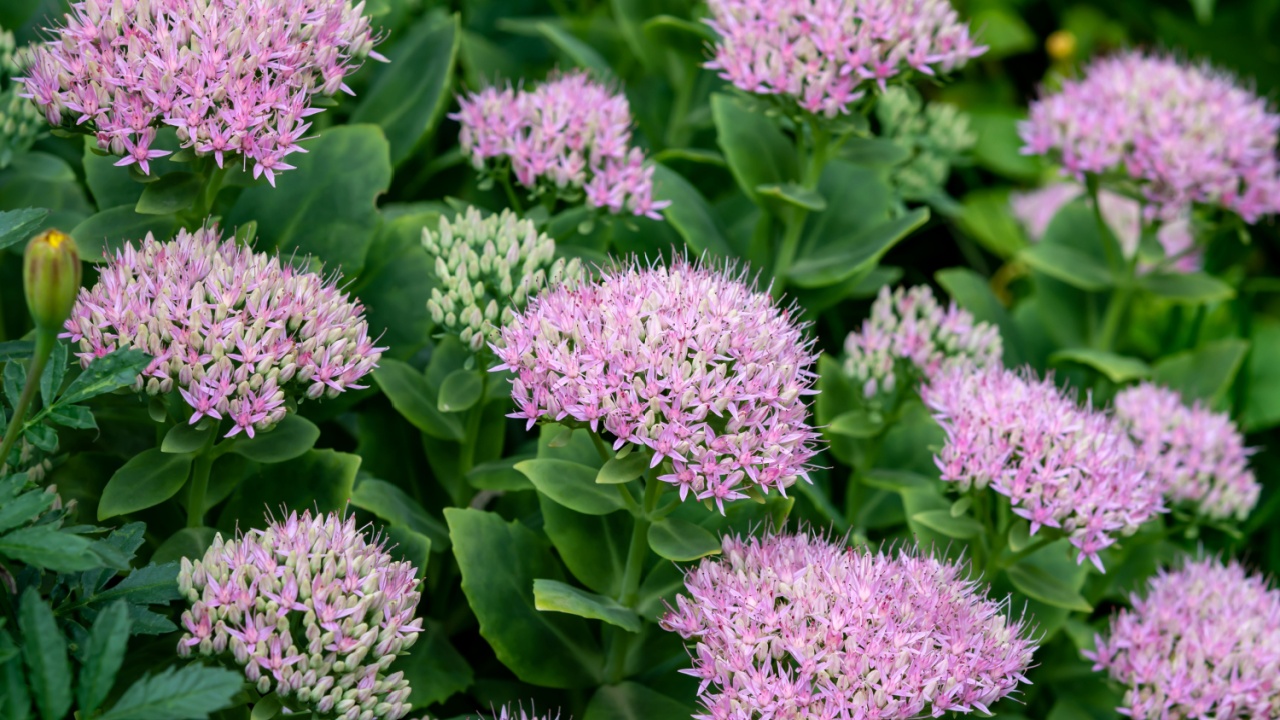
Sedum stores water in its succulent leaves, which means it largely waters itself through dry spells. Plant it in full sun and the poorest, best-drained soil you have, add no fertilizer or organic matter whatsoever, and it will reward you with late-summer and fall blooms in pink, red, and white just as the rest of the garden winds down.
According to Proven Winners, the guiding principle for sedum is “lean and mean — pamper it and you’ll be disappointed.”
7. Black-Eyed Susan (Rudbeckia)
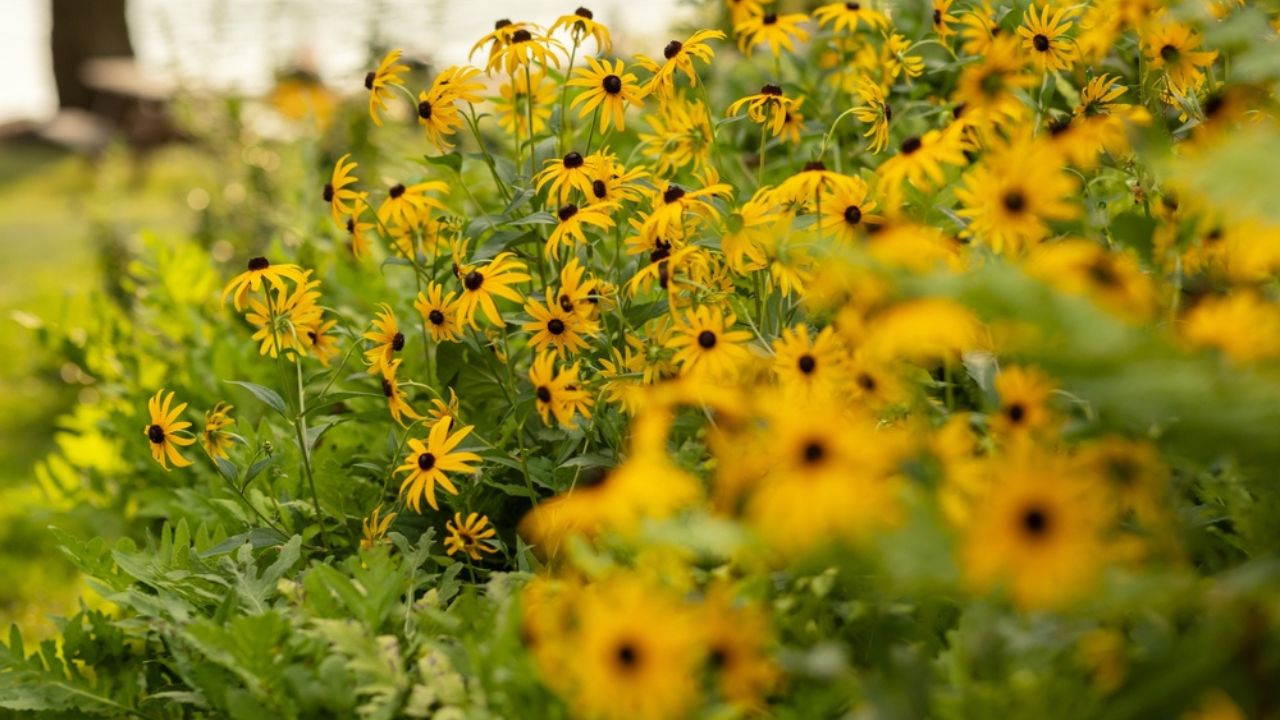
Just when summer starts to feel tired, black-eyed Susans deliver a wave of bright golden blooms with dark, dramatic centers. They self-seed freely and spread quickly, which makes them ideal for large beds and naturalized areas, though they may require occasional editing in tight borders.
Their reliable late-season color and zero-fuss nature make them one of the most beloved garden workhorses across every region of the country.
8. Coreopsis (Tickseed)
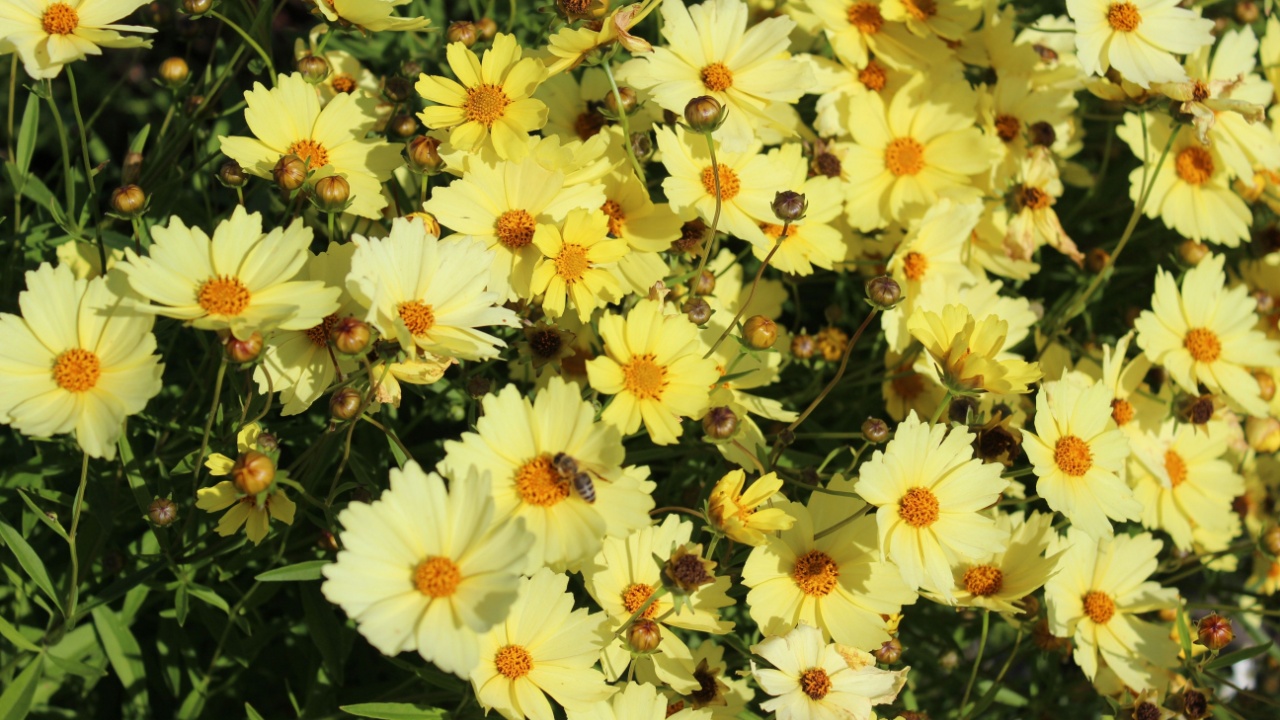
Soft, daisy-like blooms that float above their foliage for months on end, coreopsis is one of the longest-blooming perennials available. It handles heat, rocky soil, and mild drought without any visible distress, and pairs beautifully with nearly any other plant in the garden.
“Coreopsis is low-maintenance and drought-tolerant once established,” says horticulturist Alex Kantor in The Spruce. “It adds a whimsical, airy texture that works beautifully in perennial gardens.”
9. Lavender
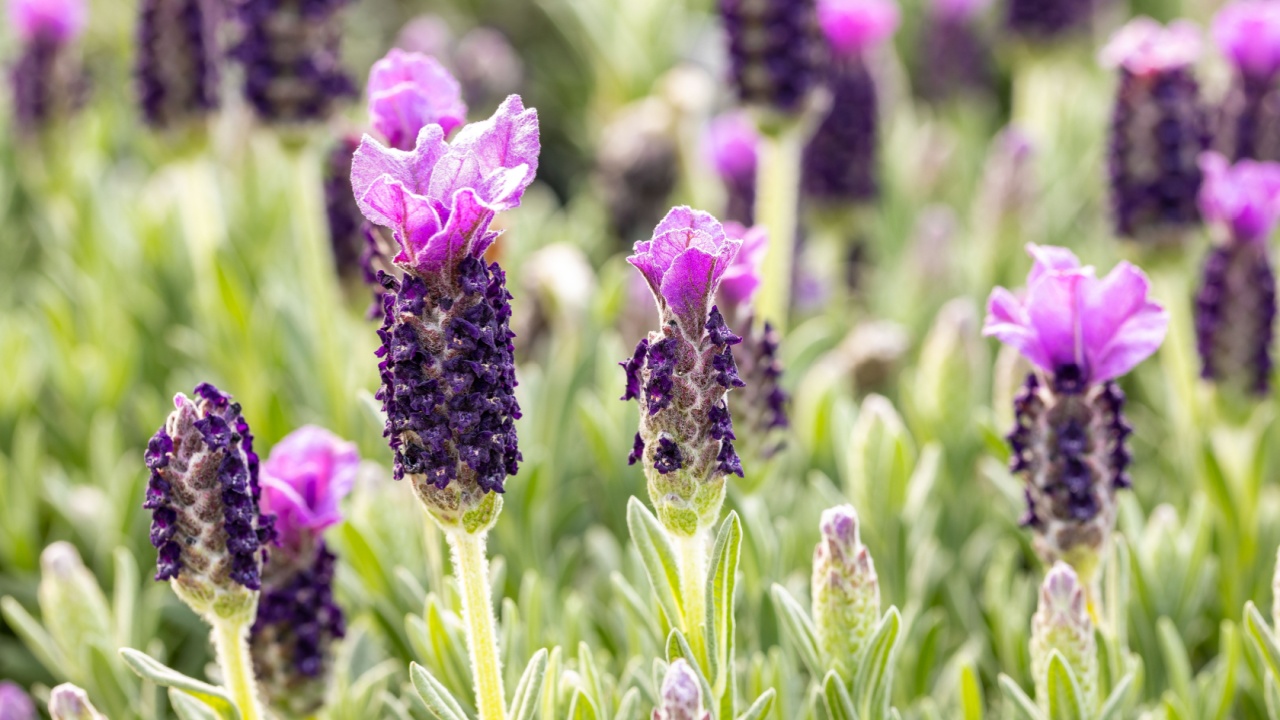
There is a persistent myth that lavender is difficult to grow. It isn’t; it just hates wet feet and heavy soil. Give it full sun and the sandiest, best-drained spot you have, skip the fertilizer entirely, and lavender will thrive for five to ten years with almost no intervention.
It’s deer and rabbit-resistant, fragrant, useful for drying and cooking, and blooms reliably from early summer through fall.
10. Baptisia (False Indigo)
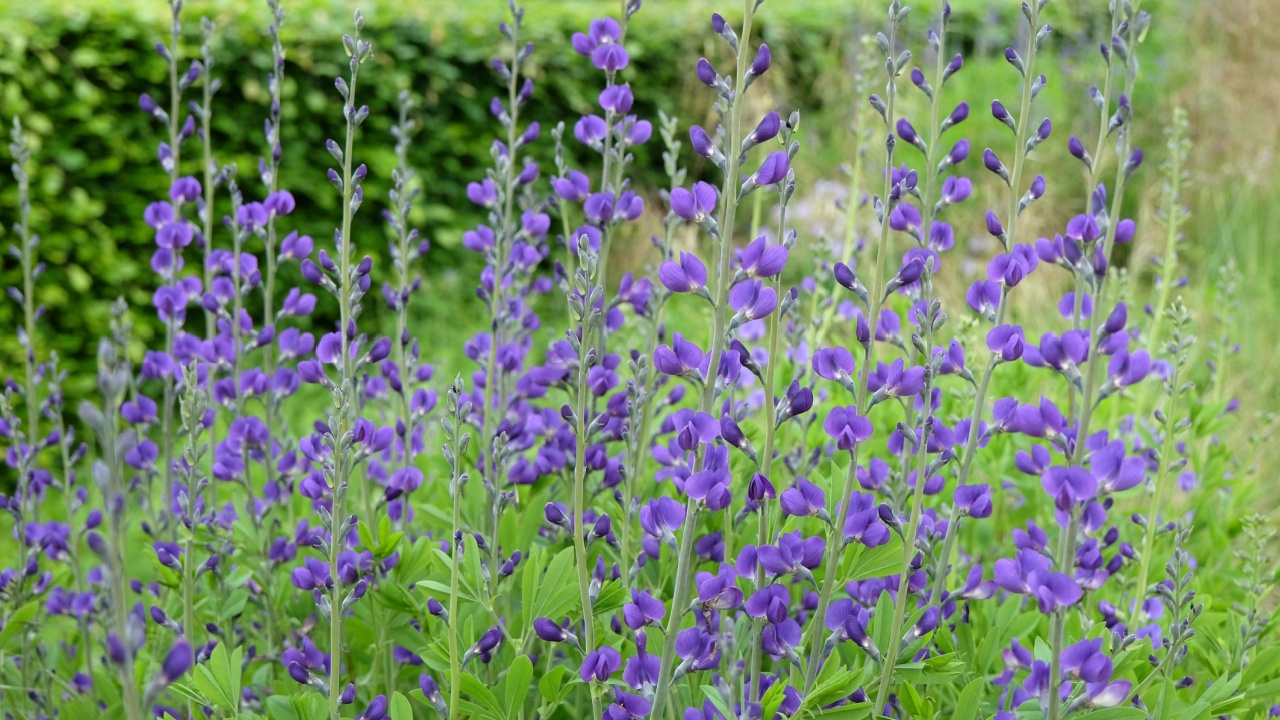
Here is a plant that tests your patience in the best possible way. Baptisia looks modest in its first two years while it develops one of the deepest, most drought-resistant root systems in the perennial world.
By year three, it explodes into a substandial, stunning clump of pea-like blooms in blue, purple, or white, followed by decorative seed pods. It needs no deadheading, no fertilizer, and no dividing. Once it’s established, it will likely outlive you.
11. Lamb’s Ear (Stachys)
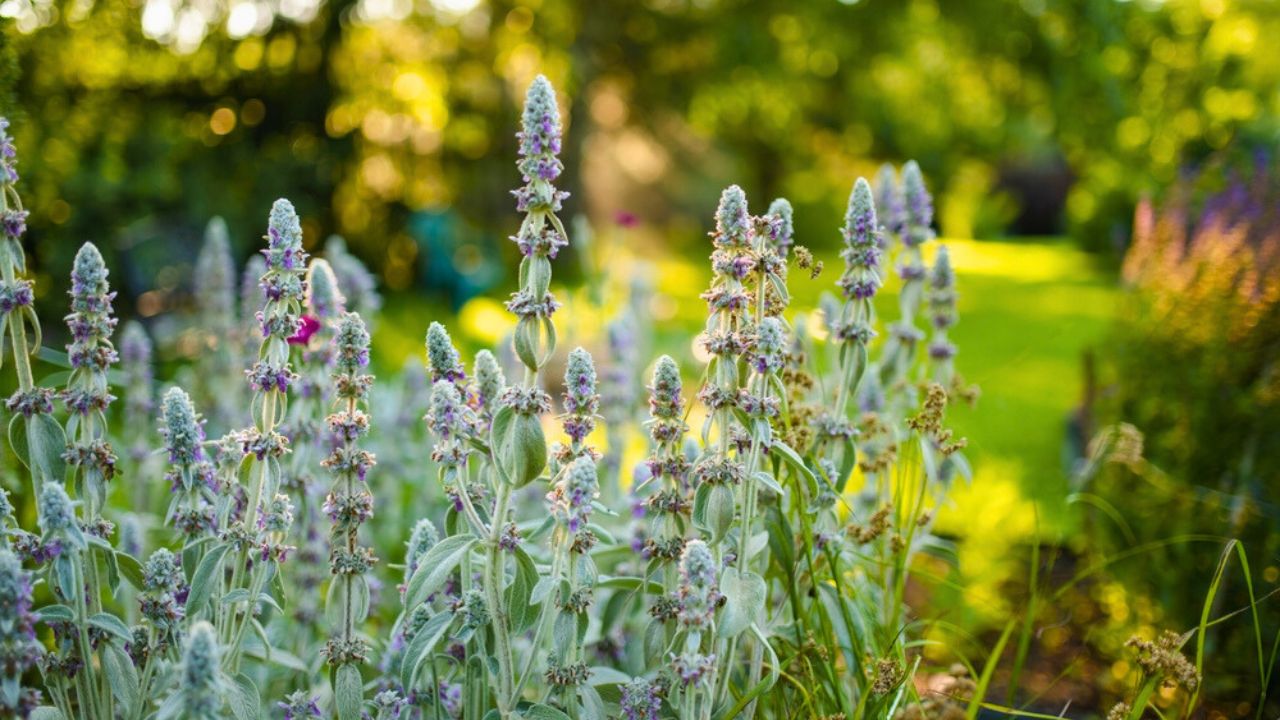
Soft, silver-gray, and velvety, lamb’s ear is one of the most tactilely satisfying plants in any garden, and also one of the toughest. It spreads quickly to fill bare ground, requires low to medium moisture, and tolerates everything from full sun to part shade.
In humid climates, thin the center in early summer to prevent rot; otherwise, leave it entirely alone and enjoy the way it ties together bolder, brighter plants around it.
12. Ornamental Switch Grass (Panicum)

If any plant earns the “set it and forget it” title unconditionally, it’s switch grass. Native prairie grasses thrive in any soil from sand to clay, in any moisture level from dry to wet, and ask only for full sun. Once per year in late winter, cut the previous year’s growth to the ground and walk away.
For the other eleven months, switch grass delivers textural interest, graceful movement in any breeze, and dramatic winter silhouettes that few flowering perennials can match.
How to Start Small and Let Your Garden Build Itself
If you’re starting from scratch, don’t try to plant all twelve at once. A five-plant starter combination that covers sun, part shade, early bloom, late bloom, and textural interest will carry a bed through the entire season without replanting: coneflower, catmint, yarrow, daylily, and black-eyed Susan. Together, they provide color from late spring through October and require nothing beyond that first-year mulching and establishment watering.
By year two, your daylilies will be ready to divide. By year three, your coneflowers and black-eyed Susans will be producing volunteers you can move to fill other spots in your yard. The garden begins to expand on its own — and the only cost is the time it takes to dig and replant.
The perennial garden is a long game. But all it takes to get started is a single good afternoon and a bag of mulch.
Read more:
Is Your House A Wildfire Target? 7 Things That Increase Your Risk At Home
Is The Heat To Blame for Your Struggling Vegetable Garden This Summer? Stop Making These 7 Mistakes