
18 Chinese Restaurant Dishes You’re Better Off Skipping
Chinese restaurant menus are a wonderland of options, colorful sauces, sizzling woks, and dishes that smell like they were pulled straight from a street market in Chengdu. But behind some of the most popular menu items lurks a surprising amount of sugar, sodium, and oil that would make a nutritionist quietly set down their chopsticks. The fan favorites that look the most irresistible are often the ones doing the most nutritional damage.
The dishes flagged in this list are based on a combination of published nutritional data, food research, and insights from sources like Healthline and other reputable outlets that have done the calorie counting, so you don’t have to do it mid-bite. These aren’t obscure menu items either. They’re the dishes that show up on nearly every American-Chinese restaurant menu and tend to be ordered on autopilot.
What follows is a breakdown of 18 dishes worth reconsidering, along with honest suggestions for what to order in their place or recreate at home with more control over the ingredients. No deprivation required.
1. Sweet and Sour Pork
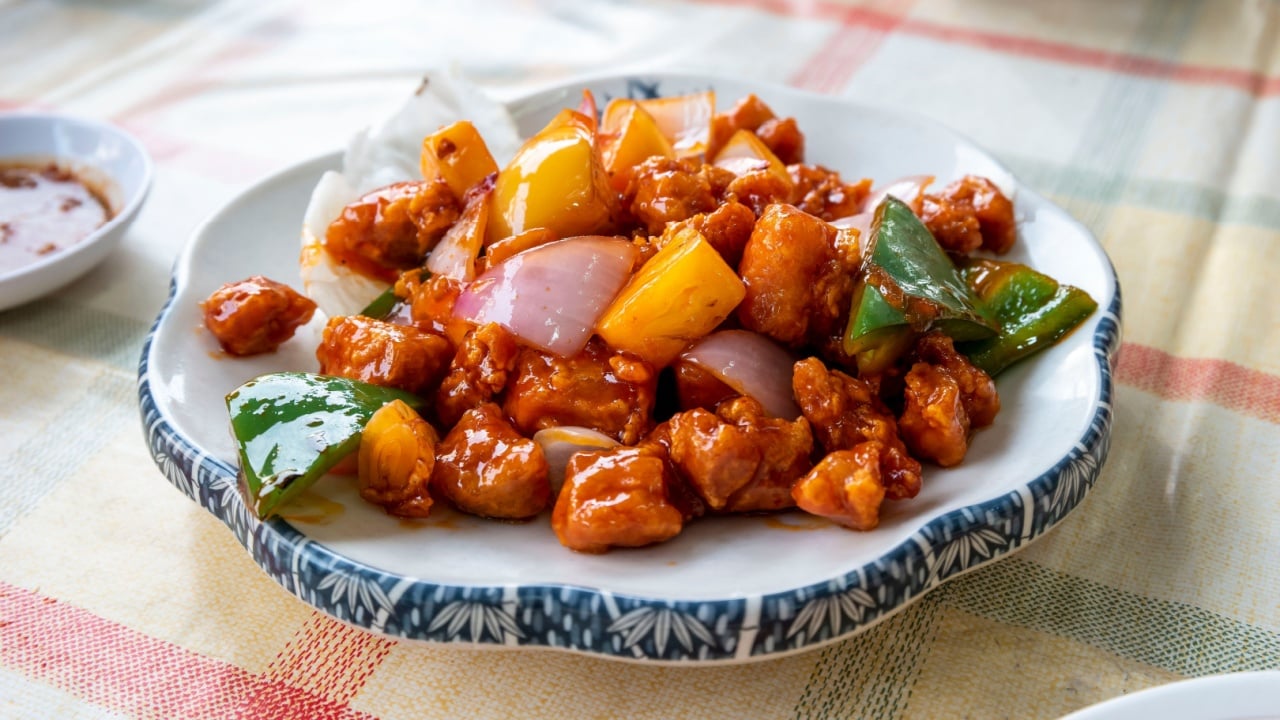
That glowing orange sauce is hard to resist, but a single portion of sweet and sour pork can contain more than 1,600 calories and the equivalent of 16 teaspoons of sugar. The pork is battered and deep-fried before being coated in a sauce that’s essentially candy with a savory PR strategy. It looks like a main course. It tastes like a dessert.
At home, the dish is completely transformable. Use a light batter or skip it altogether and pan-sear the pork. A sauce made from fresh pineapple juice, a small amount of honey, rice vinegar, and reduced-sodium soy sauce delivers the same sweet-tart flavor with a significantly reduced sugar load. Pair it with steamed jasmine rice, and you have a dish that actually earns its place on the plate.
2. General Tso’s Chicken
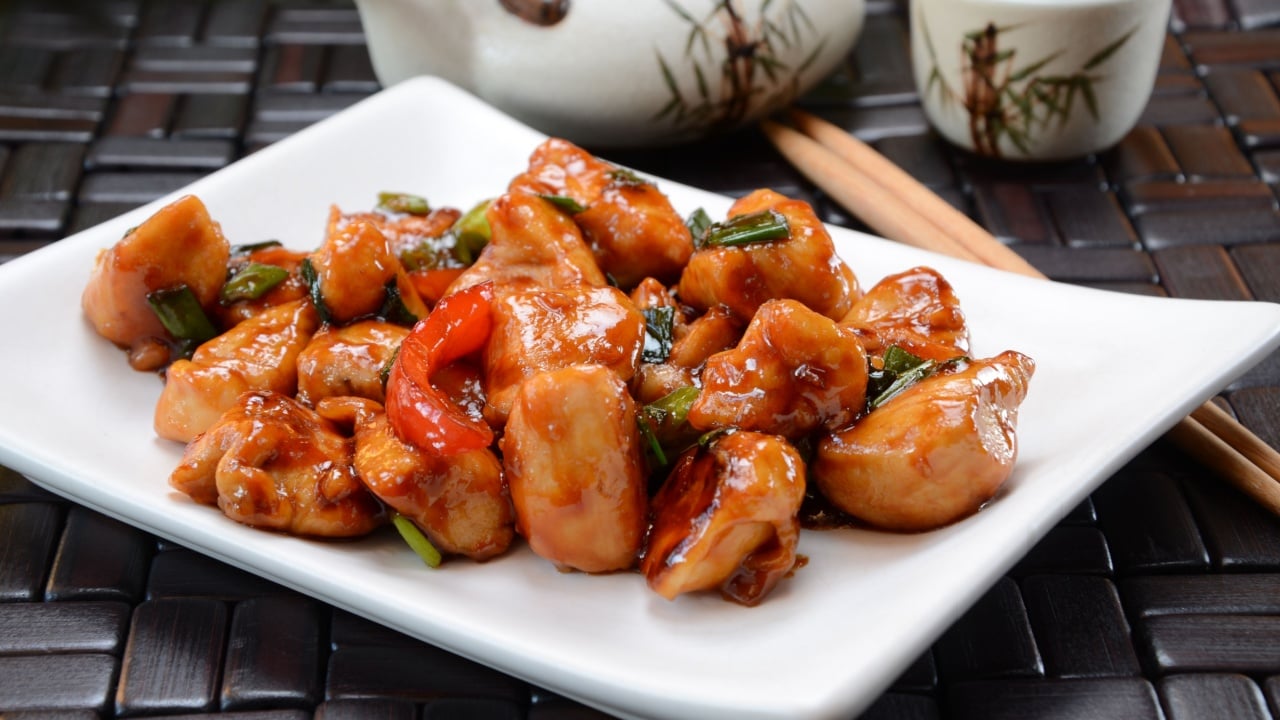
General Tso’s Chicken was invented in the United States and has a minimal connection to traditional Chinese cuisine. The general himself would likely be baffled by the dish bearing his name, battered chicken fried until crispy, then tossed in a sauce that delivers around 2327 milligrams of sodium per serving. That’s more than an entire day’s recommended sodium intake in one dish.
For a smarter swap, baked or air-fried chicken thighs tossed in a lighter sauce of low-sodium soy, garlic, ginger, and a touch of chili paste get remarkably close to the original flavor profile. At the restaurant, look for steamed chicken with ginger and scallions instead, clean, satisfying, and far more balanced.
3. Orange Chicken
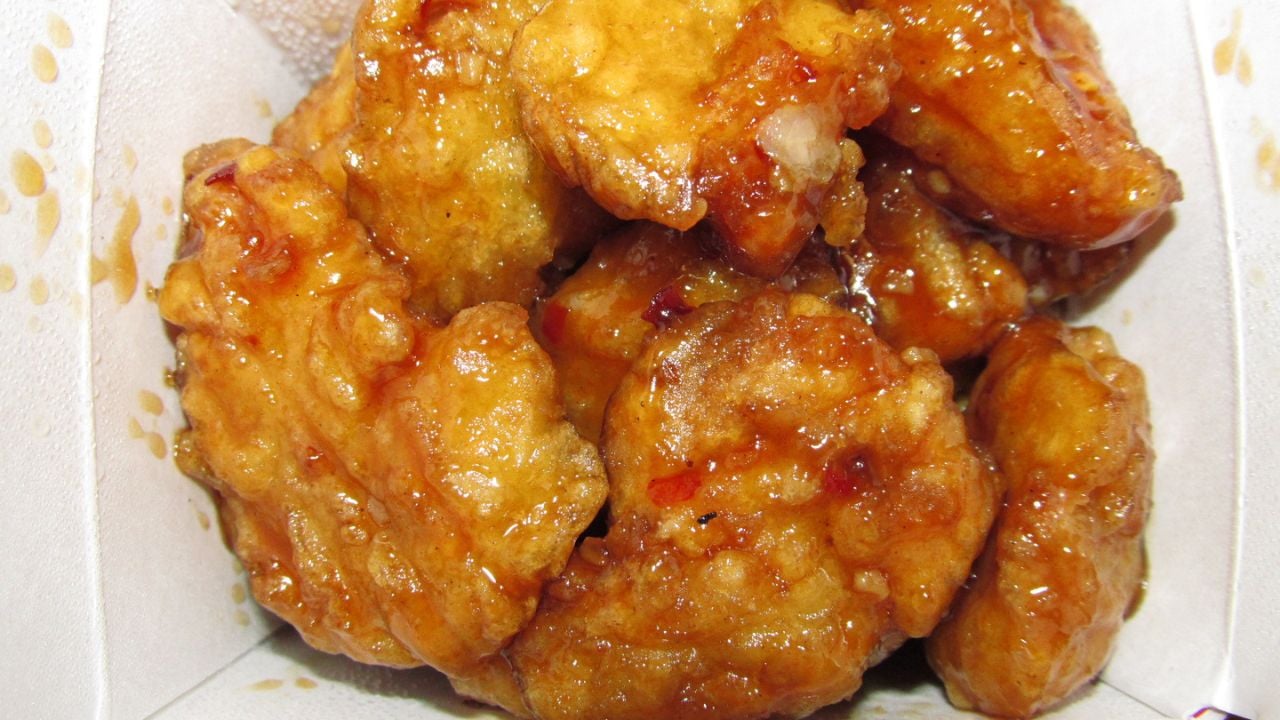
Orange chicken is General Tso’s louder cousin. The chicken pieces are often twice-fried for extra crunch, soaking up oil at every stage, and the sauce can contain up to 5 tablespoons of sugar per serving and a whopping amount of salt. When ordered with rice, the total calorie count can hit 1,800. The orange flavor is appealing, but it’s doing a lot of heavy lifting to distract from what’s actually in the bowl.
A homemade version, made with fresh orange zest, a small amount of maple syrup, low-sodium soy sauce, and cornstarch for thickening, produces a sauce that actually tastes like oranges, rather than a candy-like approximation. Toss it with pan-seared chicken breast and serve over brown rice for a genuinely satisfying meal.
4. Lemon Chicken
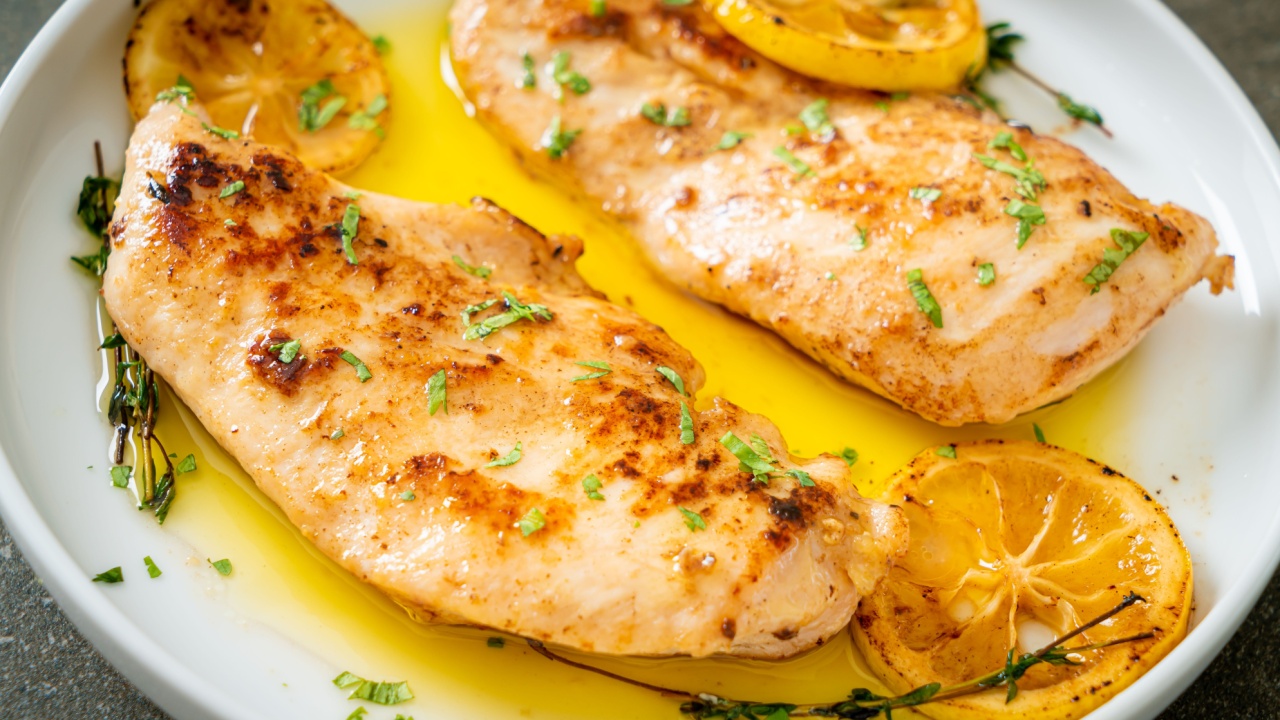
Lemon chicken sets a convincing trap. The citrus sauce appears light and refreshing, but the chicken underneath has been battered and deep-fried before being coated with that sauce. The nutritional analysis of restaurant-prepared versions indicates a calorie count of around 1,400 per serving. The lemon flavor creates a perception of lightness that the dish’s actual composition doesn’t support.
At home, thin-sliced chicken breast can be lightly dredged in seasoned flour and pan-fried with minimal oil, resulting in a tender and flavorful dish. A sauce made from fresh lemon juice, low-sodium chicken broth, a touch of honey, and cornstarch comes together in minutes and tastes genuinely bright and citrusy. The difference between homemade and restaurant versions is striking once you’ve made it yourself.
5. Mongolian Beef
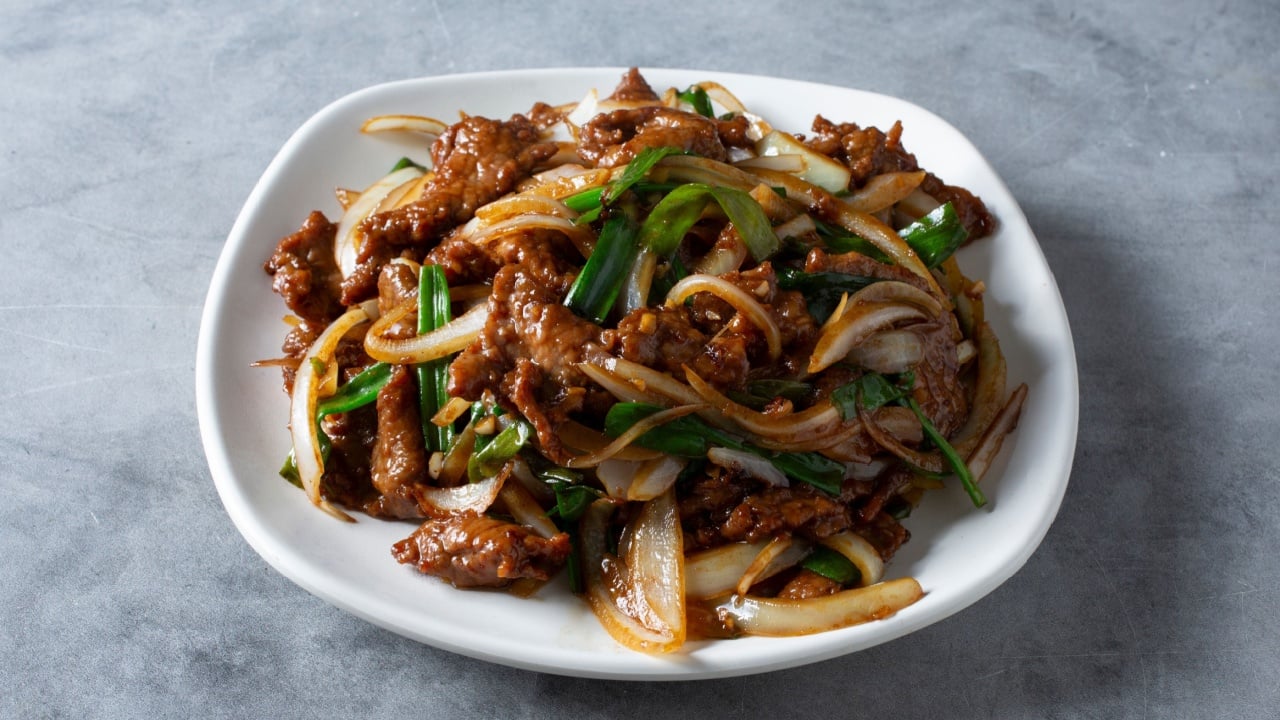
Despite the name, Mongolian beef is an American invention with no verifiable roots in Mongolian cuisine. Restaurant versions typically use inexpensive, fatty beef cuts that are flash-fried in oil, then coated in a sauce that combines brown sugar, hoisin, and soy sauce. This combination can deliver around 1,700mg of sodium in a standard portion.
Flank steak or sirloin sliced thin and stir-fried at home with a reduced-sodium sauce made from coconut aminos, a small amount of brown sugar, fresh garlic, and ginger yields a much cleaner result. Add extra scallions and serve over cauliflower rice or regular rice, depending on your preference. The flavor holds up, the sodium doesn’t need to.
6. Beef With Broccoli
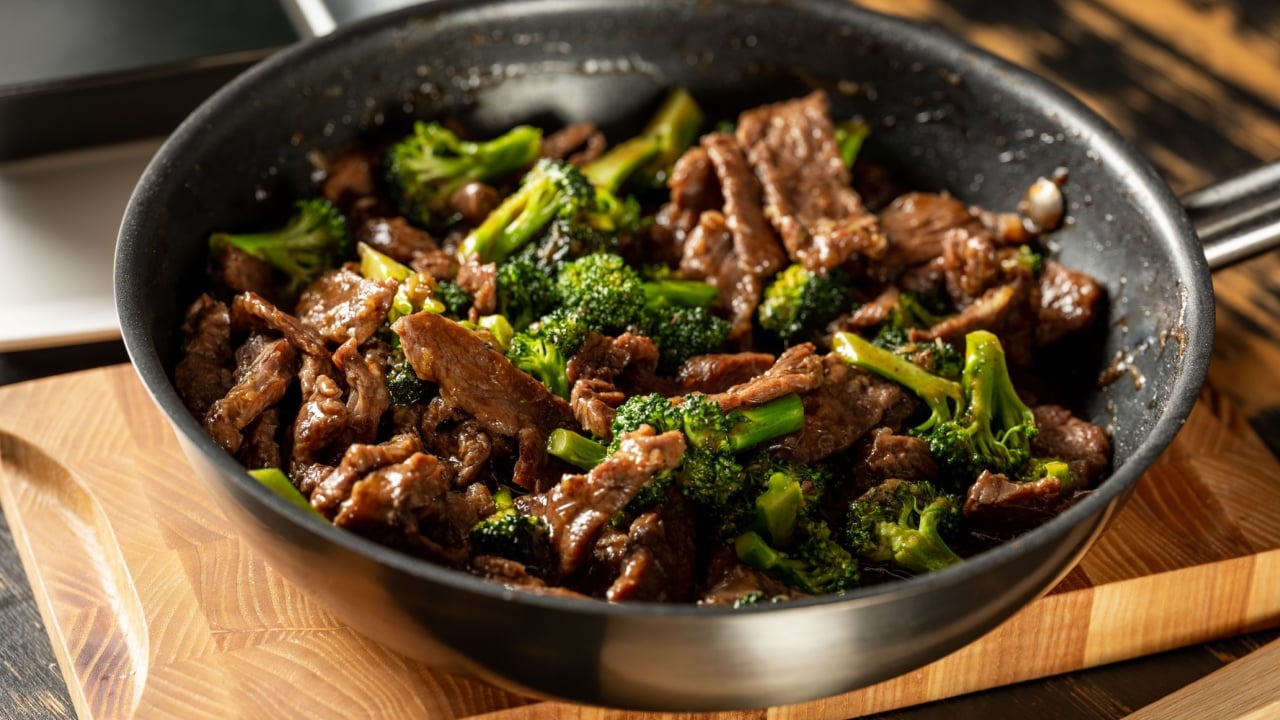
Beef with broccoli appears to be the responsible choice on the menu. The broccoli is right there, visible, green, and nutritious-looking. The issue is the preparation surrounding it. The beef is typically marinated in cornstarch and soy sauce; the stir-fry sauce contains significant added sodium. Many restaurants use lower-quality beef cuts with high fat marbling, which undercut any nutritional benefit the broccoli provides.
Making this at home is straightforward: lean sirloin, low-sodium oyster sauce, a splash of sesame oil, garlic, and fresh ginger. The broccoli gets to actually be the nutritional star it was always meant to be, rather than a garnish for a sodium-heavy sauce delivery system.
7. Fried Rice
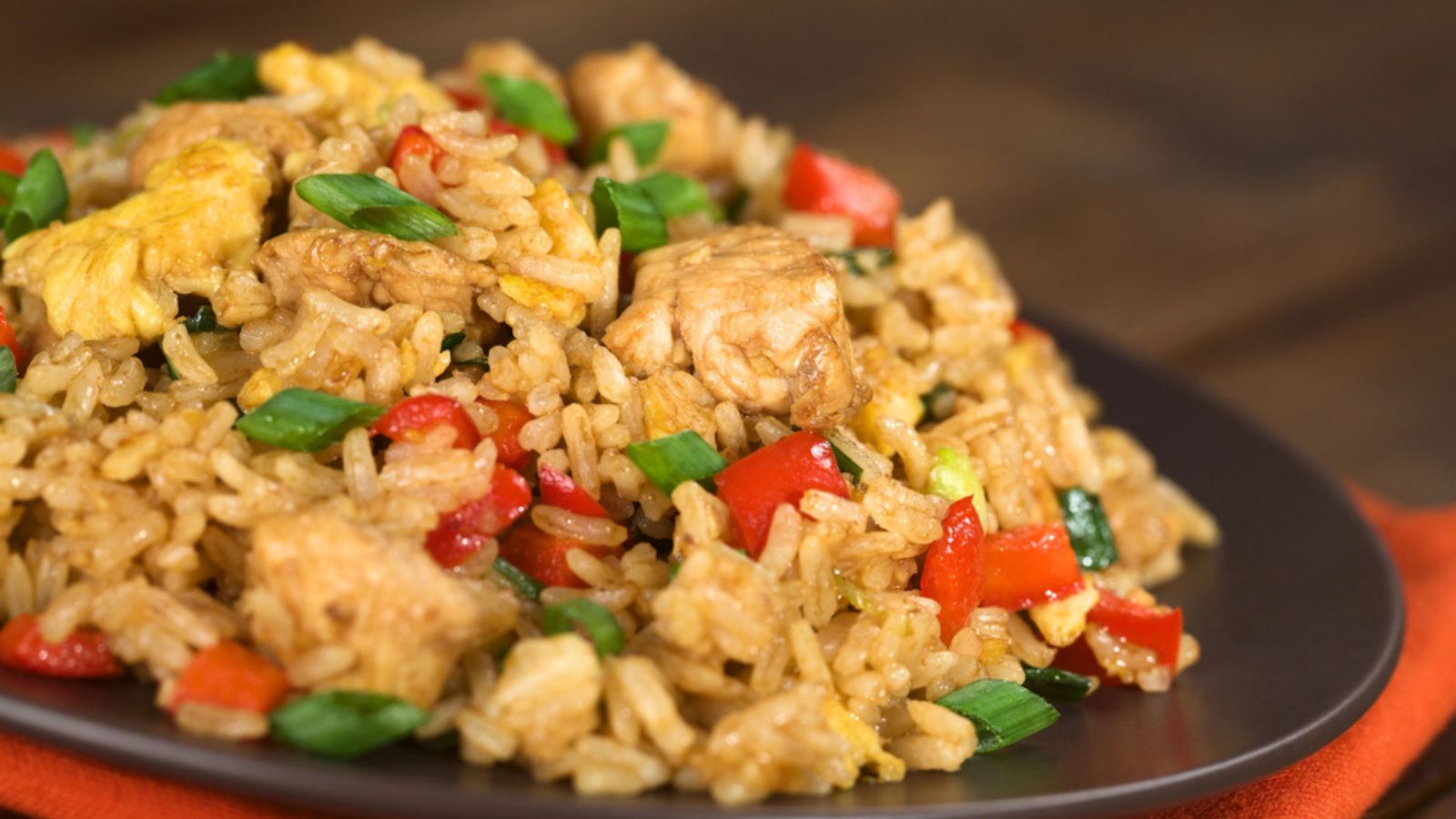
Fried rice starts with a credibility advantage: rice, vegetables, egg, and a bit of protein. What’s not to like? The reality is that restaurant fried rice is typically made with day-old rice fried in generous amounts of oil, combined with fatty meat, minimal vegetables, and liberal soy sauce. A typical restaurant portion can contain around 1,500 calories, which is approaching a full day’s recommended intake for many people.
Home-fried rice, made with cooked brown rice, a small amount of sesame oil, lots of vegetables, an egg, and low-sodium soy sauce, is genuinely one of the best weeknight meals available. Use whatever vegetables need to be used up. The result is faster than ordering takeout and significantly better nutritionally.
8. Chow Mein
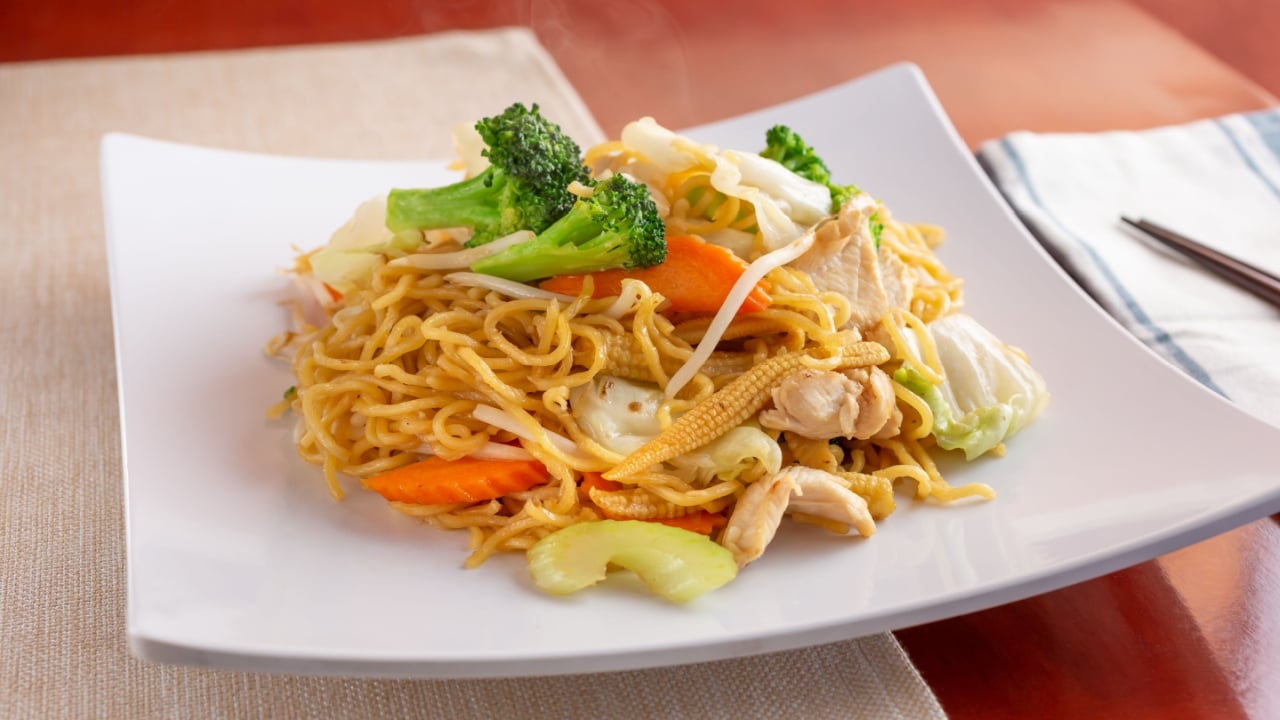
Chow mein gets a double hit of oil. The noodles are typically boiled first, then stir-fried in oil. Restaurant versions often contain minimal vegetables and excessive grease, with a standard portion delivering up to 587 calories and 1170 milligrams of sodium. The noodles themselves have a high glycemic index, which means a rapid blood sugar spike occurs shortly after eating them.
At home, using whole wheat noodles or soba noodles, stir-fried with a generous amount of vegetables and a light sauce of low-sodium soy, sesame oil, and a splash of rice vinegar, produces a far more nutritionally balanced result. At the restaurant, look for a steamed noodle dish or ask for it to be prepared with less oil.
9. Egg Foo Young
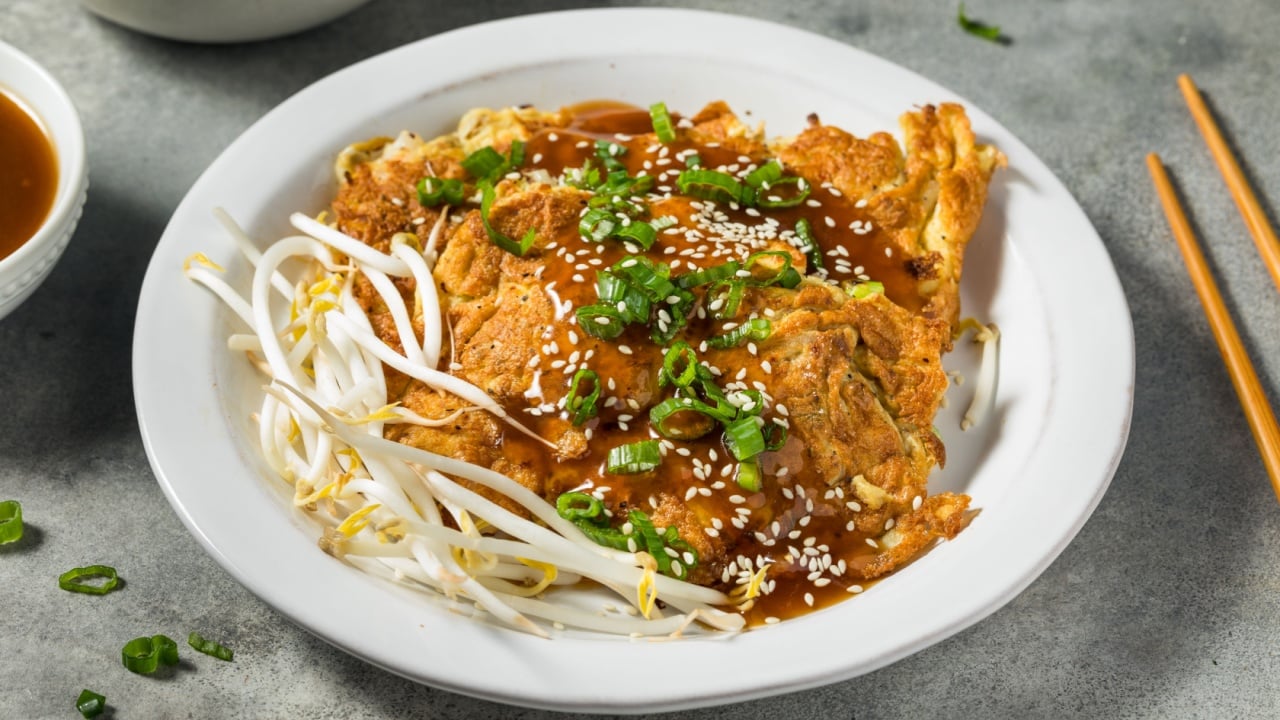
Egg foo young reads as a sensible, protein-forward choice. In practice, the egg patties absorb a significant amount of oil during frying, and the thick, cornstarch-heavy gravy poured over the top adds more calories and sodium to an already heavy base. Sodium content frequently exceeds 900mg per serving, which is nearly half the daily recommended limit from a single dish.
A homemade version, prepared in a non-stick pan with minimal oil, is filled with fresh vegetables, a small amount of lean protein, and served with a light broth-based sauce rather than thick gravy. This approach keeps the appeal of the dish intact while significantly reducing the damage.
10. Crab Rangoon
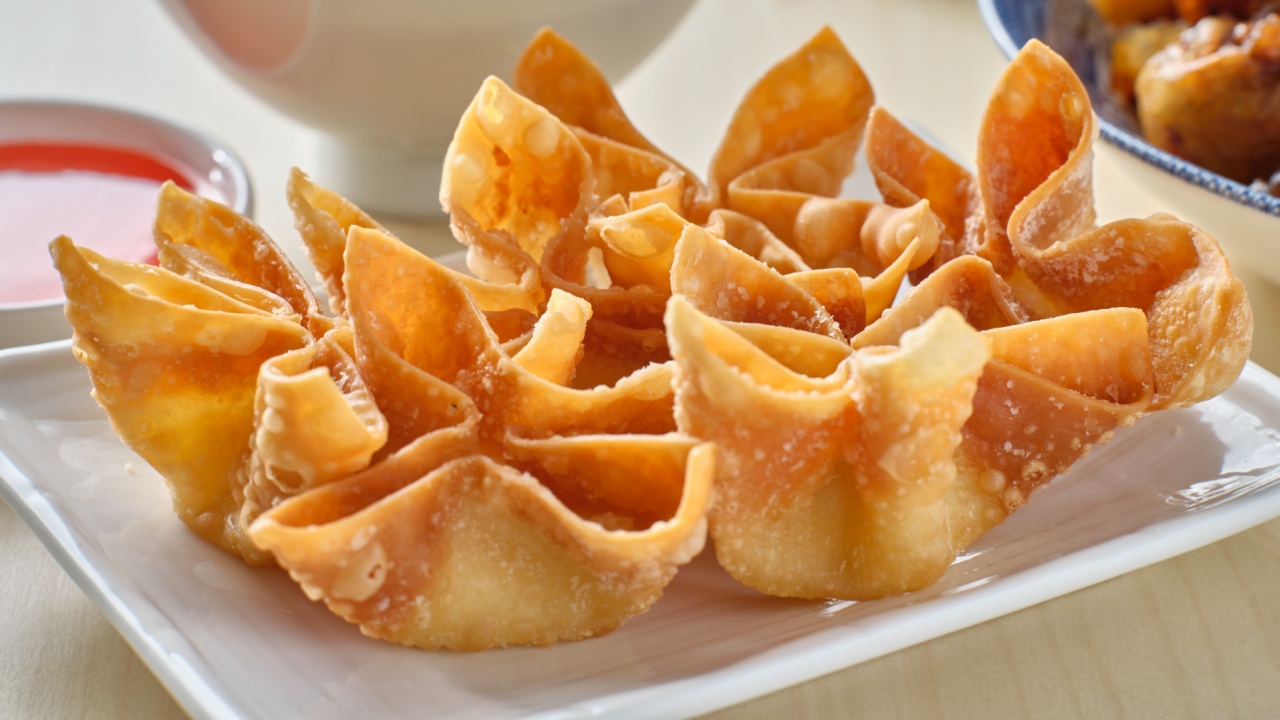
Crab Rangoon is almost always made with imitation crab, which is processed white fish flavored with artificial additives, mixed with cream cheese, and deep-fried. Four pieces can contain nearly 500 calories and 20 grams of fat, and most of the “seafood” flavor comes from artificial flavoring rather than actual shellfish.
For a better starter experience, look for steamed dumplings filled with pork or shrimp, or a fresh cucumber salad with sesame dressing. At home, wonton wrappers filled with real crab, light cream cheese, and fresh chives, then baked rather than fried, deliver the same satisfying crunch with considerably less oil and no imitation ingredients.
11. Spring Rolls
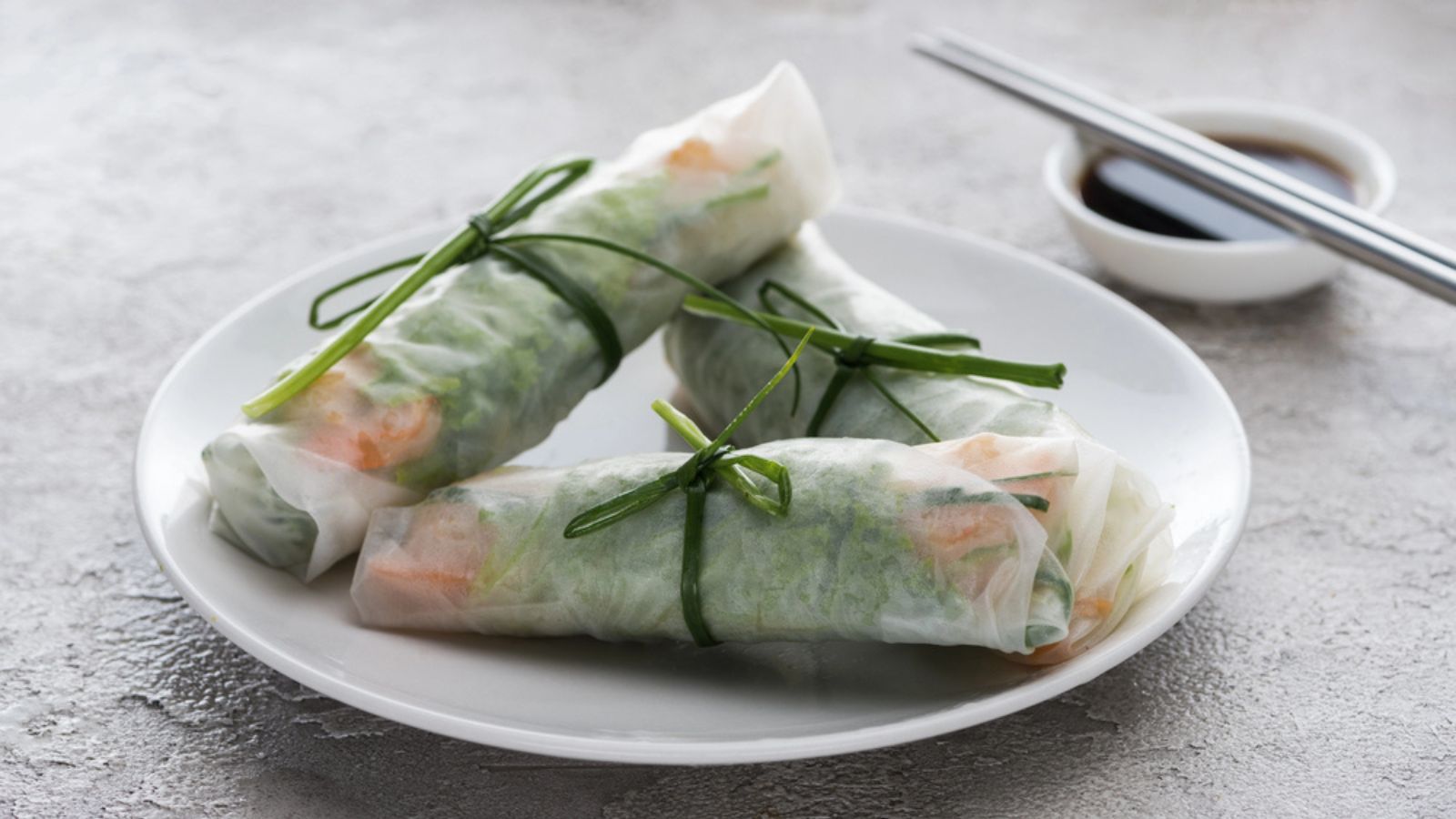
Spring rolls look light since they’re slender, wrapped in a thin shell, and often contain vegetables. What happens during deep-frying changes that equation entirely. The wrappers absorb a substantial amount of oil during cooking, and six pieces can contain upward of 500 calories and 20 grams of fat, with minimal nutritional density to justify it.
Fresh spring rolls, the kind wrapped in rice paper rather than deep-fried, are the obvious and genuinely delicious alternative. They’re available at many Vietnamese and modern Chinese restaurants and can be made at home with rice paper wrappers, shrimp or tofu, rice noodles, fresh herbs, and a peanut dipping sauce. Same concept, dramatically different nutritional outcome.
12. Fried Wontons
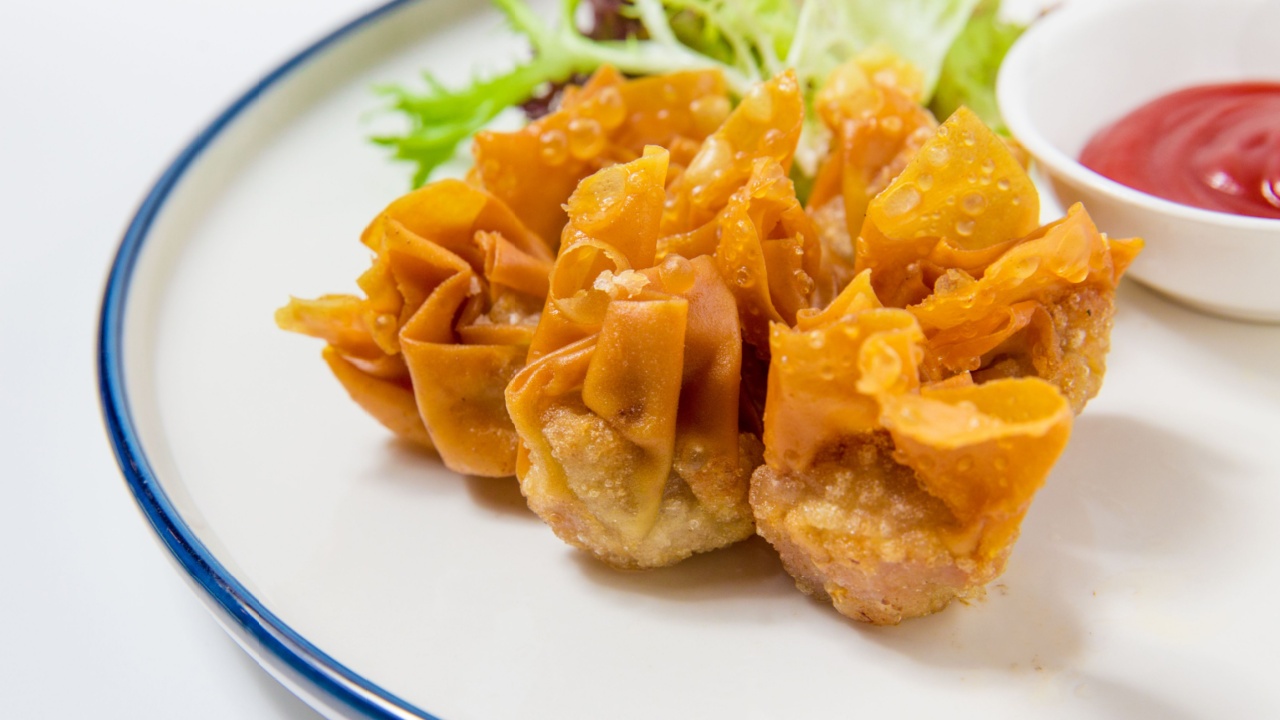
Fried wontons combine three problem factors in one small package: a refined carbohydrate wrapper, fatty meat filling, and deep-frying. Eight pieces can contain upward of 600 calories and 40 grams of fat. Their size makes portion control difficult; they disappear quickly, and the damage adds up fast before the main course arrives.
Steamed wontons in a clear broth with ginger and scallions are widely available on Chinese restaurant menus and offer a dramatically cleaner alternative. At home, homemade wontons filled with seasoned pork or shrimp and boiled or steamed are a weeknight project worth attempting. They freeze well and reheat beautifully.
13. Egg Drop Soup
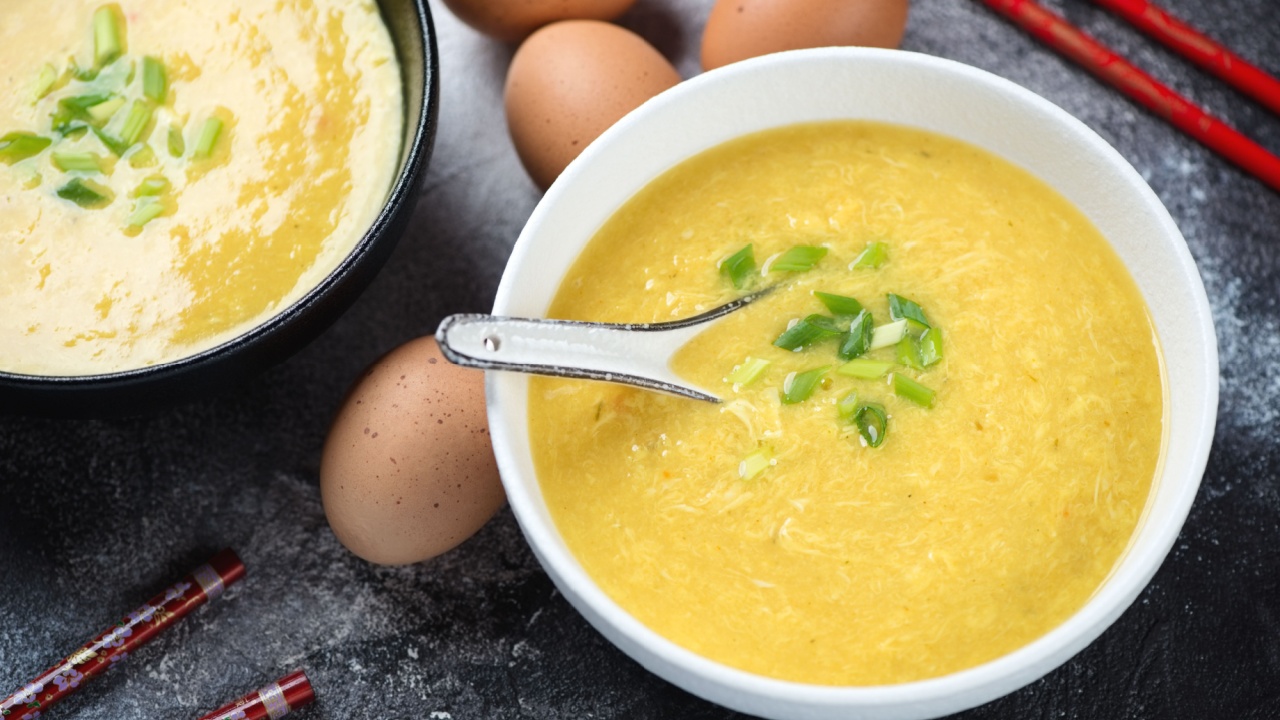
Egg drop soup is regularly ordered as a light appetizer. A small bowl can contain over 1,000mg of sodium, which is nearly two-thirds of the daily recommended intake, before a single bite of the main course. Many restaurant versions also add MSG and artificial yellow coloring to the broth.
Homemade egg drop soup is one of the simplest soups in existence. It uses low-sodium chicken or vegetable broth, a couple of eggs, a drizzle of sesame oil, white pepper, and fresh scallions. It takes about ten minutes and tastes genuinely good. At the restaurant, miso soup or a hot and sour soup without MSG are worth considering as starter alternatives.
14. Sweet and Sour Soup
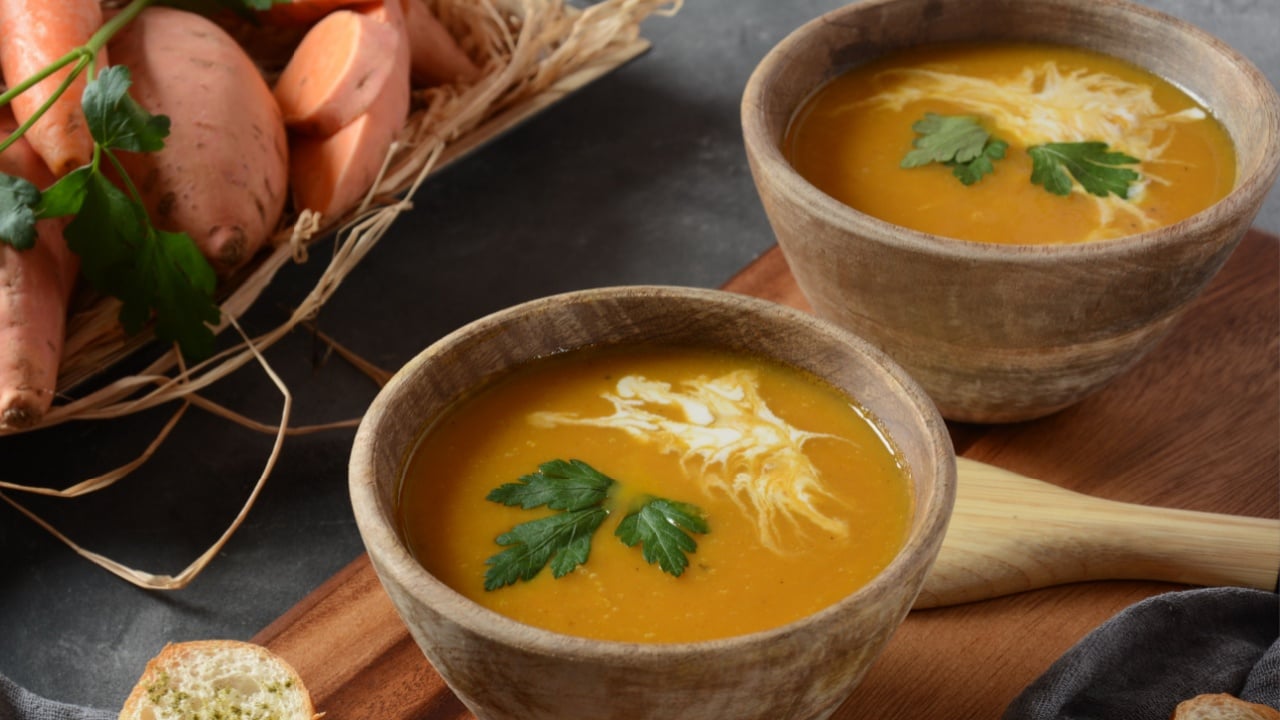
The vivid red color of sweet and sour soup in most restaurant settings comes from artificial food dye. The base is typically high in sugar and modified starches, with vinegar providing the tang while masking the sweetener content. Most restaurant versions come in at around 300 calories per cup, primarily from added sugars with minimal nutritional return.
Hot and sour soup, when made well and with real ingredients, is a far better option at the table. At home, a version made with tofu, bamboo shoots, mushrooms, rice vinegar, white pepper, and low-sodium broth is deeply flavorful and legitimately satisfying without the sugar load.
15. Peking Duck
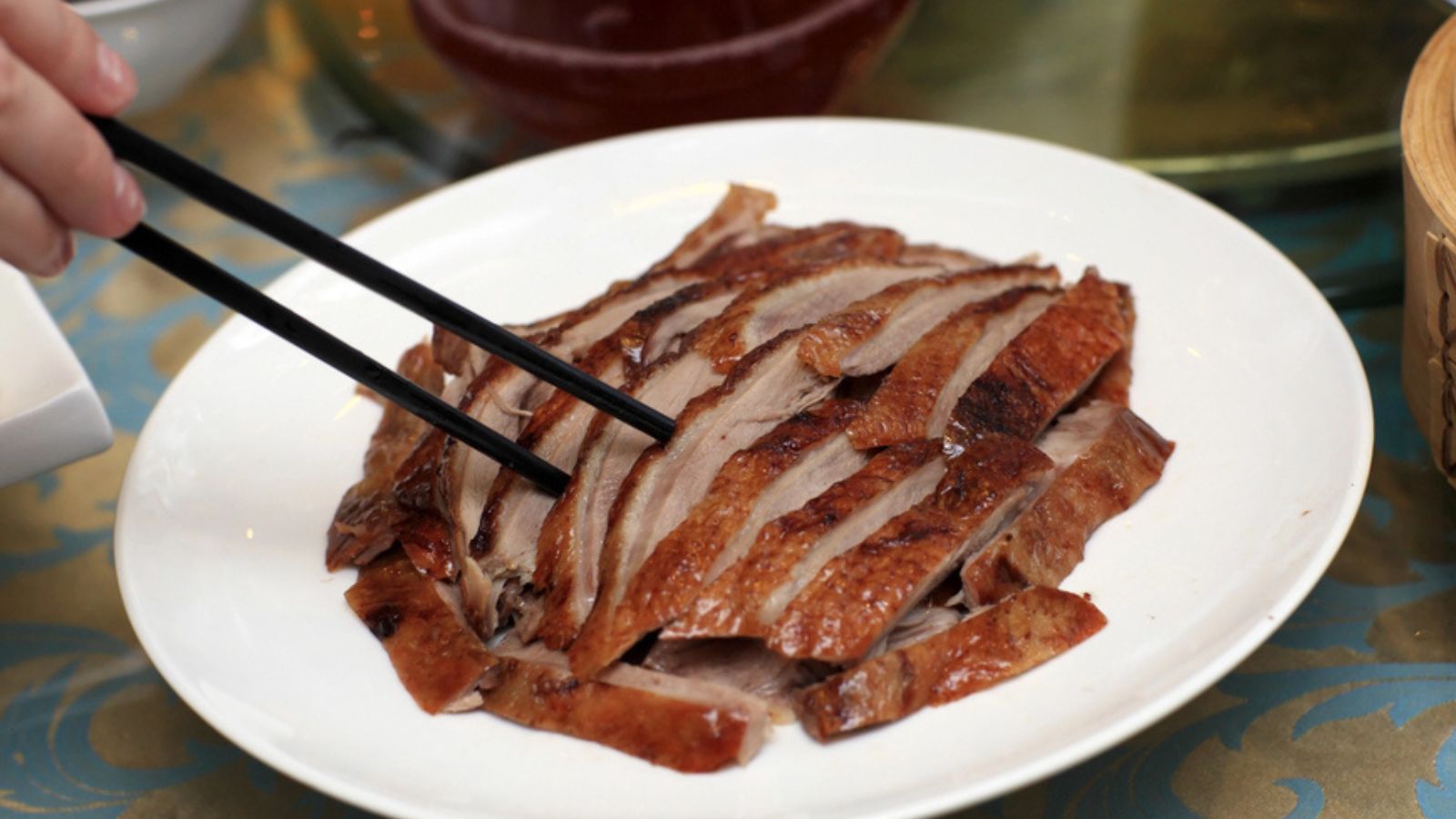
Peking duck is a celebrated dish with a centuries-old history, and there’s a reason it has staying power: the preparation is genuinely spectacular. The process involves pumping air between skin and meat, glazing with a sugar solution, and roasting. The crispy skin alone contains approximately 240 calories per quarter cup. As an occasional, intentional treat, it can be worth the experience. As a regular menu order, the saturated fat content warrants some caution.
For a lighter duck experience at home, duck breast cooked skin-side down in a hot pan to render the fat, finished in the oven, and served with a simple plum sauce and steamed bok choy delivers most of the satisfaction with better control over portion and preparation.
16. Sweet and Sour Chicken
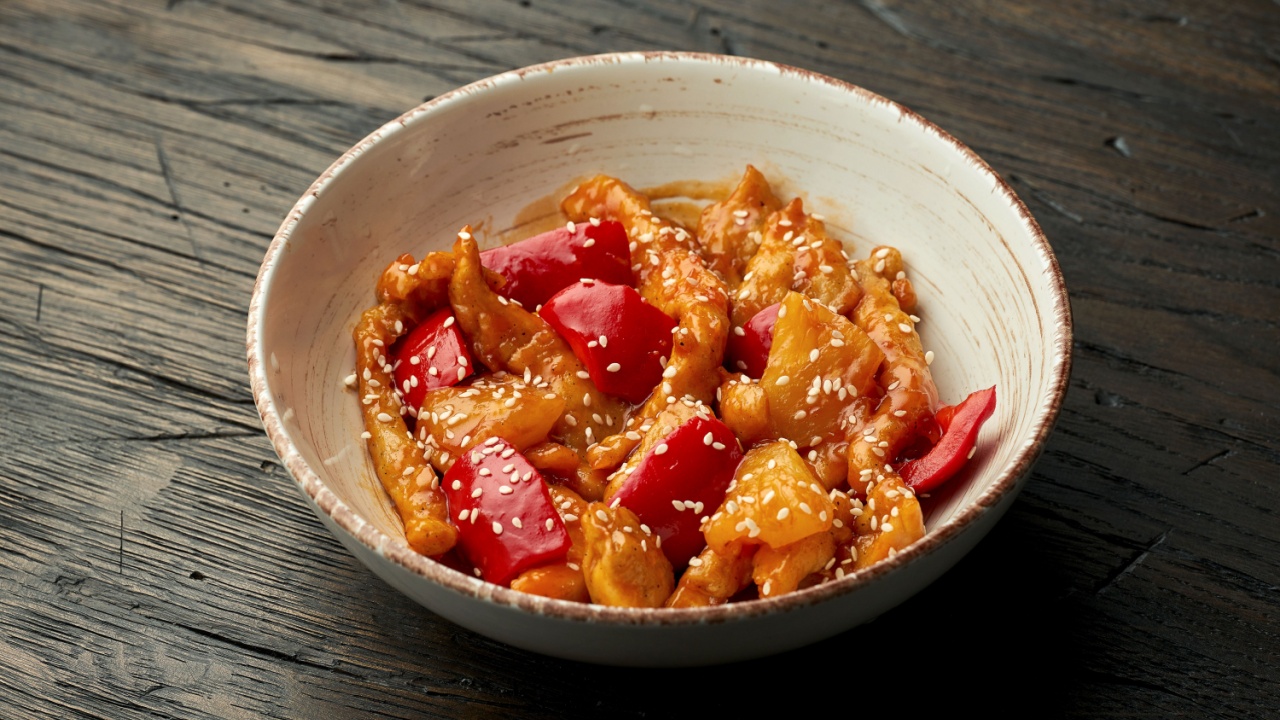
Sweet and sour chicken follows the same playbook as the pork version. It is battered, deep-fried, and drenched in neon-colored sauce that frequently contains artificial food coloring. With approximately 1,500 calories and over 70 grams of sugar per serving, this dish is functionally a dessert. The chicken serves mostly as a vehicle for the sauce.
At the restaurant, kung pao chicken is a smarter order. It has genuine heat, textural interest from peanuts, and a sauce with considerably less sugar. At home, a stir-fried chicken dish with peppers, snap peas, garlic, ginger, and a clean sauce of low-sodium soy and a small amount of rice vinegar covers the same craving territory without the sugar spike.
17. Sesame Chicken
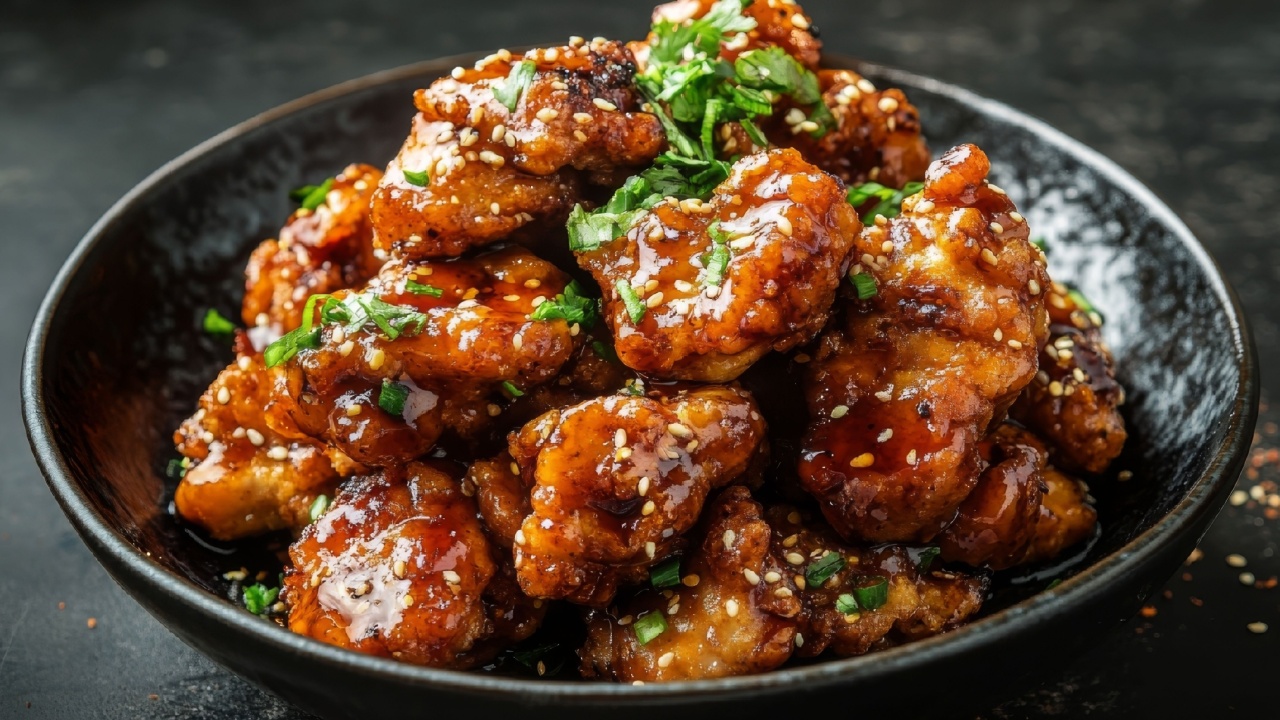
Sesame chicken is another member of the deep-fried and sweetened-sauce family that dominates American-Chinese menus. The sesame seeds suggest a nutty, wholesome quality that the dish doesn’t really deliver on. Restaurant versions typically contain as much sugar as orange or General Tso’s chicken, and the sauce is often corn syrup-heavy with only the thinnest suggestion of actual sesame flavor.
Real sesame flavor comes from sesame oil and toasted sesame seeds, not from sugar syrup. A homemade version using baked chicken thighs, toasted sesame oil, low-sodium soy sauce, garlic, ginger, and a light touch of honey with actual toasted sesame seeds on top is noticeably more flavorful than the restaurant’s original.
18. Crispy Honey Shrimp
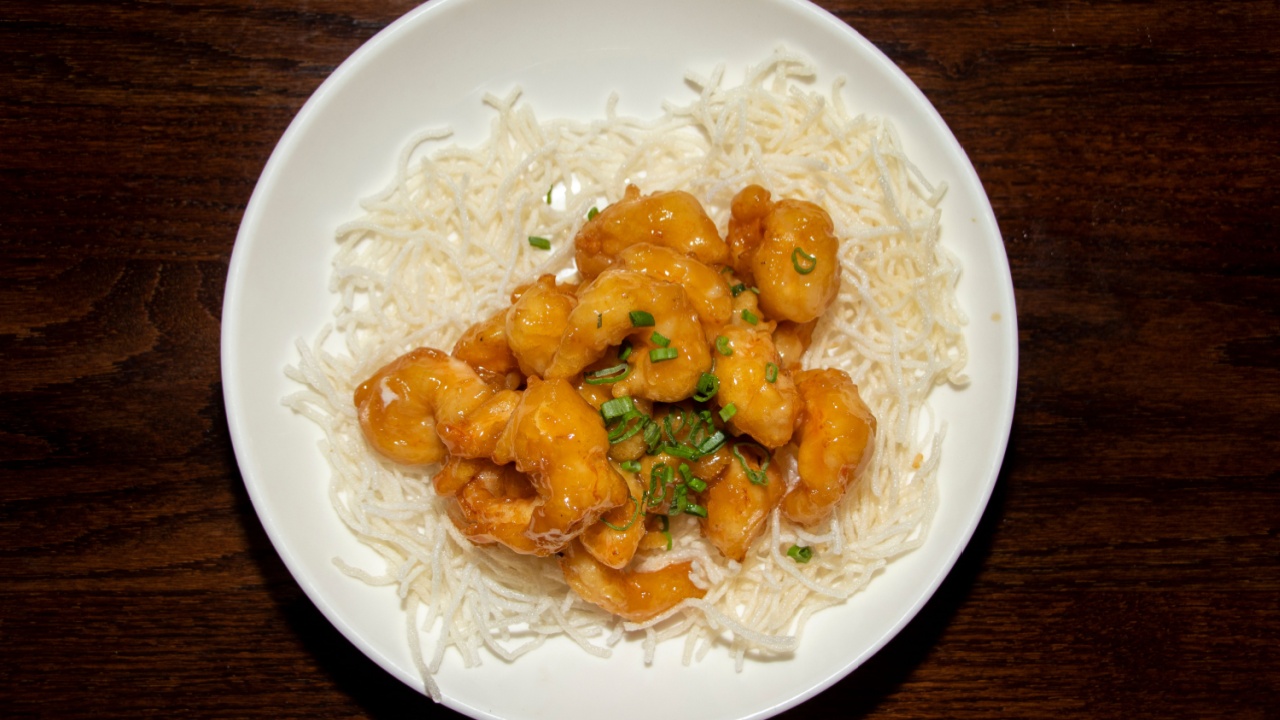
Crispy honey shrimp appears on menus under various names, but the formula remains consistent: shrimp are battered and deep-fried, then coated in a honey-based sauce thickened with cornstarch. The shrimp itself often ends up small relative to the amount of batter surrounding it, and the honey sauce can add significant sugar on top of the oil already absorbed from frying.
Shrimp is genuinely one of the better proteins available at a Chinese restaurant when prepared without batter. Steamed or stir-fried shrimp with garlic and ginger, or shrimp in a light black bean sauce, lets the seafood carry the dish rather than burying it in batter. At home, shrimp stir-fried with bok choy, garlic, a splash of Shaoxing wine, and light soy sauce comes together in under ten minutes and showcases what shrimp actually tastes like.
Make Smart Choices at Chinese Restaurants
Ordering at a Chinese restaurant doesn’t have to mean choosing between enjoyment and health. While many popular dishes are delicious, their nutritional cost can be surprisingly high.
For a healthier yet flavorful meal, consider options like steamed dumplings, Buddha’s delight, mapo tofu, or stir-fried greens. When cooking at home, you can easily adjust the oil, sodium, and sugar in any Chinese recipe. A pantry stocked with low-sodium soy sauce, sesame oil, rice vinegar, ginger, and garlic is all you need to start making healthier, impressive dishes.
Read More: