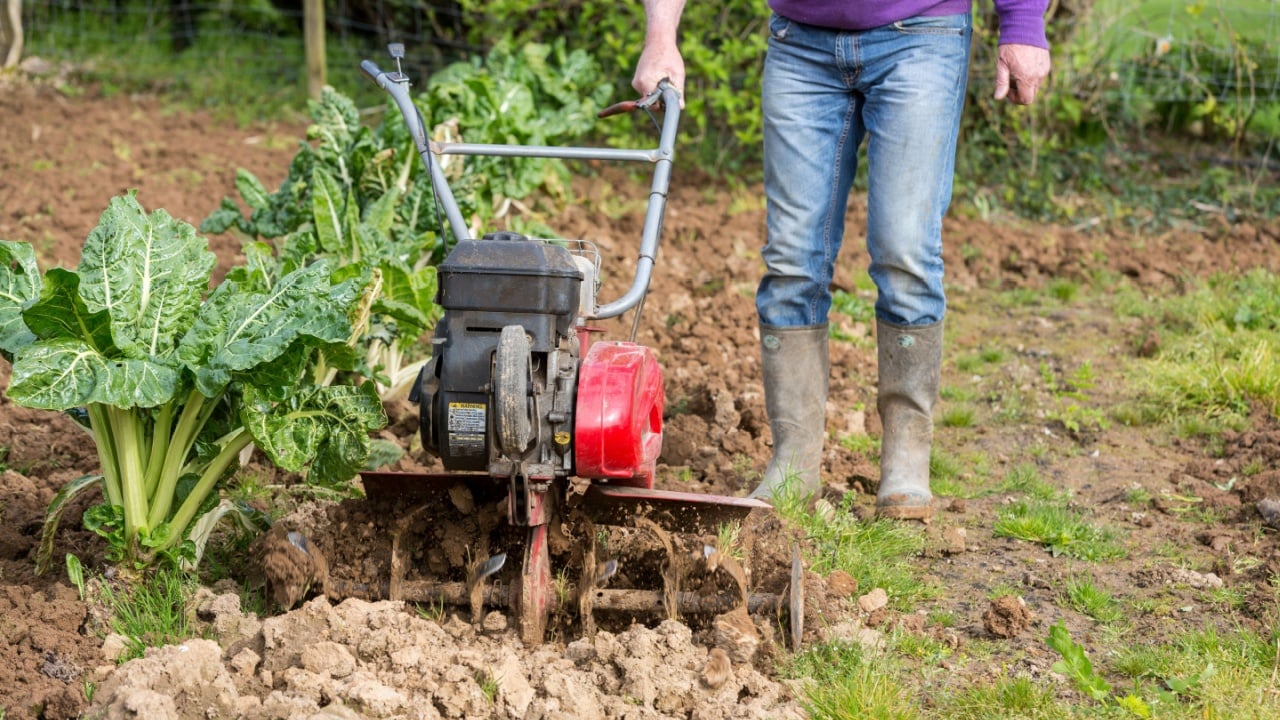
The Tilling Mistake Almost Every Gardener Makes
That rototiller you fire up every spring isn’t preparing your soil for a great season. It’s quietly dismantling it.
According to soil scientists and experienced growers, tilling is one of the most widespread and well-intentioned mistakes in home gardening. It feels productive: you’re turning the earth, breaking up clods, and mixing in amendments. The bed looks clean and loose and ready for planting. But beneath that freshly churned surface, the damage is already underway.
Healthy soil is a living system. It’s threaded with fungal networks that shuttle nutrients between plants, structured with air channels that let roots breathe and water drain, and populated with billions of microorganisms that do the slow, invisible work of building fertility. A single pass with a rototiller shreds those fungal networks, collapses that structure, and exposes soil microbes to UV light and open air that kills them. You’re essentially demolishing the infrastructure your garden depends on, then asking it to perform at its best.
Tilling also creates problems it claims to solve. It brings buried weed seeds to the surface where they germinate by the thousands. It accelerates the breakdown of organic matter, meaning the compost you worked in last fall disappears faster than it should. And over time, repeatedly tilled soil develops a hardpan layer just below the blade depth; a compacted shelf that blocks root growth and traps water in exactly the wrong places.
The good news is that stopping tilling is the fix. No-till gardening asks less of you, and the results tend to be noticeably better within a single growing season. Instead of breaking soil apart and rebuilding it every year, you let biology do the heavy lifting by layering organic material on top, letting worms and microbes pull it down, and keeping the soil’s structure intact so it improves on its own, year after year.
What No-Till Gardening Actually Means
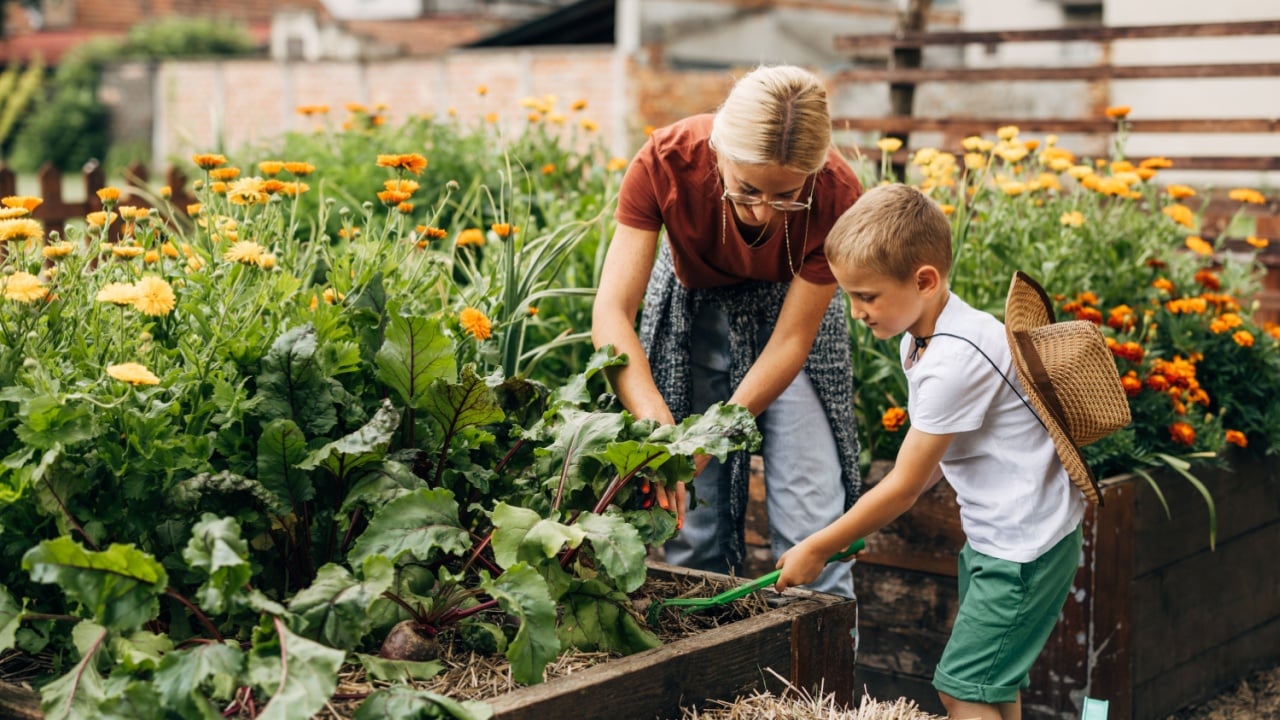
No-till gardening is exactly what it sounds like: you stop digging, turning, and tilling your soil. Instead, you layer organic materials, compost, mulch, cardboard, leaves, and wood chips on top of the soil and let them work their way into the soil naturally. The result mimics what happens on a forest floor, where leaves fall and decompose, and build rich, living earth without anyone showing up with a machine.
The method goes by several names: no-dig gardening, lasagna gardening, sheet mulching. English horticulturist Charles Dowding pioneered its modern form in the 1980s after discovering that undisturbed soil supported far more beneficial life and produced healthier plants. The Back to Eden method, developed by Paul Gautschi, uses wood chips as a primary mulch. Ruth Stout, nicknamed the “Mulch Queen,” popularized deep hay and straw mulching decades before no-till became a recognized practice. Each of them arrived at the same conclusion: the soil knows what it’s doing, and the less you disrupt it, the better.
The Surprising Thing Tilling Does to Your Soil
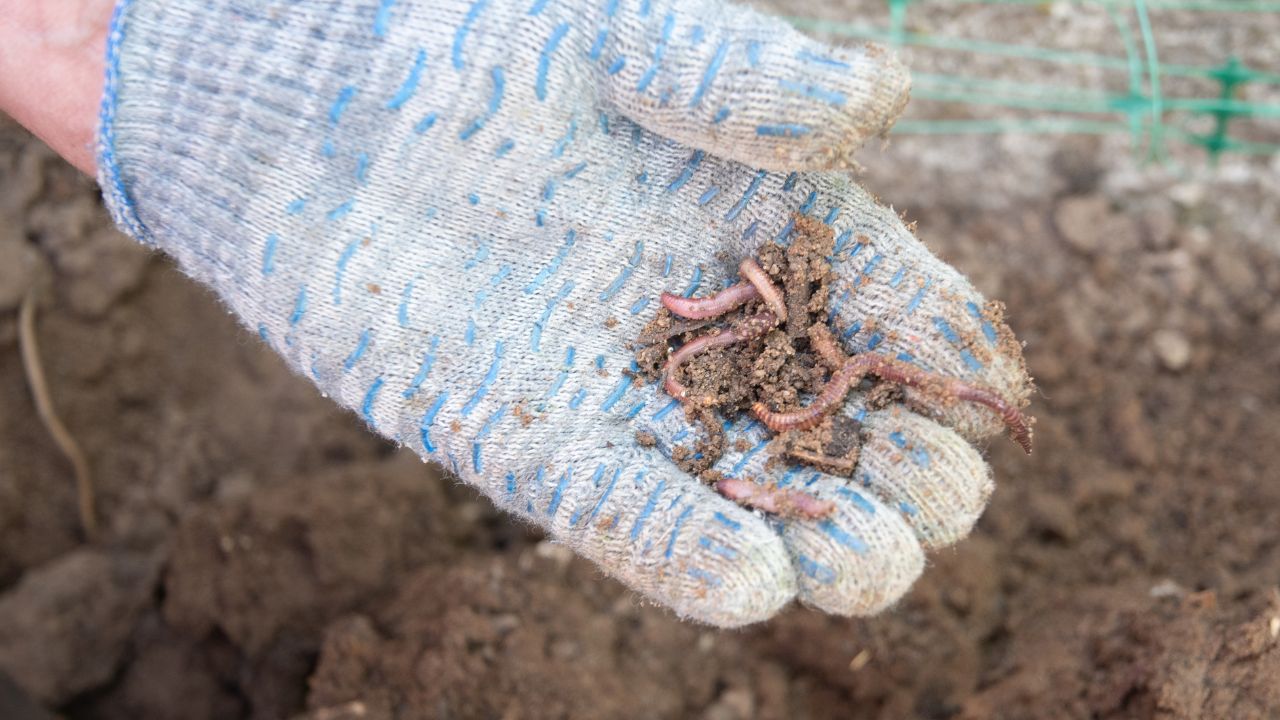
Here’s what most gardeners don’t realize: a single tablespoon of healthy garden soil contains more living organisms than there are people on Earth. Those bacteria, fungi, earthworms, and microscopic creatures form a complex food web that feeds your plants, holds water, and builds the spongy structure that lets roots grow deep and strong.
Tilling shatters that web. According to the University of New Hampshire Extension, tillage weakens the soil’s microbial community, reduces water-holding capacity, promotes surface crusting, and accelerates the loss of organic matter. Tilled soil stays bacterial-rich, but the fungal networks, which are especially critical for plant productivity, are severed.
Farmer Jesse Frost, author of The Living Soil Handbook and founder of the No-Till Growers Network, spent years fighting weeds and disease on his Kentucky farm before making the switch. Once he stopped tilling entirely, he went from spending 10 to 15 hours a week on weed removal to a fraction of that, simply because undisturbed soil keeps weed seeds buried where they can’t germinate.
The Real Payoff: Less Work, Better Harvests
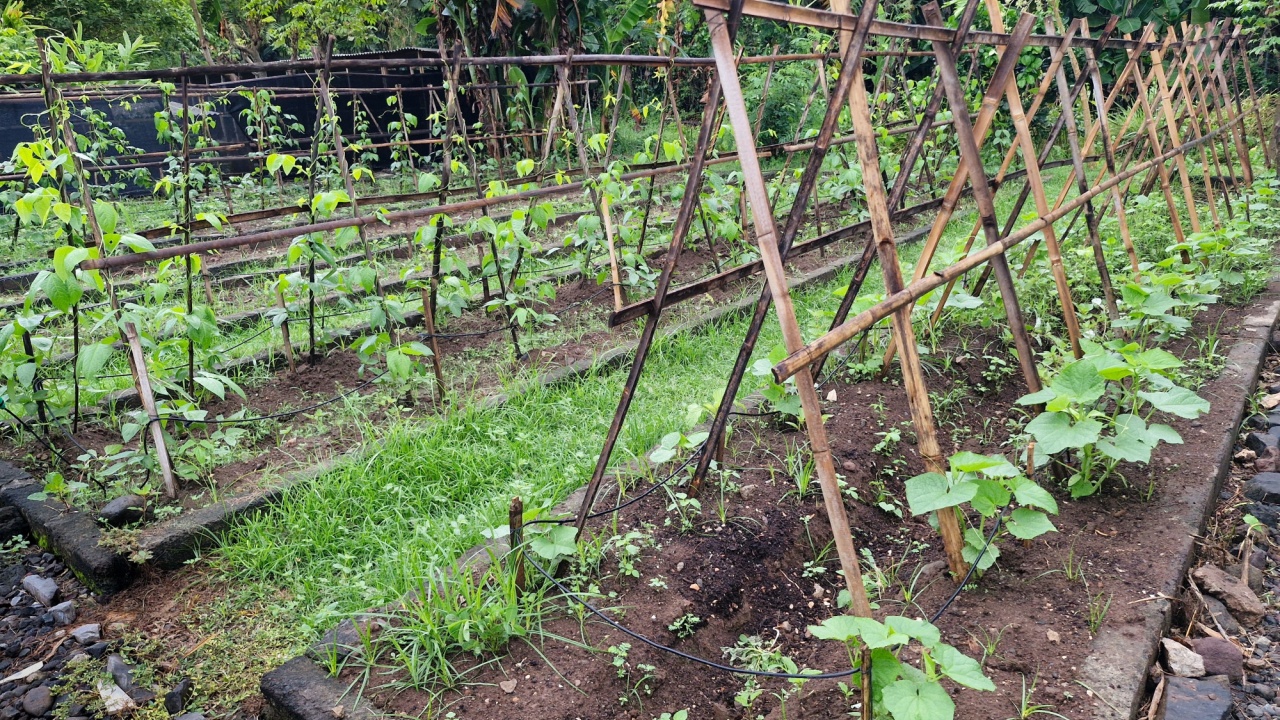
This is the part that surprises most people. No-till isn’t the lazy option that produces mediocre results. It’s the option that produces better results with less effort, once the system is established.
Because the soil retains its structure and moisture naturally, no-till beds require less watering. The layers of organic matter feed plants steadily throughout the season, meaning less fertilizer. Fewer tilled-up weed seeds means less weeding. And because healthy soil supports disease-resistant plants, you deal with fewer pest problems too. As the Oregon State University Extension Service notes, tilling compacts the soil, destroys air-and-water pores, and can increase runoff and surface crusting, problems that compound over time. No-till reverses all of that, gradually, season by season.
The beds get better every year. That’s not something you can say about tilled soil, which degrades with each pass.
This Method Isn’t Just Good for Your Garden
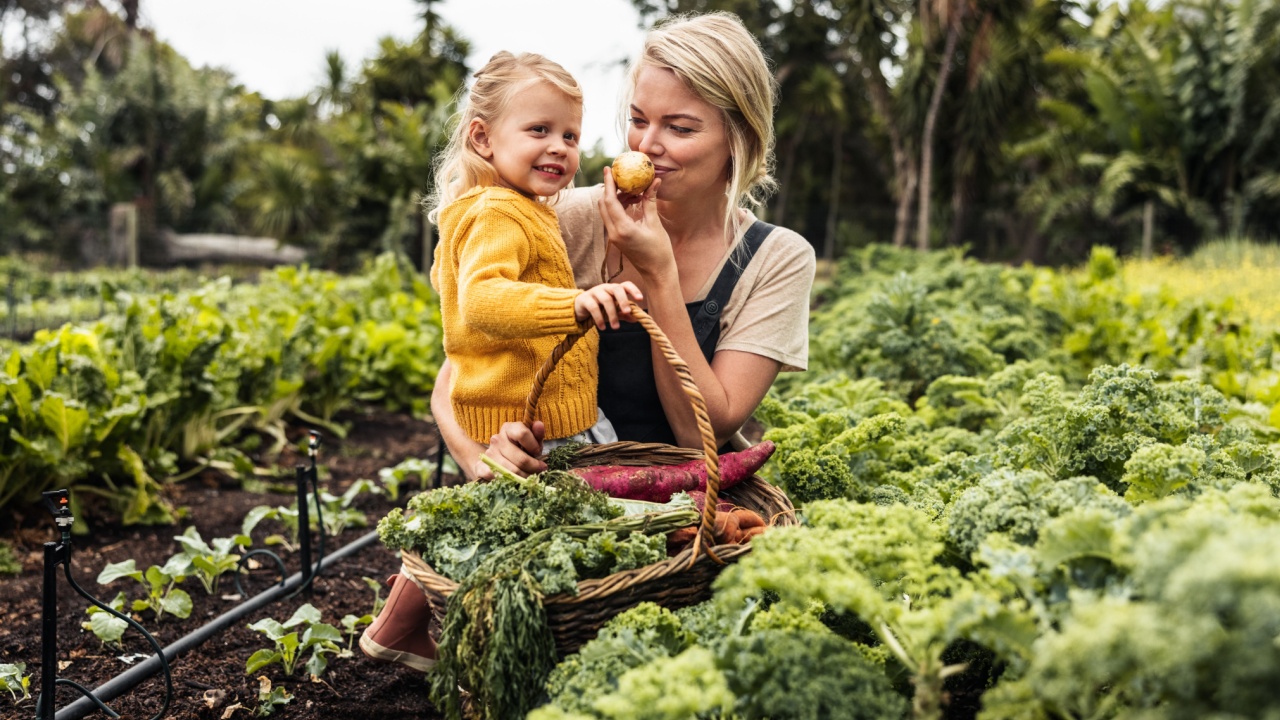
There’s a bigger picture here worth knowing. According to the USDA, tilling releases sequestered carbon from soil aggregates into the atmosphere as carbon dioxide. No-till practices keep that carbon locked in the ground, where it feeds microbial life and builds soil fertility. Home gardeners who adopt no-till aren’t just growing better vegetables. They’re participating in a form of regenerative land stewardship that has measurable environmental benefits.
Making the Switch This Year
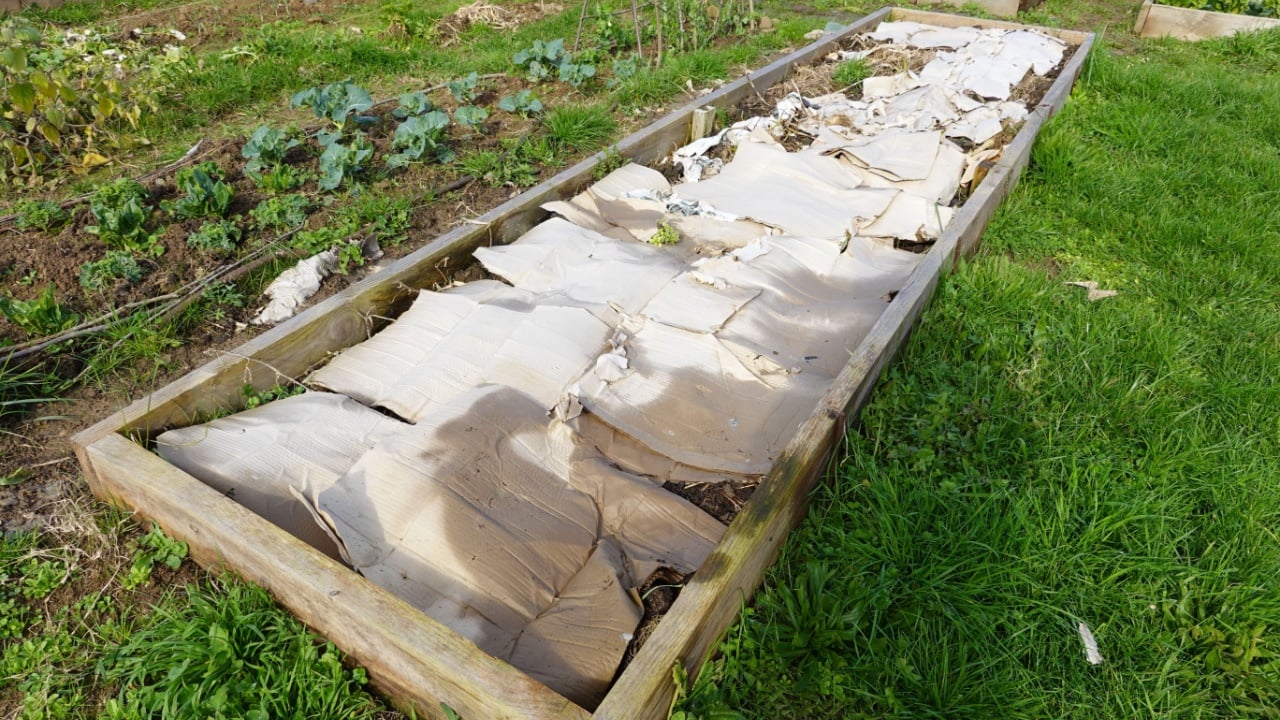
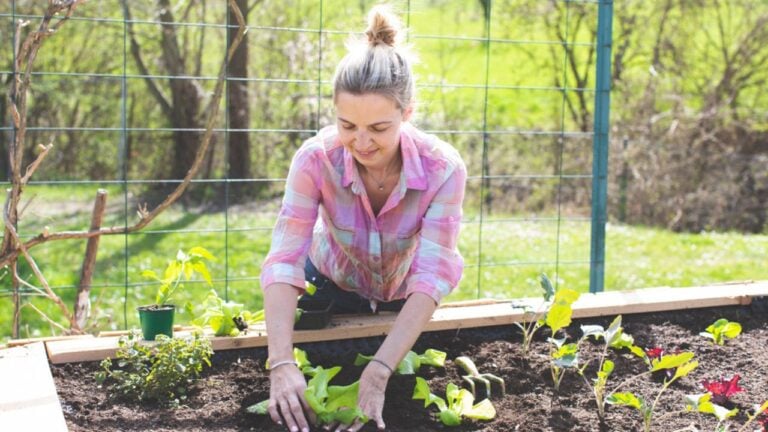
You don’t need to overhaul your entire yard at once. Start with one bed. Lay down cardboard (if you’re starting a new bed), add the compost, pile on the mulch, and leave the tiller in the garage. Come back in a few weeks and look at what’s living under that cardboard layer. If you see earthworms and dark, crumbly soil starting to form, you’re on the right track.
The most important shift isn’t physical; it’s mental. Instead of working against your soil, you’re working with it. Instead of fighting weeds every spring, you’re smothering them before they start. And instead of buying bags of fertilizer to compensate for depleted earth, you’re building a system that feeds itself.
Your back will notice the difference, and so will your plants.
Read More
Is Your Garden Hurting You? 9 Tools Doctors Say Could Save Your Joints
Ten Companion Plants Your Peppers Need For A Successful Growing Season