Xeriscaping Is The Water-Saving Yard Secret That’s Putting Hundreds Back in Homeowners’ Pockets Every Year (Here’s How to Start)
Your lawn is the thirstiest thing on your property, and it’s not even close.
According to Utah State University Extension, Americans waste roughly 4 billion gallons of water every single day on landscape irrigation alone. Half of the water we send to our yards never even reaches a plant root.
Meanwhile, there’s a landscaping approach that can cut your outdoor water use by up to 70%, slash your maintenance time by nearly 90%, and leave you with a yard more colorful than your neighbor’s well-watered lawn.
It’s called xeriscaping, and it’s far from the gravel-covered wasteland you might be picturing.
Why This Matters Right Now

Droughts are growing more intense across the country, and they’re no longer limited to the desert Southwest. Between 1955 and 2022, the majority of the Intermountain West experienced a 23% decline in April snowpack, according to the EPA.
As a result, water bills are climbing. And with the spring 2026 planting season just ahead, this is the moment to rethink what your yard actually needs from you.
What Xeriscaping Actually Is (and What It Isn’t)
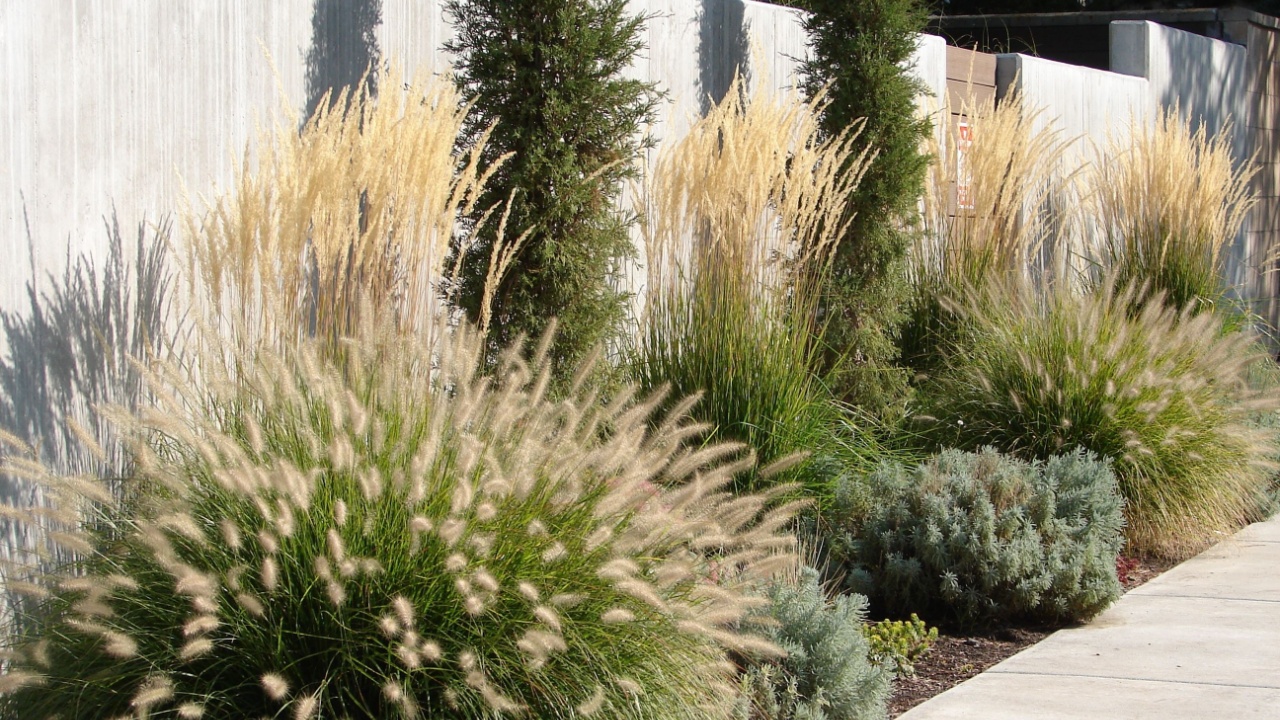
When people think of xeriscaping, they think that it means ripping out everything green and replacing it with rocks and cacti. That is far from the truth.
The term was coined by Denver Water in the 1980s, and at its core, xeriscaping simply means choosing plants that thrive in your local climate without excessive irrigation. As John Murgel, a horticulture expert with Colorado State University Extension, explains, the central idea is to match the right plants to the right place rather than forcing the landscape to match the plants you wish you could grow.
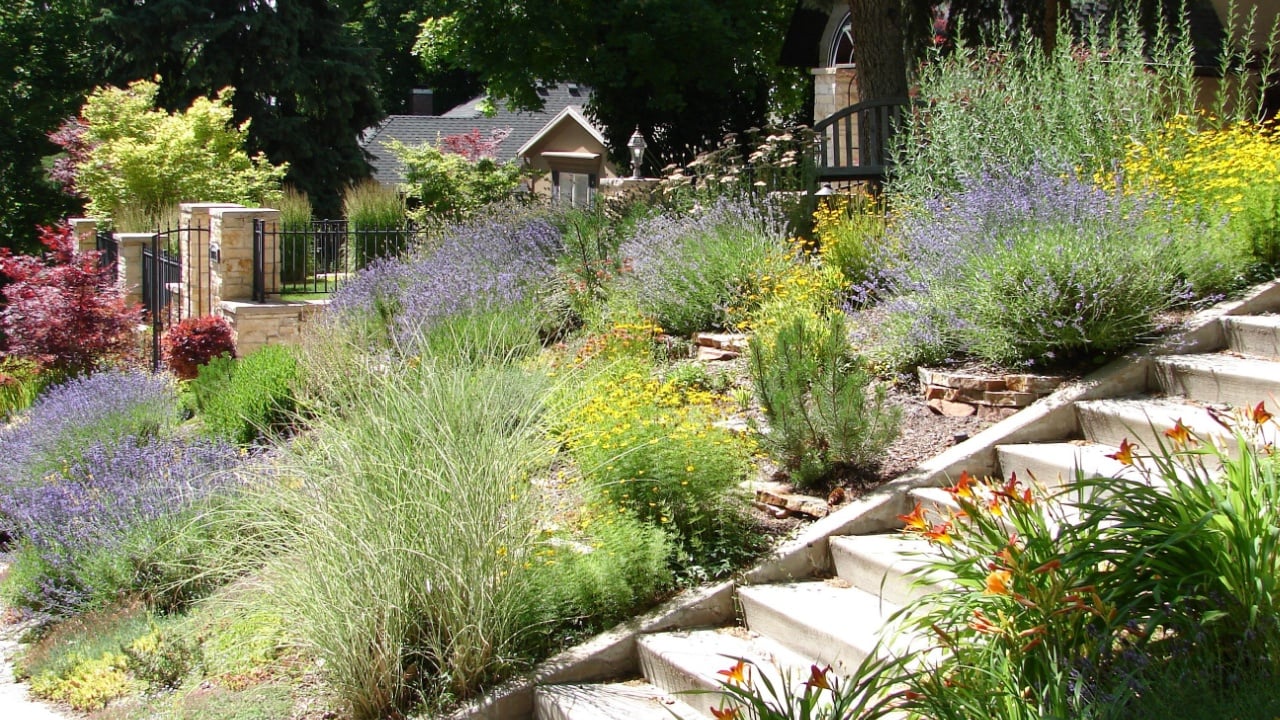
A well-designed xeriscape can include flowering perennials, ornamental grasses, shrubs, and even small sections of lawn. Many experienced gardeners who’ve made the switch say their biggest regret was using too much rock and not enough plants in the beginning. The lush, layered look of a mature xeriscape surprises people who assumed water-wise meant barren.
The Numbers That Changed My Mind About Lawns
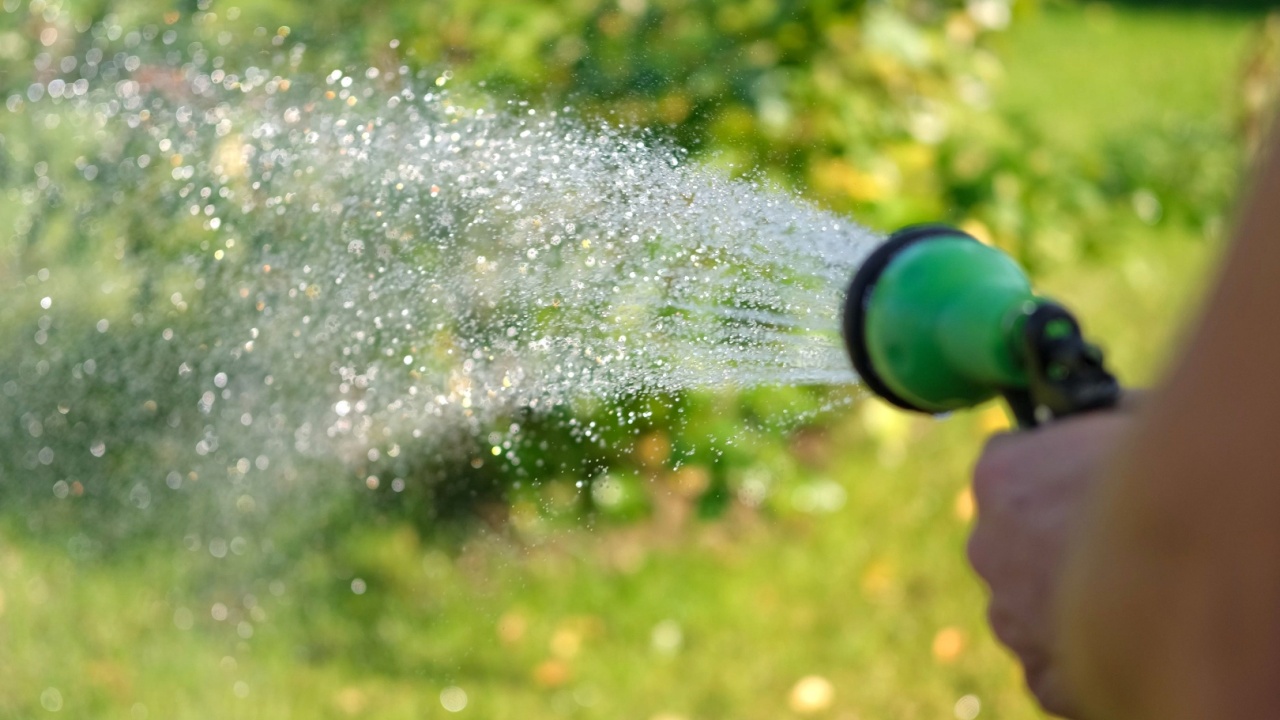
The statistics are hard to ignore. According to the EPA, the average American family uses about 320 gallons of water per day, and roughly 30% of that goes straight to outdoor landscaping. Nationally, as Utah State University Extension reports, that adds up to at least 8 billion gallons daily, with up to half of it wasted through inefficient watering methods.
Households that switch to xeriscaping can reduce water use by 50-75%, which can translate to up to 120 gallons of water per day in some communities, according to National Geographic. That translates to real money: xeriscaping can reduce yearly lawn maintenance costs by up to 87%, since you’re eliminating most mowing, fertilizing, and supplemental irrigation.
Seven Principles, One Simple Idea
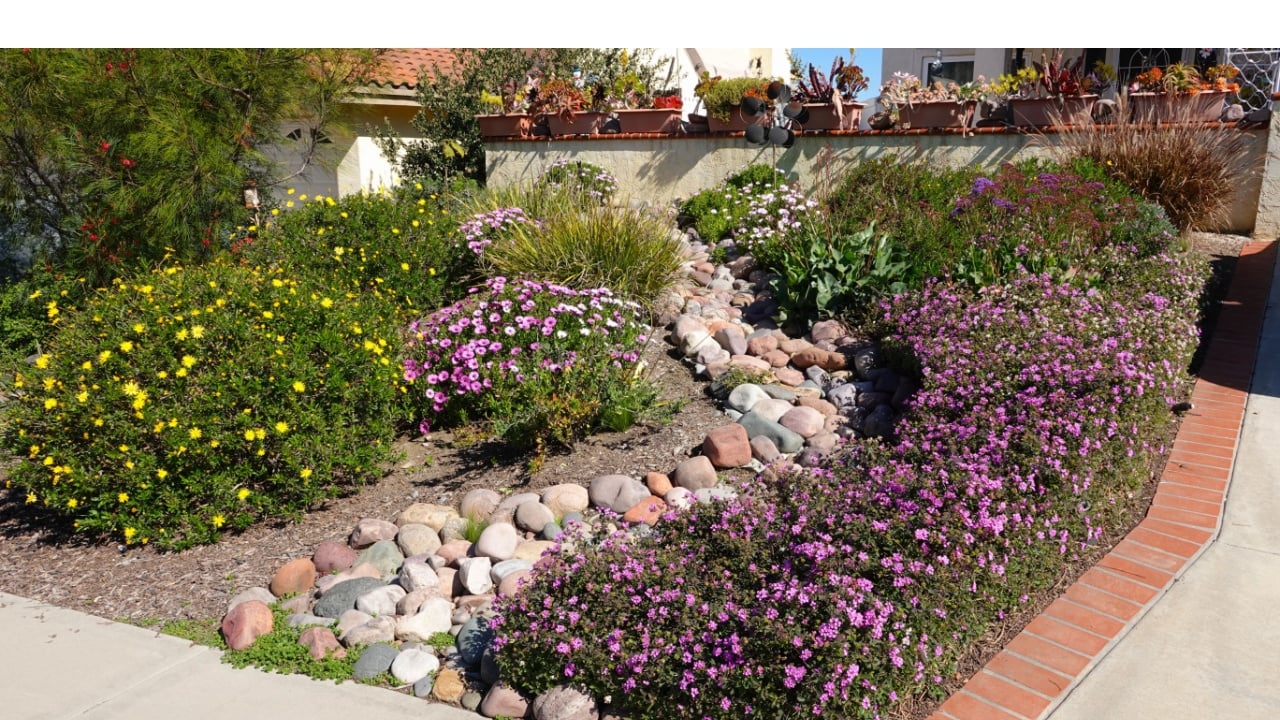
Colorado State University Extension outlines seven principles of xeriscaping, and while the list sounds academic, the idea underneath is refreshingly simple: work with nature instead of against it.
It starts with planning. Before you buy a single plant, understand your soil, sun exposure, water flow, and microclimates. As Murgel notes, good planning makes for good gardens.
Soil preparation comes next, but with a critical nuance that catches most beginners off guard. According to CSU Extension, the ideal organic matter content for most xeriscape soils is just 3% to 5%. Over-amending with compost, the go-to advice for traditional gardens, can actually harm drought-adapted plants by keeping roots too moist. Sometimes the best thing you can do for your soil is leave it alone.
The remaining principles cover limiting lawn areas, selecting appropriate plants, installing efficient irrigation like drip systems, applying mulch to retain moisture, and performing seasonal maintenance.
None of it is complicated, and all of it saves water.
Your State Might Actually Pay You to Xeriscape
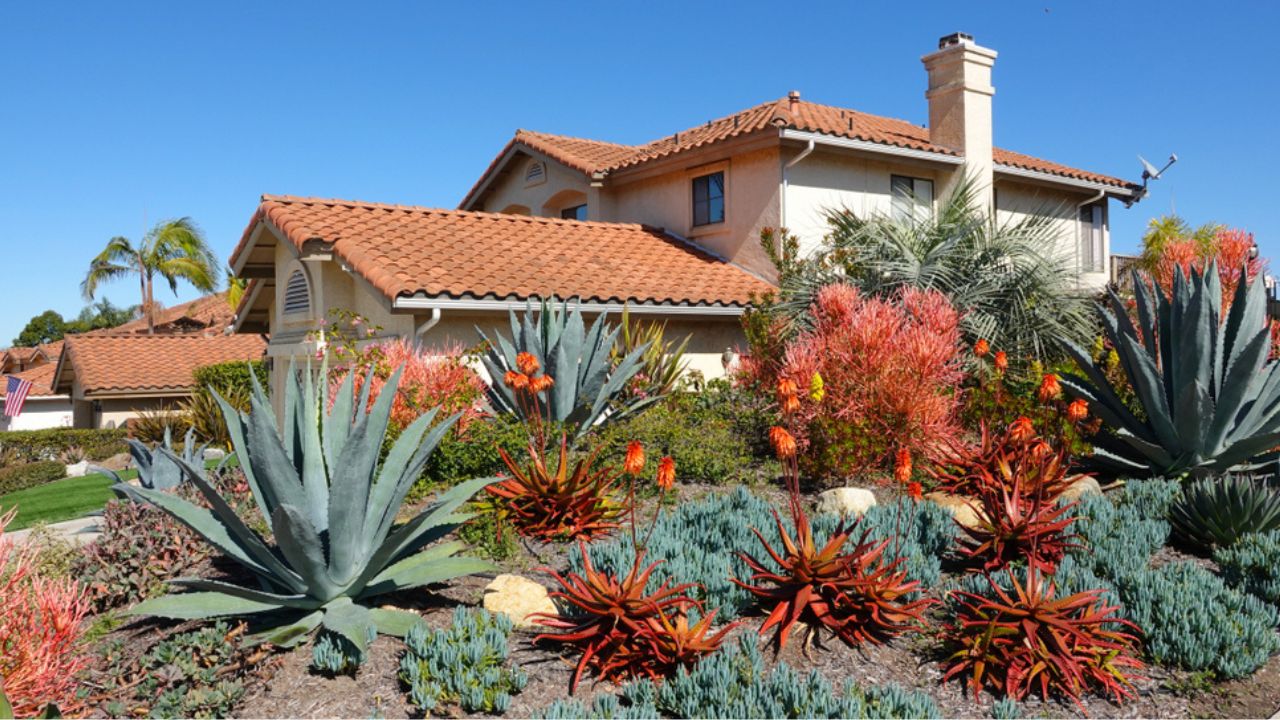
Here’s something most homeowners don’t realize: dozens of states and municipalities are offering cash rebates to replace traditional lawns with water-wise landscaping. The incentives are substantial and growing.
In Nevada, the Southern Nevada Water Authority offers homeowners up to $5 per square foot to convert their lawn to xeriscape. California provides residential rebates of $3 per square foot through multiple water agencies, like SoCal Water Smart. Colorado cities from Fort Collins to Aurora run their own turf replacement programs, with rebates ranging from $0.75 to $3 per square foot. Even Arizona cities like Chandler offer $1.50 per square foot for grass-to-xeriscape conversions.
To find programs near you, check with your local water utility or search your state’s water conservation website. Many programs have limited annual funding, so applying early in the season gives you the best chance of securing a rebate.
You Don’t Have to Do This All at Once

Xeriscaping is a journey, not a weekend project. Start with one bed, one section of lawn, or even a few containers of drought-tolerant plants on the patio. Every square foot of thirsty turf you replace is water you keep, money you save, and time you get back.
The yards that look the best three years from now are the ones where someone started small this spring, chose plants that actually belong in their climate, and let nature do what it’s been doing for thousands of years. Your grandmother’s garden probably got this right. It’s time the rest of us caught up.