
17 Things Poor People Waste Money on That Middle and Upper Class Do Not
You work hard, you pay your taxes: why on Earth shouldn’t you be allowed to spend? Yet, some sections of society like to waste money on entirely preventable costs, regardless of the implications. Living in the moment is one thing; not preparing for the future is another.
Sadly, this behavior may be increasing: America’s middle class has been shrinking gradually over the decades, not least those in urban settings. Therefore, what spending habits can relegate you from this hallowed financial territory?
We have scoured the web and researched this, so you can avoid the mistakes occurring in the poorest demographics.
1. Paying Overdraft and Bank Fees Instead of Avoiding Them

Louis C.K. once did a bit about being contacted by the bank to complain that he had no money in his account. “My bank is the worst. They are screwing me,” he says in a special. “You know what they did to me? They’re charging me money for not having enough money. Apparently, when you’re broke, that costs money.” He adds that the bank chose to charge him $20 for only having a $15 balance.
For many struggling households, such fees are a silent but massive drain on limited income: a cost that middle and upper-income Americans are far less likely to incur. Those in the know can manage balances more carefully or use tools that waive such charges.
According to research by The Pew Charitable Trusts, a typical $24 debit card purchase that triggers an overdraft can result in a fee as high as $35, even though the underlying transaction was small. “Most overdrafters (68%) would prefer to have their ATM and debit overdrafts declined than incur a $35 fee,” the report finds, showing that these charges are very unwelcome.
2. Excessive Credit Card Late Fees That Eat Into Paychecks

One of the most common but overlooked money drains for lower-income Americans is credit card late fees: penalty charges that can quickly spiral and compound an already tight budget. In 2022, credit card issuers collected $14.5 billion in late fees alone, with many households hit more than once a year.
Notably, the typical charge for a late payment was around $32, even if the balance owed was relatively small: a cost far out of proportion to the financial harm of being a few days late. “Late fees continued to be the most significant fee assessed to cardholders … with more consumers facing difficulties paying their credit card bills on time,” notes a 2023 Consumer Financial Protection Bureau (CFPB) analysis.
3. Paying for Rent-to-Own Furniture and Appliances Instead of Buying Smart

There is now such a term as “furniture poverty.” A Forbes report uses this language in reference to those who cannot afford to buy their three-piece suite outright. “It’s a term most people haven’t heard of but easy to understand when you learn about a child sleeping on the floor or a senior eating meals from their lap,” writes Jeremy Babaner.
Furthermore, the Federal Trade Commission has long noted that “the total cost of purchasing merchandise through a rent-to-own transaction is usually significantly higher than retail store prices.” Of course, this means consumers can pay two or three times as much overall just for the convenience of spreading payments. Who would have known there are predatory furniture sharks out there?
4. Buy Now, Pay Later (BNPL) Missed Payments and Fees

The sirens of deferred credit sing a comforting song, before luring you onto the rocks where you crash. Sometimes, these come in the form of “buy now, pay later” (BNPL) loans. BNPL services were once marketed as a low-cost alternative to credit cards, but the reality for many lower-income Americans is now far costlier.
In a 2025 Get Out of Debt study, researchers found “nearly 24% of BNPL users have missed payments.” That rate is higher among younger and lower-income consumers who rely on these plans to make ends meet.
For families struggling with cash flow, this can turn a supposed “interest-free” tool into a debt trap: missed payments trigger fees, juggling multiple BNPL accounts becomes stressful, and the convenience of delayed payments obscures the long-term cost. Those who budget rarely succumb to such temptation, and this keeps them firmly in middle-to-upper-class territory.
5. Overdraft and ATM Fees — Hidden Charges That Rack Up Fast

Banking isn’t supposed to be a profit center for fees, but for many low-income Americans, it is. Bankrate’s 2025 Checking Account and ATM Fee Study found that the average total cost for using an off-network ATM is rising fast. The latest average is now $4.86, a record high after rising for three straight years. In cities like Atlanta and Phoenix, the average can climb above $5 per withdrawal.
These costs hit vulnerable households disproportionately. The CFPB survey we looked at also shows that 34 % of households earning less than $65,000 were charged overdraft or NSF fees in the past year. This stat compares with just 10 % of households earning almost three-times more.
6. Payday Loans

In all honesty, the idea of a payday loan company is rather repulsive: imagine leveraging people’s desperation against them; yet, this happens. Payday loans are advertised as quick fixes for urgent expenses, but the real cost to low-income borrowers is enormous.
A 2025 report from the Center for Responsible Lending (CRL) found that “payday lenders took $2.4 billion in fees from borrowers in one year,” based on 2022 data of storefront and online lending. These kinds of numbers illustrate just how much cash drains straight out of already tight budgets, thanks to these poorly regulated bodies.
The report also notes that many borrowers take these loans repeatedly because they’re unable to afford full repayment. Therefore, the fees “continue to drain a massive amount of wealth from people and communities with very little wealth.” Payday lenders often charge APRs at a staggering 400 % or higher for small, short-term loans. It’s a high-cost trap that puts borrowers in cycles where they must take out new loans just to cover the last ones.
7. Frequent Lottery and Scratch-Off Tickets

The Economist released a post called “The economics of American lotteries,” which analyzes disproportionate lottery spending in poor ZIP codes. The report shows how low-income households spend more of their income on tickets than they think. All of this comes with extremely low odds of winning; for example, it cites Powerball jackpot odds of 293 million to one.
“An analysis of data obtained by The Economist … finds that poorer households spend significantly more, in absolute terms, on lotteries than richer ones,” it reads. Soberingly, the poorest 1% of households spend an average of $600 per year on lottery tickets: roughly 30% more than those in richer households.
8. High‑Interest Store Credit Cards That Trap Money Into Debt

There are credit cards, and then there are store credit cards. Store‑issued cards are marketed with instant discounts and tempting offers at checkout, but for many low‑income consumers, they come with steep interest rates and hidden costs. As the Associated Press reports, the average store‑only credit card APR is about 30.45 %, compared with around 20.78 % for all credit cards, meaning carrying a balance quickly turns a discount into a costly financial mistake.
Moreover, store cards are frequently offered at the point of sale and reward purchases limited to one retailer; they also encourage impulse spending. Often, those with the choice can splurge on items that households might not otherwise buy. Adding fuel to the fire, store cards often carry deferred‑interest clauses. “If you have not completely paid off the balance by the time the interest‑free period ends, you may owe deferred interest,” reads an Experian blog.
9. Paying Only Minimum Credit Card Payments

The beauty of owning a credit card is emergency funds if you need them, and the chance to pay no interest if you cover the balance on time. Sadly, this isn’t the case for many. A recent Clever research roundup found that 39 % of Americans exceed their budgets every month and 78 % regret purchases, highlighting cumulative cost behaviors tied to credit carrying.
What’s more, credit card debt compounds to the point of no return. NerdWallet’s 2024 American Household Credit Card Debt Study shows the revolving door of insolvency kept moving by low payments. If a household with the average revolving balance of about $10,563 continues making just minimum payments, “it would take nearly 22 years to pay it off and cost more than $18,000 in interest,” says Erin El Issa.
10. Paycheck and Cash Advance Fees

Like payday loans, accessing earned wages early or taking small cash advances can seem like a lifeline when bills are due. However, these services often come with hidden costs and fees that hit low‑income workers hard. The PayActiv platform highlights some of these risks, such as damaging the next paycheck, higher interest rates, and dependency on the arrangement.
Even small service fees build up fast when used repeatedly. A CNBC review explains that “more than 90 % of workers paid at least one fee in 2022 in instances when employers don’t cover the costs.” Included are details of average fees around $3.18 per use and total annual costs averaging more than $100 per user.
Unfortunately, for people living on a limited budget, repeatedly tapping wage access or cash advance apps may provide short‑term relief but ultimately harm long‑term budgeting and savings ability.
11. Overspending on Telecom and Phone Plan Fees

There was a time when cell phones were just an idea; now they are a necessary part of everyday life. Consequently, mobile phone plans are essential. Yet, many low‑income consumers pay more than they should due to pricey per‑gigabyte data charges, overages, and add‑on fees. The fees are what middle‑income households often avoid with bundled or unlimited plans.
“Many carriers sneak in small fees that add up: device financing charges, insurance, extra features, and promo price resets,” says a Boost Mobile report. “These are often overlooked until the bill arrives and can be stressful when they pop up.” A family paying even $10–$20 per month more than necessary is losing $120–$240 a year. Such funds could go toward savings, rent, or other essentials.
12. Excess Food Delivery and Convenience Food Costs

One of the fastest-growing industries in America is causing considerable financial decay for some demographics. Food delivery and grab‑and‑go meals cost far more per serving than cooking at home, and it’s a habit that disproportionately impacts low‑income budgets.
A Clever Lists consumer study revealed that Americans spend an average of $1,200 annually on dining out and delivery. Further, there was “a majority of respondents citing convenience as their top reason for overspending.”
What many don’t realize is how quickly small orders add up. The same study found that just doing this several times a month can double one’s food costs compared to home-cooked meals.
13. Paying Bank Account Fees That Slowly Drain Cash

Many lower-income Americans end up losing money to recurring bank charges because they keep accounts open without realizing how much they cost them (as we briefly discussed in point #1). It doesn’t help that account maintenance or low-balance service fees have become increasingly common. For illustration, Bank of America now charges $12 a month if you have under $1,500 in your checking account. It amounts to money taken merely for having a balance that many struggling households can’t maintain.
What makes this particularly wasteful is that these fees are avoidable. Switching to a no-fee account, enrolling in direct deposit to waive minimum balances, or using credit unions can save hundreds of dollars a year. For someone living paycheck to paycheck, avoiding these recurring charges can be the difference between staying afloat and falling behind.
14. Choosing Name-Brand Products

Another drain on low-income budgets is paying for name-brand groceries, over-the-counter drugs, and household products when cheaper generics offer nearly identical quality. Data from market research group Tebra shows that generics can be dramatically cheaper: these medications cost approximately 79 % less than brand-name versions.
Yet, many Americans still choose the name brand, often out of habit or perceived quality differences. According to the Food and Drug Administration (FDA), “In the United States, 9 out of 10 prescriptions filled are for generic drugs.”
Also, it goes beyond medications. Buyers collectively overpay billions annually by favoring brand names when cheaper, equally effective alternatives exist. Moreover, the pattern isn’t usually due to quality differences but rather brand loyalty and marketing that low-income shoppers may not have the time or information to unpack.
15. Extended Warranties on Low-Cost Items
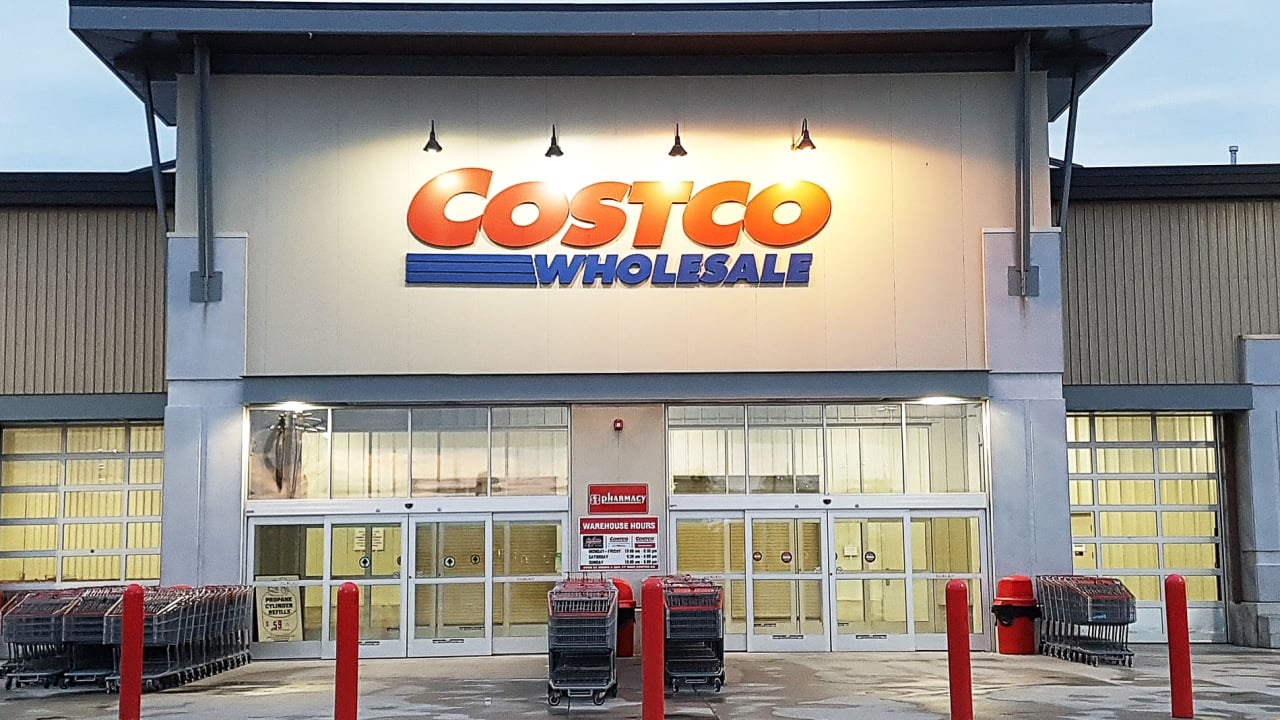
The temptation for extended warranties is hard to resist, but many don’t look at the smallprint when presented with an offer. Extended warranties are often pitched as “peace of mind,” but for low-income shoppers, they can become unnecessary add-ons that rarely pay off (we’re looking at you, Costco).
According to Consumer Reports, “extended warranties are usually not worth the money,” especially on inexpensive electronics and appliances. These devices either don’t break within the coverage window, ending up cheaper to replace than repair by the time they do.
In many cases, products already come with a manufacturer’s warranty, and credit cards frequently add purchase protection automatically. The Federal Trade Commission (FTC) notes that buyers are often paying for coverage they may already have, or for protection that excludes common types of damage. For households on tight budgets, skipping unnecessary warranty upsells can preserve scarce cash for essentials.
16. Not Taking Advantage of Employer 401(k) Matching

As many successful savers will attest, any employer offering superannuation is a key part of long-term savings. Failing to claim employer retirement matches is one of the most expensive missed opportunities in American personal finance, and it disproportionately affects lower-income workers.
To demonstrate how some hard workers are not making the most of their benefits, a Society for Human Resource Management (SHRM) report found that between 75% and 78% of eligible participants contributed enough to receive the full employer match. This scenario translates to nearly a quarter of workers leaving free money on the table.
Sadly, that price match is effectively a guaranteed return: a 100 % immediate gain on the matched portion, and something no traditional investment guarantees. For lower-income earners, missing this benefit widens the wealth gap over time through missed growth.
17. Out-of-Network ATM Fees

For many Americans living without breathing room, withdrawing cash can feel like a simple necessity, but the fees that go with it aren’t anything but. According to recent data from WalletHub’s 2025 ATM fee analysis, “the average ATM fee for national banks … is $2.96 per transaction.”
What’s worse is that it comes before any surcharge the ATM itself may add. WalletHub’s breakdown shows that several major U.S. banks routinely charge these fees, meaning lower-income customers accessing their own money can lose dollars every time they visit a machine.
The danger is how quickly these charges stack up. If you’re forced to use an out-of-network ATM a few times a month, those nearly $3 costs per withdrawal can total dozens or hundreds of dollars over a year. Meanwhile, other consumers avoid these expenses entirely by using fee-reimbursing banks or extensive ATM networks as part of broader financial planning.
Read More
13 Everyday Items You’re Keeping for No Good Reason That Collect Dust