What to Plant in March (Best Perennials for Every Zone)
March arrives, and the garden urge hits hard. The seed catalogs have been studied, and the beds are calling, but one question stops most gardeners before they start: Is it actually time to plant where I live?
The answer depends entirely on your zone. March is the perfect planting month for some gardeners and still too early for others. Get the timing right for your zone, and the perennials you put in the ground this month will reward you for years to come.
Why March Perennial Planting Sets Up Your Whole Season
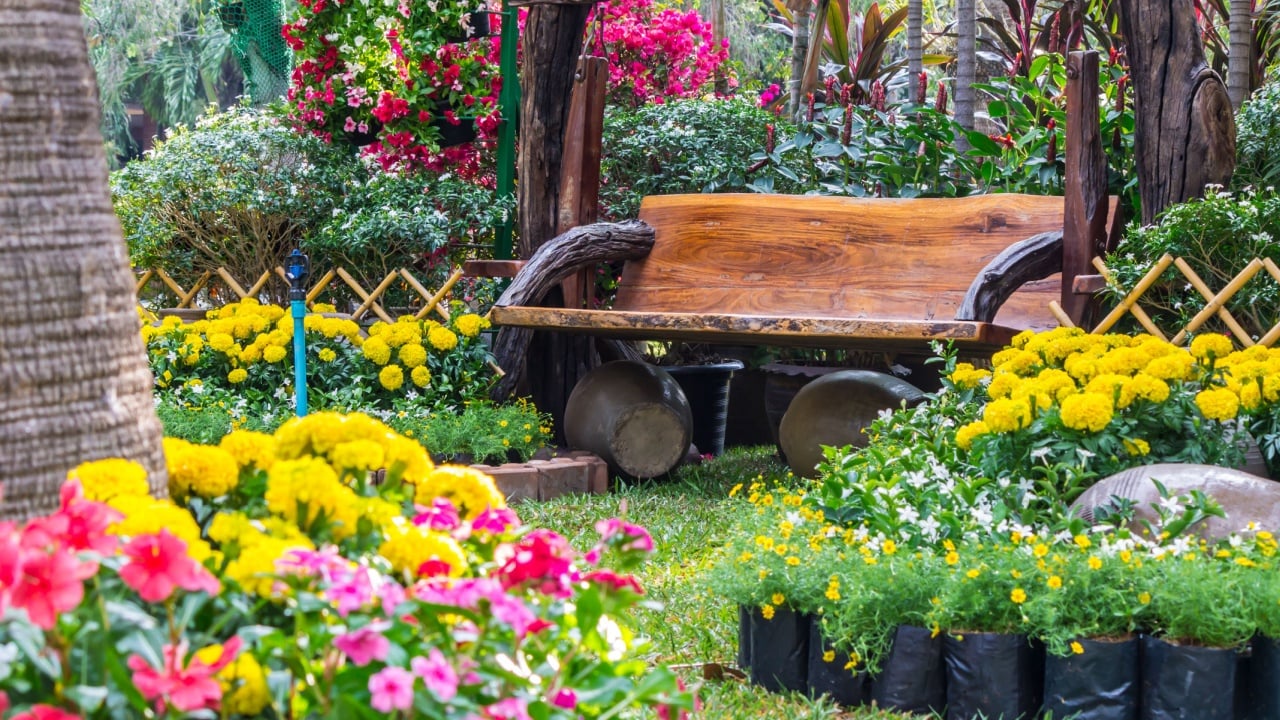
Perennials are the backbone of any garden; plant them once, and they return year after year with increasingly impressive results. The classic gardening saying holds: “first year sleeps, second year creeps, third year leaps.”
If your newly planted perennials seem modest in their first season, that’s completely normal. They’re building root systems, and what’s happening underground will spectacularly show above ground by year two and three.
Spring planting gives perennials a full season to establish before winter, which is why March is such a strategic month in the right zones. The goal isn’t just to get plants in the ground; it’s to choose perennials with long bloom periods that earn their space from spring through fall, not just during a brief two-week window.
If You Missed February: What Zones 8–10 Should Do Now
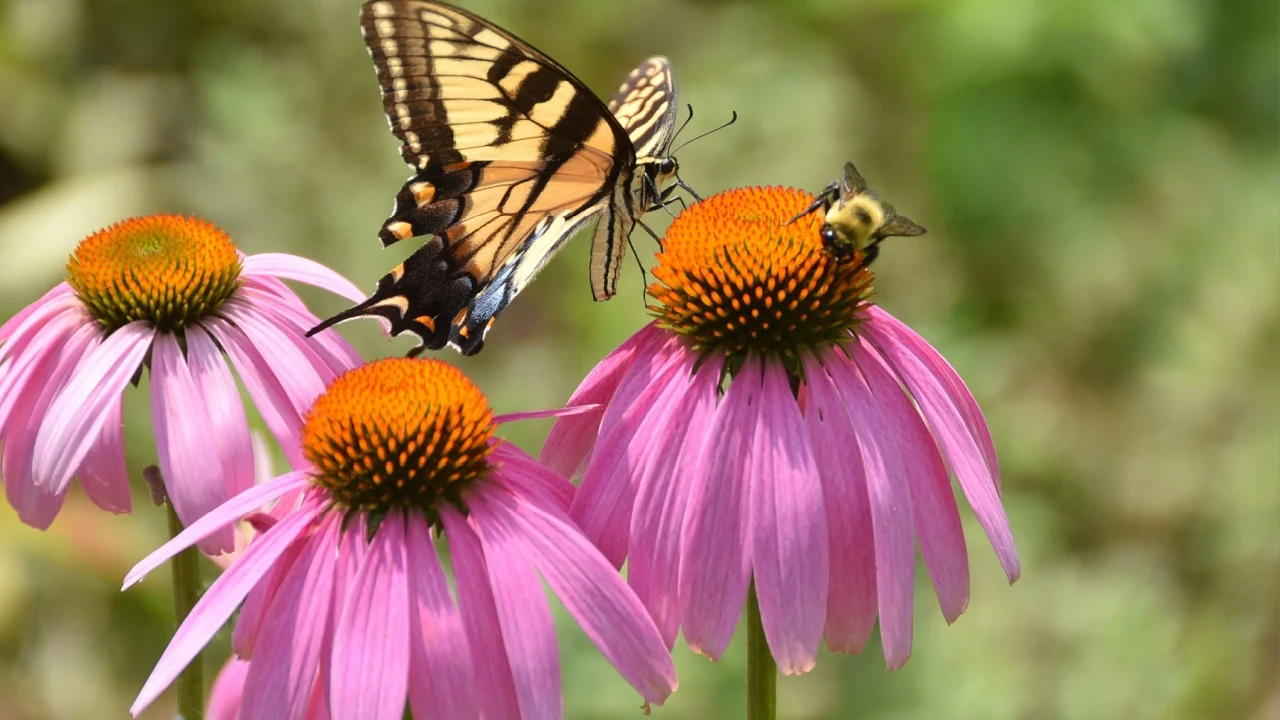
Gardeners in Zones 8–10 are well into their planting season, and some cool-season perennials ideally would have gone in the ground in February before soil temperatures started climbing. But if you’re starting in March, your season is far from lost.
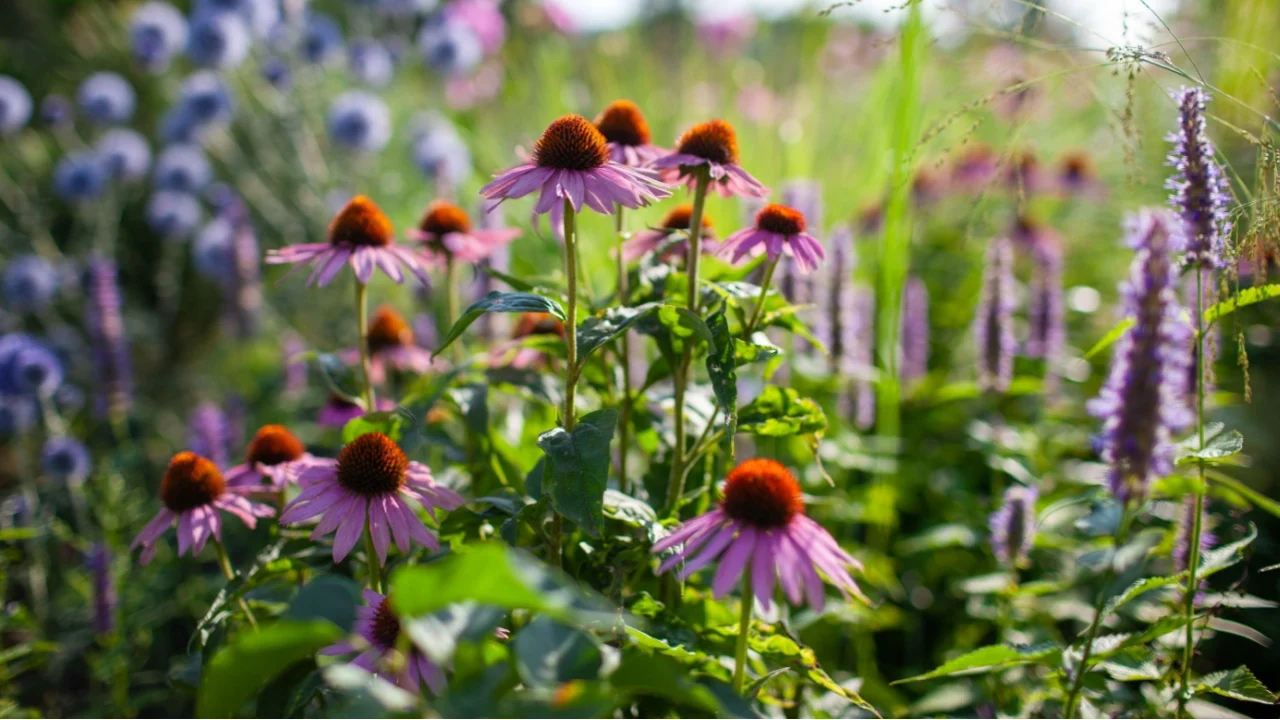
Kelly Funk, president and CEO of Jackson & Perkins, recommends lavender as a highly adaptable perennial that is “heat and drought-tolerant, making it an ideal choice for sunny areas.” Plant it now and water it consistently while it establishes. Coneflower, blanket flower, rudbeckia, daylilies, and catmint are all excellent March choices for Zones 8–10, because they are heat-tolerant, long-blooming, and forgiving of warm spring conditions. Water regularly for the first few weeks, and these tough performers will settle in without complaint.
March Is Prime Time: Best Perennials for Zones 6–7

Zones 6 and 7 are in the sweet spot for March perennial planting. The soil is workable, frost risk is declining, and plants have a full season ahead to establish and bloom. This is the month to act.
Julian Palphramand, head of plants at British Garden Centres, recommends hardy geraniums as a top choice, noting in House Beautiful that they are “brilliant gap fillers as they knit a border together, cover bare soil and soften edges without you having to think too hard about them.” Plant them in full sun to partial shade and let them do their quiet, reliable work.
For late-spring drama, oriental poppies are worth getting in now; they flower in late spring and early summer, and then quietly die back. Pair them with a later-blooming companion like rudbeckia or hardy salvia to fill the gap. Julian also recommends getting rudbeckia and hardy salvias in the ground in March, calling them the plants “that keep a border looking alive when everything else is starting to wind down.”
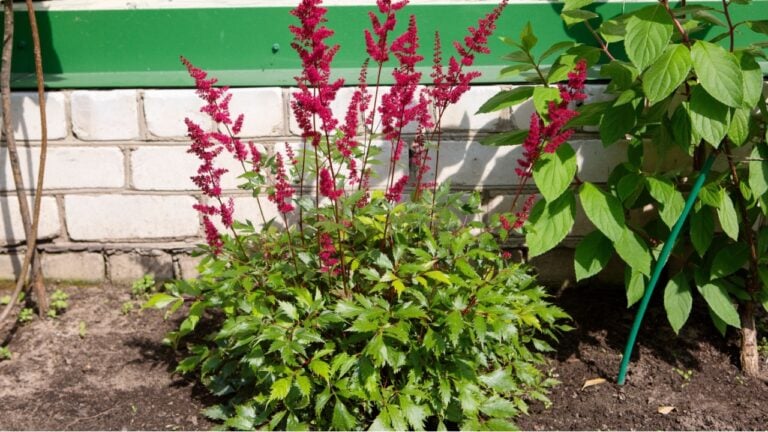
Delphiniums planted in March reward with classic cottage garden spires at the back of borders in early summer. They need staking, well-draining soil, and some wind protection, but the payoff is significant. For something intricate and bee-friendly in partial shade, astrantia is a charming choice; space plants about 60cm apart in moist, well-drained soil.
One practical note: March frosts are still possible in Zones 6–7. Keep row covers on hand for unexpected cold snaps after planting, and choose pot-grown plants over bare root where possible for greater resilience.
Shade Perennials Worth Planting in March (Zones 5–7)
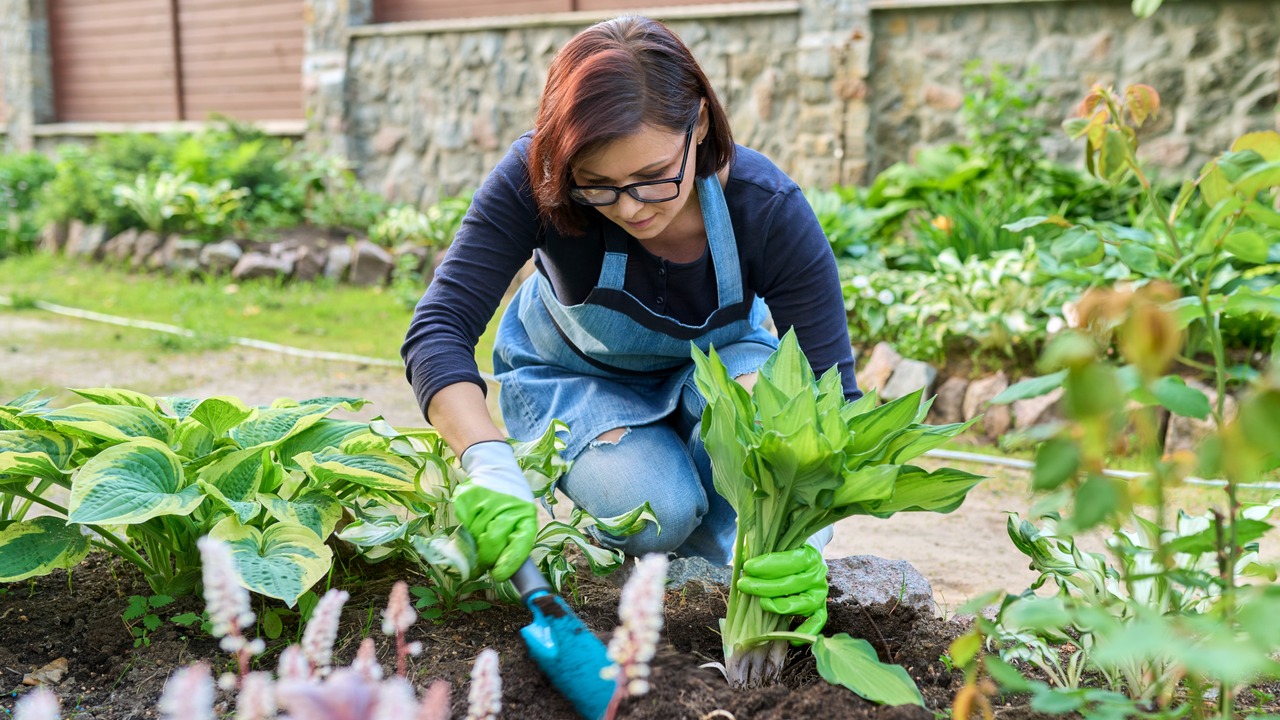
Not every garden gets full sun, and the shadier spots are where some of March’s best perennial choices shine. As Larry Hodgson of the Old Farmer’s Almanac notes, the easiest perennials for beginners “adapt to a wide range of conditions” — and several of the finest shade performers go in the ground this month.
Hostas are the most reliable shade-perennial available, essentially foolproof as long as they’re kept out of direct sunlight. Astilbe brings feathery plumes of color to moist, partial-shade spots in early summer. Bleeding heart produces arching stems of heart-shaped flowers in spring, then gracefully dies back; pair it with hostas or ferns to fill the space it leaves behind. Heuchera (coral bells) offers year-round foliage interest in rich purples and bronzes, with delicate bell-shaped flowers in summer. And Siberian iris, preferring sun to part shade, is less demanding than its bearded cousin and produces elegant blooms in late spring to early summer across Zones 3–9.
Hold Off Until April: Advice for Zones 4–5
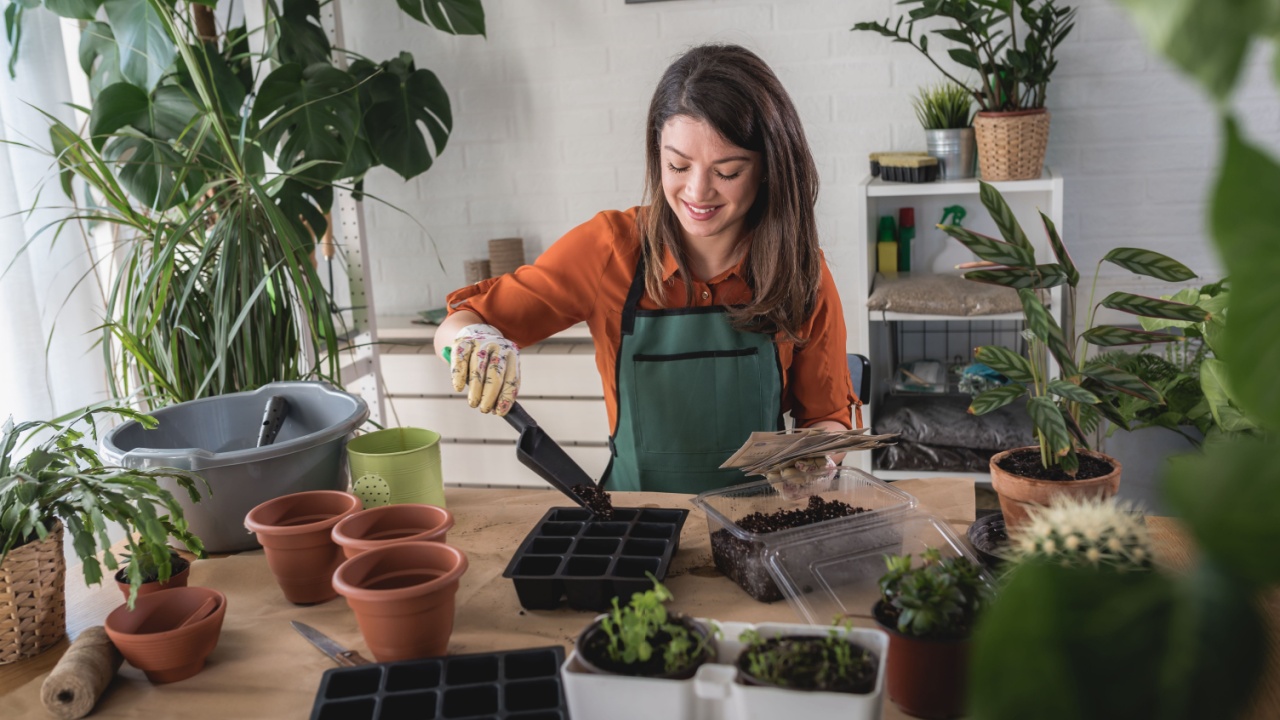
In Zones 4 or 5, March is generally not the right time to plant perennials outdoors. Soil temperatures are often still too cold or too wet, and planting into waterlogged soil causes root rot rather than root development.
What March is right for in these zones is indoor seed starting. Black-eyed Susan, purple coneflower, and anise hyssop can all be started from seed indoors now for outdoor transplanting in May. As Proven Winners notes, perennials are “programmed by Mother Nature to survive”, but they need the right conditions to do so, and in Zones 4–5, those conditions arrive in April when soil temperatures consistently reach above 50°F.
Daylilies, coneflower, catmint, garden phlox, and yarrow are all worth the wait. Planting 4–6 weeks later than gardeners in warmer zones isn’t a disadvantage; it’s correct timing for your conditions, and it sets your plants up for a far stronger debut in year two.
The Investment That Pays Off for Years
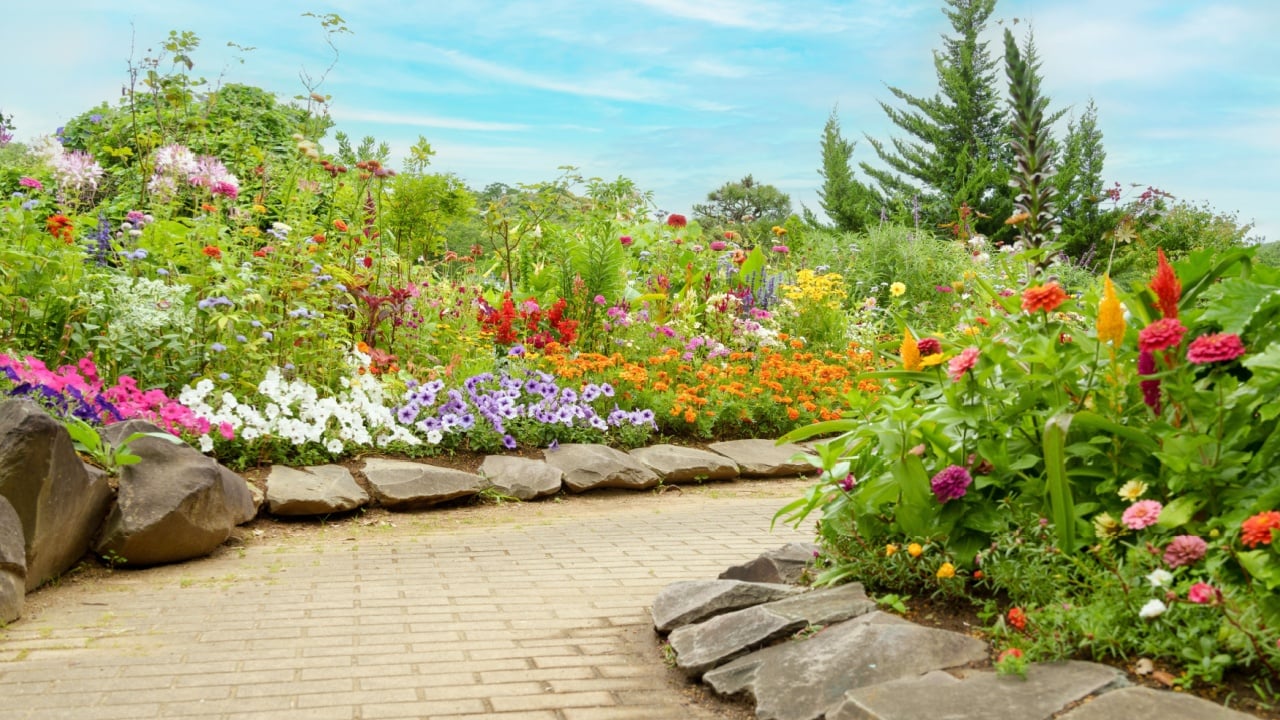
Every perennial you plant this March, timed correctly for your zone, is a long-term investment in your garden. The first year may be quiet, but by year three, those plants will be the backbone of your borders and the reason your garden looks effortlessly designed.
Start with two or three reliable varieties from this guide, matched to your zone and light conditions. Your local cooperative extension office is a free resource for hyperlocal planting dates and is more precise than any national chart. Plant well, water in thoroughly, and let the seasons do the rest.
Read more:
How to save snow-damaged trees and shrubs after winter storm Hernando
Don’t let your plants die while you’re on vacation: 7 genius hacks