16 States Where Buying a House Could Lead to Big Regrets in the Next Decade
Owning a home has long been a cornerstone of the American dream, symbolizing stability and prosperity. Many people pour their life savings into a down payment, picturing a future filled with backyard barbecues and holidays with family. For generations, this investment has been a reliable path to building wealth.
However, statistics indicate the housing market is shifting in significant ways. Factors like climate change, economic volatility, and population movements are creating new challenges for homeowners. A decision that seems wise today could become a source of financial strain and regret in the coming years. Understanding these long-term risks is crucial for making a purchase that supports your future instead of undermining it.
This article identifies 16 states where potential homebuyers might face considerable difficulties over the next decade. We will examine the specific reasons for each state, from rising insurance costs to the effects of extreme weather and affordability issues. This guide is designed to help you look beyond the current market and consider the forces that could shape your investment’s future.
1. Florida

Florida’s warm weather and beautiful coastlines have attracted new residents for decades. This popularity has driven home prices up significantly. However, the state’s vulnerability to hurricanes and flooding presents a growing financial risk. Insurance premiums are soaring, with some homeowners seeing their rates double or triple. In some coastal areas, obtaining affordable coverage is becoming nearly impossible, placing a heavy burden on household budgets.
Before purchasing a home in Florida, it is vital to research flood zones and insurance costs thoroughly. Get multiple quotes from different insurance providers to understand the potential financial commitment. Also, consider the long-term viability of coastal living as sea levels continue to rise, which could affect property values and safety in the years ahead.
2. California
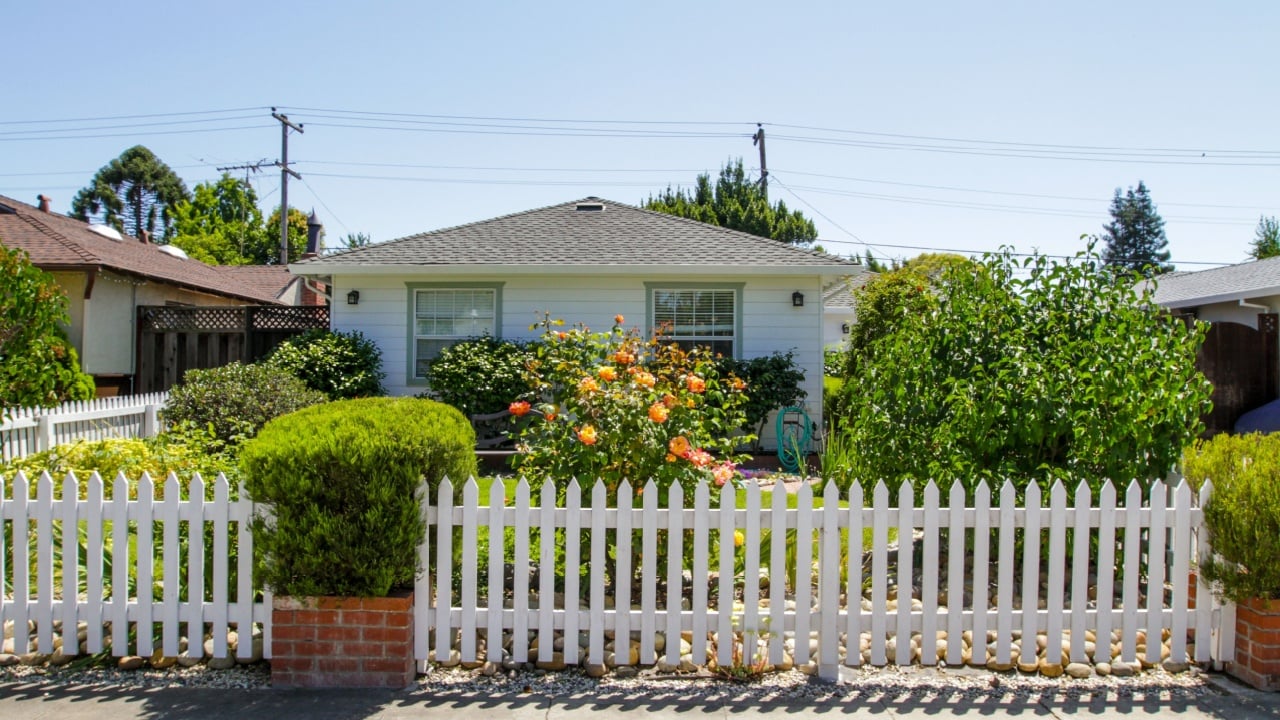
California is famous for its high cost of living, and its housing market is no exception. Median home prices in many areas are among the highest in the nation, making homeownership a difficult goal for many. Beyond the initial purchase price, the state faces severe environmental challenges, including a high risk of wildfires, earthquakes, and persistent drought. These factors not only threaten safety but also lead to expensive insurance and utility costs.
Prospective buyers should carefully weigh the financial strain of a California mortgage against their income. Investigate the specific natural disaster risks for any neighborhood you consider. Understanding these ongoing expenses and potential dangers is essential for determining if a home purchase in the Golden State is a sustainable choice for your family.
3. Arizona
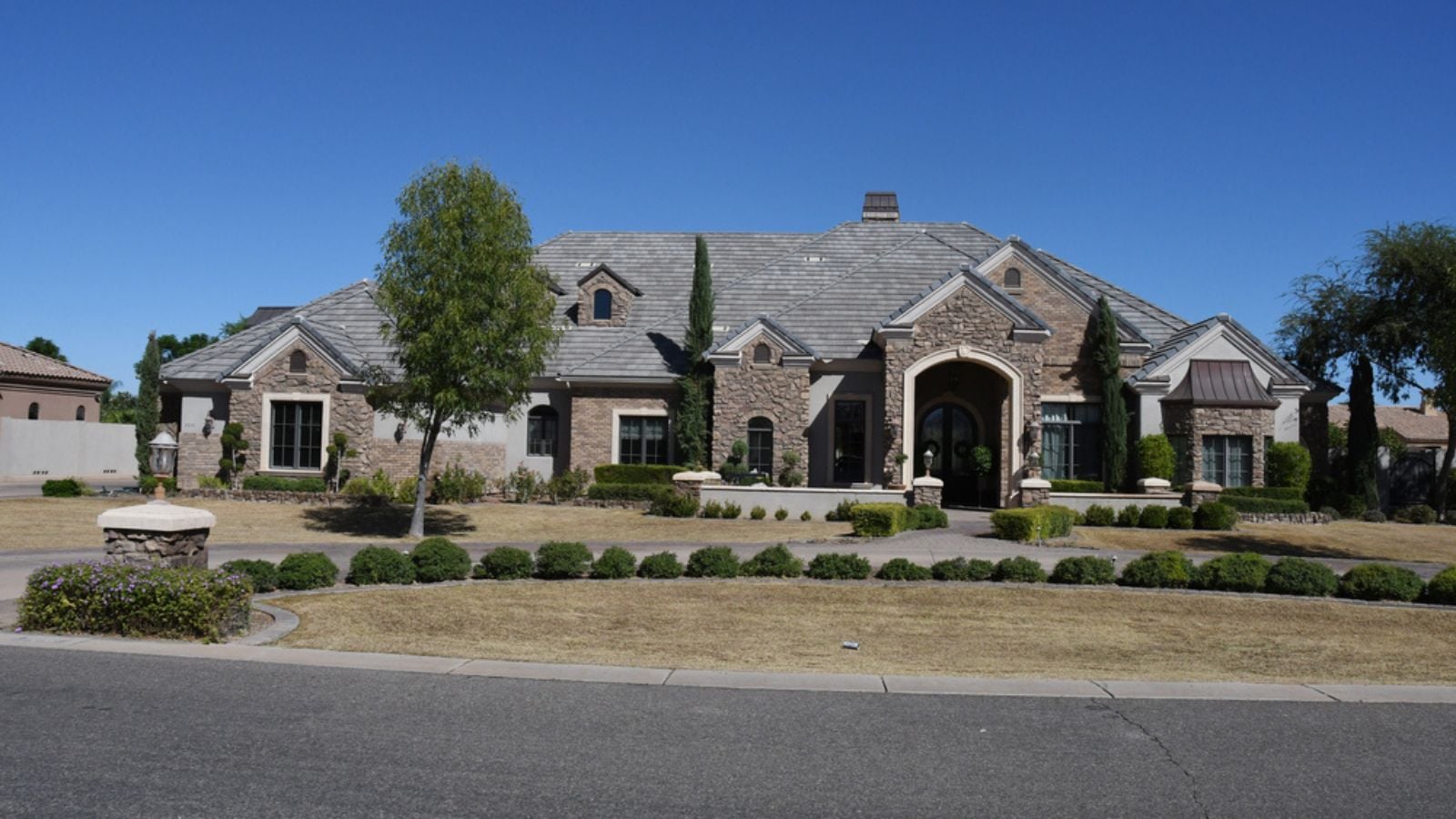
Arizona’s housing market has experienced rapid growth, fueled by its sunny climate and expanding job market. This boom has led to a sharp increase in home prices. A primary concern for the state’s future is its reliance on the Colorado River for water. With ongoing drought conditions, long-term water security is a significant issue that could affect living conditions and future development.
If you are considering a move to Arizona, look into the water sources for the specific community you are interested in. Some newer developments may have less secure water rights than older, more established areas. Understanding the potential for water restrictions and increased costs is a critical part of evaluating a home purchase in this desert state.
4. Texas
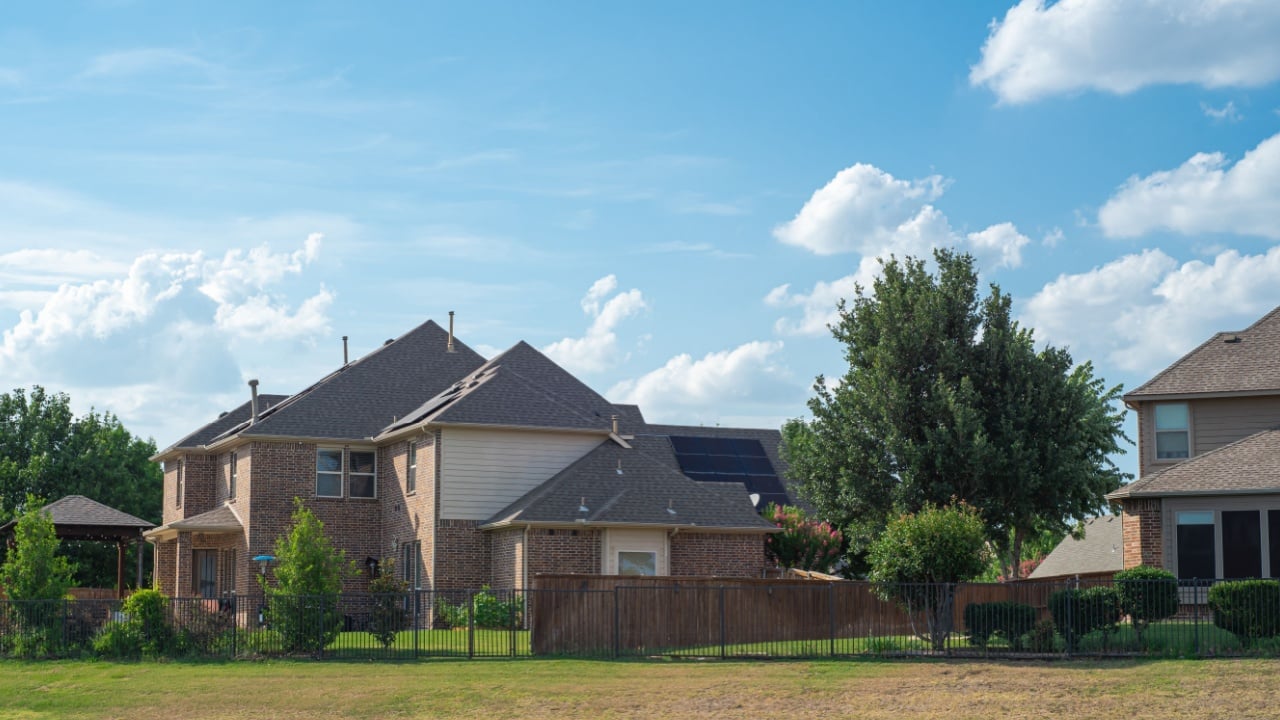
Texas has seen a population boom, drawing people in with its job opportunities and the absence of a state income tax. This growth has put immense pressure on housing markets in cities like Austin and Dallas, pushing prices to new highs. The state also experiences a wide range of extreme weather, from hurricanes along the coast to tornadoes and severe heat inland. These events can strain infrastructure and lead to high property insurance rates.
When looking at homes in Texas, pay close attention to the area’s history of extreme weather events. Factor in the potential for high utility bills, especially for cooling during the intensely hot summers. The combination of high purchase prices and high ongoing costs could make homeownership more challenging than anticipated.
5. Colorado
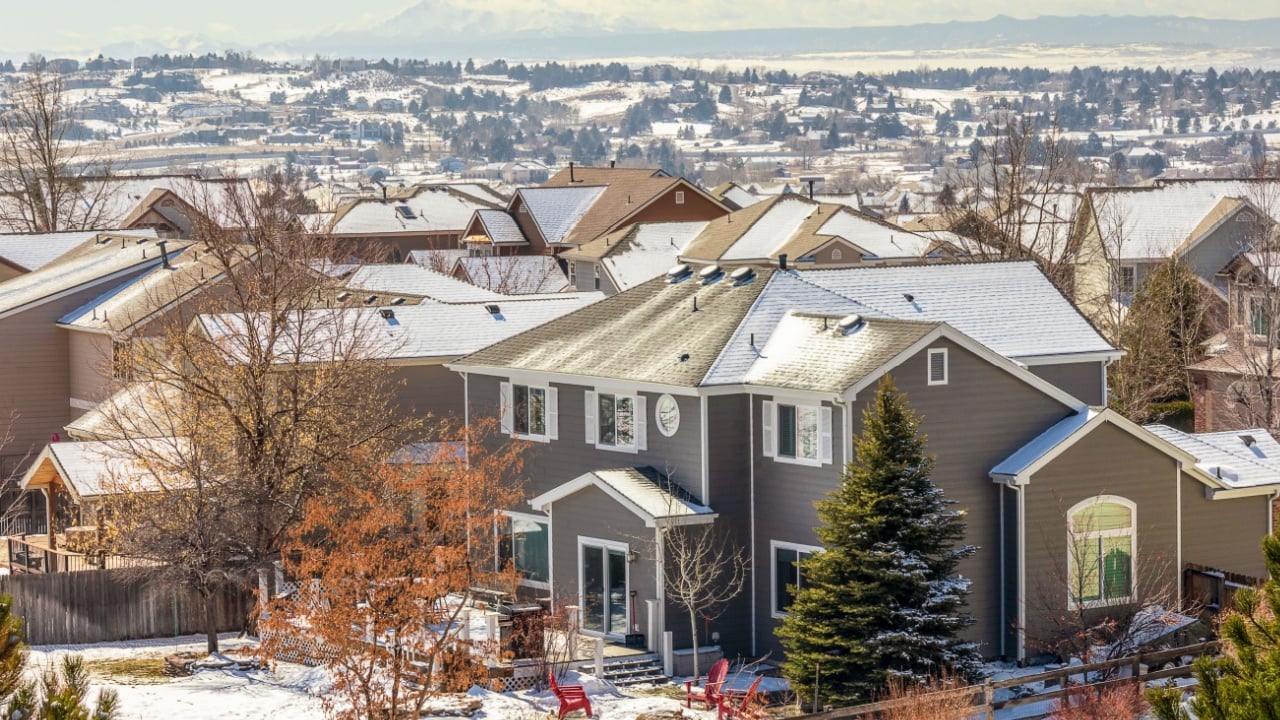
Colorado’s scenic mountains and outdoor lifestyle have made it a desirable place to live, leading to a competitive and expensive housing market. Beyond affordability, the state is facing increased risks from wildfires, particularly in communities near forested areas. The combination of dry conditions and strong winds creates a volatile environment that can endanger homes and drive up insurance costs.
For those drawn to Colorado’s natural beauty, it is important to assess the wildfire risk for any property under consideration. Look for homes in communities that have implemented fire mitigation strategies. A home that seems like a peaceful mountain retreat could become a source of anxiety without proper planning and awareness of the environmental risks.
6. Washington
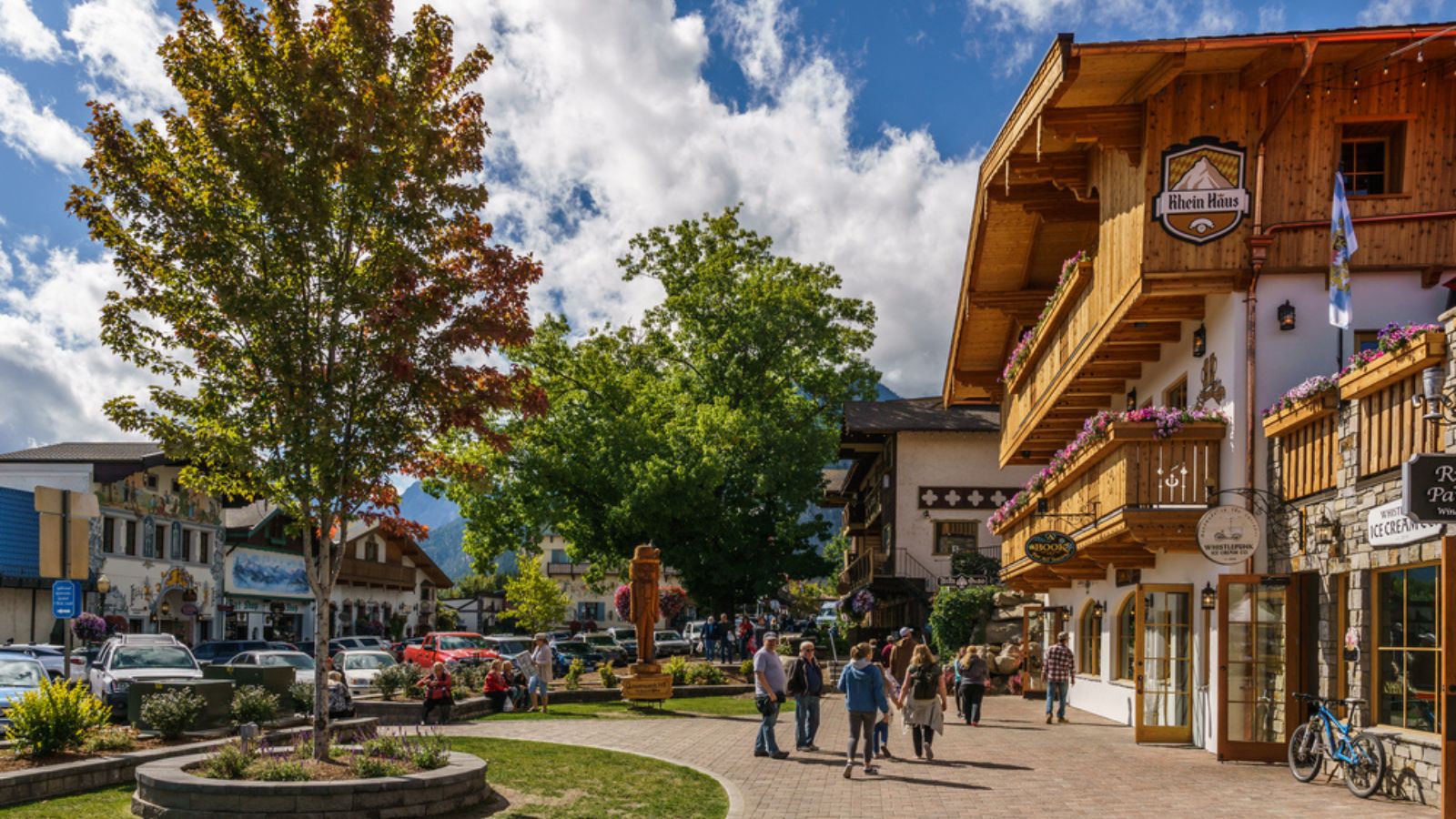
Washington offers a strong job market, particularly in the tech sector, but this has contributed to some of the highest housing costs in the country, especially around the Seattle area. The state is also located in a seismically active region, with the potential for a major earthquake. While building codes are designed to mitigate damage, the risk remains a serious consideration for any homeowner.
Potential buyers in Washington should factor earthquake insurance into their budget, as it is typically not included in standard homeowner policies. Investigating the seismic retrofitting of older homes is also a wise precaution. Balancing the state’s economic opportunities with its high cost of living and geological risks is necessary for a sound decision.
7. Oregon

Similar to its northern neighbor, Oregon’s housing market has become increasingly expensive, particularly in cities like Portland and Bend. The state also contends with a significant risk of wildfires, which have become more frequent and destructive in recent years. Smoke from these fires can affect air quality across large portions of the state for weeks at a time, impacting health and quality of life.
If you are considering buying in Oregon, research the air quality history for the region, especially during fire season. When viewing properties, ask what measures have been taken to make the home more fire-resistant. These steps can help you prepare for the environmental realities of living in the Pacific Northwest.
8. Nevada

Nevada’s housing market, centered around Las Vegas and Reno, is known for its boom-and-bust cycles. While prices have surged recently, the market’s historical volatility could pose a risk for buyers who purchase at a peak. Like Arizona, Nevada is heavily dependent on the shrinking Colorado River, making long-term water availability a major concern for its growing population.
Buyers in Nevada should be prepared for potential market fluctuations that could affect their home’s value. It is also important to research water conservation measures and potential future restrictions in the community you are considering. A home in the desert requires a clear understanding of the resources needed to sustain it.
9. Georgia
Georgia, particularly the Atlanta metropolitan area, has seen rapid population growth and rising home values. This development has led to increased traffic and urban sprawl. The state is also susceptible to severe weather, including tornadoes and the effects of hurricanes moving inland. The hot, humid summers also result in high energy costs for air conditioning.
When exploring housing options in Georgia, consider commute times and the strain of traffic on your daily life. It is also wise to factor in the cost of cooling a home during the long, hot summers. A property that seems affordable at first glance may come with hidden costs and lifestyle compromises.
10. Massachusetts
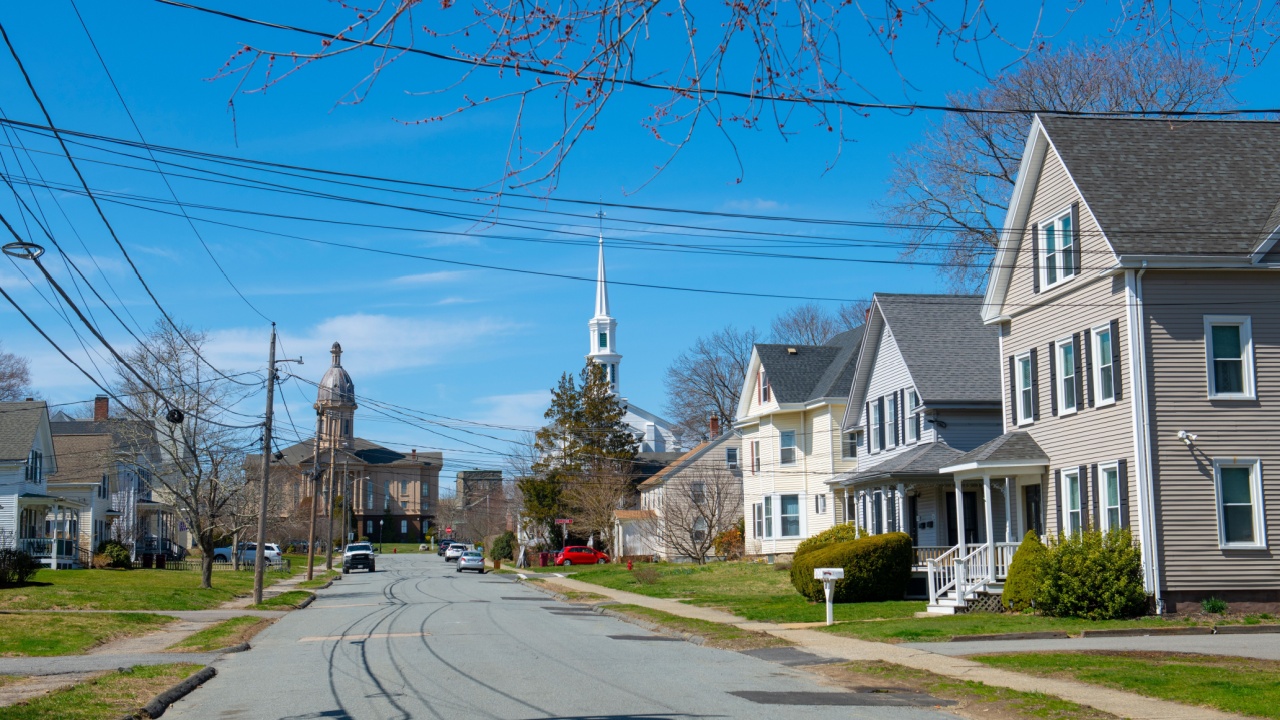
Massachusetts is known for its strong economy and excellent schools, but it also has one of the most expensive housing markets in the United States. High property taxes add to the financial burden of homeownership. Coastal communities in the state are also increasingly vulnerable to flooding and storm damage from nor’easters and rising sea levels.
For those looking to buy in Massachusetts, a detailed budget is essential. Be sure to account for high property taxes and the potential for expensive flood insurance in coastal areas. While the state offers many benefits, the cost of entry and ownership can be a significant hurdle that may lead to financial strain.
11. Hawaii

Living in Hawaii is a dream for many, but the reality comes with a very high price tag. The state has the most expensive housing market in the nation, driven by limited land and high demand. In addition to the cost of housing, everyday expenses for goods and food are inflated because most items must be shipped to the islands. The islands are also vulnerable to hurricanes, tsunamis, and volcanic activity.
Buying a home in Hawaii requires substantial financial resources. It is critical to understand the full cost of living, not just the mortgage payment. For those who can afford it, the unique lifestyle may be worth the price, but for others, the financial pressure could outweigh the benefits of island life.
12. New Jersey
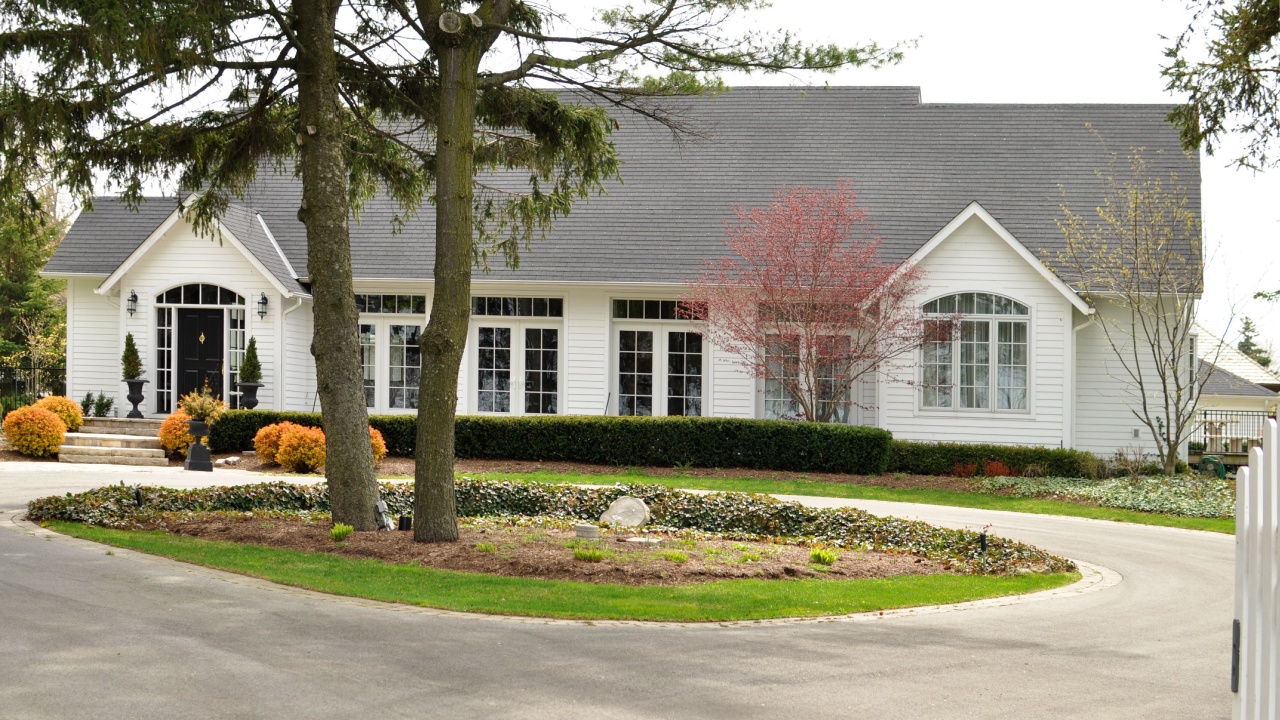
New Jersey’s proximity to New York City and Philadelphia keeps its housing market competitive and expensive. The state also has the highest property taxes in the country, which can add thousands of dollars to annual housing costs. Coastal areas of New Jersey are facing increased risks from flooding and storm surges, a lesson learned from major storms like Hurricane Sandy.
Prospective homeowners in New Jersey must carefully calculate the impact of high property taxes on their long-term budget. If considering a home near the shore, investigate flood risk and the cost of flood insurance. These ongoing expenses are a major part of the financial picture of owning a home in the Garden State.
13. Illinois

While some parts of Illinois offer affordable housing, the state as a whole faces economic challenges. Recent data shows that Illinois has high property taxes and has experienced a population decline in recent years. A shrinking population can lead to a weaker housing market and potentially stagnant or declining property values over the long term.
Before buying in Illinois, research the economic health and population trends of the specific town or city you are considering. High property taxes can be a significant financial drain, so it is important to understand what those taxes support in terms of local services and schools. A seemingly good deal on a house could be less appealing if the local economy is struggling.
14. Connecticut
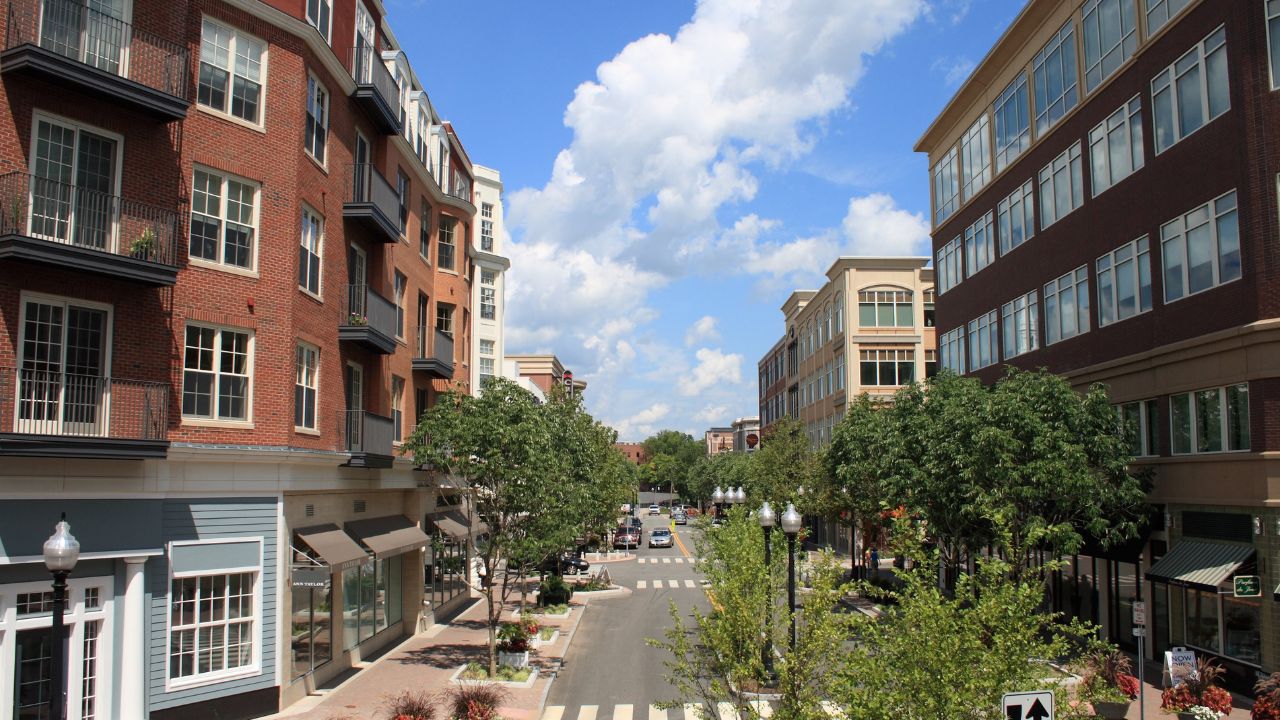
Connecticut offers a charming New England setting, but it comes with a high cost of living and some of the highest property taxes in the nation. The state’s economy has grown more slowly than other parts of the country, and it has also seen residents move away. This combination of high costs and slower economic growth could limit future appreciation in home values.
Buyers should be prepared for the financial impact of Connecticut’s high taxes. While the state has many attractive towns and good schools, the financial burden of homeownership is considerable. Evaluating your long-term financial goals against the high cost of living is a crucial step before making a commitment.
15. Pennsylvania
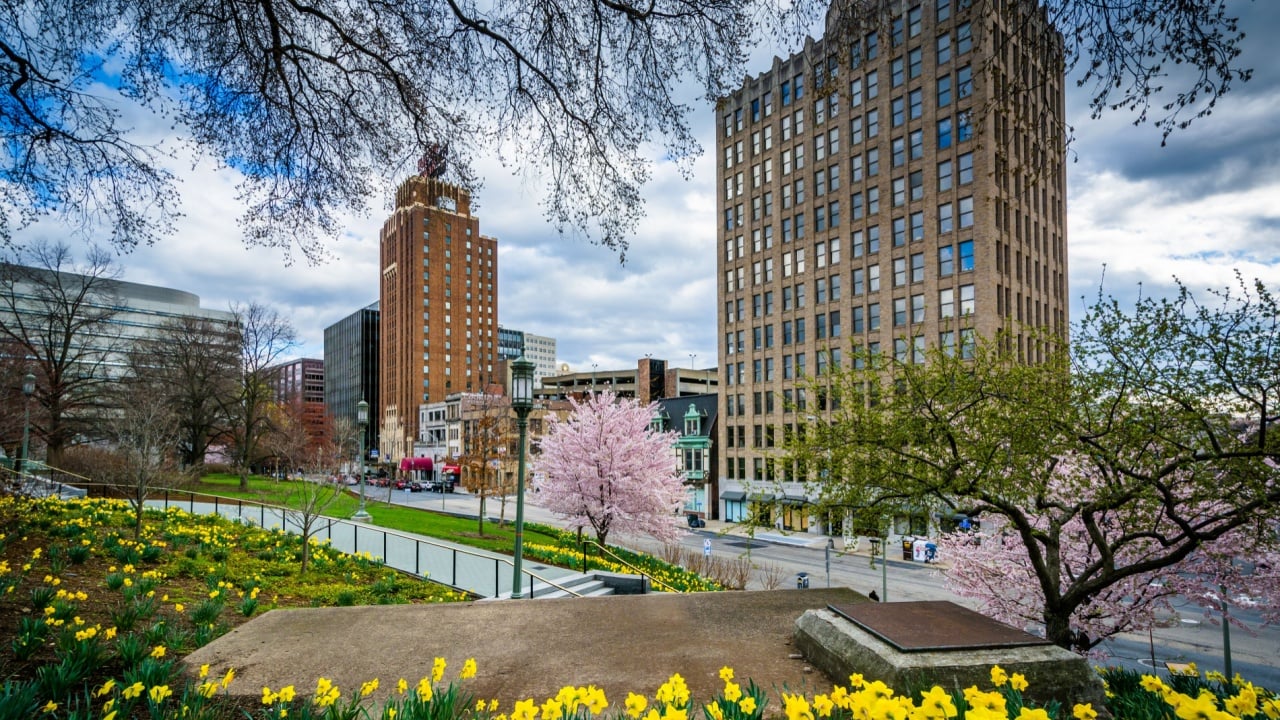
Pennsylvania features a diverse housing market with a wide range of prices. However, many of the state’s cities and towns rely on older infrastructure that requires significant investment, including the electricity grid. More than half of the transmission lines and power transformers were installed before 1970; the grid is aging and struggling to keep up with rapidly increasing demands.
With the gap between electricity demand and infrastructure upgrades widening, homeowners could face unreliable service and unexpected costs in the coming years. When looking at homes in Pennsylvania, pay attention to the economic drivers of the local community. A town with a diverse and growing job market is likely a more stable investment than one dependent on a single industry.
16. Michigan
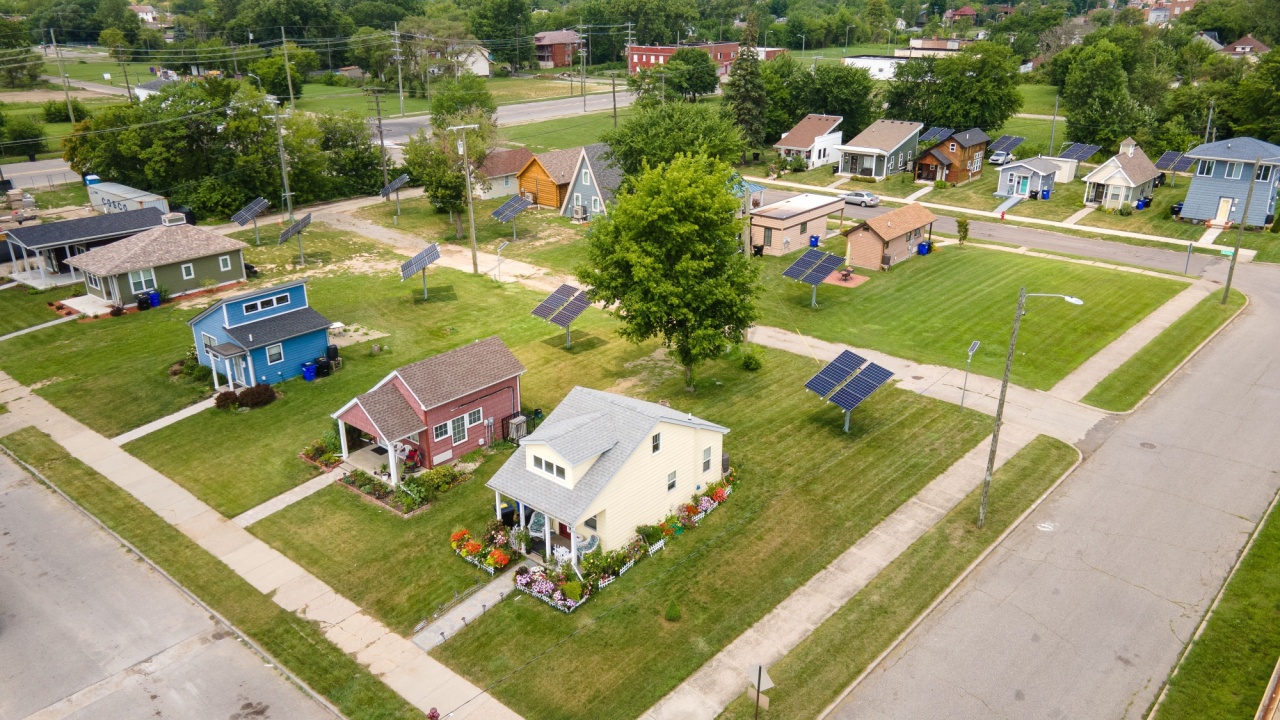
Michigan’s housing market has recovered since past downturns, and prices have risen in many areas. However, much of the state’s economy remains heavily tied to the automotive and manufacturing sectors, which are cyclical and vulnerable to national and global shifts. A slowdown in these industries could reduce demand for housing in affected regions, putting long-term property values at risk.
Some communities, particularly smaller cities and rural areas, continue to face population stagnation or decline and limited job growth, which can further weaken housing markets. This means that while homes may seem affordable today, buyers who choose the wrong location could see slower appreciation or even declining values over the next decade, making a house in Michigan a potentially risky investment.
Making an Informed Decision

Choosing where to buy a home is one of the most significant financial decisions you will ever make. The process requires more than just falling in love with a house; it demands a clear-eyed look at the economic and environmental factors that will shape your life for years to come. By researching potential challenges like high taxes, insurance costs, and climate risks, you can better protect your investment and your future well-being.
Read More:
America’s Homebuyer Crisis: Slumping January Sales Cause Panic
Most 2026 Homebuyers Expect Mortgage Rates to Fall, but What Happens If They Don’t?