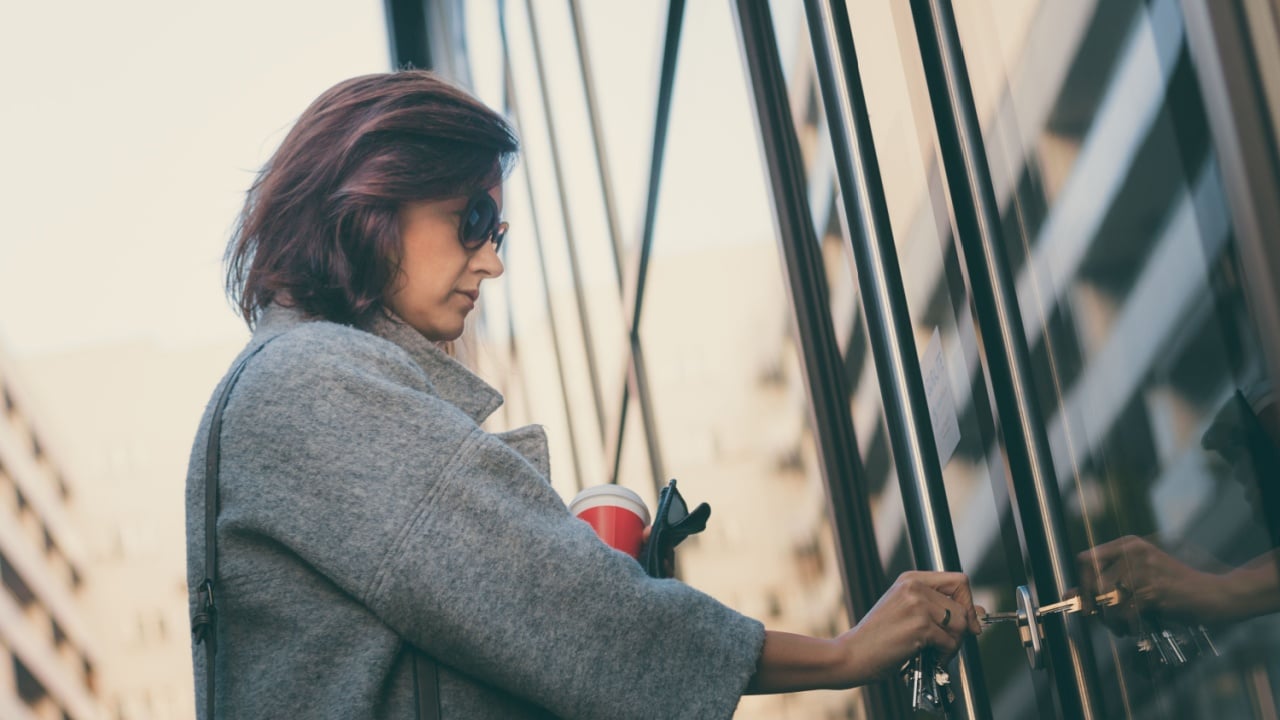
14 Subtle Signals Criminals Use to Spot Someone Home Alone
Around 21% of Americans aged 50 and older live alone, and for many, it’s a lifestyle that feels freeing and peaceful. But solo living also comes with a hidden risk: your everyday habits may be telling outsiders more than you realize. Criminals look for predictability, low resistance, and homes that appear lightly occupied — and a one‑person household can unintentionally check all those boxes.
While most people focus on locks, alarms, and cameras, the real giveaways often come from routine behaviors. Small patterns in how you park, when you answer the door, or even how your home looks from the street can quietly signal that you’re the only one inside.
This guide breaks down 12 (now 14) subtle habits that may reveal your solo status — and simple ways to disrupt those patterns so you can enjoy the independence of living alone without compromising your safety.
1. Always Parking in the Same Spot

If you have a dedicated parking spot or a driveway, it’s natural to pull into it the same way every single day. Studies reveal that 30% of home burglaries occur during daylight hours. A single car that always appears in the evening and disappears in the morning in the exact same spot suggests a one-person, one-car household. It shows the house is empty during the day.
To counter this, simply mix it up a little. If you have space, park in a slightly different position each day. Park closer to the garage one day, further down the driveway the next. If you have a two-car garage, switch which side you use. Create the illusion of more activity and less predictability. This will make it harder for an observer to be certain you’re the only one coming and going.
2. Keeping a Predictable Daily Departure Routine

Most people leave home around the same time each day, but when you live alone, that routine becomes even more obvious. A single person leaving at 7:45 a.m. every weekday and returning at 5:30 p.m. creates a clear window of opportunity for someone watching your home. Criminals often look for consistency, and a solo commuter’s schedule is one of the easiest patterns to track.
Try to vary your departure and arrival times when possible. Even small shifts — leaving 10 minutes earlier one day or running an errand before heading home — can break the pattern. If you work from home occasionally, keep a car in the driveway or use smart lighting to mimic activity during the day.
3. Neglecting Outdoor Maintenance
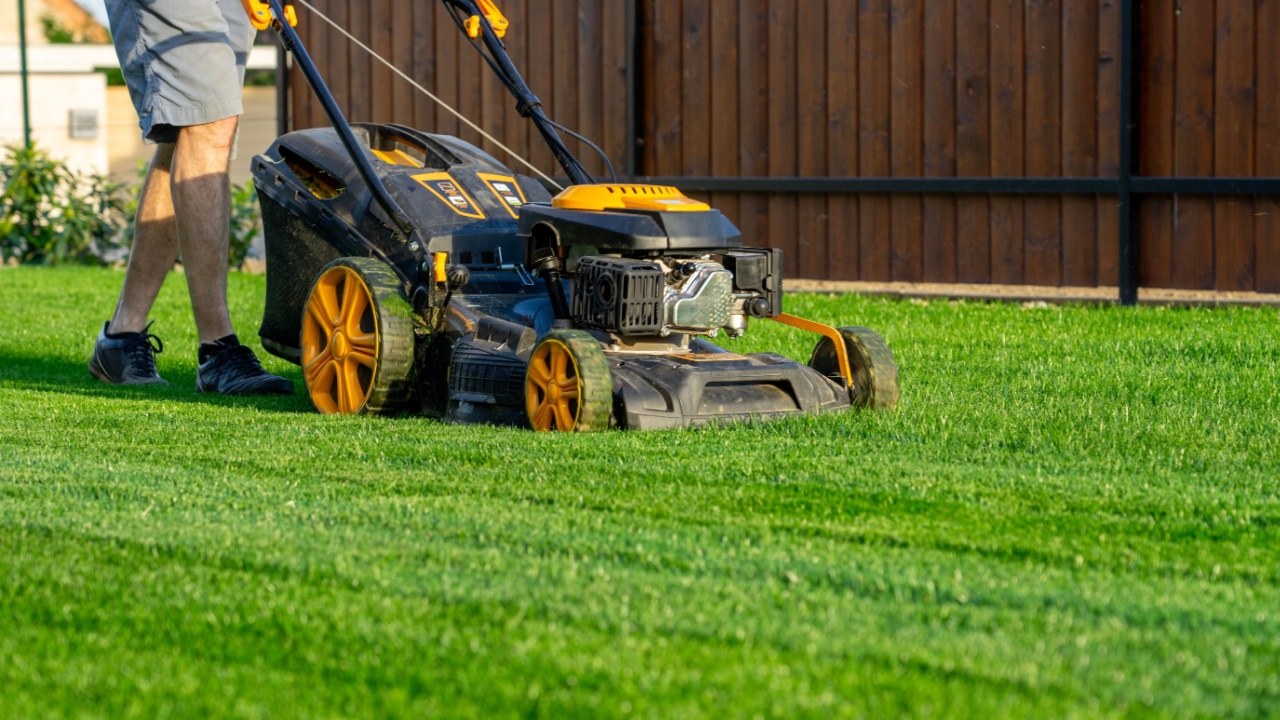
Yard work is one of those chores that’s easy to let slide when life gets busy. Sometimes mowing the lawn or trimming the hedges falls to the bottom of the list. However, a yard that looks consistently unkempt can be a red flag. Overgrown grass, overflowing weeds, and neglected landscaping can signal that only one person is available to handle the outdoor chores.
You don’t need a perfectly manicured lawn to look secure. The idea is to create the appearance of a lived-in, actively managed property. If you can’t keep up with it all, consider hiring a service for bigger tasks like mowing. Even small actions, like pulling a few weeds near the front door or sweeping the porch, can show that the property is being cared for and watched over.
4. Answering the Door Too Quickly
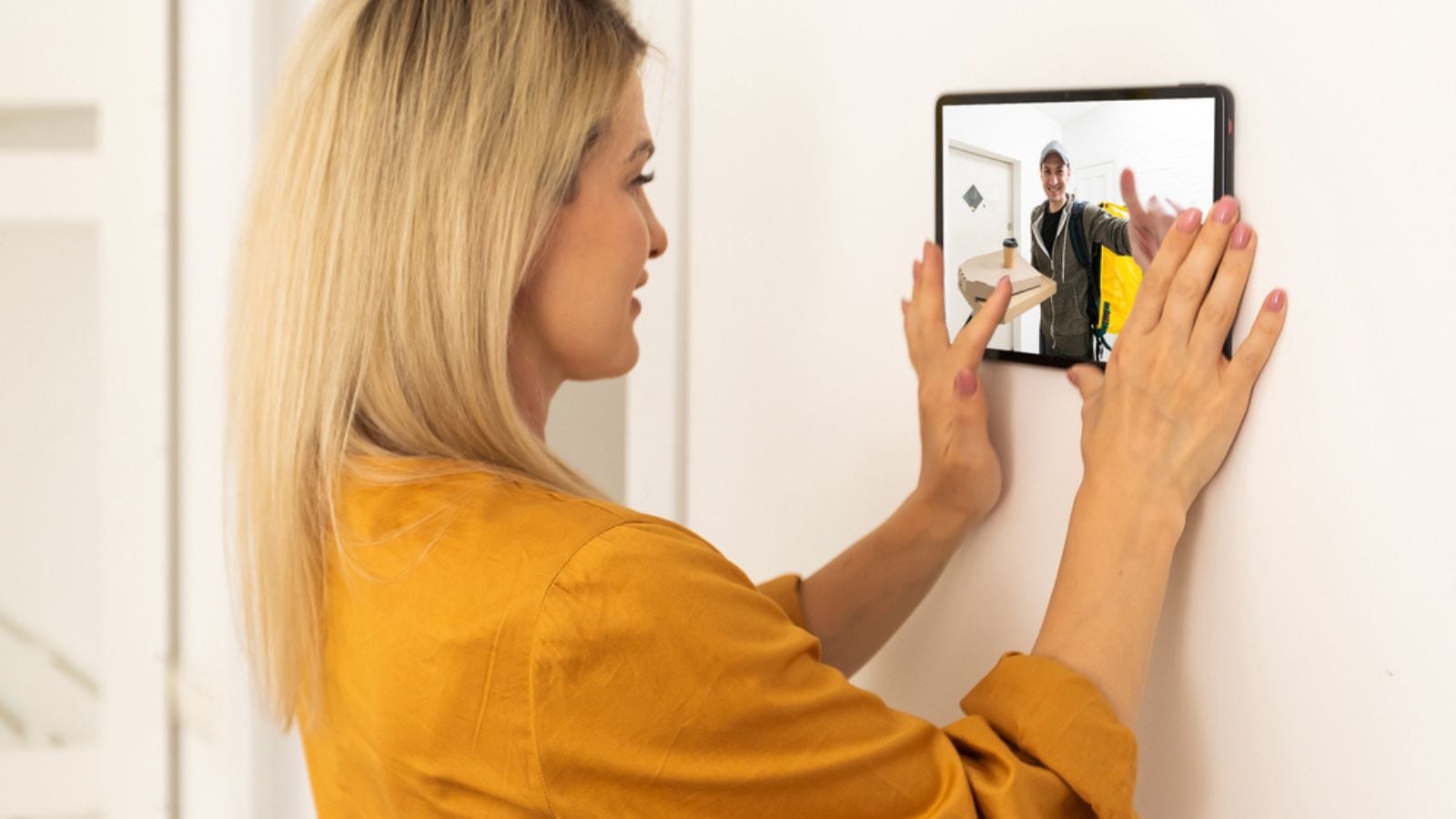
When the doorbell rings unexpectedly, the natural instinct is to check who it is right away. Answering the door within seconds, every single time, can suggest only one person is home. In a multi-person household, it often takes a moment for someone to get to the door, or someone might call out, “I’ll get it!”
Instead of rushing, take a brief pause before heading to the door. Use that moment to check your video doorbell or peek through the peephole to see who is there. This not only delays your response time but also gives you a chance to assess the situation. If it’s a stranger, you can decide to answer or speak to them through the door or a camera system.
5. Letting Mail and Newspapers Pile Up
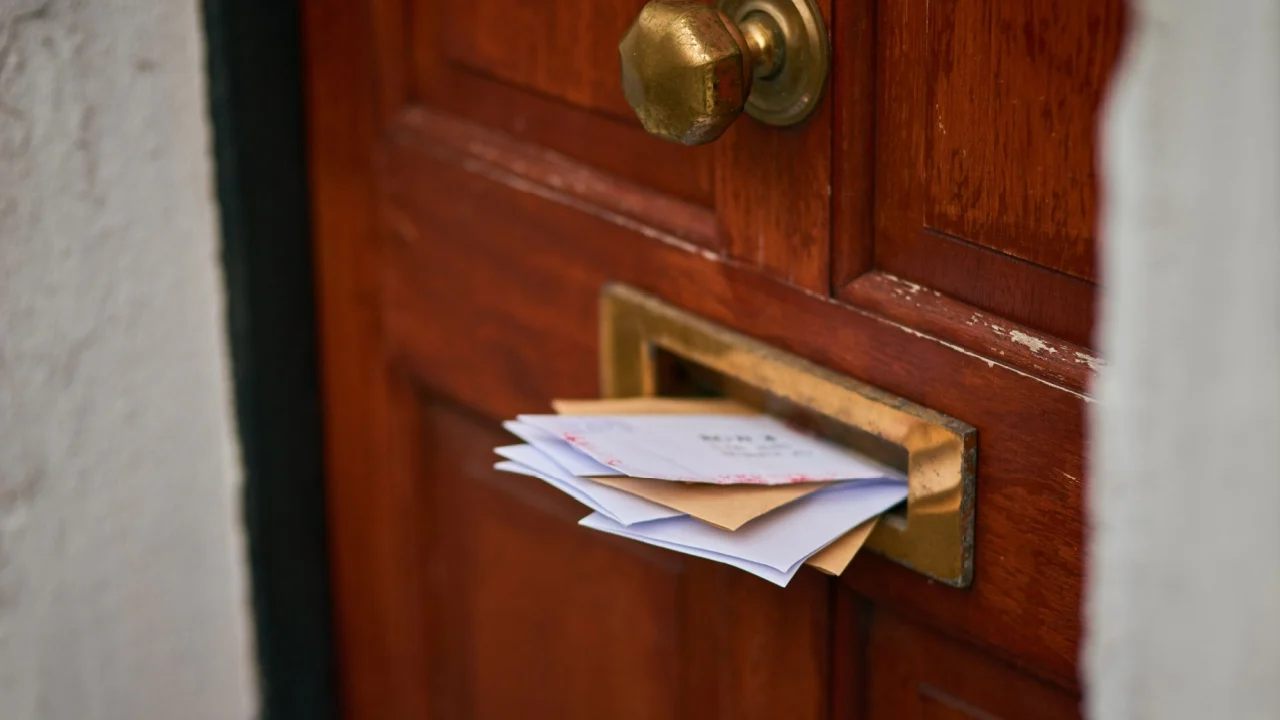
An overflowing mailbox or a stack of yellowing newspapers on the porch is the universal sign for “nobody is home” (single or not). For someone observing your property, it indicates you are either away on vacation or, if it happens regularly, that you might be a single person who is overwhelmed or simply doesn’t collect the mail daily. It makes the home look like an easy and unoccupied target.
Making mail collection a non-negotiable part of your daily routine is a simple fix. Grab it as soon as you get home from work or make it your first task in the morning. If you’re going out of town, have the post office hold your mail or ask a trusted neighbor to collect it for you. A clear porch and an empty mailbox suggest someone is present and attentive.
6. Having a Very Consistent Lighting Pattern

We are creatures of habit. We turn on the porch light when it gets dark and turn it off before bed. Someone watching your house for just a couple of nights can easily learn your schedule based on your lights. If the same sequence of lights flicks on and off at the exact same time every single day, it points to a single person moving through their routine.
Innovative home security is your best friend here. Use smart plugs or bulbs to randomize your lighting schedule. You can set them to turn on and off at slightly different times each day, and you can even control them remotely from your phone. Having lights in different rooms turn on and off throughout the evening creates the impression of a busy household with multiple people inside.
7. Putting Out the Trash Bins Too Early or Late

Taking out the trash is a chore nobody loves. A single trash or recycling bin, put out at the same predictable time each week, can reinforce the idea of a one-person household. It’s a small detail, but it adds to the overall picture for a potential burglar.
Try to vary the time you take your bins to the curb. If possible, wait until the morning of trash day instead of doing it the night before. Another trick is to occasionally have an extra, nearly empty trash can. The presence of multiple bins can give the impression of a larger family, disrupting the assumption that you live by yourself.
8. Being Too Open on Social Media

Sharing our lives online is second nature for many of us. We post pictures from our solo hike, check in at our favorite coffee shop, or complain about being sick at home alone. While it feels like you’re just talking to friends, you could be broadcasting your status and location to a much wider audience. Criminals have used social media to identify targets, learning their routines and when they aren’t home.
Review your privacy settings on all social media platforms and limit your audience to people you actually know and trust. Avoid posting in real-time. Instead of sharing that you’re out for a run, post the photo after you’re safely back home. Be vague about your plans and never post that you’re “home alone,” even as a joke.
9. Leaving Blinds or Curtains Open at Night
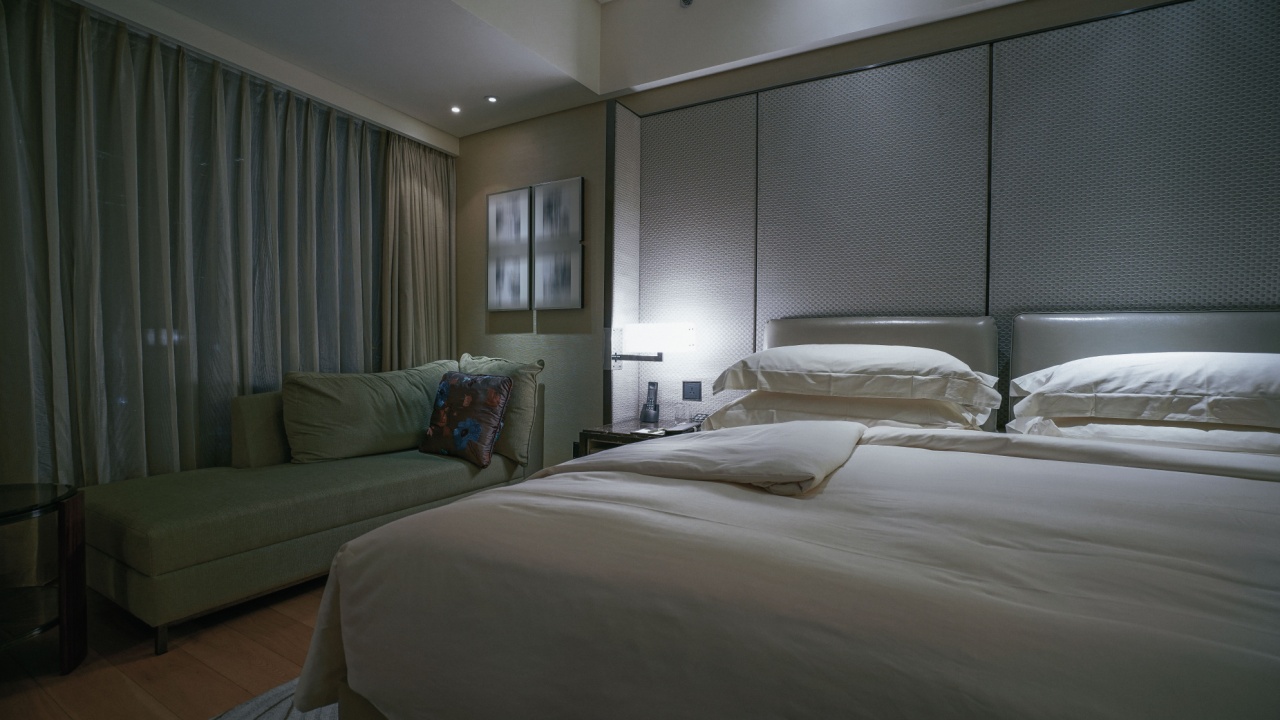
At the end of a long day, it’s nice to relax in your living room. But if your curtains are wide open, you’re essentially putting your life on display. Anyone outside can see that you’re the only one on the couch, what you’re watching on TV, and the general layout of your home. This gives them a clear view of your nightly routine and confirms you are by yourself.
Make closing your blinds or curtains a regular part of your evening ritual. Do it as soon as it starts to get dark outside. This simple act protects your privacy and prevents anyone from being able to peek inside. Sheer curtains can be a good compromise during the day, letting in light while obscuring the view from the street.
10. Always Using the Front Door
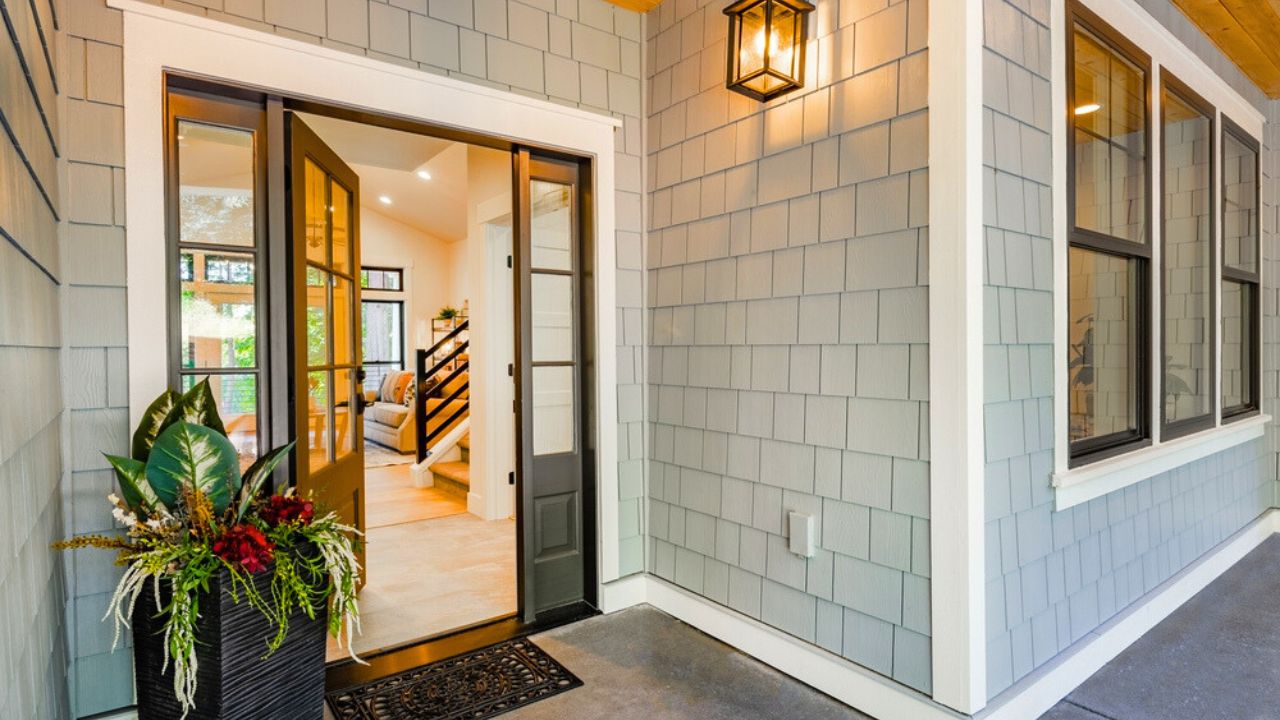
If you have a garage or a side entrance, but you exclusively use the front door, it creates a very predictable pattern of entry and exit. Observers will quickly learn that all activity is focused on one spot. In a multi-person household, different people might use different doors depending on where they park or what’s more convenient.
If you have other ways to get into your house, like a garage, side, or back door, mix it up and use them. Install a pedestrian door to simplify garage access. This small change in your routine makes your movements less predictable. It can create the illusion that multiple people are coming and going from the property through various points of access.
11. Having a Quiet House

A consistently silent house, with no sounds of conversation, music, or television, can be another indicator that only one person lives there. While you might enjoy the peace and quiet, a complete lack of noise can make a home seem empty or occupied by a single, vulnerable person. Sound carries, and the absence of it can be just as telling as its presence.
You don’t have to blast music 24/7, but leaving a radio or television on when you’re home can create ambient noise and make the house look occupied. Do this especially in the evenings. The sound of voices or music drifting from a window suggests activity and the presence of people, making your home a less appealing target for someone looking for an easy mark.
12. Discussing Your Solo Status Loudly
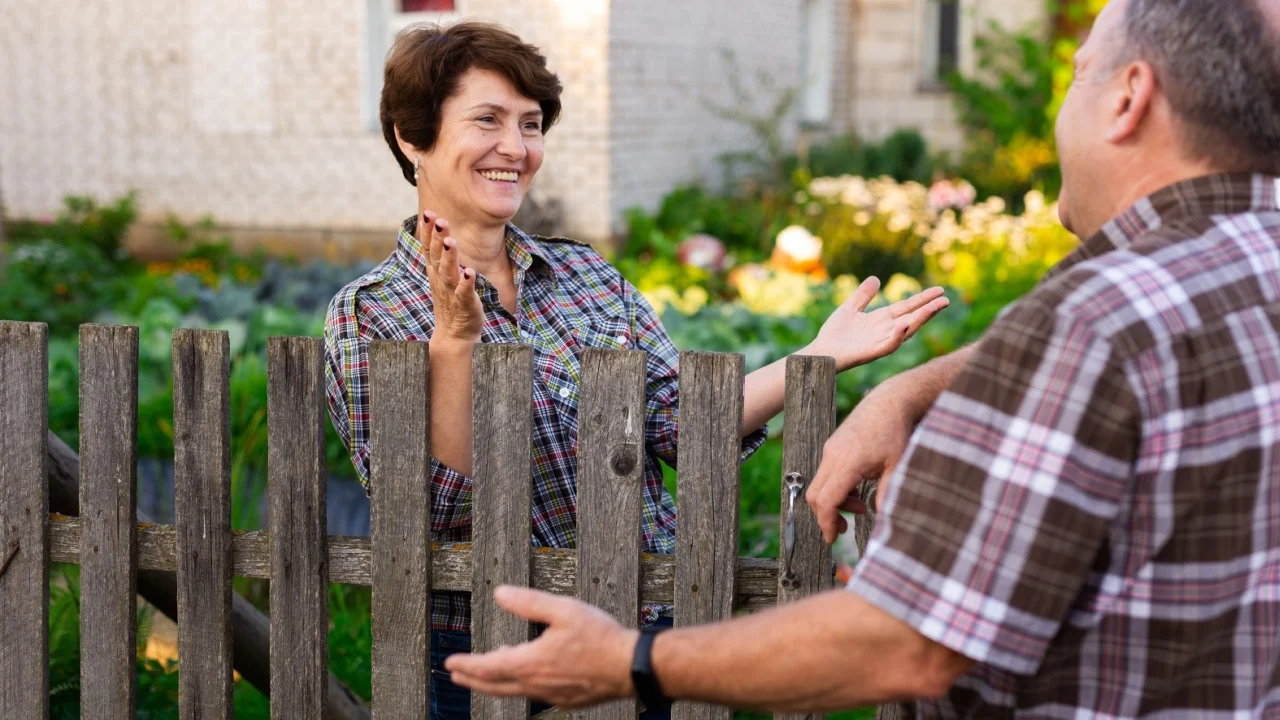
When you’re on the phone in your yard or talking to a neighbor over the fence, it’s easy to forget that your voice carries. Casually mentioning things like “since it’s just me” or “I was home by myself all weekend” can be overheard by someone you don’t want listening. It’s an unintentional but direct confirmation that you live alone.
Be mindful of your conversations when you’re outside or near open windows. Practice situational awareness. Save the detailed discussions about your living situation for when you’re securely inside or speaking in a more private setting.
13. Never Having Visitors

A house where no one ever seems to visit can stand out. If the only car that ever parks in the driveway is yours, and no friends or family are ever seen coming or going, it reinforces the idea that you are isolated. Criminals don’t want witnesses; they look for targets with weak or nonexistent support networks, as they are less likely to have someone checking in on them.
Even if you’re a homebody, try to have a friend over occasionally. If visitors are rare, you can create the illusion of them. Ask a friend to park in your driveway for a few hours while they are at work or running errands nearby. The simple presence of a different car can be enough to make a potential observer think twice.
14. Skipping Window Checks and Perimeter Walks

In multi‑person households, someone is usually walking around the property, taking out trash, checking windows, or stepping outside for a quick task. When you live alone, those casual “perimeter checks” often disappear — and a house with no visible outdoor activity can look neglected or lightly monitored.
Make it a habit to walk around your property once or twice a week. Check that windows are locked, gates are closed, and nothing looks disturbed. Even a quick stroll to water plants or sweep the porch signals that someone is actively paying attention to the home’s exterior.
Awareness is Your Best Defense
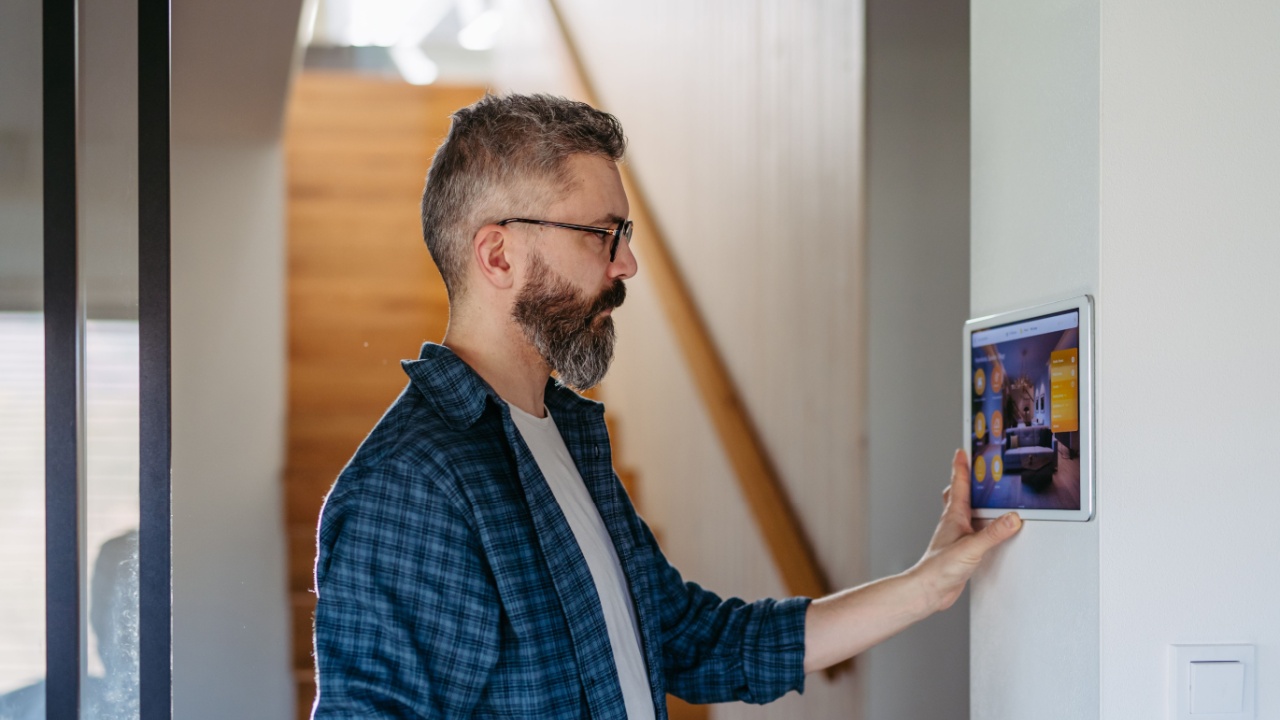
Living alone is a fantastic experience, and none of these points is meant to take away from that. Instead, this is about empowerment through awareness and avoiding security mistakes that make you a target.
Being aware of the subtle ways our daily habits can be interpreted by the wrong people allows us to make small, simple changes that significantly boost our personal security. Be a little more mindful. Focus on randomizing your lights, and maybe start using a different door. By thoughtfully disrupting your patterns, you make your home a harder target.
Read More: