15 Southern Sayings Most Northerners Are Totally Confused By
Head below the Mason-Dixon line, and you might need more than just a map; you’ll need a translator. Southerners have a way of turning everyday moments into colorful sayings that can leave Northerners scratching their heads. These aren’t just words; they’re little treasures of humor, wisdom, and sass passed down for generations.
The sayings we’ve gathered come straight from front porches, Sunday dinners, and family reunions across the South. Some are classics, others are hidden gems, but all of them capture the spirit of Southern life.
Here are 15 Southern phrases that’ll have Northerners wondering if it’s a whole other language down here.
1. Madder Than a Wet Hen

Ever seen a chicken dunked in water against its will? That’s the level of fury we’re talking about. Apparently, old-timey farmers would give broody hens a quick bath to snap them out of it, and the hens were not happy. So, when someone’s “madder than a wet hen,” they’re past annoyed. They’re fuming, sputtering, and making sure everyone knows it. It’s that special kind of Southern anger you see when someone’s been seriously wronged.
You might hear it when someone cuts in line at the Piggly Wiggly (a Southern supermarket chain, in case you didn’t know), steals a prime parking spot, or shows up two hours late for dinner. Southerners just know how to find the perfect barnyard metaphor to get their point across.
2. I Don’t Have a Dog in This Fight

This phrase takes neutrality to a whole new level. Back in the days when dog fighting (unfortunately) was a form of entertainment, people would bet on their chosen dog. If you didn’t have a dog in the fight, you didn’t care who won, you had no stake in the outcome. Nowadays, it’s a handy way to step back from family drama, workplace disputes, or those political debates at Thanksgiving. You’re not picking sides, you’re not getting involved, and you’d really rather be left out of it.
It’s a classic Southern way of saying, “This isn’t my business.” Polite, firm, and super useful during heated conversations.
3. Fixin’ To

If you hear someone say they’re “fixin’ to” do something, don’t expect immediate action. This phrase means they’ll do something, eventually. It could happen in five minutes or five hours, depending on how many other folks they stop to chat with along the way. “I’m fixin’ to head to the store” means the intention exists, but the timeline remains flexible. It’s the Southern way of acknowledging plans without committing to a specific schedule.
Northerners often mistake this for procrastination, but it’s just a matter of semantics.
4. Over Yonder

Down South, directions don’t always rely on GPS. “Over yonder” just means it’s somewhere in the general area; it could be in any direction, really. The phrase usually comes with a vague wave of the hand that may or may not point the right way. “The hardware store? Oh, it’s just over yonder past the old church.” You’ll find it eventually, but you’ll have to ask a few more people who will each give you their own version of “over yonder.”
For places that are especially far or hard to find, you might hear “way over yonder.” It’s all part of the Southern charm that treats navigation as more of an art than a science.
5. Might Could

Grammar teachers everywhere probably cringe at this one, but Southerners have been using “might could” for generations. It combines possibility with capability, meaning something could happen, but it isn’t a sure thing.
So, I “might could“pick up your prescription on my way home,” really means “I’ll try my best to help you out if nothing else gets in the way.” It’s a prime example of how Southern speech values flexibility over strict grammar rules, leaving a little wiggle room for whatever life throws at you.
6. No Bigger Than a Minnow in a Fishing Pond

Size matters when you’re comparing things to the tiniest fish in the water. Minnows are already small, but put them in a whole fishing pond, and they practically disappear. This phrase describes something or someone exceptionally tiny, a newborn baby, a small town, or a portion size that wouldn’t satisfy a child. “That new restaurant? Their servings are no bigger than a minnow in a fishing pond.”
Southerners have a gift for taking something small and making it even smaller through creative comparison. It’s hyperbole done right, painting a vivid picture that everyone can understand.
7. Too Big for His Britches

Pride comes before a fall, and this phrase refers to someone who’s about to take that tumble. When someone acts like they’re more important, talented, or deserving than they really are, they’ve gotten too big for their britches. It’s a warning that they might need to check their ego before reality delivers a harsh lesson. You’ll hear this about the new manager who thinks he invented management, the teenager who suddenly knows everything, or the neighbor who won’t stop bragging about his promotion.
This saying ties back to the Southern value of humility and the idea that people should stay grounded no matter their accomplishments. Nobody likes a show-off.
8. A Month of Sundays

Time feels different in the South, especially when talking about how long it’s been since something happened. A “month of Sundays” technically means about seven months (four Sundays a month, times seven equals 28 Sundays, roughly seven months). But it’s not about the math, it’s about saying something’s been a really long time. Saying “I haven’t seen Barbara in a month of Sundays” means it’s been ages since you last saw her, so long that you’ve both probably changed a lot.
The phrase can also mean something unlikely to happen, like “It’ll be a month of Sundays before Tom admits he was wrong.” Either way, it’s about a long stretch of time that tests your patience.
9. That Dog Won’t Hunt

Some ideas sound reasonable until you examine them closely and realize they’re fundamentally flawed. That’s when you break out this phrase. It comes from hunting culture, where a dog that won’t track or retrieve game is useless in the field. Today, it’s a polite rejection of a suggestion, plan, or excuse that simply won’t work. “You want to drive to Atlanta during rush hour? That dog won’t hunt.”
Southerners use this saying to shut down bad ideas without being overtly rude. It’s gentler than “That’s stupid,” but everyone understands the message perfectly.
10. She’s Got Gumption

Here’s a compliment worth hearing. Gumption is all about courage, initiative, resourcefulness, and determination wrapped into one. Someone with gumption doesn’t wait for permission or stress about failure. They see what needs to be done and get it done. The word started in Scotland and made its way to the American South in the 1700s, shifting from meaning “common sense” to include bravery and drive.
If a Southern grandma says you’ve got gumption, take it as a big compliment. It means you’ve impressed someone who values action over excuses and grit over comfort.
11. Livin’ in High Cotton

Cotton fields used to be a symbol of Southern prosperity, and this phrase comes straight from that history. When cotton plants grew tall and healthy, it meant farmers were in for a profitable harvest. “Living in high cotton” became a way to describe success, comfort, and good fortune. These days, it’s used to talk about someone doing well financially or just enjoying a great time in life. Like, “Ever since that promotion, David’s been living in high cotton.”
The phrase has a nostalgic nod to the past while celebrating success today. It’s optimistic, celebratory, and has a strong Southern vibe.
12. Can’t Never Could

This double negative delivers a strong motivational message. Parents and grandparents in the South often use this phrase to counter defeatist attitudes in kids. When a child says, “I can’t do my homework,” they’ll hear “Can’t never could” in response. The meaning is simple: if you say you can’t do something, you’re already setting yourself up to fail, but if you believe you can, you create the chance to succeed.
It’s Southern tough love wrapped up in a grammar riddle. The saying pushes for a can-do attitude and challenges self-imposed limits. Determination and grit are a big deal in the South, and this phrase captures that perfectly.
13. Three Sheets to the Wind
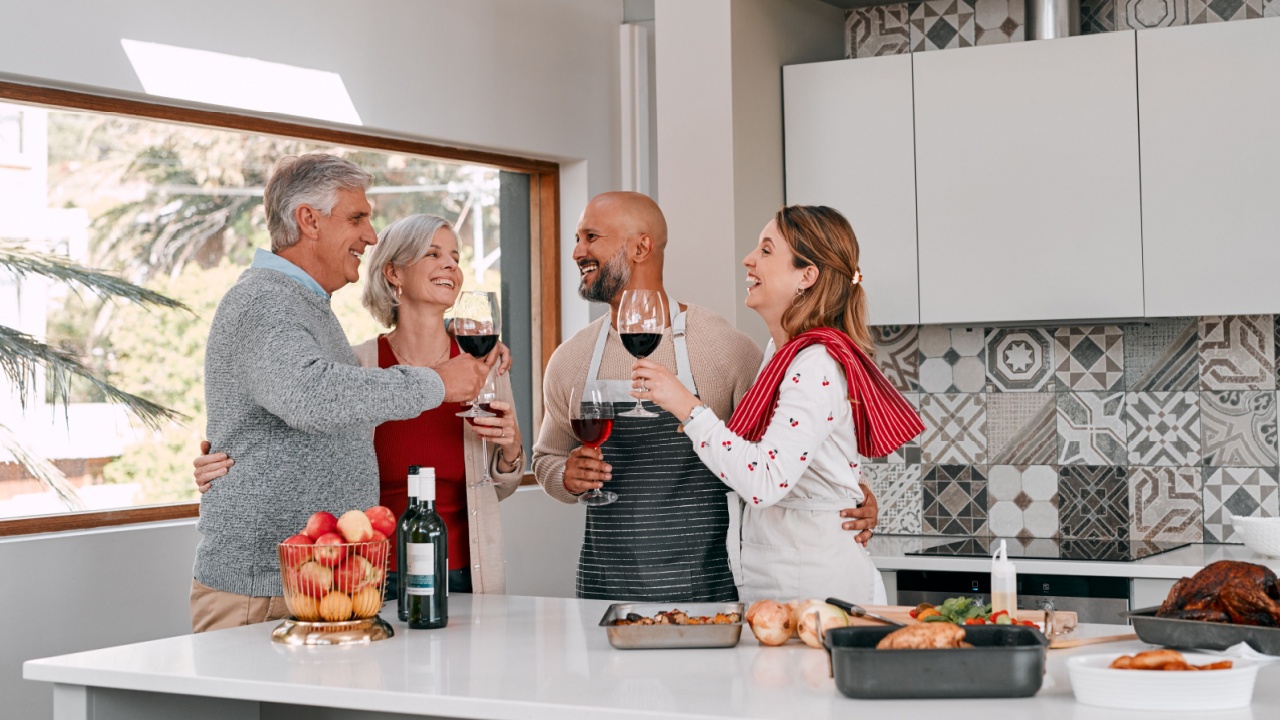
Southerners rarely say someone is just drunk. Instead, they use creative phrases like “three sheets to the wind.” This saying comes from sailing, where a ship with three loose sails would rock and sway. Similarly, a person who is “three sheets to the wind” has had too much to drink and is stumbling around.
For example, “Uncle Ray was three sheets to the wind before the appetizers even came out.” It’s a polite way to talk about someone being tipsy.
14. Cattywampus

Nothing sits quite right when it’s cattywampus. This delightfully weird word means askew, crooked, diagonal, or out of alignment. “That picture frame is hanging cattywampus” means someone needs to straighten it. The term dates back to the 19th century, when it allegedly referred to an imaginary fierce beast, but Southerners co-opted it for more practical purposes. Today, it describes anything from crooked fence posts to poorly executed plans.
The word itself sounds as off-kilter as the things it describes, making it memorable and fun to say. Northerners who hear it usually demand an immediate definition.
15. Well, Butter My Backside and Call Me a Biscuit

Save this one for moments when you’re genuinely shocked. Did your team just win against all odds? Did your always-late friend actually show up early? Did your teenager clean their room without being asked? This is the phrase for that moment. It’s meant to be absurd, creating a silly mental picture that perfectly matches how unbelievable the situation is.
The best part about this saying is how over-the-top it is. It’s for when “Wow!” just doesn’t cut it, so you have to get a little creative. Southerners are pros at turning their disbelief into something entertaining.
Where Words Bloom Like Wildflowers

Southern sayings are more than quirky phrases; they’re a living language that connects generations and creates instant camaraderie among those who understand them.
Each expression carries history, humor, and hard-won wisdom from people who knew how to turn a phrase as skillfully as they turned soil. Next time you hear one of these sayings, you’ll know exactly what it means and appreciate the colorful tradition behind it.