18 Old-Fashioned Frugal Living Tips That Still Work Amazingly
Grandma didn’t just pinch pennies because she had to; she did it because she understood the value of a dollar better than most of us know our Netflix passwords. It’s funny how we spend hours searching for coupon codes online, yet skip simple habits that saved previous generations a fortune without smartphones. The old ways go beyond nostalgia, offering real solutions for keeping bank accounts happy and life a little less cluttered.
These vintage methods rely on resources you already have instead of buying something new to fix a problem. The focus moves from constant consumption to creative use, which changes how a household operates at its core. Looking backward often reveals the most sustainable and effective ways to move forward financially.
This guide covers eighteen strategies from the past that remain highly effective today. You will find actionable advice on everything from kitchen management to clothing care. Read on to see your daily routines through a lens of efficiency and resourcefulness.
1. Cook From Scratch
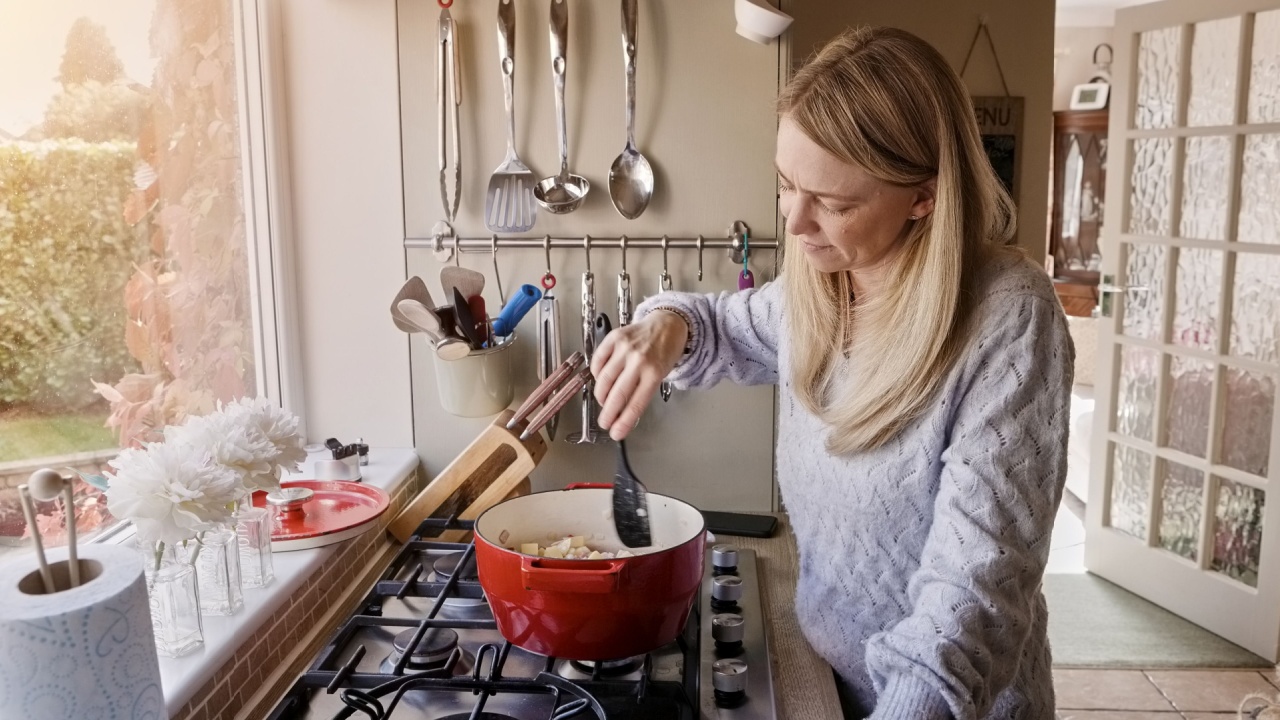
Convenience foods come with a hefty price tag for the packaging and preparation labor you pay someone else to do. A bag of potatoes costs less than frozen French fries, and a whole chicken is cheaper per pound than boneless skinless breasts. Cooking from scratch lets you control the ingredients and the cost, often resulting in meals that are healthier and more affordable than their processed counterparts.
Start by identifying the pre-packaged items you buy most frequently and learn to make one at home. Bread, stock, and spice blends are excellent entry points that require minimal effort yet give high savings. Once you master a few basics, the grocery bill drops because you are buying raw ingredients instead of marketing campaigns.
2. Line-Dry Your Clothes
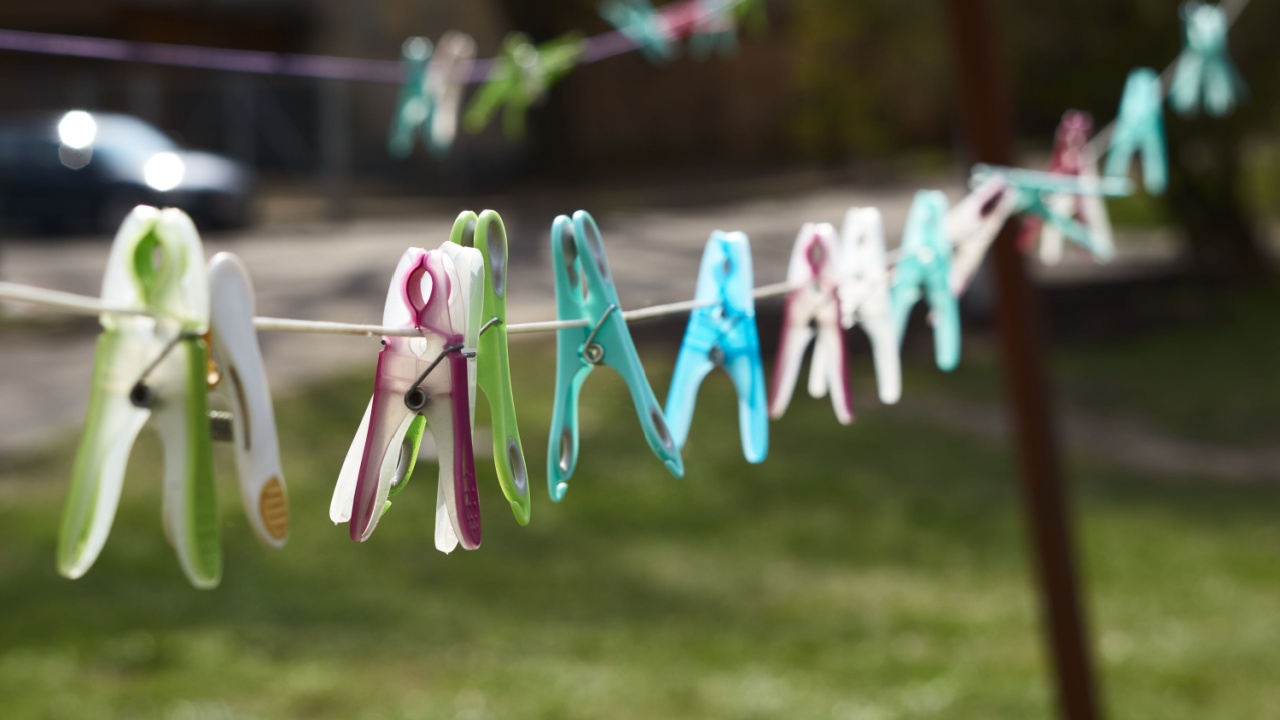
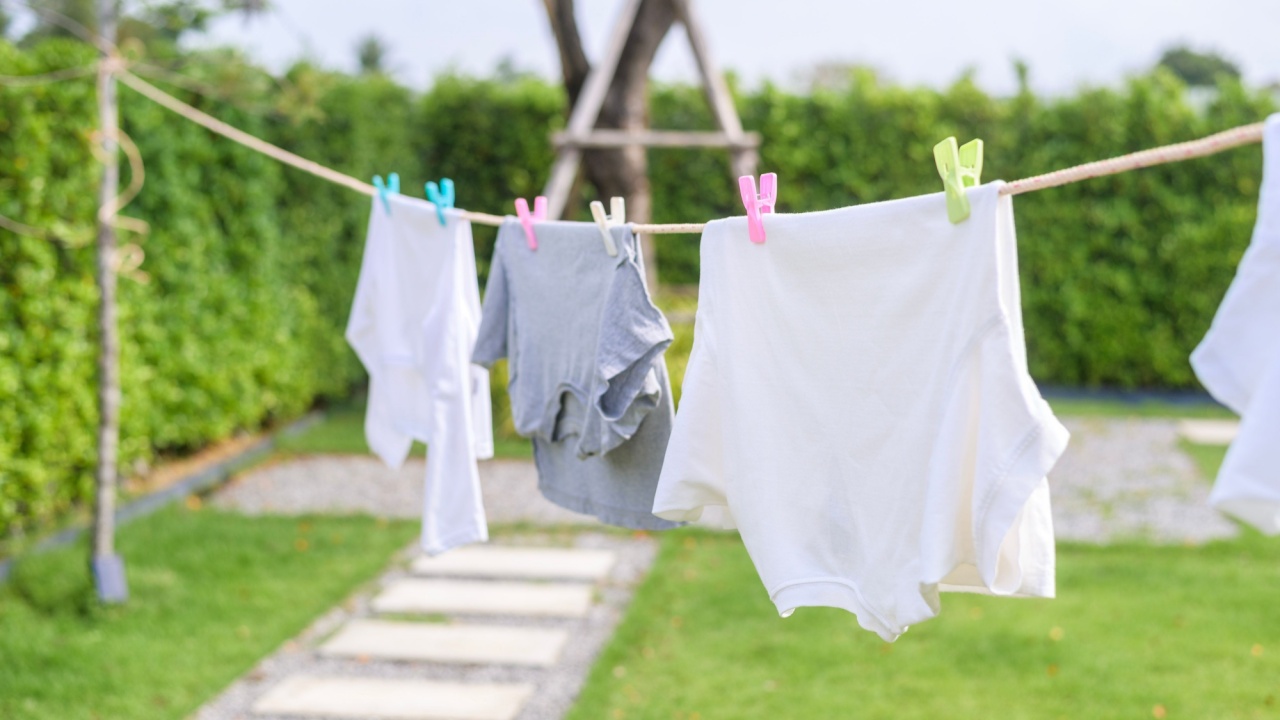
Electric dryers are among the biggest energy hogs at home. Using the sun and wind to dry laundry is free and extends the life of fabrics by avoiding the high heat and tumbling friction that break down fibers. Clothes dried outside also smell fresher without chemical-laden dryer sheets or scent boosters.
If outdoor space is limited or the weather refuses to cooperate, a simple indoor drying rack works wonders. Place it near a sunny window or a heat source to speed up the process. It might take a little longer than pressing a button, but the savings on the electric bill and the longevity of your favorite shirts make the extra step worthwhile.
3. Mend and Repair Textiles
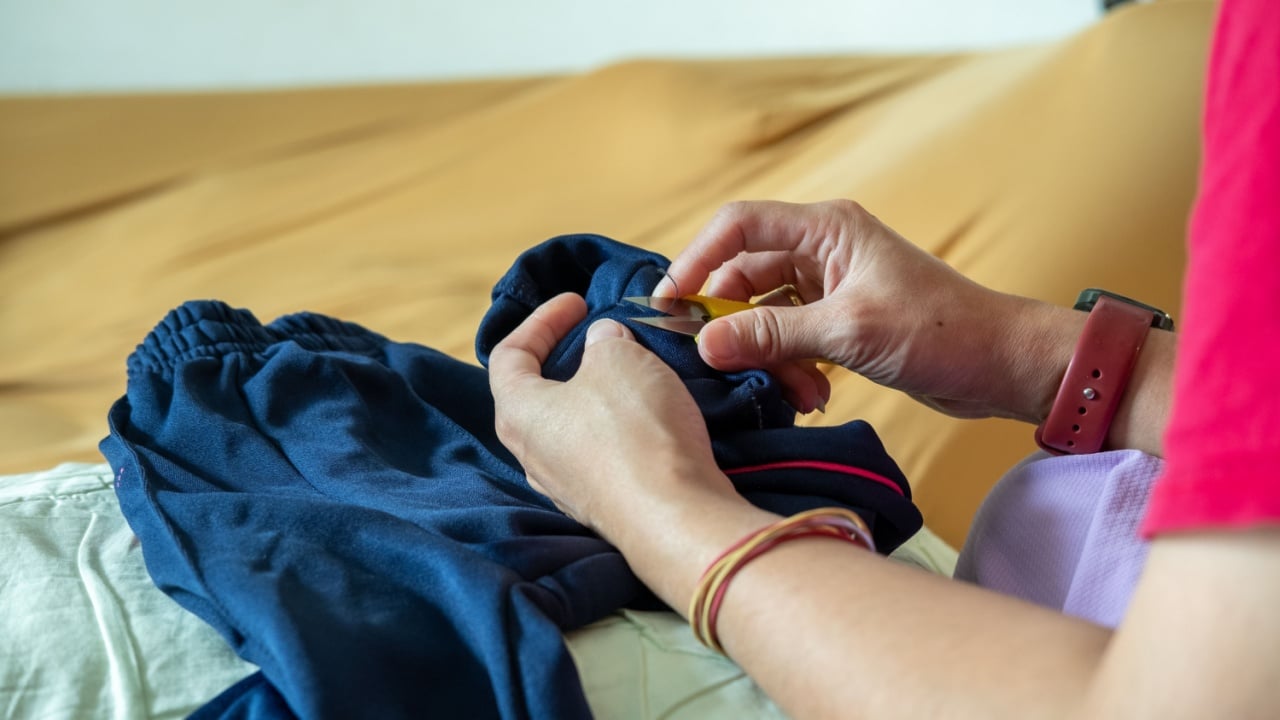
A small hole in a sock or a loose button on a shirt used to be a minor fix, not a reason to trash the garment. Learning basic sewing skills like hemming, patching, and darning allows you to keep clothing and linens in rotation for years longer. Fast fashion encourages disposal, but a needle and thread offer a rebellious act of preservation.
Our mothers all had the cookie tin that always contained needles and threads. Keep your own sewing kit accessible so you can address issues as soon as they appear. If a tear is beyond a simple stitch, consider repurposing the fabric into cleaning rags or patchwork projects. Extending the life of what you own delays the need to spend money on replacements.
4. Use Every Last Bit
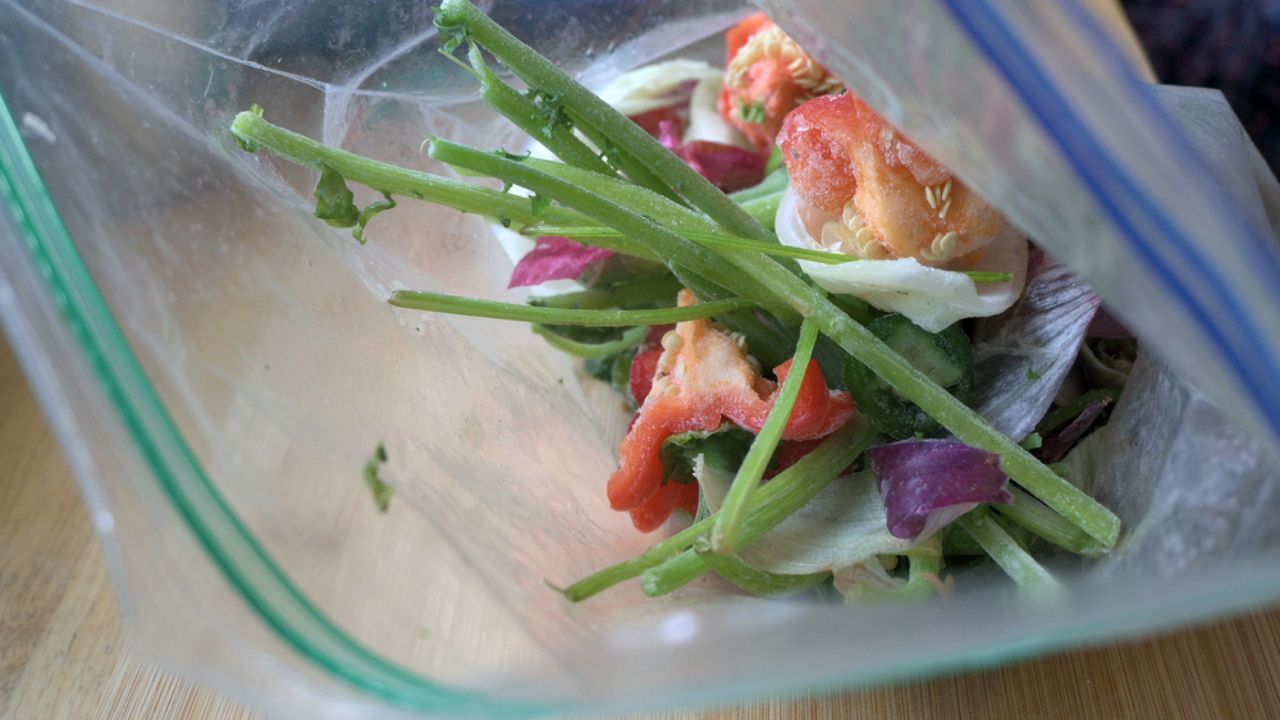
Waste was not an option in older households where resources were scarce. This mindset applies to everything from squeezing the last drop of toothpaste out of the tube to rinsing out condiment jars to get every bit of sauce. It is a game of efficiency where the goal is to extract maximum value from every purchase.
In the kitchen, this looks like saving vegetable scraps for broth or using stale bread for croutons. In the bathroom, cut open lotion bottles to access the product trapped at the bottom. These small actions seem insignificant in isolation, but add up to substantial savings over a year.
5. Embrace Hand-Me-Downs

There was a time when wearing a cousin’s old coat was standard practice rather than a source of embarrassment. Clothing, especially for rapidly growing children, has plenty of life left after one person outgrows it. Accepting used items keeps money in your pocket and reduces the demand for new textile production.
Build a network with friends or family members who have children of similar ages or sizes. Organize swaps where everyone brings items they no longer need and takes what they can use. It creates a community of sharing where everyone benefits without spending a dime.
6. Preserve Seasonal Produce
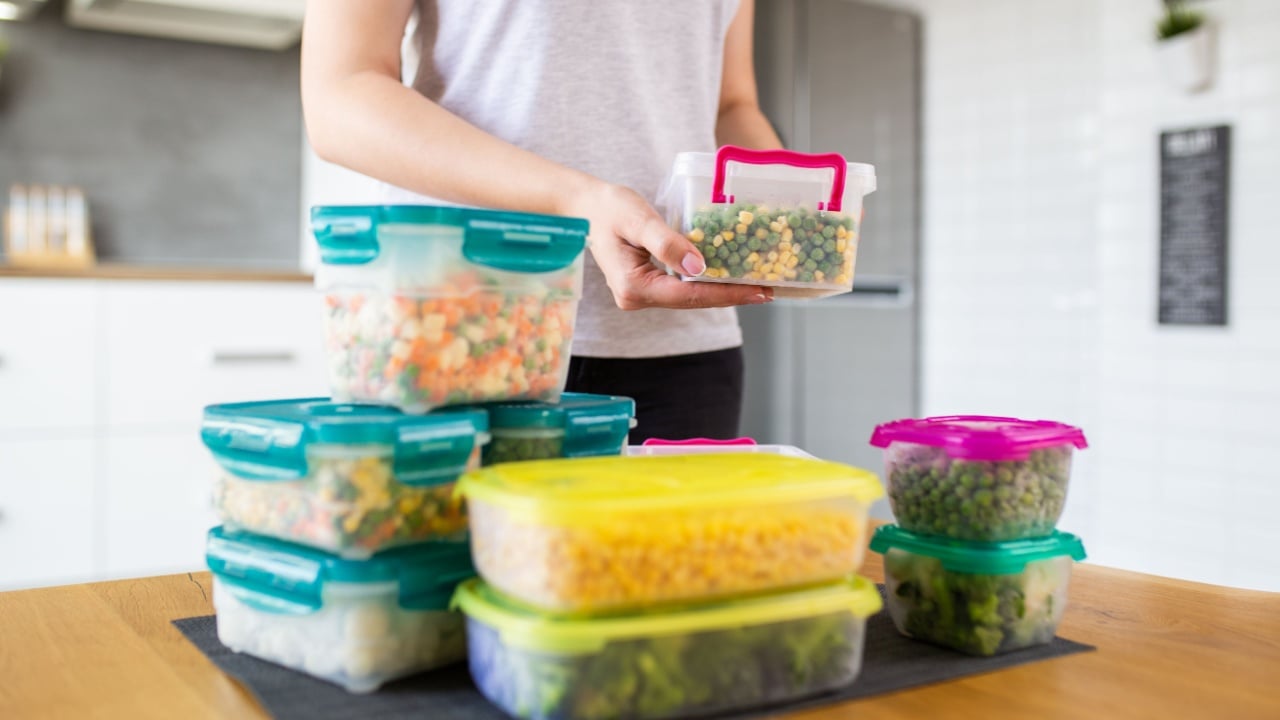
Buying strawberries in winter is a modern luxury that costs a fortune and usually tastes like watery cardboard. Previous generations bought or grew produce in season when it was cheapest and preserved it for the leaner months. Canning, freezing, and pickling lock in flavor and nutrition while taking advantage of bulk pricing during harvest time.
You do not need a root cellar to start preserving food. Freezing is the easiest method for beginners; simply blanch vegetables or wash fruit before bagging them for the freezer. This habit means you always have ingredients on hand, preventing last-minute grocery runs that often lead to impulse buys.
7. Barter With Neighbors

Before digital transactions, people traded skills and goods to get what they needed. Maybe you bake excellent bread but hate mowing the lawn, while your neighbor loves yard work but cannot bake to save their life. Trading these services saves both parties money and strengthens community bonds.
Identify a skill or resource you have in abundance and look for opportunities to barter. It could be pet sitting in exchange for help with minor home repairs or trading garden surplus for fresh eggs. Approaches should be casual and friendly, focusing on mutual benefit rather than strict accounting.
8. Make Your Own Cleaning Products
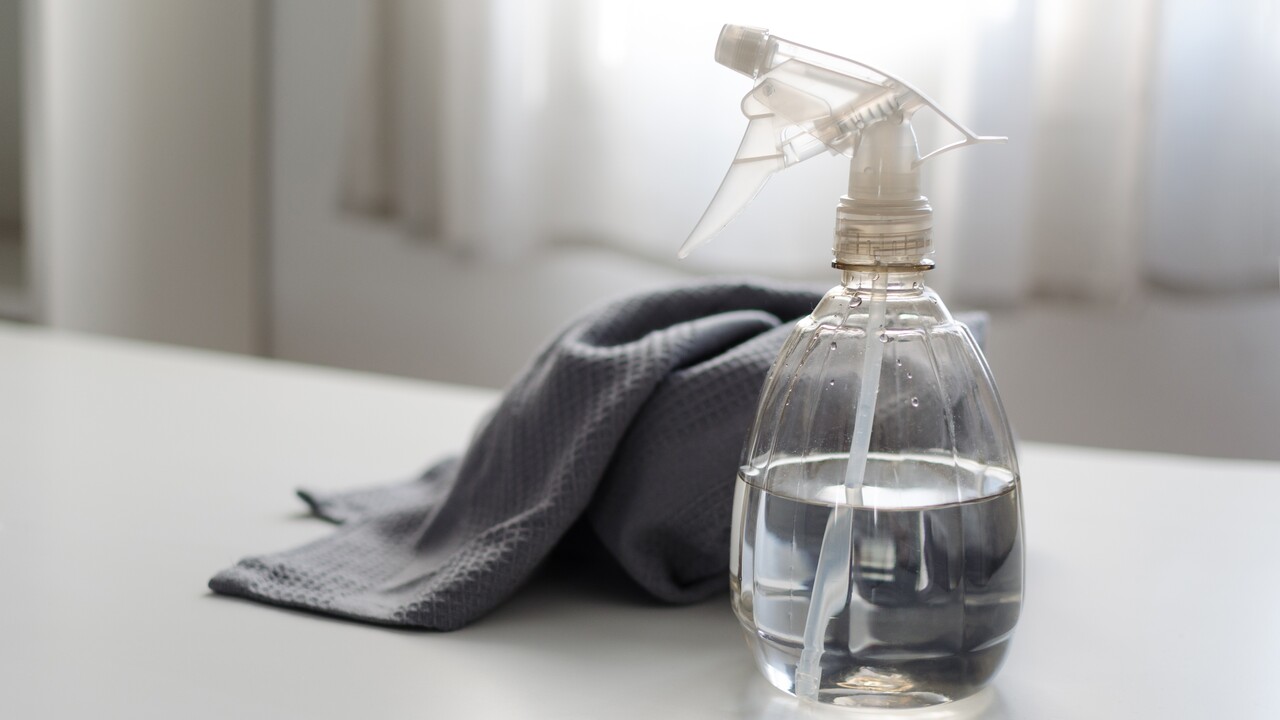
The cleaning aisle is full of specialized bottles for every surface, but most messes can be handled with vinegar, baking soda, and soap. These basic ingredients are incredibly cheap and effective for everything from scrubbing toilets to wiping down windows. You avoid the markup on fancy branding and the clutter of half-empty bottles under the sink.
Mix a solution of equal parts water and white vinegar for a general-purpose spray. For tougher scrubbing jobs, a paste of baking soda and water works on grime without scratching surfaces. Making these DIY cleaners simplifies your shopping list and drastically cuts household expenses.
9. Wear an Apron

It seems like a purely aesthetic choice now, but aprons served a vital function in protecting clothes from stains and wear. Washing clothes less frequently preserves the fabric and saves on water and detergent. A barrier between your nice shirt and bubbling tomato sauce is a frugal investment.
Keep an apron hanging in the kitchen and put it on before you start chopping or sautéing. It also helps to wear “house clothes” for messy chores, saving your better outfits for work or social outings. Protective layers reduce the frequency of laundry loads and the need for stain removers.
10. Grow A Garden

Gardening has many benefits. You do not need a farm to supplement your grocery budget with homegrown food. Even a few pots of herbs on a windowsill save money compared to buying those plastic clamshells at the supermarket. Tomatoes, lettuce, and peppers are high-yield crops that are relatively easy for beginners to manage.
Focus on growing the items you eat most often or the ones that are expensive to buy organic. If space is tight, vertical gardening or container planting are viable options. The return on investment for a packet of seeds is incredibly high compared to the cost of buying the mature produce.
11. Learn Basic DIY Maintenance
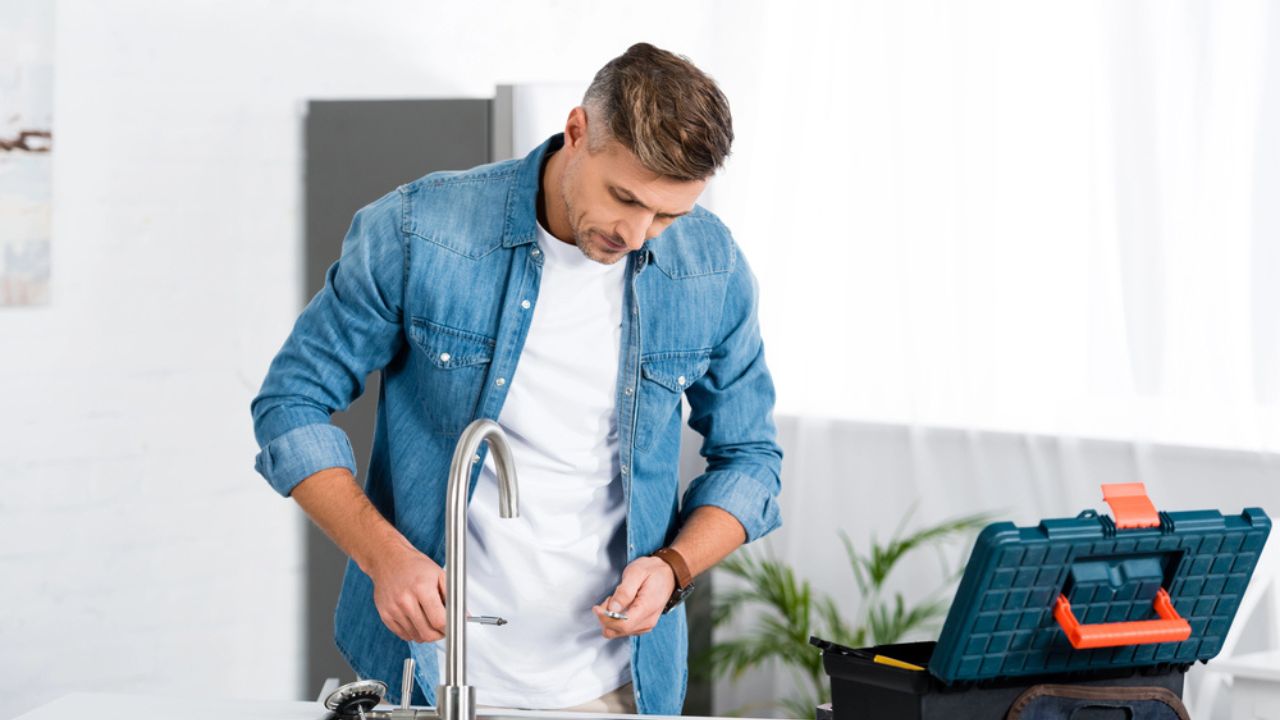
Calling a professional for every leaky faucet or squeaky door drains a bank account quickly. In the past, basic home maintenance was a standard skill set. With the vast library of tutorials available online today, learning to fix minor issues yourself is easier than ever.
Start with simple tasks like unclogging a drain or changing HVAC filters. Invest in a basic tool kit and tackle one small repair at a time. Gaining confidence in these areas prevents small problems from becoming expensive disasters that require emergency professional help.
12. Skip the Disposables

Paper towels, napkins, and plastic plates are literally money you throw in the trash. Reusable alternatives like cloth napkins and rags made from old t-shirts do the job just as well and can be washed and reused indefinitely. The upfront cost is minimal, especially if you repurpose fabric you already own.
Keep a bin of rags under the sink for messy spills that would otherwise consume half a roll of paper towels. Switch to real plates and silverware for everyday meals. It creates a little more laundry, but the reduction in recurring expenses is significant.
13. Eat Less Meat

Meat has historically been the most expensive part of a meal, often treated as a garnish rather than the main event. Stretching meat with grains, beans, and vegetables makes a dish go further and costs much less. Recipes like stews, casseroles, and stir-frys are perfect for making a small amount of protein feed a whole family.
Try incorporating one or two meatless meals into your weekly rotation. Beans and lentils are dirt-cheap sources of protein that are filling and nutritious. When you do cook meat, save the bones and scraps to make stock, ensuring you get value from the entire purchase.
14. Use Cash

Credit cards make spending abstract and painless, often leading to overspending. Using physical cash creates a tangible connection to the money in your hand. When the grocery envelope is empty, spending stops, forcing you to be creative with what you have.
Allocate a set amount of cash for variable categories like groceries and entertainment each week. Leave the cards at home to remove the temptation of overspending. This strict limit forces prioritization and helps you distinguish between wants and needs in the moment.
15. Repurpose Containers
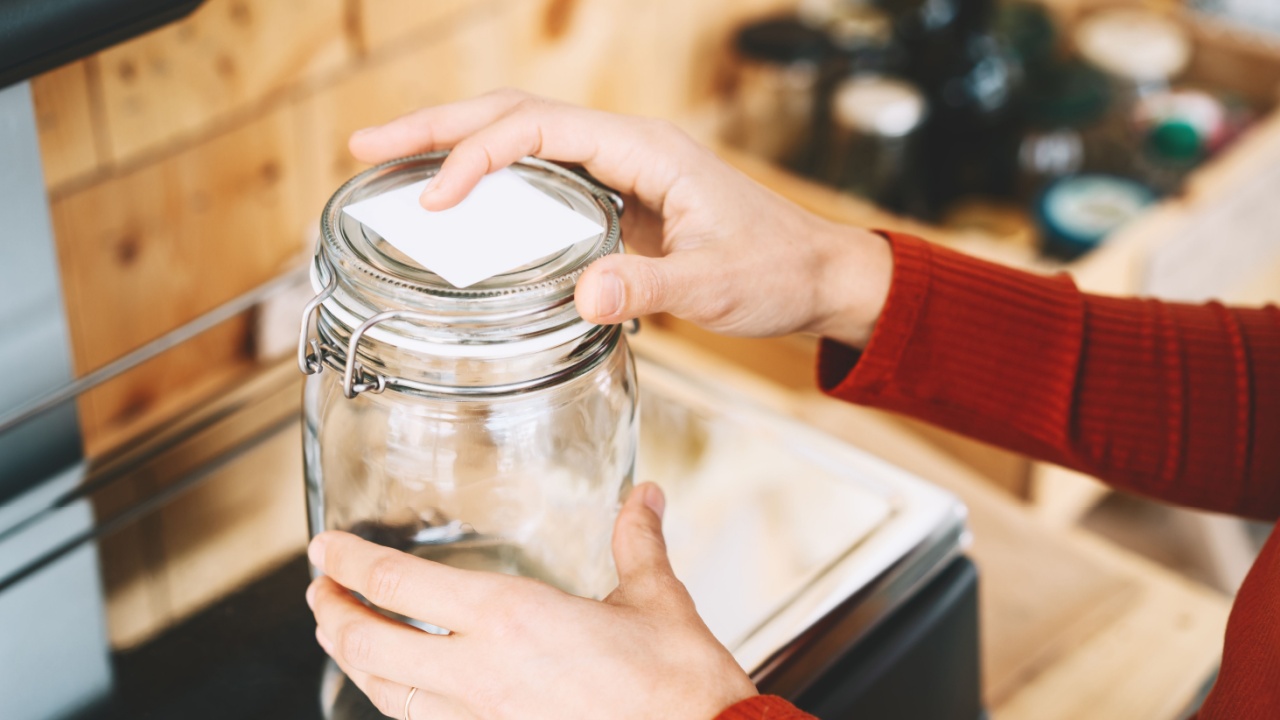
Glass jars, sturdy boxes, and plastic tubs are useful long after their original contents are gone. Instead of buying Tupperware or organizational bins, look at what is already in your recycling bin. A pasta sauce jar is perfect for storing pantry staples or leftovers.
Wash and save durable containers with fitting lids. Use them to organize screws in the garage, craft supplies, or lunch items. Free storage solutions are always better than paid ones.
16. Entertain at Home

Going out for dinner and a movie is an expensive habit. Hosting potlucks, game nights, or backyard bonfires at home provides social connection without the restaurant markup. The focus stays on the company rather than the venue.
Rotate hosting duties among a group of friends so the effort and cost are shared. Make coffee at home and invite a friend over instead of meeting at a cafe. These gatherings are often more relaxed and intimate than shouting over music in a crowded public space.
17. Batch Your Errands

Gas is expensive, and time is valuable. Running to the store every time you need a single item wastes both time and money. Planning errands so you hit the grocery store, the post office, and the bank in one loop saves fuel and wear on your vehicle.
Keep a running list of things you need and wait until you have enough tasks to justify a trip. Map out a route that eliminates backtracking. This efficiency reduces fuel consumption and frees up time for other productive activities.
18. Save for Big Purchases

Instant gratification is the enemy of frugality. The old-fashioned layaway mentality, saving up cash before buying, prevents debt and impulse purchases. If you cannot afford it today, wait until you can.
Set up a dedicated savings fund for specific goals like a new appliance or a vacation. Watching the balance grow builds anticipation and ensures the purchase does not wreck your monthly budget. Often, by the time you have saved the money, you might decide you do not really need the item after all.
Crafting a Thrifty Future

Returning to these eighteen habits brings a sense of control and stability to your financial life. It stops the endless cycle of earning and spending, replacing it with a rhythm of conserving and creating. You gain more than just extra money in the bank; you gain the satisfaction of self-reliance. Small changes compound quickly, turning these vintage tricks into modern wealth.
Read More: