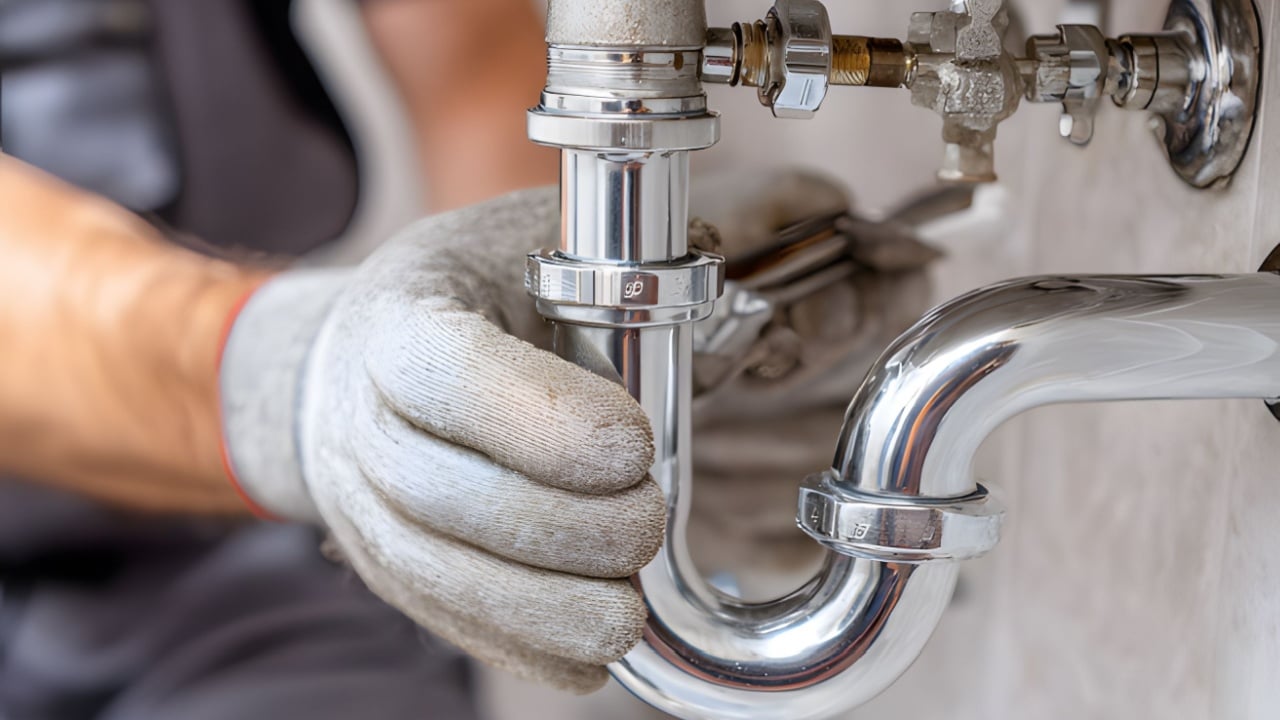
Stop Pouring These 10 Things Down the Drain — Plumbers Say It’s a Costly Mistake
We’ve all been there: the kitchen sink won’t drain, leaving a ring of detritus around the basin, and then there’s the aroma. Welcome to backed-up pipe land, where your sink gloats as if to say, “I told you so.”
Yet, maybe nobody did tell you what does and doesn’t go down the drain; you kept the hot water running, after all. A little research shows that there is even an index for U.S. cities with the most blocked plumbing (spoiler alert: it might be Los Angeles).
We don’t need to be one of those statistics, and there are a surprising number of things that have no business going down the plughole.
1. Grease, Fats, and Cooking Oils
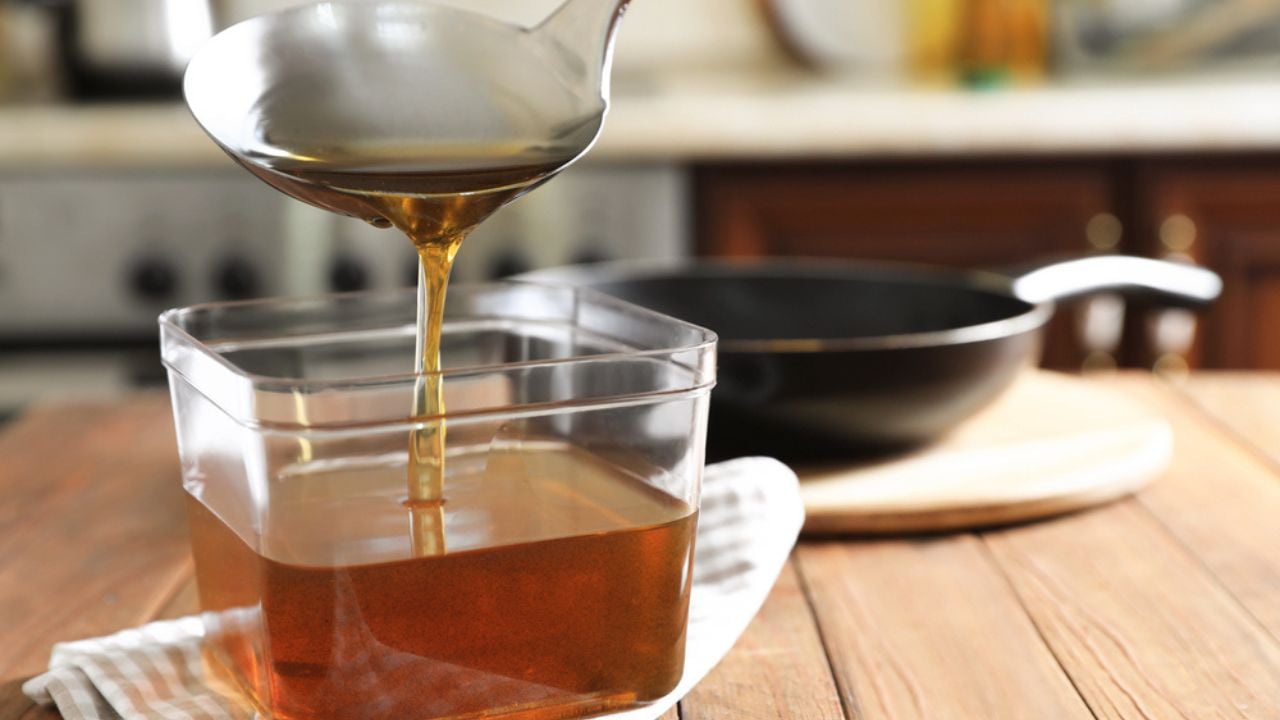
A conundrum for many is knowing what to do with leftover cooking oil, which is inevitably America’s biggest pipe blocker. “These substances can solidify and clog your pipes, leading to severe blockages in your plumbing and the public sewer system,” says master plumber Shlomo Cherniak, who spoke to Real Simple.
For illustration of how bad cooking grease buildup gets, an image search for the term “fatberg” should enlighten anyone. In essence, one might call fatbergs congealed fat glaciers that move slowly through entire sewer networks. A 750-foot “monster fatberg” appeared in Whitechapel, London, in 2017, shocking the world.
2. Hazardous Chemicals & Paint

Pouring paint, paint thinner, wash water, or harsh cleaners down your sink introduces toxic chemicals into pipes and often into wastewater systems. These substances don’t break down, can corrode pipes, and degrade plumbing.
“You risk potentially clogging the plumbing system – exposing yourselves to heavy fumes – and pouring flammable liquids down the drain,” writes Faisal Hai for Science Alert. Instead, these corrosive liquids can be disposed of through household hazardous waste programs, outlined by the Environmental Protection Agency (EPA).
3. Coffee Grounds
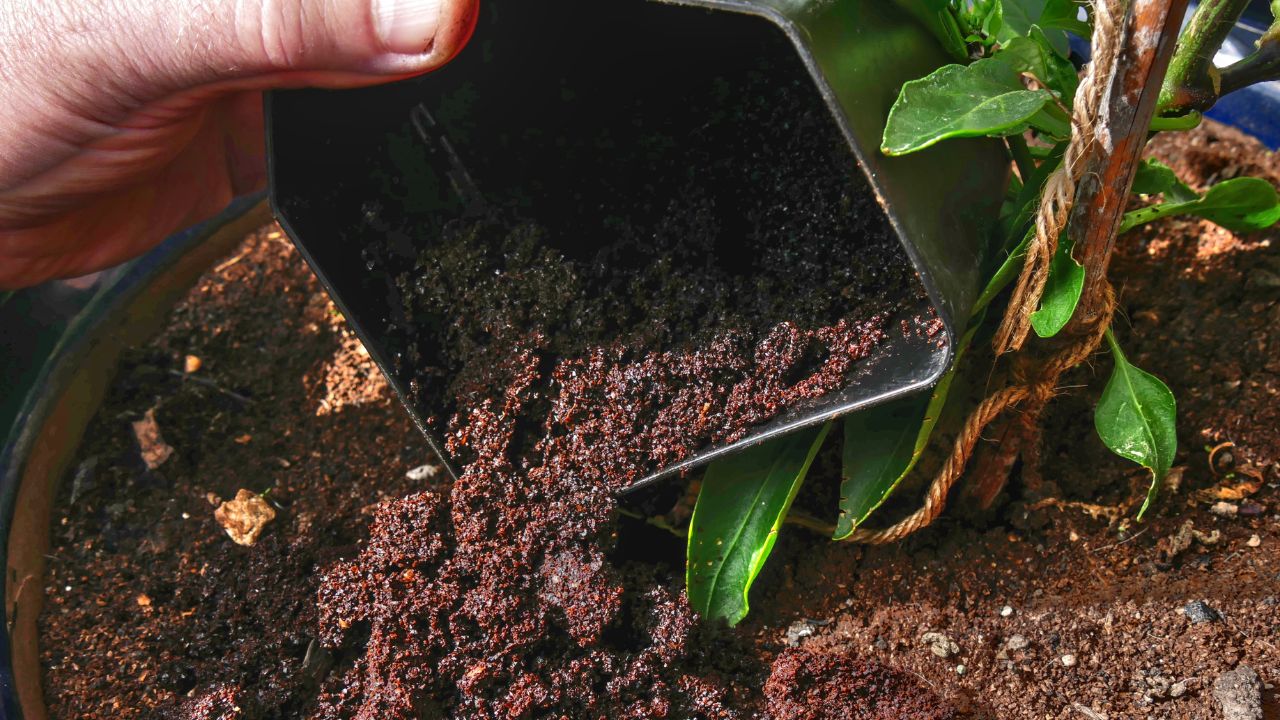
With great coffee comes great responsibility; this expression should exist, considering how it affects your pipes. The thing about coffee grounds is that they are extremely fine, like silt that blocks a river. Used coffee grounds don’t dissolve and tend to clump, especially with grease or food residue already present.
Plumbing expert Paul Abrams tells Better Homes & Gardens all about it. “In quantity, they can choke off a drainpipe and cause a backup in your sink,” he says. Grounds settle in low spots like the P-trap under your sink, binding with grease and soap scum into stubborn blockages.
4. Fruit Stickers
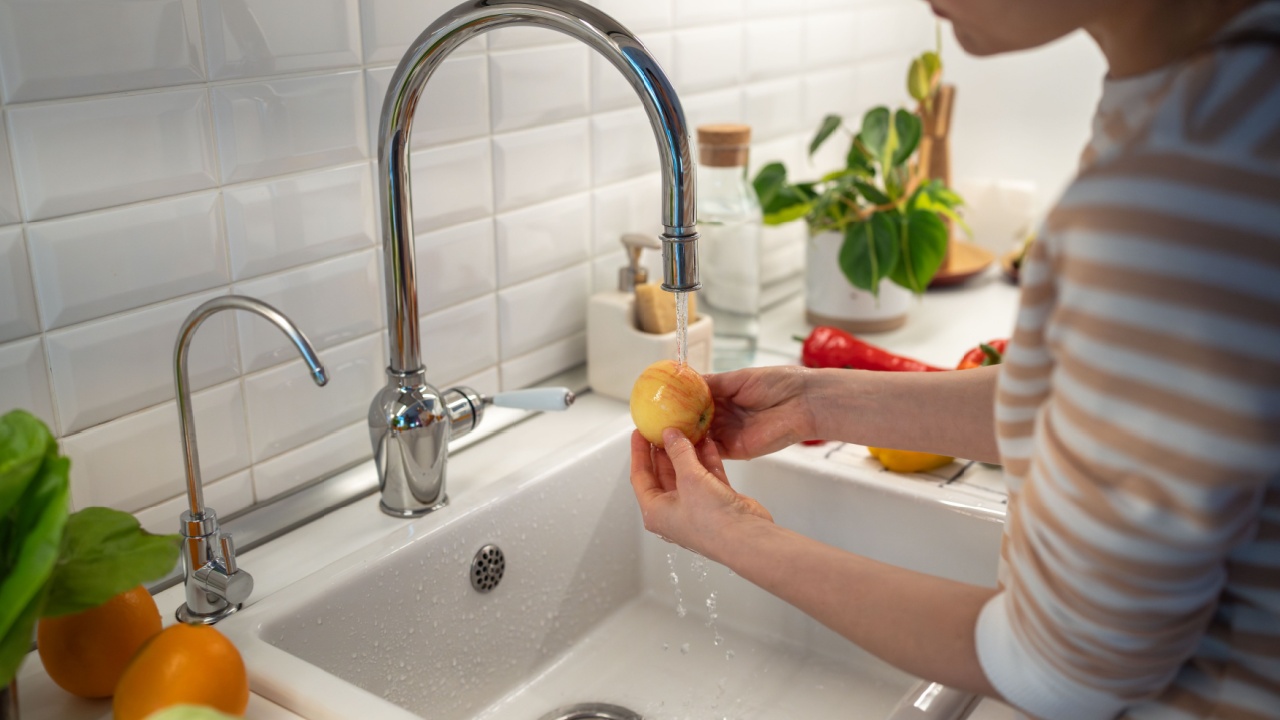
Those tiny plastic or vinyl fruit labels may seem harmless, but they don’t dissolve and can glue to pipes or disposal parts, collecting other debris and eventually causing clogs. You might just be better off eating them, as they won’t cause any harm, Ali Francis of Bon Appétit once wrote.
“Dispose of them in the trash, not the sink,” writes plumbing expert Eddie Linar for Southern Living. “Over time … these stickers contribute to clogs.” While a couple won’t cause harm to a human, the plastic pieces remain in the piping system, catching food waste and slowing the flow. Furthermore, they jeopardize septic systems, disrupt natural breakdown, and might cost serious money in the long term.
5. Pasta, Rice & Other Starchy Foods
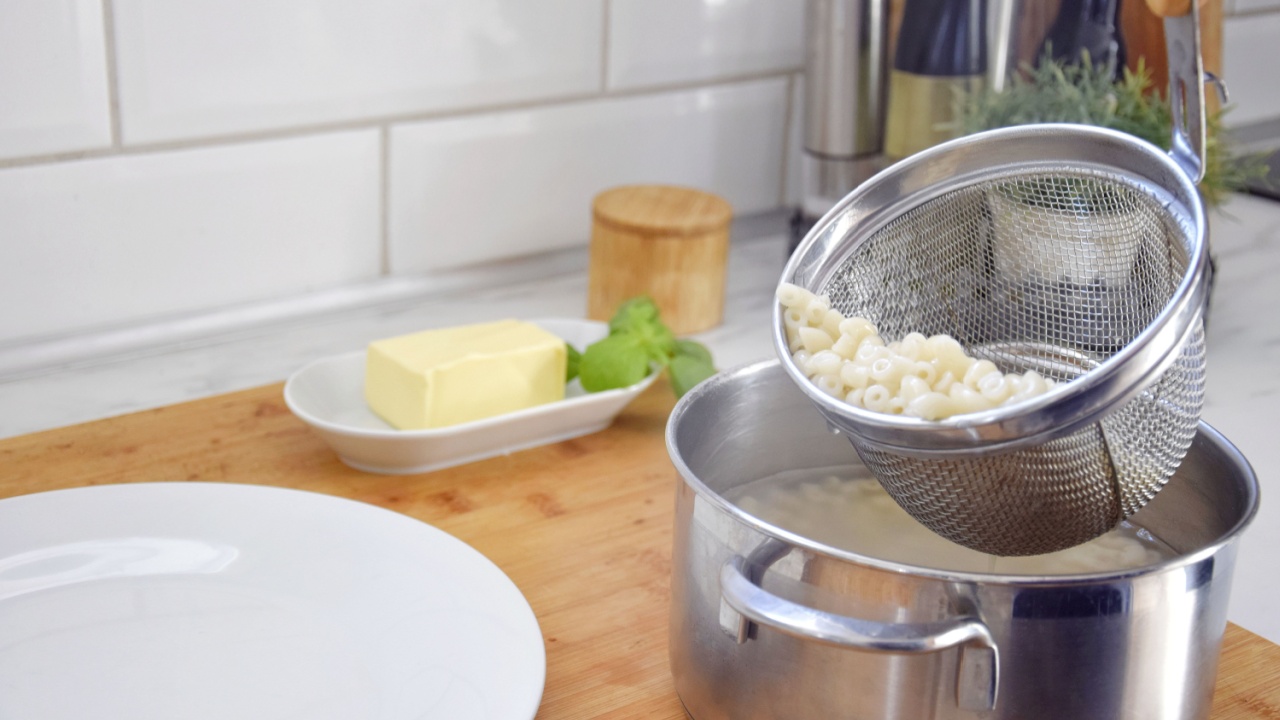
Cooked rice, pasta, and similar starches continue absorbing water after they have been flushed. They swell up, turning into a thick, starchy slurry that can trap other debris and prevent drains from flowing freely. Discarding pasta water alone is okay, provided you can rinse it down with clean water.
Some cooking guides even recommend keeping pasta water for emulsifying sauces, like this post from Cookist. “Beyond thickening your sauce, pasta water carries a hint of salt and flavor that subtly enhances the overall taste of your dish,” Ilaria Canevara writes. “It’s the secret behind that restaurant-quality mouthfeel that’s hard to replicate with just cream or broth.”
6. Fibrous Vegetables
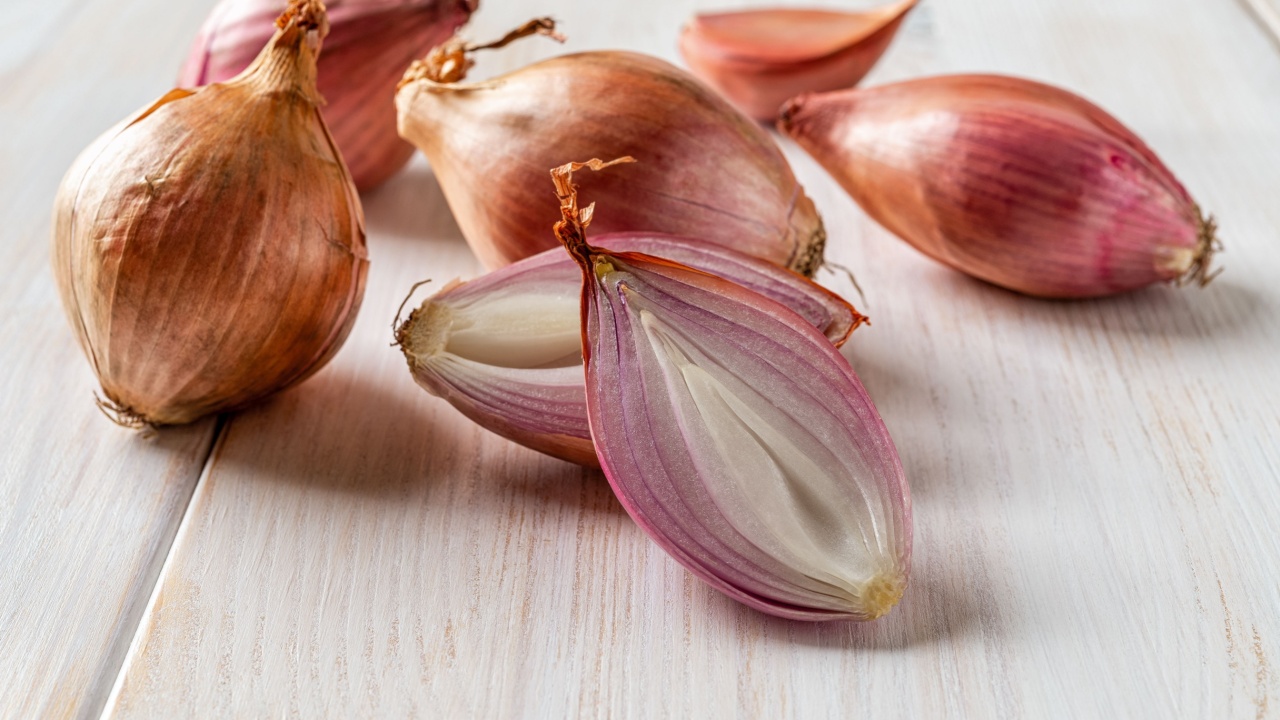
There are soft, delicate vegetables, and there are their stubborn, spiny cousins. We’re looking at you, celery strings, corn husks, onion skins, and the like. These tough customers don’t grind well and quickly tangle in disposal blades and pipes. The nightmare soon unfolds (unlike those pesky vegetables): fibers wrap around moving parts, immobilize disposals, or create snags that catch other matter.
Luckily, simple solutions and expert help are at hand. “Instead of using your disposal, consider composting these vegetable scraps or disposing of them in the trash,” recommends a Mayes & Sons Plumbing guide.
7. Bones & Hard Food Scraps
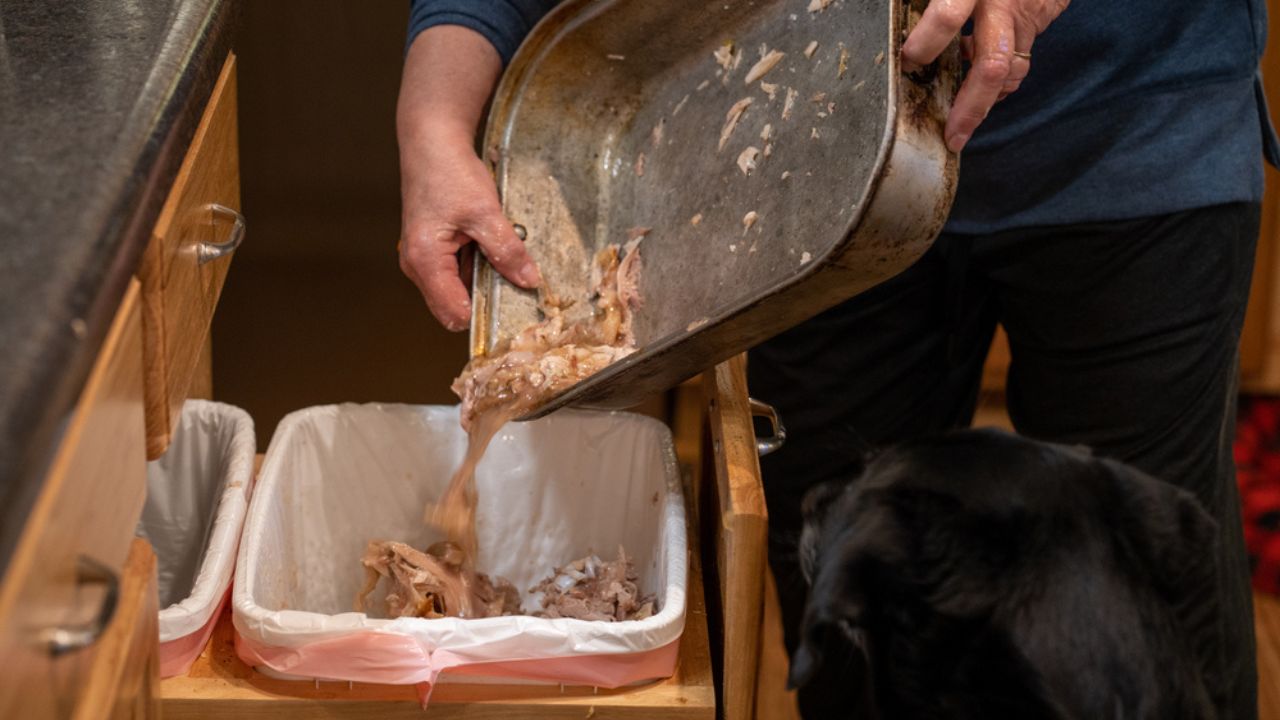
Why anyone would put bones down the drain, or even in the garbage disposal, is beyond me, though some people might try. Pipes and disposal units aren’t designed to break down solid bone, which is best disposed of in trash or compost if permitted.
A Spartan Property Management guide states that even homeowners with the strongest garbage disposal should avoid doing this. For one thing, “the fragments can cause issues further down the plumbing system,”
8. Eggshells
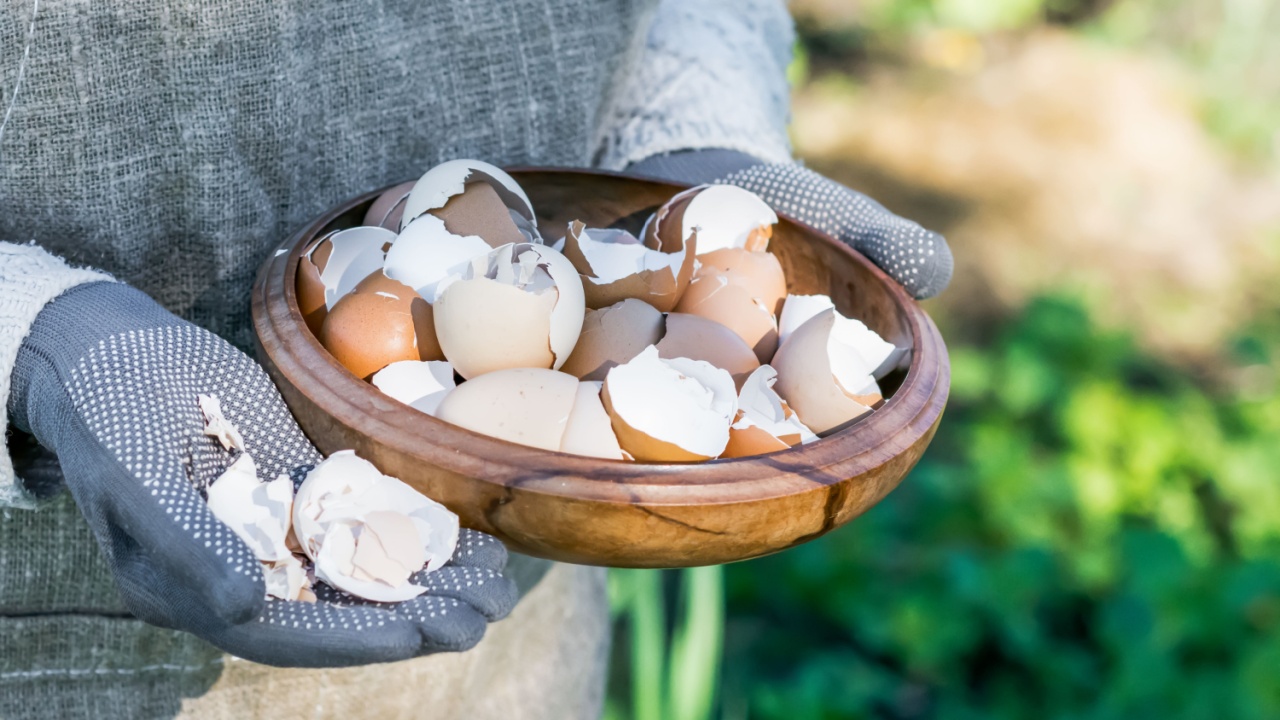
Some may think those shell pieces may seem brittle, but their membranes and fragments can adhere to grease or pipe walls. Of course, this only adds to other debris buildup, eventually causing a nasty-smelling, backed-up pipe. Eggs do provide a dairy dilemma, as they are part of many people’s daily existence, not least bodybuilders and athletes.
Therefore, it is best to listen to Mr. Rooter Plumbing’s advice. “For decades, homeowners believed the myth that it was a good idea to put eggshells into their kitchen sinks,” reads their guide to safe drain care. “In reality, eggshell pieces can quickly add up and cause blockages.”
9. Dairy Products
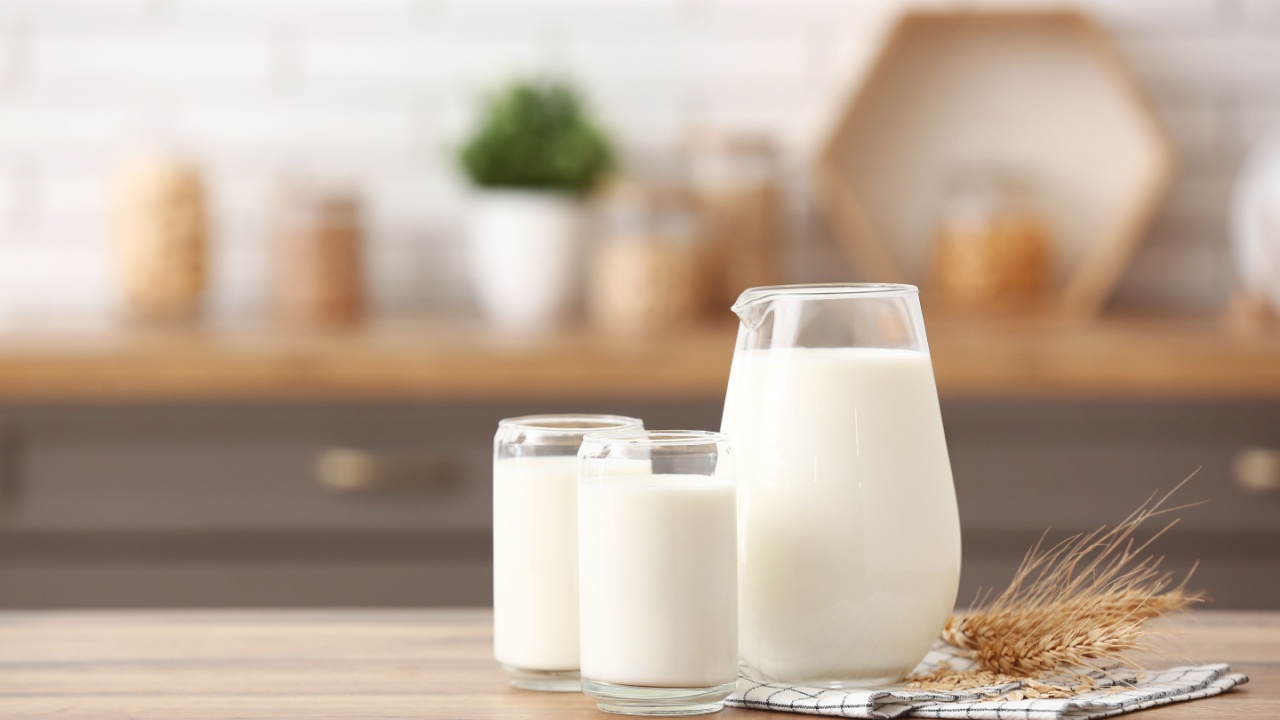
For anyone wondering if milk or cream belongs in a kitchen sink, just look at the process for cheese making. Eventually, that milk is going to congeal, expand, and harden. Fresh milk seems innocuous, but this daily staple and other dairy products with fats behave like grease when they cool.
The Hoffman Brothers plumbing services website warns against pouring milk down the drain, especially when flushing. “Milk contains a mixture of fats and proteins,” they advise. “While initially appearing harmless, repeated flushing can cause these fats and proteins to accumulate and adhere to drain pipes.”
10. Harsh Chemical Cleaners
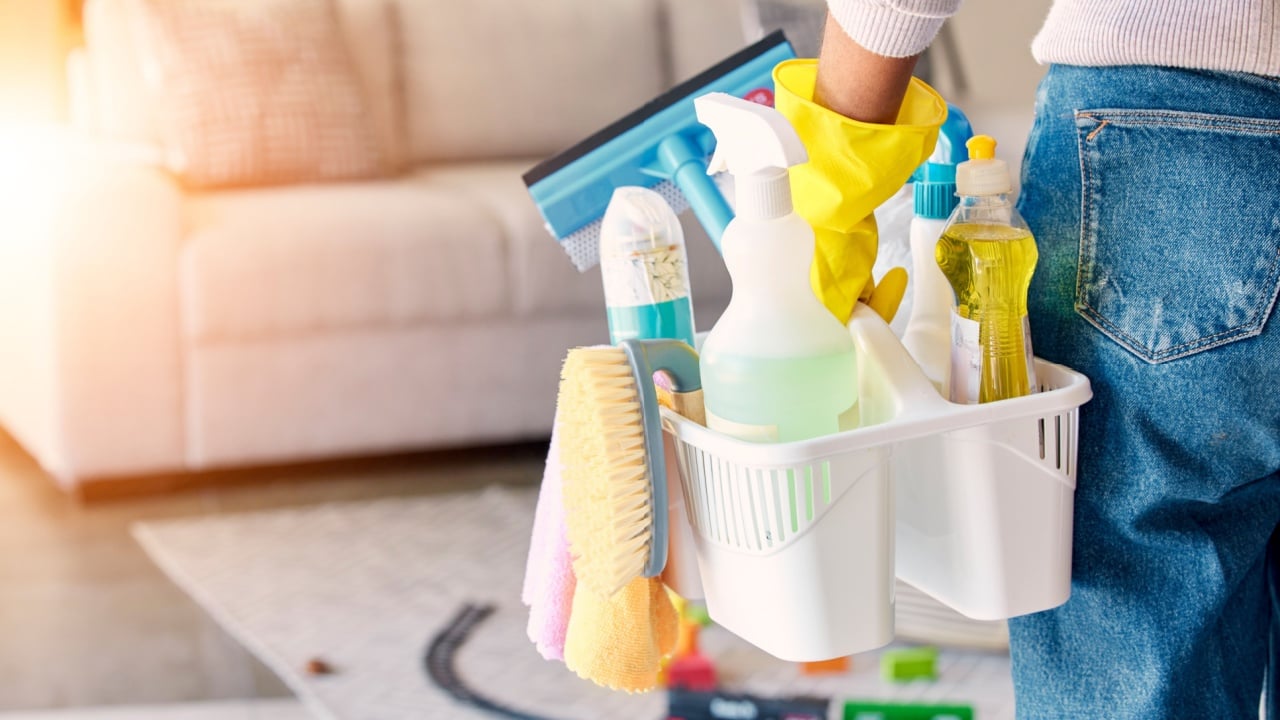
Our instinct when the drain seems a little blocked is usually to pour some kind of caustic liquid in the hope it destroys the blockage. In reality, this approach will lead to long-term problems for your kitchen pipes.
Drain cleaners and bleach may dissolve some blockages, but when poured regularly, they damage pipe materials and harm septic systems and the environment. What’s worse, you could permanently damage your septic tank, warns a Washington State University review of chemical cleaning product use.