
18 Things to Get Rid of Right Now Before They Turn Into Hoarded Junk
Is your home starting to feel more like a storage unit? Deciding what to throw away can be a total drag, but decluttering is the first step toward creating more breathing room for your life. If your drawers won’t close and every surface is covered in forgotten stuff, it’s time to get ruthless.
Did you know most Americans spend an average of 5000 hours of their lives just looking for lost things at home? That’s according to an IKEA survey, and honestly, it’s all the motivation you need to start decluttering. We’ve put together a list of things to toss, based on tips from pro organizers and the junk that most people hang onto for no good reason.
Here’s a guide on what to get rid of, why it’s gotta go, and what to do with it all.
1. Expired Medications

Old prescriptions and over-the-counter drugs are a health hazard. Medicines lose their effectiveness after expiring, making them useless and potentially harmful. Storing old prescriptions “just in case” creates unnecessary risks, like taking the wrong medication or using one that no longer works.
For safe disposal, take them to a local pharmacy or fire department; many have take-back programs. Never flush them, as this pollutes water supplies. To stay organized, check your medicine cabinets and first-aid kits twice a year. This simple habit will keep your home safer and your shelves clutter-free.
2. Old Liquid Makeup

Liquid makeup products harbor bacteria after extended use, especially mascara and eyeliner. Replace these products every three months to prevent eye infections and skin irritation.
Foundation and liquid concealer last about 12 months from opening. Check the small jar icon on your makeup packaging; the number inside indicates how many months the product stays fresh after opening. Toss anything past its prime and mark purchase dates on new items.
3. Worn-Out Running Shoes
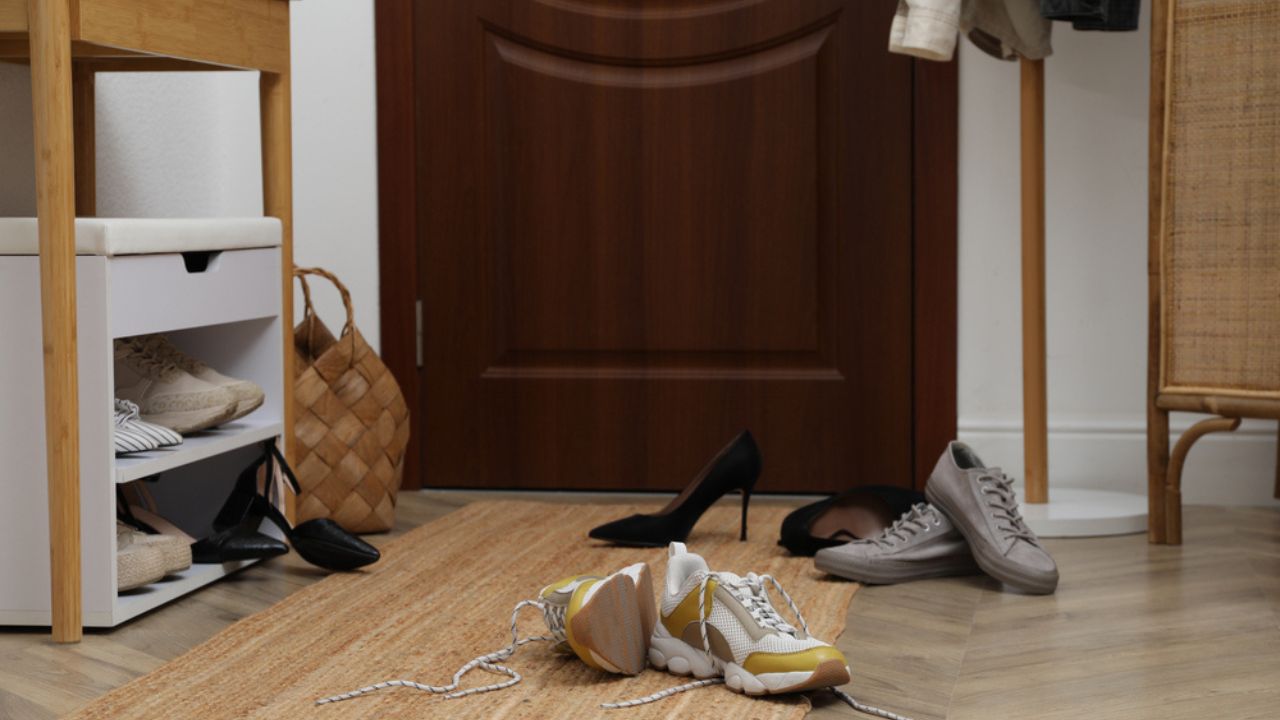
Athletic shoes lose their supportive structure and cushioning after 300-500 miles of use. Keeping worn shoes increases injury risk and takes up valuable closet real estate.
If your shoes show visible wear on the soles, have developed an odor that won’t disappear, or feel flat when walking, they’re done. Some athletic stores offer recycling programs for old shoes. Replace them with properly fitted footwear that supports your current activity level.
4. Mismatched Food Storage Containers
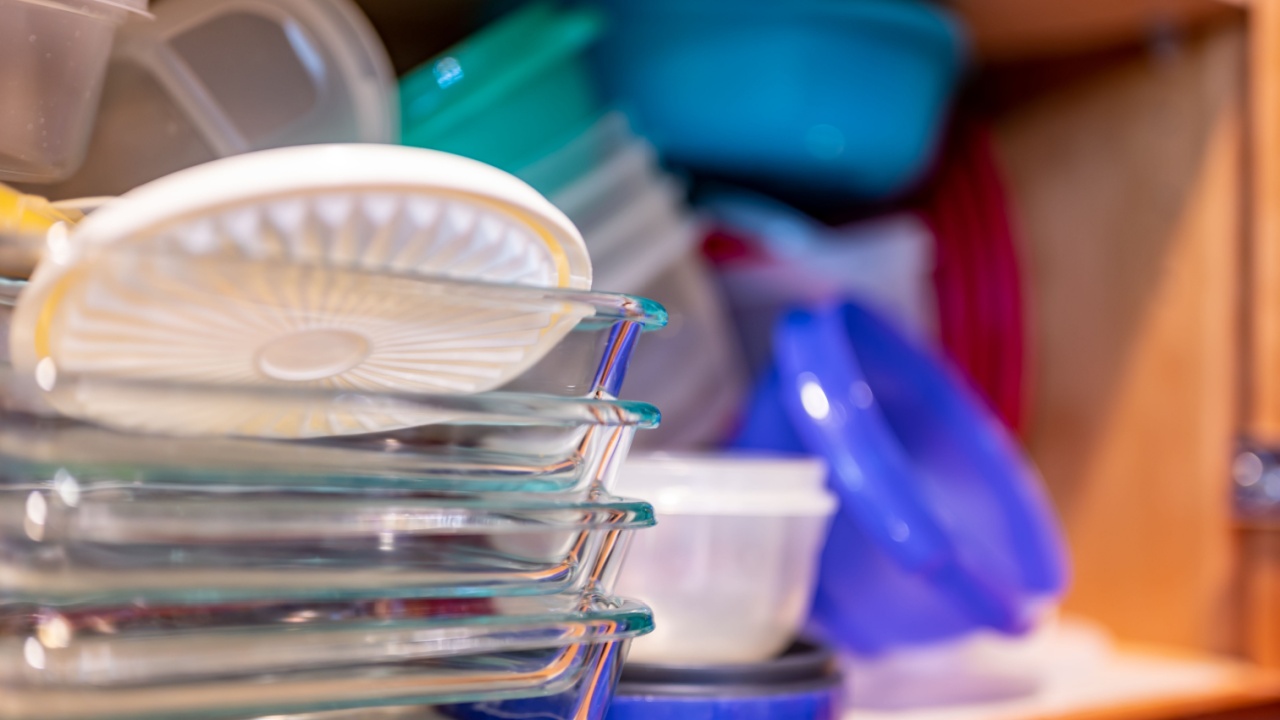
Containers without matching lids create frustrating cabinet chaos. This happens gradually as lids crack, warp, or simply vanish into the abyss.
Pull everything out of your storage container cabinet. Match each container with its lid. Recycle anything without a partner. Consider keeping a few containers for general household use (paint projects, organizing small items), but donate the rest. Moving forward, stick to one or two container brands to maintain a matching set.
5. Grocery Bags
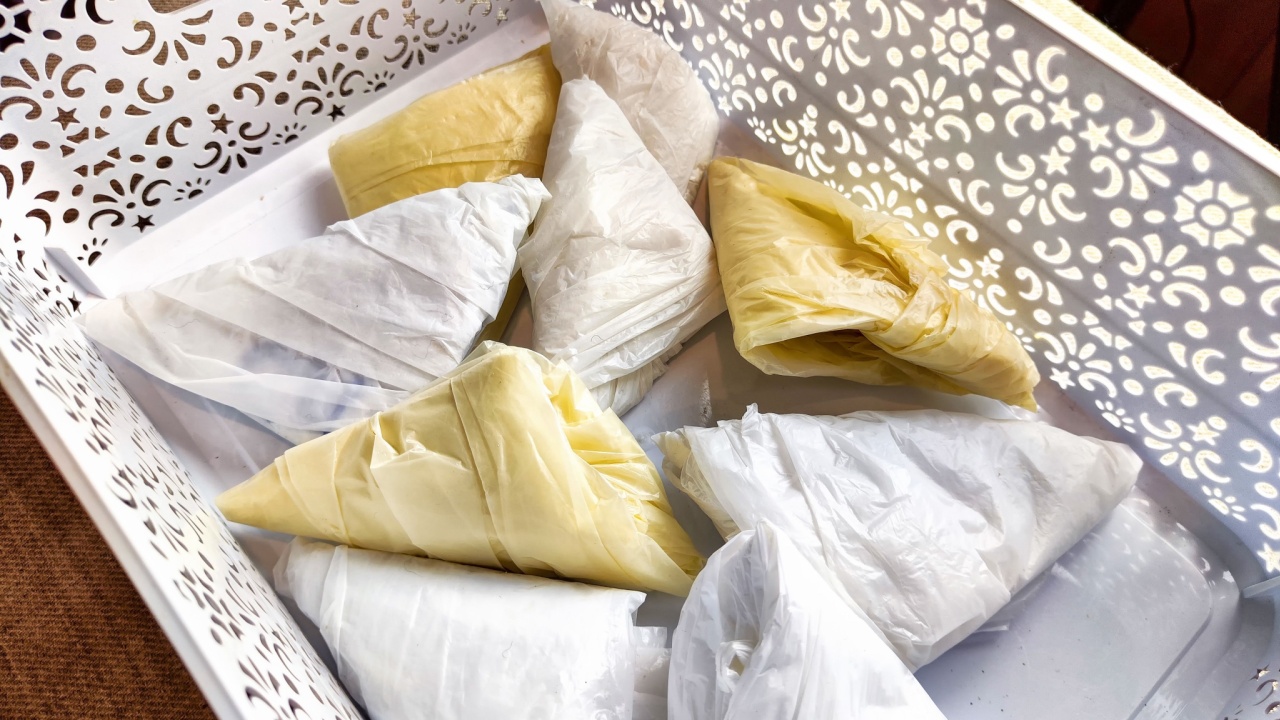
Got a mountain of plastic grocery bags stashed under your sink? We all do. But storing hundreds of them doesn’t really serve a purpose, and most of us collect way more than we’ll ever actually reuse.
Keep about 10-15 bags on hand for things like small trash can liners or cleaning up after your pet. Take the rest to a recycling bin at your local grocery store. To stop the cycle of endless bag accumulation, switch to reusable shopping bags and stash them in your car so you always have them with you.
6. Broken or Unused Kitchen Gadgets
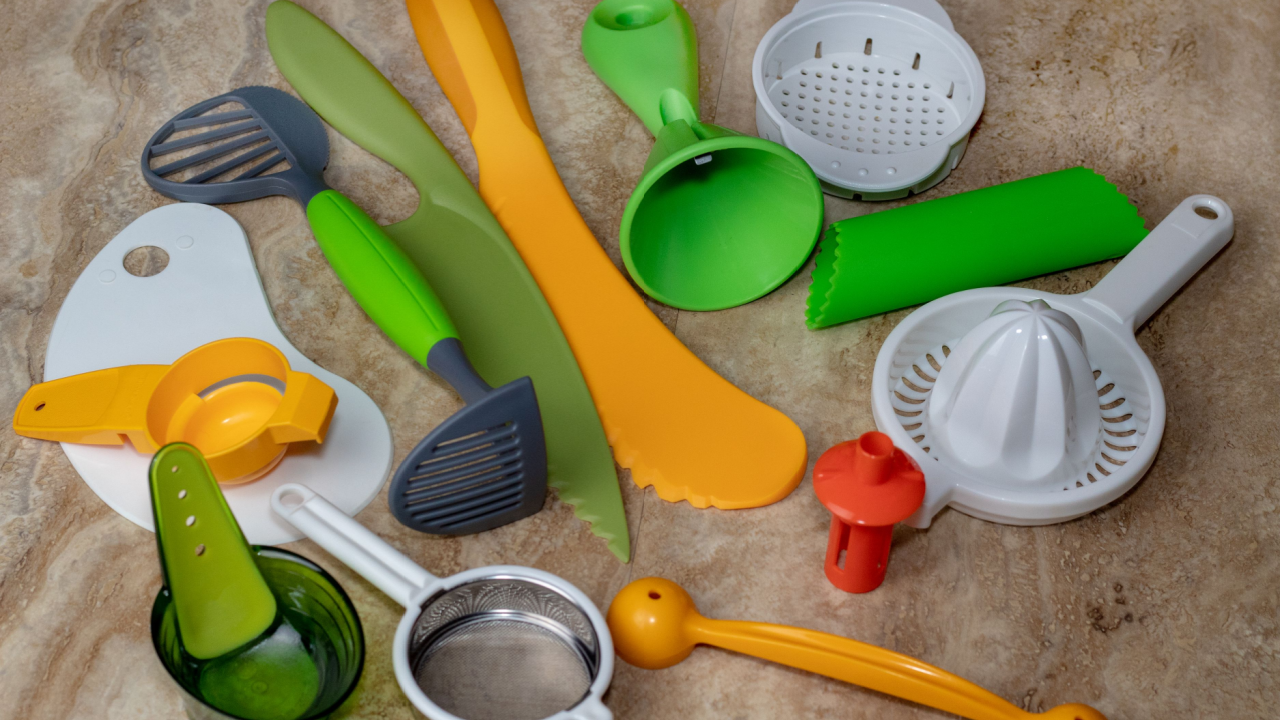
Specialized kitchen tools that seemed brilliant at purchase often collect dust. If you haven’t reached for that avocado slicer, egg separator, or garlic peeler in the past year, you won’t start now.
Be ruthless about cooking tools that duplicate functions. You don’t need both a stand mixer and a hand mixer unless you regularly use both. Donate working gadgets you never touch. Recycle or trash anything broken. This frees up drawer and counter space for items you actually use daily.
7. Chipped Dishes and Scratched Plastic
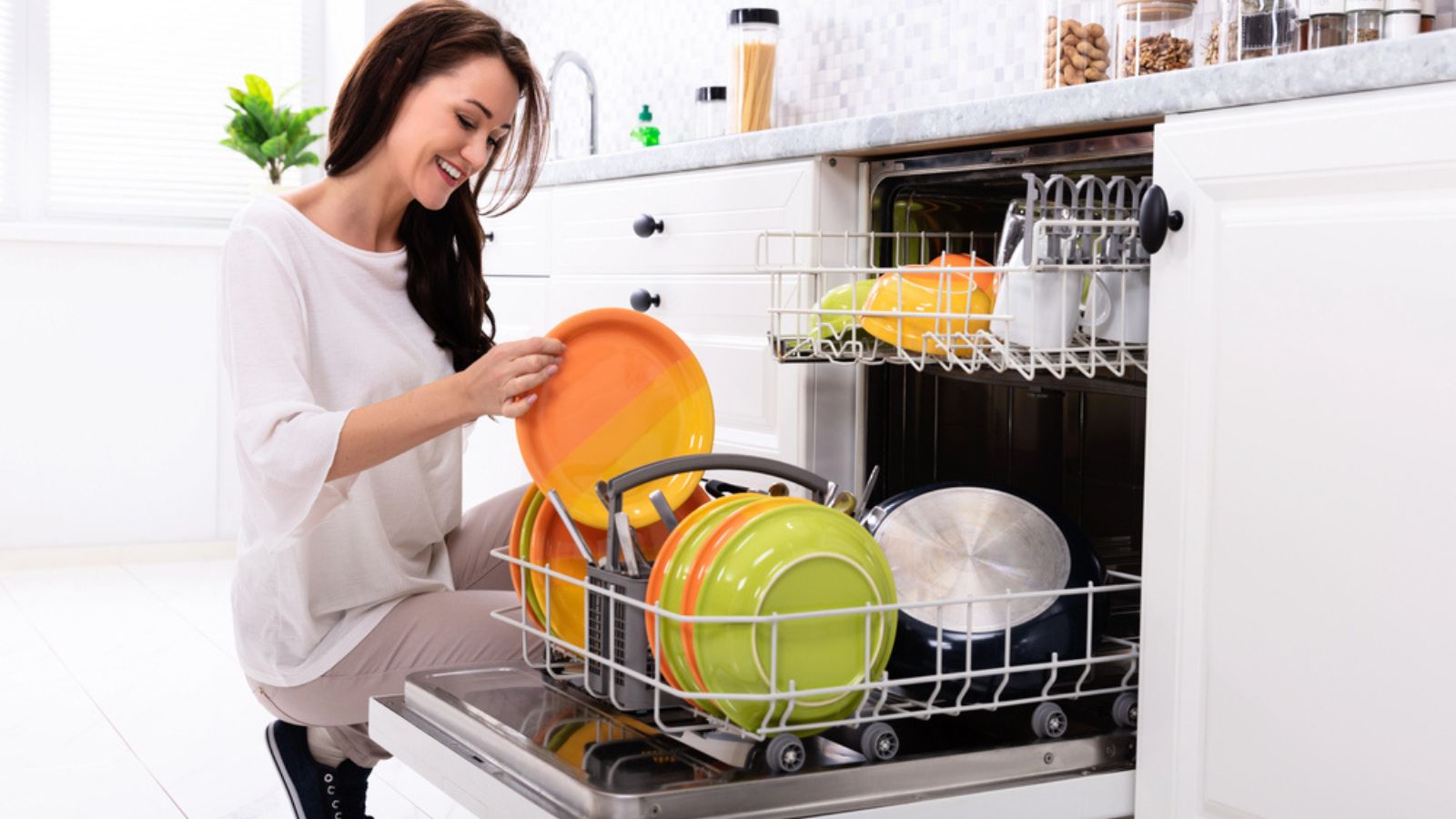
Chips and scratches aren’t just unsightly; they create havens for bacteria. Damaged plastic containers can also leach unwanted chemicals into your food, especially when heated.
Take a hard look at your dish collection. Discard anything chipped, cracked, or heavily scratched. You probably have more dishes than you actually need. Most people only require enough for their daily meals plus a few extras for guests, not three complete sets. Slimming down your collection makes it easier to find what you’re looking for and keeps your kitchen safer.
8. Expired Pantry Items

Food expiration dates are important for both safety and quality. Keeping expired items in your pantry wastes space and could even make you sick. Regularly check dates on canned goods, boxed foods, spices, and oils. Spices lose their flavor after a year, even if they don’t officially expire, and oils can go rancid over time.
If you find unexpired items you won’t use, consider donating them to a food bank. Clearing out your pantry creates space, helps you keep track of what you have, and prevents unnecessary duplicate purchases.
9. Old Condiments

Refrigerator doors often turn into cluttered graveyards for half-used condiment bottles. That opened ketchup from two years ago? It’s time to let it go. Most condiments only last 3-6 months after opening, even when refrigerated.
Take a moment to check expiration dates on everything in your fridge doors and shelves. Toss anything that’s expired, crystallized, or separated. While you’re at it, give those shelves a good wipe-down; it’ll leave your fridge feeling fresh and organized!
10. Raggedy Towels and Washcloths
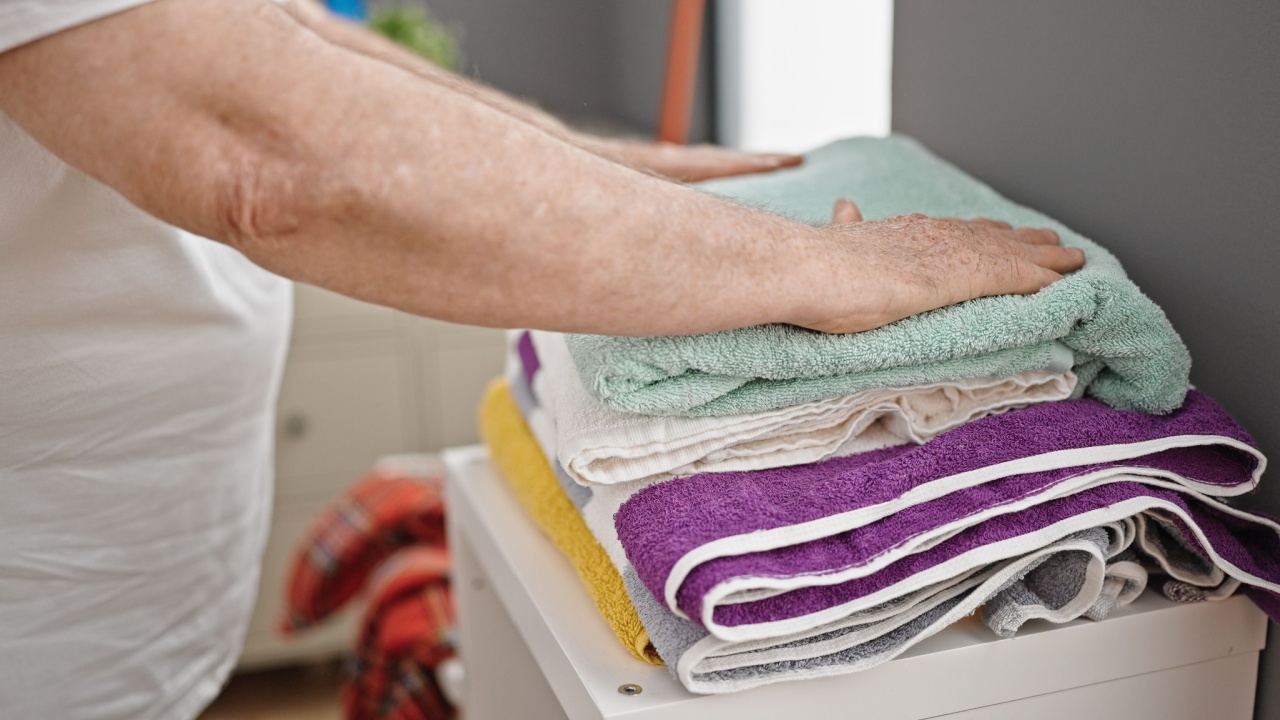
Thin, rough, or stained towels not only fail to dry effectively but also make your bathroom look unkempt. When towels have outlived their usefulness, it’s time to let them go. If they’re still absorbent, cut them into cleaning rags or donate them to animal shelters where they can still serve a purpose.
Replace them with fresh, new towels that look great and work the way they should. It’s a small upgrade that you’ll enjoy every single day.
11. Socks Missing Their Partners
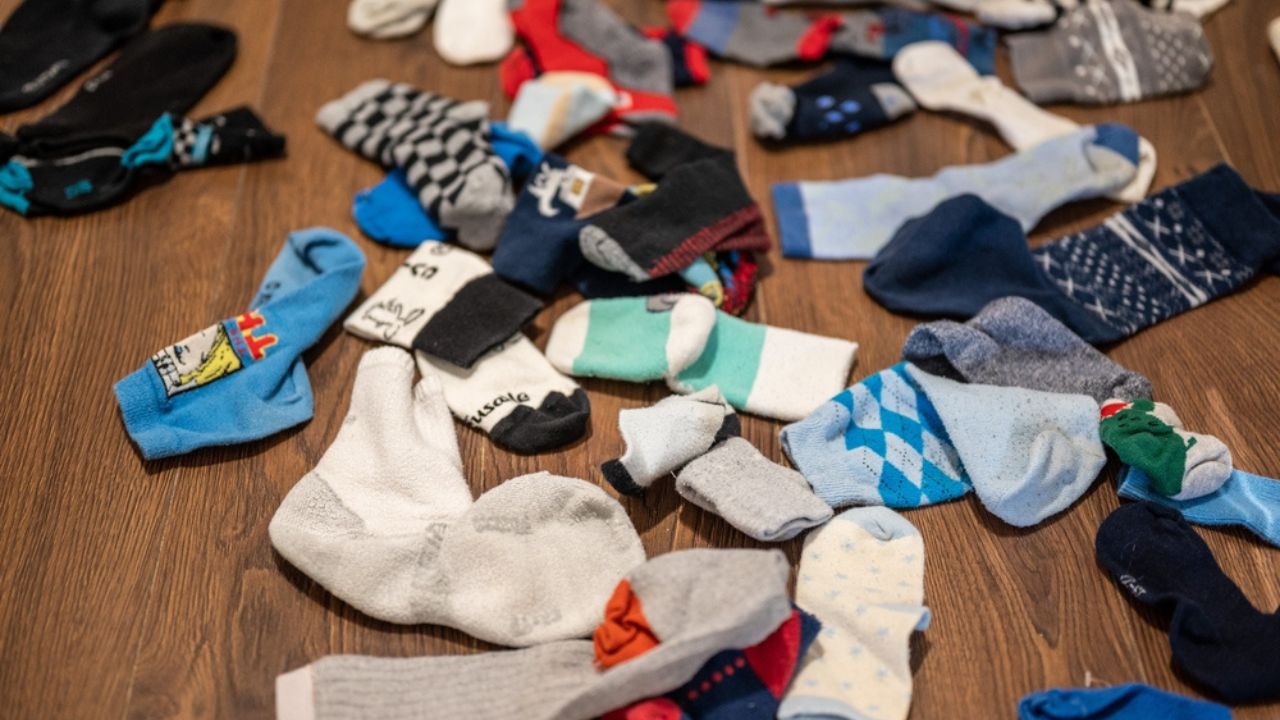
We all have that collection of single socks, sitting in a drawer waiting for their long-lost partners to return. Spoiler alert: they probably won’t. All they’re doing is taking up precious space you could be using for complete pairs you actually wear.
Tip everything out, match up the pairs, and deal with the loners. You can repurpose a few as dusting cloths or for cleaning blinds, but be honest about how many you really need. The rest can be let go, leaving you with an organized drawer of wearable socks.
12. Clothes That Don’t Fit

Holding onto clothes that are too small “for motivation” or too large “just in case” clutters closets and makes getting dressed stressful. Your closet should contain clothes that fit your current body.
Sort through clothing and remove anything that doesn’t fit comfortably right now. Donate wearable items to thrift stores or shelters. Damaged clothing can be recycled through textile recycling programs. Having fewer but better-fitting clothes simplifies daily decisions and shows you what gaps actually exist in your wardrobe.
13. Stained or Damaged Clothing

Keeping clothing with permanent stains or holes you’ll never repair is pointless. If you haven’t fixed it in the past month, you won’t fix it next month either.
Be honest about which damaged items you’ll actually repair. Give yourself a deadline, two weeks maximum. If you haven’t repaired something by then, it goes. Many communities offer textile recycling for damaged fabrics that can’t be donated.
14. Old Underwear
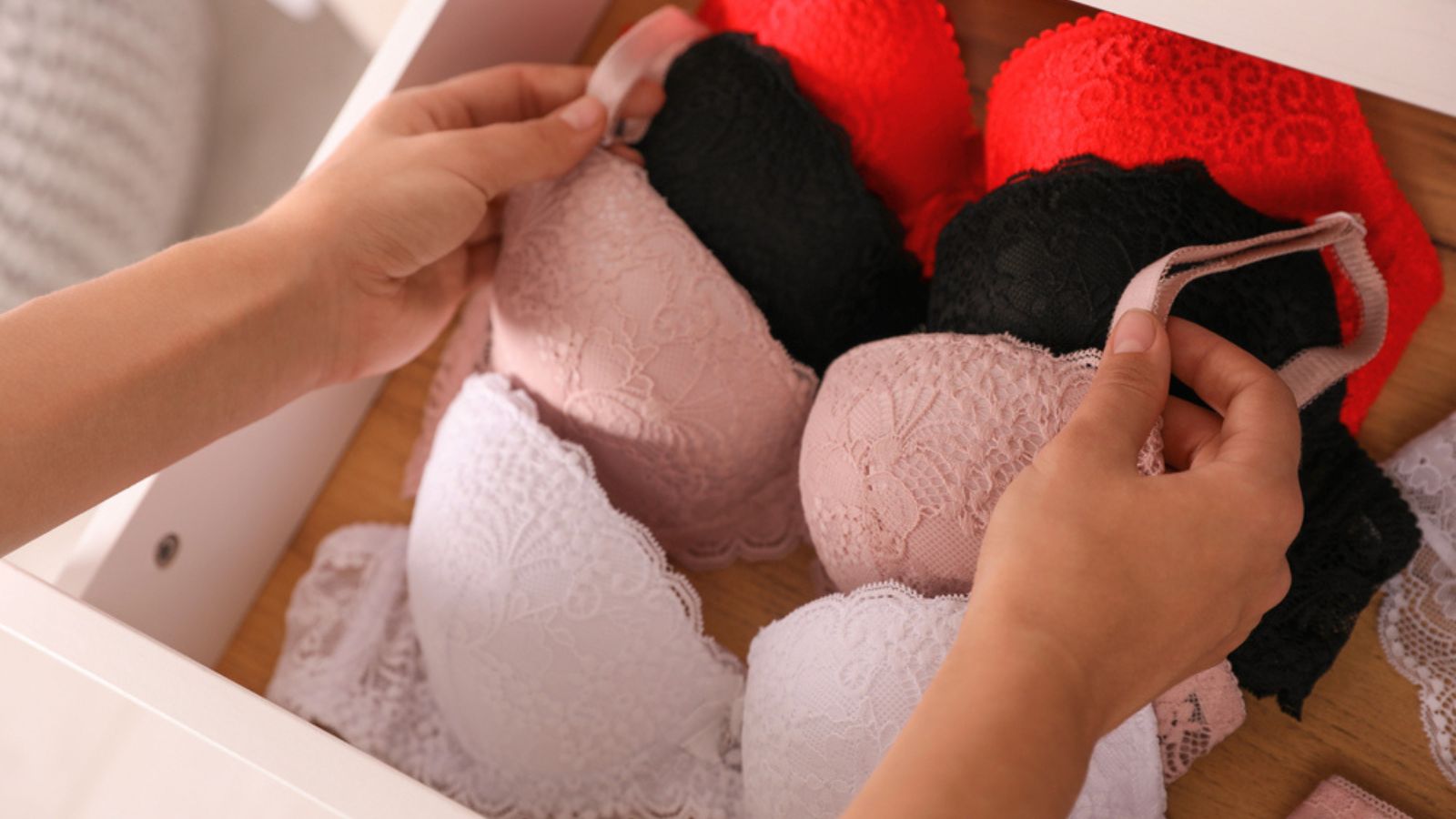
Underwear should be replaced every 6-12 months as elastic breaks down and fabric wears thin. Worn-out underwear doesn’t provide proper support or coverage.
Examine your underwear drawer and remove anything with loose elastic, holes, or permanent stains. Replace these basics regularly as part of routine clothing maintenance. Fresh underwear is an affordable upgrade that improves daily comfort.
15. Broken Toys
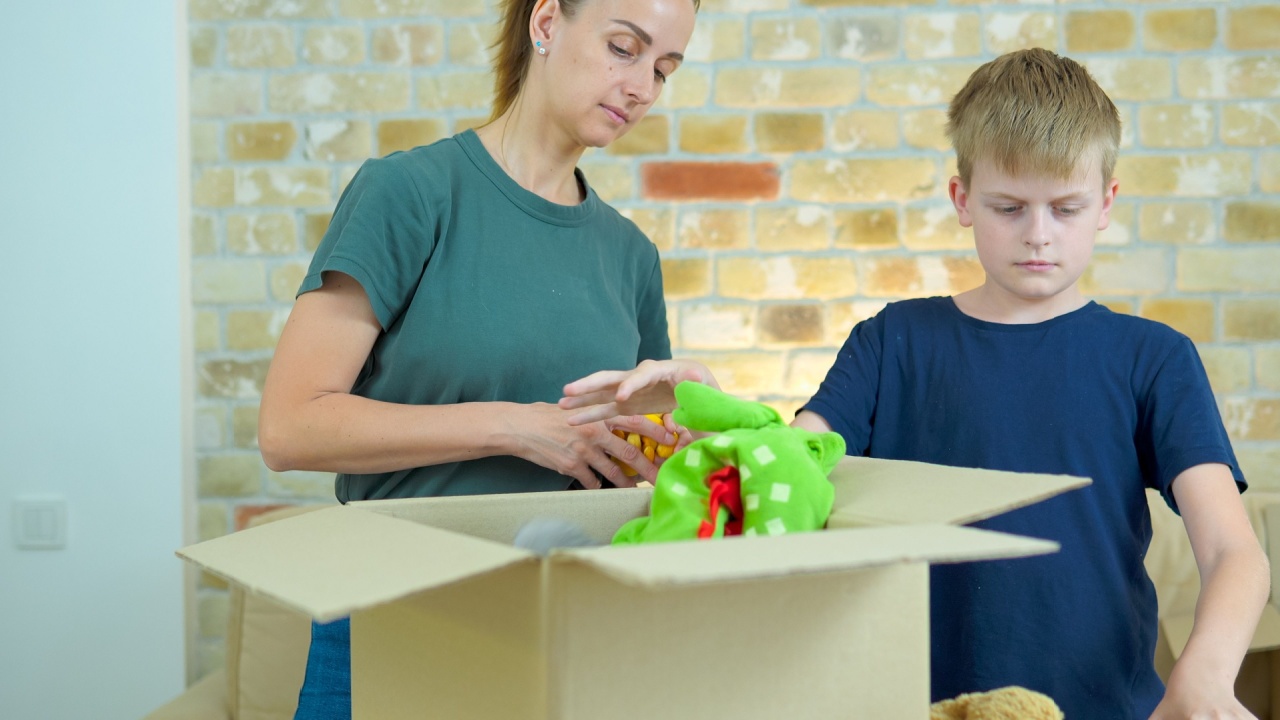
Toys missing pieces or broken beyond repair frustrate kids rather than entertain them. Cluttered toy spaces also discourage play because children feel overwhelmed by choices.
Involve kids in sorting toys if they’re old enough. Remove anything broken, missing essential pieces, or no longer age-appropriate. Donate working toys in good condition. Rotating remaining toys in and out of storage keeps playtime fresh without requiring more stuff.
16. Kids’ Outgrown Clothes
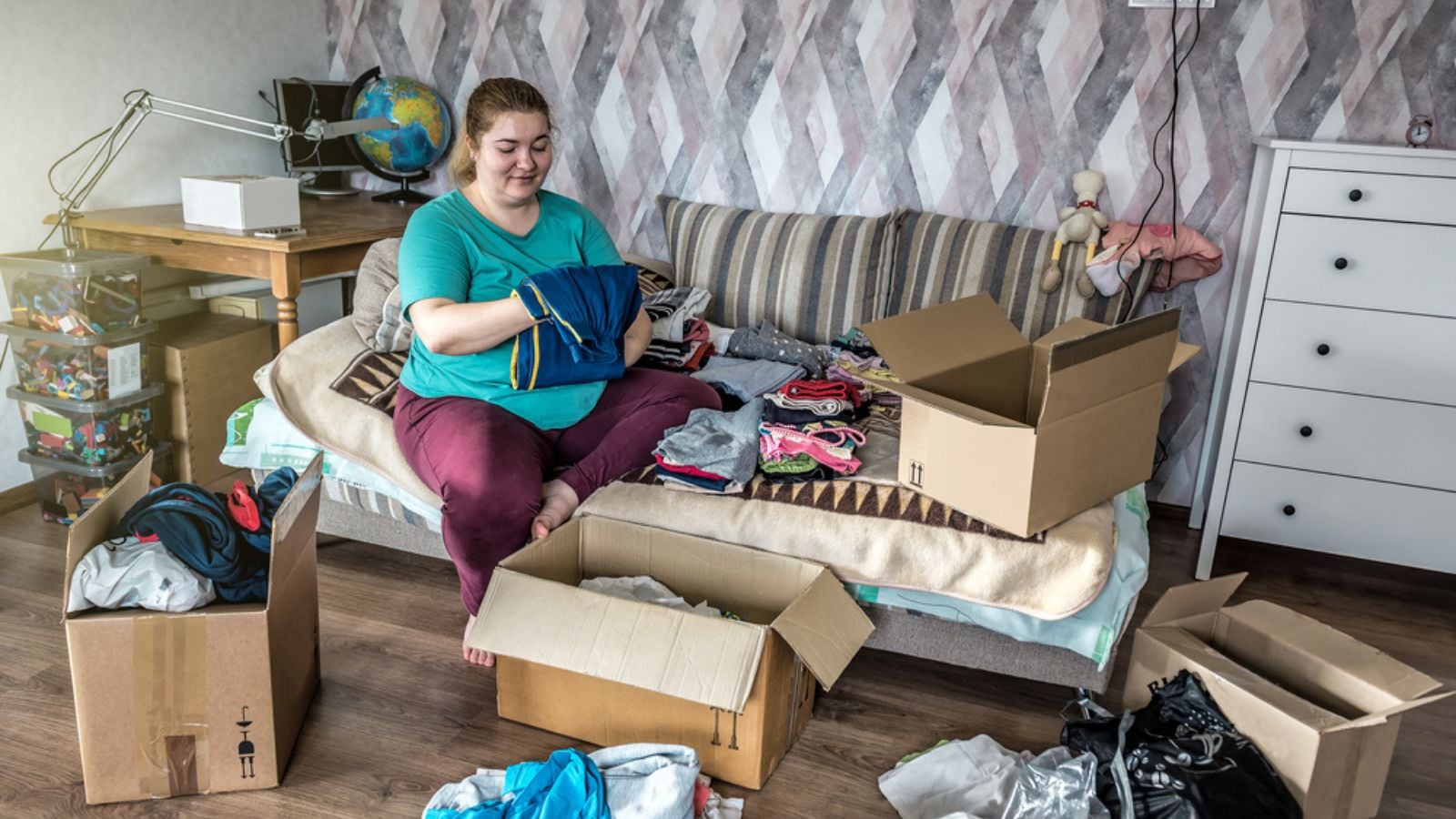
Kids grow fast, and their clothes have a surprisingly short lifespan. While it’s tempting to store outgrown items for a future child or a vague “someday,” this often leads to cluttered closets and wasted space, especially if that someday never arrives.
A better approach is to sort through your kids’ closets each season. Be ruthless and remove everything too small. The best rule is to donate these items immediately rather than storing them indefinitely. If you are intentionally saving pieces for a younger sibling, be selective. Only keep your absolute favorites that are still in excellent condition.
17. Junk Drawer Contents
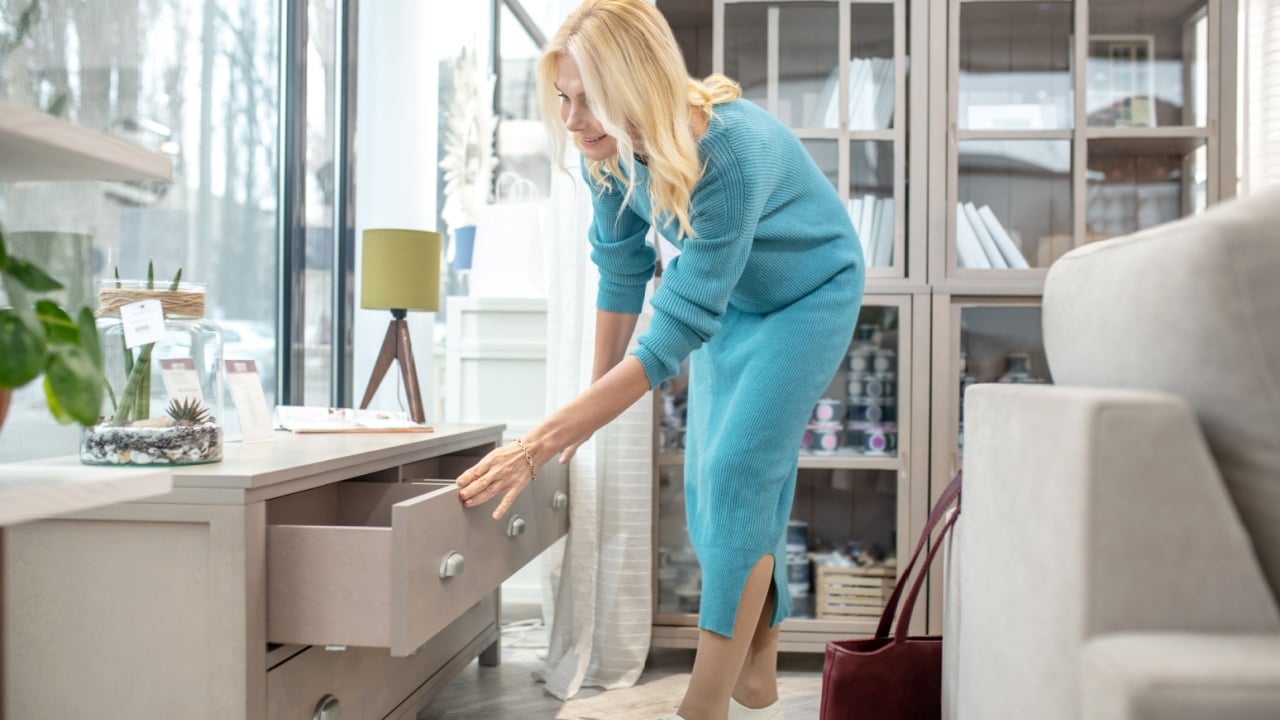
Every home has a junk drawer filled with random items, dead batteries, old keys to unknown locks, dried-up pens, mystery cords, and random screws. This drawer becomes a black hole where useful items disappear.
Empty the entire drawer. Test pens and markers, toss any that don’t work. Recycle dead batteries properly. Keep only items you can identify and use. Organize what remains with small containers or drawer dividers. Commit to dealing with new items immediately rather than tossing them in the drawer.
18. Old Cell Phones and Chargers
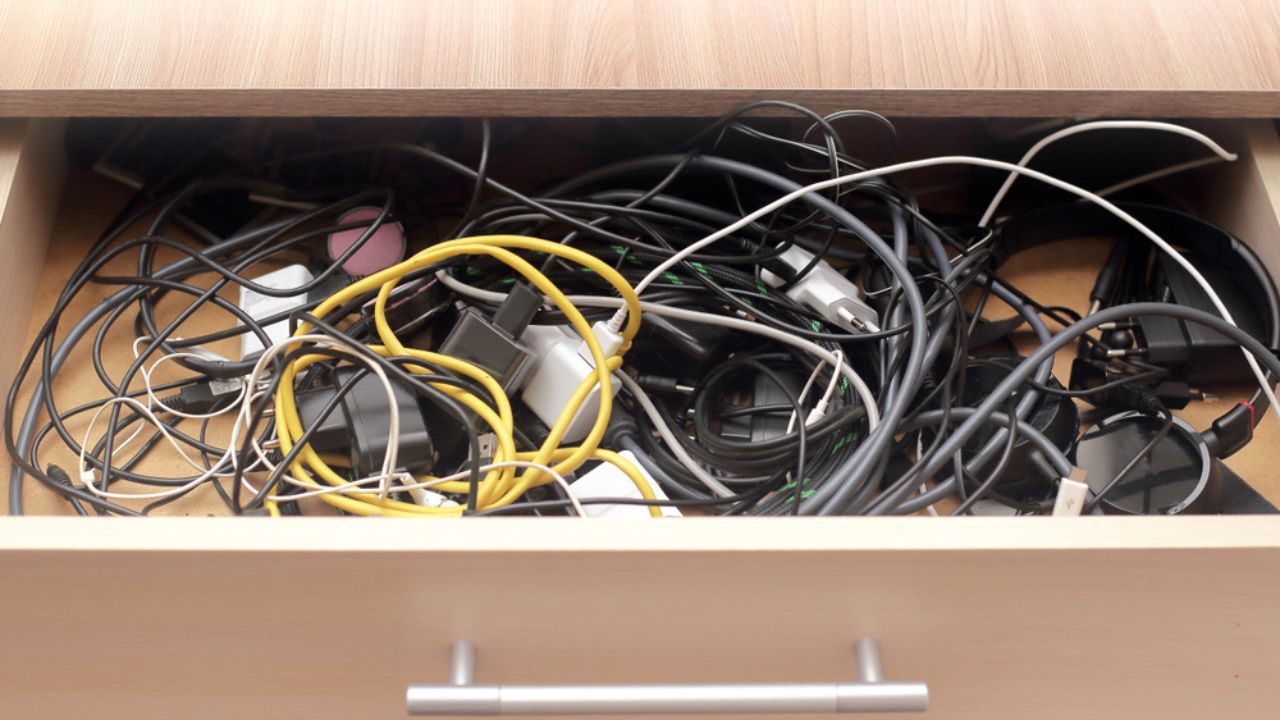
Obsolete electronics and their accessories pile up in drawers despite being completely useless. Old phones contain personal data and shouldn’t just sit around.
Wipe data from old phones and recycle them through manufacturer programs, electronics stores, or community e-waste events. Match chargers and cords to current devices, and recycle anything orphaned. This applies to all obsolete electronics gathering dust in closets.
Ready to Reclaim Your Space?
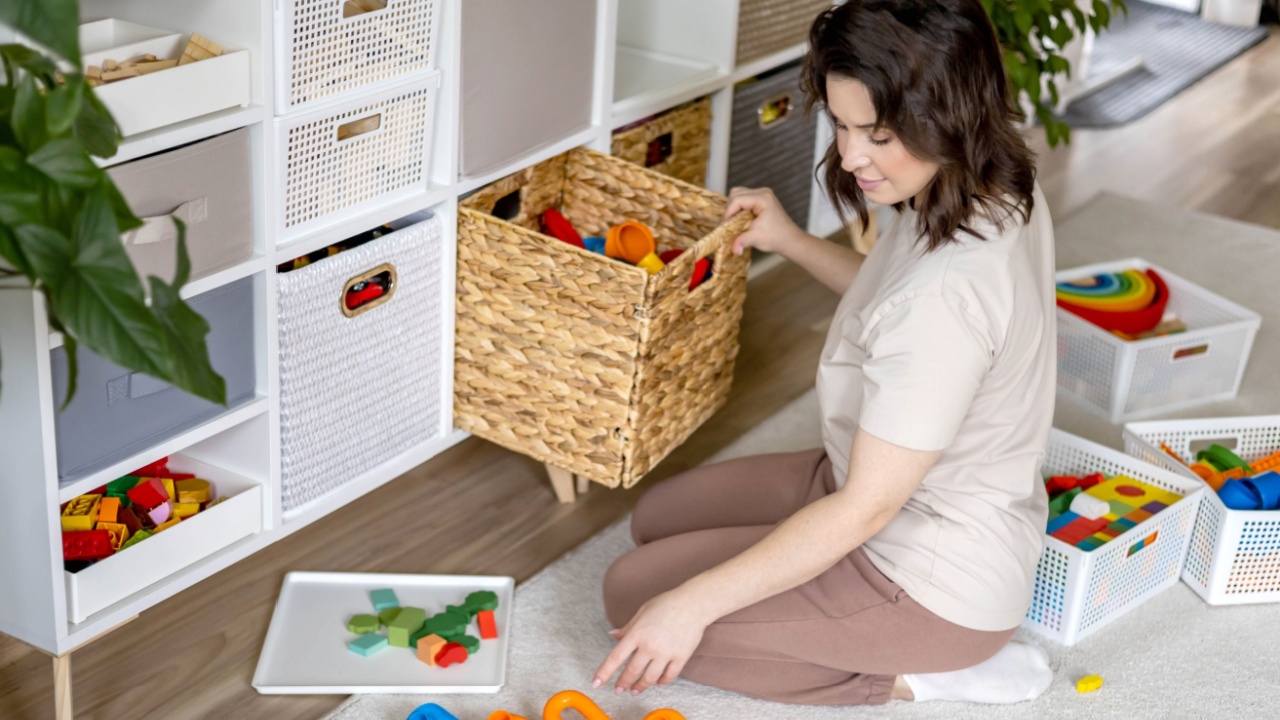
Clearing these 18 categories of clutter creates immediate breathing room in your home. You’ll spend less time searching for things, cleaning around things, and feeling overwhelmed by things.
Decluttering works best when approached room by room rather than tackling everything at once. Put on music, grab trash bags and donation boxes, and commit to one hour of focused work. That single hour will create visible progress and momentum to continue.
Staying clutter-free requires changing habits alongside clearing space. When considering new purchases, ask yourself where the item will live and what it will replace. This simple filter prevents most clutter from entering your home in the first place.