Prep Your Garden for the Great Backyard Bird Count This Week
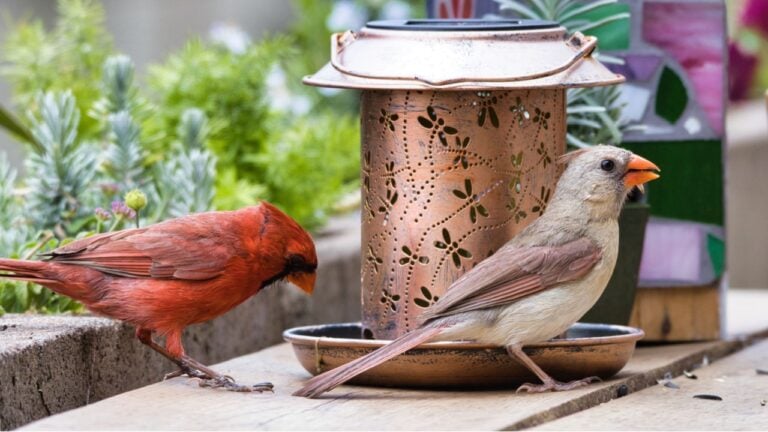
February can feel quiet in the garden, but it’s one of the most important months for birds. If you’re planning to participate in the Great Backyard Bird Count (February 13-16), you might assume hanging a feeder is enough.
In reality, a few thoughtful adjustments to your garden can dramatically increase both the number and diversity of birds you’ll see.
Why the Great Backyard Bird Count Matters
Held each February, the Great Backyard Bird Count (GBBC) invites participants to spend at least 15 minutes counting birds and reporting them to help scientists track population trends and habitat use. As organizers explain, the four-day event creates a global “snapshot” of bird life in winter. Even small backyard improvements can expand usable bird habitat at a critical time.
Start With Habitat, Not Just Feeders
While it’s too late to make a difference this year, native plants are important for future years. So you might as well start planning now while you’re thinking of it.
“Native plants are the foundation to being able to support birds,” says Becca Rodomsky-Bish of the Cornell Lab of Ornithology. While bird feeders provide supplemental calories, birds rely on layered habitat, such as canopy trees, understory shrubs, and seed-bearing perennials, for food and protection.
Dense shrubs and evergreens offer winter shelter for birds. Leaving seed heads and leaf litter in your garden through the winter months supports insect populations, which are a natural food source for birds as well.
As ecological designer Kim Eierman advises, “plant diversity, density, and layering” are key. Group plants in clusters rather than scattering single specimens because nature favors abundance.
Water: The Overlooked Bird Magnet
If you make one upgrade, consider adding a water source for birds to your garden. “A bird bath would be my first choice, even over seed,” says Rodomsky-Bish. In winter, unfrozen water is often harder to find than food.
Keep bird baths shallow, clean them regularly, and position them at least 10 feet from predator hiding spots. In freezing climates, a heated model can significantly increase bird activity, which will often attract species that never visit feeders.
Feed Smart: Variety and Placement Matter
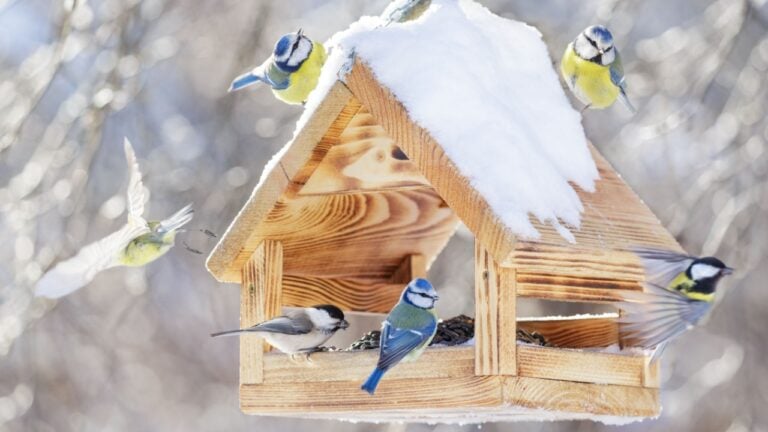
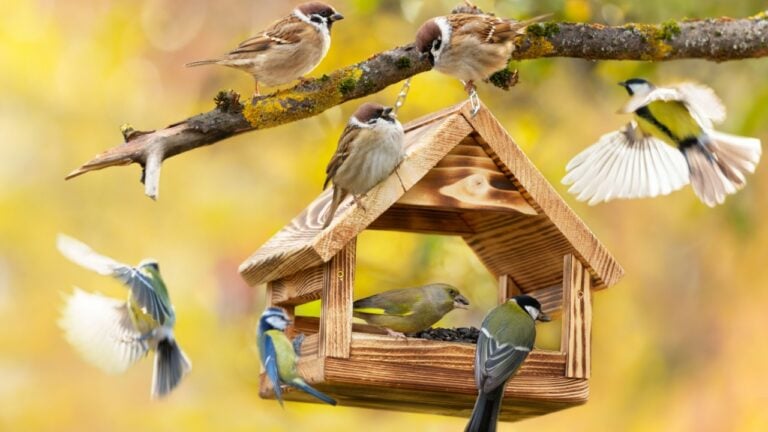
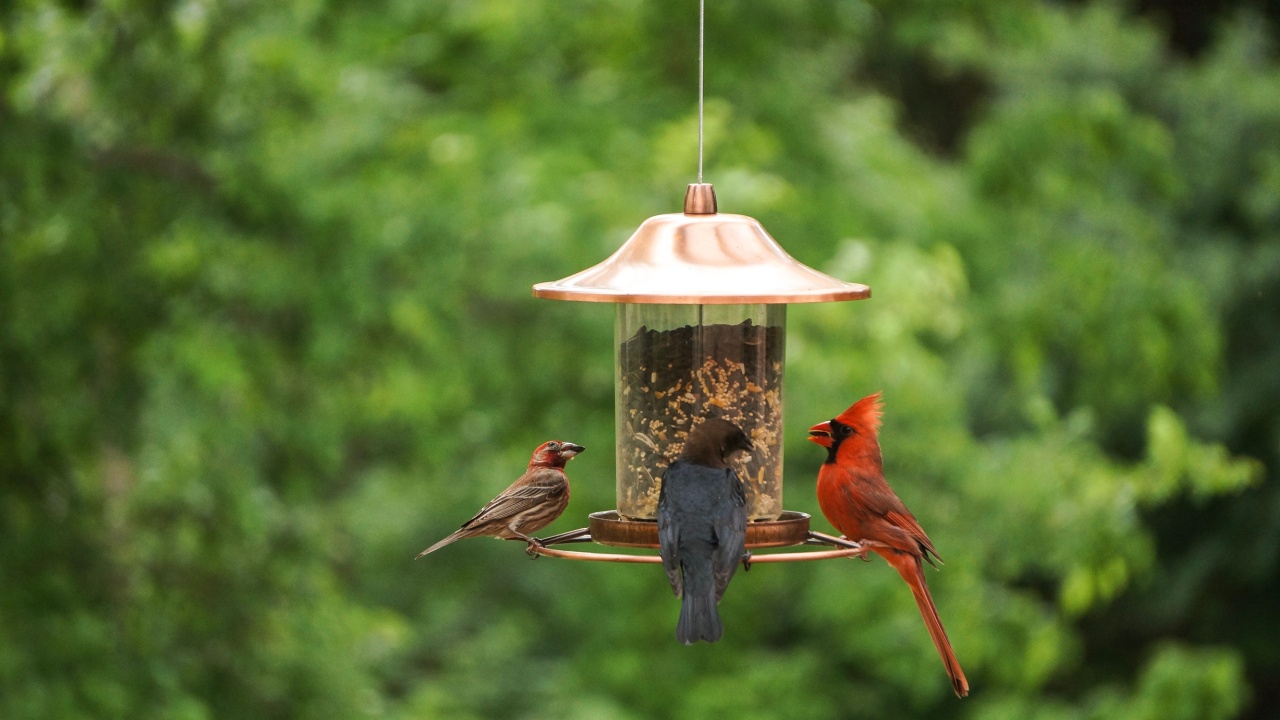
The variety of bird feed matters more than sheer volume when it comes to bird feeders. Black oil sunflower seed is a reliable staple, while nyjer attracts finches and suet draws woodpeckers and nuthatches. You might do some research about the birds that live in your area to find what type of feed they prefer.
Be sure to offer food at different heights, such as ground level, platform, and tube feeders, to accommodate varying bird foraging habits. You’ll want to space feeders several feet apart to reduce crowding, and use baffles if squirrels become dominant.
Establish a consistent feeding routine so that birds learn to check your yard daily. Make sure to clean feeders thoroughly and regularly, rake up old hulls, and create a comfortable viewing spot indoors or on a porch.
Birds may take time to discover new additions, so patience matters. Even modest changes made now can noticeably increase your checklist by the weekend.
Enjoy the Great Backyard Bird Count!
Start with one meaningful improvement today, like planting a native perennial, installing a birdbath, or leaving a corner of your yard a little wilder will create a more favorable habitat for birds. Supplemental feeding helps birds through winter, but habitat keeps them returning year-round.
So whether this is your first year participating in the Great Backyard Bird Count or you’re a veteran, take a few steps today to make your yard even more bird-friendly. When you participate in the Great Backyard Bird Count (this weekend and every year after), you’re not just tallying species, you’re shaping a backyard that supports them long after February ends.