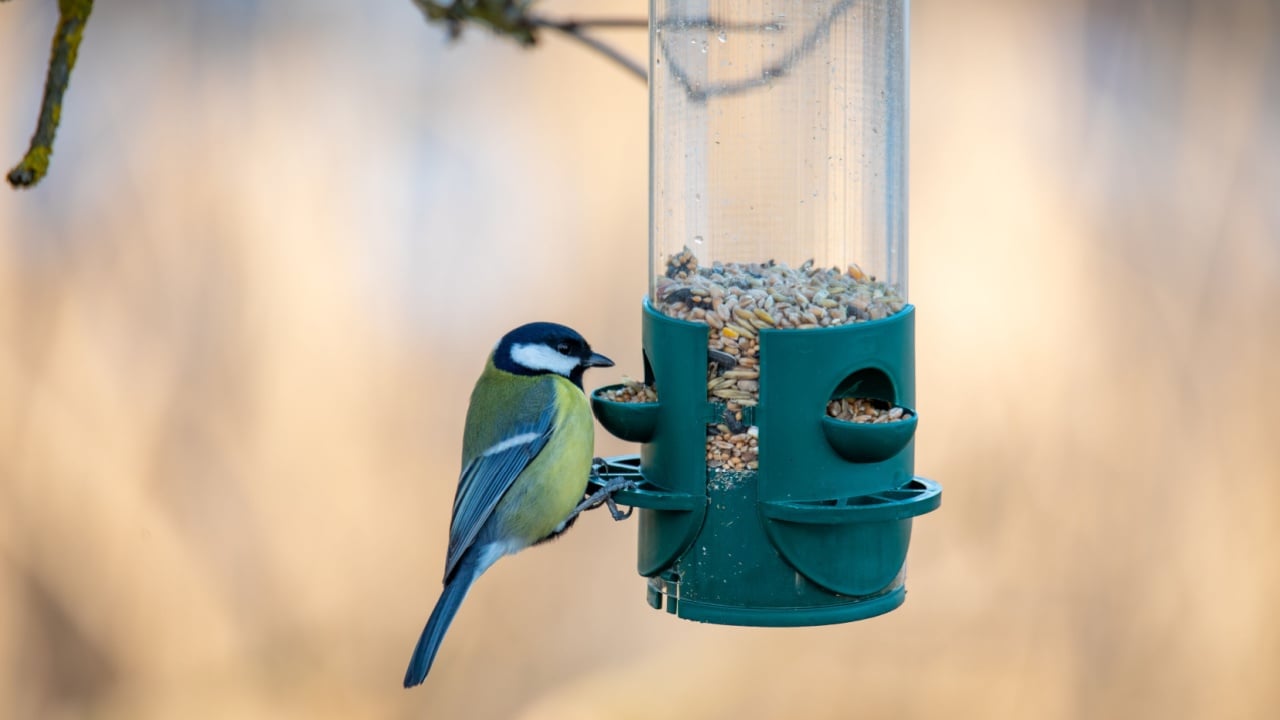
4 Things That Are Never Worth Cleaning the Bird Feeder With
Keeping a bird feeder clean is one of the best things you can do for your feathered visitors. It helps prevent the spread of disease and keeps the seed fresh and appealing. But while your intentions might be good, reaching for the wrong cleaning product can do more harm than good.
This article will walk you through four common household items that should never come near your bird feeder, protecting the very creatures you aim to attract.
1. Ammonia
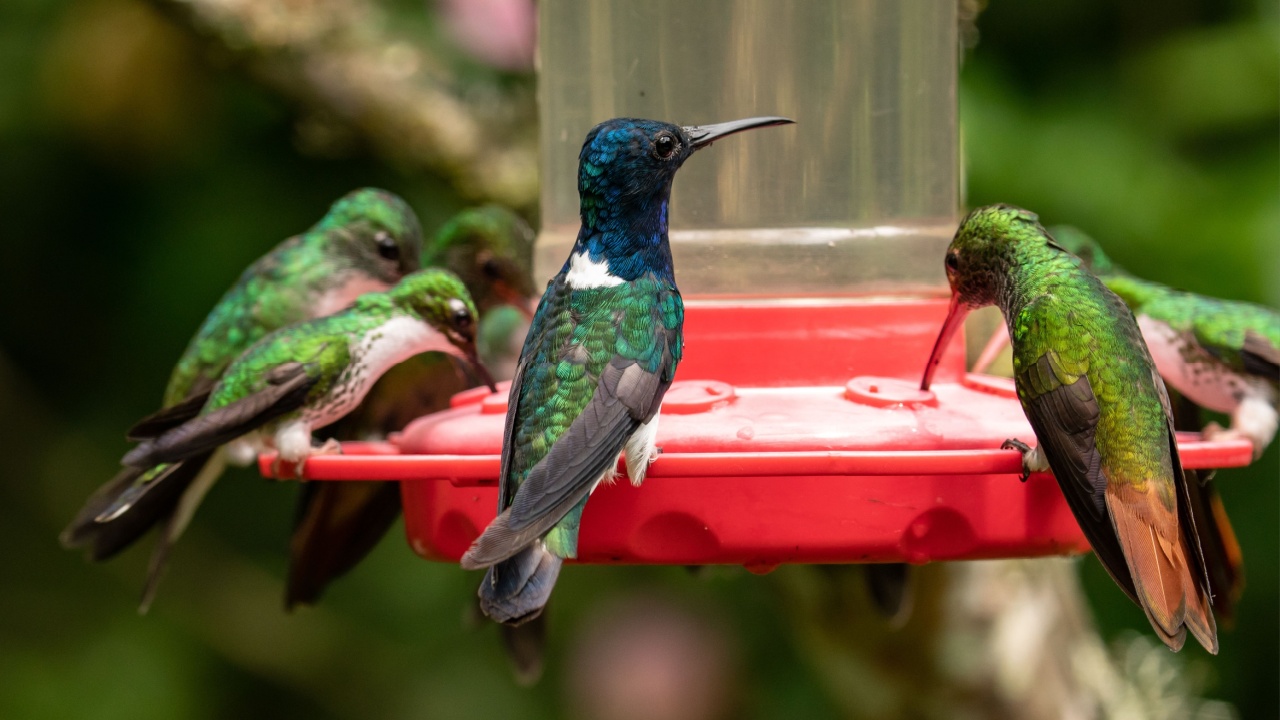
Ammonia is a powerful cleaner, which is precisely why it’s a problem for bird feeders. Its strong fumes can linger long after you’ve finished cleaning, irritating the sensitive respiratory systems of birds. Even small, residual amounts can be harmful, so it’s best to leave this chemical under the sink when it’s time to scrub the feeder.
Instead of relying on such harsh chemicals, a simple, bird-safe solution is much more effective. The goal is to remove grime and germs without introducing new dangers. Keeping birds safe means being mindful of every substance that comes into contact with their dining space, and ammonia is one chemical that fails the safety test.
2. Undiluted Bleach
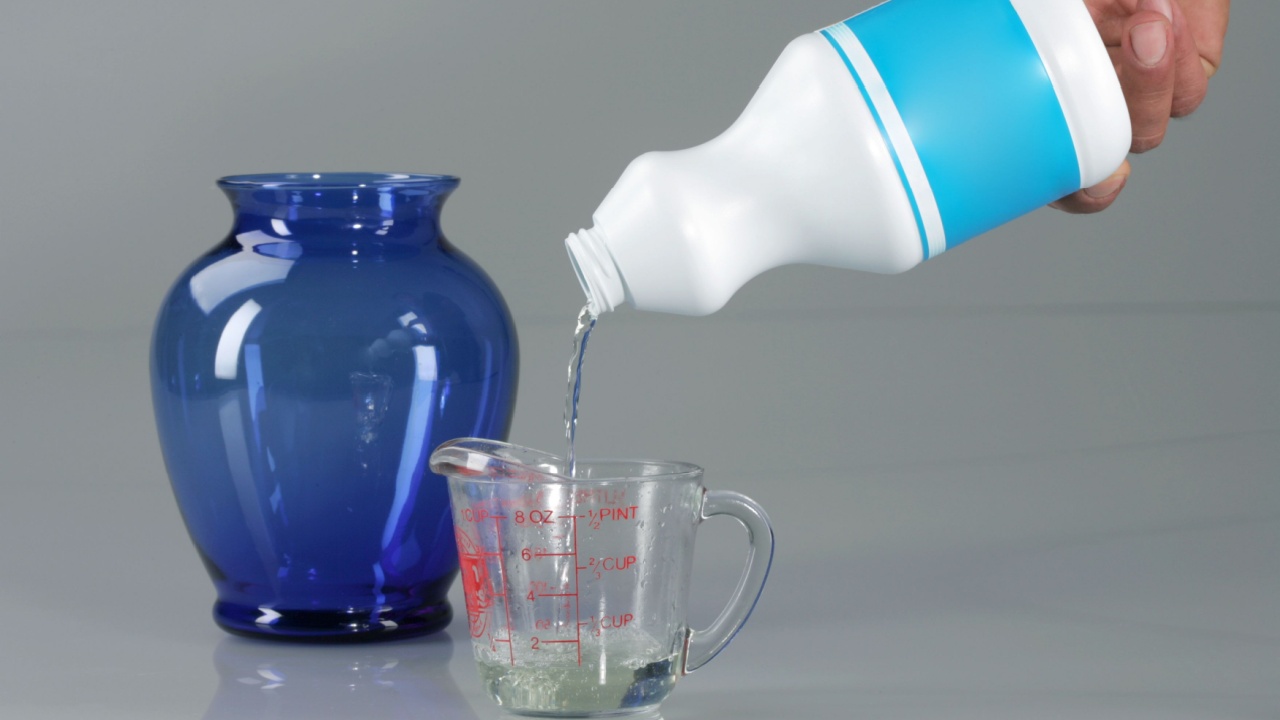
Using bleach straight from the bottle is a common cleaning mistake. Full-strength bleach is incredibly corrosive and can damage plastic, metal, and wooden feeders. More importantly, it is highly toxic to birds if they ingest it. Even if you rinse the feeder thoroughly, you risk leaving behind a dangerous residue that could contaminate the seed.
A heavily diluted bleach solution, on the other hand, can be a safe and effective disinfectant. The standard recommendation is a ratio of one part bleach to nine parts water. After soaking the feeder in this solution for about 10 minutes, a thorough rinse with fresh water and complete air drying will eliminate germs without leaving behind a toxic legacy.
3. Detergent and Soap
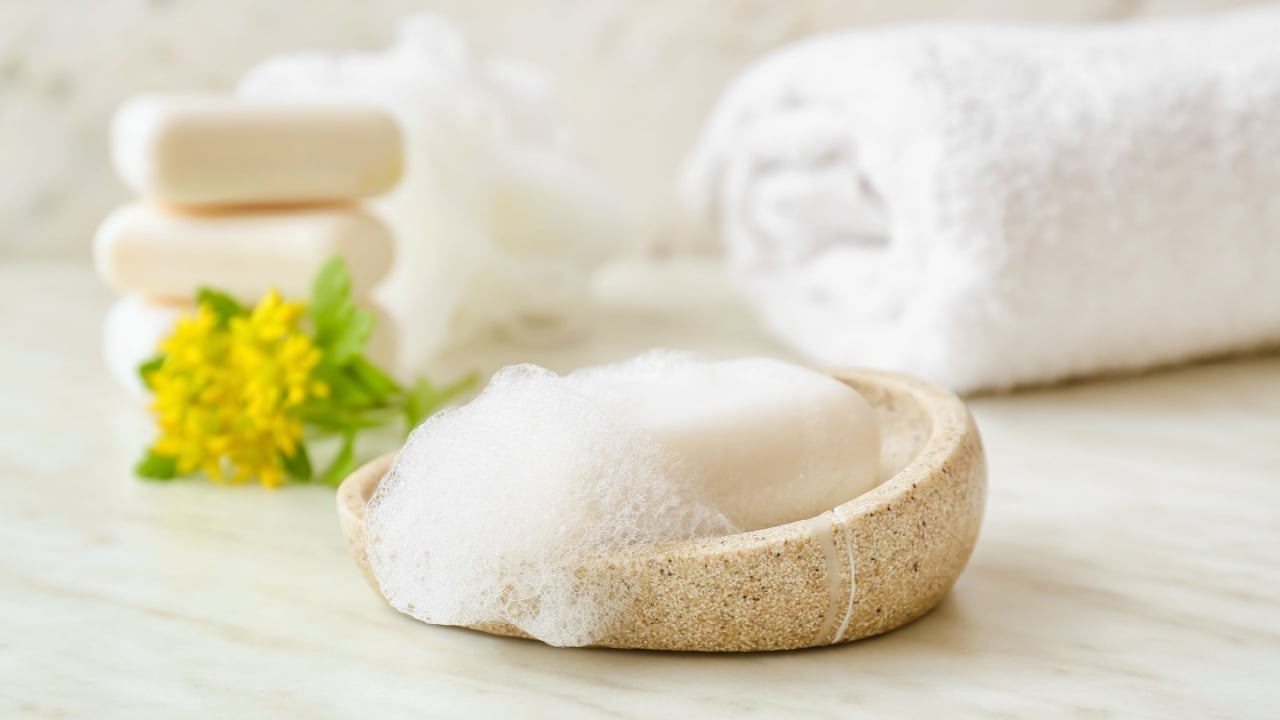
Dish soaps and detergents, especially those with strong fragrances or degreasing agents, can leave behind residues that are harmful to birds. Birds can ingest these chemicals, which can interfere with the natural oils on their feathers. This oil is essential for waterproofing and insulation, so any damage can leave them vulnerable to cold and wet conditions.
If you must use soap for tough, caked-on messes, opt for a mild, unscented variety like a basic castile soap. Use it sparingly and follow up with an extremely thorough rinse to wash away every last bubble. An even better approach for most cleaning jobs is to skip the soap altogether and rely on hot water and vigorous scrubbing.
4. Disinfectant Wipes

While convenient for a quick kitchen counter cleanup, pre-moistened disinfectant wipes are not suitable for bird feeders. These wipes are saturated with chemicals designed to linger on surfaces to kill germs. This lingering residue is exactly what you want to avoid in an area where birds will be eating.
The chemicals in these wipes can be toxic if ingested, and there is no practical way to rinse them off a surface completely. The convenience is not worth the risk to your backyard birds’ health. Stick to cleaning methods that allow for a complete rinse, ensuring no harmful substances remain.
Smart Cleaning Practices
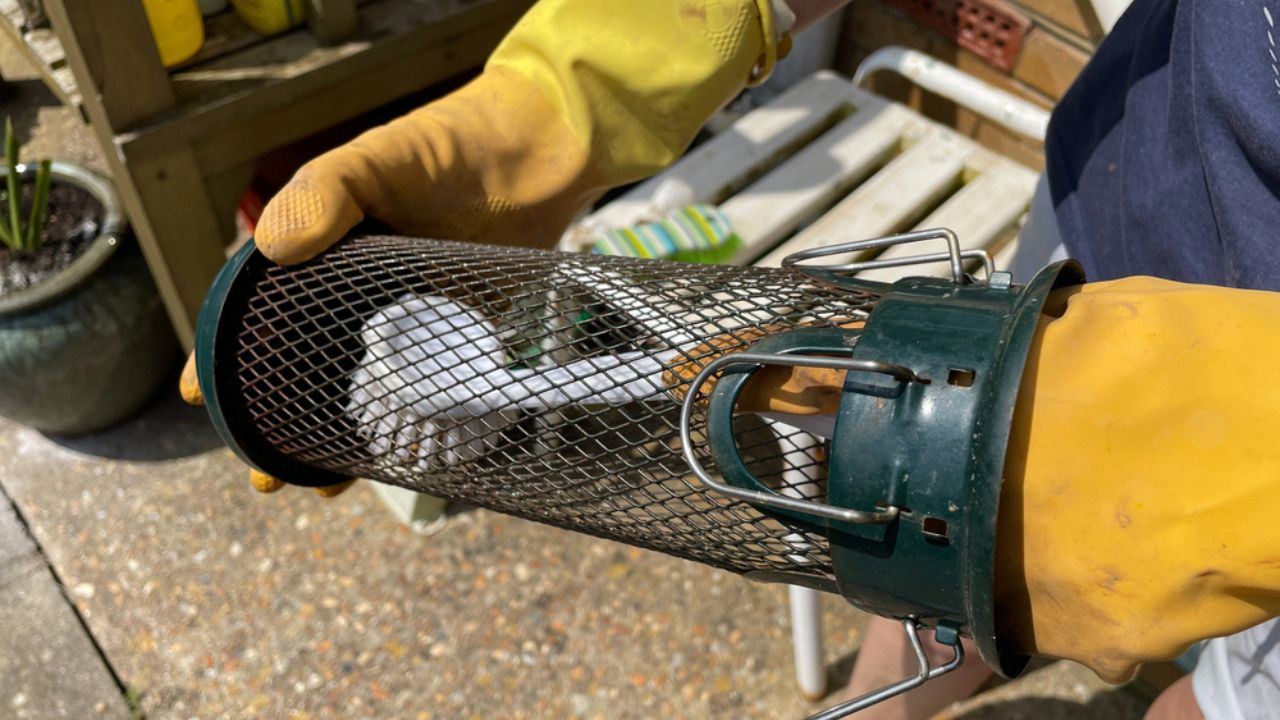
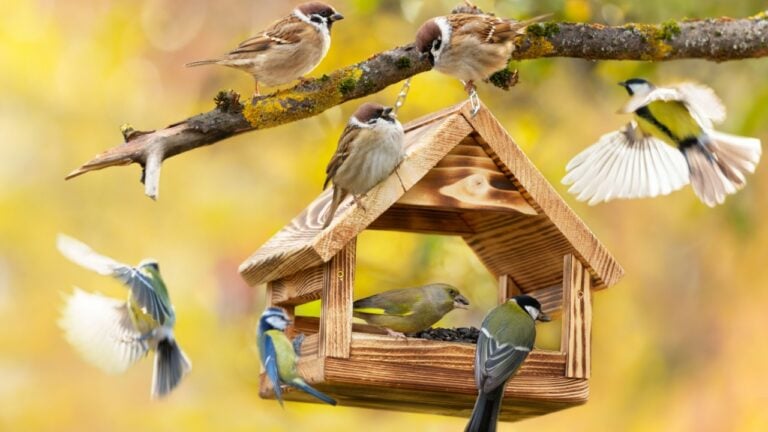
Think of your feeder as a tiny neighborhood diner. When it’s clean, customers flock in, and nobody gets sick from last week’s leftovers. Regularly cleaning your bird feeder protects birds. For regular maintenance, grab a sturdy brush and some hot water to scrub away debris.
When your feeder starts looking a little rough around the edges, a soak in a mix of one part distilled white vinegar to two parts water, or a very diluted bleach solution, will tackle stubborn grime. Scrub off anything clinging for dear life, rinse thoroughly, and let everything dry completely in the sun.