Celebrating Women Scientists Who Changed How We Garden
Gardening as we know it today didn’t evolve by accident. Many of the practices that we take for granted, like organic methods, ecological planting, and even how we observe plants, were shaped by women whose scientific work throughout history quietly transformed our understanding of the natural world.
Women scientists have been studying plant systems, soil health, and ecosystems with rigor and care for centuries. Luckily for us, their research didn’t just stay in laboratories or books—it filtered directly into home gardens, farms, and public landscapes.
In honor of International Day for Women & Girls in Science, it’s worth honoring and recognizing these contributions of women scientists throughout history.
Seeing Plants as Living Systems
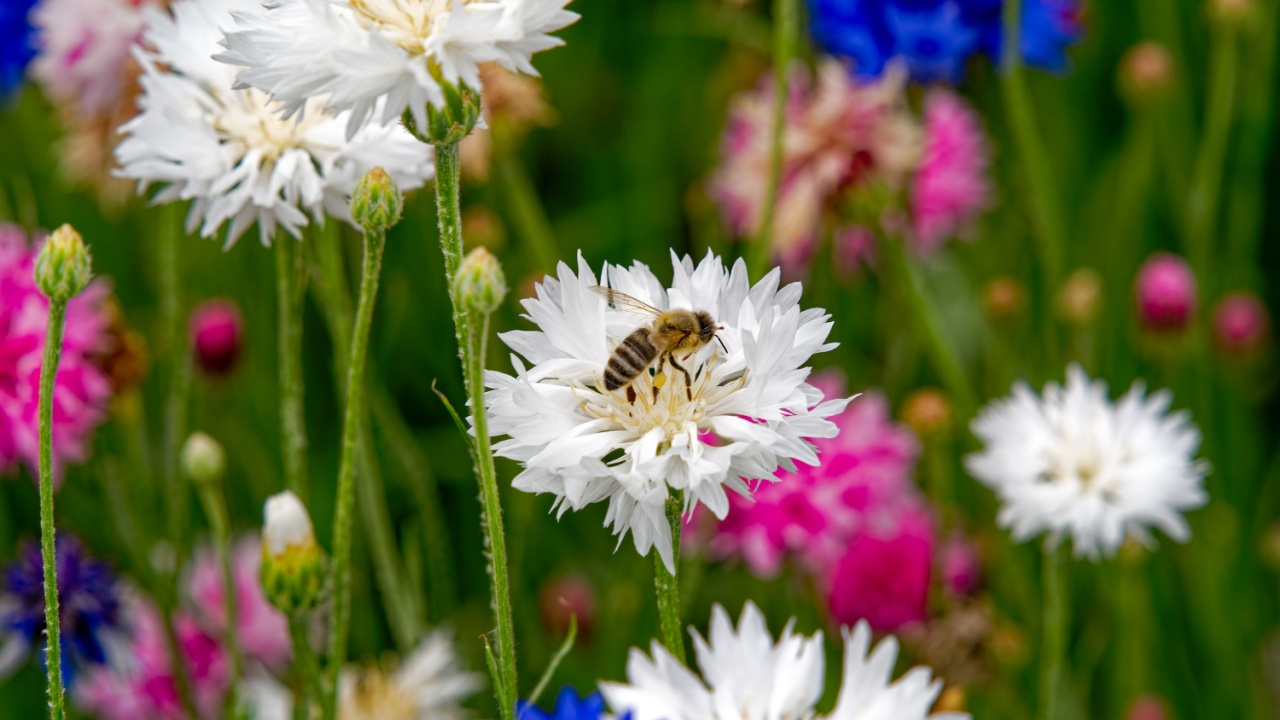
In the 17th century, Maria Sibylla Merian revolutionized how we understand plant–insect relationships. By documenting insects alongside their host plants, she revealed that gardens are ecosystems, not collections of isolated specimens. One historian later noted that Merian showed nature as “interconnected and dynamic, not decorative.”
That same systems-based thinking echoes today in modern-day approaches to companion planting, pollinator gardens, and biodiversity-focused design.
Rethinking Chemicals and Control

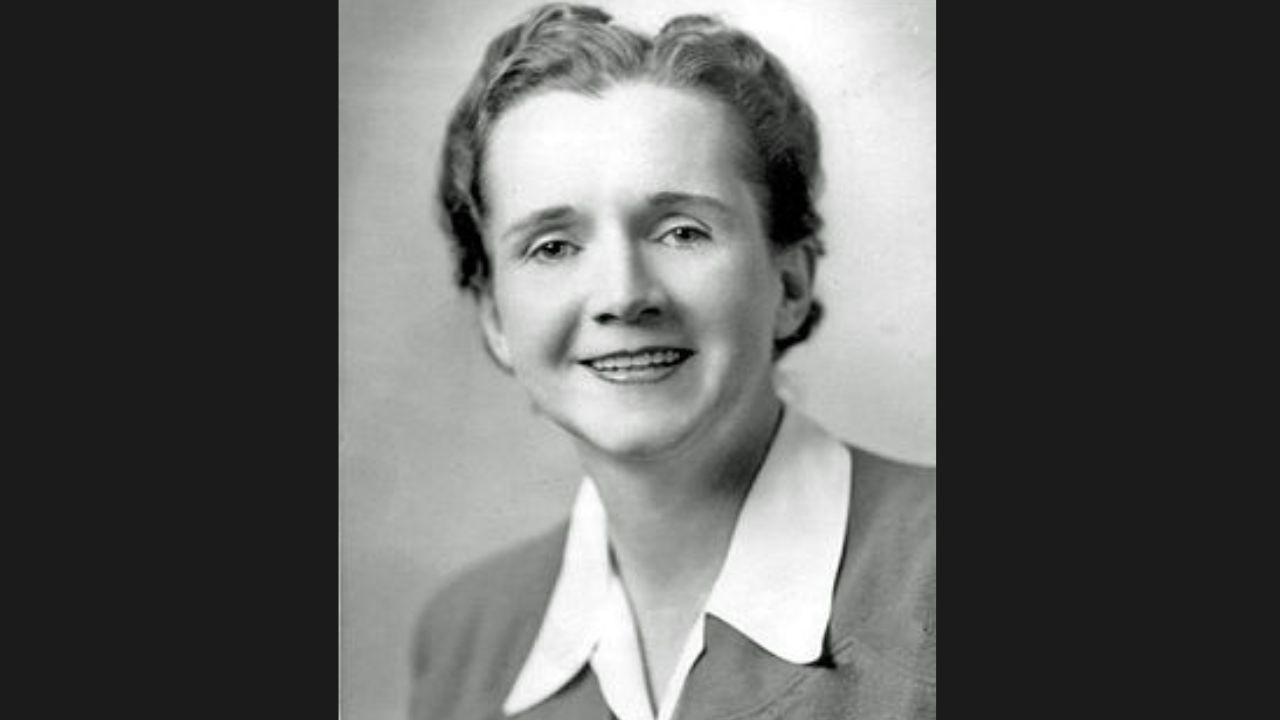
No single book changed modern gardening more than Silent Spring. Rachel Carson’s meticulous research in the 1950s exposed how pesticides disrupted entire food webs, from soil organisms to birds. As Carson wrote, “Nothing exists alone,” a line that still guides how we approach organic and regenerative gardening today.
Carson’s work didn’t tell gardeners to abandon science, but rather urged them to use better science and apply that thinking to their local ecosystems.
Advancing Plant Science from the Inside

Some breakthroughs came at the cellular level. Barbara McClintock’s discovery of “jumping genes” transformed plant genetics in the 1940s, revealing that plants adapt in far more complex ways than previously believed. Her work reshaped plant breeding programs and deepened our understanding of plant resilience.
Meanwhile, Janaki Ammal used cytogenetics to develop hardier sugarcane varieties suited to local climates, which was an early example of regionally adapted planting that modern gardeners now prioritize.
Science Meets Observation and Design

Not all scientific contributions wore lab coats. Beatrix Potter, best known for her children’s books, conducted serious mycological research, producing detailed fungal studies that scientists later validated. Her work reinforced the importance of close observation, which is still a gardener’s most powerful tool today.
Gertrude Jekyll blended horticultural science with color theory and plant ecology, proving that beauty and science belong together. She believed gardens should be designed “in harmony with nature,” a philosophy that underpins today’s naturalistic landscape architecture planting styles.
A Living Legacy
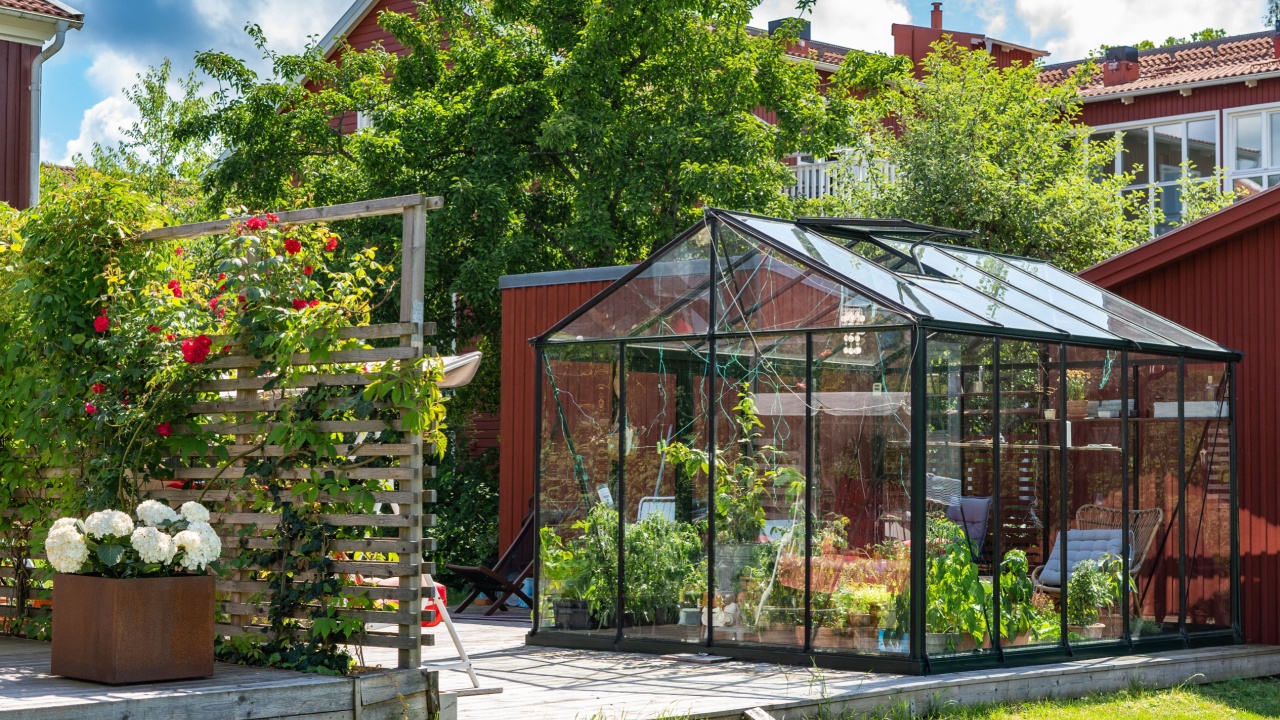
Modern gardening values, such as working with nature, observing before intervening, and choosing plants for the correct place, are not trends. These approaches to gardening represent the legacy of women who asked better questions and trusted evidence over convention throughout history.
The women scientists who changed how we garden didn’t just influence our knowledge of plants; they reshaped our relationship with the land. Their work reminds us that thoughtful gardening is both an act of science and stewardship, and that progress often begins with curiosity, patience, and the courage to look closer.