7 Plants That Symbolize Love (And How to Grow Them)
Store-bought bouquets are great, but growing your own flowers takes things to a whole new level. It shows a kind of commitment and patience that a quick trip to the florist can’t match. Getting your hands dirty to nurture something until it blooms turns a simple gift into a real, living testament of how much you care.
Whether you’re looking to fill your (future spring) garden with good vibes or want to surprise your partner with a homegrown harvest, these plants carry a deep meaning. Here are seven plants that symbolize love and everything you need to know to help them thrive.
Note: It is likely too cold out to plant and nurture these outdoors, but who says you can’t start planning now for spring? You can look into buying seeds or a plant online or at a nursery as a starting point and to have something to offer on Valentine’s Day this week.
1. Red Roses

History, mythology, and literature all agree on one thing: the red rose is the definitive icon of romantic love. Ancient Greeks associated it with Aphrodite, the goddess of love, and Victorian suitors used it to declare passion without saying a word. A red rose bush in your garden serves as a bold statement of true love and enduring romance.
Growing roses is easier than it looks if you follow these quick tips:
- Ensure at least six hours of direct sun daily.
- Mix in plenty of organic compost to keep these “hungry” plants fed.
- Water at the base to keep foliage dry and prevent disease.
- Deadhead old blooms regularly to keep new flowers coming.
2. Peonies
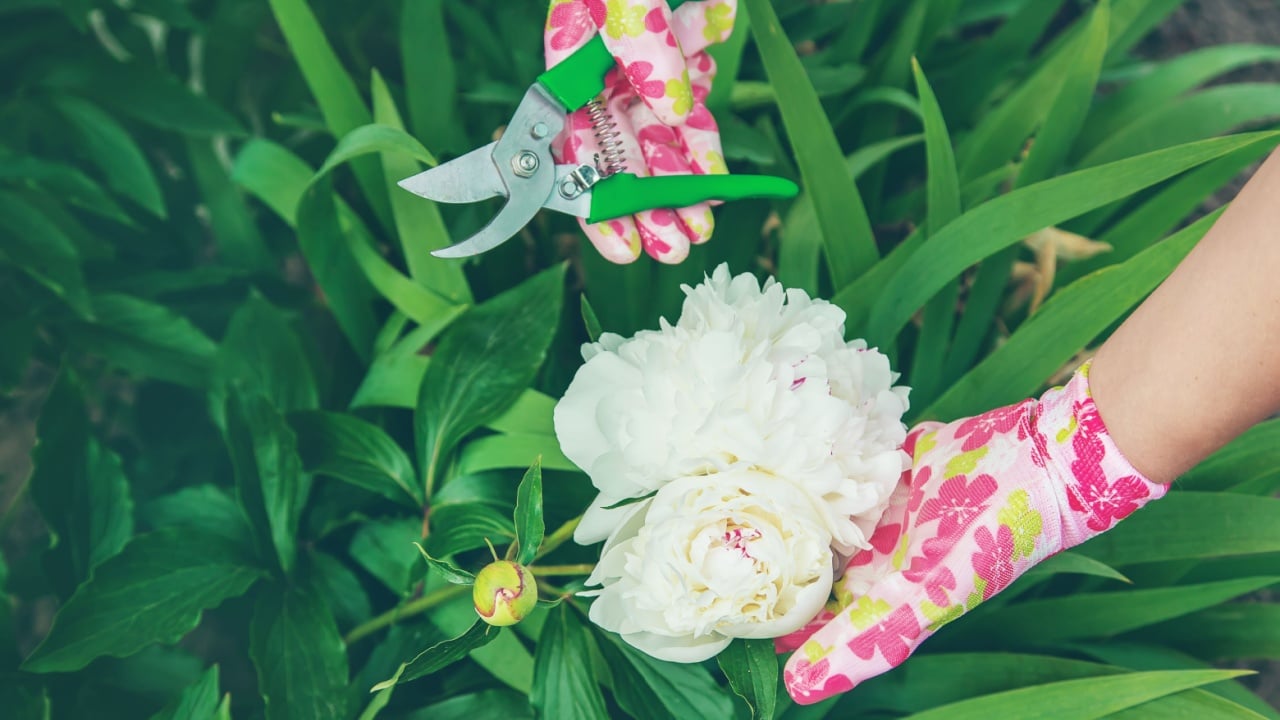
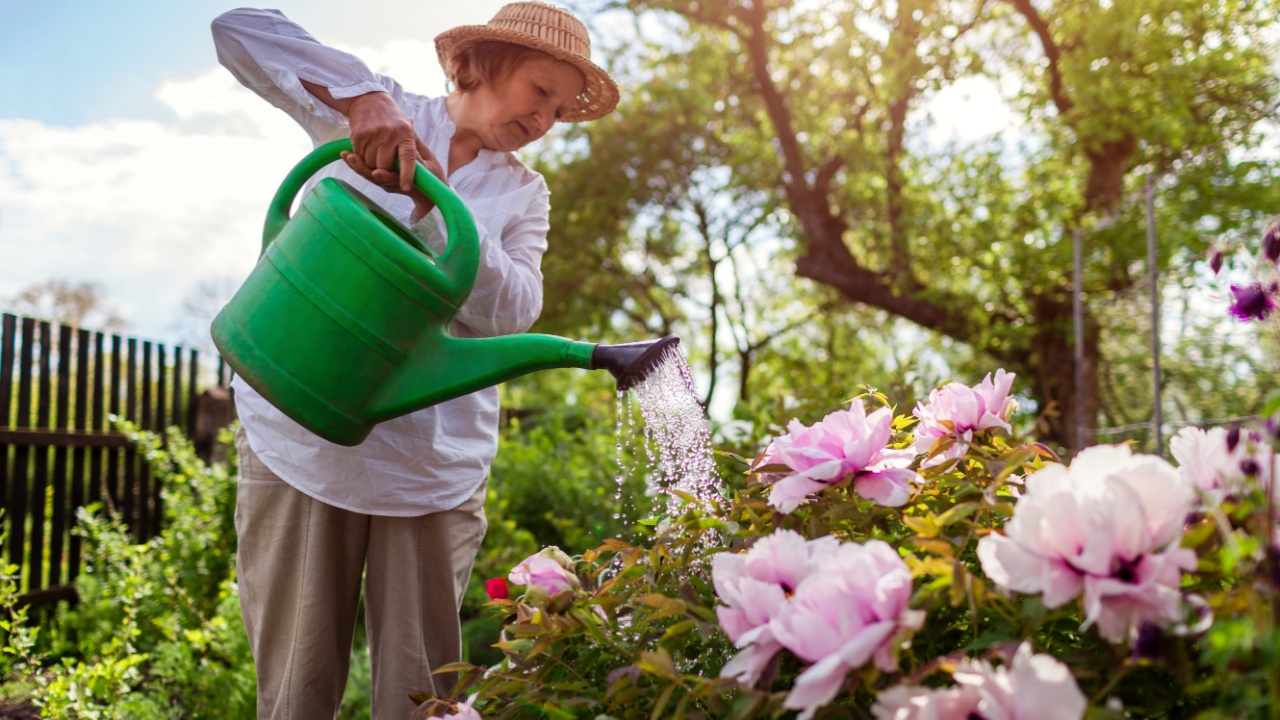
With their lush, full heads and sweet fragrance, peonies are often called the ultimate symbol of romance. They represent a happy marriage, good fortune, and compassion. These perennials are known for their longevity and can live for decades with proper care. Planting one is a long-term investment in beauty, much like a committed relationship.
Quick Tips:
- Choose a permanent spot for your peonies, as they don’t like to be moved.
- Plant in a location that receives full sun and has well-draining soil.
- When planting bare-root peonies, ensure the “eyes” (small red buds) are no more than two inches below the soil. If planted too deep, you’ll get leaves but no flowers.
- Be patient; it can take a few years for them to establish and bloom.
3. Sunflowers
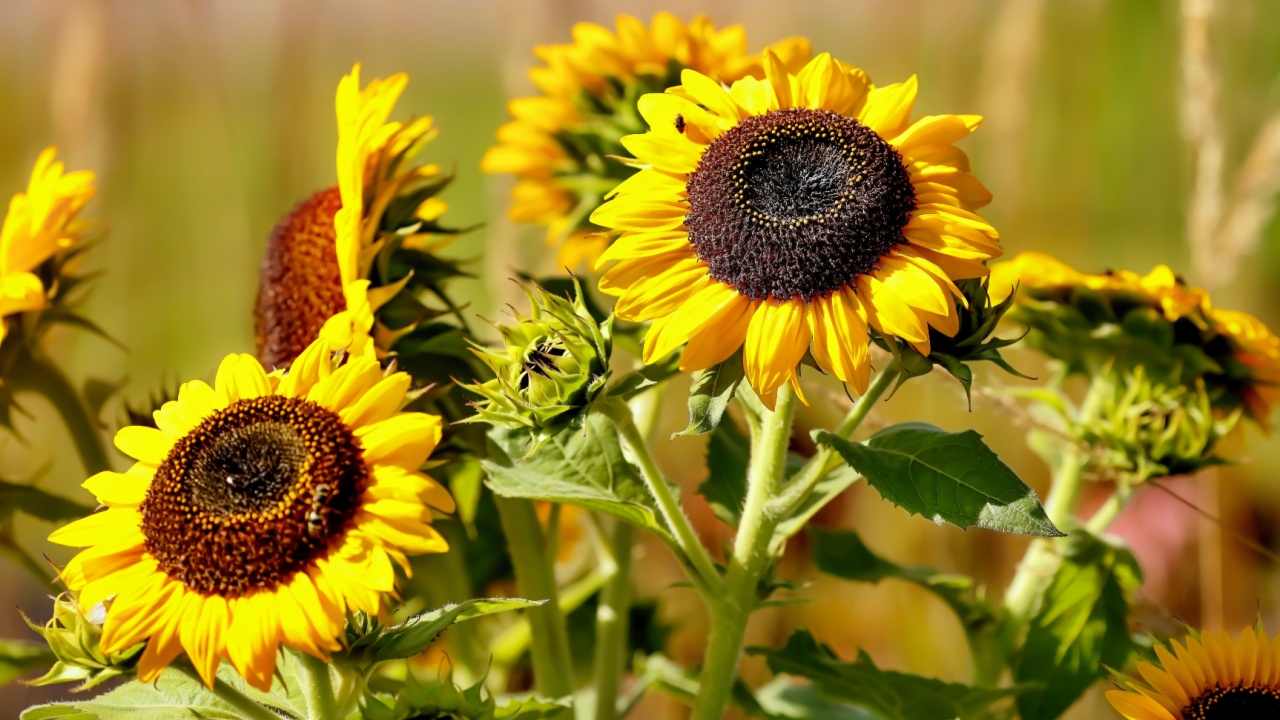
Sunflowers represent adoration and loyalty. Their habit of tracking the sun across the sky mirrors the way a devoted partner’s attention remains fixed on their loved one. In the language of flowers, they signify pure, lofty thoughts and dedicated love. Their bright, open faces bring immediate joy and warmth to any space.
Quick Tips:
- Sow seeds directly into the garden after frost.
- Requires full sun (6–8 hours daily).
- Grows in any soil but prefers well-drained conditions.
- Provide stakes for tall varieties to prevent wind damage.
- Drought-tolerant once established; low maintenance.
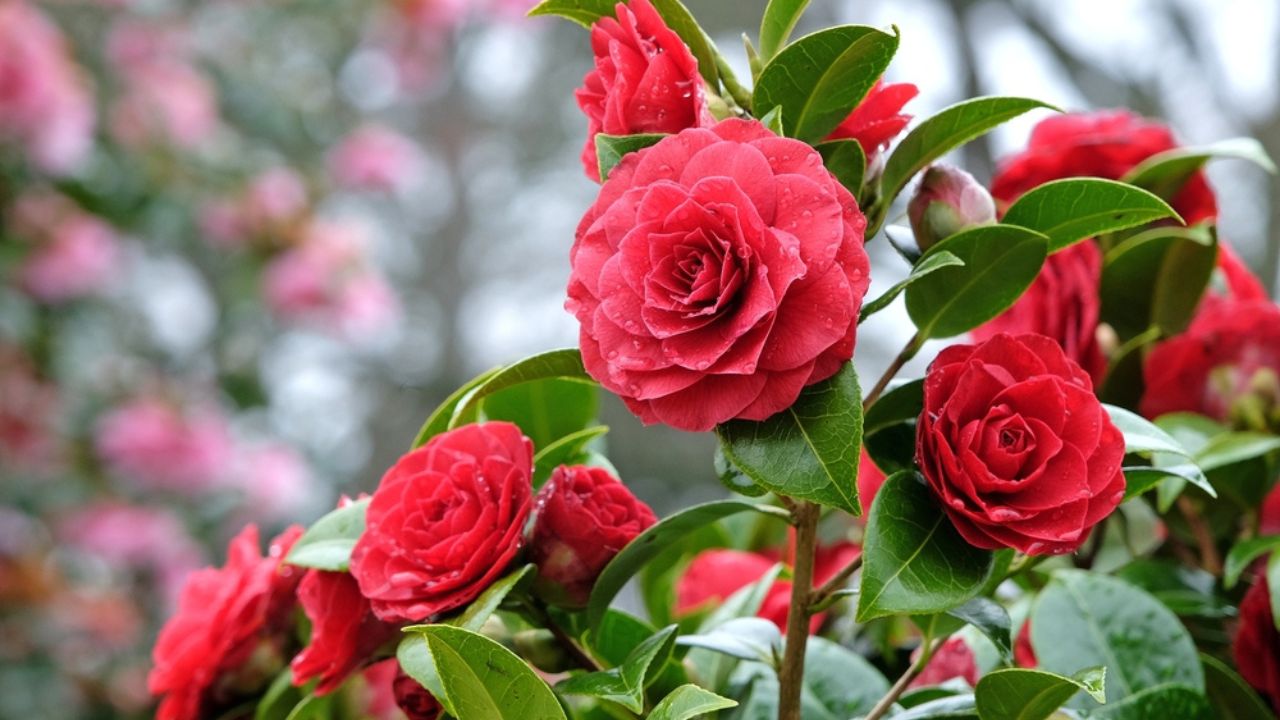
4. Red Camellias
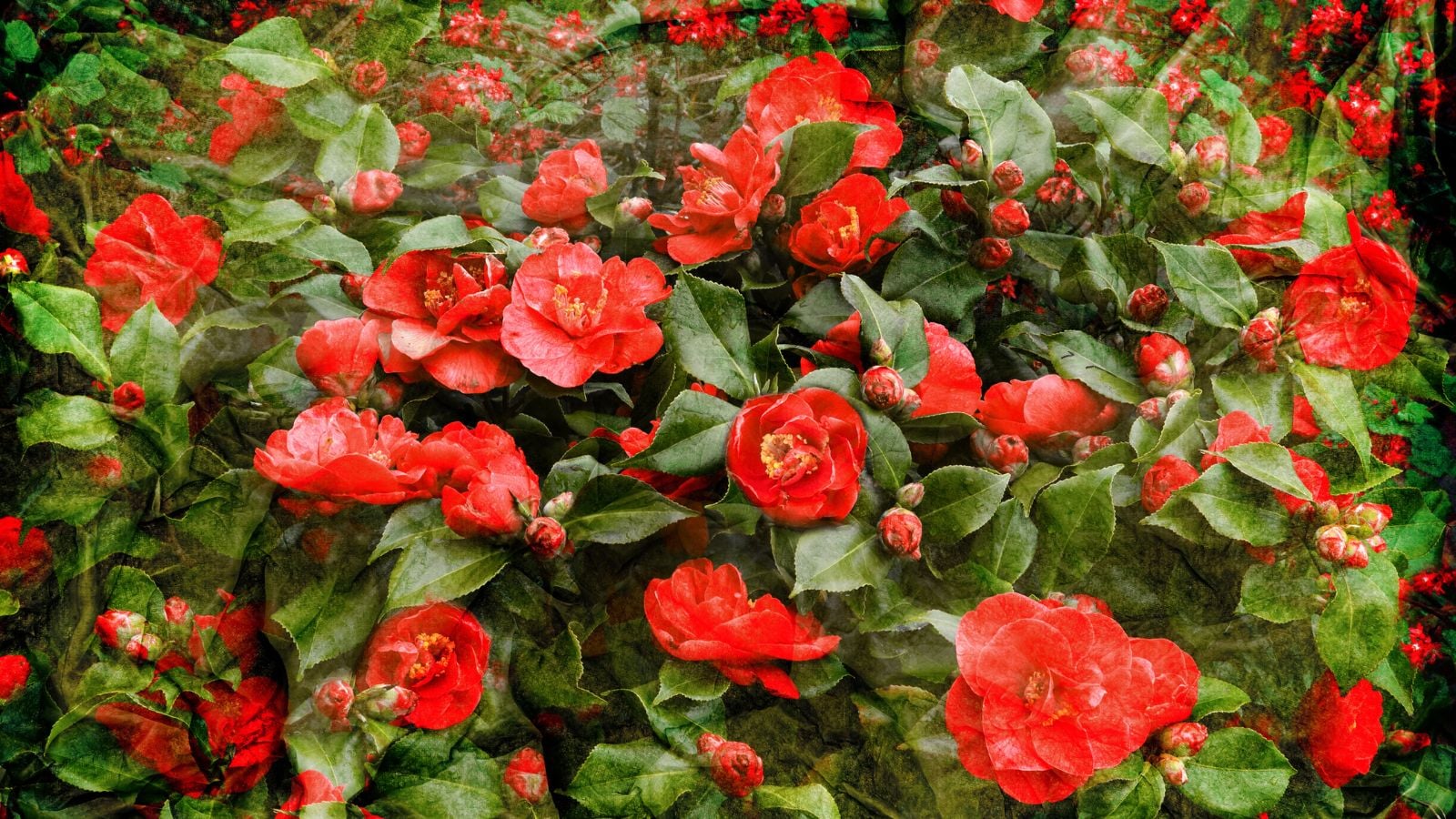
For those in cooler climates or with shady gardens, the red camellia is a perfect choice. This winter-blooming shrub symbolizes deep love, longing, and admiration. In some cultures, the way the petals fall away with the calyx signifies eternal union. It is a subtle yet powerful representation of a love that endures through separation or difficulty.
Quick Tips:
- Camellias love partial shade and acidic, well-draining soil.
- For heavy clay or alkaline soil, use pots with an azalea-specific potting mix.
- Mulch around the base to keep roots cool and moist.
- Plant with the top of the root ball slightly above the soil to ensure good airflow.
5. Forget-Me-Nots

As the name implies, these tiny blue blooms symbolize true love and memories. Legend says they were given as a sign of devotion and a promise that the recipient would always remain in the giver’s thoughts. They are excellent for expressing a connection that time and distance cannot diminish.
Quick Tips:
- Grow as ground cover in damp, shady areas.
- Start from seed in late summer for blooms the following spring.
- They self-seed easily. To prevent them from spreading too much, deadhead flowers before they go to seed.
- Keep the soil consistently moist, especially during dry periods.
6. Jasmine
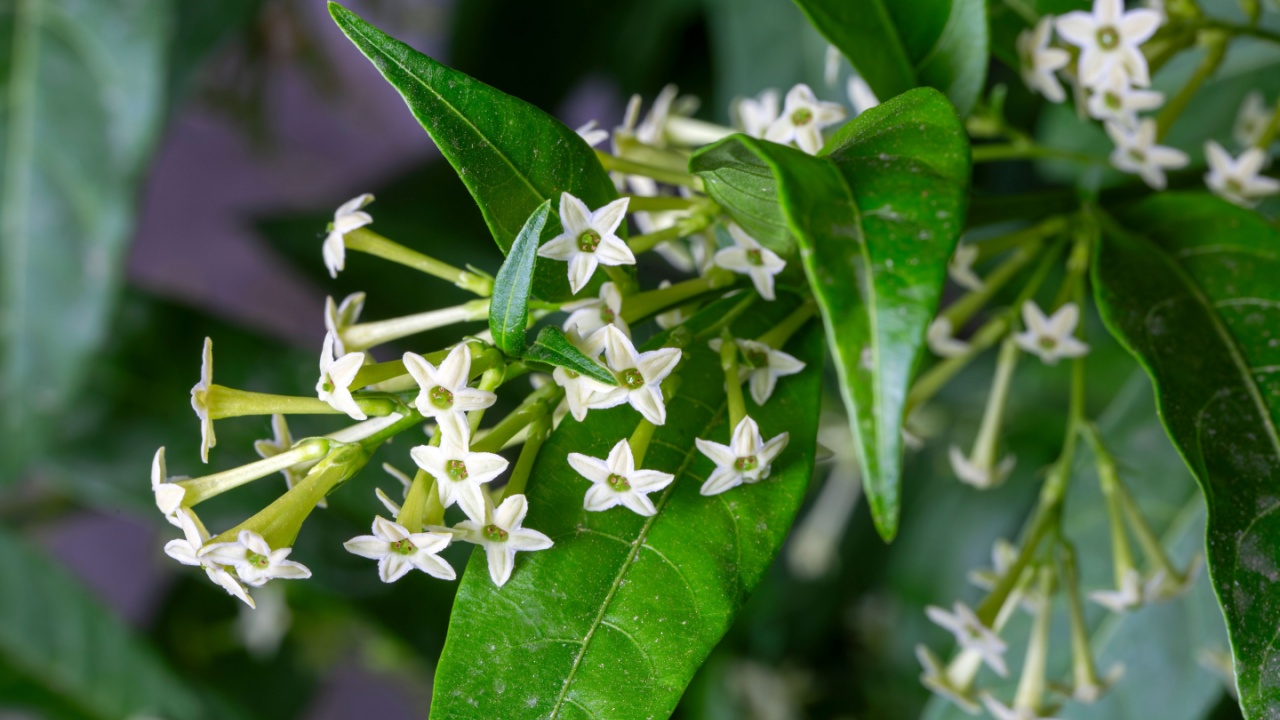
Jasmine is renowned for its intoxicating fragrance and delicate white flowers. It is widely associated with attachment and romance. In many traditions, jasmine flowers adorn weddings to promise a sweet and strong bond between the couple. The scent is often used in perfumes, further cementing its connection to attraction and love.
Quick Tips:
- Most varieties are climbers and require a trellis or fence.
- Choose a warm, sunny location with fertile, well-draining soil.
- This prevents the vine from becoming unruly and encourages more flowers.
- In cold climates, grow jasmine in containers and move them to a sunny indoor spot during winter.
Start Your Romantic Garden
Cultivating these plants adds a layer of meaning to your outdoor space that goes beyond aesthetics. Before grabbing your trowel, check your local USDA hardiness zone to confirm which of these botanical symbols will thrive in your specific climate.
Select one or two varieties to start with and expand your collection as you gain confidence. Your garden will soon serve as a living, blooming tribute to the love you cherish.