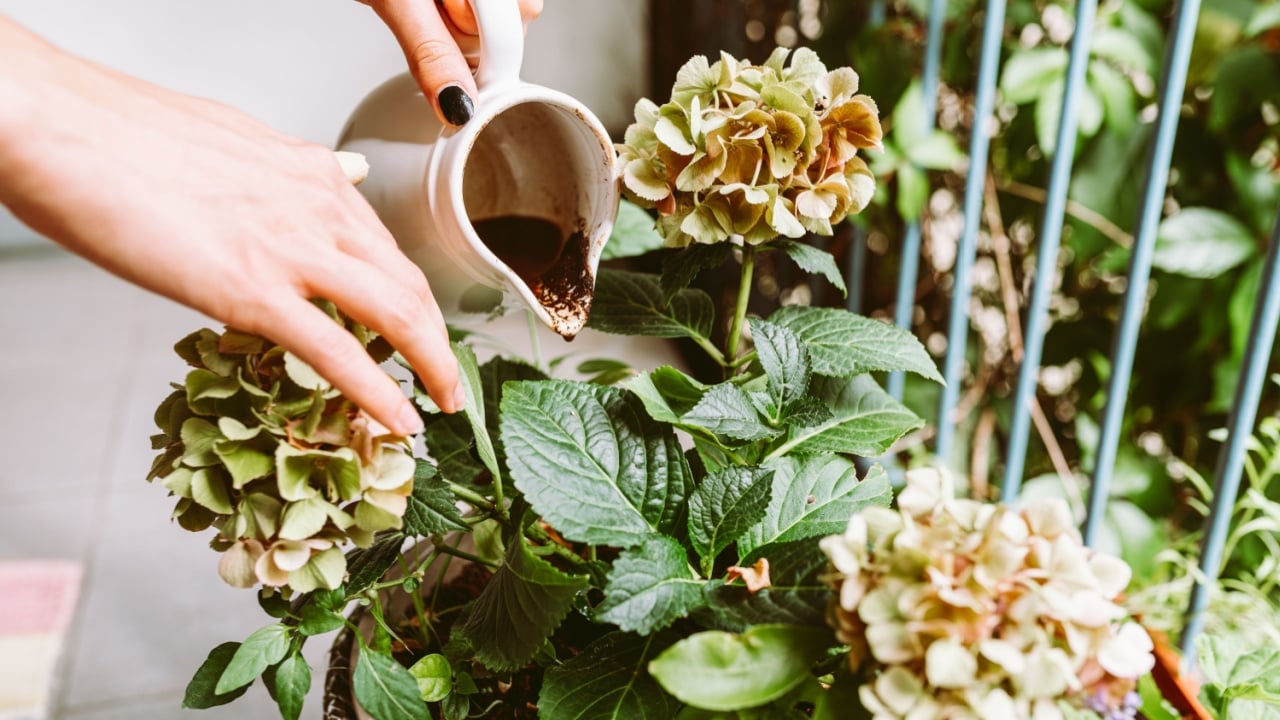
Stop Throwing Money Away: 14 Household Items You Should Repurpose
Before you toss that empty jam jar or those used coffee grounds, take a moment. What you see as trash could be treasure in disguise. Your home is full of single-use items destined for the landfill, but with a little imagination, you can transform these items into something new and useful.
Repurposing is a creative way to save money and add a personal touch to your space. It’s about seeing the potential in the mundane and rethinking what it means to throw something “away.”
Ready to turn your trash into treasure? Here are fourteen household items you can start repurposing today.
1. Glass Pasta Sauce and Jam Jars
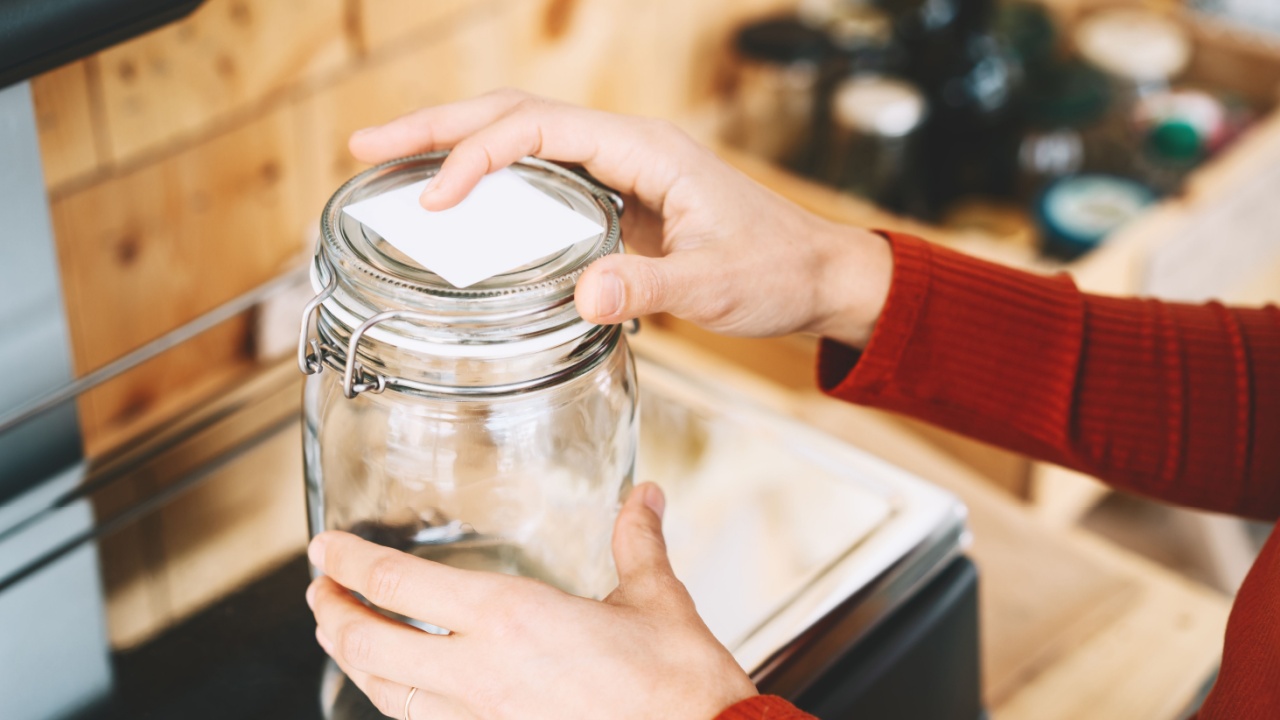
Glass is an incredibly durable material that often ends up in the recycling bin after a single use. Instead of purchasing expensive mason jars or plastic tupperware, clean out empty pasta sauce, pickle, or jam jars for high-quality food storage.
Glass is non-porous, meaning it will not absorb odors or stains like plastic containers often do. These jars are ideal for storing bulk pantry staples like rice, lentils, and nuts, or for taking salad dressings and oats to work. To remove stubborn labels and glue, soak the jar in hot, soapy water with baking soda and a splash of cooking oil.
2. Used Coffee Grounds
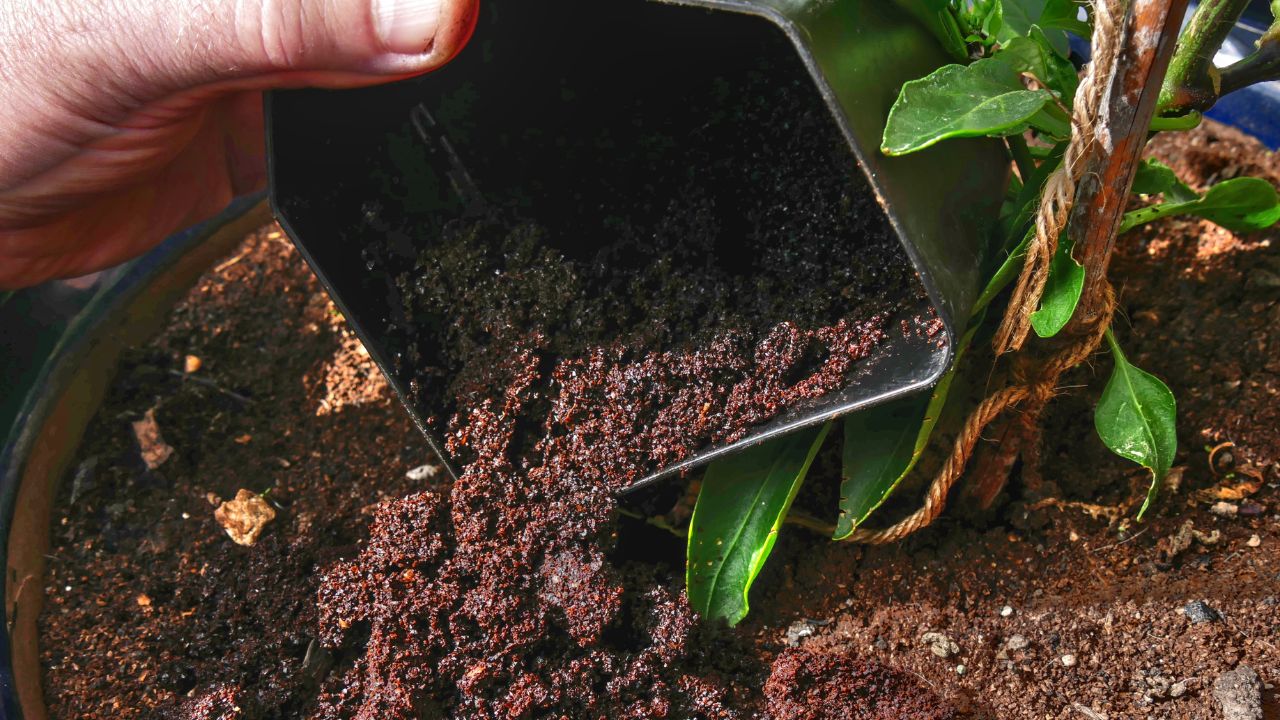
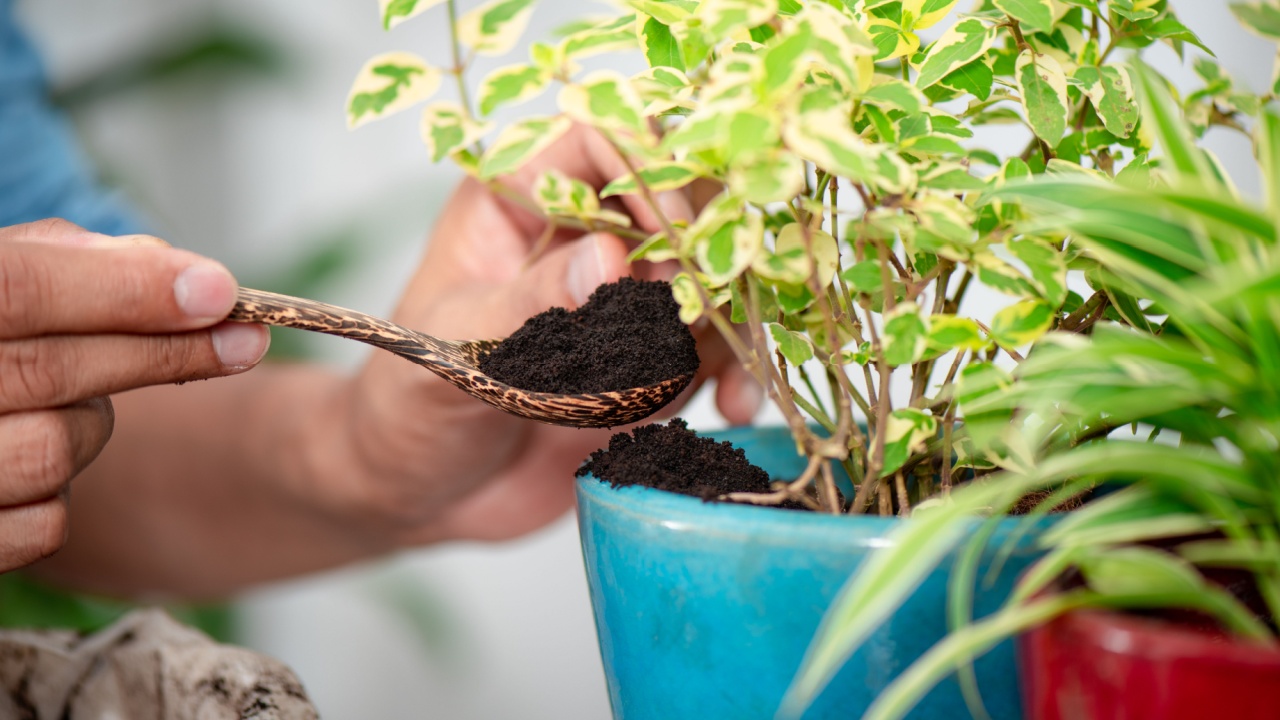
Most people toss their wet coffee grounds without realizing they’re throwing away a goldmine of nutrients. Since they’re packed with nitrogen, they make an amazing fertilizer for acid-loving plants like blueberries and hydrangeas.
Don’t have a garden? You can also use the coarse texture as a natural exfoliant. Just mix the grounds with a little coconut oil for a DIY body scrub that works just as well as the expensive stuff from the store.
3. Worn-Out Cotton T-Shirts
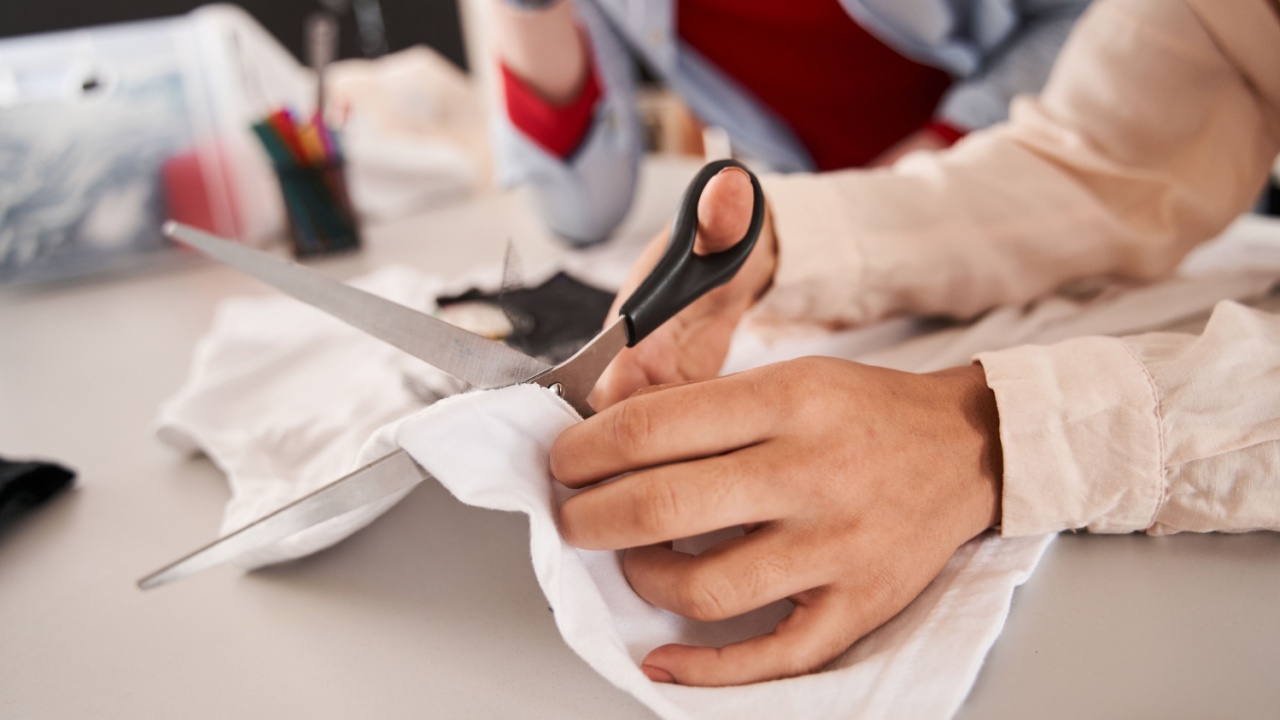
Stop wasting money on paper towels! When your favorite cotton tees get too stained or stretched to wear, they actually make the perfect cleaning rags. Cotton is super absorbent and lint-free, so it’s way better than paper for dusting or polishing mirrors.
Grab a pair of scissors and cut them into squares for wiping down counters or cleaning up spills. If you’re feeling extra creative, you can even cut them into long strips to make “t-shirt yarn” for DIY coasters or bath mats. It’s a great way to save cash and keep waste out of the landfill.
4. Paper Egg Cartons
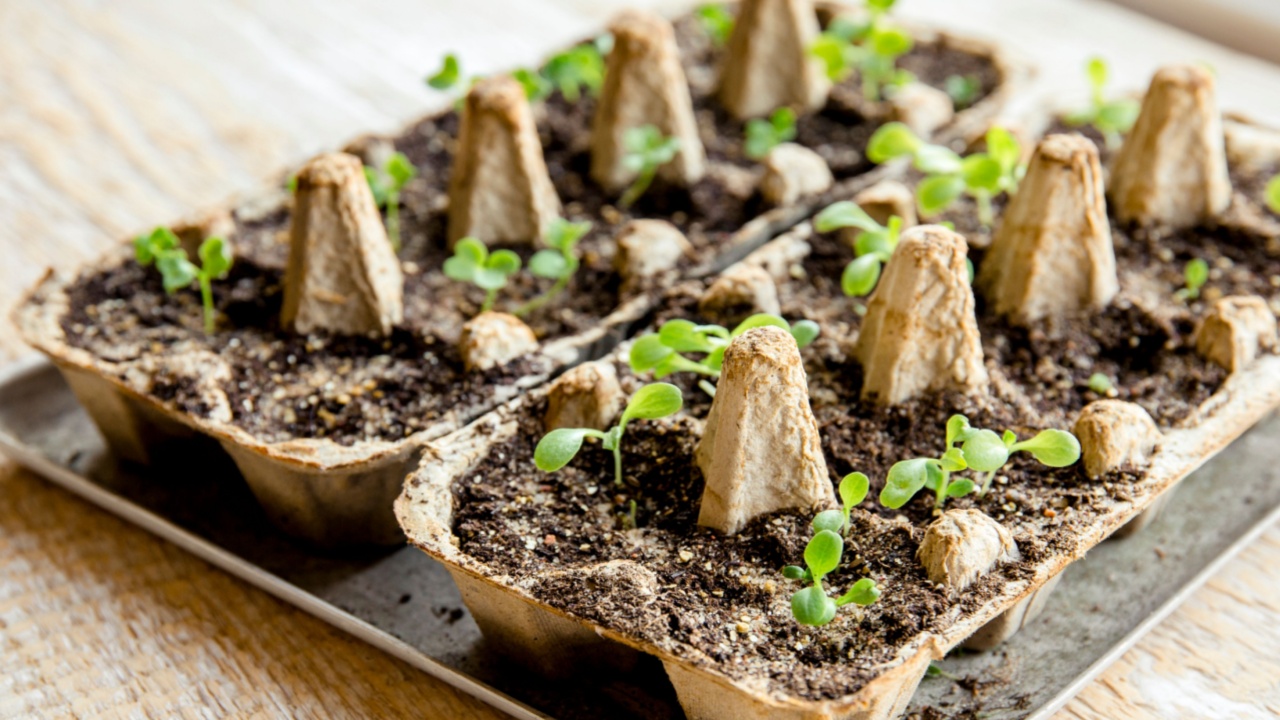
Paper egg cartons are great for gardening! Their biodegradable material makes them perfect starter pots for seedlings. Just fill each cup with soil and seeds, and when the plants are ready, you can plant the cups straight into the ground.
The cardboard breaks down naturally, letting roots grow without the stress of transplanting. It’s an easy, eco-friendly alternative to plastic pots that gives your garden a great start!
5. Plastic Bread Clips

Those small, flat plastic tags that keep bread bags closed are surprisingly durable and useful for organization. One of the most practical uses involves cable management. In an era where entertainment centers and desks are cluttered with indistinguishable black cords, bread clips offer a labeling solution.
Write the name of the device (TV, Router, Lamp) on the clip with a permanent marker and snap it onto the corresponding cord near the plug. This simple trick eliminates the guessing game when you need to unplug a specific device.
6. Sturdy Shoe Boxes

Buying organizational bins for drawers and closets can cost a small fortune. Sturdy shoe boxes offer a free alternative that is just as effective. These boxes are excellent for compartmentalizing dresser drawers to hold socks and underwear, or for organizing cleaning supplies under the sink.
If the aesthetic of a cardboard box does not match your decor, cover the box in leftover wrapping paper, fabric, or contact paper. With a little adhesive and creativity, a Nike box transforms into a chic storage container for photos, receipts, or stationery.
7. Old Toothbrushes
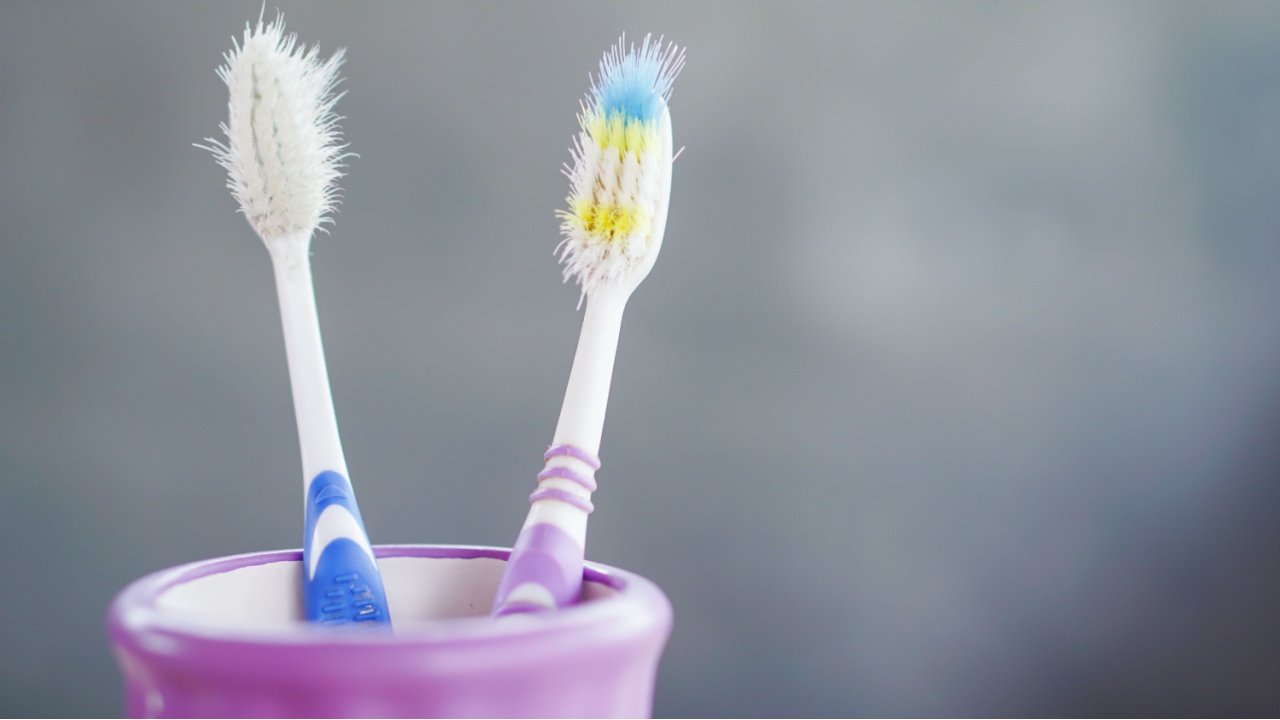
A toothbrush may no longer be effective for your teeth after three months, but its cleaning potential is far from over. The small head and firm bristles make it the perfect tool for scrubbing hard-to-reach crevices that a sponge cannot touch.
Keep a sanitized old toothbrush in your cleaning caddy for scrubbing grout lines in the shower, cleaning around sink faucets, or removing grime from sliding door tracks. They are also indispensable for detailing car interiors, specifically for getting dust out of air vents and dashboard buttons.
8. Wine Corks
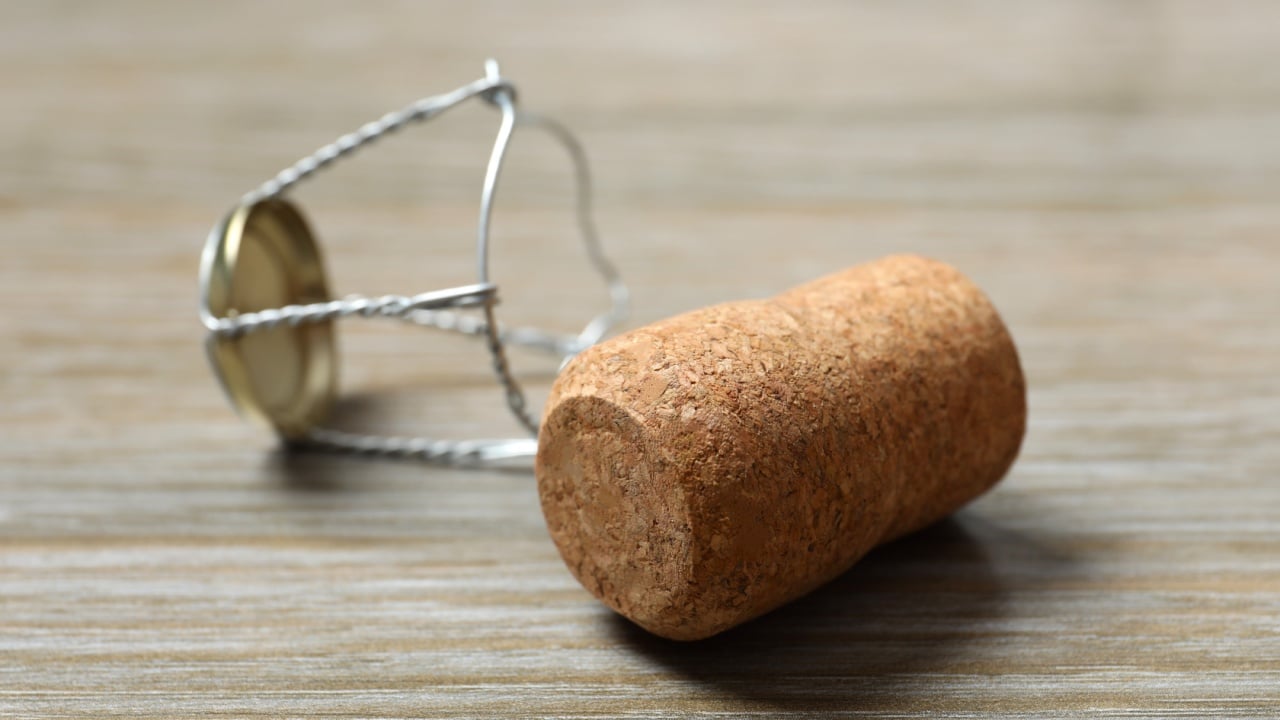
Natural cork is a versatile material that provides excellent cushioning and shock absorption. Instead of buying felt furniture pads to protect your hardwood floors, slice old wine corks into thin discs. Glue these discs to the bottom of heavy chair legs or table bases to prevent scratching and allow furniture to slide easily.
For a safer kitchen environment, you can also glue corks together to create heat-resistant trivets for hot pots and pans. This protects countertops from heat damage using materials that would otherwise serve no purpose.
9. Newspapers

While digital media has reduced the prevalence of physical newspapers, they still arrive in mailboxes and driveways. Rather than recycling them immediately, use them to achieve streak-free windows and mirrors (although test a strip before going all out, as newer printing methods may not give you the effect you want).
Unlike paper towels, which can leave a dusty residue, the texture of newsprint and the composition of the ink act as a mild abrasive that polishes glass surfaces to a high shine. Spritz the glass with a vinegar-water solution and wipe firmly with a crumpled sheet of newspaper for professional-level clarity.
10. Spent Candle Jars
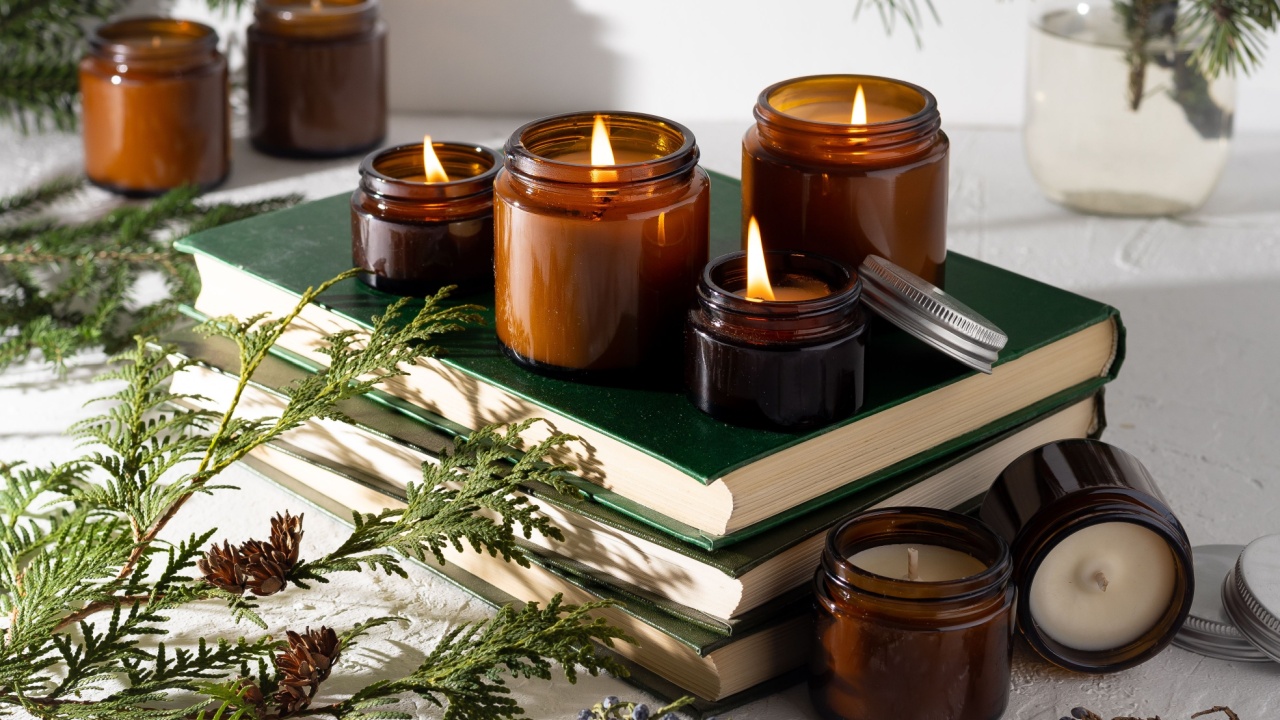
Expensive candles often come in heavy, high-quality glass vessels that are too beautiful to throw away once the wick burns down. To reclaim the jar, place it in the freezer for several hours. The cold causes the leftover wax to contract, allowing you to pop it out easily with a butter knife.
Once washed, these jars become elegant holders for cotton swabs in the bathroom, pens on a desk, or makeup brushes on a vanity. The airtight lids on some candle jars also make them suitable for storing loose-leaf tea or spices.
11. Metal Food Cans
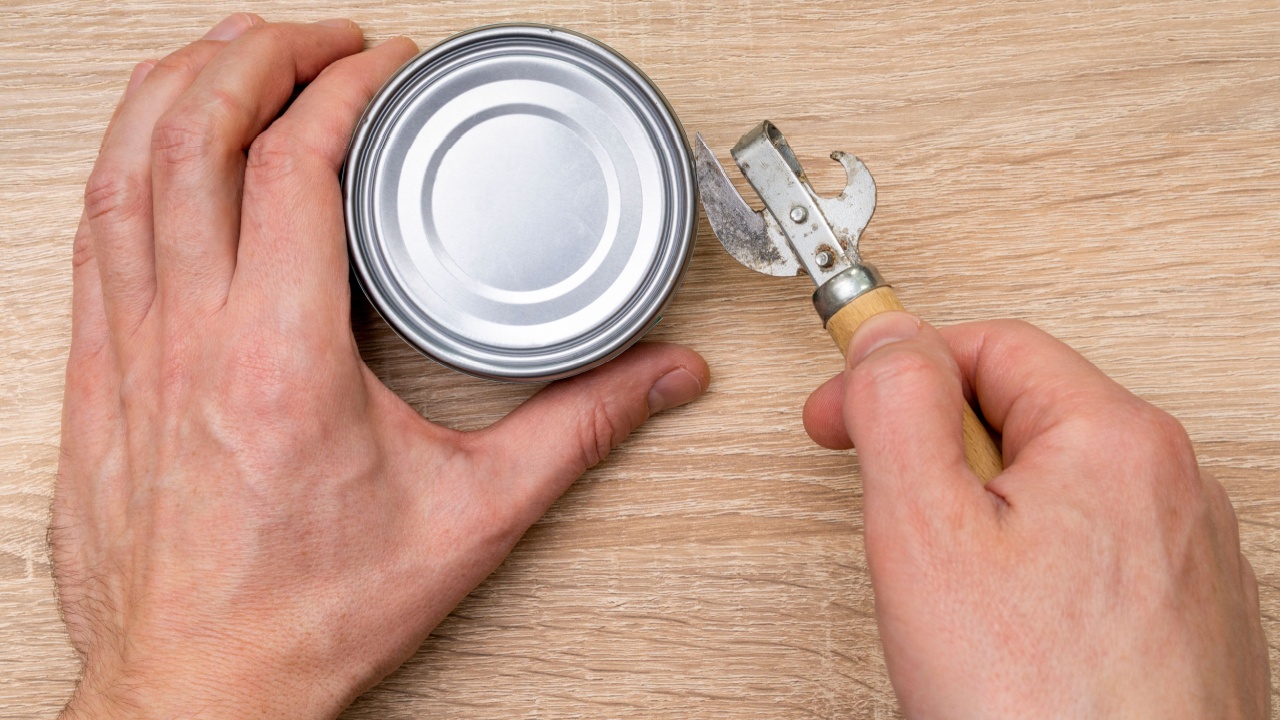
Aluminum and tin cans are incredibly sturdy and lend themselves well to industrial-style organization. After washing the can and ensuring there are no sharp edges around the rim, these containers can organize a garage workbench by holding nails, screws, and drill bits.
In the kitchen, coat them with a layer of spray paint to create matching utensil holders or herb planters for a windowsill garden. Just remember to punch a few holes in the bottom for drainage if you plan to use them for live plants.
12. Bubble Wrap
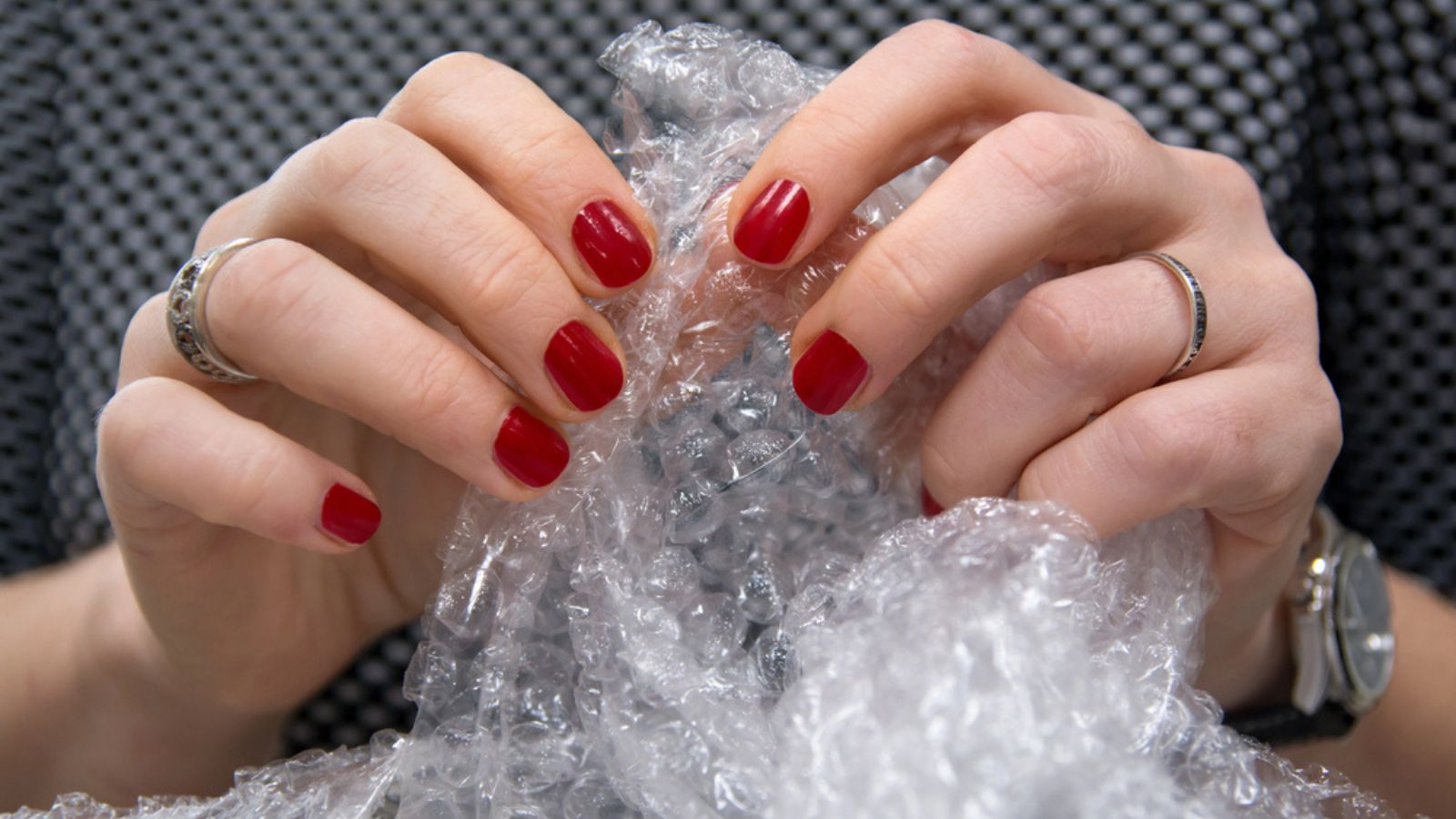
Packages often arrive filled with bubble wrap, which is difficult to recycle in curbside bins. However, this material is an excellent insulator. During colder months, cut sheets of bubble wrap to the size of your windows. Spray a light mist of water on the glass and press the bubble side against the windowpane.
The water acts as an adhesive, and the air pockets in the plastic create a thermal barrier that keeps heat in and cold out, potentially lowering heating bills. It is also wise to save this wrap for storing delicate holiday ornaments or protecting valuables during a move.
13. Silica Gel Packets
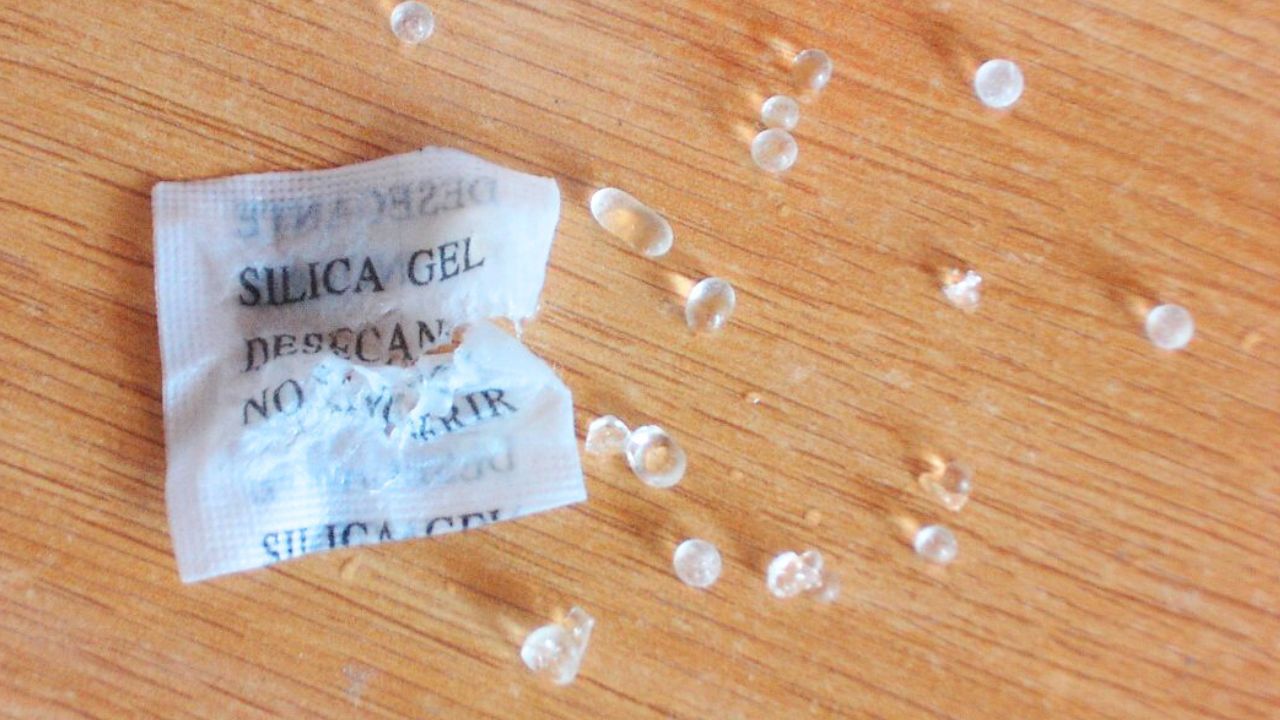
You will find these little white packets inside shoe boxes, handbag purchases, and electronics packaging. They are designed to absorb moisture, which makes them incredibly useful for protecting household goods.
Toss a few packets into your jewelry box to prevent silver from tarnishing, as moisture is the main culprit behind oxidation. They can also be placed in storage bins with leather goods or important documents to prevent mold and mildew growth. If you drop your phone in water, placing it in a sealed bag with several silica packets is often more effective than the old rice trick.
14. Mesh Produce Bags

Lemons, onions, and oranges often come sold in plastic mesh bags. The texture of this mesh is abrasive enough to scrub without scratching surfaces. Bunch the mesh into a ball and secure it with a rubber band or zip tie to create a homemade pot scrubber.
It works wonders on cast-iron skillets or baking dishes with stuck-on food. Because the material is plastic, it does not harbor bacteria as easily as a sponge and can be rinsed clean in seconds. This allows you to skip buying disposable scouring pads entirely.
Start Your Reuse Journey Today
Looking at trash differently is a habit that pays dividends for your wallet and your home organization. Before you head to the store to buy a solution for your home, check your recycling bin or junk drawer to see if you already own the answer. Pick one item from this list to rescue this week and see just how capable and creative you can be with what you already have.